
Billy Strings has described his body as a canvas and his tattoos as references to songs. The collection mixes traditional flash, large colour work and smaller designs; much of it comes into view when he rolls up a sleeve or takes off a shirt.
In an older interview, he named a cowgirl and John Henry’s nine-pound hammer, and said he might put a banjo on his knee. Not every piece needs a tidy backstory, but those examples show how naturally music and images meet in his tattoo choices.
Billy Strings’ tattoos are a moving songbook

Strings has said his tattoos connect to songs. The cowgirl and John Henry references make that link concrete, while the possible banjo piece was an idea he mentioned rather than a tattoo he confirmed.
The rest of the collection moves between bright traditional work, black linework and small flash designs. It doesn’t read like one coordinated sleeve.
The chest tattoos bring the whole collection together

Across the chest, wings, flowers, birds and ornamental shapes form a broad composition. From a distance, the large areas read together; closer up, separate figures and pockets of colour come into view.
Bold outlines and solid colour give the traditional imagery weight, while the looser arrangement keeps it from looking like one symmetrical panel.
The winged skull on his stomach is the loudest piece

A large skull with wings and a colourful frame sits lower on the torso. Its strong silhouette makes it the first thing many people notice, and the wings spread the design across the body instead of leaving a hard-edged block.
It’s a louder piece than the smaller references on his arms, but that contrast is part of how the designs share space.
His arms look like a collection of old-school flash sheets
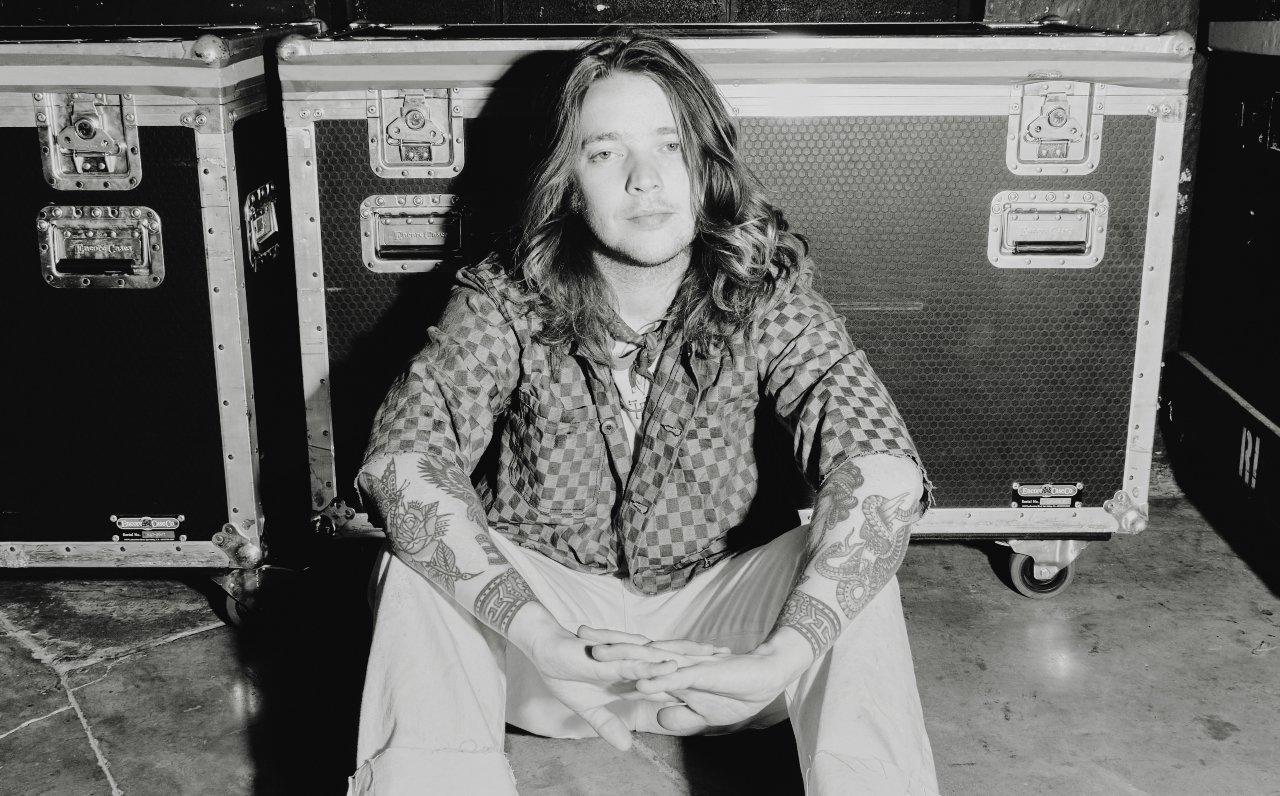
Strings’ arms bring together portraits, flowers, animals, small symbols and patterned bands. Some are bright, old-school designs; others use darker ink and flatter shapes. The pieces differ in colour and line weight, with enough open skin to keep each image distinct.
The forearms show how a sleeve can grow from separate choices. The designs don’t need to match if their placement leaves each one room to read.
The wrist bands add a bit of structure
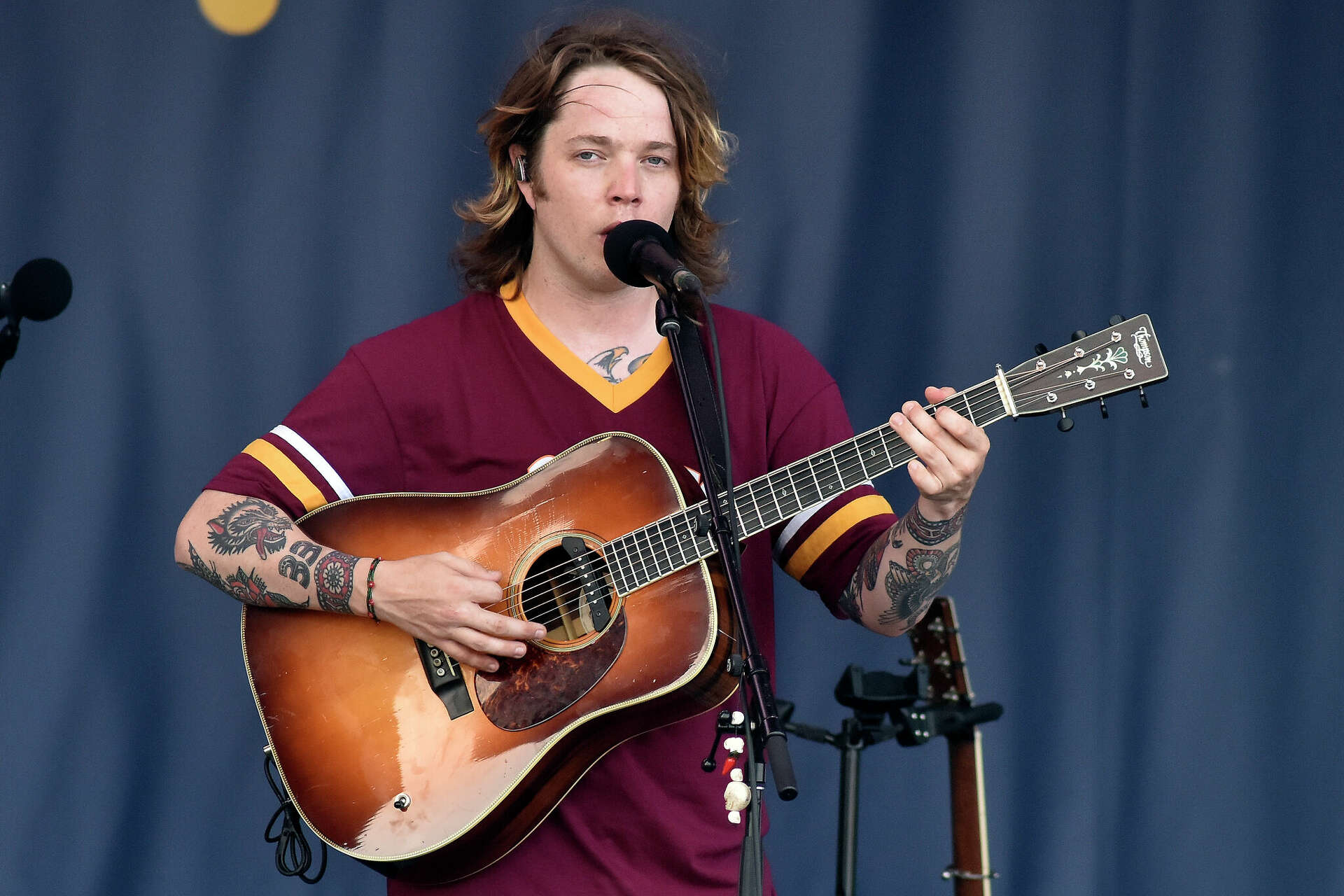
The bands around Strings’ wrists work like cuffs, marking a break between his hands and the denser forearm tattoos. They’re easy to spot when he holds a guitar or brings his hands near his face.
A geometric band has to wrap cleanly around a moving joint. Strong contrast helps the lines stay clear in photos and onstage, and the bands give the surrounding flash a little structure.
The forearm pieces are full of little details
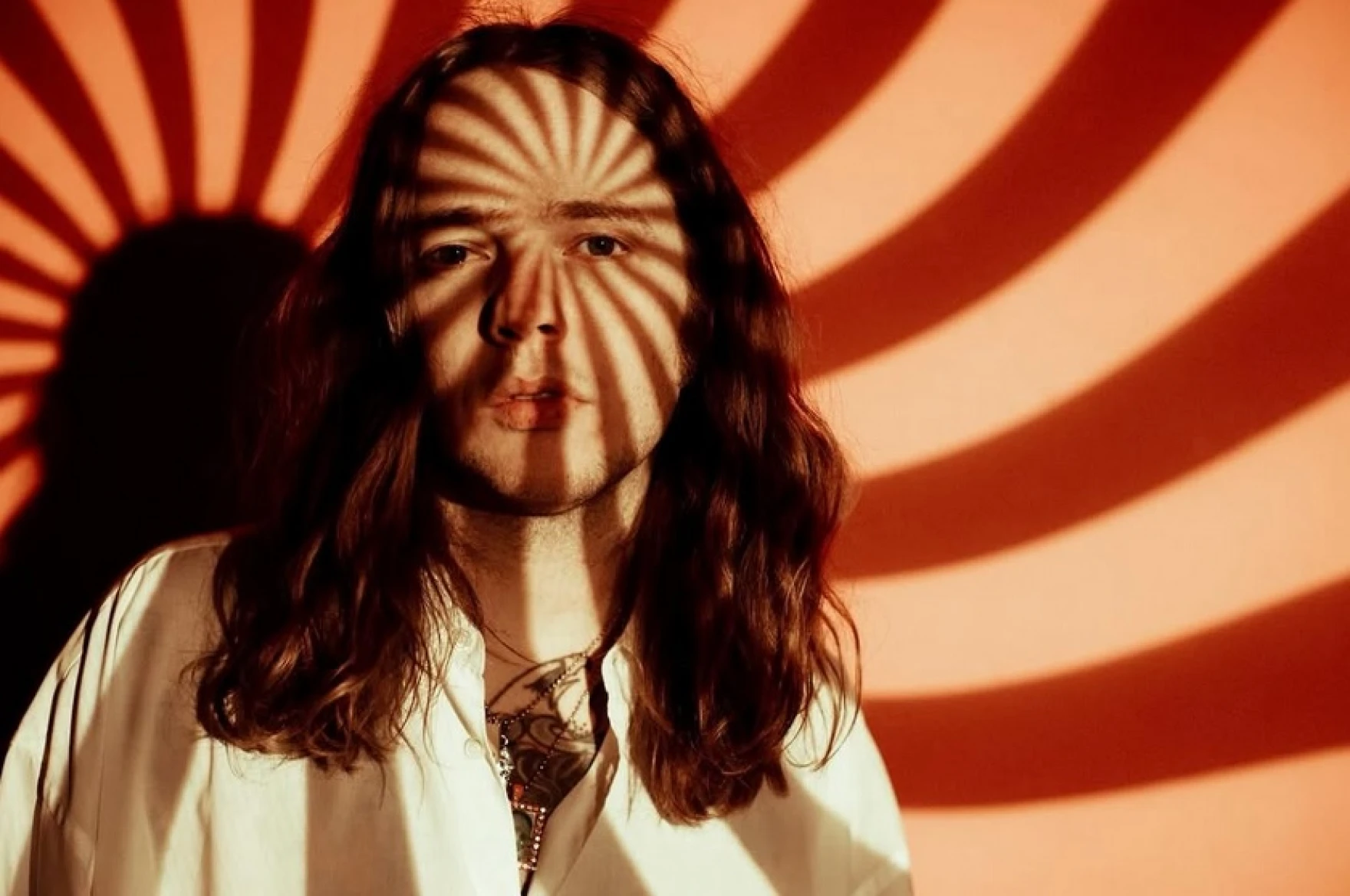
Close photos reveal compact lettering and traditional motifs tucked beside larger arm pieces. Stage shots show how heavily tattooed he is, but they don’t capture those smaller details.
Some designs appear to have been chosen for the image itself rather than to fit a fixed visual theme. Adding pieces over time leaves room for that kind of choice.
What the visual style gets right
The collection holds together through contrast: broad chest and stomach pieces sit beside smaller flash, and brighter colour breaks up the darker work. It isn’t polished into a single palette or a perfectly balanced layout.
Ideas to borrow without copying the whole sleeve
If you want a song reference, an object or figure can carry the idea without spelling out a lyric. You can also start with one larger chest or shoulder piece, then add smaller designs later. A limited set of bright colours can stand out without filling every open space.
The bottom line on the collection
Strings’ tattoos read like a collection that grew over time: some pieces point back to songs, while others stand on their shapes and colour. That leaves each design room to work on its own, even when the styles differ.
Watch Billy Strings in action: