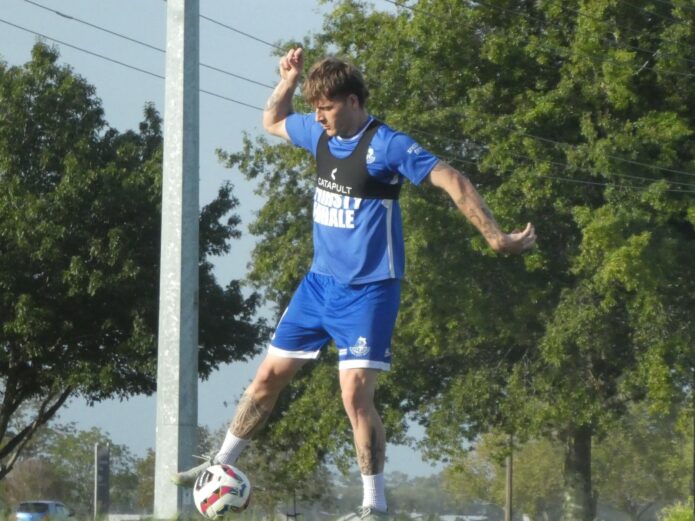
Aston Hurd’s big tattoo is hard to miss. It runs down his right shin in a long, dense panel of Māori-inspired patterning, and it looks especially striking when he’s on a football pitch with his socks pulled down. It isn’t just there to fill space, either. Hurd says the design carries his family, his life so far and the direction he wants to take next.
The New Zealand footballer spoke about the piece while playing for Napier City Rovers, and the details make it much more interesting than a quick training-ground photo might suggest. The tattoo took nine hours to complete after a two-hour conversation with the artist. That planning time mattered. The final design was built around a shield shape, with waves, fish scales and a North Star all carrying their own meaning.
Who Aston Hurd Is
Hurd is a 22-year-old forward from New Zealand who was chasing a full-time professional football career when the NZ Herald profiled him. He had moved to Napier City Rovers for the 2026 season after spells with Cambridge FC, Melville United, Hamilton Wanderers, Miramar Rangers, Birkenhead United and Northern Rovers.
He was also balancing football with a sales job, training several nights a week and travelling for Central League fixtures. That context matters because the tattoo isn’t presented as a piece of decoration detached from his everyday life. Hurd talks about work, family, teammates and the push to reach a higher level. The ink sits right in the middle of that story.
On the pitch, he describes himself as someone who likes the hard work. He wants to make runs, track back and help the team even when he isn’t the one scoring. Off the pitch, he says he’s hard on himself and tends to pick over the smallest details. The tattoo has that same feeling of being considered rather than rushed.
A Shield Tattoo for Family
The main Aston Hurd tattoo covers the right shin and forms something close to a shield. Hurd described that shape as a kind of protection for himself. It is a strong starting point for the design because the tattoo doesn’t read like a collection of random filler motifs. The lines all work inside one tall structure that follows the leg.
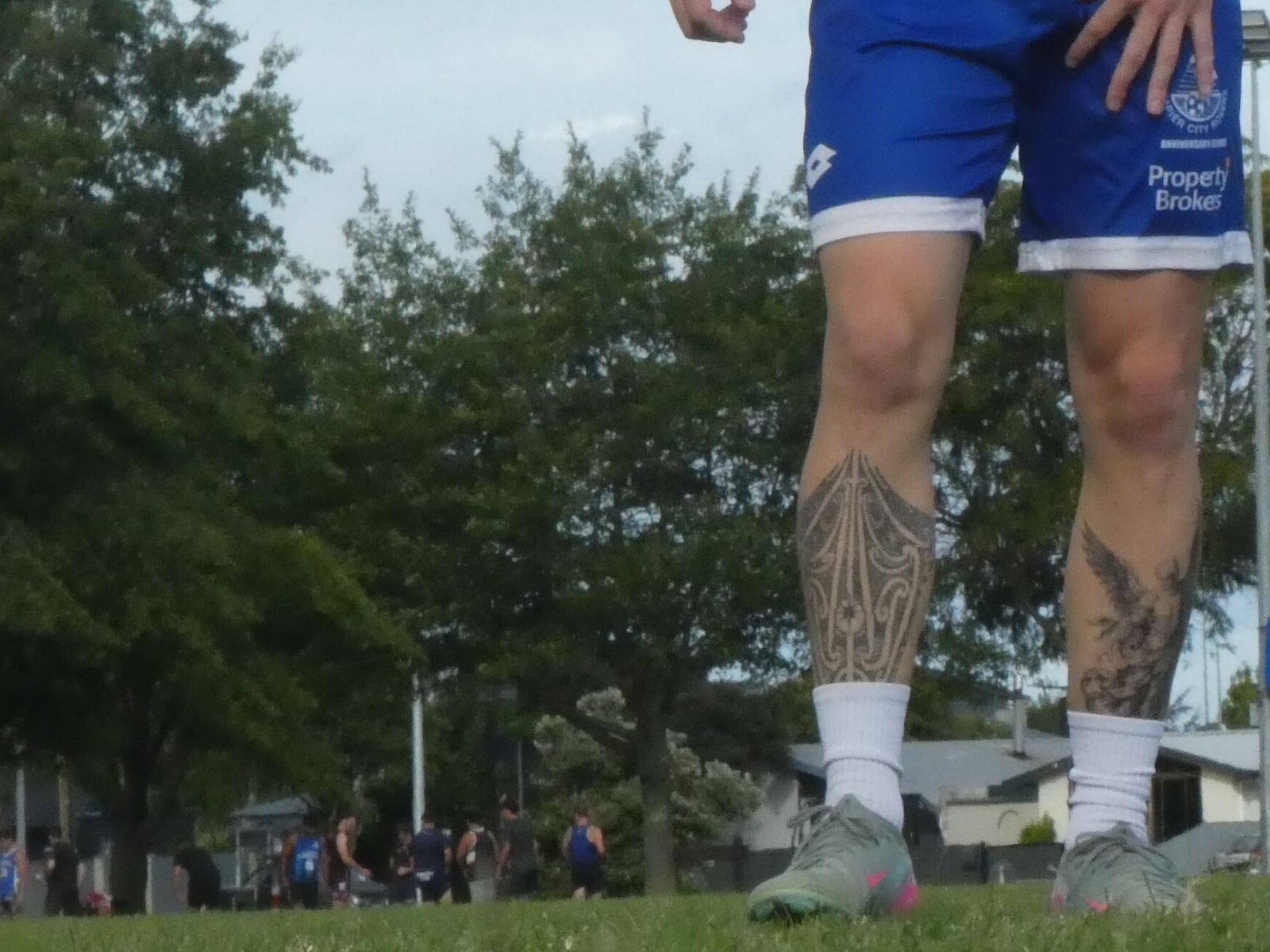
The pattern is bold enough to hold up from a distance, but there is plenty going on inside it when you look closer. The outer lines give the piece its frame, while the interior sections create movement around the shin. It feels built for a moving body. When Hurd runs, the design stretches and shifts with the leg instead of sitting there like a flat sticker.
There is also something quietly practical about putting a meaningful family design on the shin. It is easy for Hurd to see, but it isn’t placed where every person he meets gets an instant explanation. He can look down at it before a match, during a training session or on a long day when football and work are both asking a lot from him.
Waves, Scales and the North Star
Hurd explained that the waves represent the waves of life. That sounds simple, but it gives the lower part of the design a clear job. The pattern isn’t just there to make the shin look busy. It connects the tattoo to the ups and downs that come with family life, football and trying to build something from a long way away from home.
He also pointed out fish scales, which represent his mum and dad as providers. That is one of the most personal parts of the piece. Rather than using names or a portrait, the design folds that idea into the pattern itself. Someone looking at the tattoo might only see a sharp black-and-grey structure. Hurd sees the people who supported him.
The North Star is the piece’s clearest direction marker. Hurd said it reminds him not to look back and to keep moving towards his right direction and end goal. That fits the football story around the tattoo. At the time of the interview, he wasn’t talking like someone who had already reached the top. He was talking about earning the next step and proving he belonged in a more professional environment.
For a tattoo idea, the North Star is familiar territory, but the way it sits inside this design gives it more weight. It isn’t floating alone above a quote or tucked beside a compass. It is part of a larger family-and-ambition piece, so its meaning comes from the rest of the shin rather than from the symbol by itself.
The Ink in Motion
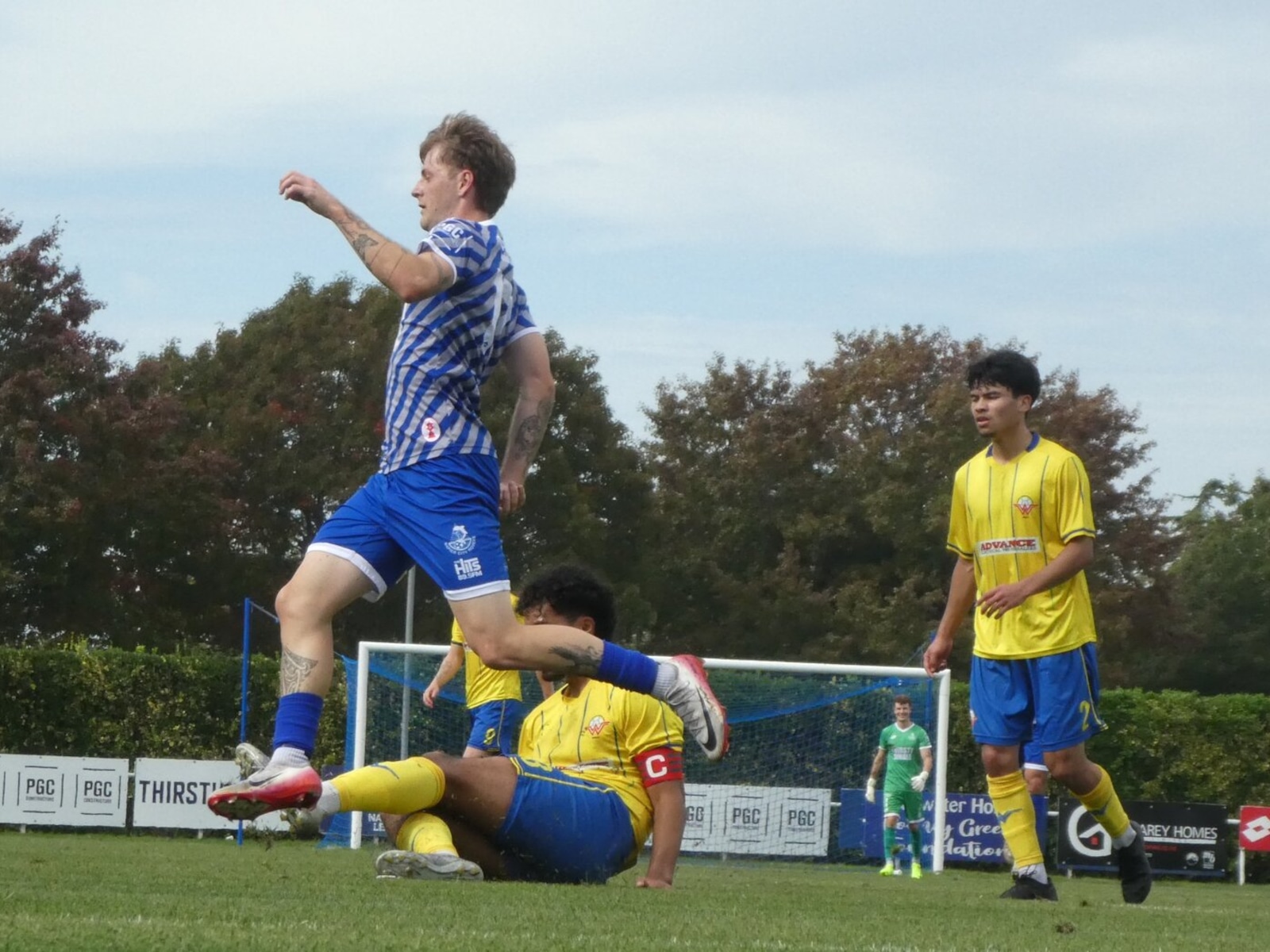
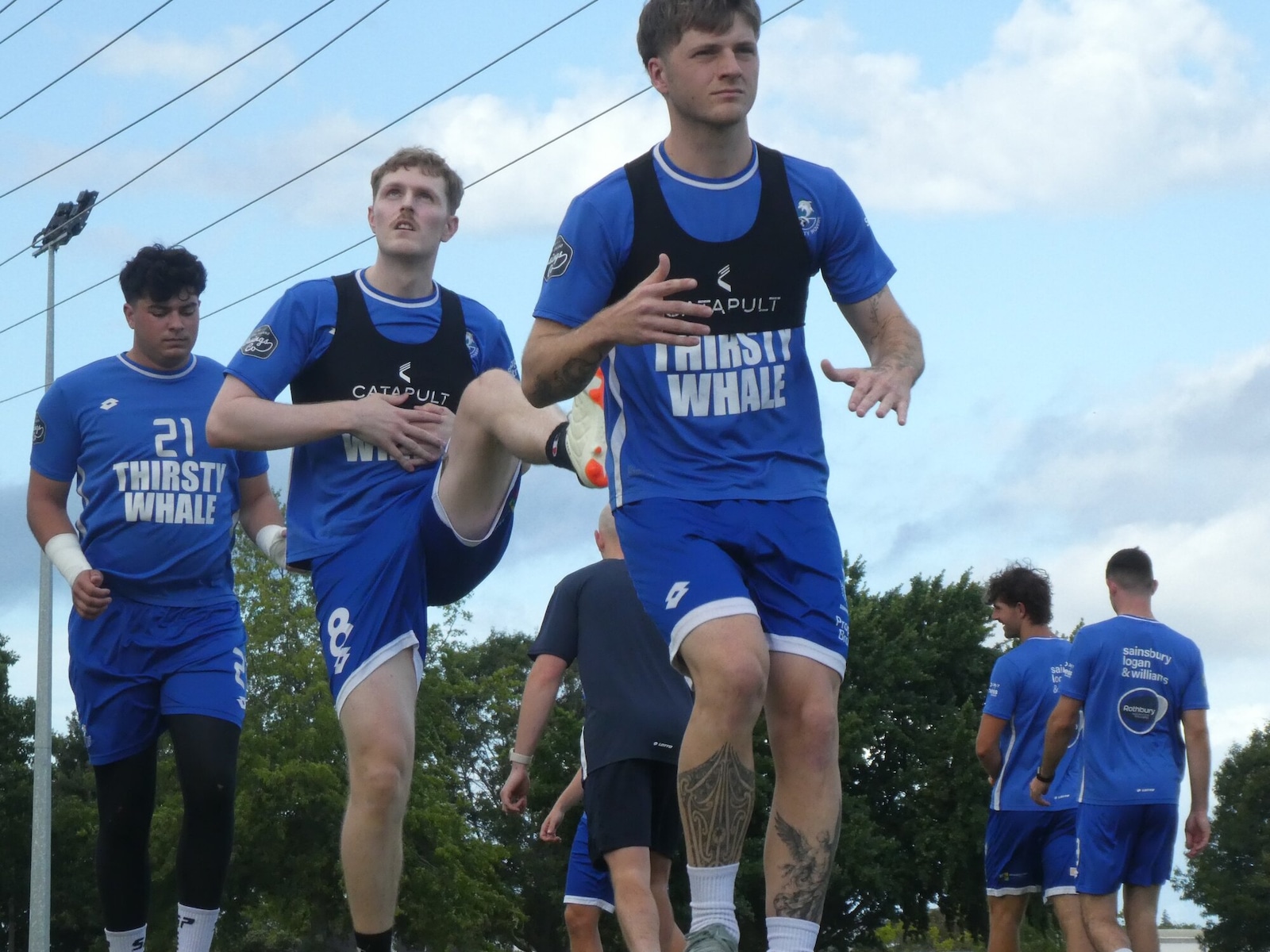
Still photos can make a leg tattoo look neat and controlled. Football photos show what it actually does. Hurd’s shin tattoo is visible while he is running, stretching, jumping and changing direction, and those different angles make the piece feel much more alive.
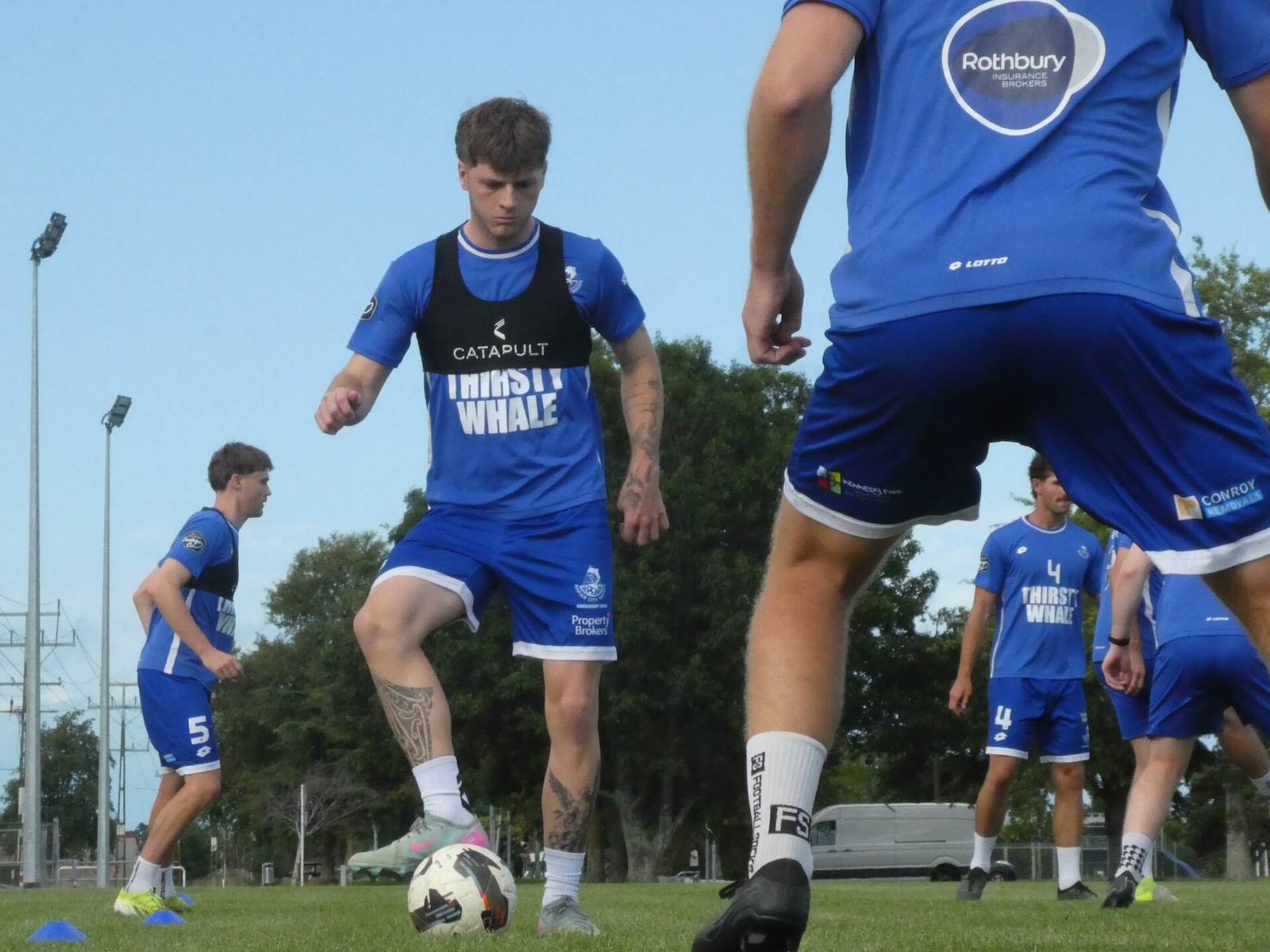
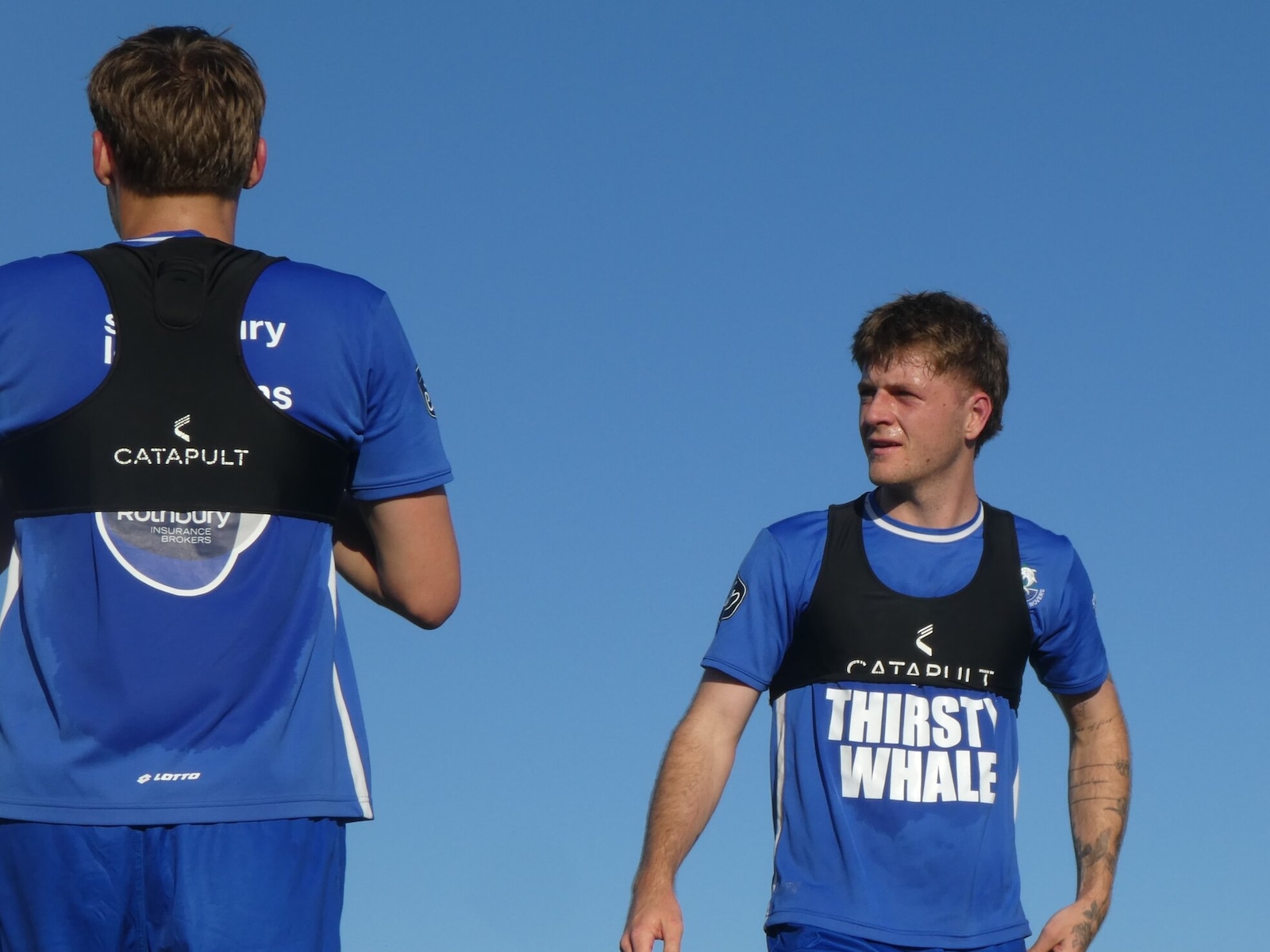
There is also arm ink visible in the training images. It isn’t the focus of the NZ Herald interview, so it would be wrong to invent a meaning for those smaller tattoos. What we can say is that Hurd’s collection isn’t limited to one carefully protected statement piece. The forearm work gives the larger shin tattoo some company without taking attention away from it.
The training photos are useful because they show how the design sits with ordinary sports clothing. The shin piece disappears under a sock and comes back into view when the sock drops. That makes it feel like part of Hurd’s routine rather than a tattoo he only reveals for a posed photograph.
A Young Player’s Tattoo Direction
Hurd’s tattoo makes more sense when you put it beside the way he talks about football. He moved to Napier looking for a new adventure and a chance to push himself. He wanted to win silverware with the club, help the team qualify for the National League and keep moving towards a full-time professional career.
That doesn’t mean the tattoo is a literal football design. There isn’t a club crest or a giant football in the middle of the shin. The connection is more personal. The North Star is about direction, the shield is about protection and the family symbols are reminders of who he is working for. Football is the setting, but the tattoo reaches beyond one club or one season.
Hurd also talks about staying grounded. He grew up in Te Aroha, played rugby when there weren’t enough local football teams and developed a work ethic that he says was built through sport. The tattoo’s family focus suits that background. It celebrates ambition without pretending the road to a professional career is easy.
The Shin Tattoo Detail
The close views of the tattoo show why a design like this needs a good artist and a lot of patience. Even in a match photo, you can see repeated curves, pointed sections and tightly packed lines running down the leg. The composition keeps its shape from the knee towards the ankle instead of turning into a loose pile of symbols.
Hurd said the tattoo took nine hours, with the only break coming when the artist needed to use the bathroom; it was a long, serious sitting. That is a serious sitting, especially for a design placed over the shin where the skin can feel unforgiving. The two-hour conversation beforehand seems just as important. The artist had to understand the family references before turning them into a pattern.
That is the part worth remembering if you’re planning a culturally meaningful tattoo of your own. The strongest result usually comes from spending time on the idea before the needle starts. Hurd’s piece has a clear structure because the meaning was worked out first. The visual language came after.
Why It Works
Aston Hurd’s ta moko works because it has a point of view. It isn’t trying to be delicate, trendy or instantly understandable to everyone who sees it. It is a big family piece with a protective shape, natural imagery and a simple sign of direction. The design has enough detail to reward a close look, but the main outline still reads clearly from the sideline.
It also avoids the trap of explaining every symbol too heavily. Hurd gave clear meanings for the shield, waves, fish scales and North Star. He didn’t turn the interview into a dictionary for every line in the pattern. That leaves room for the design to feel like a real piece of body art rather than an infographic printed on skin.
The best detail is probably the way the tattoo connects home and ambition. His parents are represented in the fish scales. His wider life is in the waves. His goal is in the North Star. The protective shield brings it all together. That is a strong framework for anyone who wants a tattoo that feels personal without relying on a name, a date or a long block of script.
Final Take
Hurd’s tattoo is a good reminder that a powerful design doesn’t need to shout its meaning. The shin piece looks bold first, then the story starts to open up: family, protection, movement, provision and a clear line towards the future. It belongs to a young footballer who is still working towards the career he wants, which makes the North Star feel especially fitting.
The photos also show the tattoo honestly. You see it during a match, during training and in closer views where the pattern can be studied. It isn’t just a polished studio reveal. It is ink doing its normal job on a working athlete’s body, moving with him while he chases the next opportunity.
If you’re drawn to the idea of a meaningful leg tattoo, Hurd’s piece is worth looking at for its structure. Start with the feeling you want the tattoo to carry, talk it through with an artist who understands the visual language, and let the symbols support the bigger idea. The result doesn’t have to copy this design. It just needs to mean something when you look down and see it there.