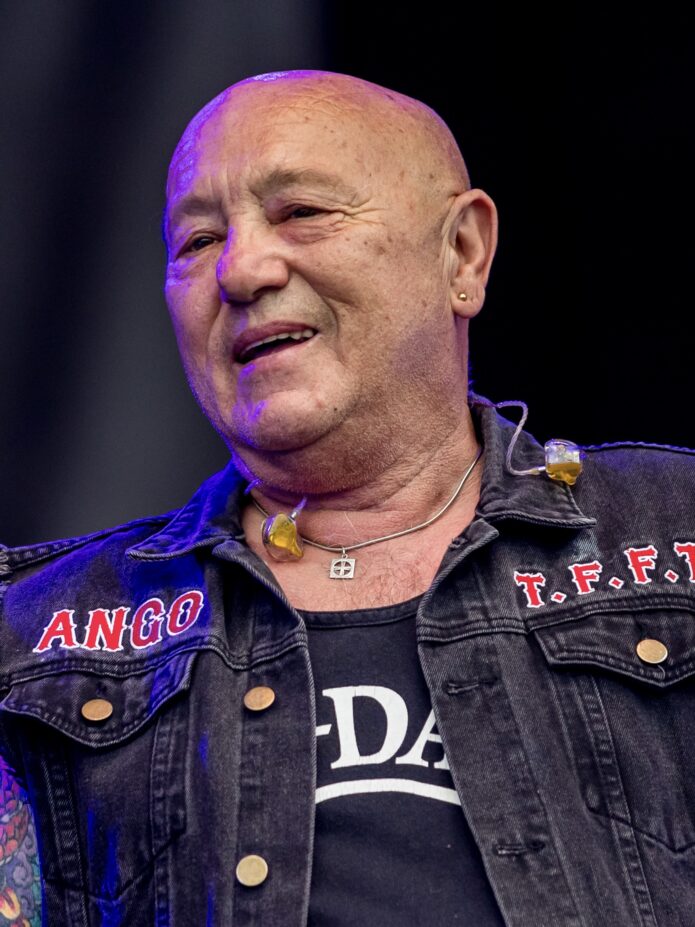
Angry Anderson’s tattoos became part of his public image, but the story starts before the stage look. Born Gary Stephen Anderson, he fronted Rose Tattoo from its formation in 1976; that connection lasted five decades. In an interview with The Rockpit, he said his mother was named Rose DeMay and that his first two tattoos were roses.
Anderson, born Gary Stephen Anderson, died in September 2026 at 79. Photos from across his career show colorful sleeves, though they don’t identify every design. The roses have the clearest story; the rest is best described by what the pictures show.
The first Angry Anderson tattoos were roses
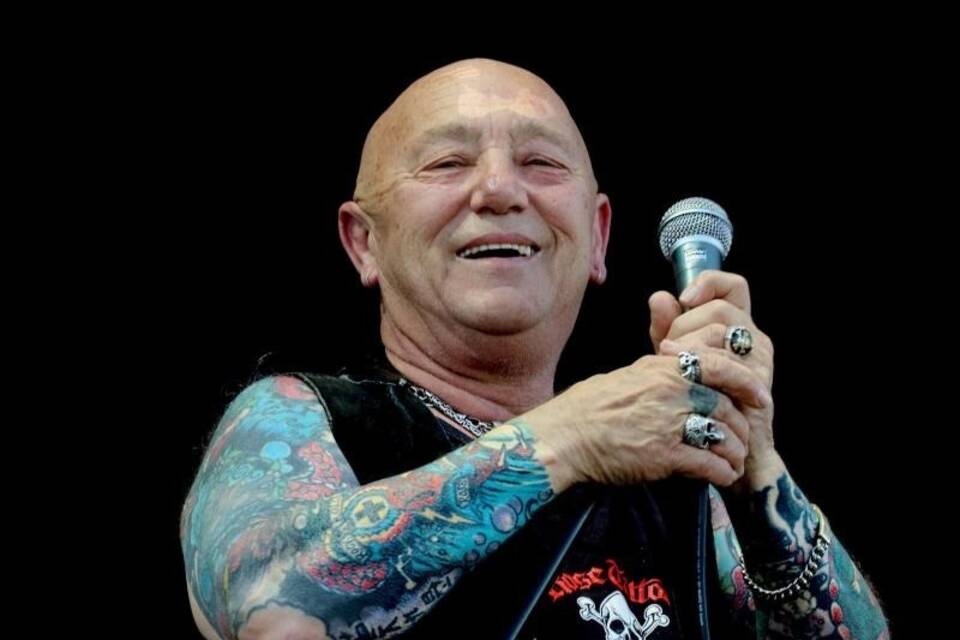
Anderson told The Rockpit that his mother’s name, Rose DeMay, meant “Rose of May” to him, and that his first two tattoos were roses. He later sang in a band called Rose Tattoo. The name came years after the first ink, but it gave the roses a second connection once the band became part of his life.
He also told ABC that his mother tried to scrub off his first tattoo. Her reaction was a sign of how personal that choice felt at home. Anderson kept the tattoo, and it became the start of a collection he continued to wear in public.
Rose Tattoo turned the ink into a full stage identity

Sleeveless shirts and open vests often left Anderson’s arms visible onstage, so the tattoos became part of the image audiences knew. They weren’t stage makeup he could take off after a show; the ink appeared in interviews and ordinary photographs too.
The sleeves look accumulated rather than designed as one matched piece. Some sections are dense and bright, while others are harder to make out in older concert photos. That unevenness is visible in the pictures, but it doesn’t tell us why any individual tattoo was chosen.
What the sleeves actually look like in photographs
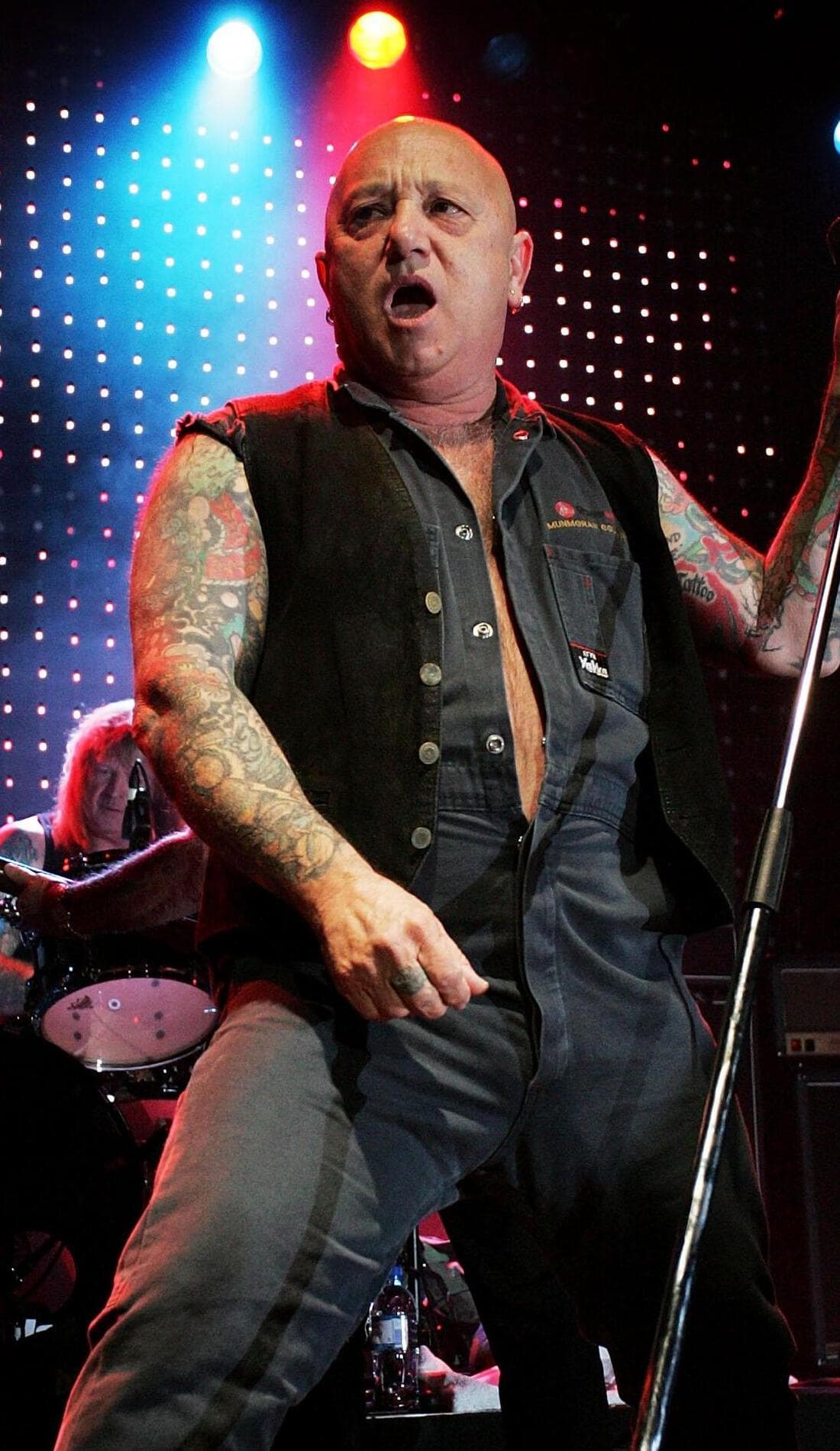
Clearer photos show colorful, heavily tattooed arms. A Rockpit portrait has Anderson crossing both arms over his chest; an RNZ photo shows him in a black tank top. Concert lighting changes the colors and hides small details, so the broad description—bright, dense sleeve work—is more dependable than naming blurred shapes.
The tattoos also look different when Anderson is moving. A portrait holds the arms still; onstage, the ink bends with his elbows as he leans toward the microphone. The same sleeve can read as one field of color in a still photo and as separate pieces during a performance.
The roses carry a family connection
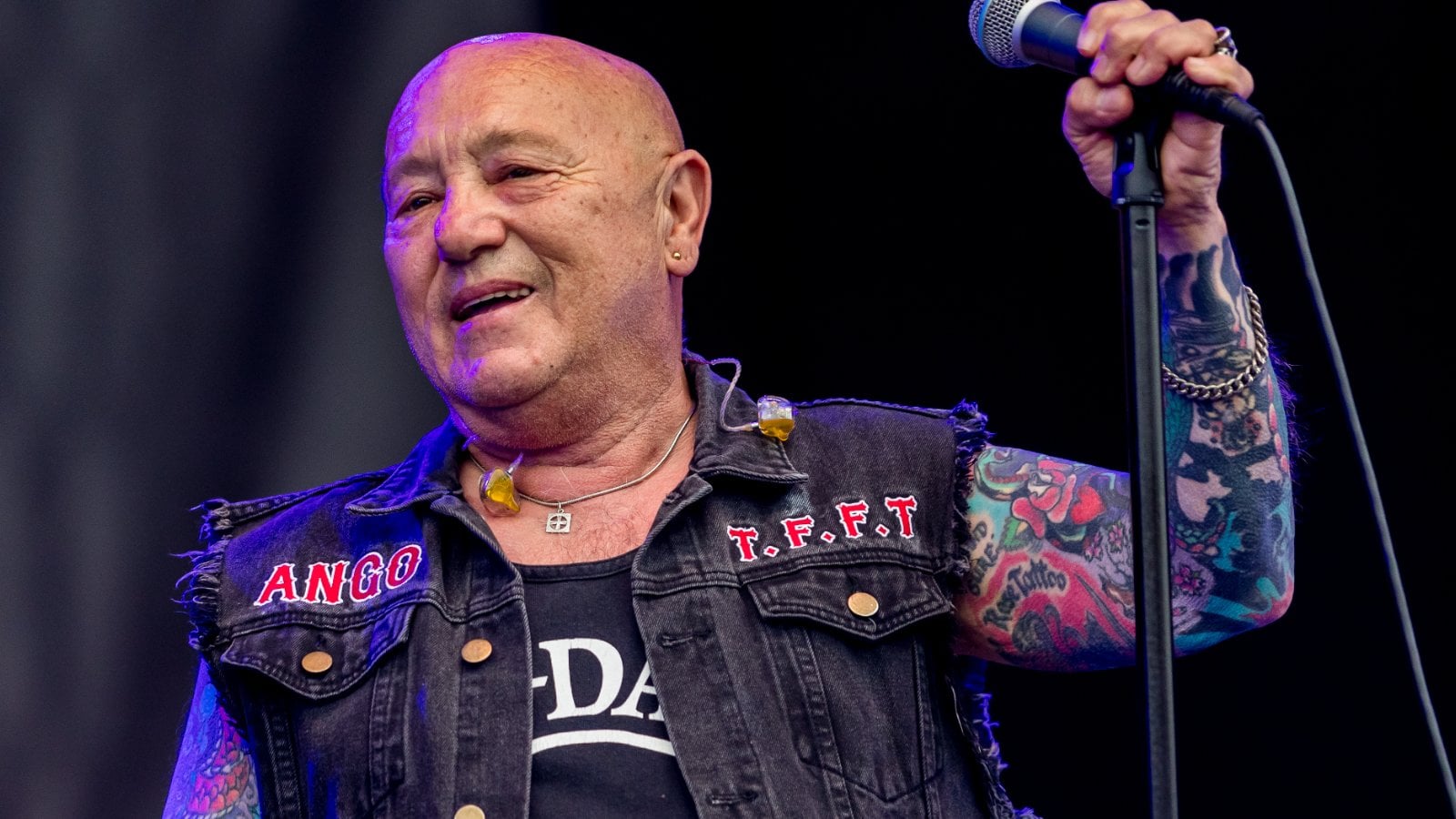
Anderson tied the first roses to his mother, Rose DeMay. The later Rose Tattoo connection adds another layer, but it doesn’t replace that family story. The flowers weren’t just part of a rock image; they were among the first designs he chose.
Roses are common tattoo subjects. Here, the specific connection—to his mother and the timing of those first tattoos—is what gives them a personal history. His mother’s attempt to scrub one away also shows that the decision meant something beyond the design itself.
Why the old-school rock look still works
Anderson’s tattoos were usually seen alongside the clothes he wore: an open or sleeveless top, often dark or denim. That let the bright ink stand out, while the rest of his look stayed simple. The effect built up through years of concerts and appearances rather than one carefully staged reveal.
If you’re taking a practical idea from the photos, look at how clothing and movement affect visibility. A sleeve can read differently with the arm relaxed, bent or raised. The pictures show Anderson’s finished look, not a plan he described for each tattoo.
How the look holds up across decades
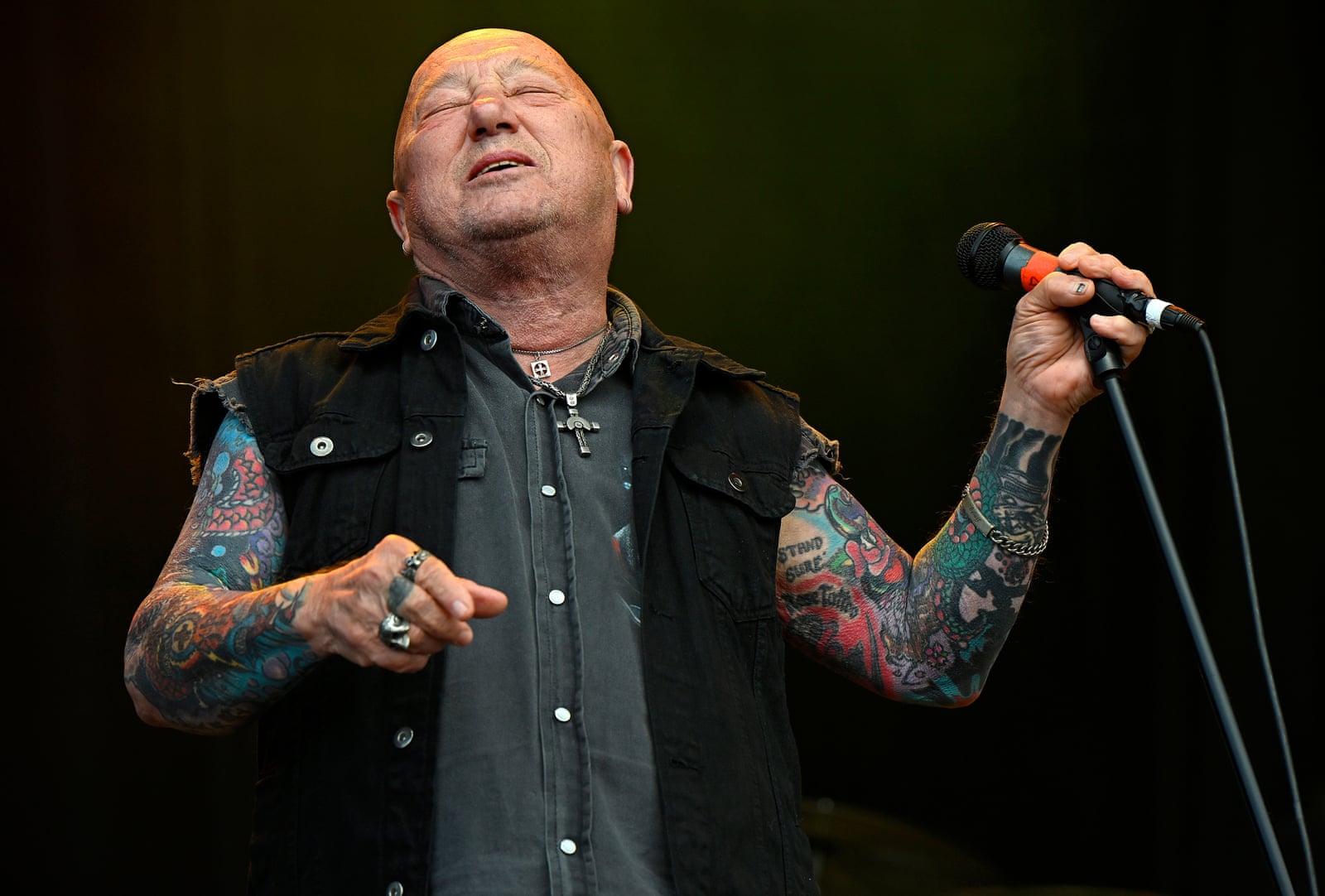
Early Rose Tattoo photos and later portraits don’t show the sleeves equally well. Some are grainy or lit by red and blue stage lights; sharper later images reveal more color. A change in how a tattoo looks across photos may come from the camera or lighting, not a new design.
Like any long-worn ink, the tattoos also appear in the context of age and time. The pictures show a collection across decades, rather than a fresh portfolio shot. Open skin remains visible between some designs, though there’s no evidence that every gap was planned.
What to take from Anderson’s story
The documented story is simple: Anderson’s first two tattoos were roses linked to his mother, and the colorful sleeves became familiar through Rose Tattoo and years of public appearances. Photos show their scale and changing visibility, but they don’t provide a reliable inventory of every motif.
For someone drawn to the look, the useful point is to think about the whole arm and how it moves and sits with clothing. Anderson’s collection didn’t need perfectly matched borders to feel like his own.