Alex Millán tattoos are unusually easy to connect to his football identity because one image dominates the published coverage: the large bear across his chest. Spanish sports coverage repeatedly shows the forward lifting his shirt after scoring, and the design has become part of the nickname “el oso”. But the chest is only the beginning. Recent club portraits and match photographs also reveal dense work across both arms, hands and legs.
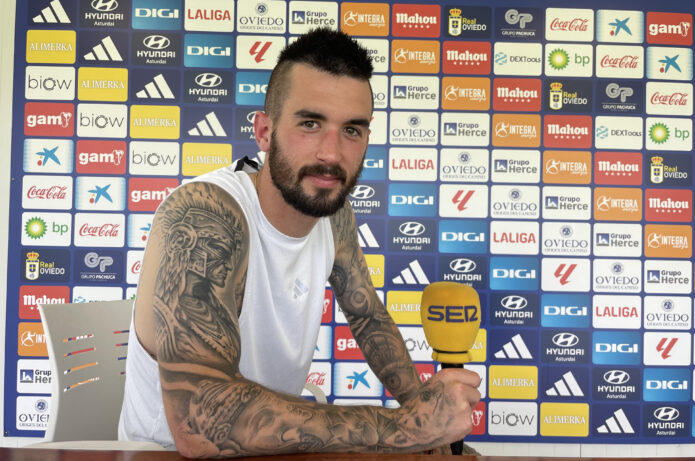
The sources tell a useful story across different settings. AS.com photographs the chest tattoo during celebrations for Cartagena and Leganés, later AS reports connect the bear to Millán’s childhood toy, and the official CD Leganés portrait shows that the sleeve work is not limited to one dramatic goal moment. A Cadena SER interview route provides a separate face-visible portrait for the featured image, while the inline sequence stays focused on tattoo-bearing originals.
This article therefore treats the bear as the documented anchor and the arm work as a wider visual field. It does not invent meanings for every shaded figure in the sleeves. Instead, it follows what the inspected images establish: a bold chest centerpiece, dense black-and-gray arms, and a footballer whose celebrations make the ink part of the match-day narrative.
The bear chest tattoo is the signature image
The clearest design in Millán’s collection is the large bear across his chest. In the Cartagena photograph, he pulls the yellow shirt apart with both hands and the face of the animal sits directly beneath his own. The artwork is broad, dark and immediately readable, which explains why it became the source of his football nickname and why it appears in so many later match reports.
The bear is not a small emblem tucked beneath a collar. It occupies the centre of the chest and uses heavy black shading, textured fur and a strong frontal expression. That scale gives it the role of a personal crest. The design works because the placement and the nickname reinforce each other: the symbol is visible, memorable and tied to how the player presents himself on the pitch.
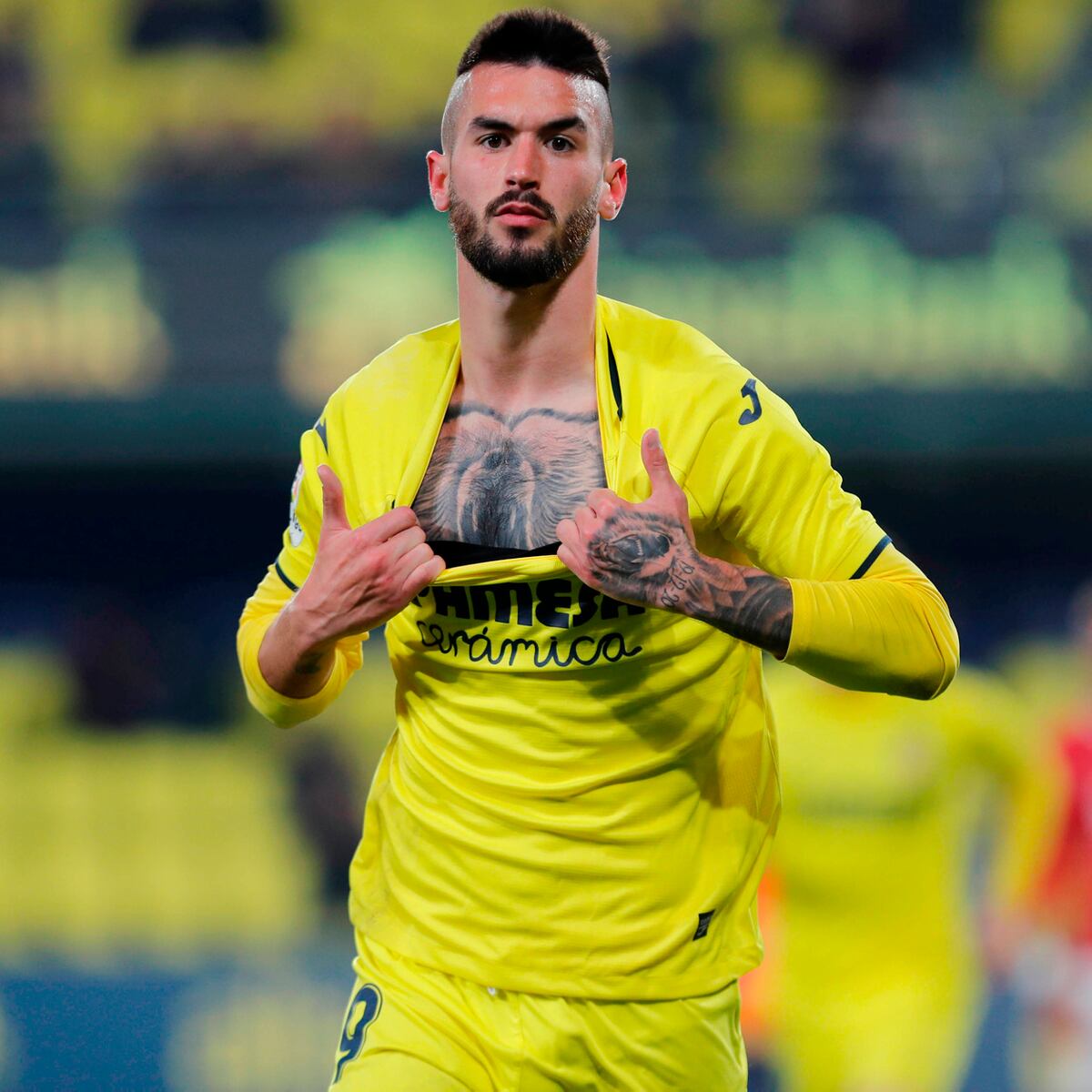
A chest piece like this also changes the meaning of a celebration. Lifting the shirt is not just a spontaneous gesture; it reveals the image that supporters already associate with Millán. The tattoo becomes part of the football language around him without needing a club badge or a written slogan.
His arms carry a separate tattoo language
The official CD Leganés portrait adds a second chapter. With his arms positioned behind his back, Millán’s forearms and upper arms are fully visible, showing dense black-and-gray work with faces, ornamental curves and large shaded blocks. These tattoos are more layered than the bear and read as sleeves rather than one isolated statement.
The press photograph from Cadena SER shows the same arm coverage from a different angle. Millán sits in a white sleeveless top and leans toward the microphone, so the upper arm fills the foreground while the hand and forearm extend across the frame. The camera distance makes the texture easy to study. Different sources reveal different parts of the same visual system.

The arms also balance the chest design. The bear provides a single centre, while the sleeves create movement toward the shoulders, elbows and wrists. That contrast keeps the body art from looking like one oversized panel and gives the collection a stronger sense of scale.
Goal celebrations make the chest tattoo visible
The Leganés celebration photograph from AS.com shows why the bear is such a durable visual signature. Millán raises his striped shirt after scoring, turns toward the supporters and exposes the chest image against the stadium background. The tattoo is not presented in a studio; it is caught in the movement of a player who has just changed the game.
The moment also confirms the continuity of the design. The bear appears in a different club kit and a different phase of Millán’s career, but the pose is familiar: hands pull the fabric aside, the chest faces the camera and the tattoo becomes part of the celebration. A personal image can travel with a player even when the colours, teammates and stadium all change around it.
This is why multiple originals matter. The Leganés frame is not interchangeable with the earlier Cartagena photograph. The angle, shirt, background and body position are different, so each one documents how the bear reads in a separate football setting.
Match photography reveals the ink in motion
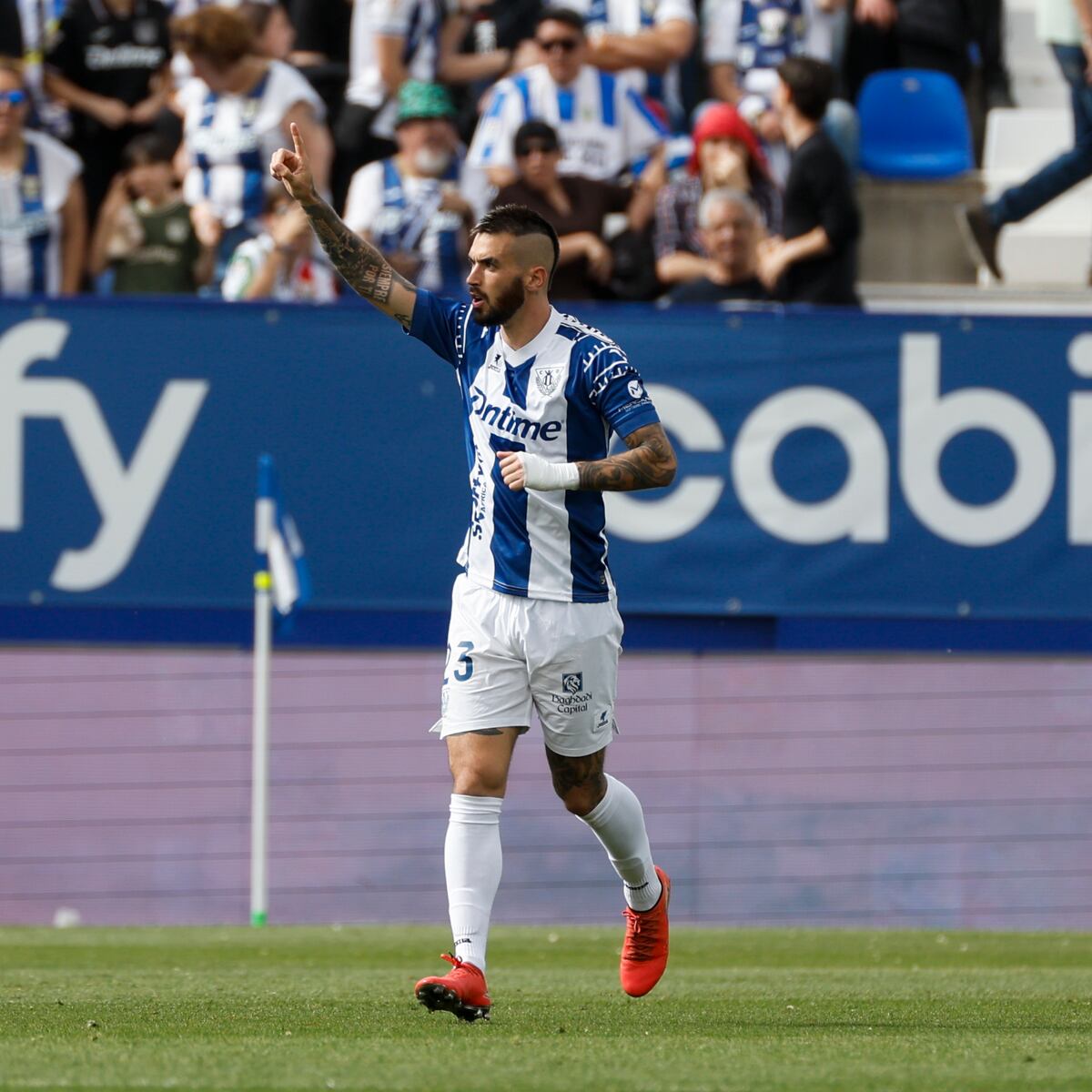
The blue-and-white match photograph shows Millán running with one arm lifted and the other bent across his body. The chest is mostly covered, but the forearm tattoos remain visible beside the kit. This is a less obvious tattoo image than the shirt-lift photographs, yet it is valuable because it shows how the arm work appears during normal play rather than only during a reveal.
The darker night-match frame works in a similar way. Stadium light falls across Millán’s face and exposed forearm while the rest of the body recedes into shadow. It does not establish a new motif or a private meaning, but it confirms that the sleeve remains part of the player’s public silhouette. Tattoo placement is shaped by movement, and football photography records that movement honestly.
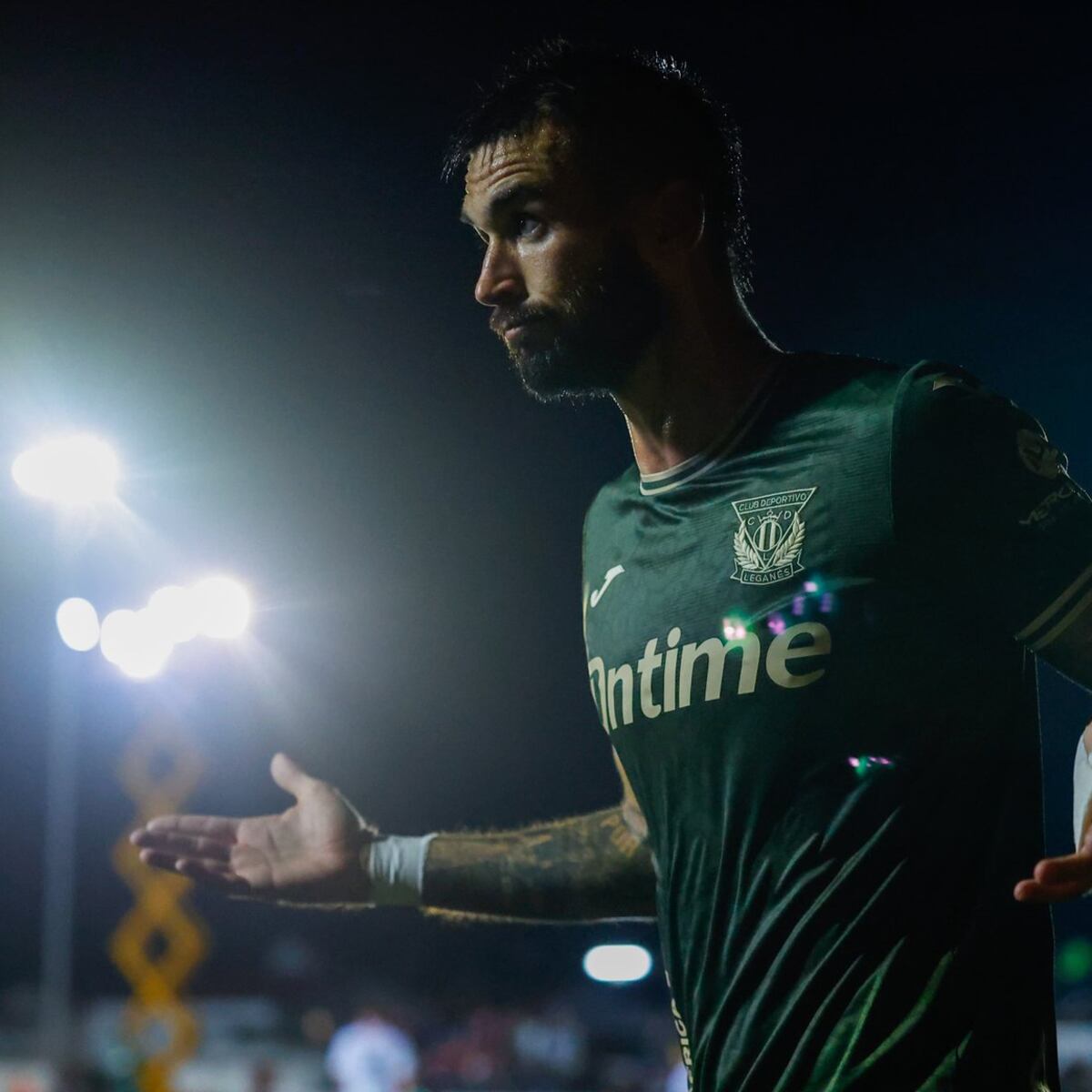
For readers studying a sleeve, these action photographs are a reminder to plan for motion. Elbows bend, wrists turn and jerseys cover the centre of the body. A design that looks balanced in a mirror still needs to read clearly when the arm is raised, extended or partially hidden by a kit.
An official portrait shows the complete arm work
The official Leganés portrait is the most useful overview of Millán’s arms. The front-facing pose keeps his face visible while both forearms sit outside the shirt, exposing dense designs from the elbows toward the wrists. The image is cleaner than a match photograph, so it gives the viewer a better sense of how the two sides relate without forcing them to match.
The arms are not mirror images. One side carries a large central figure and broad shadows, while the other uses different contours and smaller panels. That asymmetry gives the collection personality. A sleeve can feel unified through weight, contrast and placement even when its individual images are not repeated on both sides.
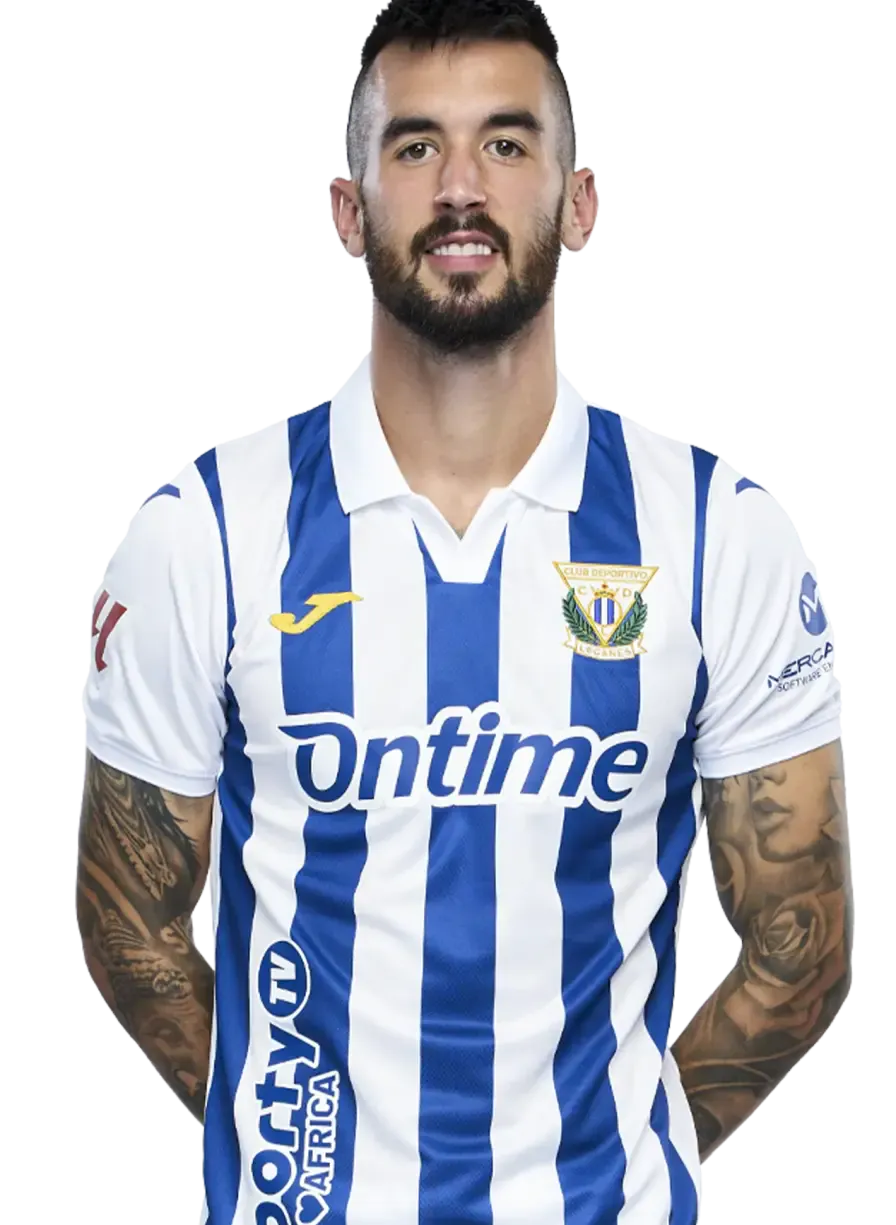
The portrait also helps separate the public bear from the less documented details. The chest tattoo is famous because the player reveals it deliberately. The arm designs are more often discovered in photographs, so the safest account describes what the pixels show and leaves any unreported symbolism open.
The nickname and the image support one another
The bear tattoo is more than a graphic that happens to be visible during a goal celebration. It has become a shorthand for Millán’s public identity, and Spanish reports use the nickname because the design is so easy to recognise. The story behind it adds a personal layer: coverage from AS.com connects the bear to a childhood toy that stayed with him while he grew up.
That connection explains why the tattoo feels more specific than a generic animal image. A bear can represent strength in many different collections, but Millán’s design is tied to a memory and then carried into professional football. The chest placement makes the reference public, while the personal story keeps it from feeling like simple branding.
The best tattoo dossiers hold both sides at once. They describe the visual impact that a stadium audience can see, and they preserve the private detail that explains why the design matters. When a symbol has a documented origin, the meaning should be allowed to lead the interpretation rather than being replaced by a more dramatic guess.
What the retained photographs establish
The retained image set establishes a clear hierarchy. Two separate goal photographs show the bear across different shirts and clubs. The official portrait and the Cadena SER route reveal dense arm work in controlled settings. Match photography adds the reality of movement, where forearm tattoos remain visible even when the chest is covered. No single photograph is asked to do all of that work.
There are also limits. The sources do not identify every figure in the sleeves, and a dark action frame cannot prove a design that it only hints at. The article therefore avoids a made-up catalogue. It stays with the bear, the visible arm coverage and the documented football context that links the photographs together.
For someone considering a similar project, Millán’s collection offers a practical model: choose one strong centre, let the surrounding work use a consistent visual weight, and think about how the designs will look while the body is moving. Keep the most personal story in a place that can be revealed deliberately, then let the less literal work build outward from it.
Alex Millán tattoos are compelling because they are both personal and public. The bear preserves a childhood reference, the arms create a broad visual frame and the celebrations turn the chest into part of the match. The strongest reading is not that every mark has been decoded. It is that the images show a footballer building a body-art identity that keeps pace with his career. The tattoo remains recognizable because the story, the placement and the repeated photographic moment all point in the same direction.