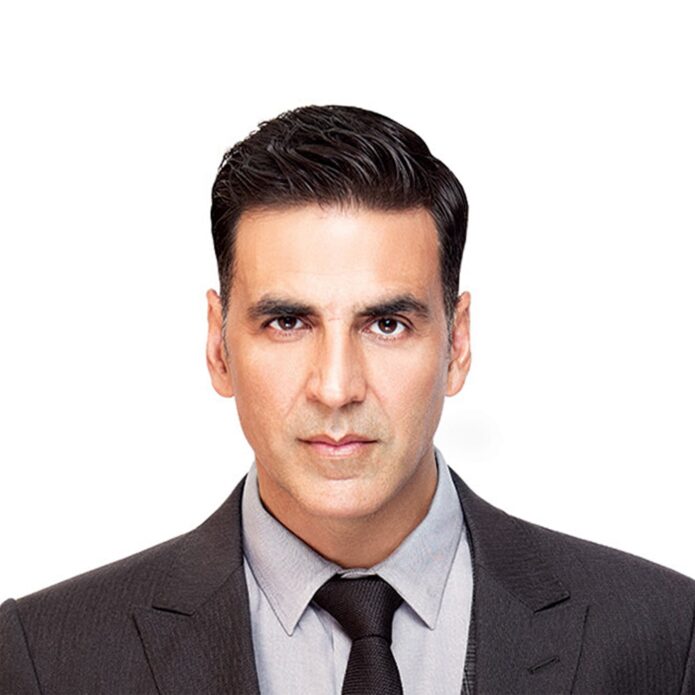
Akshay Kumar’s tattoos are best documented through a small set of named family pieces rather than an exaggerated inventory. Filmfare reported that the actor has tattoos connected to Twinkle Khanna, Aarav and Nitara, while The Tribune had earlier described the visible Aarav tattoo and a shoulder piece reading Tina. The inspected Hindustan Times image makes the Aarav script legible. Two distinct face-visible portraits and a separate featured portrait provide identity context without being passed off as tattoo evidence.
Akshay Kumar’s documented family-name tattoos
Akshay Kumar has a clearly documented set of family-name tattoos. Filmfare reported in 2025 that the actor has Twinkle Khanna’s name inked along with the names of their children, Aarav and Nitara. The report says Aarav appears on his back, while the names associated with Twinkle and Nitara are placed across his shoulders. The inspected Hindustan Times image gives the strongest visual proof for the Aarav piece: Akshay is photographed from behind and the script is readable across the upper back.
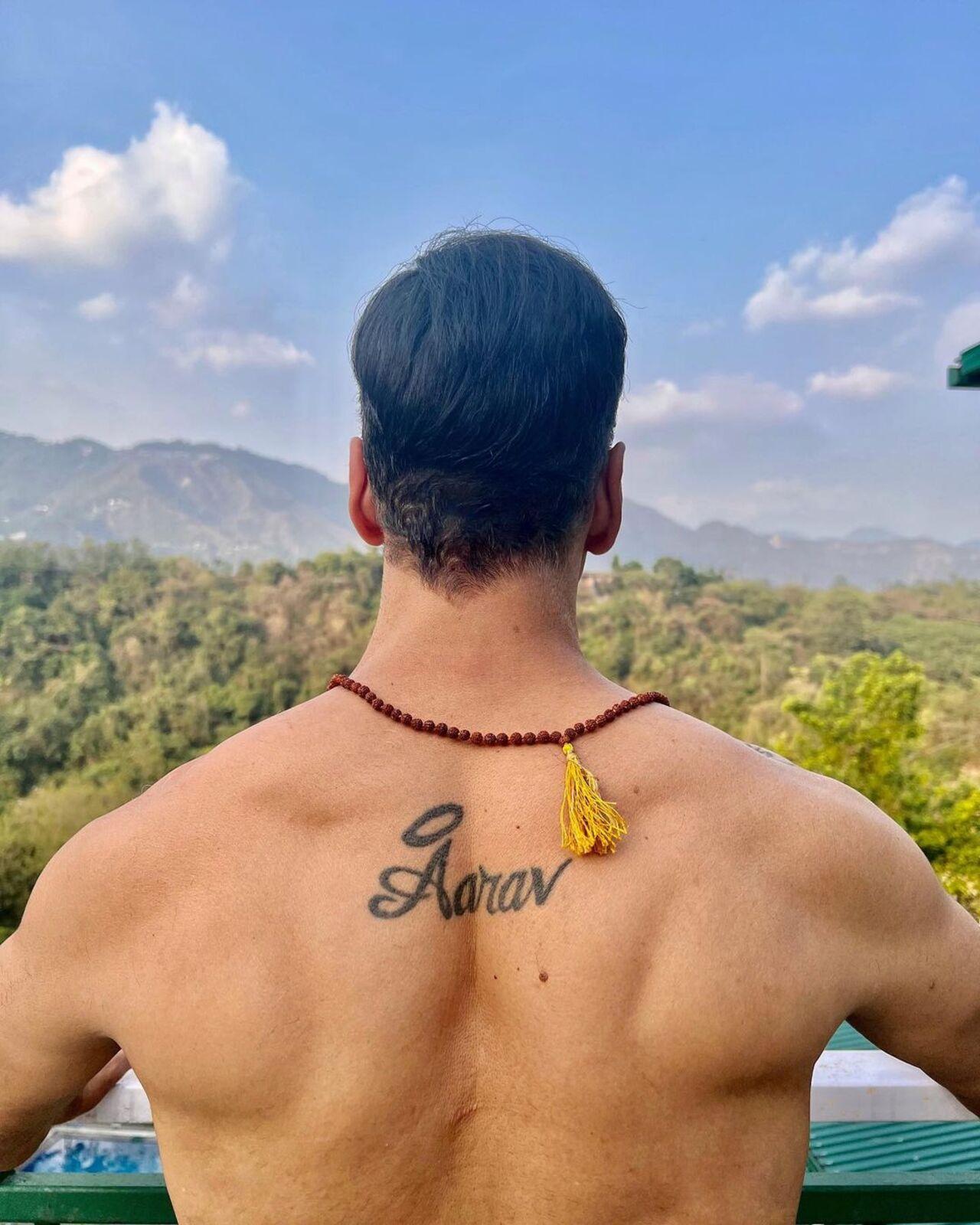
The photograph is useful because it shows the tattoo itself at a publishable size and places it on a recognisable body. The single word Aarav is rendered in flowing black script, centered below the necklace line. The image does not show Akshay’s face, so the page uses separate face-visible portraits for identification rather than pretending that a back-facing photograph is a portrait. The tattoo image is the evidence for the ink; the portraits are supplemental identity context.
Family context for the name
The names are tied to Akshay’s immediate family. Filmfare’s account says he spoke about the tattoos while appearing on Two Much with Kajol and Twinkle, and it identifies Twinkle Khanna as his wife and Aarav and Nitara as their children. The Tribune’s earlier report adds that the public piece reading Aarav had been seen during a ramp appearance, while the Tina and Nitara pieces were less often visible. These reports support a family tribute without requiring a private explanation that Akshay has not published.
The naming pattern also explains why the tattoos have been photographed at different times and in different settings. A name on the upper back can be seen in a shirtless photograph or during a fashion appearance, while a shoulder tattoo may remain covered by a shirt. The evidence is therefore uneven by design: one piece is easy to inspect, and the others are documented primarily through reporting and occasional photographs.
Published family context
Published coverage stretches across several years. The Tribune described Aarav as a well-known tattoo and said it had been shown at a fashion event. A later gallery from Hindustan Times presents the same script as part of a group of celebrity family-name tattoos. Filmfare’s 2025 interview coverage expands the record by naming the other family pieces and placing them on the shoulders. Read together, the sources show an evolving record rather than one isolated social-media image.
The timeline matters because tattoos can be altered, covered, faded or photographed under very different lighting. A report from 2016 and a report from 2025 may describe the same work at different stages of visibility. The responsible conclusion is that the sources document the names and the stated placements. They do not prove a complete catalogue of every design Akshay has ever had or every change made to older ink.
Identity context
The Twinkle tattoo became part of a playful conversation about permanence. In coverage of Two Much, Akshay discussed the fact that he had his wife’s name on his body, while Twinkle joked that she would not get his name because relationships can change. The exchange drew attention to a choice that is both romantic and unusually public. It also gives readers a direct reason for the article’s focus: the tattoos are not anonymous decoration, but names connected to a family story.
That context should be handled with restraint. A spouse’s nickname, a child’s name and a shoulder placement are documented facts. The emotional meaning is easy to understand, but a page should not invent a ceremony, a tattoo artist or a precise date unless a source supplies it. Akshay’s own public conversation supports the family connection, not every imagined detail about the sessions.
Image selection
The images used around the record perform different jobs. The Hindustan Times photograph is the genuine tattoo asset because it shows Aarav on Akshay’s skin. The four inline portraits show his face clearly in distinct professional or promotional settings, allowing readers to recognise the subject without mislabelling a generic picture as tattoo proof. A separate featured portrait provides a clean identity anchor at the top of the page.
Keeping those roles separate is important for a tattoo feature. A red-carpet photograph may show a celebrity but not the ink. A face-visible headshot may help identification but cannot prove the placement of a hidden shoulder design. This page labels the tattoo photograph as tattoo evidence and treats every portrait as supplemental. No portrait is described as showing a tattoo.
How the record fits together
The clearest visual is the Aarav script across the upper back. In the inspected photograph, the lettering is dark, rounded and slightly flowing, with a capital A that gives the word a distinctive shape. The placement is centered between the shoulder blades and sits below a beaded necklace. The mountain setting is part of the photograph’s composition, but it is not the subject of the tattoo claim. What matters is that the word is visible on the person named by the source.
Filmfare’s account gives the family pattern a wider frame. It says Akshay has the names of his wife and children inked, and it describes the placement of Aarav on the back with the other names across the shoulders. That description matches the long-running public record about the visible Aarav piece. It also explains why one image cannot show every tattoo at once. Body placement, clothing and camera angle determine which name can be inspected in a given photograph.
The shoulder pieces are more difficult to catalogue visually. The Tribune reported that the Tina tattoo was visible in a photograph, while the Nitara tattoo was mostly hidden. Filmfare later repeated the family-name account in the context of Akshay’s appearance on his wife’s show. Those reports are valuable because they identify the subjects and the relationship, but the page does not claim that the supplied portraits reveal those hidden placements. The available close visual is reserved for Aarav.
That distinction is also useful when evaluating tattoo references. One documented name may be enough to establish that a celebrity has genuine ink, but it does not turn every exposed shoulder into proof. A source-led profile should map each claim to the image or report that supports it. Here, the upper-back photograph supports the visible design, and the published articles support the family inventory.
Why the family-name tattoos matter
Names are among the most direct forms of personal tattoo language. They can be rendered in a script that feels decorative while remaining easy to read, or they can be placed where the wearer can keep the tribute private. Akshay’s published coverage combines both approaches. Aarav is visible in a large photograph, while the names associated with Twinkle and Nitara are described as being on the shoulders, where clothing can cover them during ordinary appearances.
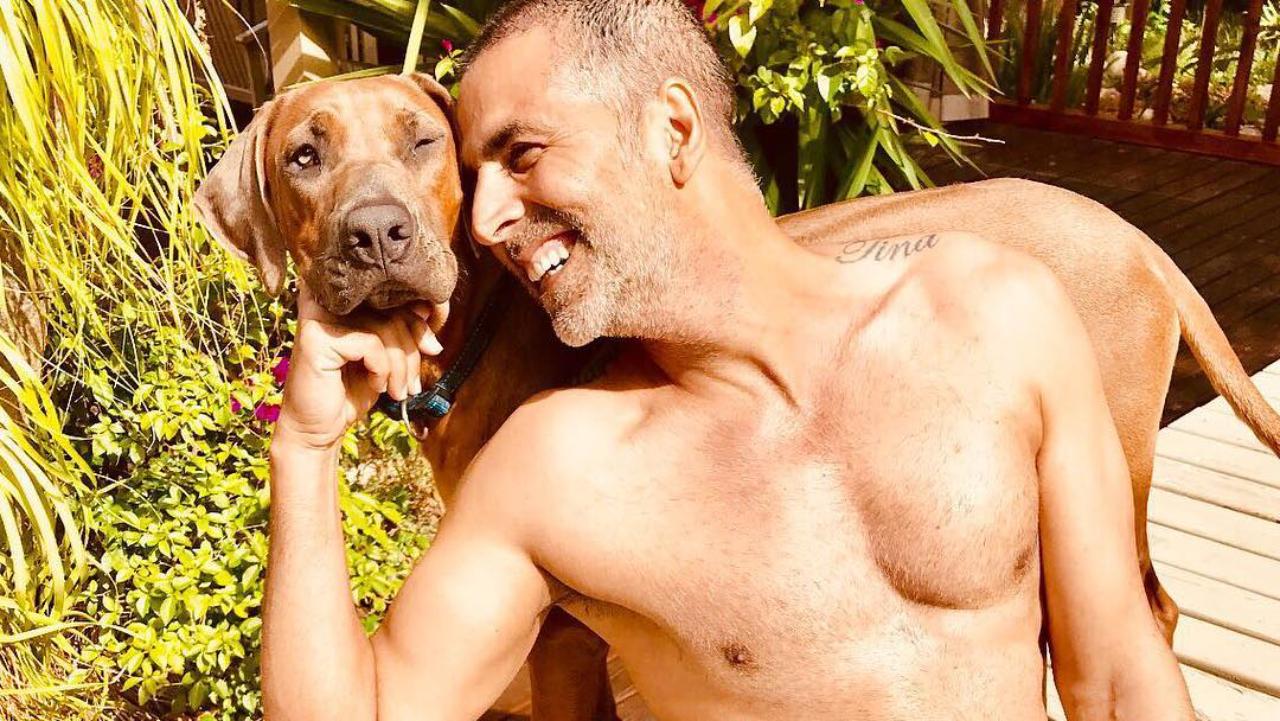
The sources do not describe a matching style across all three pieces, so it would be careless to call them a single set of lettering. The Aarav photograph shows flowing black script. The reports name Tina and Nitara, but they do not provide enough inspected detail here to identify their exact typeface, size or ornament. Visual specificity stops where the photographs stop. That boundary keeps a meaningful family story from turning into invented design analysis.
There is still a coherent idea in the record: the actor uses body art to keep family names close. The tattoo is not presented as a brand, a film promotion or a temporary styling choice. It is a private relationship made visible at selected moments. That is why the image from the Uttarakhand landscape carries more weight than a generic event photograph. It shows the name itself and preserves the personal setting in which Akshay chose to share it.
The record also illustrates a broader design principle without turning Akshay’s ink into a template. Family names can remain legible while still carrying private significance, and placement can determine how often a tribute is seen. A visible upper-back piece may be shared in a carefully chosen photograph, while a shoulder piece can remain covered during ordinary appearances. The documented choices belong to Akshay and should not be treated as a universal formula.
Published tattoo photographs in context
The strongest evidence comes from several independent editorial accounts. Filmfare’s 2025 report identifies the names of Twinkle, Aarav and Nitara and connects the discussion to Two Much with Kajol and Twinkle. The Tribune’s 2016 feature describes Aarav on the back and Tina and Nitara as less visible. The Hindustan Times web story supplies a high-resolution photograph in which the Aarav script can be read on Akshay’s upper back. Together, those sources satisfy both the factual and visual sides of the profile.

The dates should not be collapsed into one event. The older report refers to the public appearance of Aarav and a separate photograph of Tina. The newer coverage revisits the subject during a television conversation. A tattoo can be photographed several times, and a later interview can bring an older design back into public attention. The page therefore describes continuing published coverage rather than claiming that all of the ink was applied during one session.
The visual evidence also has clear limits. The supplied tattoo photograph shows Akshay from behind, so it is not used as the featured identity portrait. The separate portraits show his face, but they do not prove hidden ink. That is why the page keeps the featured image, tattoo image and supplemental images in separate roles. Readers can recognise the subject, inspect the genuine tattoo and then read the reported context without confusing the three.
A relationship story in public view
The conversation around Twinkle’s nickname Tina gives the record its most memorable line. Akshay’s willingness to discuss the tattoo on a show connected to his wife made the personal choice part of a broader conversation about permanence, marriage and public humour. Twinkle’s response was a joke, not a tattoo catalogue, but it clarified the contrast between her position and Akshay’s decision to wear family names.
It is tempting to read a name tattoo as a declaration with one fixed meaning. In practice, the meaning belongs to the person who wears it and can change with time. The public sources establish that Akshay chose names connected to his family. They do not establish every private reason for the size, placement or timing. A respectful profile can acknowledge the affection in the gesture while leaving the unreported details alone.
The story also shows how a tattoo becomes visible through several channels. A fashion appearance can reveal an upper-back name. A holiday image can show a shoulder. A talk-show conversation can make a design newsworthy again. Each channel contributes a different kind of evidence. The photograph is strongest for what can be seen; the interview is strongest for what Akshay said; the editorial reports connect those moments in time.
That mix gives readers a practical standard for evaluating celebrity tattoo pages. Look for a credible source that names the person, a photograph that shows the ink on that person and a separate portrait that makes identity clear. If one of those pieces is missing, the page should say so. Akshay’s record is useful because it contains one particularly clear tattoo photograph and multiple reports that explain the other family names without pretending to show them in every frame.
Visual summary
The documented Aarav piece is black script positioned across the upper back. It is large enough to read in the supplied photograph and is framed by the line of the necklace and the shoulder blades. The design is simple in subject but personal in purpose. The source caption and reporting identify it as a tribute to Akshay’s son, while the image itself confirms that the word is actually present on the skin.
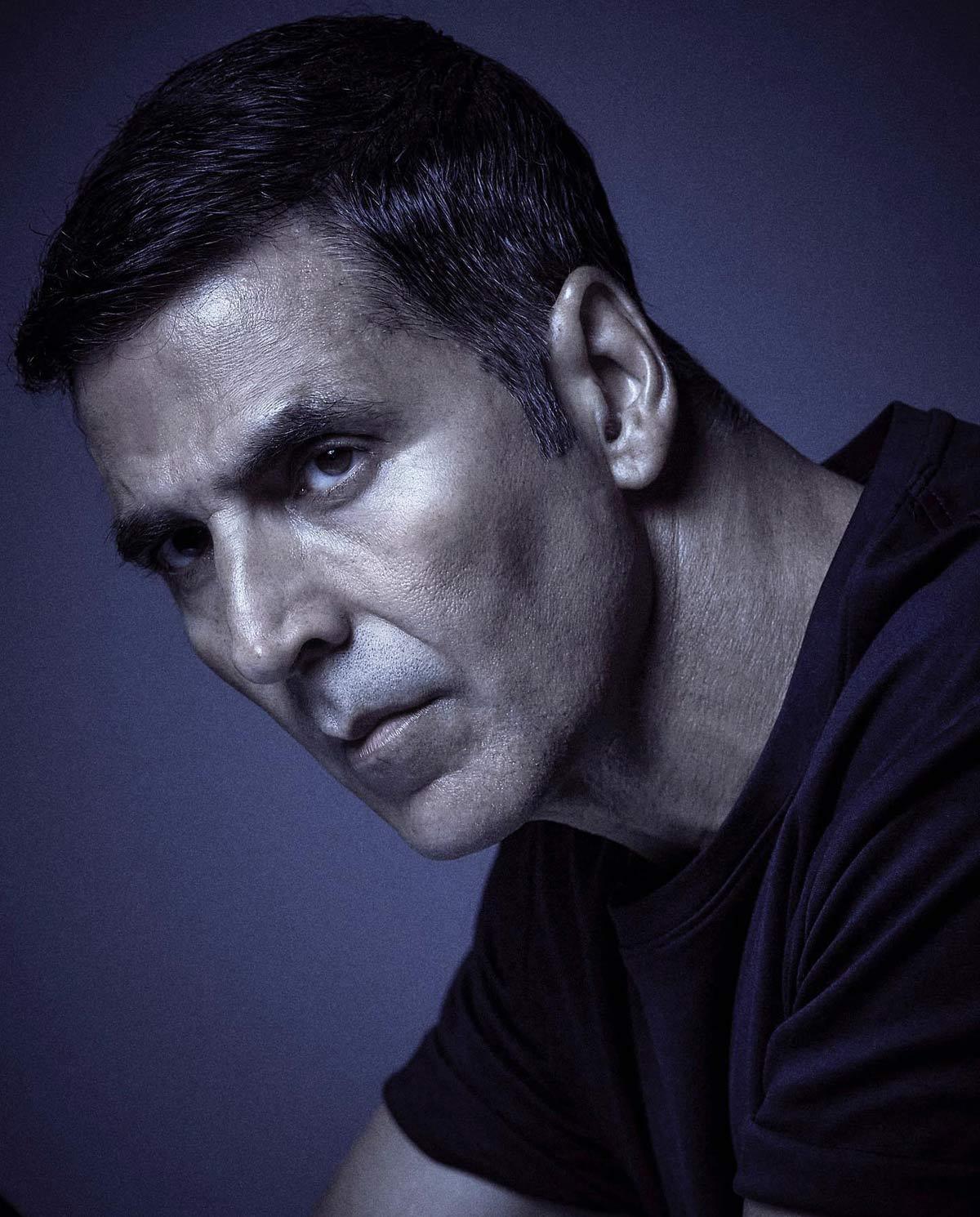
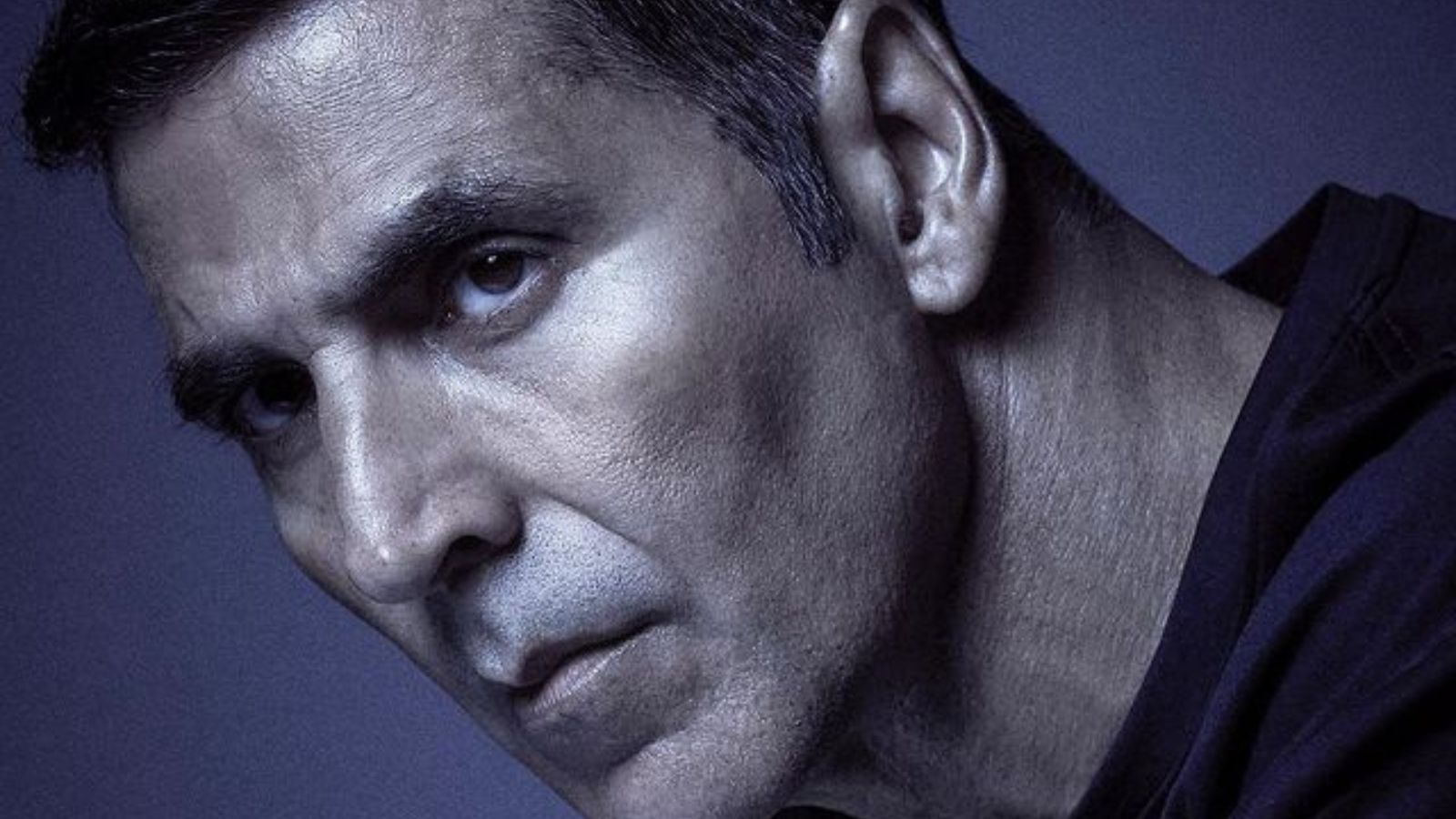
The two supporting portraits are deliberately different from one another. One is an Indian Express editorial portrait and the other is a Rediff close portrait. Their backgrounds and clothing vary, but each keeps Akshay’s face visible. None is used to describe the Aarav script or to imply that another name can be read from the frame. They simply help readers follow the subject across the page.
The featured portrait has a separate source and a different crop from every inline asset. It is a clean face-visible image that gives the page an identity anchor before the reader reaches the back-facing tattoo photograph. This is a small but important editorial choice. A page about hidden or body-placed ink should not force the tattoo image to perform the work of a portrait when a separate portrait is available.
More photographs could eventually add detail about the Tina and Nitara pieces. The next useful evidence would be a native-size image that clearly shows either shoulder placement, accompanied by a source that identifies Akshay. A generic shirtless photograph would not be enough if the lettering cannot be inspected. Until that kind of image is available, the current record is strongest when it stays with the Aarav photograph and the reports that name the other family tattoos.
What remains open
The published sources do not provide a complete tattoo catalogue, exact session dates for each name or the name of the tattoo artist. They also do not establish whether any of the designs have been retouched, covered or changed since the photographs were taken. Those questions are open. The page does not fill them with fan speculation, because an honest visual record is more useful than an invented backstory.
What is established is enough for a clear profile. Akshay Kumar has publicly discussed tattoos connected to Twinkle Khanna, Aarav and Nitara. Reporting places Aarav on his back and the other names across his shoulders. A Hindustan Times photograph shows the Aarav script in genuine detail. The separate portraits make Akshay’s face visible, while the featured image remains independent of the tattoo asset.
If Akshay or a reputable publication shares clearer photographs of the shoulder pieces, the record can be expanded. Until then, the most defensible description is straightforward: this is family-name ink, with Aarav visually verified and the Tina and Nitara pieces supported by published reporting. The page keeps the tattoo evidence and the generic portraits clearly labelled so readers know exactly which image proves what.