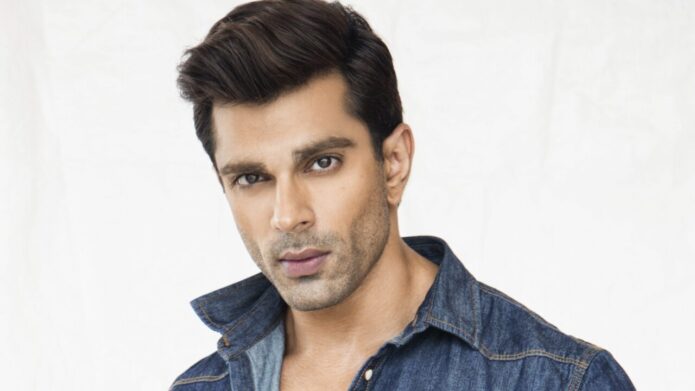
Karan Singh Grover has described his tattoos as expressions of belief, memory and instinct. An interview counted eight pieces at the time, with later reports documenting more. The designs stretch across both arms, wrists, chest and right calf, mixing religious imagery, script and geometric work.
A body map built from several visual languages
MensXP’s interview gives the clearest written inventory, while later reports add to it. The pieces occupy separate areas rather than forming one continuous sleeve: large figures sit alongside short phrases, symbols and smaller inscriptions. Grover has explained the meaning of several designs himself; photographs help show their placement and style.
The dragon on the right shoulder
Grover says the dragon on his right shoulder was his first tattoo. He initially chose it because it looked powerful, without a clear explanation for why it appealed to him. Later, he connected it to Bipasha Basu, whom he calls his “monkey” and describes as someone who breathes fire. The meaning, by his account, developed after the tattoo was done.
In sleeveless and fitted-shirt photographs, the dragon sits within the heavier work around the shoulder and upper arm. The surrounding imagery changes how the first piece reads, but the interviews—not the photos—supply his explanation.
Archangel Michael and the shiv ling on the left arm
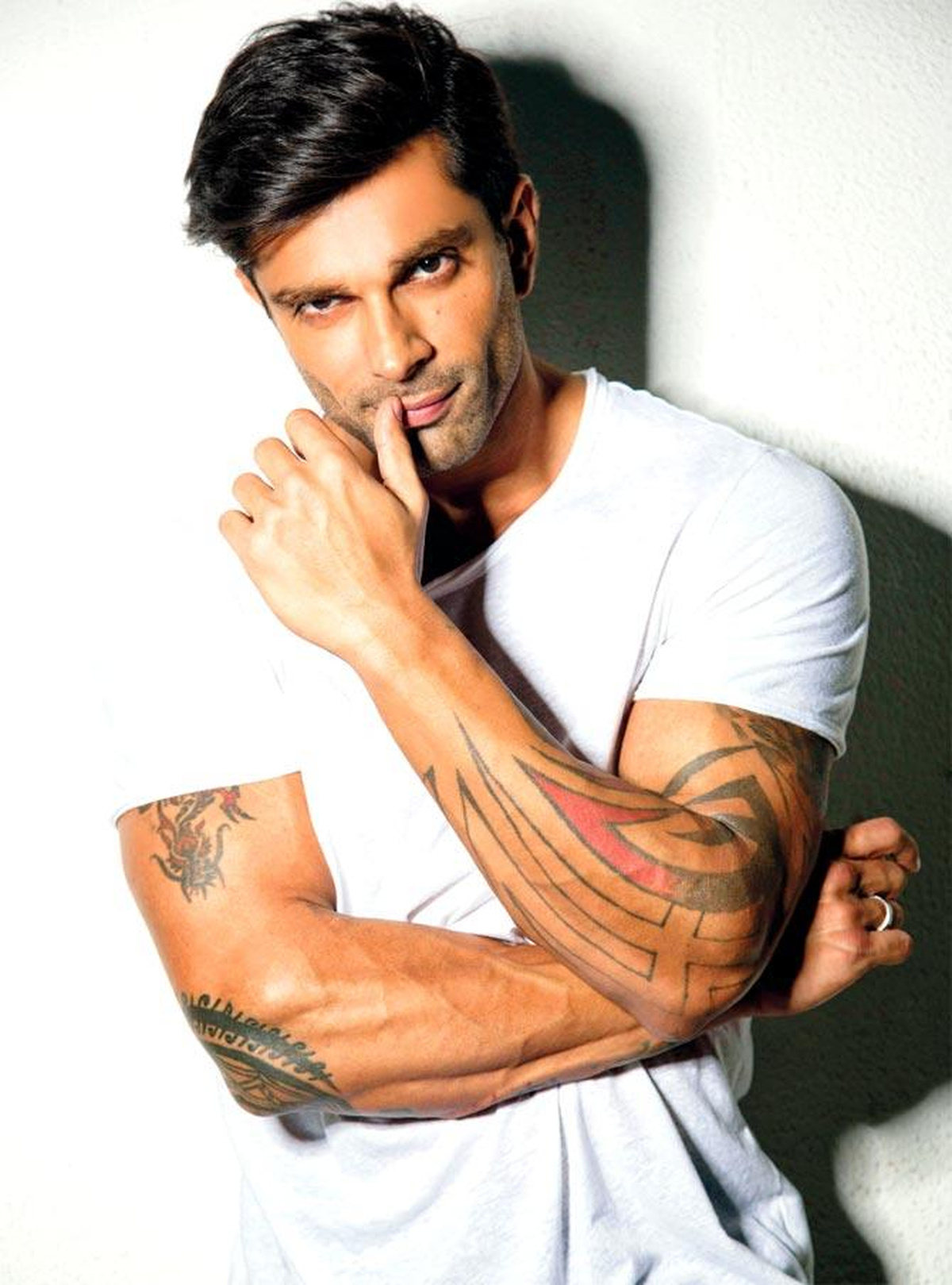
Grover describes the large scene on his left upper arm as Archangel Michael slaying Lucifer and forcing him back into the fires of hell. Lower on the same arm is a shiv ling with a trident. Times of India and Mid-Day later reported a Lord Shiva design on his left arm, linking it to energy, strength and courage.
The photographs show parts of the arm at a time. A close crop may reveal the linework or one figure without showing how the pieces fit together, so Grover’s account and the images serve different purposes.
The “Anything but ordinary” wrist phrase
The phrase is split across Grover’s body: “Anything but” is on the left side and “ordinary” on the right. Read together, the two placements complete the sentence.
A portrait may show only one wrist, depending on his pose, sleeves and the crop. The written description confirms how the words connect; photographs show where each half sits.
A mix of figures and decorative forms
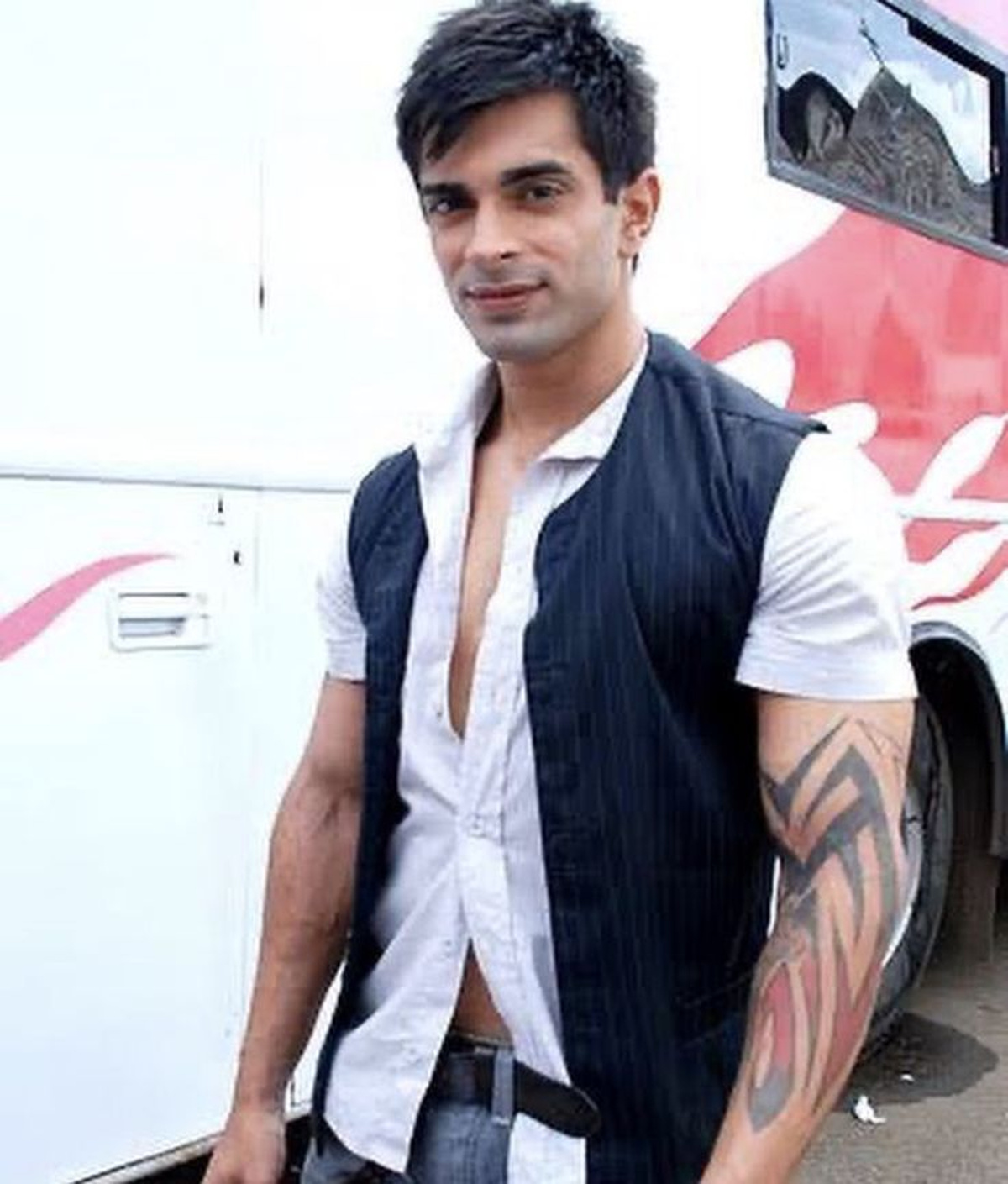
Times of India describes biblical references on Grover’s right arm and a Chinese design among the work on his left. Mid-Day also reports a lion, two samurai soldiers, Sanskrit verses and names associated with family, alongside the dragon.
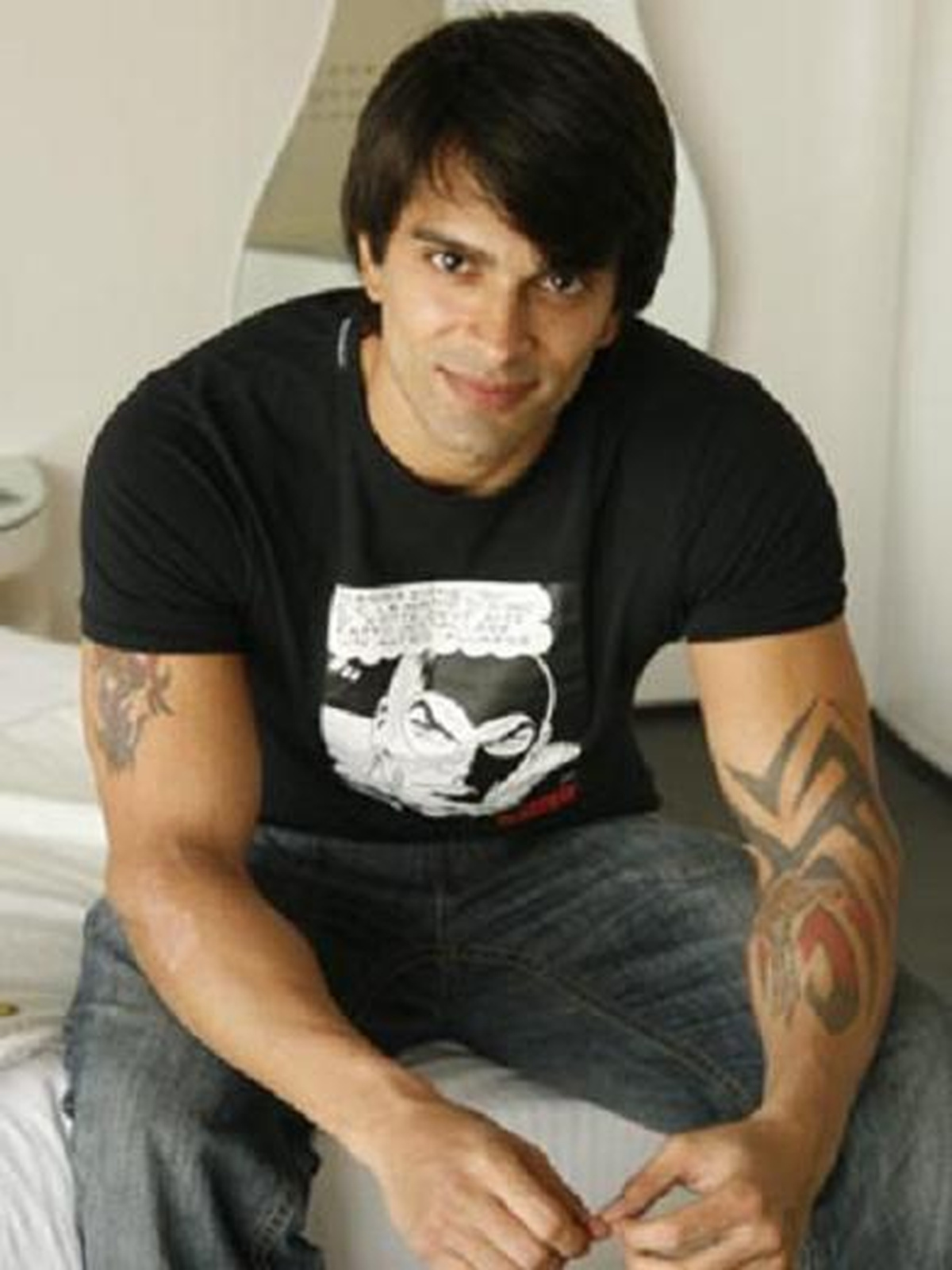
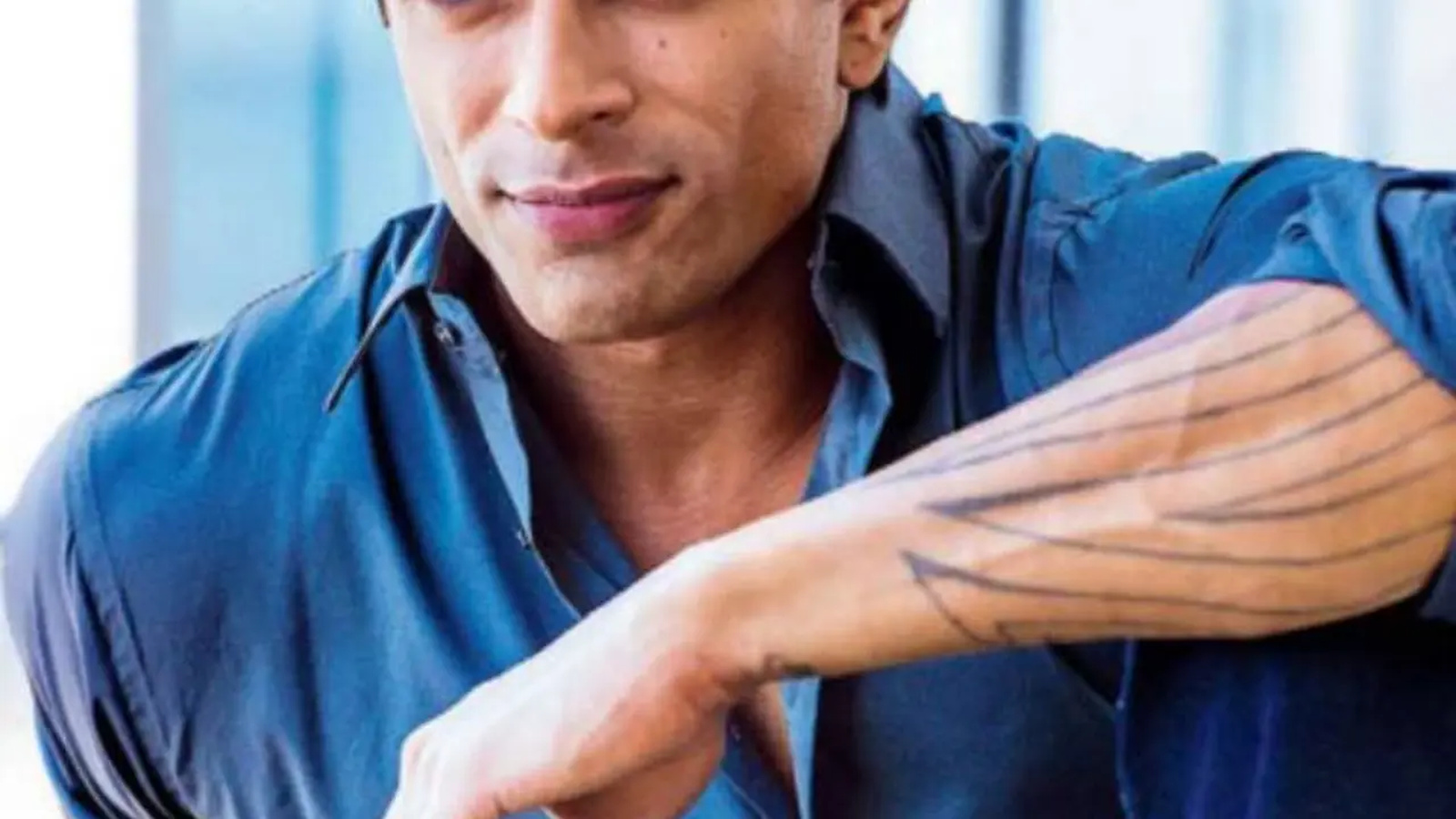
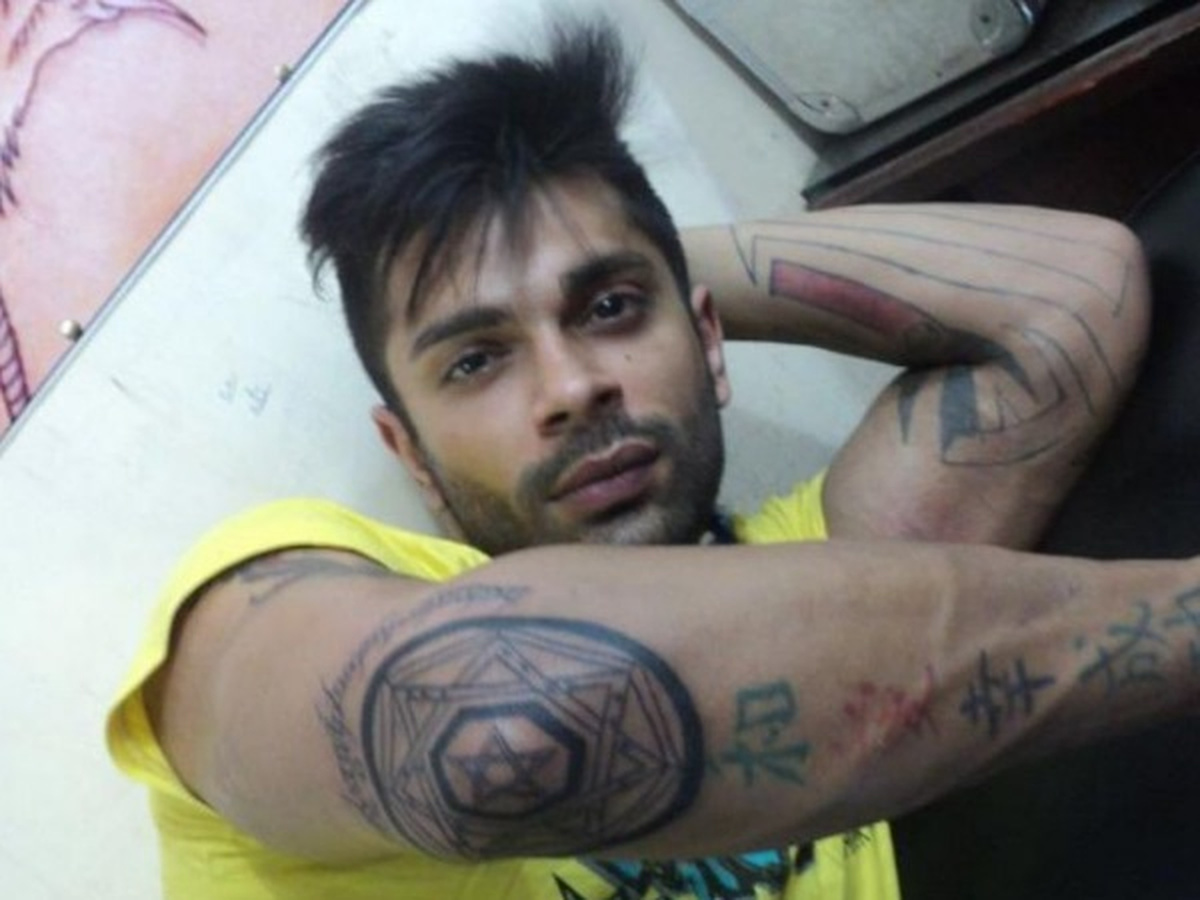
Across the photos, the arms combine heavy black outlines, angular bands, shaded figures and finer script. Some elements read as broad graphic shapes, while others are more illustrative. The different styles remain distinct across the arms rather than blending into one uniform sleeve.
The elbow seal and the right forearm inscriptions
On his right elbow, Grover identifies a binding seal of the seven archangels. The rounded joint gives the design a different shape from the flatter forearm around it. Nearby are a Buddhist chant and four Mandarin words he says mean peace, love, happiness and success.
The inscriptions bring several traditions together on one arm. Closer photographs show their scale and position beside the geometric and shaded work; the interview is the source for the chant and translations.
A separate placement below the knee
Grover has the Japanese word “superstar” on his right calf. It is a short text tattoo set apart from the larger arm designs, and extends the collection below the knee.
The calf inscription is among the clearest examples of a single word used as an identity statement. Mid-Day also notes that this and the dragon sit outside the main arm coverage.
What the photographs reveal about the arm coverage
Grover’s published portraits show the tattoos in sleeveless styling and fitted white shirts. One seated image shows both arms at once; another brings the right arm closer, with red and black geometric work visible against the shirt. A separate forearm view shows script, angular shapes and a circular motif.
The images show different details and should not be treated as interchangeable. They also help separate his permanent tattoos from temporary designs or character styling used in entertainment photography.
Why the meanings are unusually well documented
Grover has discussed many of his tattoos in interviews. MensXP records his explanations for the dragon, Archangel Michael, shiv ling, paired phrase, archangel seal, chant, Mandarin words and Japanese calf inscription. Times of India and Mid-Day report the later Shiva addition and other imagery.
Those accounts don’t explain every line visible in every photo. The named meanings come from Grover’s own explanations or specific reporting; other marks are best described by their visible form, placement and style.
A collection that grew over time
The dragon came first. Later tattoos added religious scenes, paired text and inscriptions in several languages. Press reports date the Lord Shiva addition to 2016; Grover connected it with energy and courage.
That history helps explain the range of styles: illustrative figures, bold geometric bands, small lettering and script share space across the arms, chest, wrists and calf. The collection accumulated in stages rather than being planned as a single design.
The finished visual signature
Grover’s tattoos combine religious imagery, language, family references and personal symbolism. The sources document several meanings, while photographs show the dense linework, shaded figures, lettering and geometric forms across his body.
Some pieces have explanations he has shared; the rest are visible parts of the collection without a confirmed story. Together, they form a varied set of designs rather than one continuous sleeve.
Sources: MensXP interview; Times of India; Mid-Day; Filmibeat photo gallery; Karan Singh Grover talks about his body tattoos.