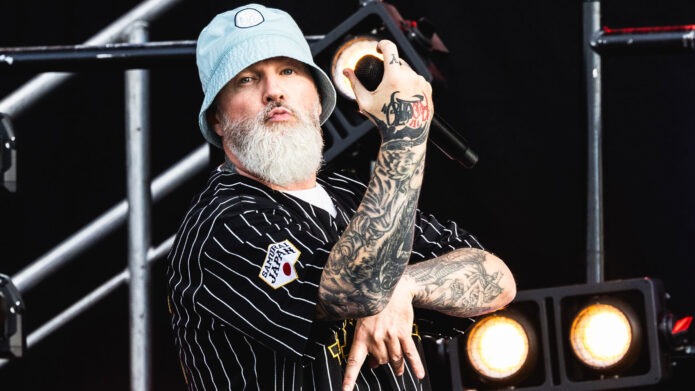
Fred Durst’s tattoos are a big part of the old-school Limp Bizkit look. The red cap gets most of the attention, but the ink is just as recognizable. He has portraits across his chest, packed sleeves, lettering, and smaller pieces that show up when he rolls up a shirt or reaches for the microphone.
The collection has changed over the years, so photos from the early Limp Bizkit days don’t always match newer pictures. Some designs look softer now, and some are easier to spot in a close-up than they are onstage. Here’s a clear look at the main tattoos you can actually see in good photos.
The best pictures are the ones where Fred’s chest or arms fill most of the frame. That makes it easier to tell a real tattoo detail from a shadow, a fold in a shirt, or a bit of stage lighting. It also helps keep the focus on Fred’s actual ink instead of turning the article into a general Limp Bizkit photo gallery.
The Elvis Presley and Kurt Cobain chest portraits
The most talked-about pieces on Fred’s chest are portraits of Elvis Presley and Kurt Cobain. They sit high on the chest and are easy to recognize when he lifts his shirt or performs without one. The portraits are a pretty direct nod to two musicians who shaped different sides of his musical world.
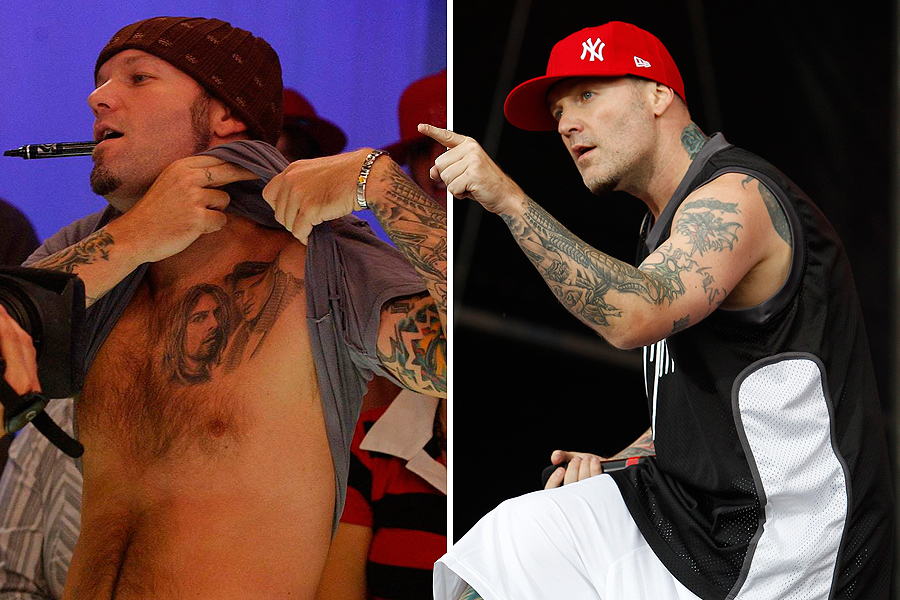
The surrounding ink makes the portraits look less like isolated pictures and more like part of a larger chest piece. There are darker outlines and extra shapes around them, so the full design changes depending on the angle. A cropped photo can make it look like a simple portrait, while a wider shot shows how much else is going on around it.
His forearms are packed with separate designs
Fred’s forearms carry a mix of portraits, symbols, and heavier black-and-grey work. The tattoos are close together, but they don’t all follow one clean style. Some parts are colorful, others are mostly dark line work, and the different sections look like they were added at different times.
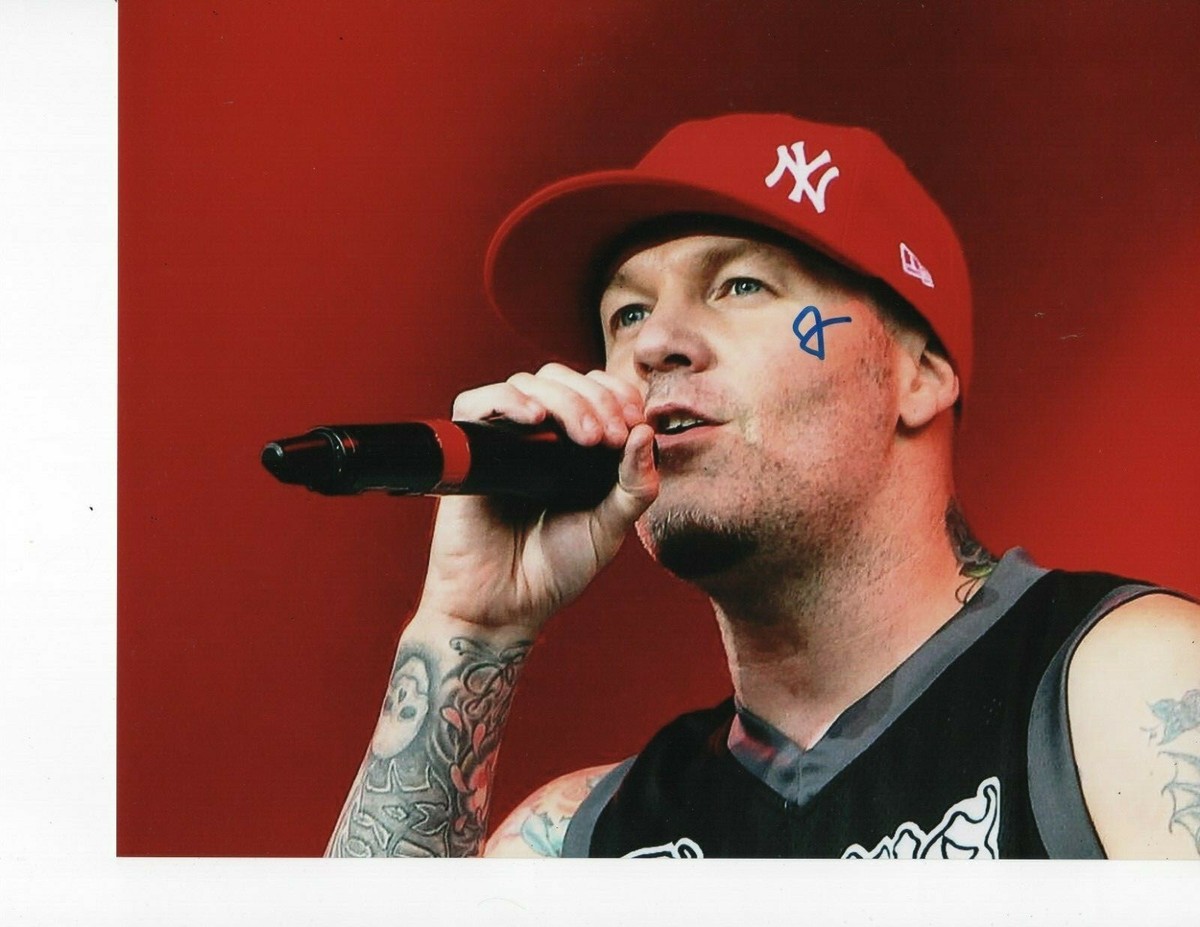
That mix gives his arms a rough, lived-in feel. It also means the details are easy to lose in a tiny concert photo. In a sharper image, you can see that the sleeves are not just one big black block. There are faces, outlines, and lighter areas tucked between the larger pieces.
Tribute ink and the stories behind it
Fred has often used tattoos to nod to people and music that matter to him. The Elvis and Kurt Cobain portraits are the clearest examples, but the rest of the collection has the same personal feel. Rather than sticking to one logo or one band symbol, he has built up a scrapbook of faces and ideas.
It’s tempting to attach a deep meaning to every small mark, but the photos can’t confirm all of those stories. The safe part is what you can see: the portraits, the placement, the color, and the way the pieces sit together. Anything beyond that needs to come from Fred himself rather than fan guesses.
The tattoo work also ties into Fred’s life before Limp Bizkit became huge. He worked as a tattoo artist and used that world to meet musicians, including members of Korn. That background helps explain why his own collection feels more like a working artist’s scrapbook than a neat set of matching pieces. It grew alongside his music career, with different artists, eras, and ideas showing up over time.
Older chest work and the way his tattoos have aged
Older photos show Fred with the chest and arm work looking a little different from newer images. That’s normal with large tattoos. Ink softens, colors lose some of their punch, and the skin around a design changes over time. Lighting can make the difference look even bigger.
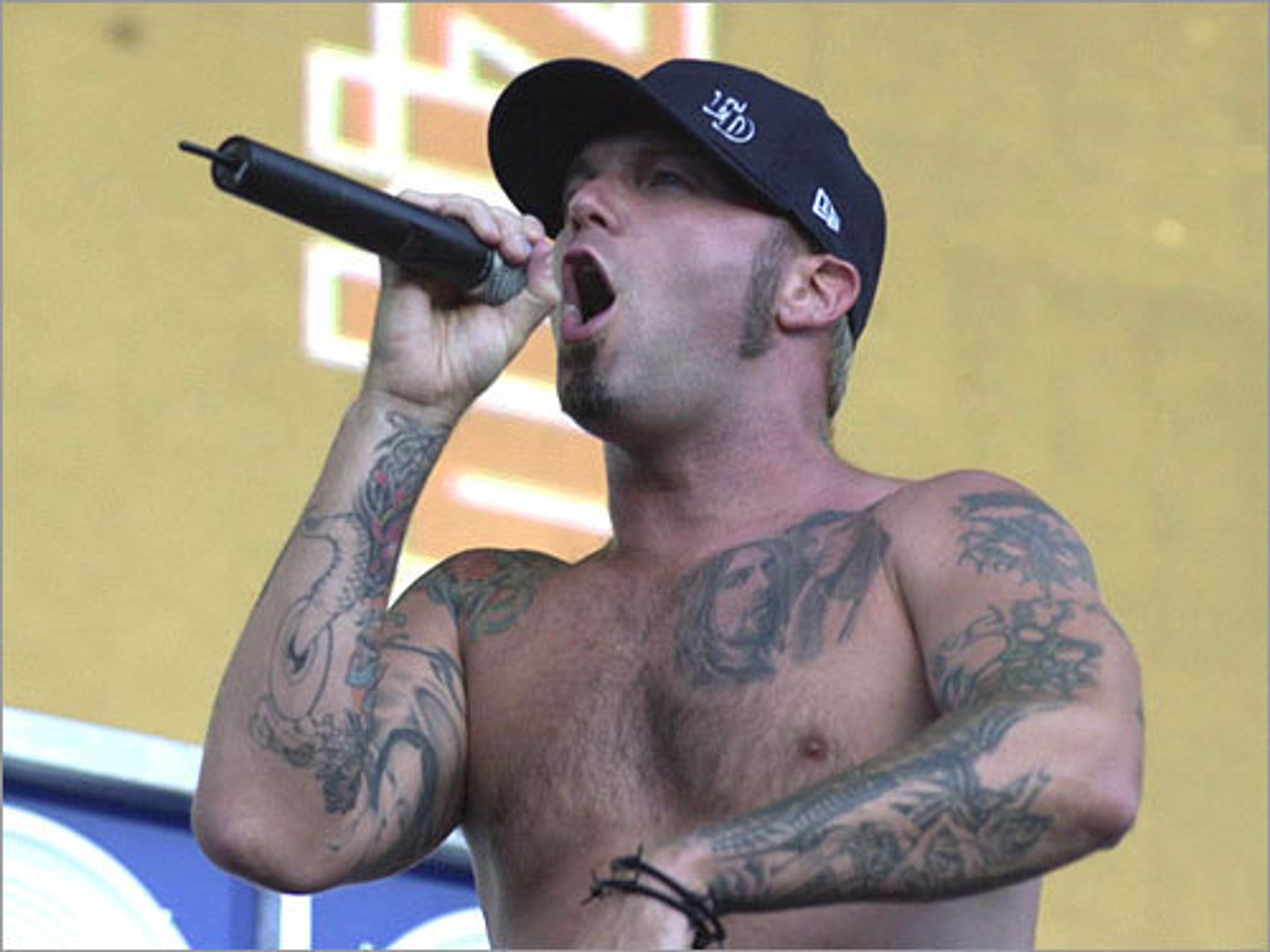
A full performance shot is useful because it shows how the tattoos work as a group. You can see the portraits on the chest, the sleeves running down both arms, and the smaller pieces that disappear when he is wearing a shirt. It also explains why different articles sometimes describe the same tattoo in slightly different ways.
Red cap era tattoos and the visible arm ink
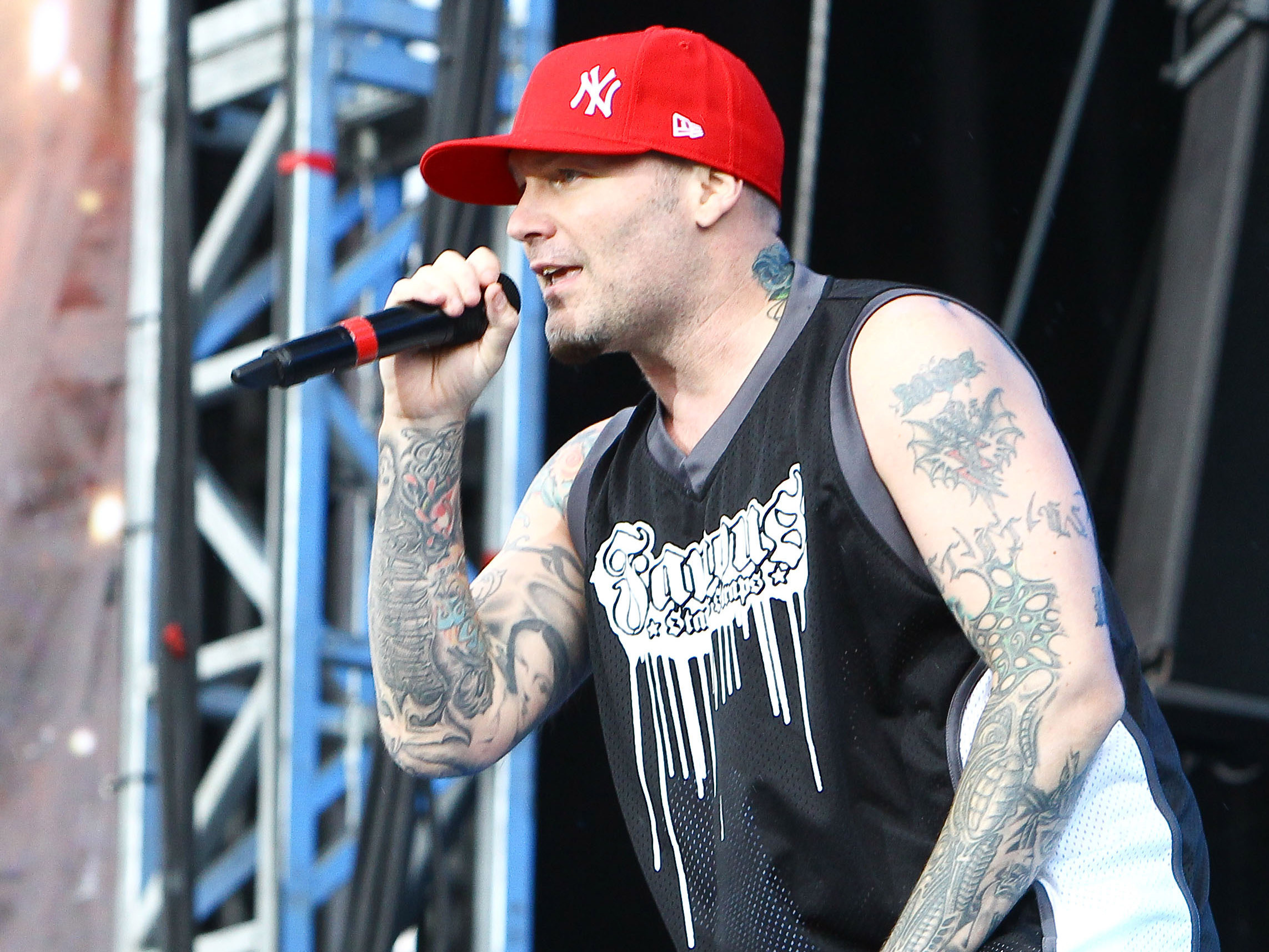
Fred’s red cap era is probably the image most people remember. He would perform in a sleeveless shirt or lift his top during a show, putting the arm and chest tattoos right in the middle of the performance. The tattoos became part of the uniform along with the cap, goatee, and loose stage clothes.
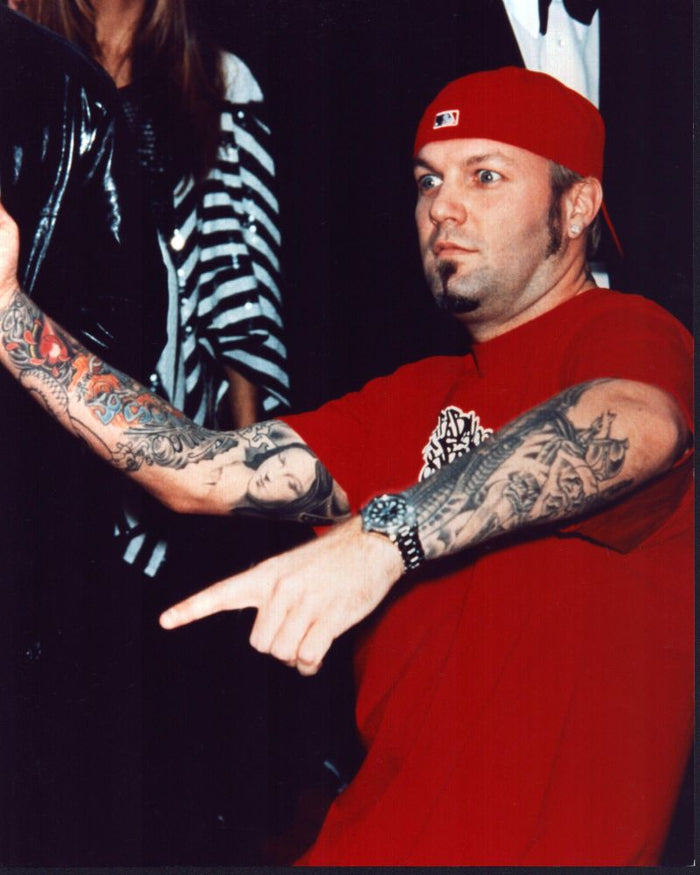
This photo also shows why a good source matters. The details are clear enough to separate the different pieces, while a blurry live screenshot would turn the whole sleeve into a dark smear. If you’re trying to identify one of Fred’s tattoos, look for a sharp image where the arm is fully visible instead of relying on a tiny crop.
Small marks, neck ink, and the details people miss
Alongside the famous chest portraits and sleeves, Fred has smaller tattoos on his neck, hands, and lower arms. They aren’t always visible, especially when he is wearing a jacket or holding a microphone. They tend to show up in relaxed portraits rather than the biggest stage shots.
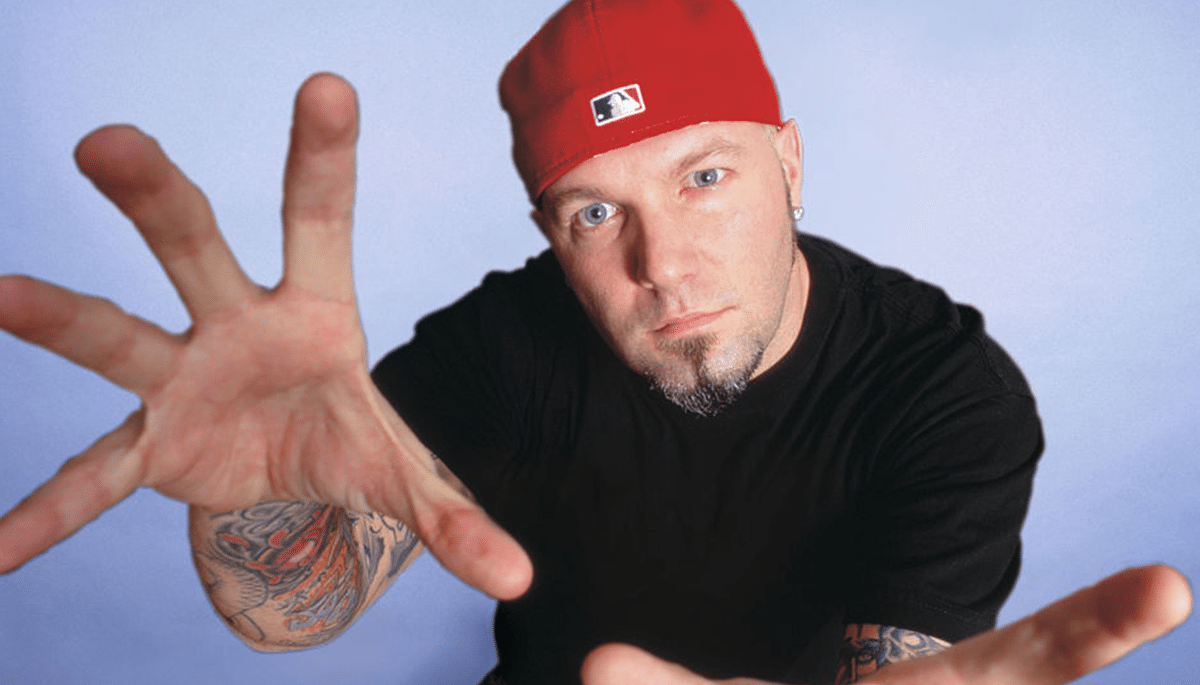
Not every small tattoo has a confirmed public meaning. That’s worth keeping in mind because old celebrity tattoo lists often repeat the same guesses as if they were facts. The better approach is simple: describe the design, say where it is, and leave the meaning open when Fred hasn’t explained it.
Fred Durst tattoos in a nutshell
Fred Durst’s main tattoos include the Elvis Presley and Kurt Cobain portraits on his chest, colorful sleeves, heavy forearm work, smaller neck ink, and other pieces spread across his upper body. They fit the loud, scrappy image Limp Bizkit built in the late 1990s and early 2000s, but the details are still worth looking at on their own.
For a quick visual look at Fred’s tattooed arms during a live performance, this high-resolution concert photo is a useful extra reference: