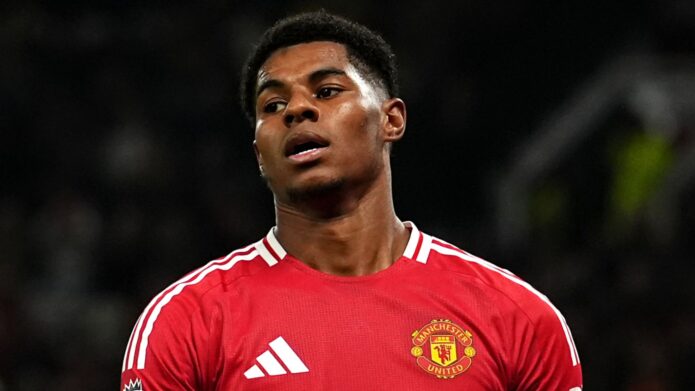
Marcus Rashford’s tattoos are a visual diary of where he has come from. The Manchester United forward has used his skin for family memories, football milestones, faith, and the people whose words helped shape him. Some pieces are easy to spot in a match-day photo. Others only show up when he is training shirtless or posing for a campaign.
That mix is what makes his collection interesting. It is not just a row of football numbers or a sleeve picked from a catalogue. There are old shirt numbers, a dramatic chest lion, lines of script, portraits and symbols connected to his roots. The pictures also show that the collection has changed as his career has moved through new clubs, new challenges and new chapters.
Not every detail has been officially explained by Rashford himself, so it is worth separating what is visible from what is only repeated online. The strongest clues come from his own photos, tattoo-focused interviews and clear images of the designs. Here is a careful look at the individual pieces that can be documented.
The boyhood football scene on Marcus Rashford’s side
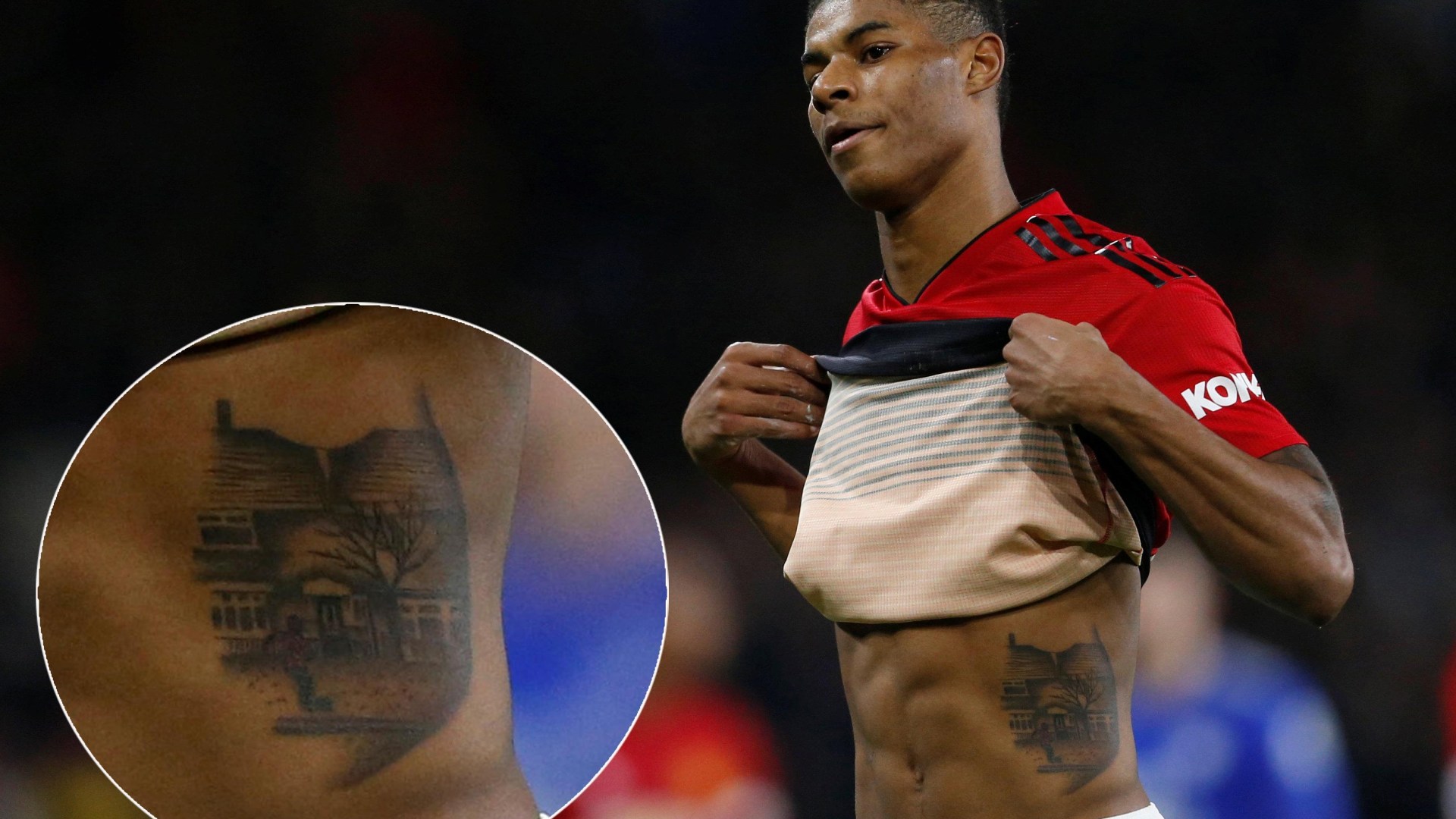
One of the most personal designs in the collection is the football scene on Rashford’s side. The image shows a young boy with a ball, set against a row of houses and a familiar-looking neighbourhood. It is a much more specific idea than a generic football badge or a simple pair of boots. The tattoo points back to the kid who dreamed about playing and the environment that made that dream feel real.
The placement matters too. The image sits on the torso, so it can stay private under a shirt or appear clearly when Rashford lifts his top. That feels right for a memory piece. It is not designed only for cameras. It reads like a reminder of the starting point, before the stadiums, contracts and international nights.
Photos from the period when the piece was first discussed show the design as a large, detailed scene rather than a tiny flash tattoo. The houses, the boy and the football work together as one story. It is also a useful key to the rest of Rashford’s ink: football is present, but the meaning is tied to people and place rather than simple team branding.
The chest script and lion carry most of the emotional weight
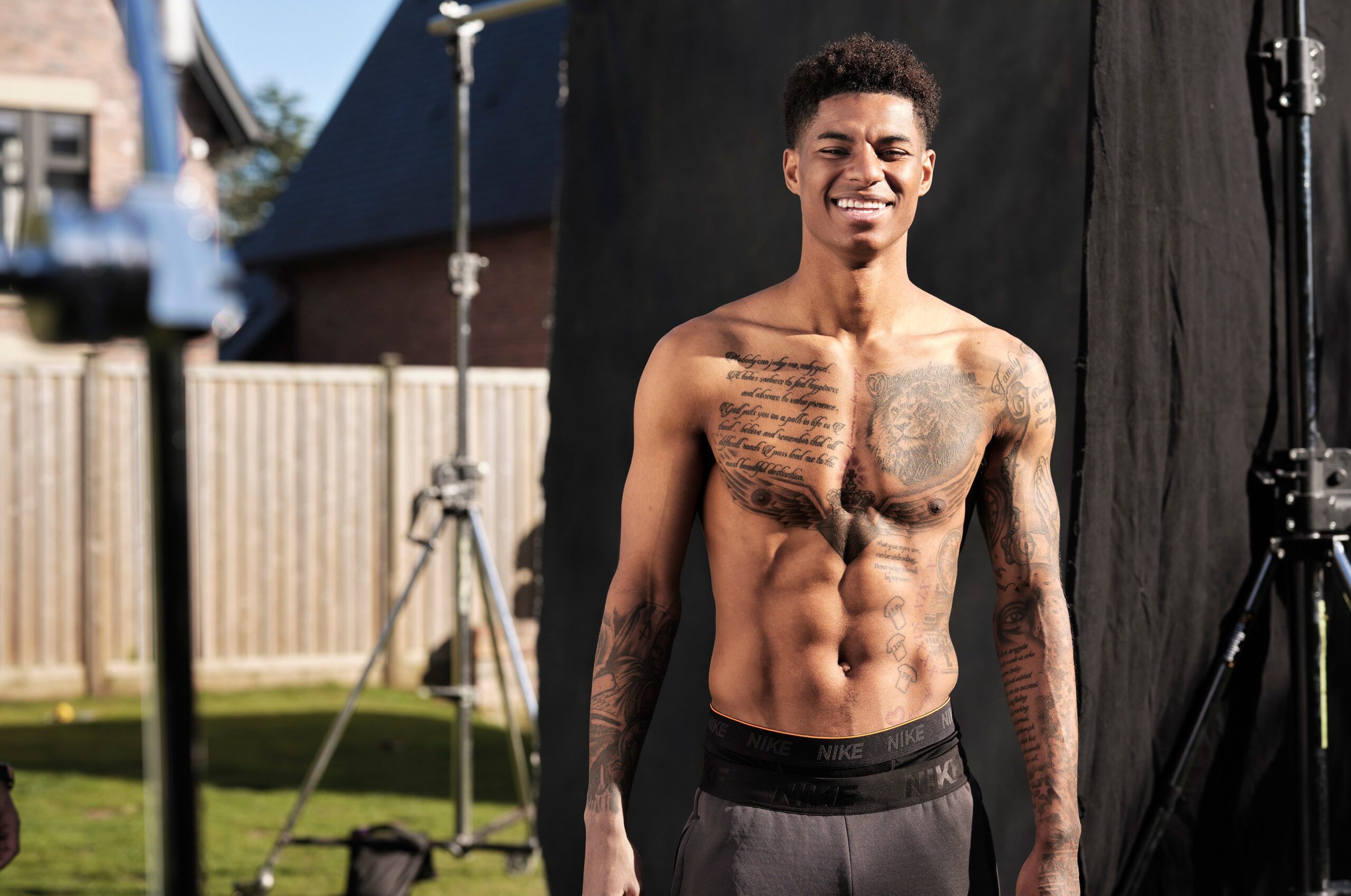
Rashford’s chest is covered by two of the designs that define his tattoo collection. On one side there is a large lion portrait, while the other side is filled with flowing script. In the clearest photos, the lion is surrounded by shading and ornamental detail, which gives the piece a strong old-school portrait feel without making it look flat or cartoonish.
The script appears to be a passage about hardship, faith and continuing forward. Different articles have transcribed parts of it slightly differently, so it is better not to present every word as a perfect official quote. The central idea is clear from the visible lines: difficult periods, belief and the hope of reaching a better destination. That makes the chest piece feel more like a personal creed than decoration.
The lion has also attracted a lot of attention because it dominates the chest in photographs. It sits beside the words instead of replacing them, creating a contrast between the animal image and the quieter handwriting. Together, they give the front of his torso a balance of strength and reflection. The image says confidence, while the writing explains the mindset behind it.
In an interview with Men’s Health, the photos made the scale of this work much easier to see. The ink stretches beyond one isolated symbol, with smaller details around the main pieces. That is why a tight crop of just the lion can be misleading. The lion is the anchor, but the surrounding script and smaller marks are part of the same visual story.
His Manchester United shirt numbers are tattooed as career markers
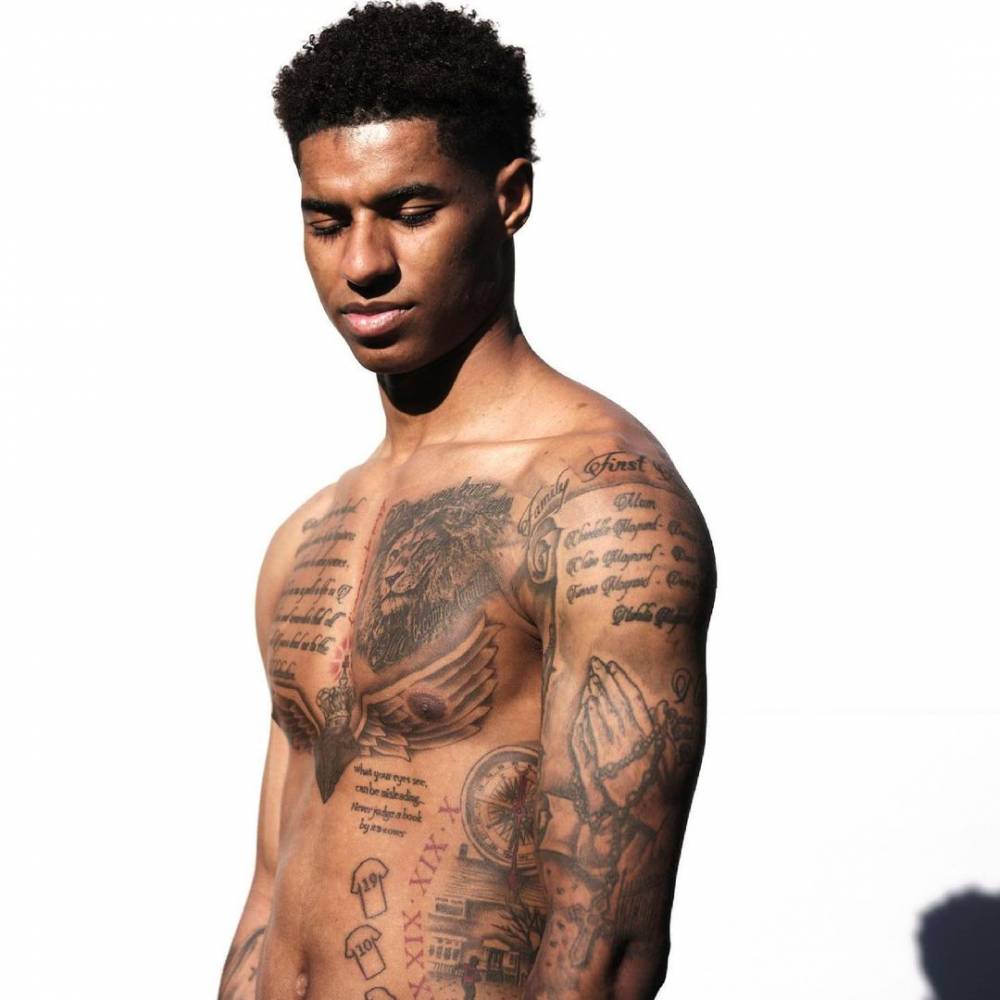
Rashford has also turned his Manchester United shirt history into body art. The numbers associated with different stages of his Old Trafford career appear as small shirt-shaped designs on the lower torso. Earlier photos show 39, 19 and 10, the numbers he wore before settling into a more senior role at the club.
The idea is simple, but it works because the shirts are treated like a timeline. A normal list of squad numbers disappears when a season is over. These tattoos keep each stage visible. They are reminders of the academy player, the teenager who broke into the first team and the forward who became one of United’s main attacking names.
Newer reporting has connected the same design to the number 14 he wore during his Barcelona loan and the number 9 attached to his later Manchester United return. Those updates show that the tattoo is not frozen in its first version. It can grow when the story changes. The numbers are therefore less about collecting shirt digits and more about recording the places a particular stage of his career took him.
The lower-torso placement also explains why people often miss them. A normal football shirt hides the whole group. Even in training photos, the designs can be partly covered by shorts or by the angle of the camera. When the image is clear, though, the shirt outlines make the meaning obvious. They look like small football jerseys placed inside a much larger collection of personal symbols.
Script, prayer and family details run down his arms
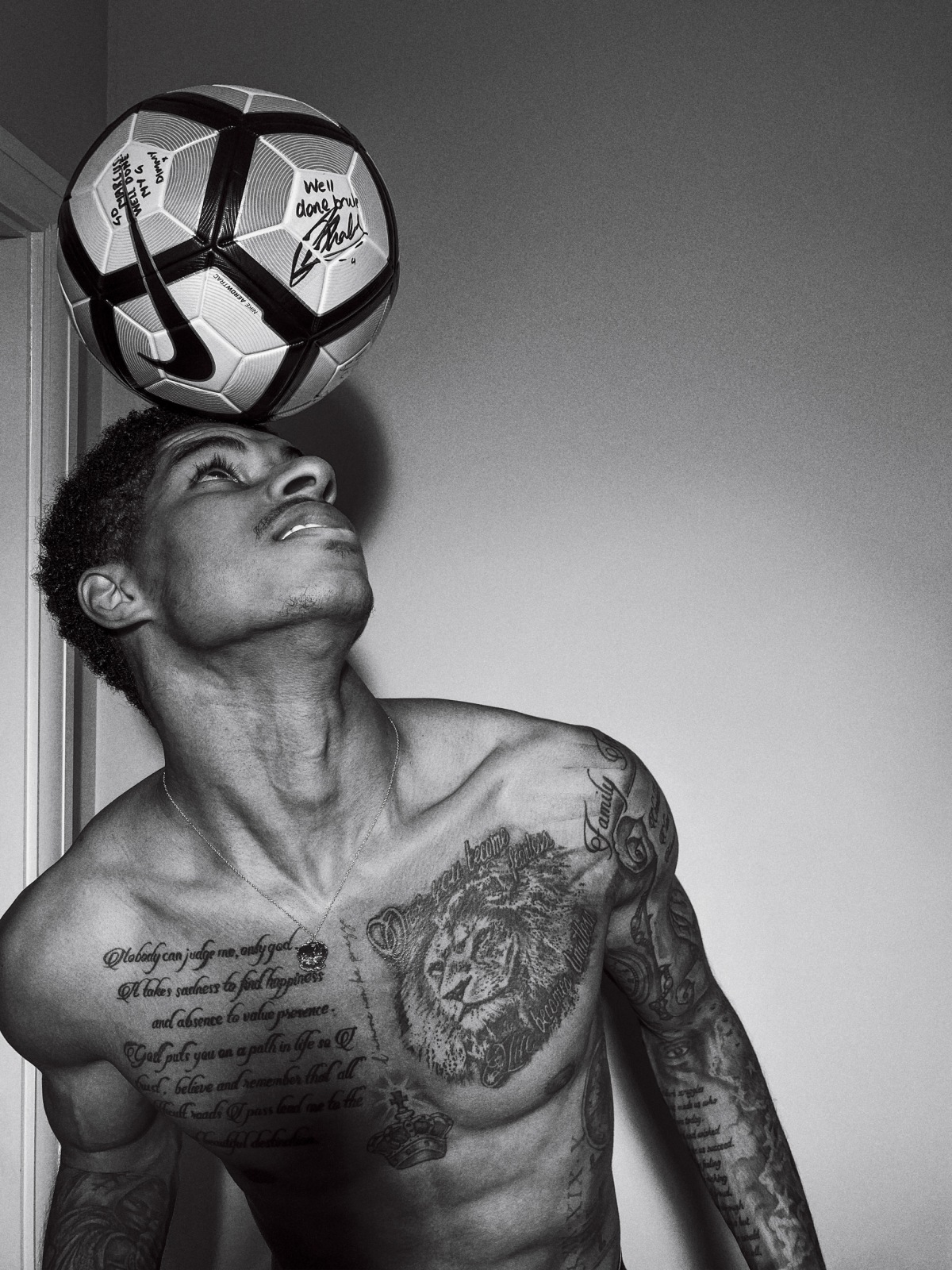
The front of Rashford’s body gets the headlines, but his arms carry plenty of the quieter work. Clear shirtless portraits show lines of script across the upper body, smaller symbols near the ribs and layered black-and-grey work down the arms. There are also prayer imagery and details that have been linked in coverage to family, faith and the people close to him.
It is tempting to turn every small mark into a dramatic theory. The photographs do not always support that. Some tiny designs are too blurred to read, and some are partly hidden by movement or clothing. The safe conclusion is that Rashford’s arms are built from several smaller pieces rather than one clean sleeve with a single public explanation.
The look is consistent with his chest work. Script is used for words that matter to him, while portrait-style shading and symbolic objects give the collection more visual weight. The result is busy, but not random. There are open gaps between pieces, and the darker work tends to frame the writing instead of swallowing it.
That combination of readable writing and less obvious details is also why his tattoos look different from one photograph to the next. In a match photo, you might see a dark forearm and assume it is one solid block. In a closer portrait, the separate letters, figures and line work become visible. The tattoo collection rewards a proper look rather than a quick glance at a sleeve.
The lion and script connect football success with personal influences
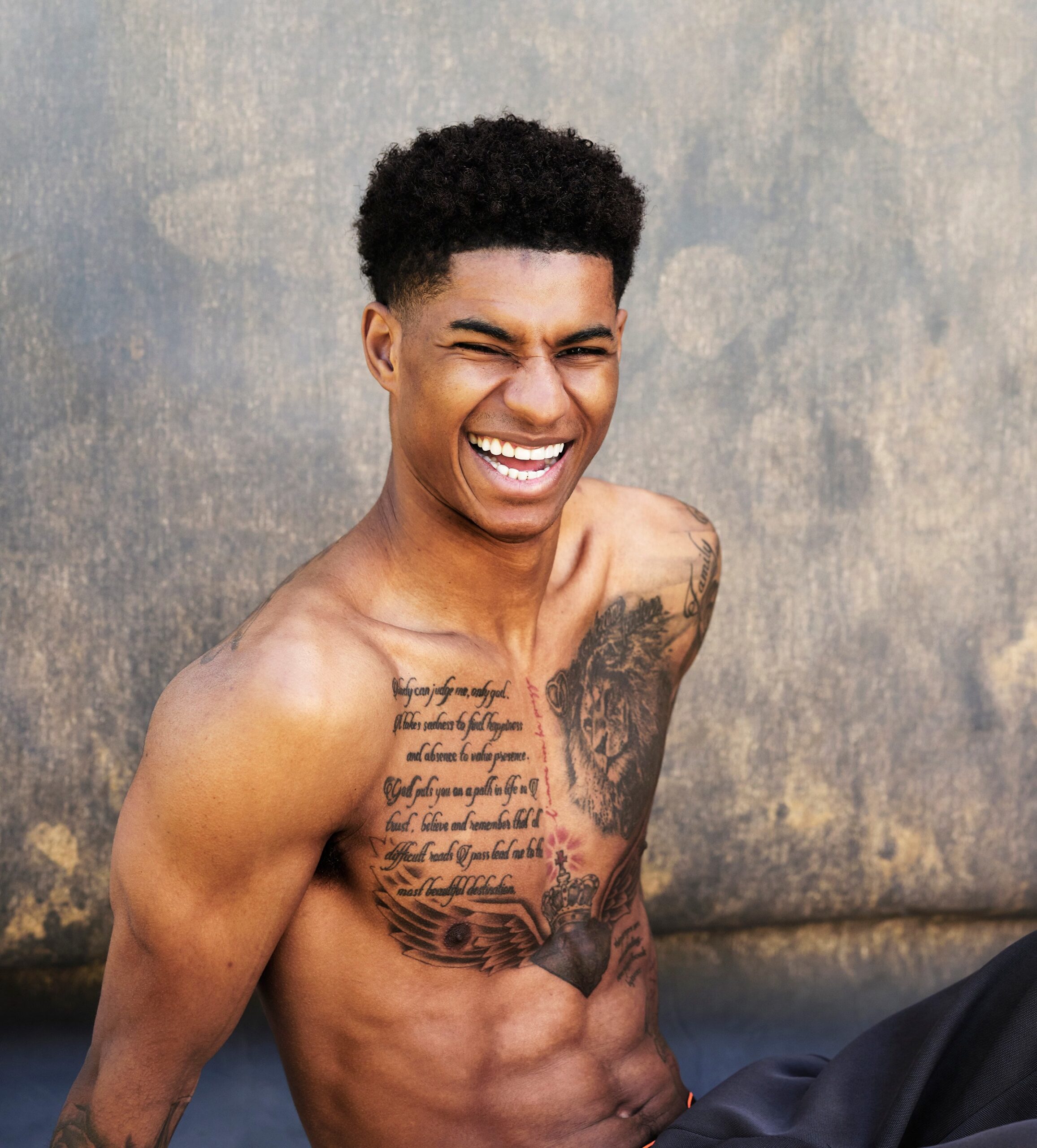
The clearest front-facing photographs show how Rashford’s chest tattoos work as a group. The lion, the long passage of script and the smaller marks around them create a piece that feels bigger than any one symbol. It is a visual statement about strength, belief and the people or ideas that have helped him keep going.
Coverage of his wider body art has also mentioned tributes to major figures, including Nelson Mandela, Malcolm X, Muhammad Ali and Bob Marley. Not every portrait is equally clear in every photograph, and some online lists mix confirmed images with guesses. The useful point is the theme: Rashford’s ink is repeatedly linked to courage, social change and self-belief, not just football branding.
The references to 1968 that appear in tattoo coverage fit that same idea. The year is widely associated with Black history and civil rights conversations, so it sits naturally beside the names and messages connected to Rashford’s public work. Even when a small mark is hard to read, the larger pattern is visible in the chest piece itself. The lion and the writing keep the collection grounded in identity, not just appearance.
If you compare that approach with another footballer’s tattoos, such as the huge back piece and family ink covered in our Leroy Sané tattoos guide, the difference is clear. Rashford’s designs are less about one giant scene and more about many separate memories that sit together.
The newest additions are best understood as updates to an ongoing record. When a shirt number changes, the number tattoo can change. When a career moves to a new club, the collection can gain another reference. That is a very different approach from getting one finished sleeve and never returning to it.
There is a practical side to that process as well. Rashford’s older designs have been photographed in different lighting, at different angles and sometimes through low-resolution social posts. New work can look sharper simply because the source photo is better. It is important not to mistake a clearer image for a brand-new tattoo, or to count the same design twice just because it appears in a different crop.
What is easy to see is the continuity. The boyhood football scene points back to his beginnings. The lion and script describe strength, faith and getting through hard periods. The shirt numbers map his development at United. The portraits and historical references point to the ideas and people he wants to keep close. Each piece has a different job, but they all fit the same personal timeline.
That is why Rashford’s tattoos are more interesting than a simple list of images. They show a player trying to keep his roots visible while his public life gets bigger. The collection is still changing, and the safest way to follow it is to look at clear, dated photographs and confirmed reporting rather than treating every social-media crop as a separate tattoo.
Watch a short visual guide to Marcus Rashford’s tattoos
For a quick visual recap of the designs and their football connections, this relevant video is embedded below.