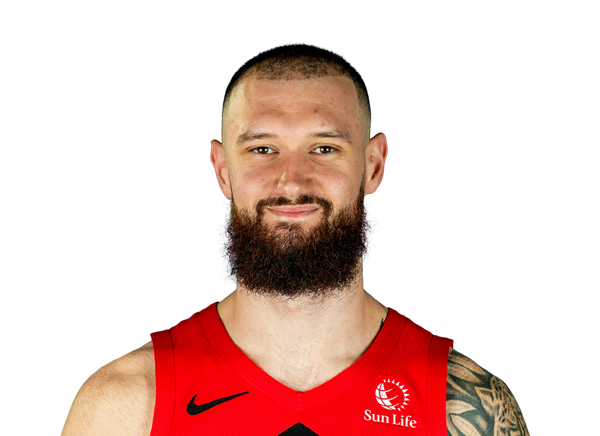
Sandro Mamukelashvili treats tattoos as more than decoration. His ink gives him a way to talk about family, art, basketball and the places that shaped him in Georgia, Italy and the United States. He got his first tattoo at 16 and kept adding to the collection, including sleeves, leg work and a large back piece with artist Zac “Lefty” Colbert.
The collection does not follow a standard athlete’s checklist. It includes a sun on his thigh, Mary and Jesus based on a figurine from his mother, the myth of Icarus, honeycomb, a bull, doves and work connected to Kobe Bryant’s Mamba Mentality. He has also drawn inspiration from Michelangelo, Leonardo da Vinci and Kung Fu Panda.
The designs cover different subjects, but there is a clear thread: tattoos can hold several chapters at once. Some pieces honour family, others remind him about ambition, and some are images he simply liked enough to keep. Here is what he has explained about them.
The sun on his thigh was the first tattoo
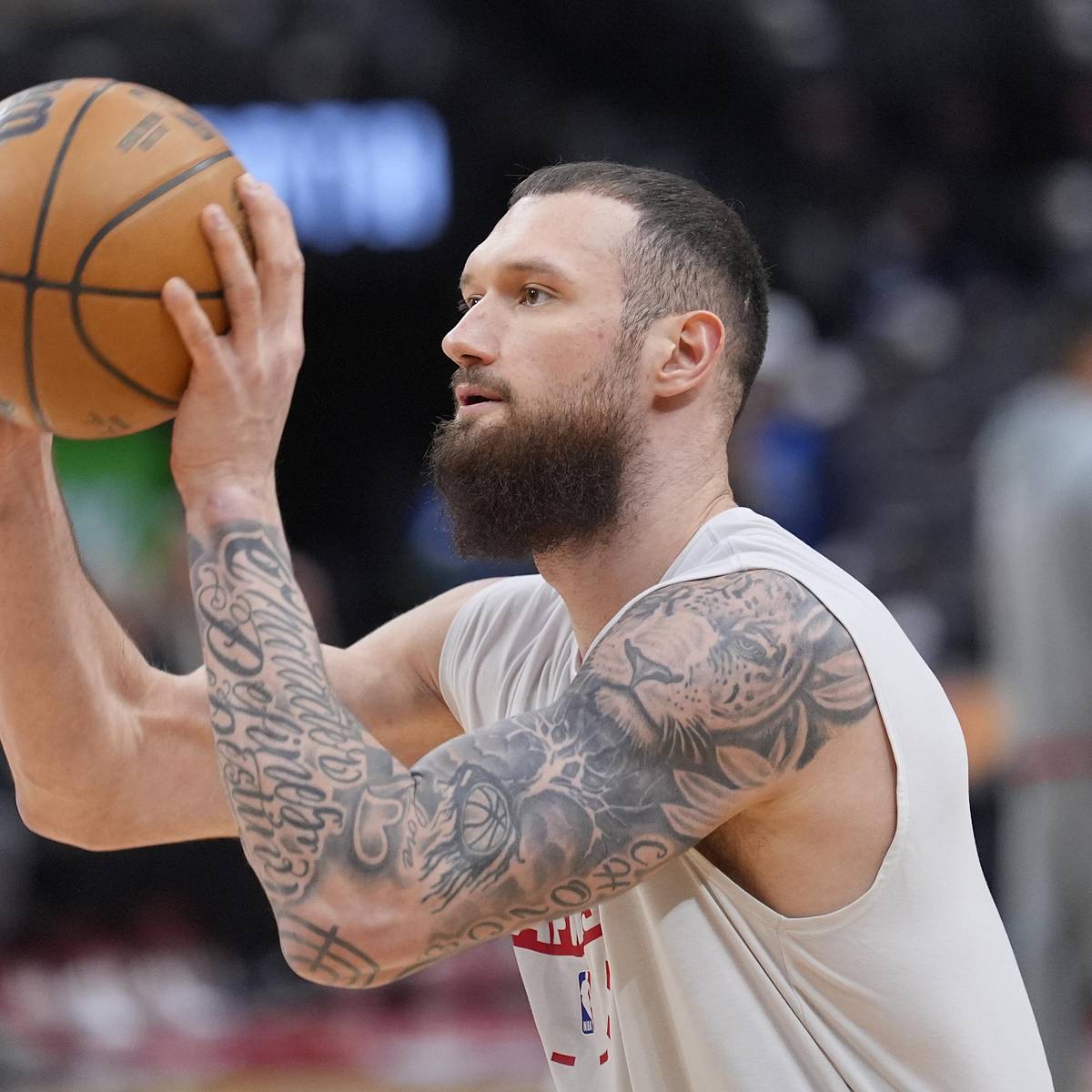
Mamukelashvili got his first tattoo at 16, during a trip to Croatia. It is a sun on his thigh, and his stepfather got the same design. That makes it more than a first experiment with ink: it is a shared mark from a trip and a family relationship.
He has said his parents were strict about tattoos, so he hid it from his father for months. The story gives the sun some teenage mischief. It was not a carefully planned public image; he made the decision while travelling, then tried to keep it under wraps when he got home.
A thigh tattoo also let him keep the choice private under everyday clothes. The rest of his collection eventually became harder to hide, but the sun remains the first page in the timeline.
Mary and Jesus connect his ink to his mother
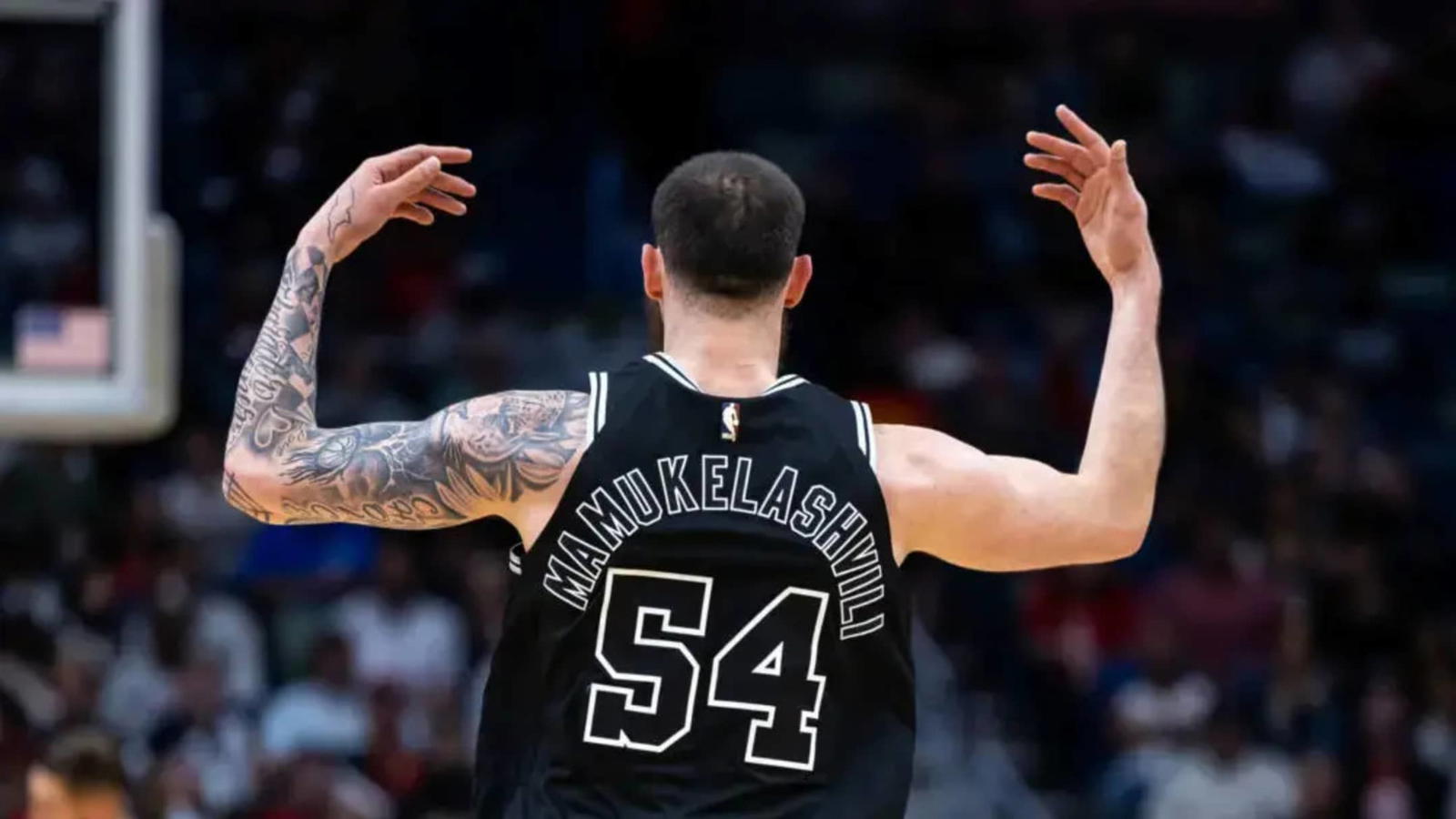
One of Mamukelashvili’s most personal designs is an abstract image of Mary and Jesus, based on a figurine his mother gave him. That starting point matters more than whether every line in the finished tattoo is easy to identify. The image began with an object already tied to home, faith and family.
He has described the tattoo as something more specific than a religious design picked from a wall. It came from something his mother gave him, and the artist turned that keepsake into a more graphic image. The tattoo carries the memory of the gift while leaving room for an artistic interpretation.
It also shows why he talks about tattoos as a way to stay authentic. The crowd may see one image; for him, it has a much more direct connection. That private meaning is part of the design’s appeal.
Icarus gives the collection its warning about ambition
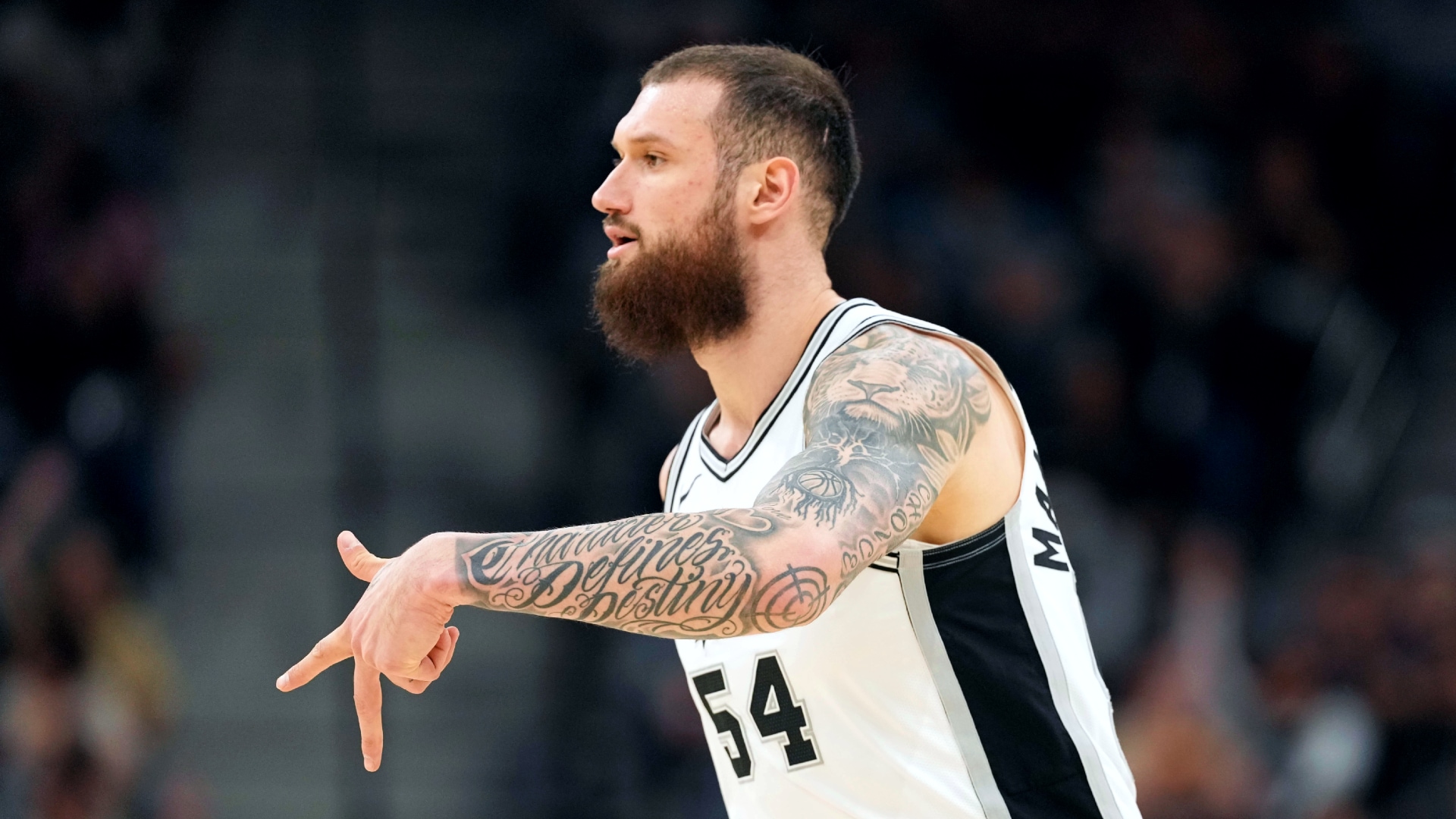
Another important piece draws on Icarus, the figure in Greek myth who flew too close to the sun despite being warned not to, then fell when his wings melted. Mamukelashvili has described the lesson simply: do not get too high or too low. That idea can be useful in a sports career that swings between big wins, injuries, selection decisions and uncertain stretches.
The tattoo is not only about failure. It also speaks to ambition, risk and keeping perspective when life starts moving quickly. Confidence helps in basketball, but it can turn into carelessness if a player stops paying attention.
The myth adds an old story to a modern collection. Mamukelashvili has spoken about classic artists and historic images, so Icarus fits his interest in art that carries meaning across time. The tattoo can serve as a reminder without spelling out the moral in words.
Honeycomb ties the arm pieces together
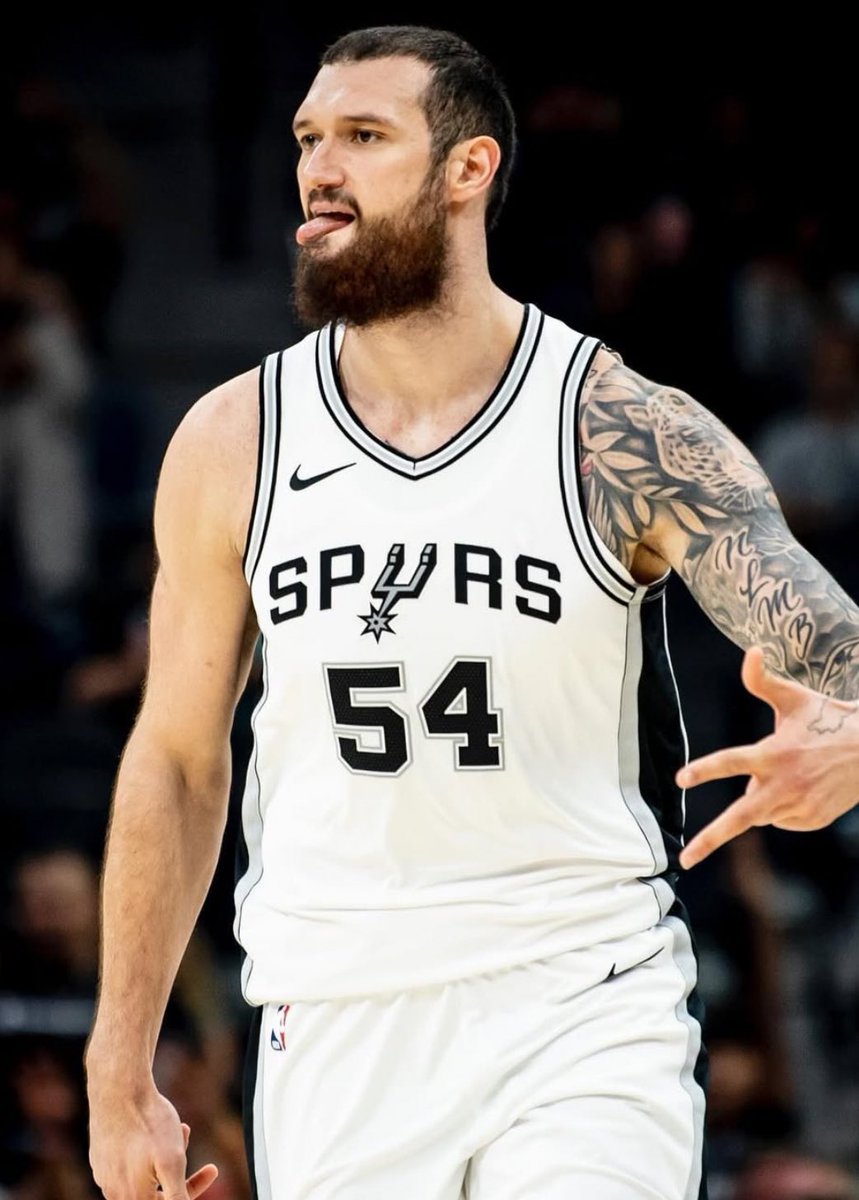
When Mamukelashvili had more work done by Zac “Lefty” Colbert, a honeycomb pattern was added to his left arm to bring older pieces together. It is a practical way to connect separate tattoos, and it reflects how the collection actually grew: individual images came first, then the honeycomb helped them work as a sleeve.
The pattern can bend around existing designs without making the gaps look accidental. It gives the arm some structure while letting the family, mythology and basketball pieces keep their own meanings.
In interviews, Mamukelashvili has also credited Pasha Ink for much of his newer work and talked about the skill it takes to handle colour and detail. He pays attention to how the composition works, not just which symbols it contains.
The Kobe tribute is built around Mamba Mentality
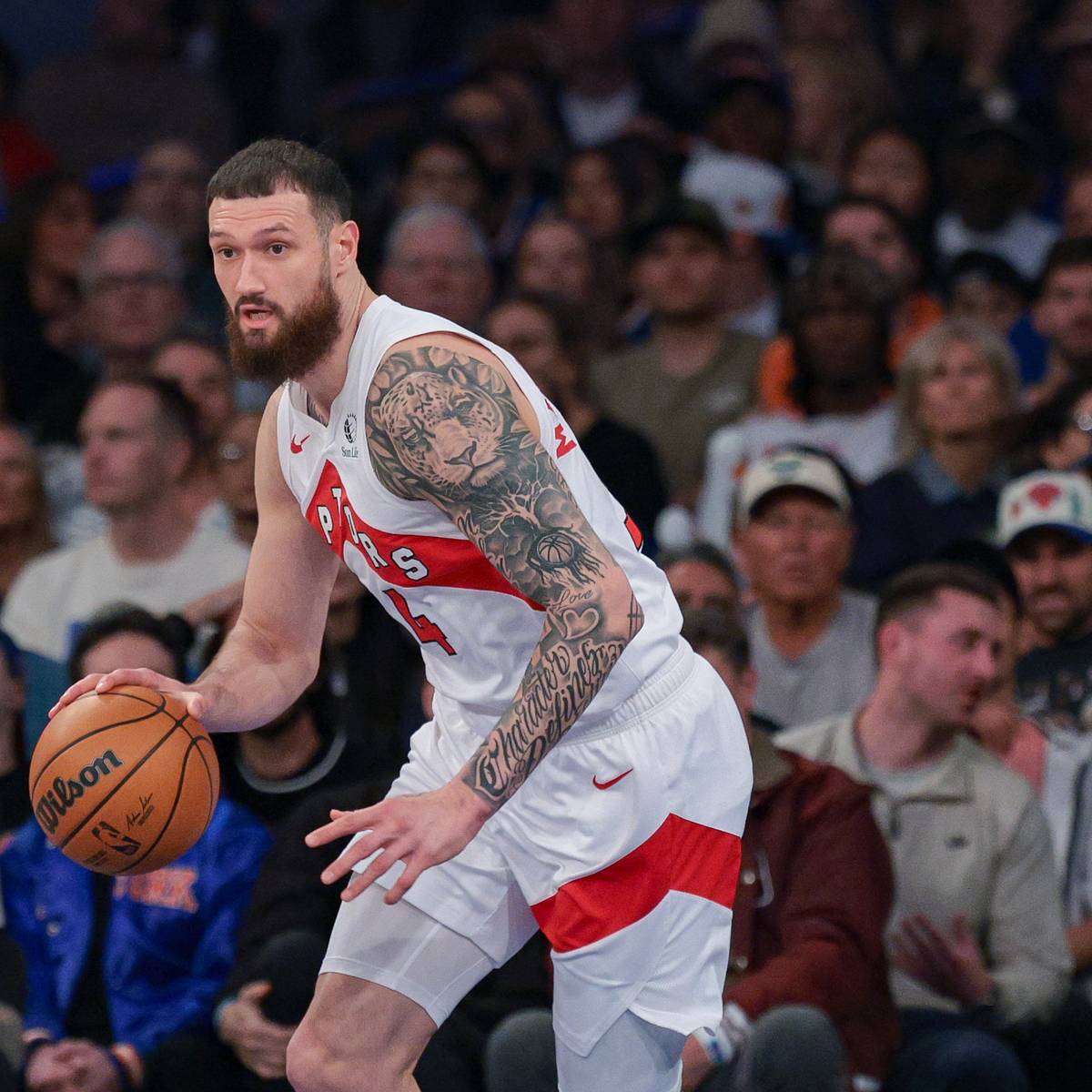
Mamukelashvili has a tattoo connected to Kobe Bryant’s Mamba Mentality. Bryant’s example influenced him during his college years, as he watched, learned and worked out his own approach to the game.
It is more than a famous player’s name on an arm. The phrase stands for preparation, focus and accepting the work that comes before the result. For someone who moved between countries and levels before reaching the NBA, that message has a natural place in the collection.
The tattoo also connects Mamukelashvili to a generation of players who treated Kobe’s approach as a language of its own. It speaks directly to basketball while fitting his wider habit of choosing designs that represent a way of thinking, not only a particular event.
The back piece honours the women in his life
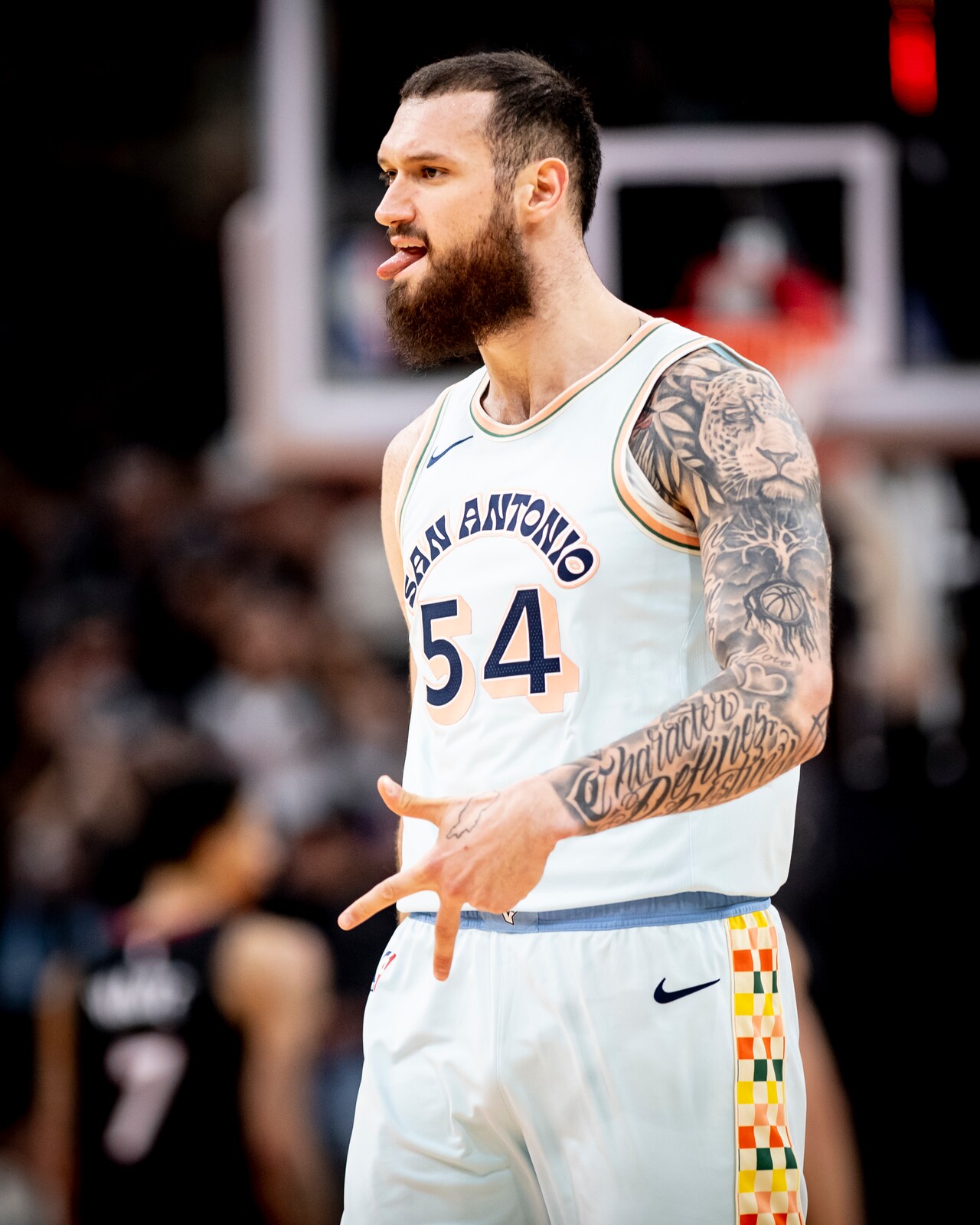
In 2024, Mamukelashvili returned to Colbert for a large back piece. He described a woman giving birth while holding her child, with two midwives or protectors above. The image includes doves, a woman or angel holding the key of life, two protective faces and a mother with her baby.
He said the design came from a painting he saw in a gallery and was meant to honour his mother, aunties and grandmothers. The symbols become clear with that explanation: the doves represent compassion and love, the women above the central scene protect it, and the mother and child bring the piece back to the people who cared for him.
A bull was also added to his upper back as a reference to his Taurus sign. It is a smaller idea inside a much larger image, but gives the whole piece a personal detail. This is not realism added just to fill space; it is a family story built into a full composition.
The back tattoo shows the difference between choosing a design because it looks striking and choosing one because it has somewhere to go in your life. Mamukelashvili cares about the art, but the meaning came first.
Kung Fu Panda and classic artists keep it playful
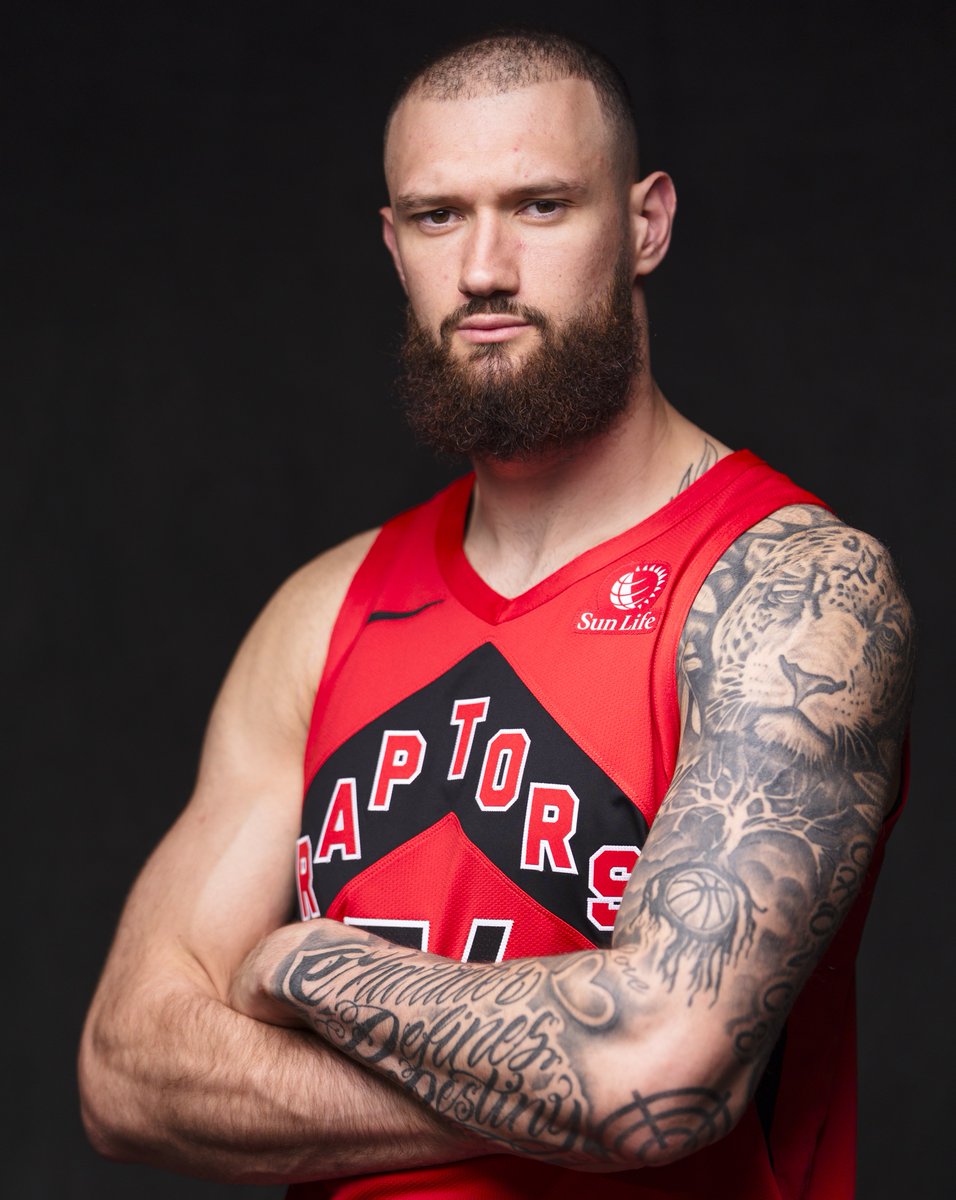
Not all of Mamukelashvili’s tattoos are serious family tributes. He has also talked about Kung Fu Panda tattoos, which bring a lighter note. The film is funny and warm, but it also plays with identity, discipline and growing into a role you did not expect.
That mix suits his collection. A family image can sit beside a cartoon character, a basketball tribute and a myth about flying too close to the sun. They do not need to share a subject if they share a feeling; each design belongs to a particular part of his life.
Mamukelashvili has also named Michelangelo and Leonardo da Vinci as inspirations. His interest in drawing, composition, colour and the artist’s skill comes through in the way he talks about the tattoos. They are personal, but he also wants them to work as art.
Curiosity ties the collection together better than any one style. A Croatian sun, a family figurine, Icarus, honeycomb, Kobe, a bull, doves and Kung Fu Panda all share the same space. The pieces have accumulated over time without feeling random.
He is building a scrapbook on skin. Some pages are about where he came from, others about the people who helped him, and a few are there because an image made him smile. That is more interesting than a standard list of NBA tattoos: you can follow a life through the designs, even when a piece is playful.
Watch Sandro Mamukelashvili explain the ideas behind his ink
Mamukelashvili has talked about his first tattoos, the artists he admires and the family, mythology and Kung Fu Panda pieces. The video below is the closest match for a tattoo-focused look at his collection.