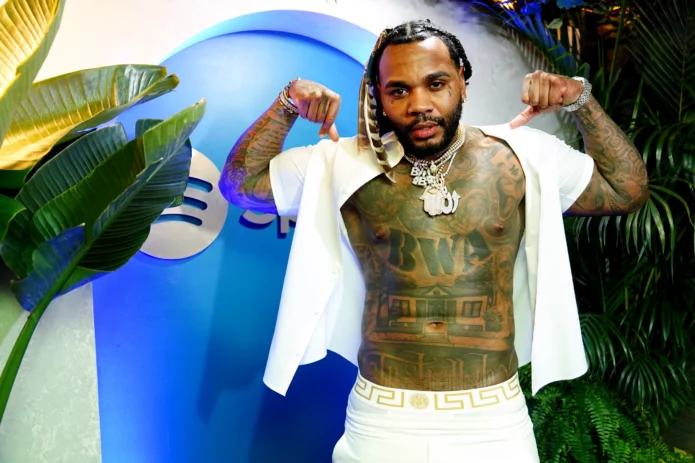
Waka Flocka Flame’s tattoos are exactly the sort of collection that rewards a closer look. They are loud, funny, sentimental and occasionally regrettable, sometimes all in the same conversation. In his GQ tattoo tour, the rapper walks through the good, the bad and the beautiful pieces, explaining how the art connects to his nickname, his career and the choices he made before every tattoo had a polished backstory.
That video is the best starting point because it lets Waka explain the collection himself. Older clips add a few more chapters, including the story of his first tattoo and the infamous piece he later counted among his regrets. The result is not a perfect catalogue of every mark on his skin, but it is a useful, evidence-based look at the designs he has publicly identified.
The collection starts with a paperclip and a lot of nerve
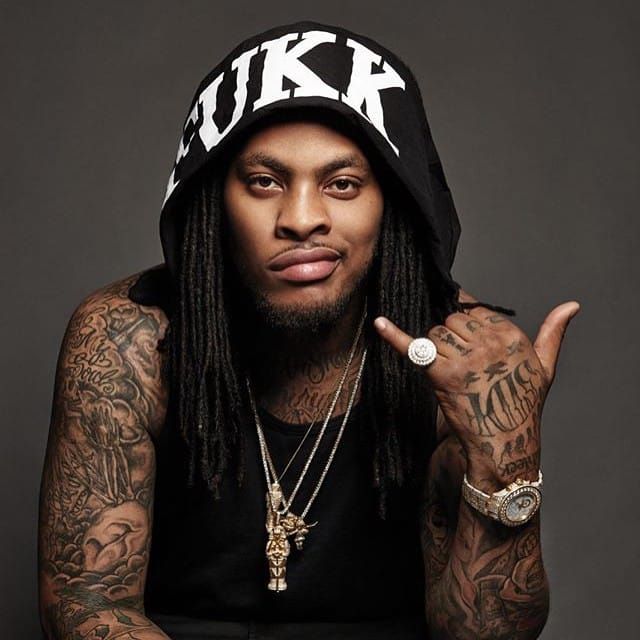
In the interview clip titled “The Backwash with DB: Waka Flocka Speaks on Getting his First Tattoo with a Paperclip,” the origin story is as rough-and-ready as the old days of getting ink could be. Waka has spoken about his first tattoo being done with a paperclip, a detail that says a lot about the impulsive energy behind the early collection.
A first tattoo made that way is not presented as a luxury studio experience. It is a memory of wanting the mark badly enough to accept an uncomfortable, improvised route. The paperclip detail has become part of the tattoo story because it explains the attitude around the collection: Waka’s ink was not built from a carefully planned brand guide. It grew out of real moments, friends, risk and the excitement of putting something permanent on the body.
That history also helps explain why some pieces look more polished than others. Collections built over years naturally show different eras and different tastes. Waka’s own way of talking about the work leaves room for that. The rough edges are part of the story, not something that needs to be edited out.
His name became one of the tattoos he questioned
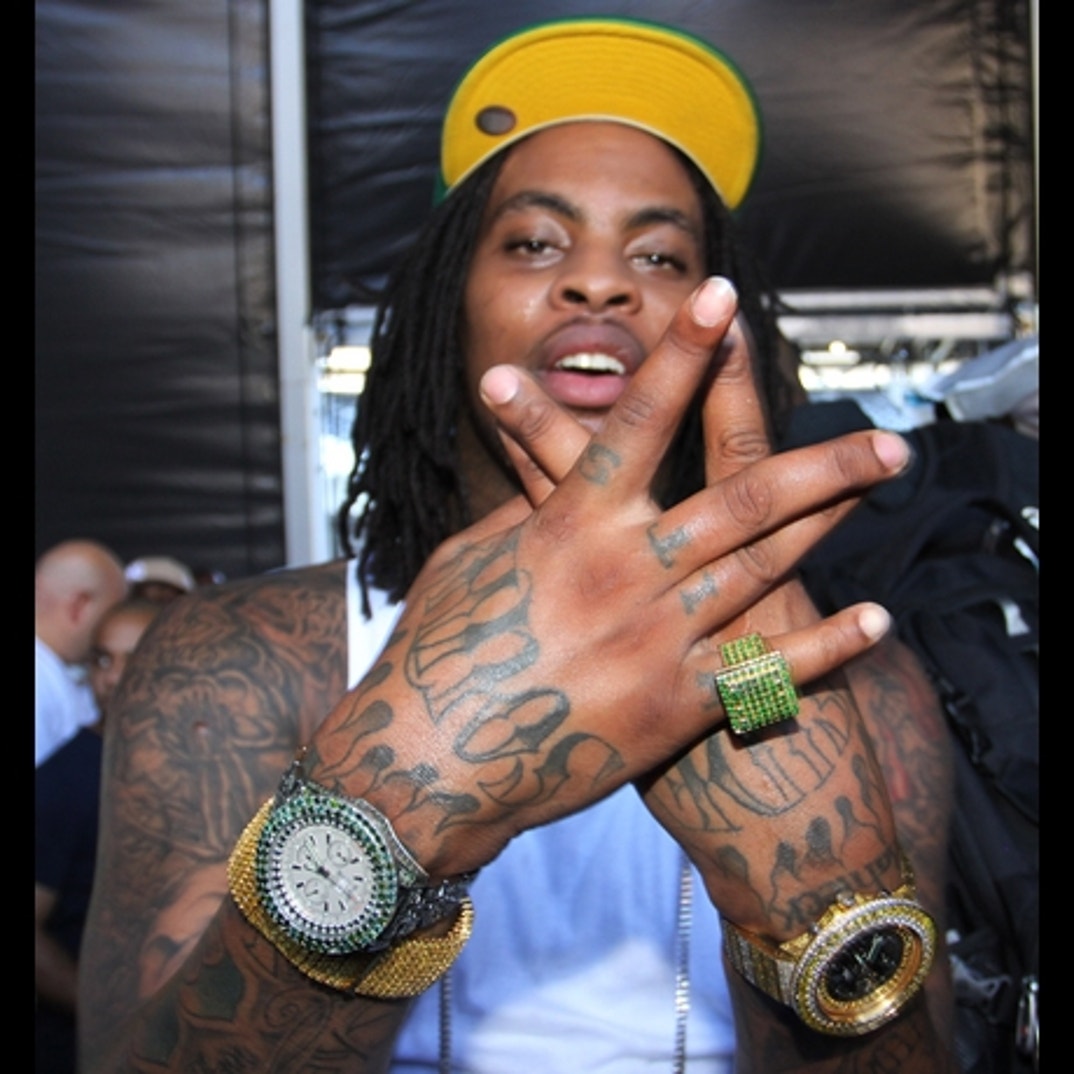
One of the clearest examples of Waka’s changing relationship with his ink is the tattoo of his own name. GQ has described it as the rapper’s most regretted tattoo, and that is a revealing admission from somebody whose collection is otherwise full of confidence and visual swagger.
Getting your own name tattooed can feel obvious in the moment. It reinforces an identity, a stage persona or a sense that the name is going somewhere. Later, the same design can start to feel too literal. Waka’s regret does not mean the tattoo has no place in his history. If anything, it makes the piece more interesting because it records an earlier version of how he saw himself.
The name tattoo sits in tension with the rest of his collection. Other pieces can be read as jokes, tributes or symbols. A name is direct. There is no mystery about what it says or who it points to. That bluntness may be exactly why it became the one Waka singles out when talking about tattoos he would rethink.
It is also a useful warning for anyone considering a first piece. A tattoo can be technically fine and still age differently as your life changes. Waka’s own-name tattoo is documented not because it is his favorite design, but because his honesty about it gives the collection some real self-awareness.
The nickname became permanent in more than one way
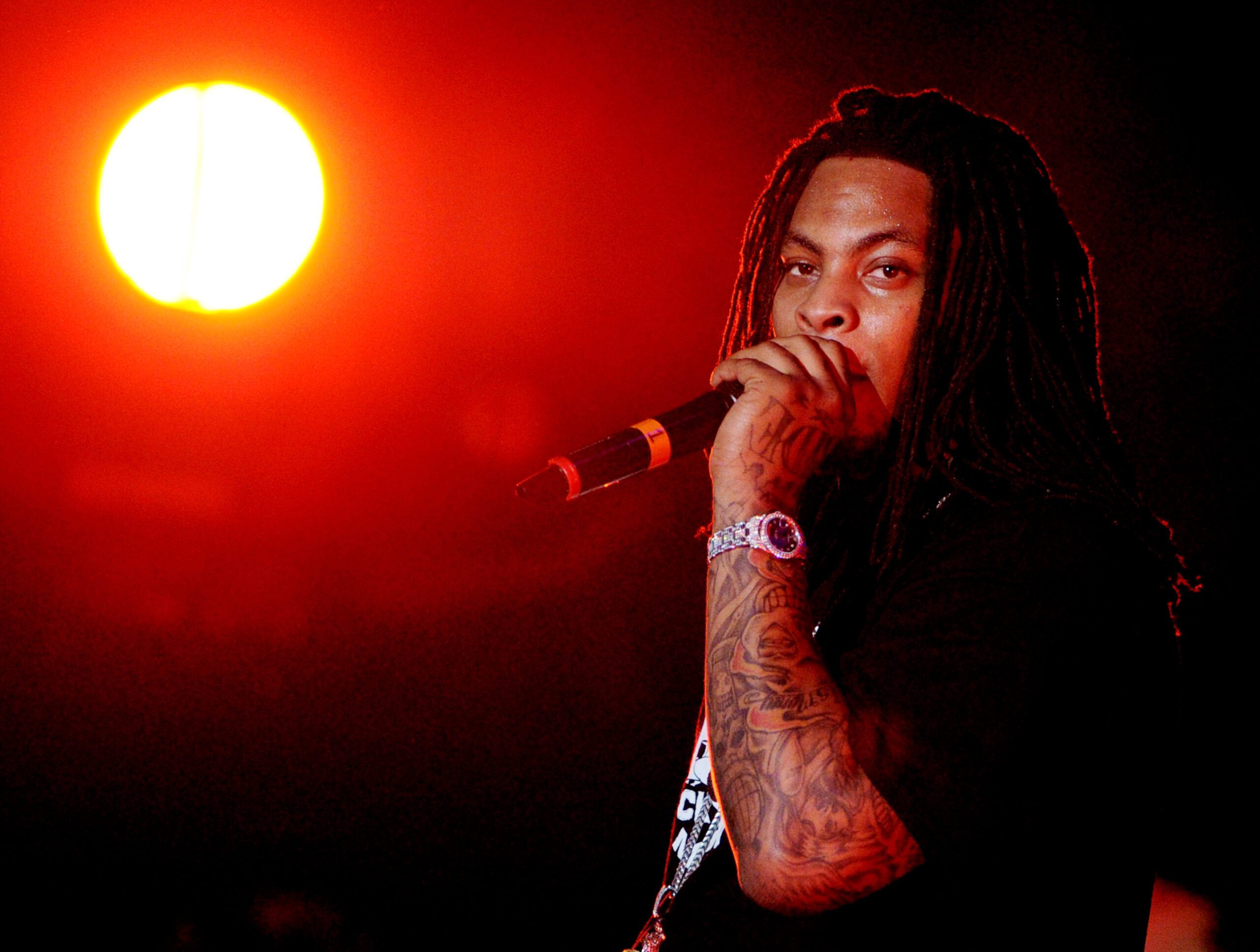
Waka Flocka Flame’s stage name is central to the public image around his tattoos. In the GQ tour he talks about how he got the nickname, and the collection carries that larger idea of flame, heat and personality. The name is not just a label attached to the music; it is one of the concepts that fans look for when they see his ink.
The appeal of a flame motif is easy to understand, but Waka’s tattoo story is more specific than a generic symbol explanation. The designs are connected to his name and the way he built a character around it. That is why the tattoos can feel theatrical without being empty. They belong to a rapper who has always leaned into energy, volume and a little bit of danger.
The live and performance photographs show how differently the same tattoo collection can read depending on the setting. Under stage lights the ink becomes part of the full Waka image, alongside the clothes, jewelry and movement. In the quieter tattoo-tour footage, the designs become more personal because he has time to explain what they mean and which ones he would do differently.
There is no need to claim that every flame-like mark has one fixed interpretation. The documented point is that Waka connects his tattoos to the nickname, the persona and the path that made him recognizable. His ink is doing some of the same work as his music: turning up the volume before he even says a word.
The “World’s Baddest Bitch” tattoo was a whole event
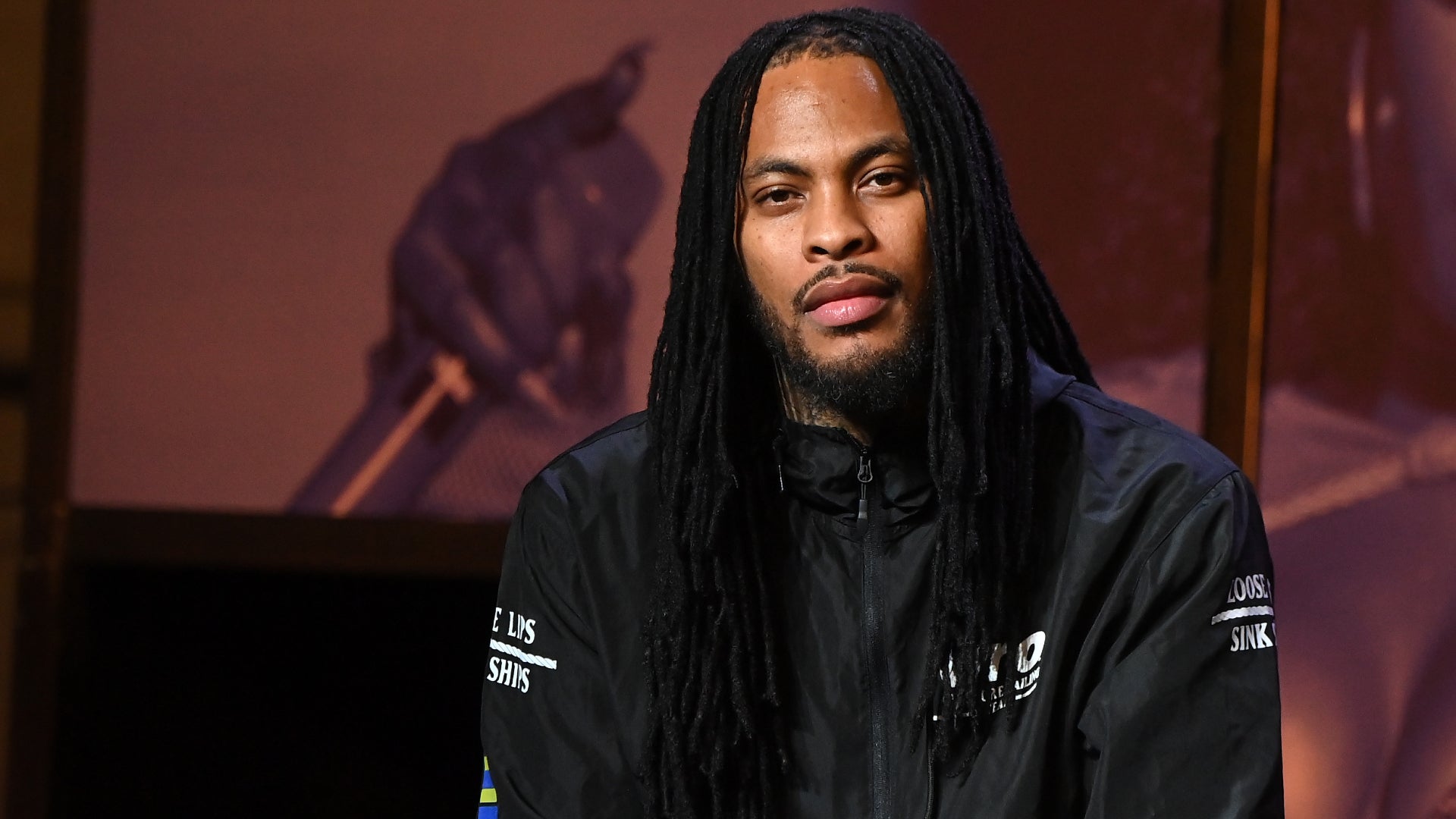
Pitchfork documented Waka getting a “World’s Baddest Bitch” tattoo, and the title alone explains why the piece remains one of the most memorable entries in his public tattoo history. It is not a quiet design. It is a statement built for attention, the kind of phrase that turns a tattoo appointment into a performance.
That piece also shows how Waka’s tattoos can work as jokes and declarations at the same time. The wording has a deliberately exaggerated confidence. Whether a viewer finds it funny, bold or too much, the intention is hard to miss. Waka has never treated his image as something that needs to be softened for everyone in the room.
The Pitchfork footage is valuable because it captures the act of getting the tattoo, not just a later photograph where the context has disappeared. That matters with a design this direct. The appointment becomes part of the artifact. The tattoo is the finished linework, but the story includes Waka choosing the phrase, sitting for the session and letting the camera see the process.
It is also a reminder that permanent ink can be a snapshot of a particular mood. Waka’s collection has sentimental and career-related chapters, but it also has moments where the point is simply to be outrageous. The “World’s Baddest Bitch” piece belongs in that category: a high-volume tattoo that tells you something about the attitude of the era in which it was made.
The best pieces are the ones he still claims
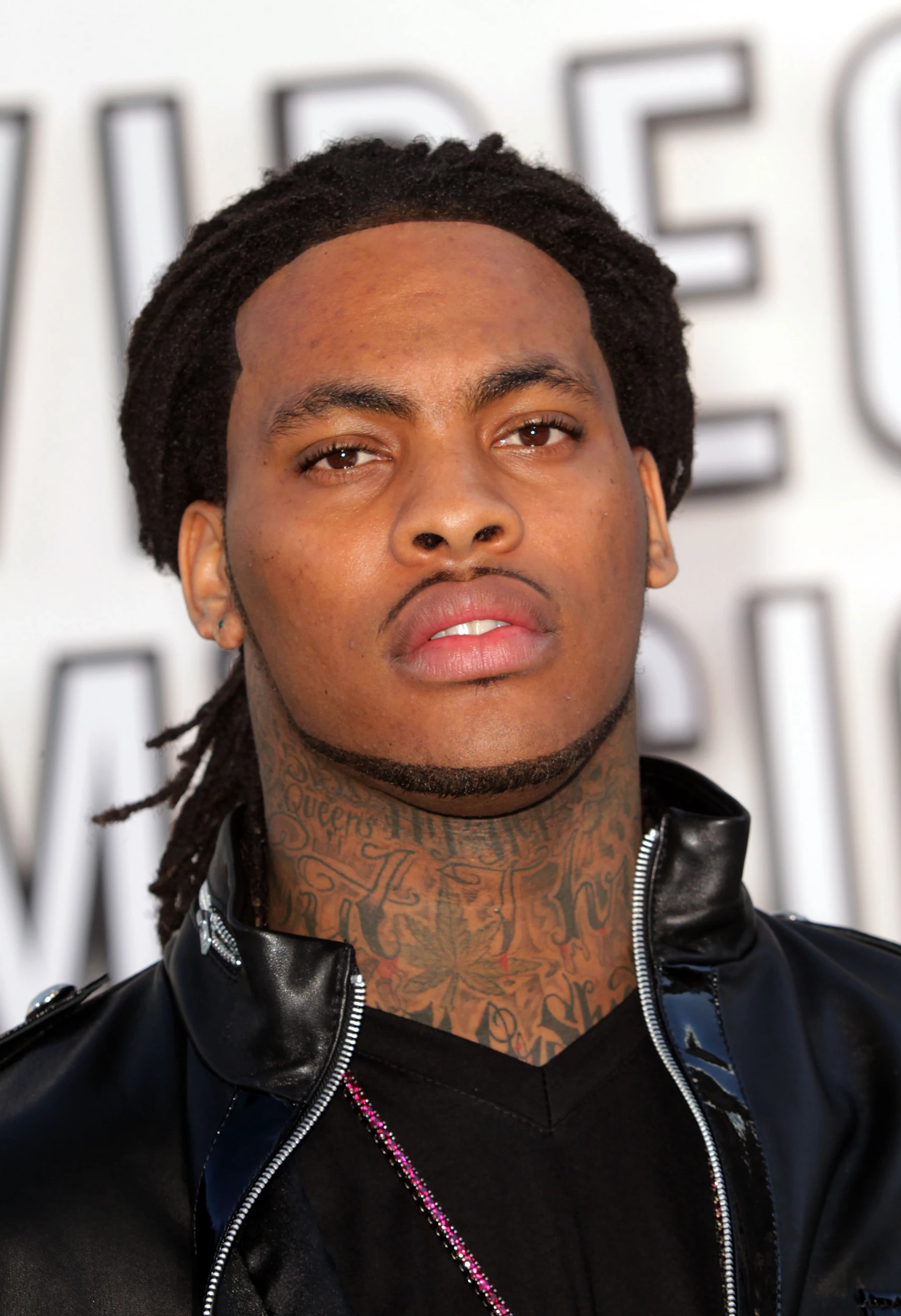
Waka’s GQ tattoo tour is framed around the good, the bad and the beautiful, which is a more honest inventory than pretending every design has equal status. Some tattoos remain favorites. Some become stories about impulsiveness. Some are simply part of the visual record of his career. That variety gives the collection its personality.
His favorite pieces are interesting because they show what survived the passage of time. A favorite tattoo does not have to be the most expensive or the most technically elaborate. It can be the one tied to a person, a nickname, a private joke or a specific period when life felt different. Waka’s public comments leave room for all of those reasons.
The collection also makes sense as a timeline. The paperclip first tattoo represents the earliest, most improvised chapter. The own-name tattoo represents a moment of direct self-belief that later became complicated. The nickname-linked work carries the identity of his music career. The large phrase piece shows the appetite for spectacle. Together they read like a series of decisions rather than one single design strategy.
That is why the tattoos are worth documenting carefully. It would be easy to reduce them to “rapper with lots of ink,” but the documented stories are more specific. Waka has tattoos about where he started, the name he built, the persona he performed and the choices he now views with a little distance.
What Waka’s tattoo history says about regret
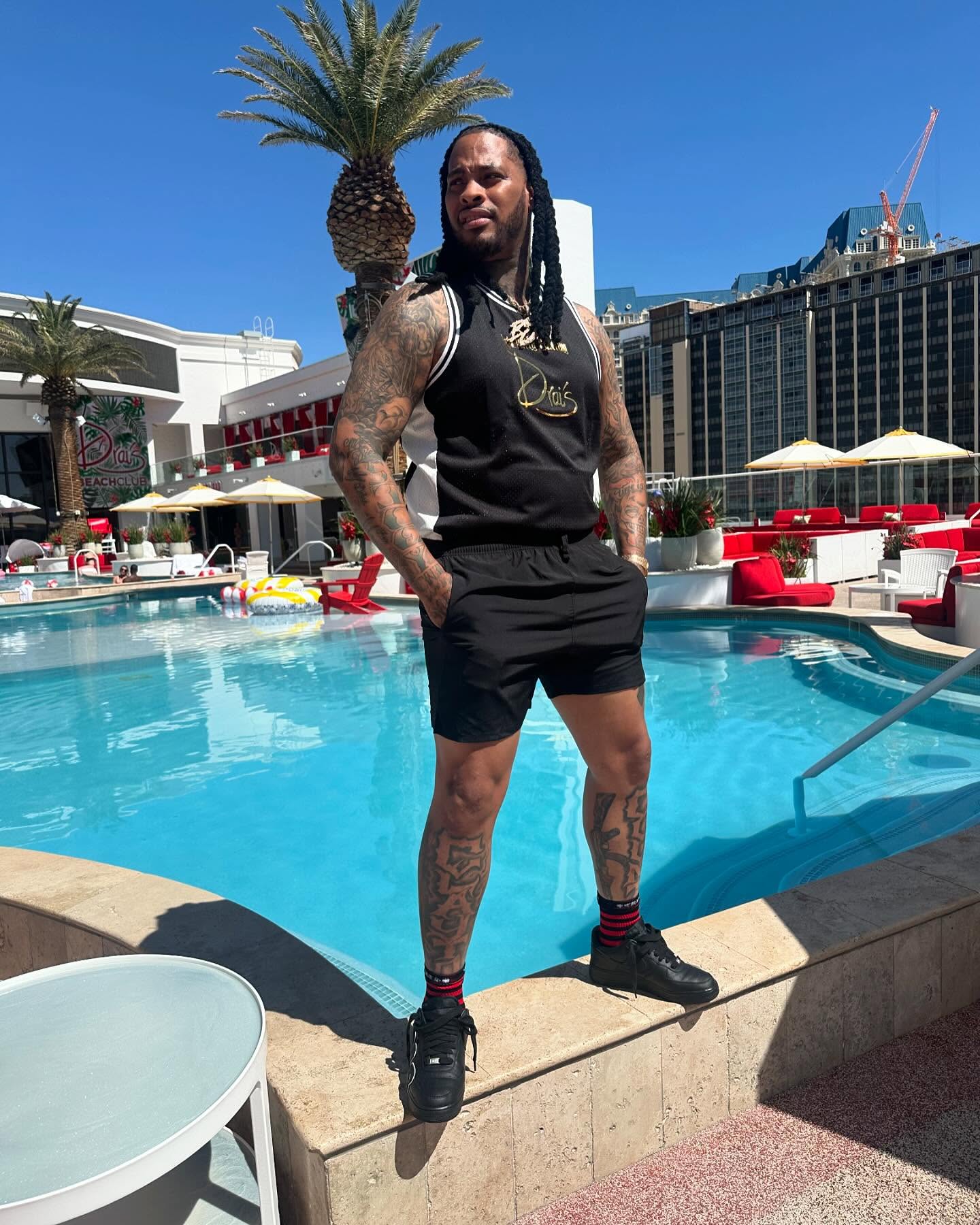
Regret is not usually the first word people associate with a tattoo collection as visible as Waka’s, but it is one of the most useful themes in the record. His own-name tattoo shows that even a confident artist can look at old ink and decide the idea no longer fits. That does not erase the tattoo. It gives it a second meaning.
Old tattoos are records of old confidence. They show what felt important before the next album, relationship, tour or crisis arrived. Waka’s willingness to talk about a regretted piece keeps the collection grounded. It also gives fans a more realistic view of tattoo culture, where the meaningful and the questionable often live next to each other.
The contrast between the regretted name and the tattoos he still enjoys is part of the larger story. One design may feel too literal, while another holds a memory that gets better with age. A phrase can be outrageous at first and still become a marker of a particular chapter. The meaning changes because the person changes.
That is the real through-line in Waka Flocka Flame’s tattoos: not perfection, but commitment. Once the ink is there, it becomes part of the biography. Some chapters are polished, some are chaotic and some are funny in hindsight. The collection keeps all of them visible.
Watch Waka Flocka Flame break down his tattoos
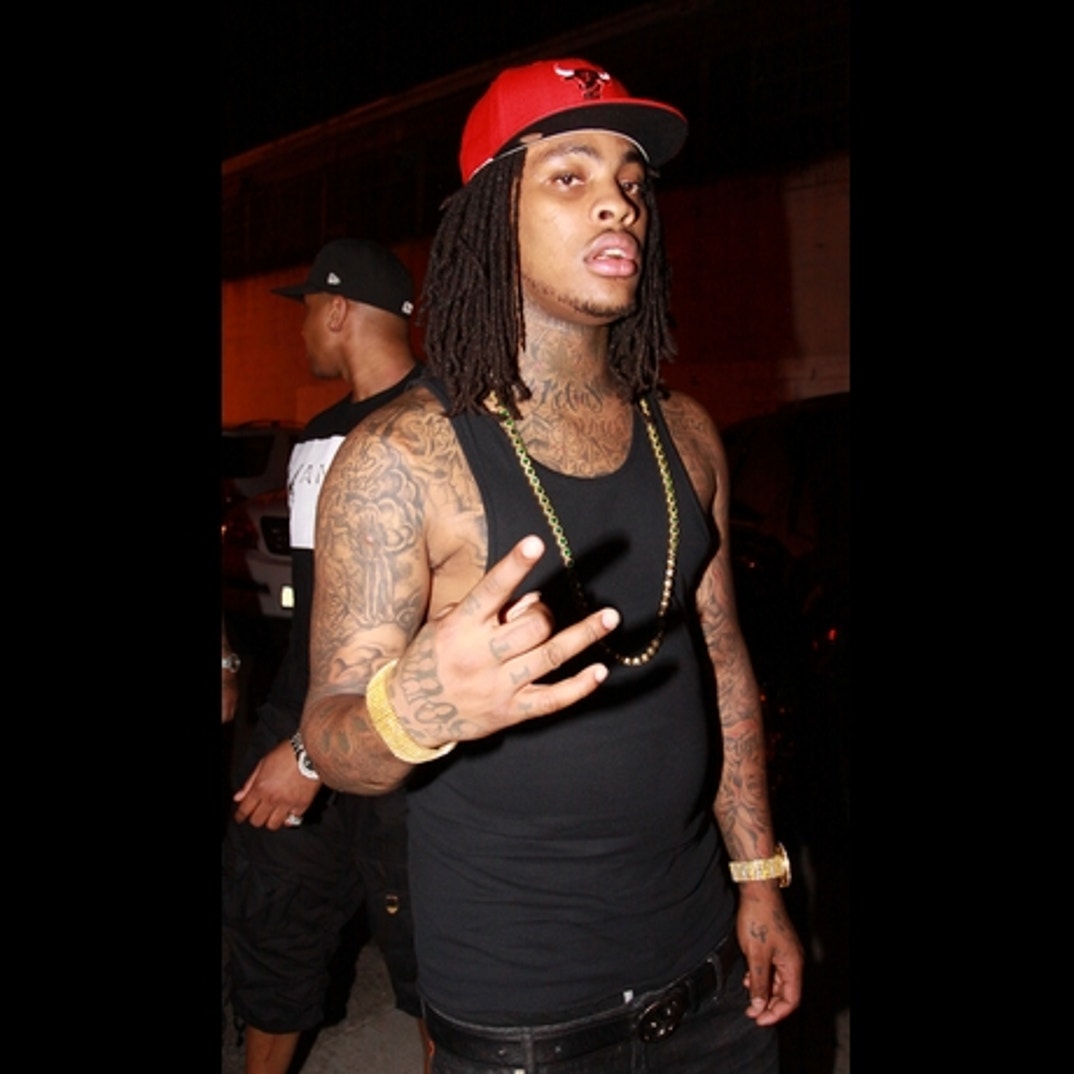
Waka’s GQ tattoo tour is the most useful single video for hearing the stories behind his collection, including the nickname, the regrets and the tattoos he still rates.