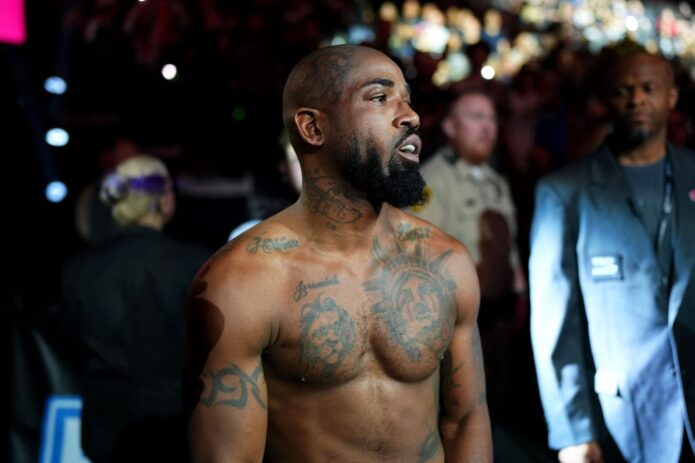
Bobby Green has a lot more ink than a quick fight photograph suggests. His collection runs from the crying Statue of Liberty on his chest to a huge King design on his back, with lions, crosses, wings, flames, names and a dragon added around the body. Green has also talked about the pain and regret that can come with tattooing, so the story is not just a list of symbols. It’s a record of different choices made over time.
The photos matter because gloves, shirts and camera angles hide different parts of him. This guide breaks the visible designs into groups, keeps separate tattoos separate and only gives a meaning when Green or a strong source supports it.
Bobby Green’s chest carries the crying Statue of Liberty tattoo and lion work
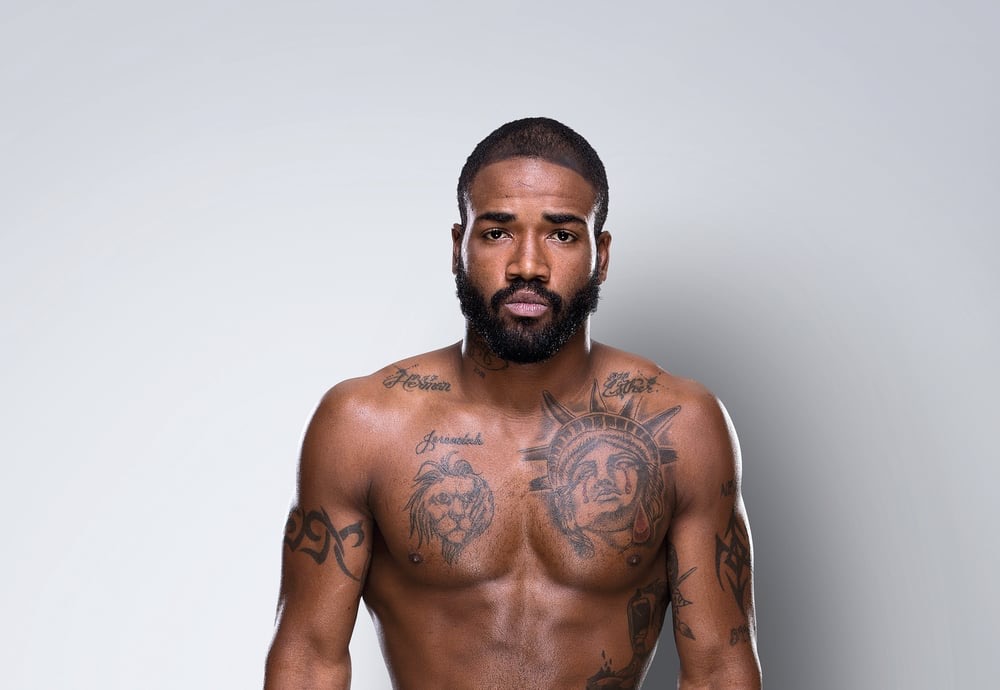
The crying Statue of Liberty is the tattoo most people notice first. It sits across Bobby Green’s chest and is much bigger than a little badge or piece of filler. The face, the tears and the heavy shading give it a serious look, while the surrounding ink keeps it from reading like a single clean logo. A proper chest photograph matters here because a fight-night shot can hide the lower edges under gloves, a towel or a shirt.
The image is tied to the way Green talks about freedom and the life he has lived. It’s tempting to write a grand explanation for every line, but the design itself already does plenty of the talking. The Statue of Liberty is familiar, yet the crying expression changes the mood. It feels personal and worn-in rather than like a tourist souvenir.
A lion is also reported among the chest and upper-body tattoos. It brings a completely different kind of energy: less national symbol, more pride, toughness and animal imagery. The lion should be kept as its own entry rather than folded into the Statue of Liberty description. They sit near each other, but they are not one design and there is no need to invent a single meaning for both.
The chest photograph also shows how Green’s tattoos sit around his natural shape. Dark outlines follow the pec and shoulder, while smaller marks disappear toward the collarbone. That layout is easy to miss in a distant portrait, which is why this close image is used beside the section rather than relying on the featured headshot. The crying face is the detail that separates this Statue of Liberty from a standard outline.
The huge King back tattoo gives Bobby Green’s collection its loudest piece
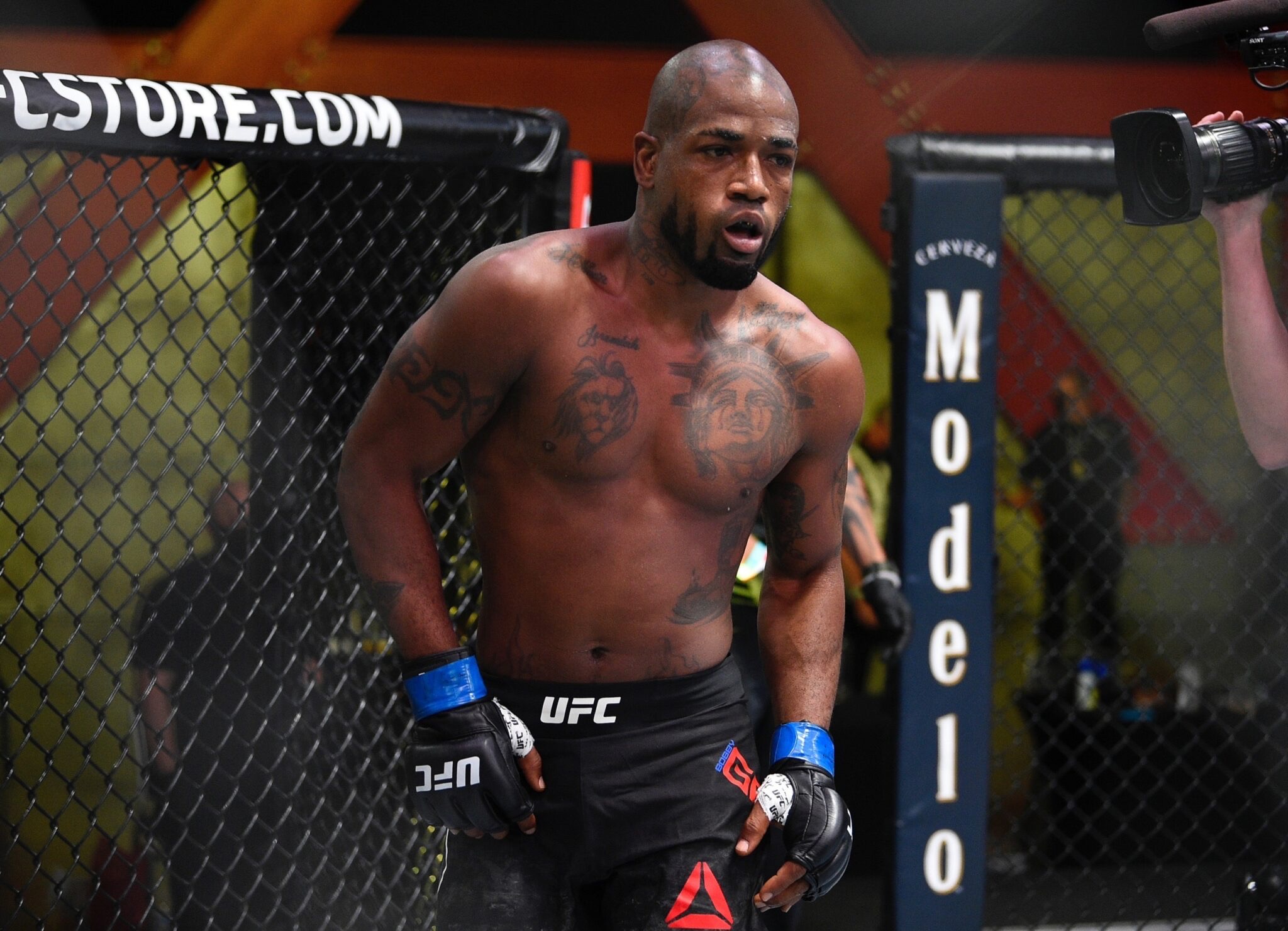
Green’s back carries a large King tattoo, and it changes the scale of the whole collection. The lettering takes up enough room to read as the centre of the back instead of one detail among many. Around it are reports of a cross, wings, a halo and flame imagery. Those pieces give the back a religious and theatrical feel without making the tattoo look like a perfectly boxed-in mural.
The back work has been added and seen at different stages, so old photographs do not always show the final arrangement. That’s important with a tattoo this large. One session can darken a background, sharpen a letter or connect two shapes that looked separate before. The wide photograph here is useful because readers can see the full placement, not just a cropped patch of skin.
The word King is also closely tied to Green’s nickname, but a nickname does not explain every symbol around it. The cross and wings can be described visually and the faith connection can be reported carefully. The halo and flames add contrast: soft circular lines beside hot, pointed shapes. That mix is what makes the back stand out when the rest of his body is photographed from the front.
It’s one of those tattoos that needs space on the page. A tiny thumbnail would turn the lettering into a dark blur. This is a genuinely different photograph from the chest and arm images, and it shows why a heavily tattooed fighter needs several views rather than one portrait repeated five times.
Bobby Green’s arm and shoulder tattoos are built from separate pieces
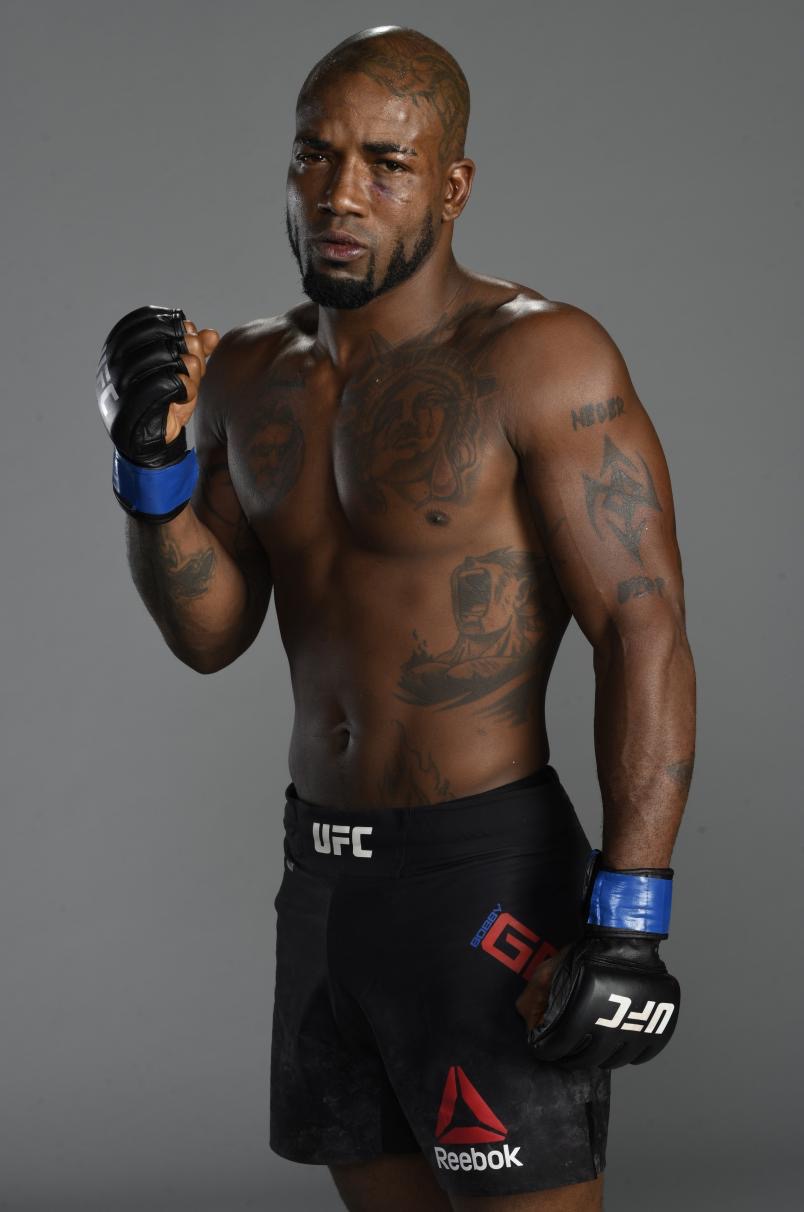
The arms are less dominated by one headline image. Green has smaller symbols, lettering, names and patterned work running across the shoulders and upper arms. Some photographs show the designs sharply, while others catch them at an angle or under bright arena light. The safest approach is to name the parts that can be seen and avoid pretending that every dark line has a confirmed backstory.
There are reports of names near the collarbones and shoulder area, along with flames running across the sides of the torso. The flames help join the upper-body pictures visually, but they do not mean the whole chest and arm area was planned as one sleeve. Green’s tattoos look like they were collected over time, with different ideas landing in different places.
A separate tattoo interview with ESPN gives more personal context. Green talks about tattoos that hurt and about having regrets, which makes the collection feel less polished than the usual celebrity tattoo slideshow. Some pieces are proud statements, some are memories and some are simply tattoos he got at a particular point in his life. That mix is more believable than a claim that every design has one deep meaning.
This official portrait is useful because the arms are clear without being posed like a catalogue. You can see the difference between the bold chest work and the smaller shoulder marks. The lighting is strong enough to read the edges, and the photograph is not a crop or re-used version of the chest image.
Names, lettering and the smaller torso tattoos need their own close look
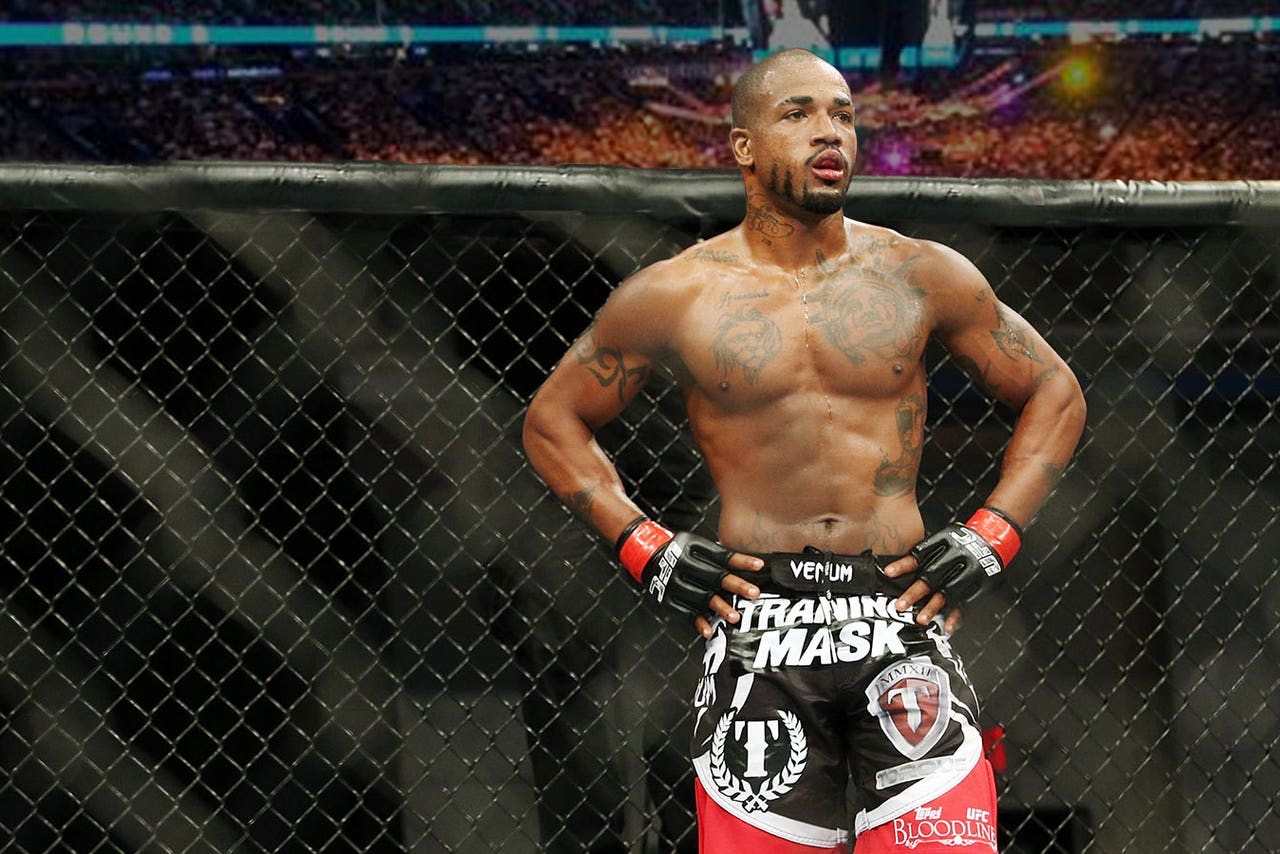
Green has also been photographed with smaller lettering and names close to the collarbones and torso. Those marks are easy to lose when the article uses only a wide shot. They deserve a separate section because lettering behaves differently from a portrait or a large symbol: the spacing, font and exact placement are part of the design.
Some reports connect the tattoos with family, childhood and the people around Green. Where a source gives a clear name or phrase, it can be reported plainly. Where the letters are partly hidden by a chain, beard shadow or low light, the wording should stay cautious. A blurry photograph can show that ink exists without proving the exact spelling.
The smaller torso pieces also explain why one image cannot cover a heavily tattooed celebrity properly. A wide chest picture establishes the general layout, but a second angle lets readers see the marks near the ribs and shoulder. Neither photograph replaces the other. They answer different questions about scale and detail.
The Fox Sports image used here is a different frame from the wider weigh-in photograph. It gives the lettering and side work room to be seen, while the other images handle the chest, back and arms. That spacing makes the article easier to read and stops the tattoo coverage from becoming one big paragraph followed by one lonely picture.
The cross, flames and shoulder details fill out the wider body picture
Green’s tattoos have a strong religious and symbolic thread, but it sits beside sports and family imagery rather than replacing it. The cross and winged shapes on the back are the clearest examples. Other smaller marks around the shoulders and torso include flames and compact symbols that show up best when he is shirtless or wearing a low-cut training top.
The flames are especially useful for understanding the layout. They break up larger areas of skin and push the eye from the chest toward the side of the body. They are not proof of a separate story by themselves, though. Unless Green has explained a particular flame, it is better to describe its colour, direction and placement than attach a dramatic meaning to it. The flame work is visual structure first, not a licence to invent a private story.
Green has spoken about his tattoos in the context of pain, regret and self-expression. That gives the collection a human edge. Tattooing is not always a tidy plan, and a fighter’s body is often photographed in motion, with sweat, tape and equipment hiding parts of the work. A clean studio-style photograph and a real event photograph can therefore look very different without either one being wrong.
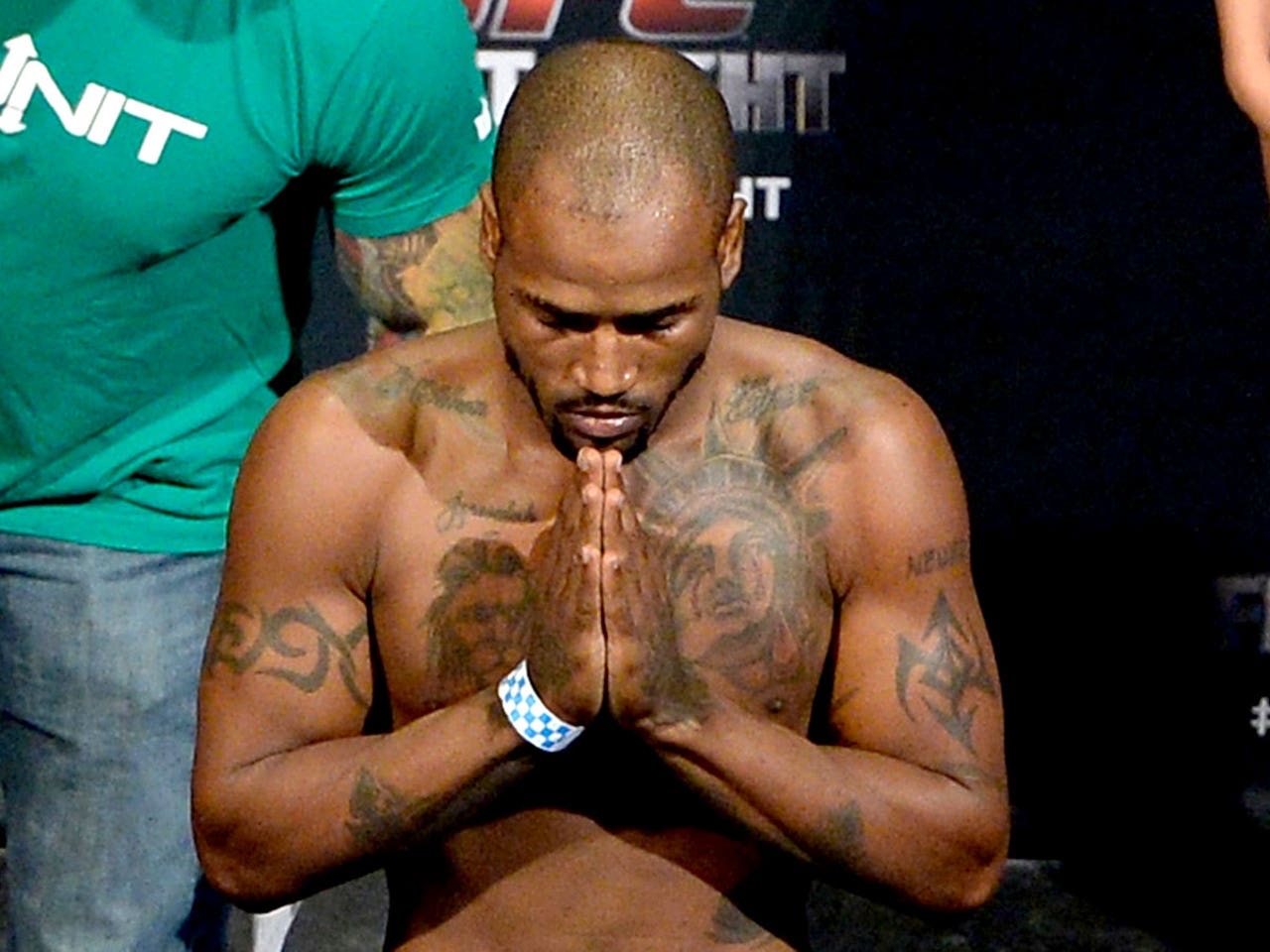
Taken together, the photographs show a chest Statue of Liberty, lion work, a large back King piece, a dragon on the scalp, religious symbols, names and flames. The images stay separate because the underlying photos are separate. That is the useful distinction: more visual coverage, not the same shot enlarged and dropped into every section.
A dragon tattoo has also been reported on Green’s scalp, which is a much less common placement than the chest and arm work. It is the kind of tattoo that disappears completely when he has hair or a hat covering it. Photos from different years can therefore make it look new when the difference is really the haircut and the angle. The dragon adds an odd, almost playful edge to a collection that otherwise leans toward freedom, faith, family and fighting. It doesn’t need to be forced into the same explanation as the Statue of Liberty or the King lettering. The design can simply be described as a separate head tattoo with its own shape and placement.
Other small marks may appear in photographs around the neck, ribs and hands, but they should not automatically be counted as confirmed tattoos. Sweat, shadows and compression can turn a fold of skin into what looks like a symbol. The strongest inventory is the one that names the large pieces clearly and keeps uncertain details labelled as uncertain.
What makes Green’s tattoos interesting is the mixture. The crying Statue of Liberty is emotional, the lion is bold, the King back lettering is huge, and the dragon is unexpected. Crosses, wings, flames and names fill the gaps between them. That is a busy collection, but it doesn’t need one tidy theme to work. It looks like a fighter’s body picked up stories, ideas and experiments at different points in his life.
Green’s own comments about painful sessions and regret are worth keeping in the article because they stop the coverage becoming too polished. Not every tattoo has to be sold as a masterpiece. Some are large and carefully photographed; others are rougher, smaller or partly hidden. The honest version gives readers both: the designs that can be seen and the limits of what a photograph can prove. That honesty is part of what makes the King back piece interesting rather than simply flashy.
For a current guide, the clearest documented pieces are the crying Statue of Liberty, lion imagery, the King back tattoo with cross and wing elements, the dragon scalp tattoo, names and lettering, flames, and the smaller religious symbols around the chest and shoulders. The collection is broad enough that five images is only a starting point. Each photograph here shows a different area, giving the reader a proper look instead of recycling one generic portrait.
One thought on “Bobby Green Tattoos: The King Back Piece, Statue of Liberty and More”