
Jonah Hill’s tattoos are documented in several different settings. A shirtless paparazzi photo shows a large ship across his chest and traditional-style designs on his arms. A separate selfie makes the “Hello Beanie” lettering on his forearm readable, and a premiere photo offers another view of the ship.
The featured image identifies Hill. Three inline photos show tattoos; the other two are portraits used for context, not ink evidence.
The ship tattoo across the chest
A published shirtless photo shows a sailing ship across Hill’s chest, flanked by animal-head designs. Traditional-style tattoos cover parts of both arms. The masts, rigging and hull are visible, but the image does not explain what the ship or smaller designs mean.
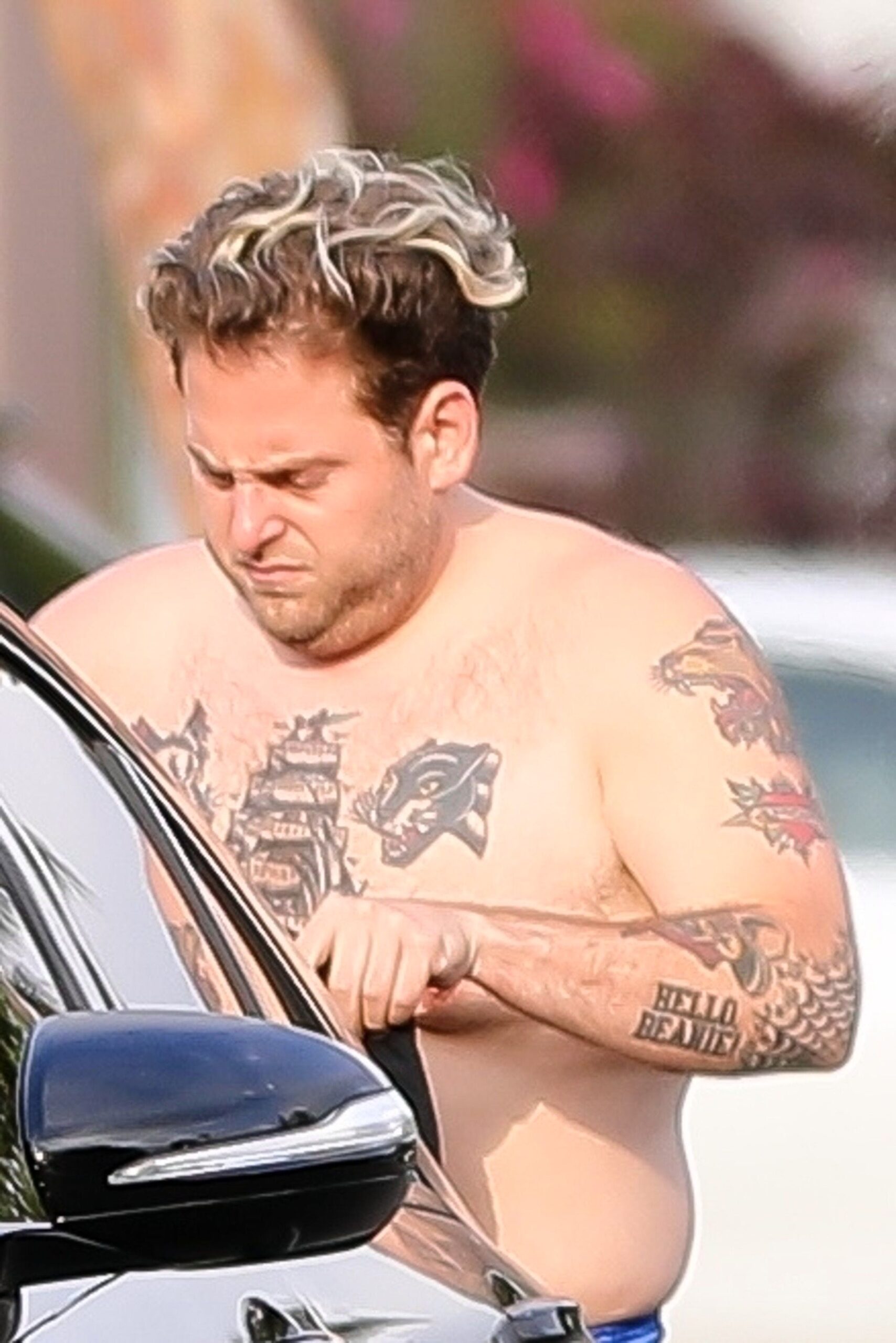
Hill’s face and the surrounding scene help identify him in the original frame. It is a paparazzi photograph, not a portrait he posed for as part of a tattoo session.
Hello Beanie and the arm lettering
A separate selfie shows the words “Hello Beanie” on Hill’s forearm. Because the camera view is mirrored, the lettering reads backward in the image. Earlier interviews and entertainment coverage identify it as a tribute to his sister, Beanie Feldstein.
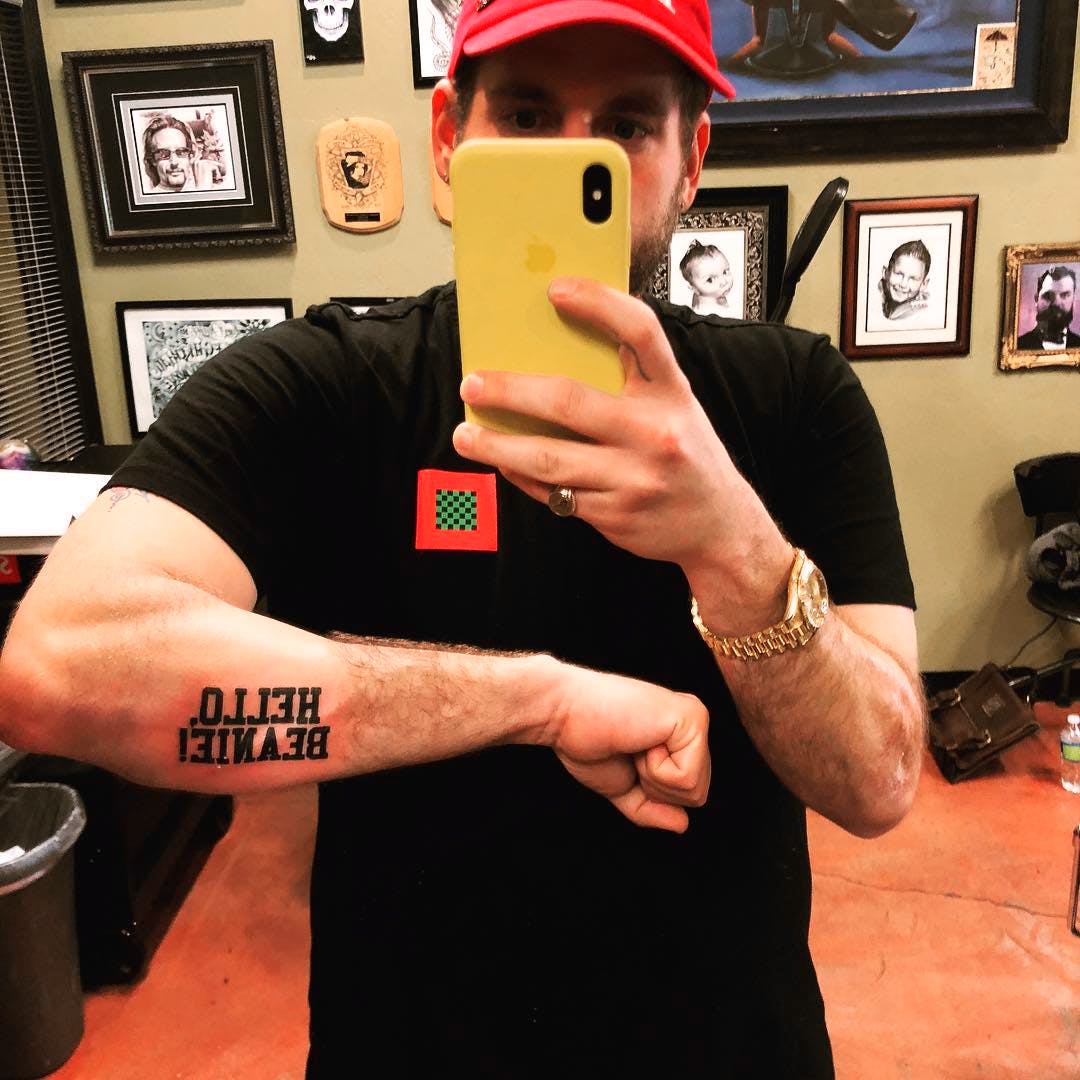
Reports connect the tribute to Feldstein’s Broadway breakthrough. The selfie supports the wording and placement; it does not establish a shared meaning for the other nearby tattoos. Hill’s phone also covers much of his face, so this image is used for the arm detail.
The ship tattoo in a second premiere view
A Vogue/WireImage photo from the Don’t Look Up premiere shows the ship again. Hill wore a pale Gucci suit without a shirt, leaving the upper chest visible. This is an independent red-carpet view, with a different angle and setting from the shirtless photo.
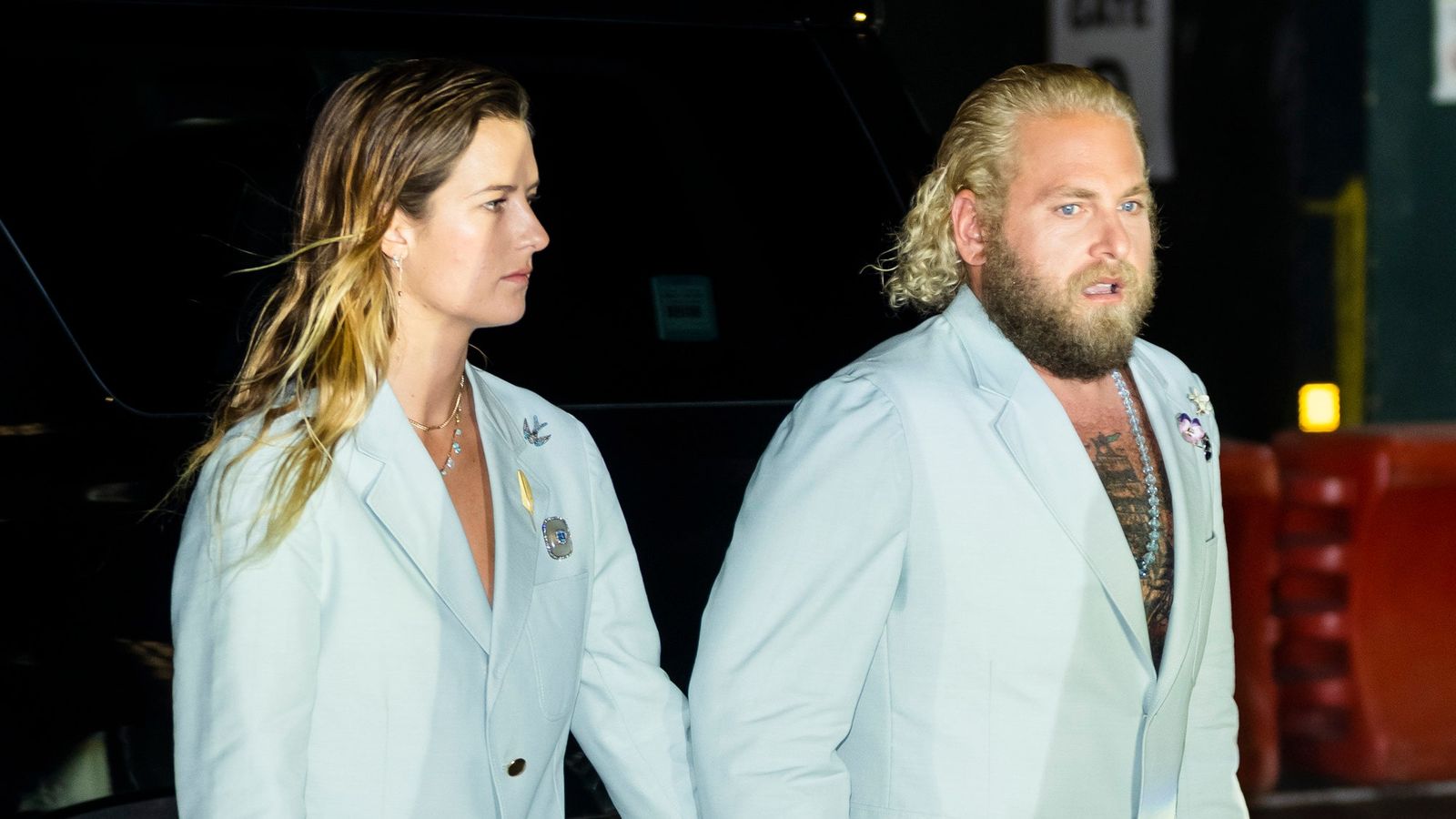
The second frame confirms the chest placement in another context. It does not identify every detail of the design or add a personal explanation for it.
Identity and visual context
Two more photos serve as portraits. One shows Hill in a black hoodie beside a co-star at a premiere; the other shows him in a pink coat at the Berlin Film Festival. Their clothing covers the tattooed areas, so they help identify the subject and setting rather than document new ink.
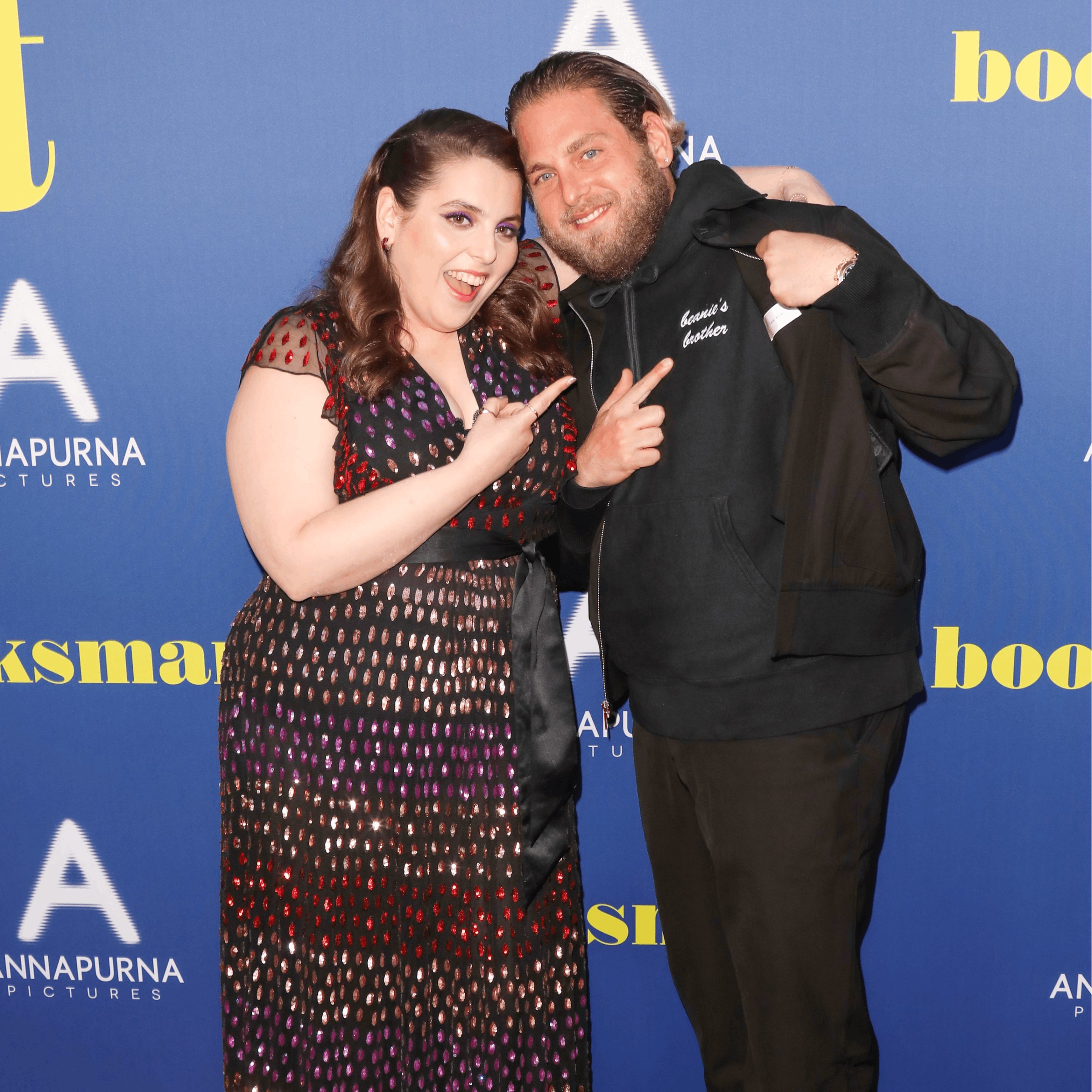
The portraits appear after the tattoo photos, and the featured image remains a separate identity image. None is presented as proof of a particular tattoo.
What the photographs can and cannot prove
The three tattoo photos show the chest ship, traditional-style arm work and “Hello Beanie” forearm lettering. Other marks are visible, but the images and sources do not identify all of them. Earlier reporting describes “Nanny Rules” as a tribute to Hill’s grandmother and a “Body Love” tattoo as connected to his public discussion of self-acceptance.
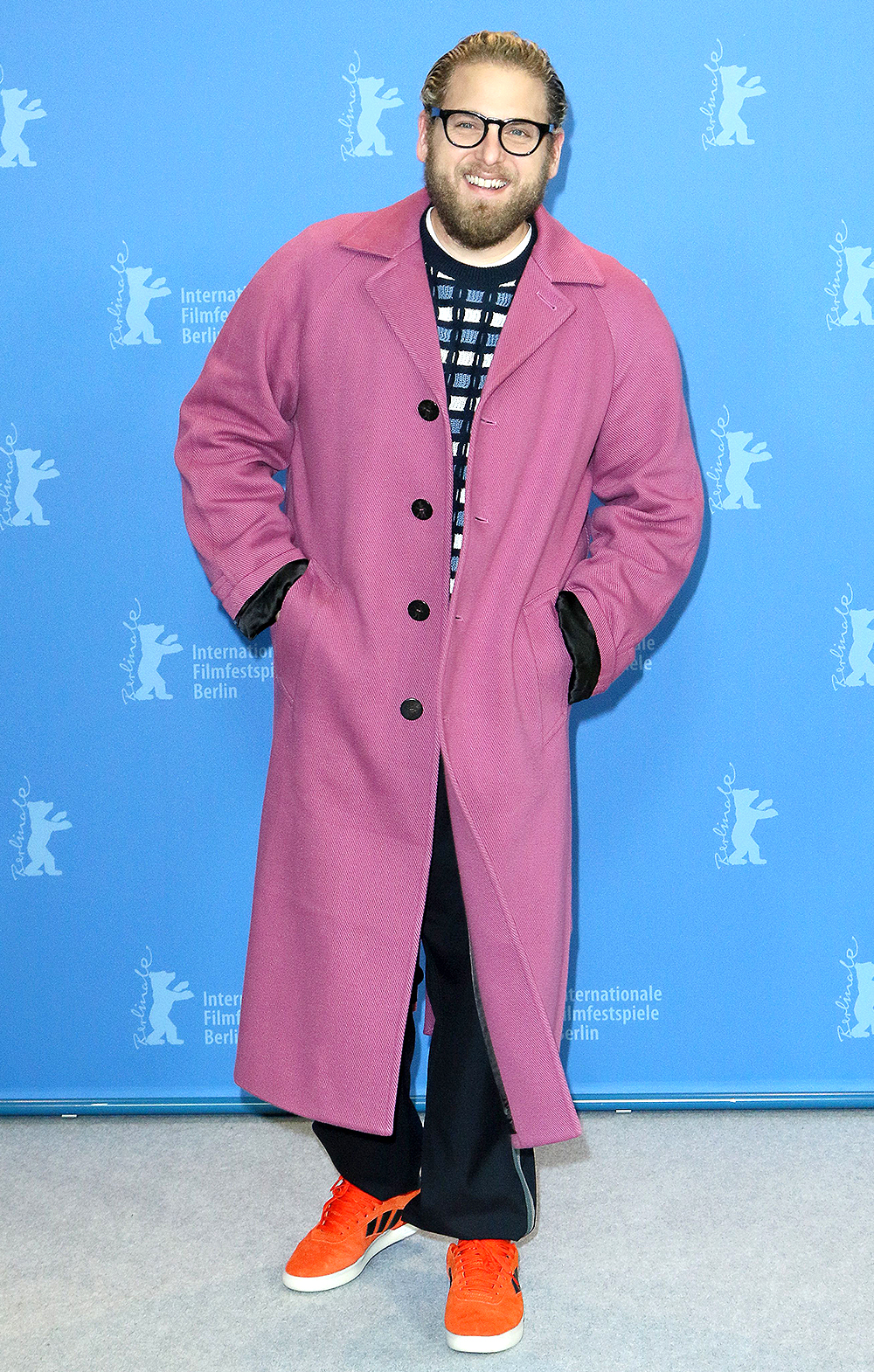
The festival portrait is included for context; it does not show the “Nanny Rules” or “Body Love” designs. The selected sources also do not explain the ship, animal heads, or each smaller traditional-style tattoo. Describing what is visible and attributing reported meanings to their sources keeps those claims separate.
How the image set was assembled
The source review included Vogue’s red-carpet coverage, the tattoo photos published by Yahoo, the original image files, Entertainment Tonight’s report on the body-positivity tattoo, earlier interviews about “Nanny Rules,” and tattoo catalogues used as secondary leads. The final set contains three distinct tattoo photos and two supplemental portraits.
The search also covered shirtless photos, selfies, close-ups and red-carpet images. Low-resolution crops, images with editorial arrows or circles, and files that repeated an existing view were left out. The first photo shows the chest and arms, the selfie makes the forearm words readable, and the premiere frame gives a second view of the ship.
Each portrait appears once, after the tattoo-bearing images. The article uses those two files for identity and setting, not to fill gaps in the tattoo record.
What should not be inferred
A photo can show a tattoo’s placement without telling us who designed it, when Hill got it or what it means. The ship and animal heads form a clear chest composition, but the sources reviewed here do not give Hill’s explanation for each part.
Clothing, cropping and camera angle change what is visible. A covered tattoo is not evidence that the ink changed, and an exposed chest does not show whether Hill has tattoos elsewhere. The portraits should not be read as before-and-after comparisons.
Hill’s reported “Body Love” tattoo belongs in the article because sources connect it to his public comments about self-acceptance. That context does not justify speculation about his appearance. The interview embed below is included as source material; the article’s claims remain tied to the photographs and reporting described above.