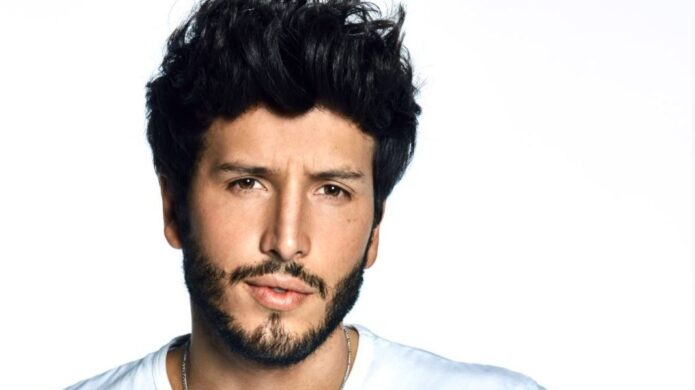
Sebastián Yatra doesn’t have the kind of tattoo collection that needs a full-body map. His ink is much more selective, and that’s what makes the pieces people can actually confirm feel interesting. There’s the word Dharma running down his right wrist, a set of tiny ankle symbols that barely survived two weeks, and a bigger idea underneath both: the placement matters just as much as the design.
That makes Yatra’s tattoos a good reminder that a small piece can carry plenty of weight. One is tied directly to an album and a personal philosophy. The other became an accidental lesson in how skin, friction, movement, and fine lines can work against a tattoo. There are plenty of photos of Yatra online, but not every image that gets reposted proves he has another tattoo. So this is a focused look at what’s documented, what’s visible, and what should stay in the “maybe” pile.
The tiny ankle tattoo that disappeared
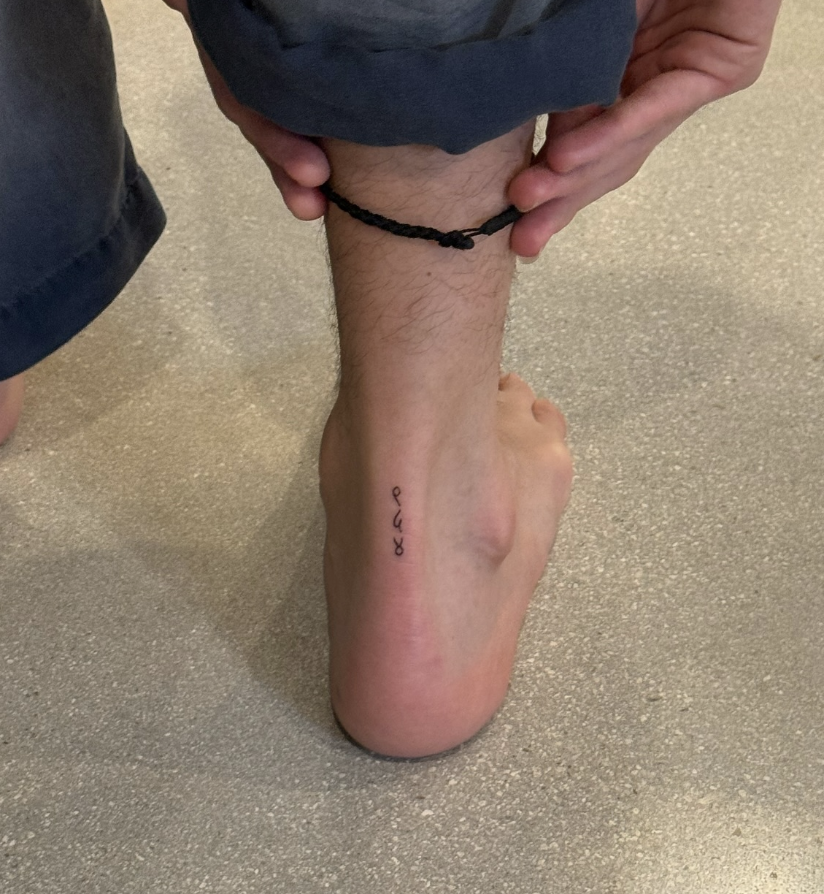
In July 2024, Yatra shared a close view of small symbols tattooed beside the tendon at his ankle. The original image shows a narrow vertical design in black ink on the lower leg, just above the foot. It’s tiny, light, and placed in one of those areas that looks easy to tattoo but can be surprisingly difficult to heal well.
According to La Vanguardia’s report, Yatra posted the new tattoo and then followed up roughly two weeks later to say it had almost disappeared. He even warned people not to choose that area without thinking it through. That isn’t a dramatic cover-up story or a case of suddenly regretting the design. The ink simply didn’t hold the way he expected it to.
The placement explains a lot. The ankle tendon moves constantly, shoes and socks can rub against it, and the skin there doesn’t give a tattoo much quiet time while it heals. The design was also small and made from thin lines. Fine-line tattoos can look beautifully crisp when they’re fresh, but they leave less pigment behind than a bold, heavily packed design. If the skin rejects some of that ink during healing, there isn’t much density left to keep the shape readable.
The photo is useful because it shows the tattoo before the fade-out, not because it gives us a grand new symbol to decode. There’s no confirmed statement that the ankle design had a hidden meaning, and Yatra’s own warning is more practical than mysterious: choose the body area with the same care you give the idea.
A practical note on small pieces

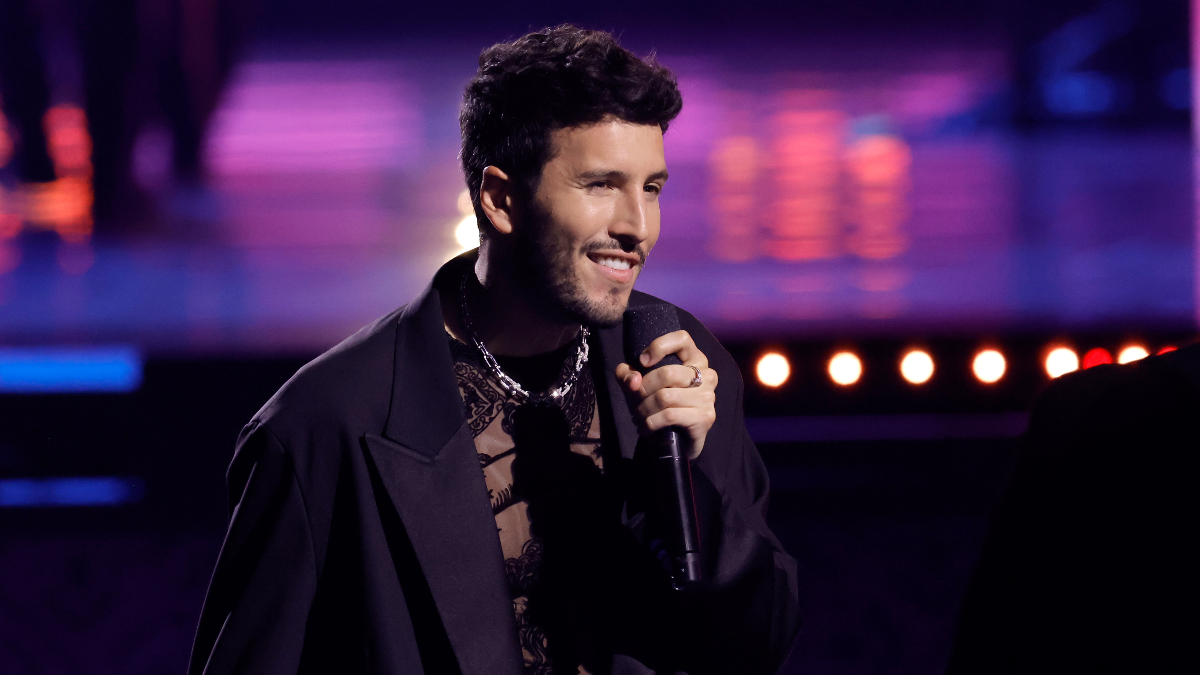
The next photo is a clean contextual portrait, not proof of a second tattoo and not tattoo evidence. That distinction matters. It’s tempting to turn every blurry patch of skin into evidence, especially when a celebrity’s tattoos are being discussed, but a faded or obscured mark shouldn’t be described with more certainty than the image allows.
For anyone thinking about a similar tattoo, Yatra’s experience is more useful than a list of supposed meanings. Ask how much the area moves. Think about footwear, sweat, friction, and whether the skin gets regular exposure to sunlight. Ask the artist how the design should be adjusted for the placement. A tiny ankle tattoo may need thicker lines, a little more spacing, or a larger scale if the goal is for it to stay readable.
That doesn’t mean ankle tattoos are automatically a bad idea. It means the design has to be planned for the body, not just drawn on a flat screen. A tattoo artist who works with the area every day will know the difference between a design that looks delicate and one that is simply too delicate to last there.
Dharma on the right wrist
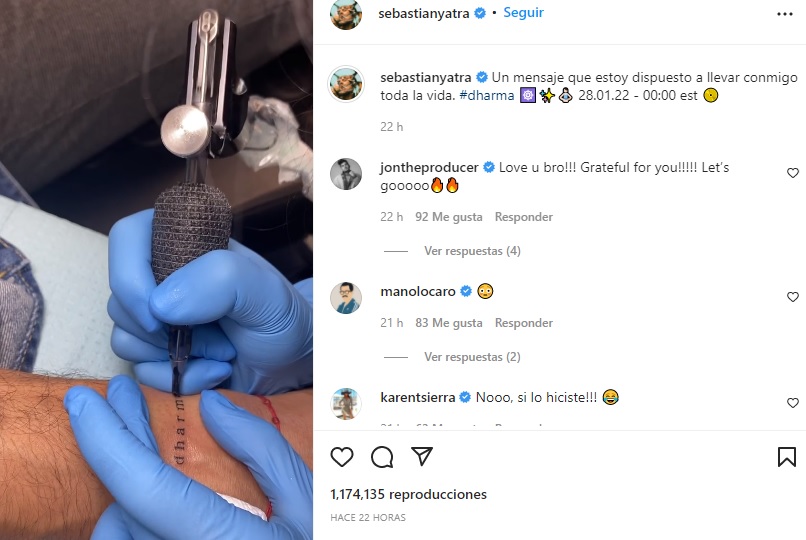
Yatra’s clearest and most meaningful tattoo is the word Dharma on his right wrist. He got it in January 2022, around the release of his third studio album, also called Dharma. The tattoo is written vertically in simple lowercase lettering, and the process photo shows it being placed by a tattoo artist while Yatra’s wrist rests on the table.
There’s no need to guess at the connection. Yatra talked about the tattoo in the same period that he explained the album’s title. In his own description, dharma is about accepting reality instead of fighting every emotion that comes with it. Happiness, sadness, anxiety, excitement, regret, peace: each one is part of being alive, and trying to force one feeling to last forever can create its own kind of stress.
That gives the wrist piece a direct link to the era around it. It isn’t just the name of an album copied onto skin for promotion. He described it as a message he was willing to carry for life, which makes the placement feel deliberate. The wrist is easy to see while performing, writing, or reaching for a microphone, but it’s also close enough to the wearer’s own line of sight to work as a private reminder.
Design-wise, the tattoo is restrained. There’s no heavy framing, no decorative flourishes, and no oversized lettering trying to make the word feel more important than it already is. The narrow vertical layout follows the shape of the wrist and keeps the piece compact. It’s a good example of how a word tattoo can stay personal without becoming visually busy.
A note about that period
The photo here is contextual rather than tattoo evidence. It places Yatra in the same broad period as the album, but it doesn’t show another piece of ink. I’m including it because the meaning is the part of this tattoo that can’t be separated from the lettering. Without that context, “Dharma” could look like a stylish word chosen because it sounds good. With it, the tattoo reads more like a compact reminder about staying present.
That idea has a few different translations and interpretations, so it’s better not to flatten it into one neat definition. Yatra’s explanation centers on accepting the reality of changing emotions. He talks about not rushing to escape sadness and not ruining happiness by worrying about when it will end. The tattoo seems to hold onto that tension: let the feeling exist, then let it change.
It also fits the way Yatra described the album itself. Dharma was presented as a collection of experiences rather than a single mood, with songs that move through romance, loss, nostalgia, excitement, and recovery. The wrist tattoo is the same idea in its smallest form. One word, but enough room around it for a whole range of feelings.
For tattoo inspiration, this is the useful takeaway. A meaningful word doesn’t need to be covered in symbols to make it personal. The strongest version is often the one that comes with a clear reason for the wearer, then gets drawn in a style that will still feel natural years later. Yatra chose a plain treatment, and that gives the meaning room to stay in front.
The photos around the story
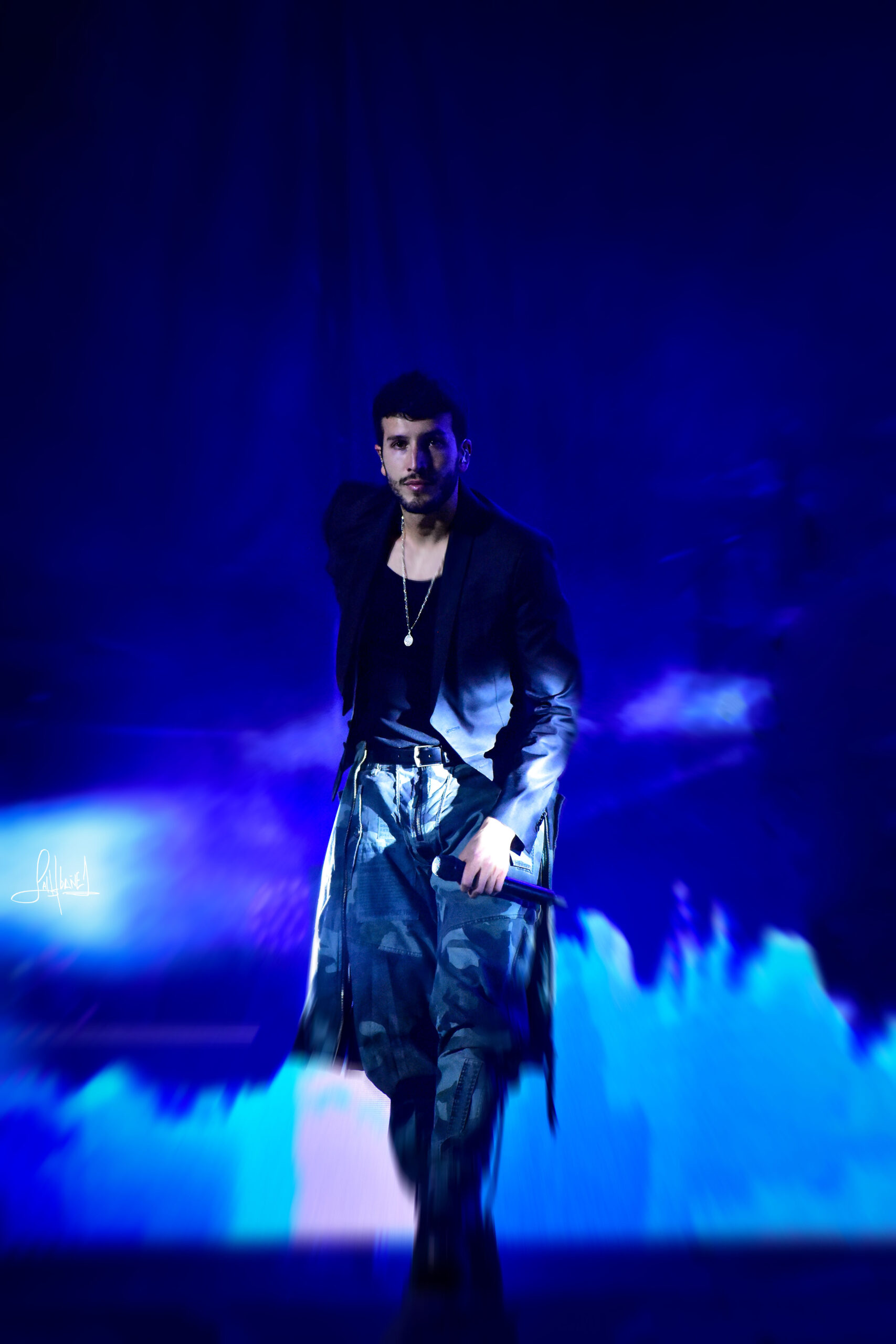
This wider image is another contextual photo, not evidence of an additional tattoo. It helps place the Dharma tattoo in the period when Yatra was talking openly about the album, his emotions, and the life changes around it. Photos like this can add atmosphere, but they shouldn’t be used to invent details that aren’t visible.
That’s the pattern with Yatra’s tattoos so far. The documented pieces are small, direct, and tied to real moments. The Dharma tattoo is connected to a record and a philosophy he explained in interviews and social posts. The ankle design became a quick lesson in placement and longevity. Neither one needs a made-up backstory to be interesting.
There may be other tattoos that haven’t been documented clearly, or that appear only in passing photographs. Until Yatra identifies them or a sharp, reliable image shows the design, it’s better to leave those alone. A celebrity’s body isn’t a puzzle that needs every blank space filled in. Clear evidence is more useful than a longer list.
A personal way to use the idea
If you like the look of Yatra’s ink, there are a few design lessons worth taking to an artist. First, don’t treat placement as an afterthought. A fine-line ankle design can be affected by movement and friction in ways that aren’t obvious in a reference photo. Ask how the tattoo will age in that specific spot, and listen when the artist suggests a slightly heavier line or a different scale.
Second, a word tattoo works best when the word already has a job to do in your life. Dharma makes sense for Yatra because it connects to an album, a period of change, and a way of thinking he has explained more than once. You don’t need the same word. You need a word you’ll still understand when the original moment has passed.
Third, don’t confuse a simple design with an effortless one. Clean lettering depends on spacing, alignment, and the artist’s control. On a narrow area like the wrist, even a tiny wobble can change the whole feel of the piece. Bring references, but let the tattooer redraw the idea for your skin rather than tracing a celebrity photo.
Finally, give a tattoo room to be ordinary. Not every piece has to announce a life philosophy. Yatra’s ankle tattoo was small enough to disappear quickly, but that doesn’t make it meaningless. Sometimes the appeal is simply that you liked the shape, the timing, or the memory attached to it. The important part is being honest with yourself about what you want the tattoo to do.
What we can actually confirm
The safest summary is short. Sebastián Yatra has a confirmed Dharma tattoo on his right wrist, connected to his 2022 album and his explanation of accepting life’s changing emotions. He also showed small symbols near his ankle tendon in 2024, then said the fine-line tattoo faded almost completely within about two weeks. Those are the pieces supported by clear reporting and images.
Everything else should be treated with caution unless it comes from Yatra himself or a sharp, reliable source. That might sound less exciting than claiming a giant collection of hidden tattoos, but it makes the confirmed details stronger. One word on the wrist can say plenty when the person wearing it has already explained why it matters.
And the ankle piece leaves a practical lesson behind. A tattoo isn’t only a drawing. It’s a drawing placed on moving, living skin. Think about the area, the line weight, the healing conditions, and how much maintenance you’re willing to accept. Yatra’s smallest tattoo may have vanished, but the warning is still worth keeping.