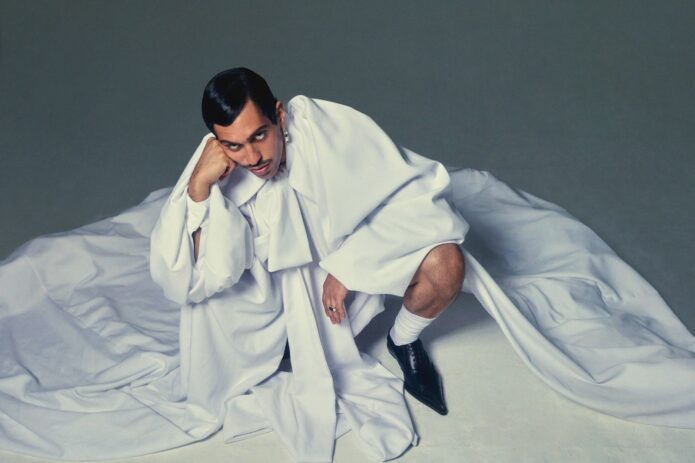
In a 2019 interview, Italian singer Alessandro Mahmoud, known as Mahmood, said he had four tattoos: Nefertiti, a triangle for his family, a scarab and a phrase. The pieces are small, and they show more clearly when he wears a vest or an open shirt onstage.
Photos help show their scale and placement, but not every image is clear enough to explain the details. For the meanings, the interview is the firmer source: Mahmood identified the triangle as a family symbol and named the other three designs.
Mahmood’s Nefertiti tattoo
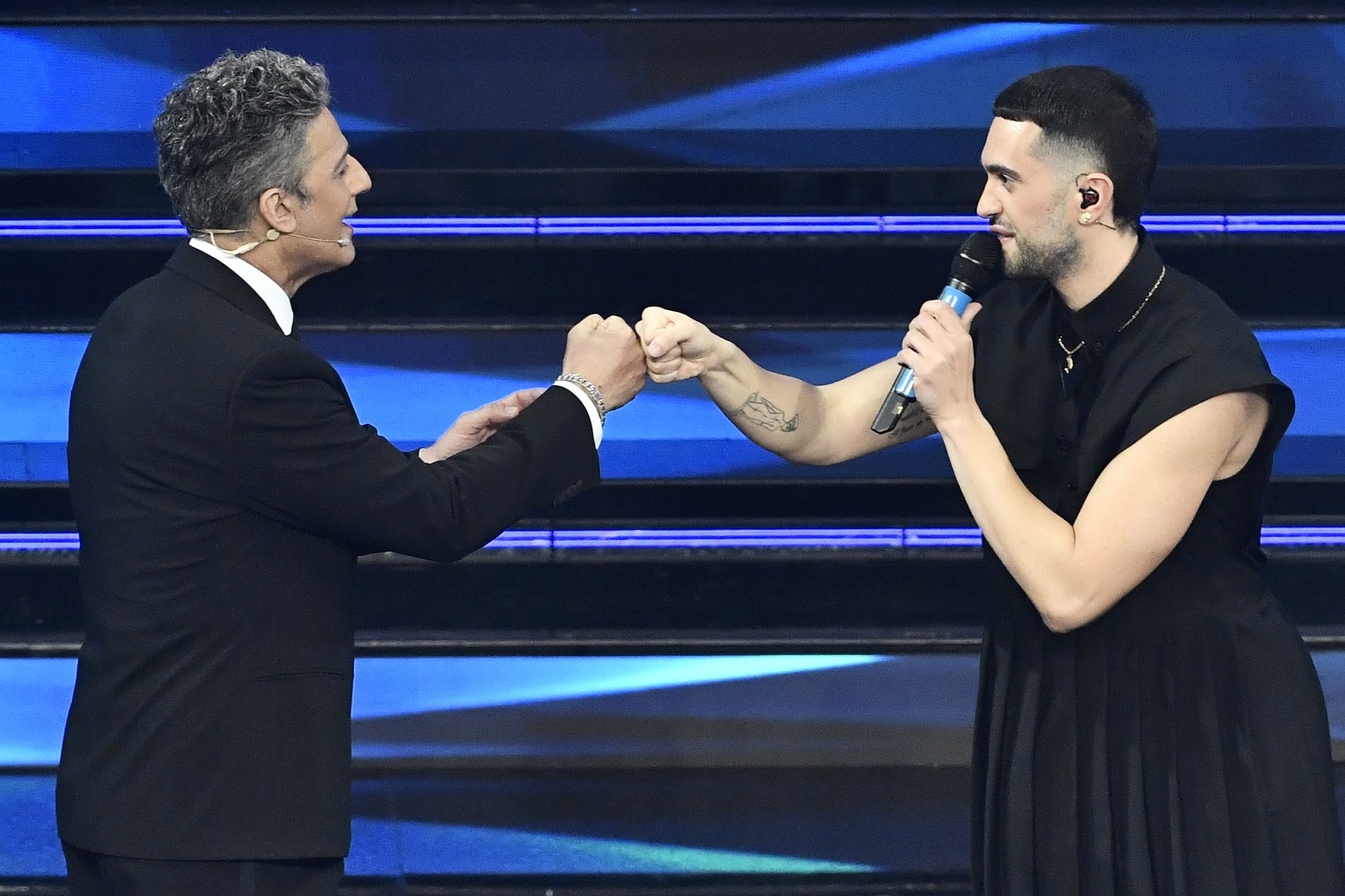
Nefertiti is the most recognizable of the four. The famous bust gives the portrait a strong profile and tall crown, but the available photos don’t show enough detail to treat it as a precise copy of the sculpture. It reads as a compact portrait rather than a full historical scene.
For anyone drawn to a similar portrait, the profile, crown or angle of the head may be enough to make the reference clear. A small design needs room around the lines; too many details squeezed together can blur as it heals and ages. In Mahmood’s collection, the portrait stays one detail among several.
Mahmood’s family triangle tattoo
Mahmood said the triangle represents his family. That is the confirmed meaning; there’s no need to assign a separate person to each point or add a story the design itself doesn’t tell. In photos, the small shape can be easy to miss, which suits a private marker.
Geometric family tattoos can stay spare. If you’re using that idea for your own design, decide whether the lines should be crisp or hand-drawn, then check that the triangle still reads at its actual size. The family connection is the point; the symbol doesn’t need to explain every detail.
The scarab tattoo is small but distinctive
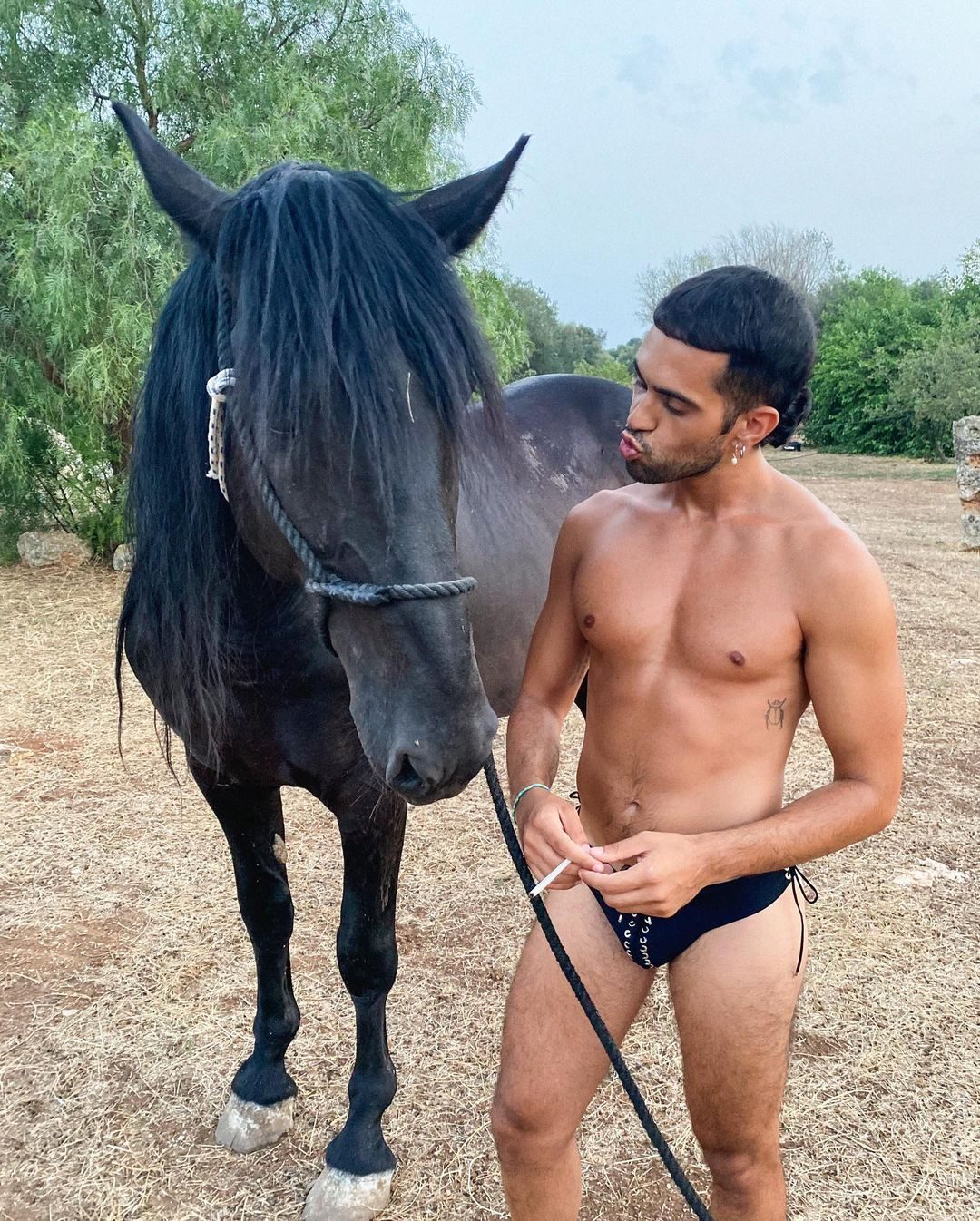
The scarab is another tattoo Mahmood named. Its oval body and wings give the insect a clear shape even at a modest size, so it can work without a pyramid, sun or other surrounding imagery. The interview doesn’t give a reason for this choice, so the beetle itself is what the record confirms.
The photo gives a sense of scale, but not enough to map every line or placement. If you like the motif, start with the outline and decide how much shell and leg detail will stay legible at the size you want. Fine lines and heavier blackwork give it different weight; neither needs extra symbols to feel complete.
The phrase tattoo stays close to the skin
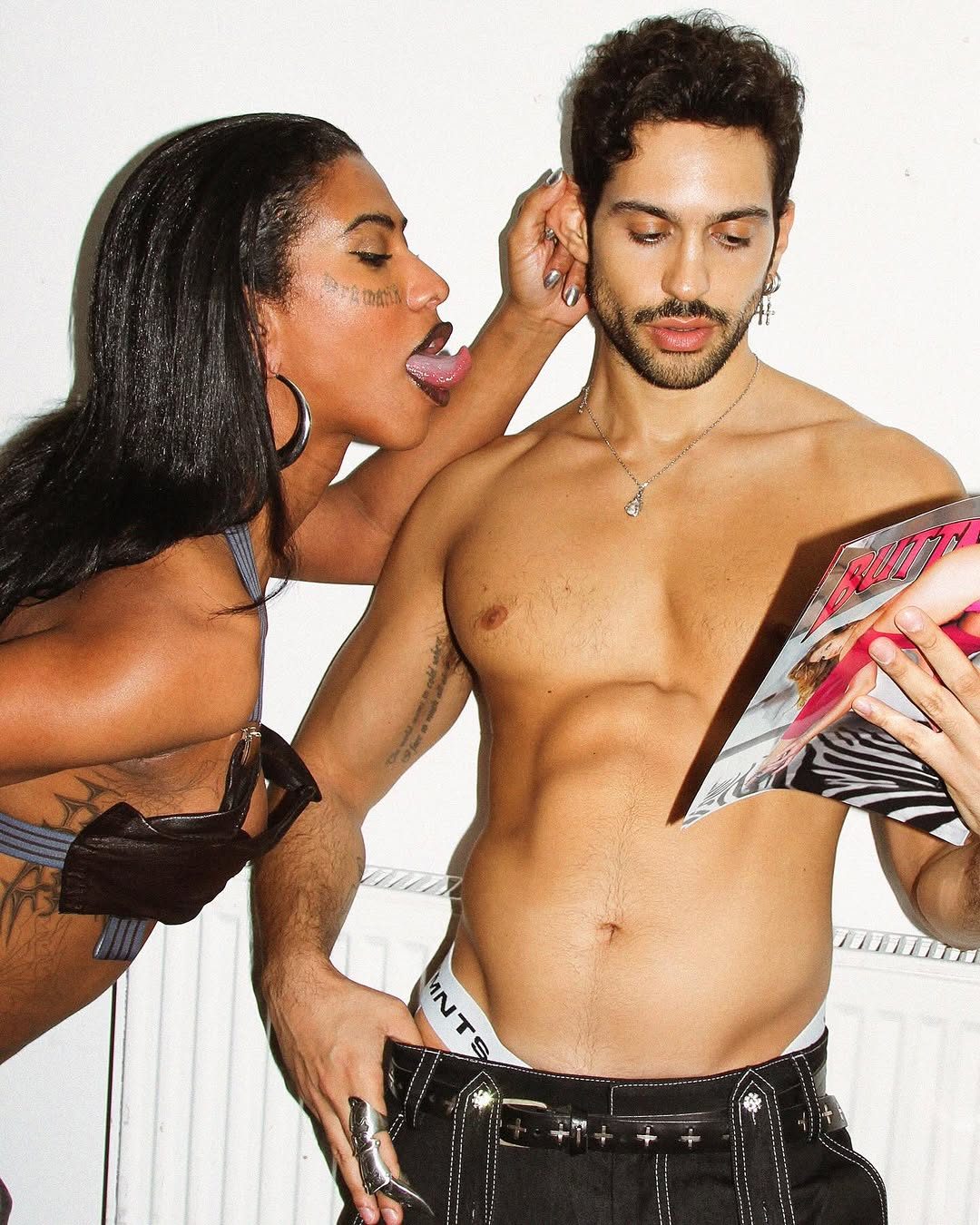
Mahmood’s fourth reported tattoo is a phrase. In the photos, the lettering runs along his forearm, though the wording isn’t identified here. The placement follows the arm, so spacing matters as much as the type style.
Lettering needs enough room to stay legible as skin changes. A short phrase can leave space between letters; longer wording may need more room or deliberate line breaks. The forearm is visible in many situations, but a sleeve can cover it when he wants the tattoo out of view.
How the smaller tattoos read in motion
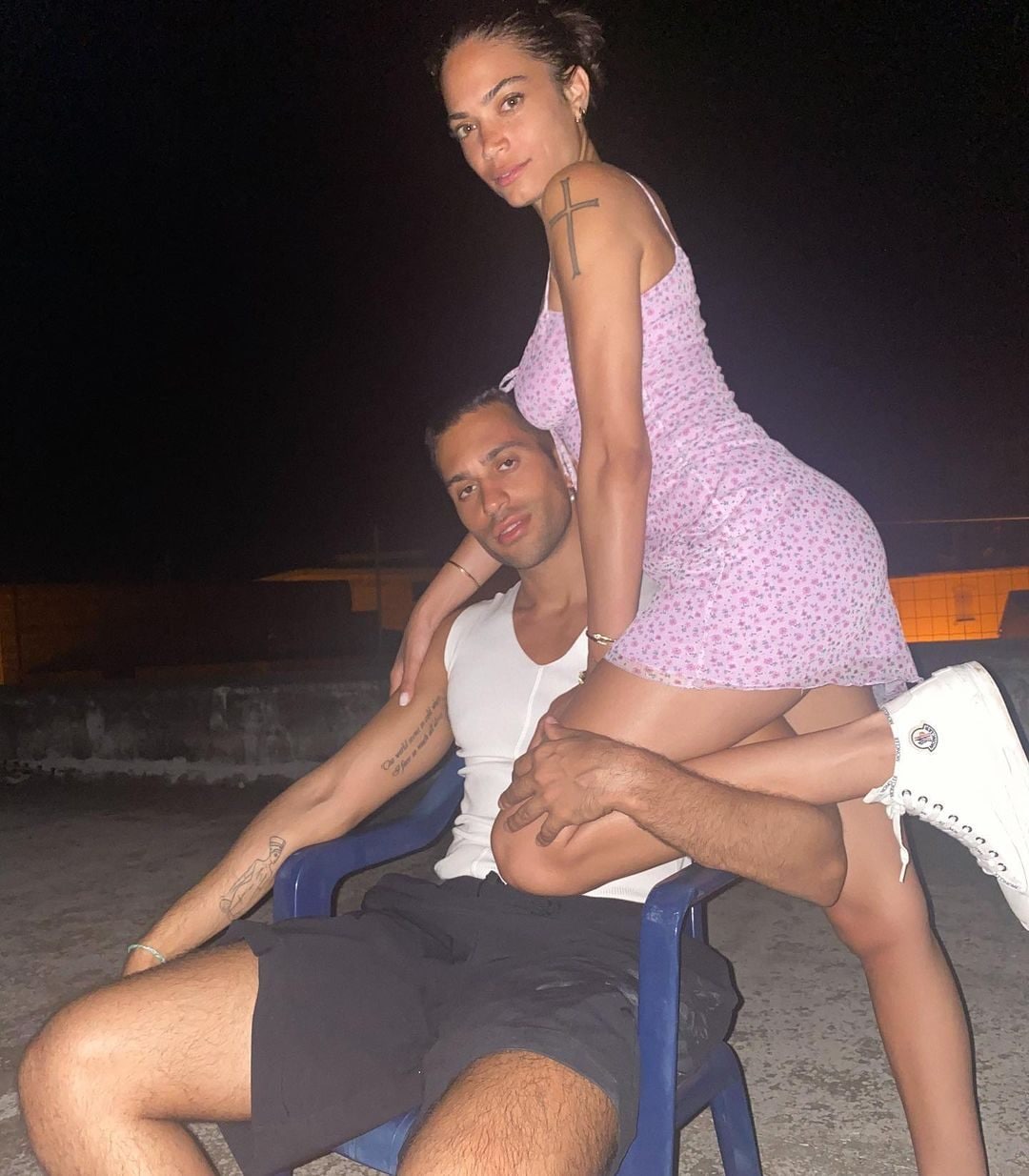
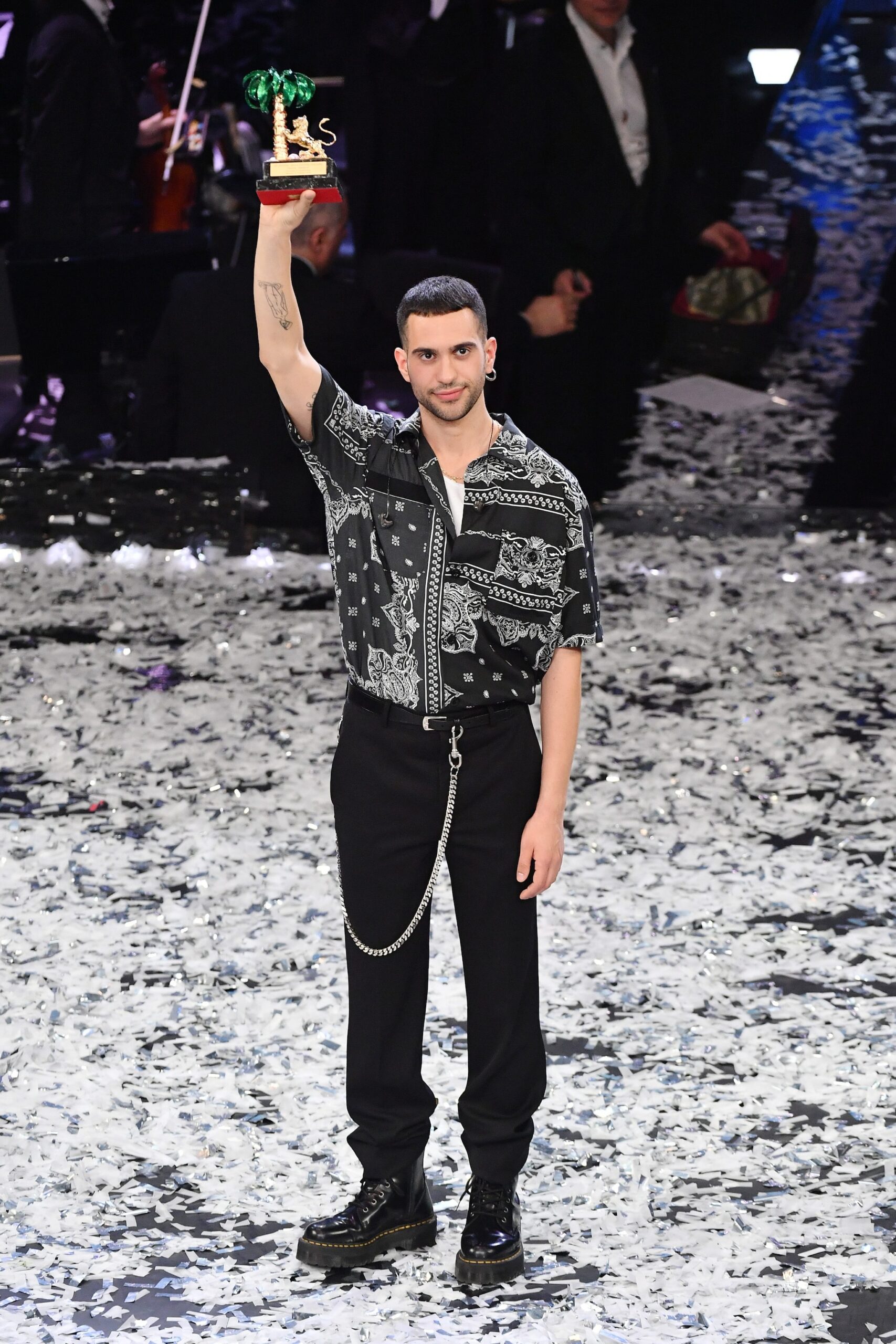
His smaller pieces can disappear in performance photos; movement, lighting and clothes compete for the eye. A patterned shirt may cover them, while a sleeveless stage look brings the forearm lettering forward. They move in and out of view with the outfit.
The four designs don’t share one obvious theme: a portrait, a family symbol, a scarab and lettering. They can sit together without matching, and the gaps between them keep each mark distinct. His clothes and music remain part of the picture too.
What to borrow from Mahmood’s approach
Mahmood named four different designs, and the specific meaning he explained was the triangle for his family. That’s a useful distinction when looking at anyone’s tattoos: a photo may show the image, while the wearer’s own account tells you what they’ve said it means.
If you’re planning a tattoo, start with what you want to remember or express, then choose a shape that can carry the idea. Try the drawing at its real size and placement before settling on it. Mahmood’s photos show a compact collection; they don’t supply a private explanation for every piece.