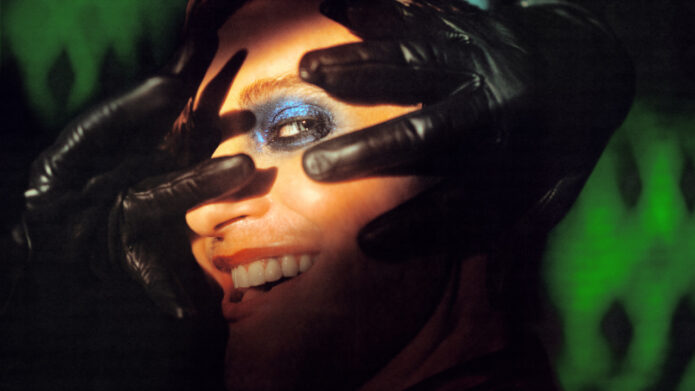
Orville Peck’s collection combines bold black ink with family references. His sister-in-law, tattoo artist Lauren Pitout, has done most of his tattoos. Many designs appear as separate pieces across his arms, chest and legs rather than one connected sleeve.
Onstage, Peck’s mask and fringe shape the silhouette; the tattoos show more clearly in photographs of his arms, chest and legs.
The animal-heavy arm collection

Photos show separate animal images across Peck’s arms. Each has its own outline, and the pieces do not blend into one continuous design.
For more examples, browse the celebrity tattoo ideas archive.
The golden orb spider on his shoulder
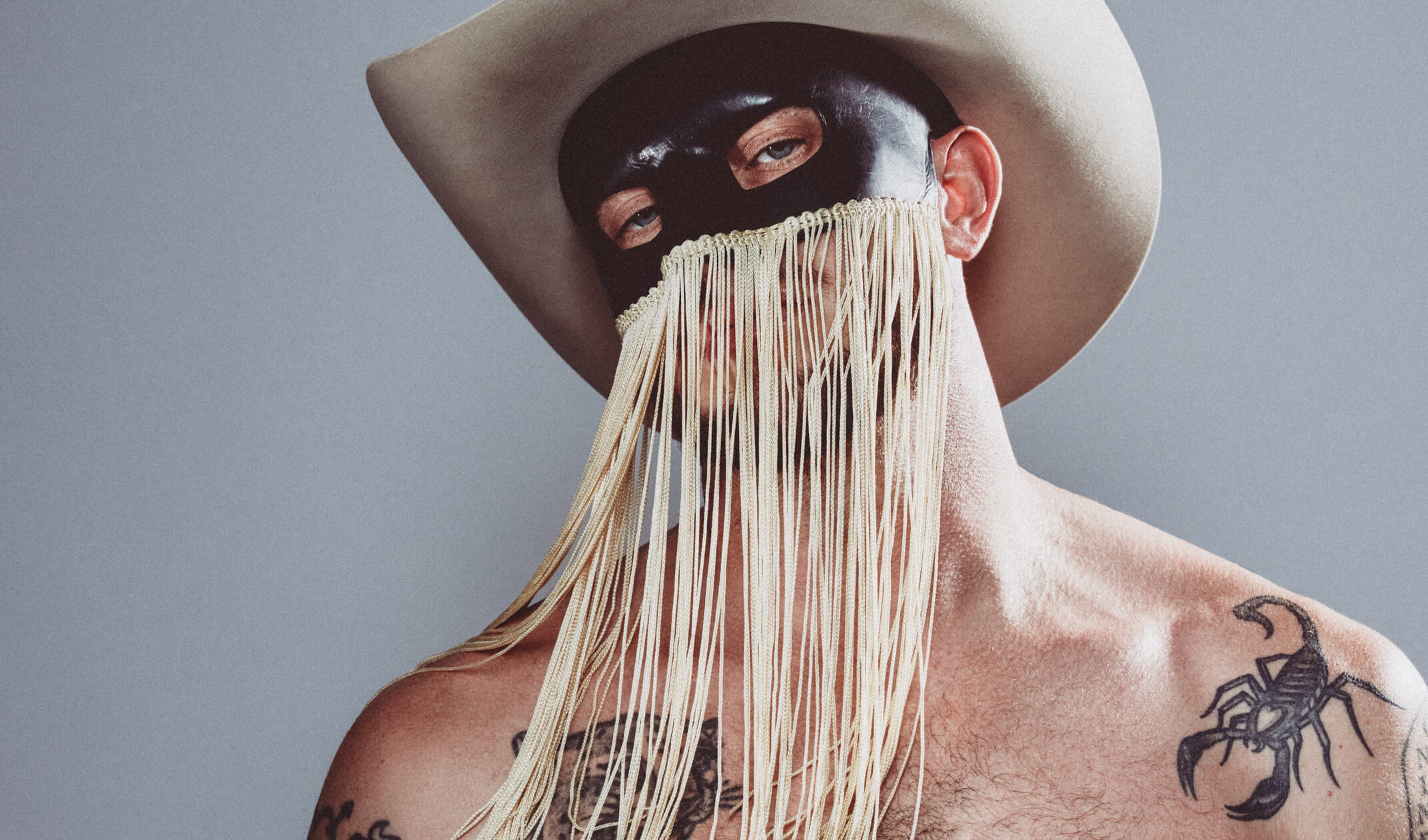
The golden orb spider sits high on Peck’s shoulder. In the close-up, its legs spread along the shoulder line and its dark body gives the design a clear centre. The shape remains easy to recognize when the arm turns.
The TREV knuckle lettering
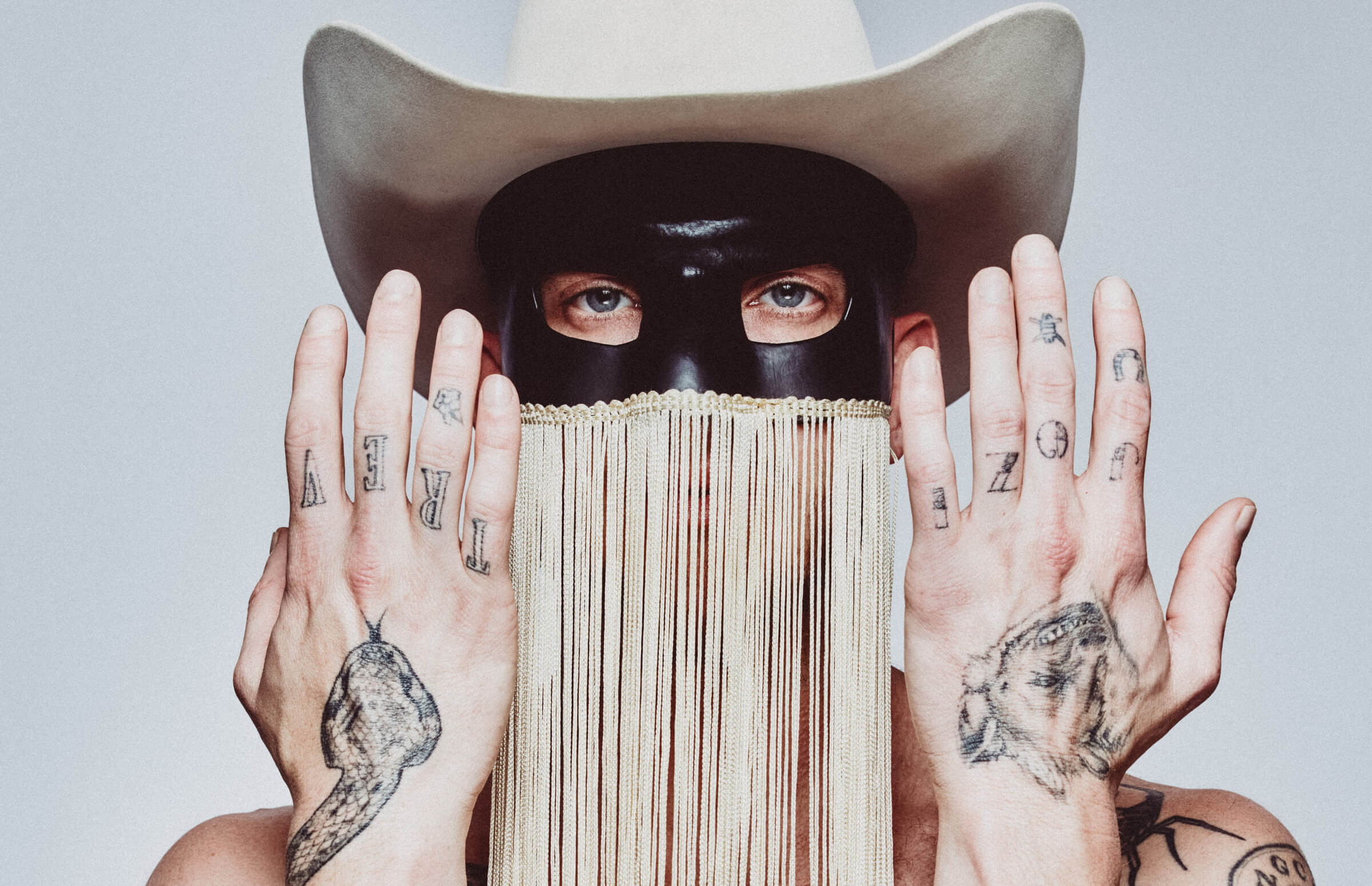
The four letters across Peck’s knuckles spell TREV, a shortened version of his father Trevor’s name. Unlike the animal images, the lettering is a direct family tribute, placed on the moving skin of his hand.
The wildebeest skull tribute

Peck has said the wildebeest skull is a tribute to his grandfather, Bill. The photo shows the animal clearly; the dedication gives the design its personal context.
The dancing bull, hyena and puff adder snake
The other named animals include a dancing bull, a hyena and a puff adder snake. The bull is shown in motion, while the snake’s long form contrasts with the shorter animal designs.
Chest pieces and the wider layout
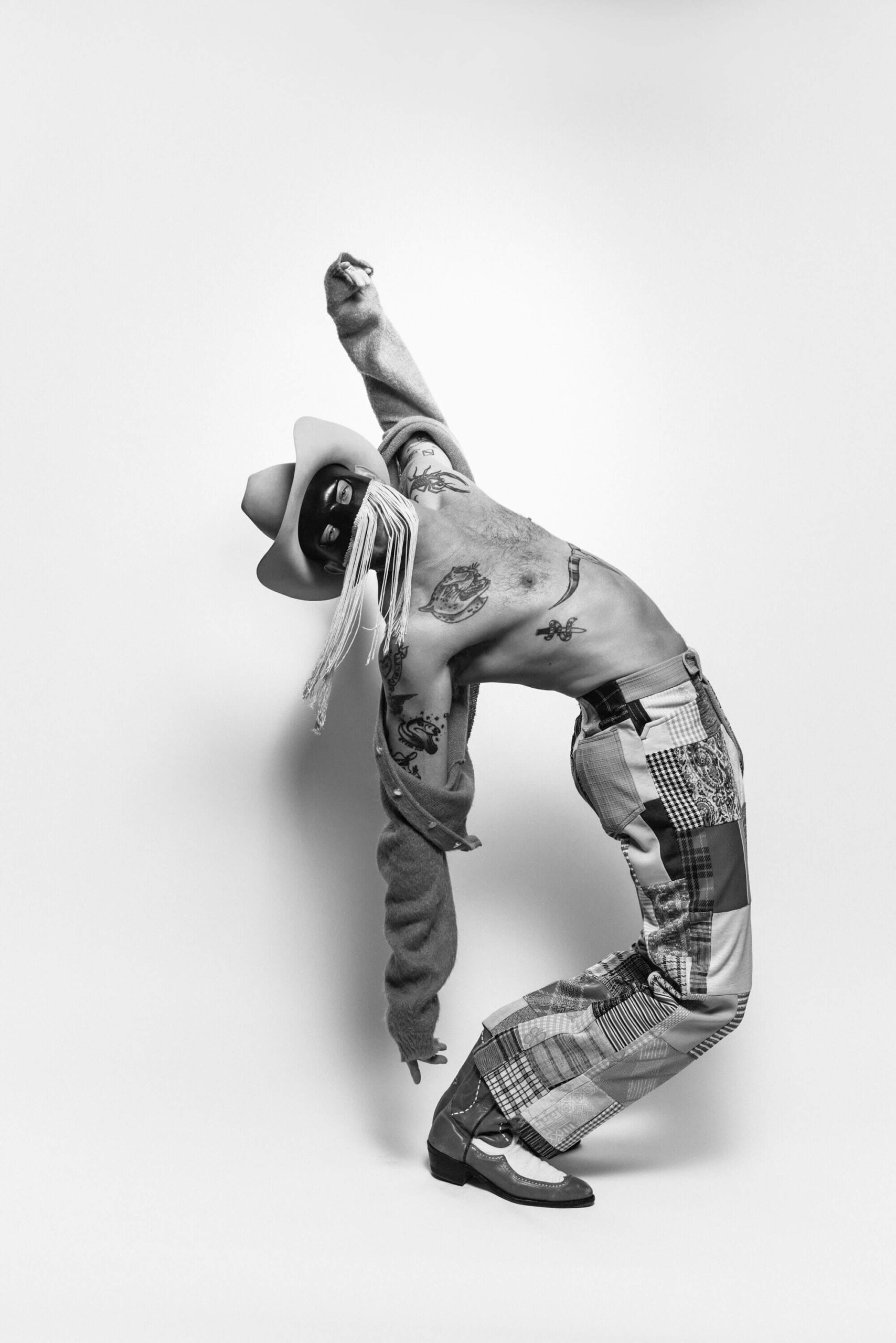
The tattoos extend across Peck’s chest, both arms and legs, with open skin between many pieces. His mask hides his face, while the ink is visible across the rest of his body.
Why Orville Peck’s tattoos work so well
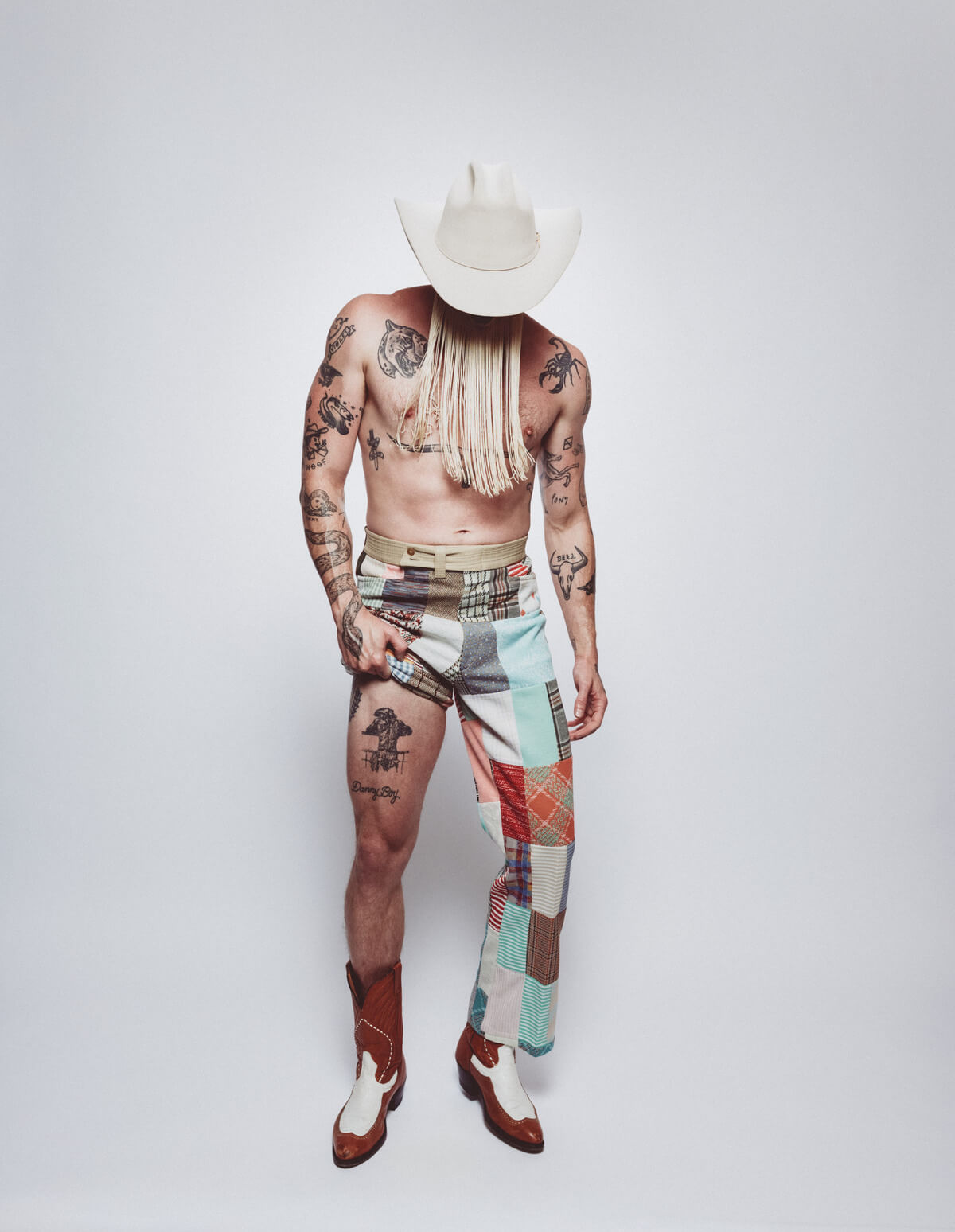
The animal designs share bold outlines and open space, but they do not repeat one motif. TREV and the wildebeest skull bring family references into the mix, and the separate pieces remain legible in full-body photographs.
Good ideas to borrow without copying
If you want a similar collection, choose an image and a tattooer whose style suits it, then think about placement and how much you want the tattoo seen. Peck’s separate pieces show that a collection can work without a matching background or one theme.