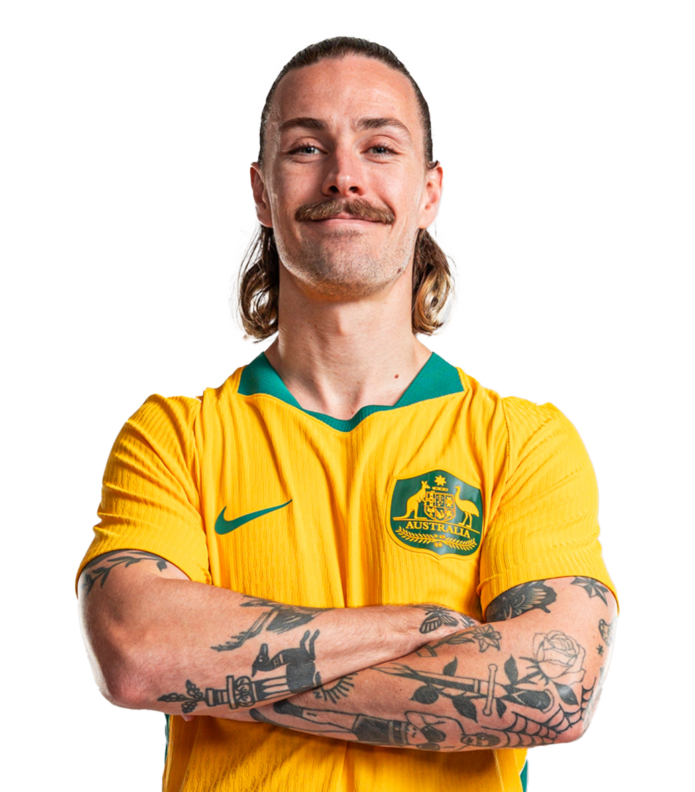
Jackson Irvine’s tattoos don’t follow one neat theme. They read more like a running record of the things he watches, listens to and laughs at, with small personal choices sitting beside unmistakable pop-culture references. The best-known pieces range from a little flower and a Buffy tribute to a traditional-style crying heart marked No worries.
There’s a lot to look at, but the story is strongest when it sticks to what Irvine has actually said. He has talked about when he got his first tattoos, why familiar television references matter to him, and how a joke with his tattoo artist became one of his most talked-about designs. Beyond that, some details remain private, and the photographs don’t always show every piece clearly.
The small flower that started it
Irvine says his first two tattoos arrived together. He was in his early twenties, travelling through Copenhagen during an international break, when he decided to get a little flower on his arm and a Buffy the Vampire Slayer reference on his chest. The words were the title of the show’s musical episode, Once More With Feeling.
That pairing makes a good introduction to the collection. One was a small botanical image; the other referred to a particular television story he enjoyed. Neither needs a grand explanation to make sense. Irvine has described his tattoos as things he likes and references he wants to carry, rather than a code that everyone else has to solve.
The flower is also a useful reminder not to read too much into a design just because it looks familiar. Irvine hasn’t publicly attached a specific personal meaning to that first piece. It may be tempting to call it a symbol of growth or a marker of a life change, but those would be guesses. What is documented is simpler: it was a little flower, placed on his arm, and it was one of the first two.
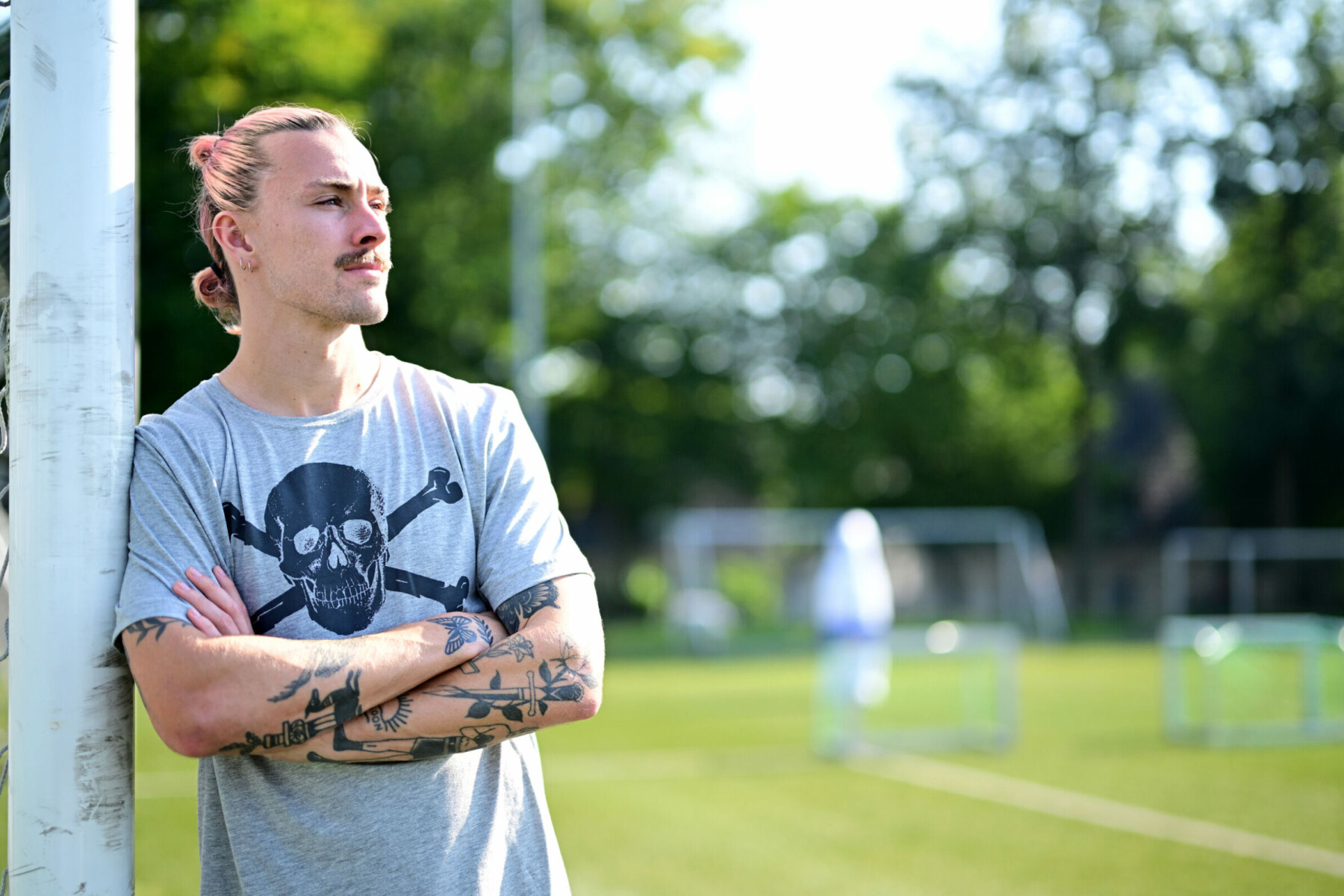
The photograph below shows the kind of floral work visible among his arm tattoos. It gives a clear sense of how individual pieces sit alongside one another, though it should not be treated as a precise portrait of the original flower he described. That distinction matters with a patchwork collection: a photograph can show the general style and placement without proving the identity of every small design.
Getting the flower and Buffy title in the same visit also means his tattoo story began with contrast rather than a single planned sleeve. Irvine did not describe a long design session or a carefully mapped theme. His account is casual: he had time, chose two things he liked, and got them together. That relaxed start fits the way the collection later grew, one reference or image at a time.
The chest tattoo is an especially specific pop-culture nod because it uses the title of a particular episode, not just the name of the series. Once More With Feeling is Buffy’s musical episode, so the wording points to a particular part of the show. Irvine has not publicly supplied a detailed account of the lettering, its exact size or its visual treatment, so those finer points are best left open rather than filled in from assumption.
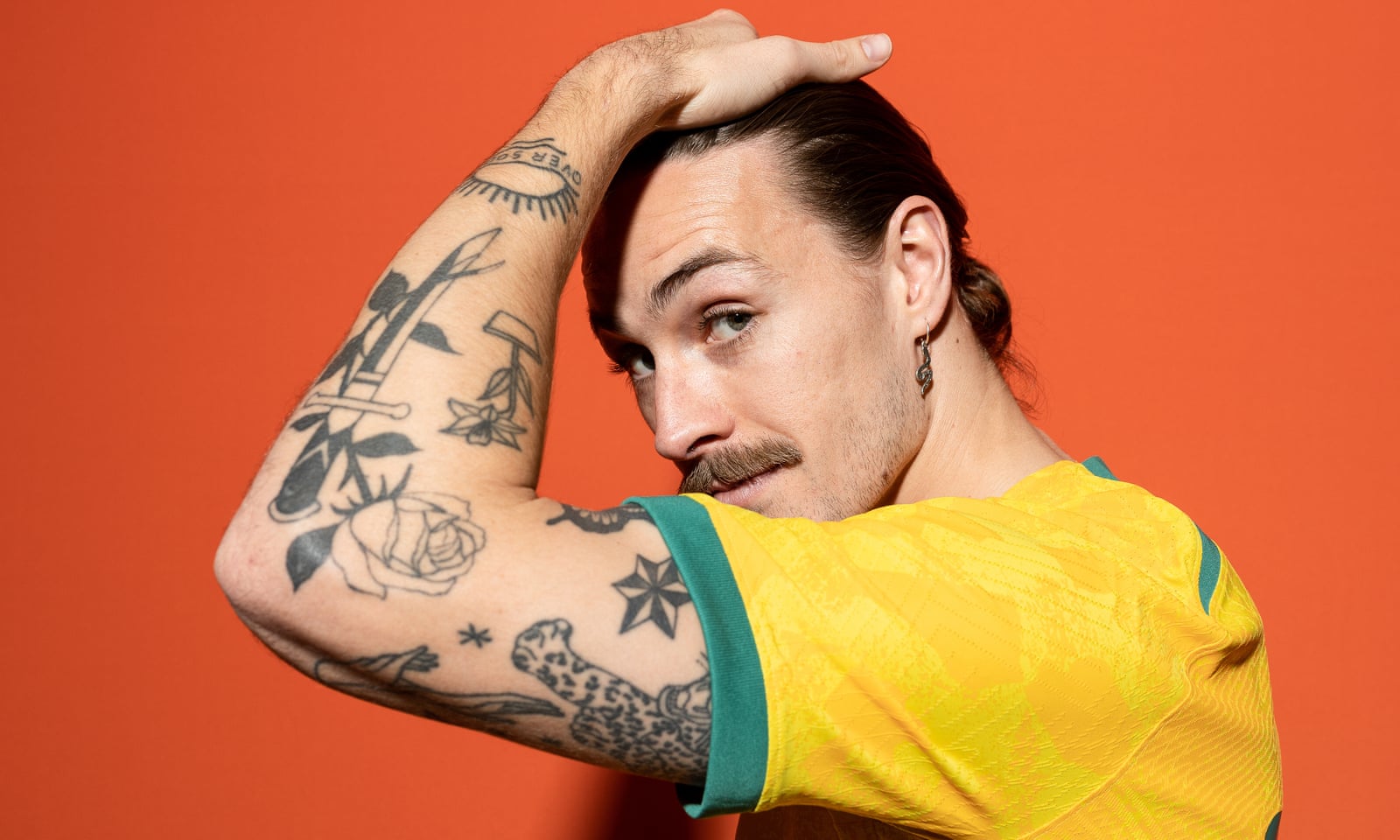
Arm tattoos turn pop culture into a patchwork
As the collection expanded, pop culture became a clear thread. Irvine has named references to Twin Peaks, MF DOOM, Lou Reed, The Simpsons, Buffy and Seinfeld. He has said these are often the tattoos people connect with most, because recognizing a show or artist can reveal a little about his taste without needing a long explanation.
That doesn’t mean every design has a publicly documented backstory. Some titles and names are confirmed, while the exact image, placement or personal meaning of other pieces has not been described in detail. The collection is interesting precisely because it mixes recognizable references with quieter images, not because every tattoo can be assigned a tidy lesson.
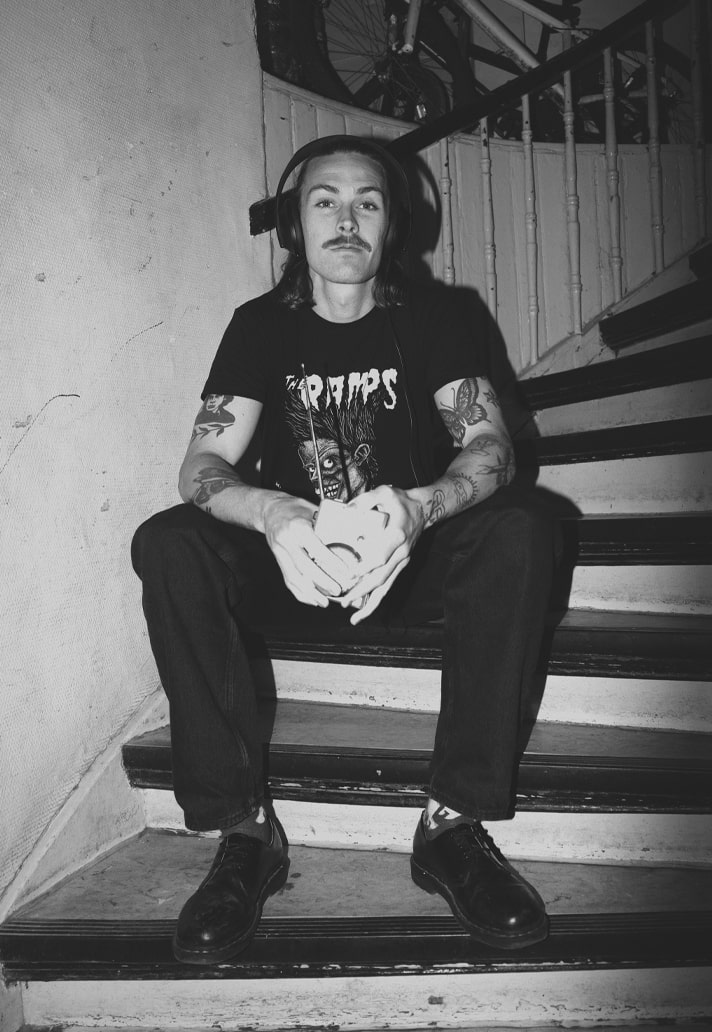
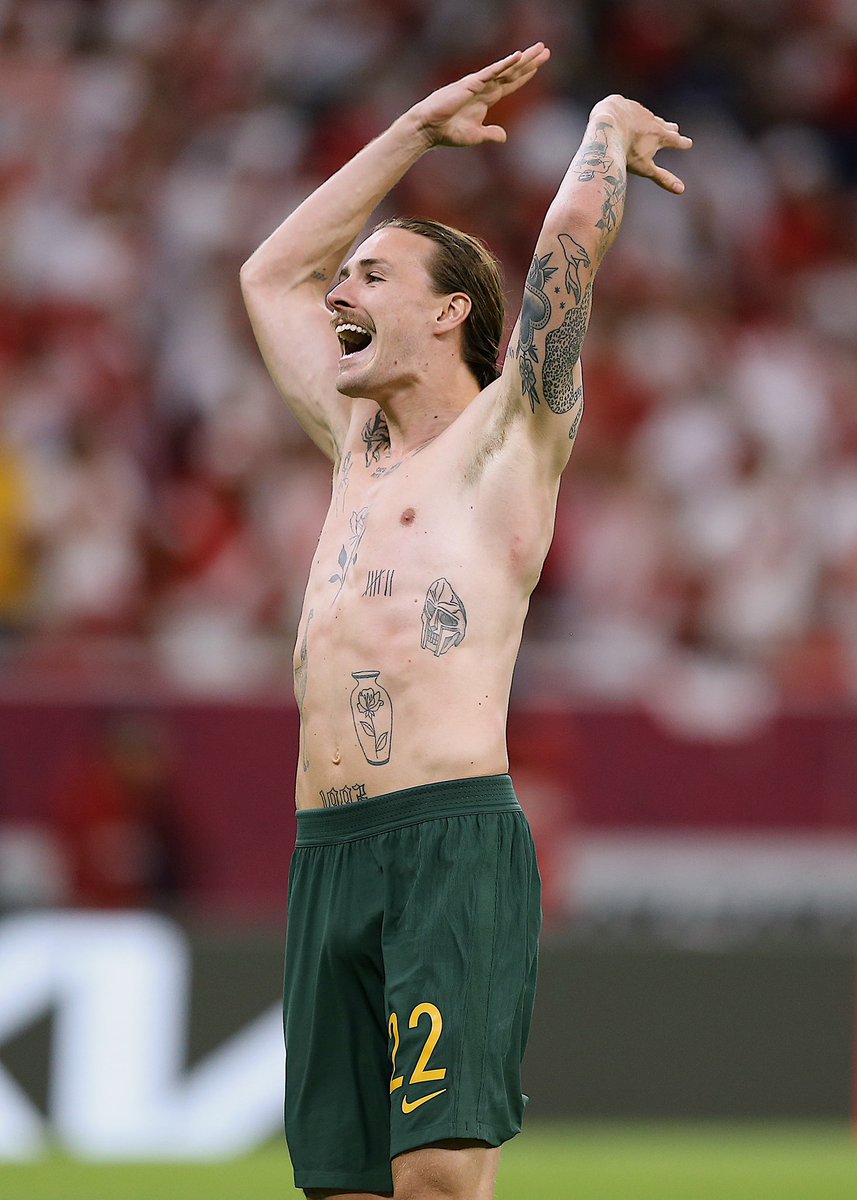
The arm photographs show several different approaches living close together: botanical shapes, bolder traditional-looking forms and smaller line-work details. They do not look like one continuous, uniform sleeve. Instead, the pieces keep their own edges and personalities, which is what gives the overall look its patchwork quality.
In a 2024 interview, Irvine also mentioned that some of the musicians who shaped his listening were represented in ink. The list he gave included Nick Cave, Tom Waits, Billy Bragg, Bob Dylan and David Bowie, with the qualification that some of those artists are tattooed across his body. That gives the collection another layer beyond television: it includes music that has mattered to him, but the reporting does not identify a precise placement for every name or portrait.
The connection to music is not a decorative theme added after the fact. Irvine has spoken about music as part of his life and about artists whose work carries ideas he values. Still, it would be a stretch to say every musician reference has the same meaning. A portrait, an album image or a name can be a straightforward tribute, a memory of a song, or simply an image he likes. Unless Irvine has explained a particular piece, its personal story remains his to tell.
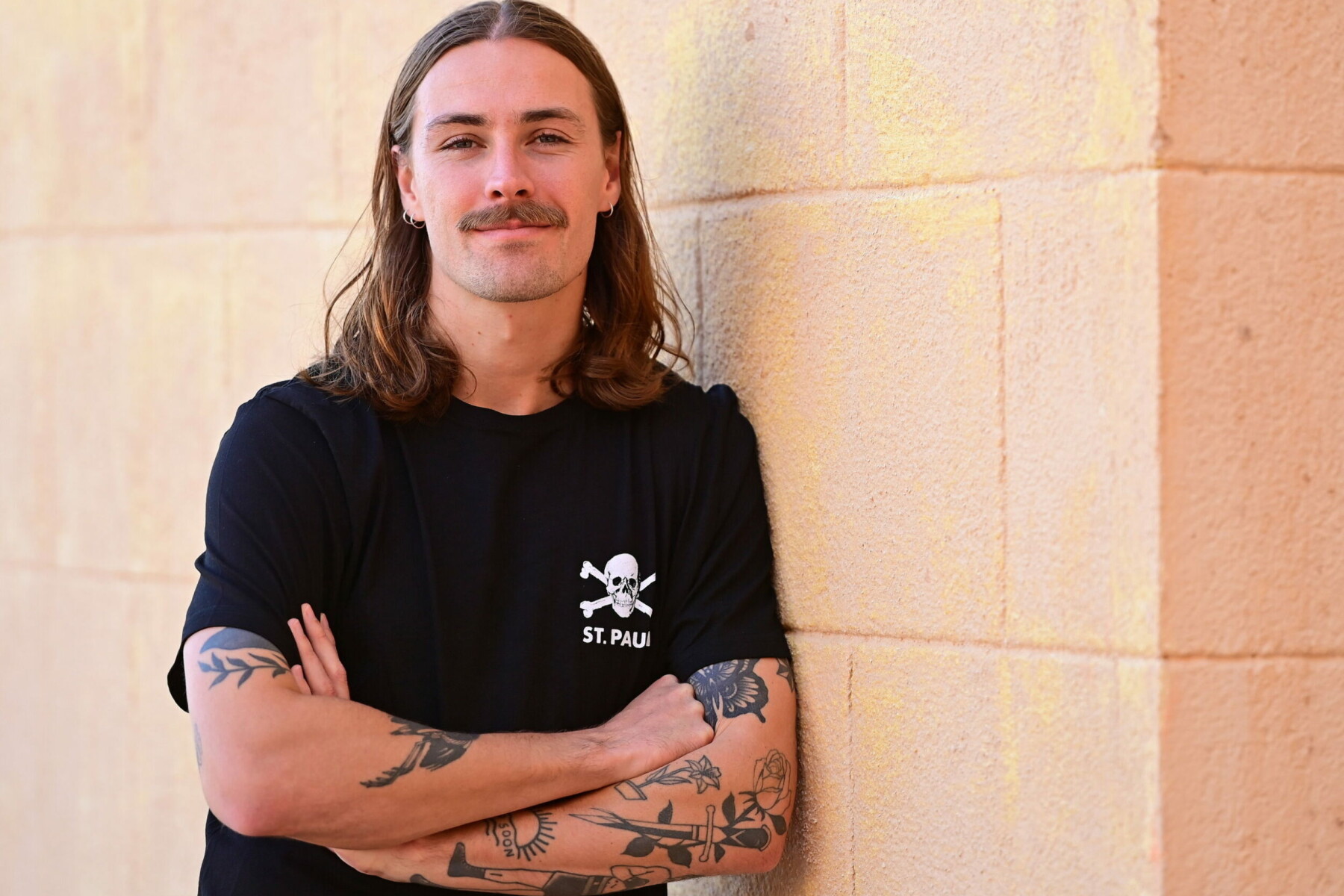
One reference does have a clearly reported location: SoccerBible identified a Lou Reed tattoo based on the cover of Transformer on Irvine’s left shoulder. That is a helpful detail because album artwork can be reduced to a vague “music tattoo” in retellings. Here, the reference is specific: Lou Reed, a particular record, and the left shoulder.
Even with that identification, the safest description is still the direct one. The available reporting confirms the album reference and placement; it does not require us to invent a longer meaning or claim that the image represents every part of Irvine’s musical taste. The rest of the visible arm work adds texture around that confirmed detail without turning the whole collection into a single biography in ink.
Some of Irvine’s tattoos are better understood as playful than solemn. His Simpsons piece shows Moe Szyslak in a scene from the season-nine episode The Two Mrs. Nahasapeemapetilons. Reporting places it on his lower right leg, just above the sock line. The episode reference is unusually precise: Moe walks onto a stage during a bachelor auction, then leaves with the same grin after getting no interest.
Irvine said the tattoo came from a joke shared with a tattoo artist who had done much of his work. They both liked The Simpsons, often quoted it, and had some free time, so they chose a Moe scene that made them laugh. He said there was no deeper meaning behind it. That answer is worth keeping intact. A tattoo can be personal without carrying a solemn message; sometimes the story is simply that two people found an image funny.
The design became widely noticed after a photograph circulated online and a Simpsons writer praised it. The attention was unexpected, Irvine said. He had already had the tattoo for a couple of years, so the viral moment did not mark when he got it. It only changed how many people saw it and gave the piece a short second life in football and television conversations.
Another image that Irvine described in detail is the crying heart on his hand, done in a classic traditional style with the words No worries underneath. When he spoke to ESPN in January 2024, he called it his newest tattoo and his favorite at that moment. That is a time-specific comment, not a promise that it remains the newest piece today.
The hand design brings the collection back to a simple idea: Irvine’s tattoos can be references, jokes or short phrases he enjoys. The words are familiar, but the placement and crying-heart motif give them a distinct visual shape. He has not explained a hidden meaning behind the phrase, so there is no need to turn it into a complicated theory.
Together, the flower, the Buffy title, the album reference, the cartoon scene and the hand lettering show why a single label does not quite fit. Some pieces point to music and television; others are more traditional in style or light in tone. What links them is not one rigid symbol system. It is Irvine’s own selection of things he wants close, added over time and left open to the people who recognize them.
What the photographs can and cannot tell you
Pictures make Irvine’s tattoos easy to spot, especially when his arms are uncovered, but they are not a complete catalogue. A match-day photograph may show the broad arrangement while hiding a small design in shadow, under clothing or beyond the crop. Even a sharp portrait may not tell you whether a motif is the flower he described, a separate botanical piece or part of a larger reference.
That is why the clearest guide combines what is visible with what Irvine has actually confirmed. The photographs show a varied collection across his arms and torso. Interviews supply the more specific details: the first flower and Buffy title, the pop-culture references, the Lou Reed album on his left shoulder, the joking origin of Moe and the crying heart with No worries.
There are also gaps, and they are not problems to solve by guessing. Public coverage does not give a full inventory with dates, artists and meanings for every design. It does not establish that each tattoo is autobiographical or that every image marks a major event. A careful reading lets the confirmed stories stand on their own while leaving the unreported pieces unlabelled.
For readers, that makes Irvine’s tattoo collection less like a puzzle with one final answer and more like a set of references you can recognize over time. One photo may bring a flower into focus; another may show how the arm has filled out; a quote may explain why a television character mattered enough to keep. The pleasure is in those distinct details, not in forcing them all to mean the same thing.
His own comments give the most grounded way to read the work: familiar pop culture can help other people connect with him, while some pieces are simply enjoyable. That leaves plenty to notice without pretending the ink tells us everything about its owner. The tattoos are visible; their full private meanings are not always public.
A short Socceroos conversation
In this short interview, Irvine explains the story behind his Moe Szyslak design.