A lot of Cody Garbrandt’s tattoos point to family, faith, fighting, and the people and places he talks about. He got his first tattoo at 14 after winning national titles. Since then, he has added bold lettering, black-and-gray work, hand ink, chest pieces, sleeves and larger designs tied to his life.
That’s what makes Cody Garbrandt tattoos worth looking at closely. The Family Over Everything chest piece says exactly what it means; his backpiece has a very different, more dramatic feel. The words on his hands and wrists read like reminders he carries into a fight. In his GQ Tattoo Tour, he explained many choices, including tattoos he likes and a chest piece he later regretted.
Here’s what the photos show, alongside the meanings Garbrandt has discussed himself.
Cody Garbrandt’s tattoo style at a glance
His collection mixes clean symbols with larger, densely shaded scenes. Lettering carries much of the message, while the bigger images give his arms, chest and back a darker look. Some designs read from across a room; others need a clear photo to make out the figures and shading.
Family, faith, resilience and proving yourself recur in the collection. That doesn’t mean every piece has a deep explanation. Some of the ink is simply part of a look he has built over time. Taken together, it fits the public image of a father, fighter and Ohio native.
Family Over Everything on his chest
The chest piece reads Family Over Everything. A banner and dove sit with the words, while a cherub and shaded details fill out the design. It is a direct statement that he wears across his chest.
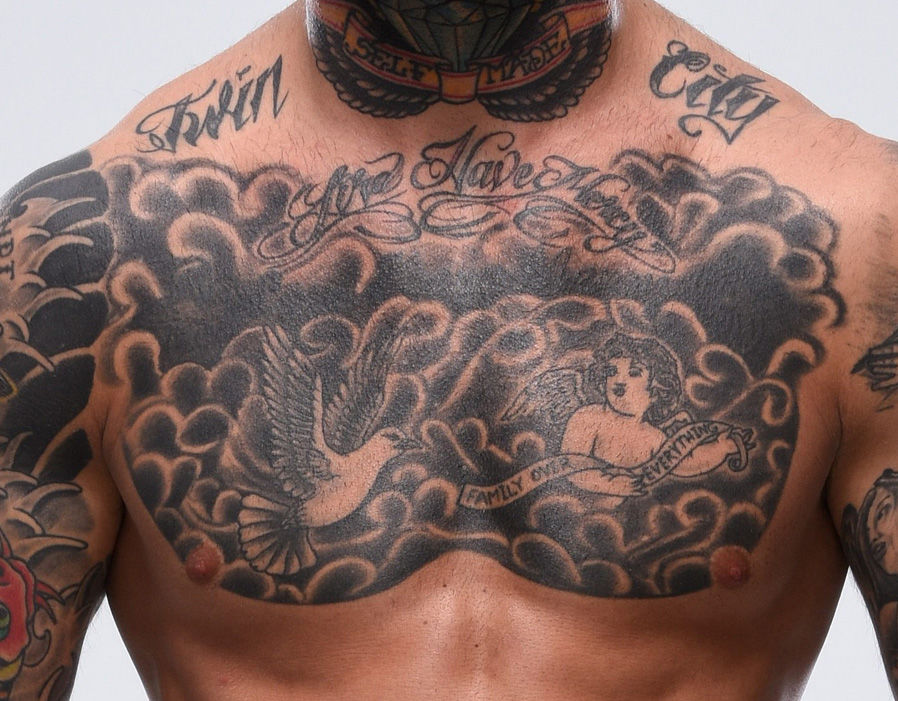
Garbrandt has talked about the importance of family outside the cage, and the tattoo puts that priority in view. The lettering is easy to read; the dove, banner and shaded figures give the rest of the chest piece more to look at.
A full-size image helps with the smaller details, which can disappear in a social-media crop. You can see the lines and how the different parts fit together.
The A Promise Kept tattoo and the UFC chapter
Another piece he has discussed is A Promise Kept, lettering paired with a colorful fight-related design. The image has the feel of a trophy or belt, with the hard road to earning one built into the idea. Garbrandt has often talked about goals, preparation and keeping his word to himself; the phrase fits that outlook.
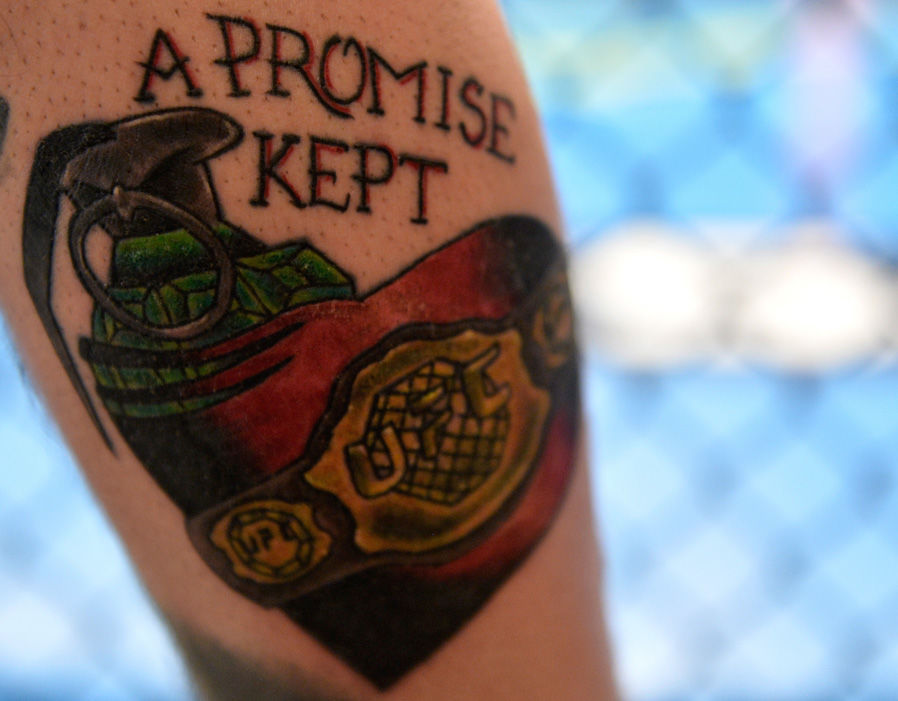
The words name the theme, and the colored image gives the tattoo a focal point. It connects to his UFC career, though the idea can also apply to commitments to training, family, recovery or the person he wanted to become.
Much of his larger work is black and gray. This piece uses more color, which sets it apart and makes the lettering easy to pick out.
His backpiece is a full fight story
Garbrandt’s backpiece covers a large area. It has a dramatic, armor-like figure and dense shading, with a serious, imposing look that suits a fighter.
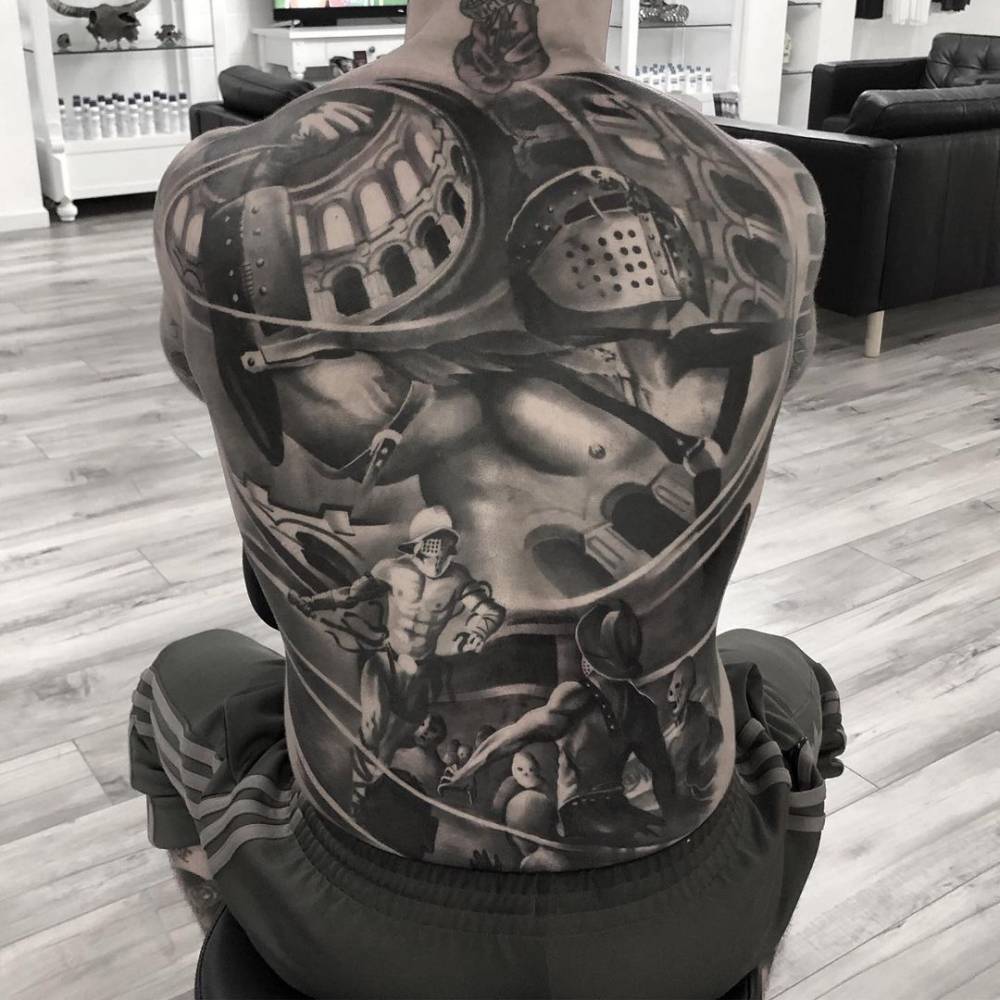
A quick phone photo can flatten the detail because the back curves and the image gets compressed. In a clear view, the darker sections frame the central figure and use most of the back. The parts read as one composition.
This is one of the collection’s most visual pieces. The chest lettering spells out a priority; the backpiece leans into strength, conflict and theater. Its scale gives it the feel of a fight poster without repeating a specific logo or event.
Hand, knuckle, and wrist tattoos
The hand ink is hard to miss. Garbrandt has lettering and small symbols on his hands and wrists, including Only God Can Judge Me, which he discussed on his tattoo tour. Hand tattoos stay visible in training photos, interviews and daily life.
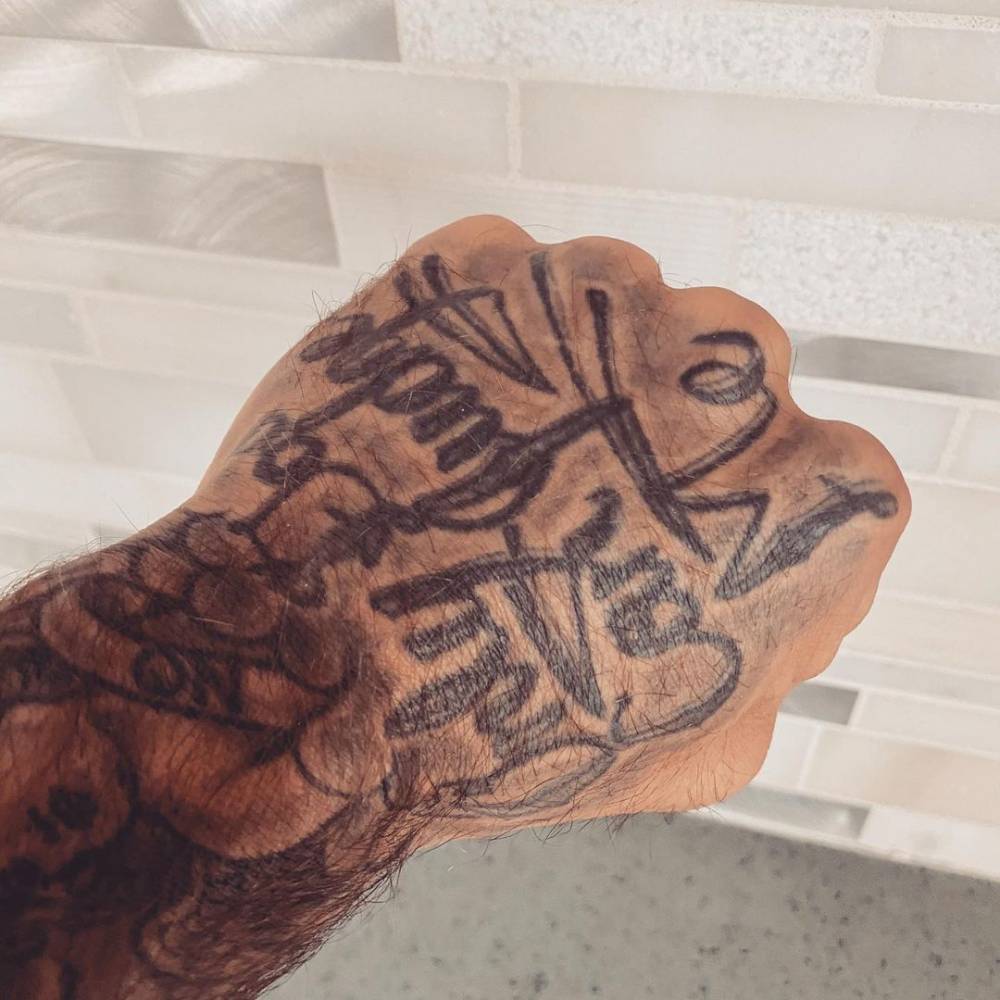
The close-up shows the ink more clearly than a distant portrait. The placement gives the phrase the feel of a personal reminder and fits the hard-edged look of his fighting persona. His knuckle work includes True Love; the words come into view when he raises his hands.
He has also talked about the wrist phrases Live to Fight and Fight to Live. They read like two sides of the same idea: fighting is central to his life, and endurance matters beyond the cage too. The short wording does the work without a larger symbol around it.
Tiger work and the realistic side of his sleeves
The tiger on Garbrandt’s arm has a different look from the lettering. It is a realistic black-and-gray design with a strong face and deep shading. The piece puts texture and movement at the center.
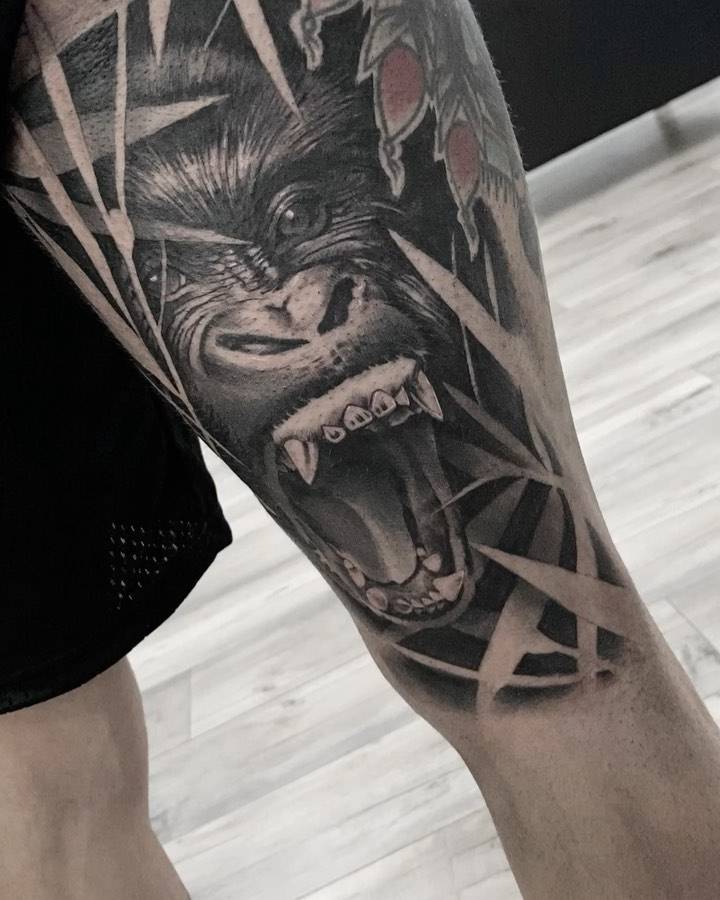
Tiger tattoos often suggest power and aggression. Here, the expression and dark shading keep the face clear on the arm. A small photo can turn the stripes and facial detail into a blur; a larger image gives the design a focal point.
His arm work looks like it has grown over time. The subjects and styles vary, while the darker black-and-gray pieces help them sit together. It isn’t perfectly uniform; it reads more like a record of different chapters.
Neck ink, faith, and the piece he questioned
Garbrandt’s neck tattoos add another visible part of the look. Photos show lettering and bold shapes, including self-made and winged imagery. The placement makes the ink part of his overall appearance, not something only visible in a close-up.
Faith appears in pieces he has discussed, including Saint Michael fighting the devil and other religious imagery. Some tattoos connect to protection, judgment and getting through hard times. That is a thread in the collection, though each image may have its own meaning.
He has also talked about regretting a chest tattoo with the words Lord Have Mercy and a dove. He hasn’t presented every piece as a perfect decision. Sometimes a tattoo belongs to a moment that looks different later.
Family, Ohio, and the details that make the collection personal
Some smaller pieces fill in parts of Garbrandt’s story. He has said a 9mm tattoo on his back honors Nick Duell, and he has ink tied to his nickname, No Love. Ohio’s Finest on his foot marks where he comes from.
Those names, places and phrases keep the larger designs from reading as generic fight imagery. A grenade, belt, saint, tiger and chest banner have their own look; personal references make the set recognizably his.
You can see a similar mix in other athletes’ stories, including our Tyrann Mathieu tattoos guide. The strongest tattoo guides pair photos with what the person has said and leave the unknowns alone.
What Cody Garbrandt’s tattoos say about him
Family comes first in the chest lettering. Faith appears in several forms, and the belts, phrases and darker images point to fighting. The plain words—family, promise, love, judgment and Ohio—carry much of the message.
The collection also has different eras in it. Some pieces are polished and colorful, others are dense black and gray, and some are just words on a hand or wrist. They don’t look like they came from one design brief, and that variety is part of the appeal.
Questions people ask about Cody Garbrandt tattoos
What was Cody Garbrandt’s first tattoo?
In his GQ Tattoo Tour, Garbrandt said he got his first tattoo at 14 after winning national titles. He has added many different pieces since then.
What does No Love mean?
No Love is Garbrandt’s nickname. The phrase ties the tattoo to the identity he carries as a fighter.
Does Cody Garbrandt have a face tattoo?
Public interviews have covered his visible tattoos and the possibility of going further. A mark that is hard to see in a photo should not be called a confirmed face tattoo. His neck and hand work are already prominent.
How many tattoos does he have?
Public lists often count 30 or more, but the number can change as he adds or covers work and as pieces are grouped into larger designs. There may not be one definitive count.
Are all of his tattoos about fighting?
No. Fighting is a major part of the collection, but family, faith, Ohio, relationships and personal reminders are there too. The Family Over Everything chest piece makes that clear.
Watch Cody explain his tattoos
Garbrandt’s GQ Tattoo Tour lets him talk through the hand lettering, faith pieces and tattoos tied to his career. It adds context that a photo alone can’t provide.
One thought on “Cody Garbrandt Tattoos: Family, Faith, Fight and the Stories Behind His Ink”