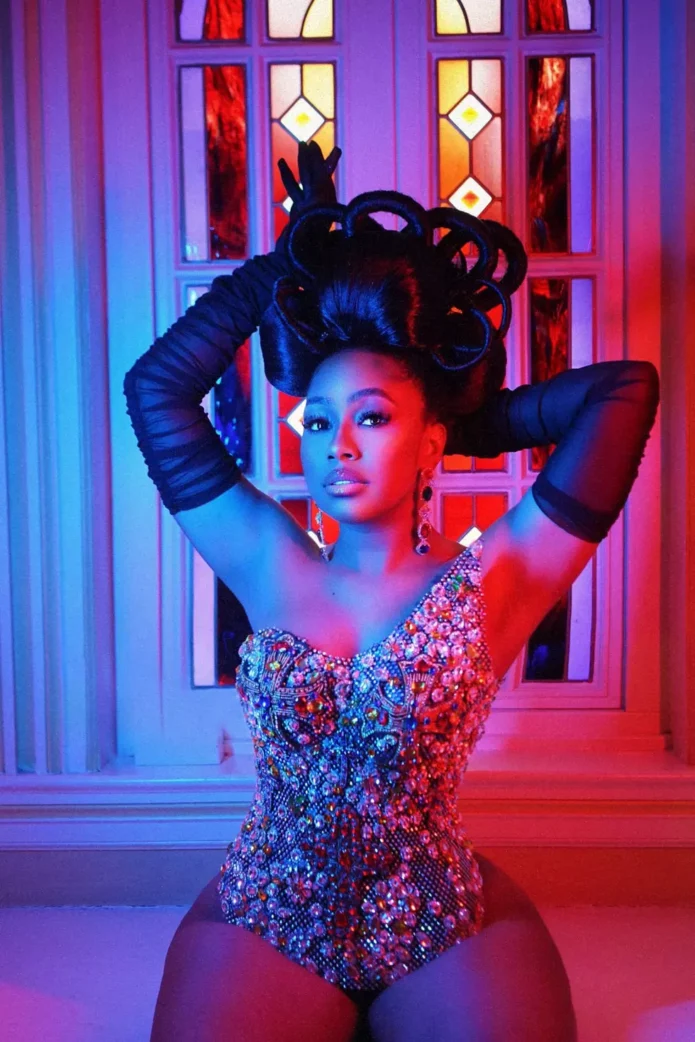
Yung Miami usually gives off the kind of energy that doesn’t need much explaining. The clothes are sharp, the hair is done, the jewelry is loud, and the whole look feels built for a camera that might turn on at any second. Her tattoos are a little more low-key than the rest of the package. The clearest documented piece is a tiny heart tucked behind her ear, easy to miss until she turns her head.
That small placement is what makes it interesting. A behind-the-ear tattoo can stay private when the hair is down, then appear for half a second in a profile photo or a video. It’s a very different choice from a giant chest piece or a full sleeve. The design doesn’t have to dominate the look. It can sit there quietly and still feel personal.
There’s also a useful lesson in keeping the evidence straight. Celebrity tattoo coverage often turns one blurry photo into a whole invented collection. With Miami, the reliable reporting points to one permanent heart tattoo. The rest of the visual references here are contextual photos showing her fashion, performance world, and public style. They’re useful for atmosphere and placement inspiration, but they aren’t being passed off as proof of extra ink.
Yung Miami’s tiny heart behind her ear
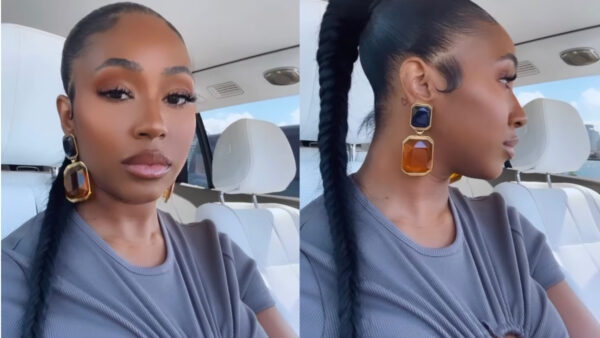
The tattoo that has been documented is a small heart behind Yung Miami’s ear. Atlanta Black Star reported on the reveal in February 2023 after Miami shared an Instagram Story that showed the side of her face and the previously hidden piece. The article calls it a tiny permanent tattoo and describes the shape as a heart. That’s the part we can say with confidence.
The placement does a lot of the work. Behind the ear is one of those spots that can feel both visible and private. It shows when the hair is pulled back, when someone takes a side-profile photo, or when a camera catches an unplanned angle. Cover it with loose hair and it disappears. Tuck the hair away and the design becomes a small detail people notice after they’ve already taken in the rest of the look.
Fans quickly started guessing that the heart had something to do with Miami’s relationship with Sean Combs and the “Love” branding around him at the time. That was speculation, though, not a confirmed explanation from Miami. A heart can mean romance, family, self-love, a private joke, or nothing more complicated than liking the shape. It’s better to leave the meaning open than turn a fan theory into a fact.
As a tattoo idea, the design is deliberately simple. A small heart can be filled, outlined, rounded, angular, or drawn with a slightly wonky hand-made line. Miami’s piece is subtle enough that the exact styling is harder to judge than the placement itself. If you like the look, bring your artist a few references for scale and line weight, then let them draw a version that will stay readable on your skin.
Why the behind-the-ear placement works
Behind-the-ear tattoos are popular because they offer a nice middle ground. You get a spot that can be shown off without committing to a face tattoo, and you can cover it more easily than a mark on the neck or hand. The area is small, so it naturally pushes you toward clean symbols, short words, initials, stars, tiny flowers, and other designs that don’t need a lot of room. That quiet visibility is the whole appeal.
There are practical trade-offs. Skin behind the ear moves, folds, and gets a lot of sun when hair is tied back. Small tattoos can soften as they age, especially if the design starts out too fine or crowded. Your artist should make sure the heart has enough open space around it. A shape that looks delicate in a reference photo can turn into an indistinct dot if it’s forced into a smaller size than the skin can handle.
The placement can also be more sensitive than people expect. Everyone’s pain level is different, but there’s not much padding in the area and the tattoo machine is close to the ear. Go in rested, eat beforehand, and don’t treat the appointment like a speed challenge. A tiny tattoo still deserves the same attention to hygiene, stencil placement, and aftercare as a much larger piece.
If you want the same hidden-then-visible feeling, the side of the neck, hairline, or upper back can create a similar effect. Behind the ear is the most compact option, but it isn’t the only way to get a tattoo that appears in profile shots and disappears under everyday styling.
Yung Miami’s style in public

This World Red Eye photograph is a contextual editorial image, but it gives a good sense of how the small heart fits into Miami’s wider visual style. She’s pictured in a dressed-up nightlife setting, with a bandana, layered jewelry, and a patterned black outfit doing most of the visual talking. The look is polished without feeling stiff. That balance matters when you’re thinking about a discreet tattoo: the design can be small because the rest of the styling already carries plenty of attitude.
Miami’s public image has always moved easily between rap performance, fashion, interviews, and social media. She can look glamorous in one frame and playful in the next without changing the basic confidence of the presentation. A hidden tattoo works with that flexibility. It doesn’t lock her into one aesthetic. It’s simply another detail that can appear when the angle is right.
For your own design, that can be a better starting point than copying a celebrity’s exact heart. Think about how the tattoo should behave with your clothes, hair, and jewelry. Do you want it to peek out beside a hoop earring? Should it sit low enough to disappear under your hairline? Would an outline look cleaner next to your usual accessories, or would a solid black shape give you more contrast? Those choices make the idea personal.
A simple symbol can stay personal
Small tattoos sometimes get buried under too much explanation. Someone sees a heart and immediately wants the full story: who it’s for, what happened, when the relationship began, and whether the design is a permanent announcement. That pressure can make a simple symbol feel heavier than it needs to be.
The public reporting around Miami’s tattoo shows why it helps to separate observation from interpretation. We can see the heart. We know it was described as permanent. We know fans attached their own theories to it. We don’t have a confirmed statement from Miami explaining every layer of meaning. That uncertainty is fine. A tattoo can be real without being public property.
If you’re considering a similar design, you don’t have to choose a symbol that explains your entire life. A heart can mark a person, a season, a reminder to care for yourself, or simply a shape you’ve always liked. You can keep the story private. You can also let the meaning change as your life changes. Small pieces are often strong because they leave room for that.
Nightlife photos and the difference between context and proof

This World Red Eye image is another contextual photograph, taken at the kind of crowded Miami nightlife event that fits naturally into Yung Miami’s public world. The red lighting, packed room, raised phones, and movement around her create a very different mood from the quiet close-up used to document the heart. It’s a useful reminder that small designs are seen in real life, not only in clean studio portraits.
Event photography can be great for understanding how a tattoo behaves in motion. Hair shifts. Jewelry catches light. A shoulder turns away from the camera. A small mark might be visible in one frame and completely hidden in the next. That’s especially true for behind-the-ear work. A design that looks obvious in a side profile may vanish when the subject faces forward.
It’s also why contextual images need to be labeled honestly. This photo shows Miami at an event; it isn’t a close-up record of her ink. Using it as atmosphere keeps the article useful without pretending that every photo is a tattoo photograph. If you’re building a reference board for your own appointment, the picture can still help with mood, lighting, and placement visibility.
Small details that change the mood
The heart is a familiar shape, so the small details matter. You can change the proportions, soften the top curves, sharpen the point, add a tiny break in the line, or work in a second symbol that only makes sense to you. A miniature lock, initial, star, flame, or dot can shift the mood without turning the design into a crowded flash sheet.
Line weight is another way to make the idea yours. A fine outline feels light and understated. A thicker black heart reads more like a deliberate mark and will usually hold its shape better at a small size. Your artist can show you both options at the intended size. Don’t judge the design only on a phone screen or a large printout; tiny tattoos need to be tested at their real scale.
Placement changes the personality too. Behind the ear makes the heart private and flirtatious. On the wrist, it becomes something you see all day. On the ribs, it can be more intimate. On a finger, it becomes harder to hide and may need more frequent touch-ups. The same symbol can feel completely different depending on how often you want to see it and who you want to notice it.
Yung Miami’s camera-ready public image

The XXL editorial image is contextual rather than a close-up of her ink, but it captures the other side of Miami’s appeal. She comes across as direct, composed, and ready for the room. That confidence is part of why a tiny tattoo works for her. The piece doesn’t have to compete with the look. It can stay tucked away until she decides to let it show.
That’s a useful approach if you like celebrity style but don’t want a tattoo that takes over your whole appearance. A small design can add a private detail to an otherwise finished look. It can sit beside your normal makeup, clothes, and jewelry without dictating them. You get the satisfaction of a permanent mark while keeping plenty of room for your personal style to change.
Miami’s career has also moved across different kinds of visibility. She’s known for City Girls, solo work, interviews, podcast conversations, acting appearances, and fashion moments. A discreet tattoo makes sense in that context because it can be part of the image without becoming the headline every time she steps in front of a camera.
Keeping the look polished without losing the edge
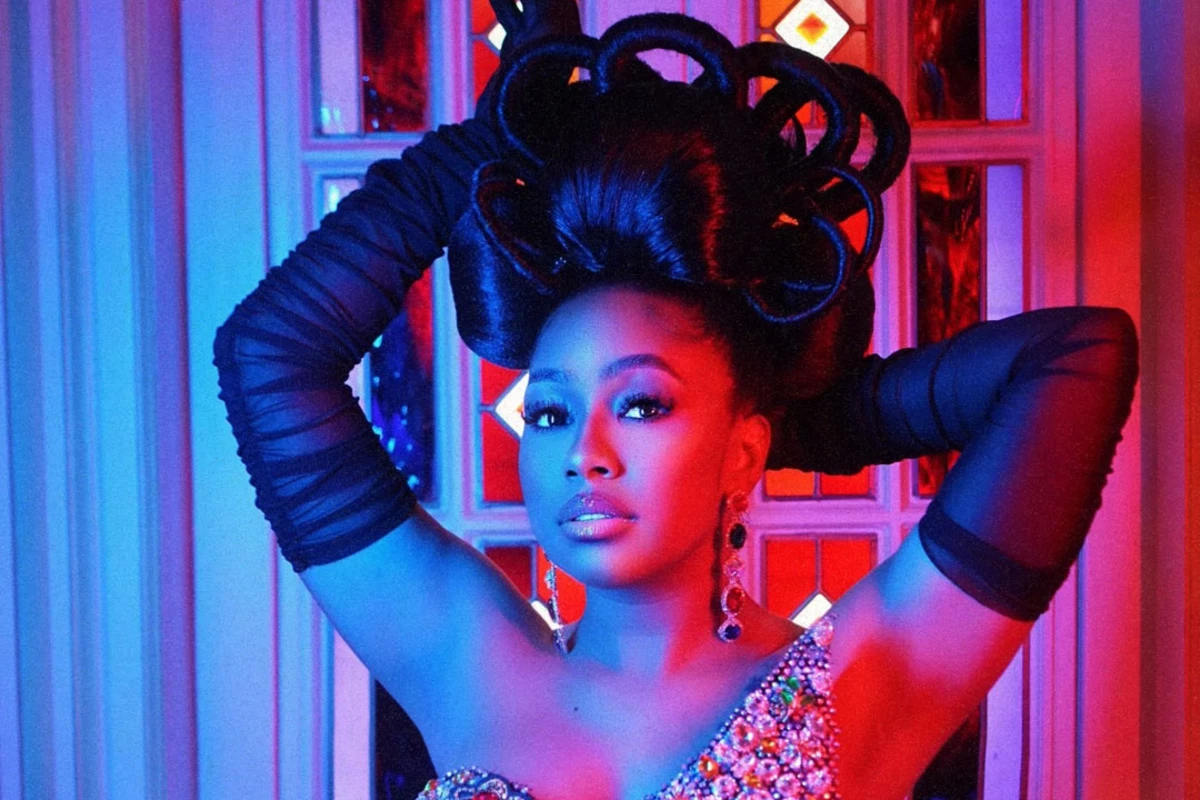
This final World Red Eye photograph is contextual only, but it shows how Miami can make a dressed-up look feel relaxed. The lighting is dramatic, the styling is glossy, and the pose still has a loose, social energy. A tiny tattoo works well in that kind of frame because it rewards a closer look instead of flattening the whole outfit into one obvious statement.
That balance is useful when you’re choosing placement. Some people want a tattoo that becomes the first thing everyone sees. Others want something that appears only in certain clothes, hair styles, or photographs. Neither approach is more serious. The important part is deciding how much attention you actually want the design to ask for.
A separate face-visible editorial portrait
The featured portrait uses a different XXL source file and is kept separate from the inline image set. It’s a face-visible editorial image rather than a close-up of the heart, which makes it useful for the top of the page without confusing the reader about what has actually been documented.
That separation is worth keeping in any tattoo reference project. A portrait helps you recognize the person and understand the overall vibe. A tattoo photograph needs to show the specific design clearly enough to discuss. Sometimes one image can do both jobs, but when the tattoo is tiny and tucked behind an ear, a dedicated close-up is much more helpful than a general beauty shot.
Borrow the placement, make the symbol yours
Copying the exact tattoo is always less interesting than borrowing the decision behind it. Miami’s heart works because it’s small, easy to hide, and placed where a passing profile can reveal it. If that combination appeals to you, start there. Choose a symbol with a shape you’ll still like at a tiny size, find a placement that fits your daily life, and let the personal meaning stay yours.
Ask your artist about scale before you book the appointment. A heart with a narrow center gap may need to be larger than expected so the opening doesn’t close up over time. An outline that looks elegant in a reference image may need a little more weight on real skin. Good artists will tell you when a design needs breathing room, and that advice is worth taking even when the tattoo itself only takes a few minutes.
After the appointment, follow the aftercare instructions you’re given and protect the area from unnecessary sun while it heals. Behind-the-ear pieces can be easy to forget because they’re out of sight. Keep it clean, avoid picking at flakes, and let the skin settle before judging the final look. The tattoo may be tiny, but rushed aftercare can still turn a clean idea into a frustrating repair job.
Yung Miami’s documented heart tattoo is a good example of how a very small piece can carry a lot of visual character. It appears briefly, sits in a smart spot, and leaves enough mystery for the wearer to keep the real meaning private. That’s probably the best part to borrow: a tattoo doesn’t have to shout to feel like it belongs to you.