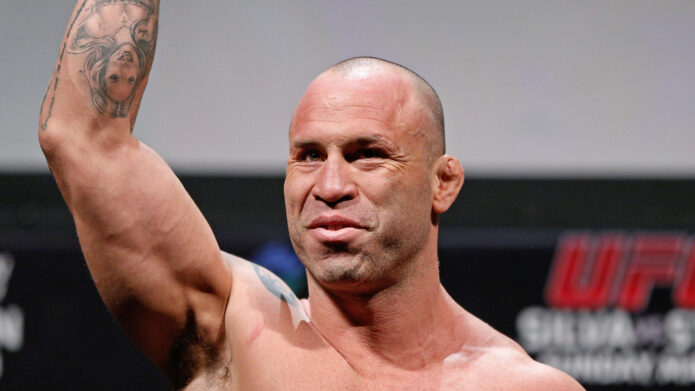
Wanderlei Silva’s tattoos are easy to spot in old fight photos. They cover his shoulders, forearms, wrists, and hands. Portuguese faith phrases run down his arms, and shoulder symbols connect him to the Wand Fight Team and to the identity he built during his Pride and UFC years.
That mix makes Wanderlei Silva tattoos a useful reference if you like meaningful lettering. The collection includes short phrases, compact symbols, and longer lines that follow the arm. The pieces weren’t all done at once. Some still look crisp; others have softened over years of training, bright arena lights, and everyday wear.
This guide looks at the designs Silva has explained and the details visible in photos. Where a meaning isn’t well documented, it stays with placement, lettering, and how the pieces work together.
Deus é Fiel on the shoulder: Wanderlei’s faith tattoo
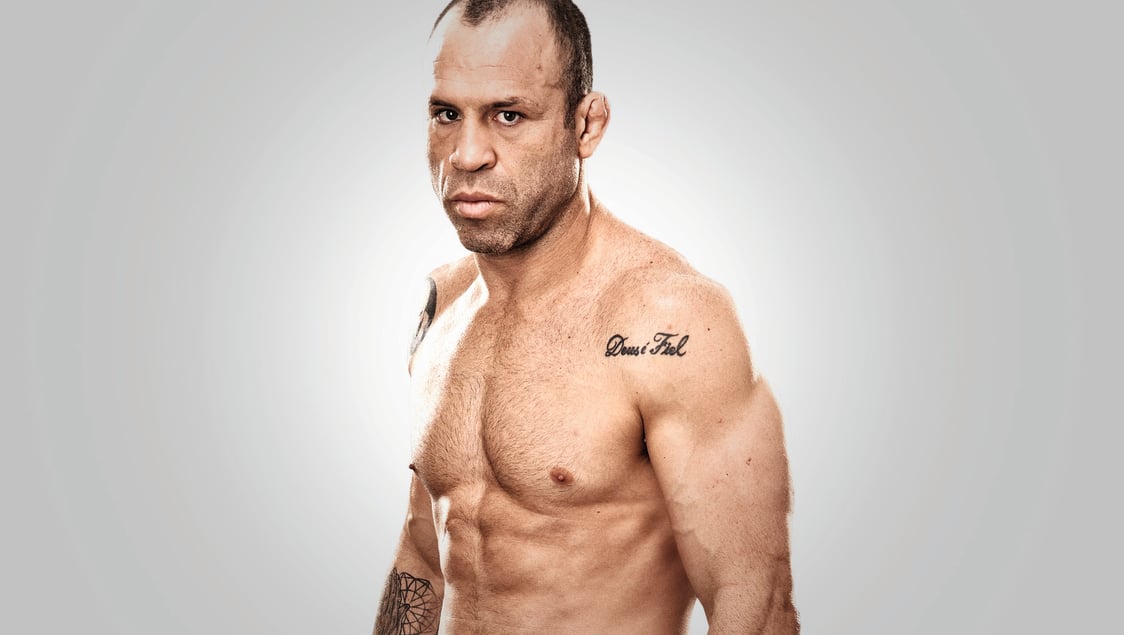
The phrase Deus é Fiel—“God is faithful”—sits across Silva’s shoulder in rounded black script. It follows the curve of the shoulder instead of running straight down the arm, so it stays readable when he turns or raises his hands. The tattoo is easy to see in photos of him without a shirt.
The lettering is simple. There is no banner or frame around it, and the open skin gives the words space. If you’re considering a faith tattoo, a short phrase doesn’t need heavy decoration. A clear line, a comfortable size, and placement that follows the body can be enough.
Script needs room to breathe. The letters aren’t squeezed into a narrow strip, and the dark outline shows in older photos as well as newer ones. That spacing gives the curves a better chance of staying distinct as the tattoo ages.
Silva is known for the “Axe Murderer” nickname and an aggressive fighting style, but this phrase brings a calmer note to the collection. It points to faith and gratitude. It feels like a personal tattoo rather than something chosen to match an image for the camera.
One More Day: the forearm script that reads like a daily promise
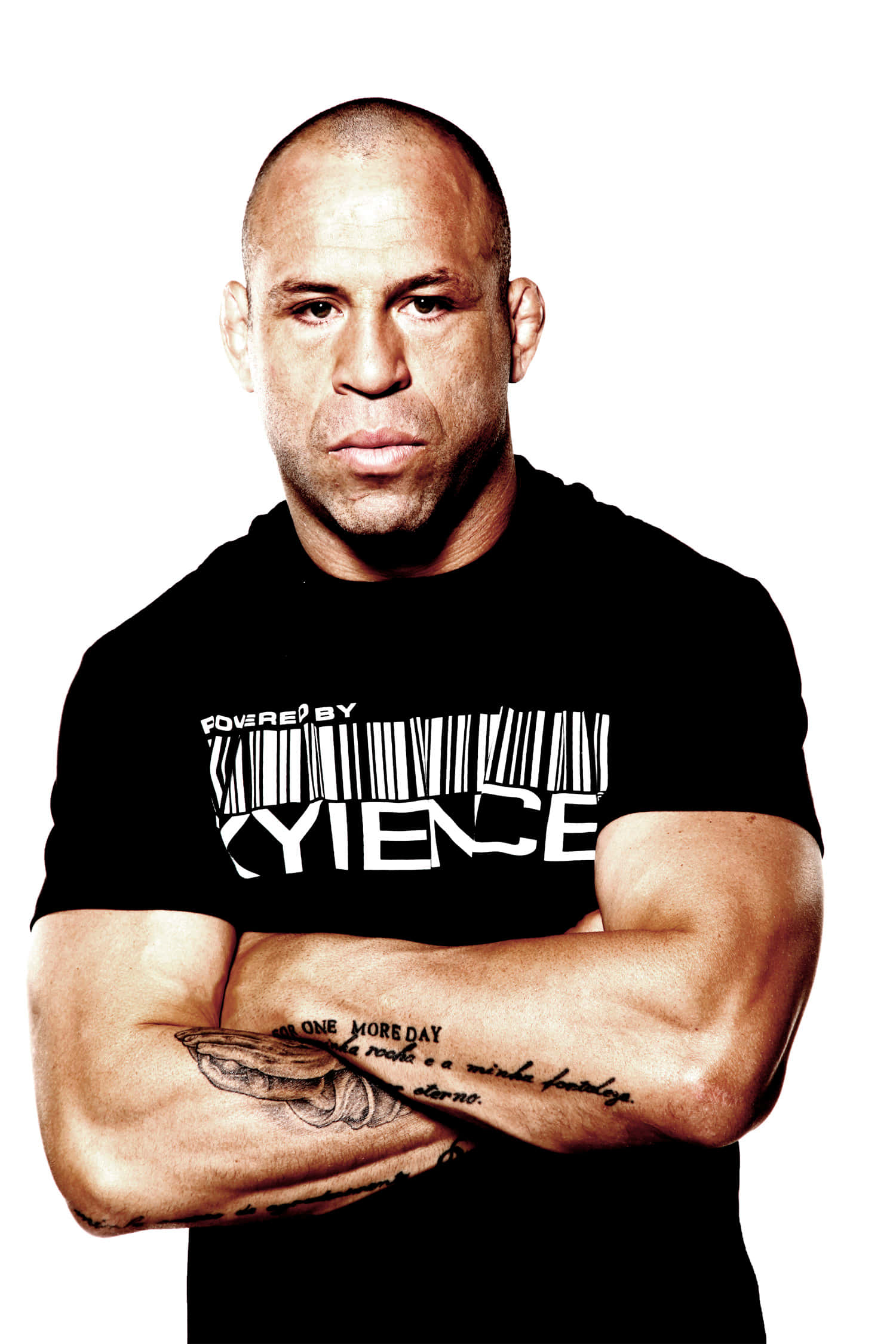
Silva’s forearm carries a long script passage built around “One More Day.” The phrase sits among longer lines, so the tattoo reads more like a short passage than a slogan built around One More Day. When his arms are folded, it faces the camera; when he raises his fists, the writing wraps around the arm.
This uses the length of the forearm without turning the whole area into a block of black ink. The handwriting follows the arm rather than sitting inside a rigid rectangle. For long script, decide where the words should begin and how they’ll read when the arm is bent.
“One More Day” suits the daily demands of fighting: another training camp, another round, another hard day. It comes across as a reminder to keep going, without promising that things will be easy.
If you’re drawn to long script, take the placement and scale as a starting point and choose words that matter in your own life. Long quotes often need editing. An artist can help with line breaks and spacing so the words stay legible after healing. Silva’s passage works because the phrasing has a reason to be there.
Portuguese prayer lettering across both arms
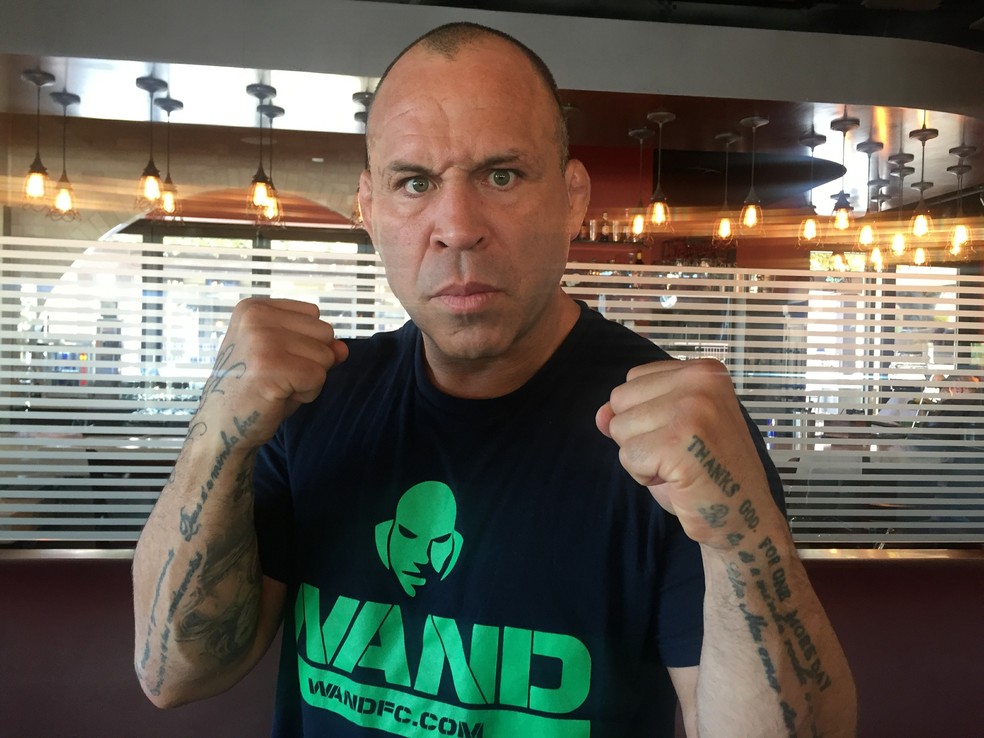
Silva’s forearms carry several Portuguese phrases about prayer, gratitude, and strength. One is commonly described as “Pai, és a minha rocha e a minha fortaleza”, followed by words about eternal love. Another reads like a prayer asking to be taught God’s commandments. Together, the lines form long paths down and across the arms.
The writing takes up space without making the forearms look solid. It follows their length and changes as Silva turns his hands. A phrase that appears straight on a stencil can shift with the arm, so the layout needs to account for movement.
Portuguese connects the tattoos to Silva’s Brazilian background, family, and faith. Translating the phrases might make them easier for more people to read, but the original language carries its own voice and history. If you want a tattoo in another language, check every word, accent, and translation with a fluent speaker.
The lettering styles aren’t identical, but they share a devotional mood. Family, faith, or resilience can connect tattoos with different shapes and sizes more naturally than making every piece match.
Wand Fight Team symbols and the shoulder identity mark
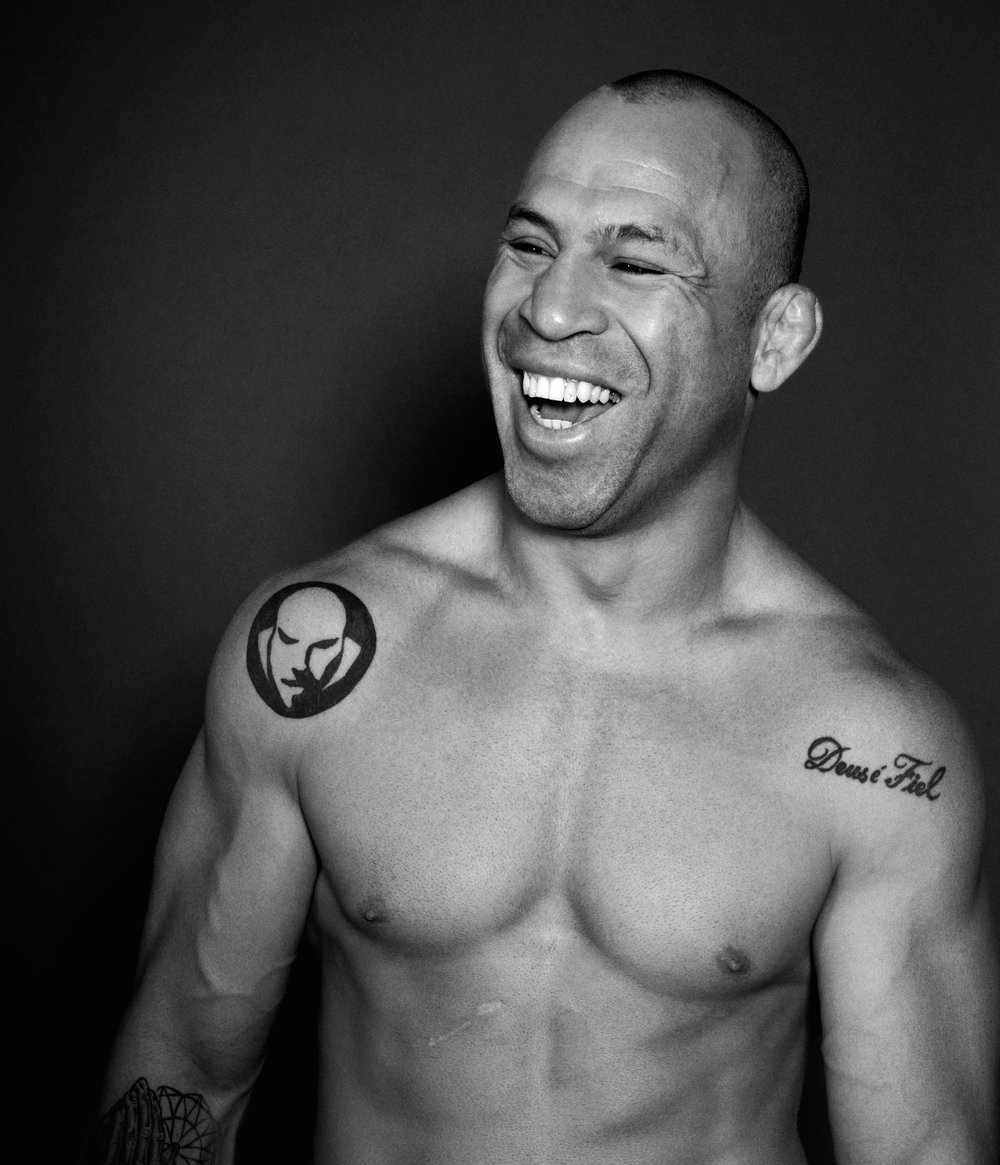
Silva’s shoulder tattoos also include symbols linked to the Wand Fight Team, the gym and training identity he developed after becoming a well-known MMA veteran. A circular, face-like mark appears beside the script in photos. It gives the upper body a focal point among the lines of writing on his arms.
A team tattoo can mean more than the logo. For Silva, the gym represented a place, a circle of coaches, and part of his life outside the cage. If you’re considering a team design, think about what will still matter if the name changes. A symbol for shared work or a place may outlast a logo from one season.
The shoulder is visible in a tank top and easy to cover with a shirt. Its rounded surface suits a bold shape, and open skin can keep the image clear. Beside the script, it creates a contrast between words and graphic forms.
Not every tattoo needs the same style. A round symbol can break up a run of lettering; a small dark mark can give a larger phrase somewhere to rest. The collection feels more balanced when the designs take turns catching the eye.
Layered arm artwork: symbols, script, and the lived-in finish
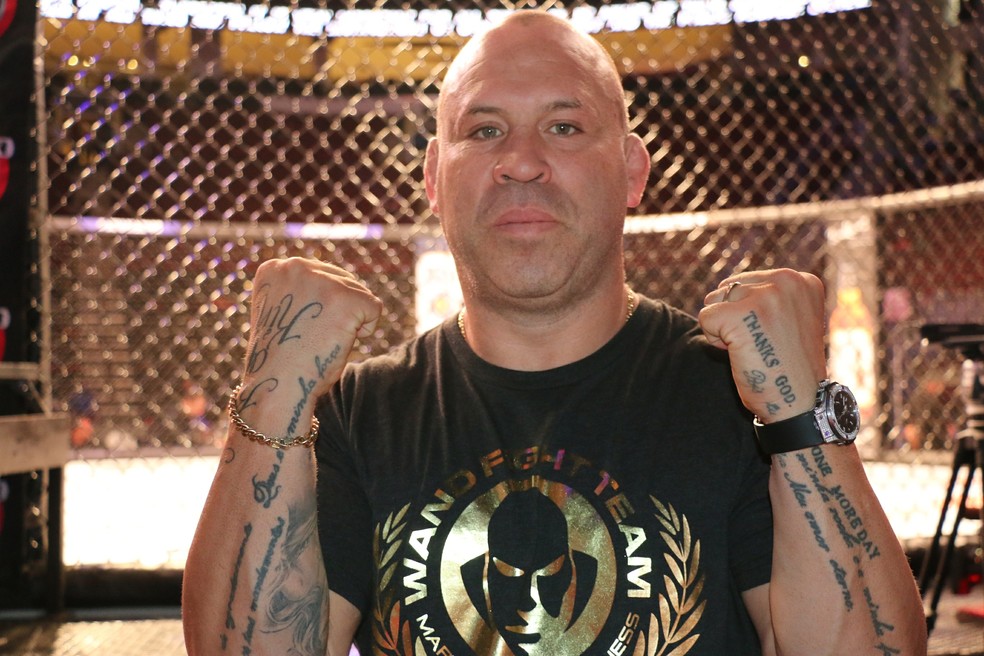
The wider photos show how Silva’s arms have filled in over time. There are lines of text, small symbols, and larger images higher up. The collection doesn’t look like one planned sleeve. It reads like different moments: a phrase tied to faith, a team mark, and words about the mindset of fighting.
You don’t have to fill an arm all at once. Start with the piece that matters most, then add around it when a new idea earns a place. Tattoos can feel connected through their stories even if the line weight or style varies.
The age of the ink is part of what you see in these photos. Some edges have softened, while the strongest words remain clear. Sun, sweat, training, and time change tattoos. Placement and a skilled artist can help them age well, but a fresh studio image isn’t the whole story.
Silva’s collection doesn’t need a complicated explanation to feel meaningful. The words are direct, and the symbols are simple. The reason he chose them, and when they entered his life, gives them context.
His tattoos bring together faith, language, family, team pride, and a fighter’s persistence. If you want something in that vein, choose words that will still matter to you later, give the script room, and let the placement support the design. Avoid copying the exact phrase or symbol; adapt the idea to your own life.
Take your time with lettering. Ask your artist to show healed work, check foreign-language text with a fluent speaker, and look at the stencil with your arm relaxed and bent. Silva’s collection looks like it belongs to him. Your tattoo should feel that way too.