Saif Ali Khan’s most familiar tattoo was Kareena Kapoor’s name in Devanagari across his left forearm. He got it in 2008, early in their relationship. In 2024, photographs appeared to show a dark trishul-style design over the same area. Reports call it a cover-up, but neither its permanence nor its meaning has been confirmed publicly.
Khan has said he first imagined something smaller and more discreet, then chose a much more visible design. The original lettering is well documented; the newer mark is harder to read in the available photos.
Saif Ali Khan’s Kareena forearm tattoo and the trishul cover-up
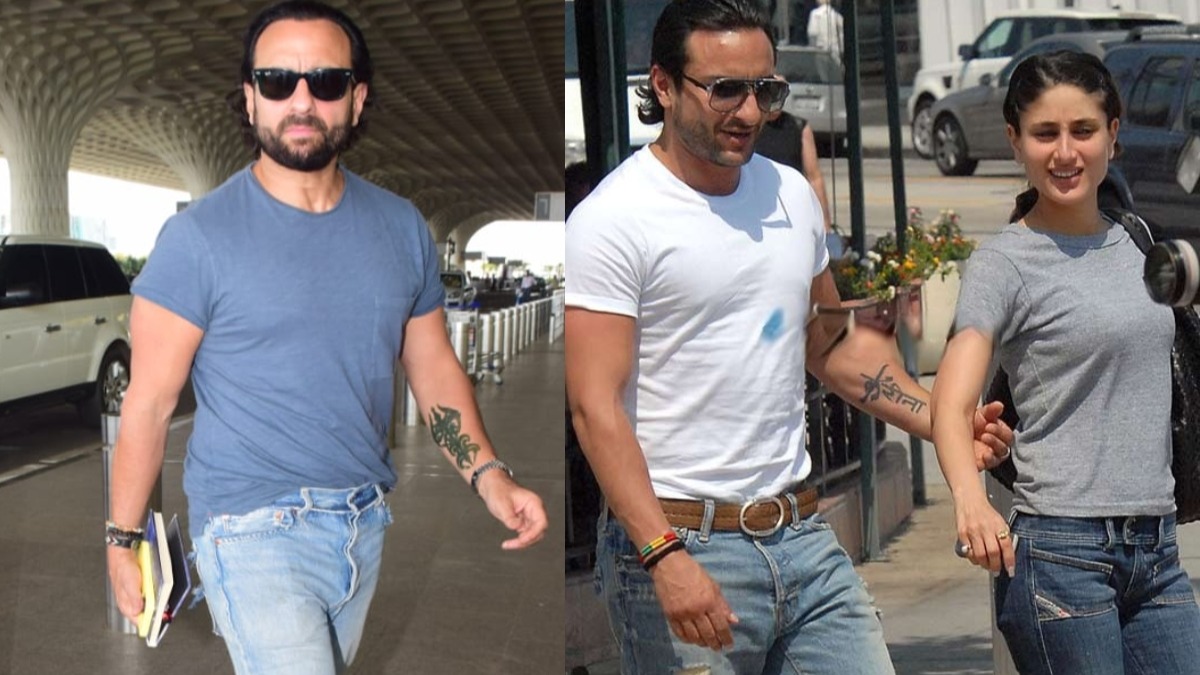
Recent airport photos show dark linework around the lower part of Khan’s left forearm. A pointed shape has been described as trishul-like, but the photos aren’t studio close-ups, and the angle makes individual lines difficult to identify.
The pictures show that the area looks different from the earlier lettering. Reports describe a cover-up, but there’s no public confirmation of when the new design was made or whether it’s permanent. “Apparent trishul-style cover-up” is the most careful description.
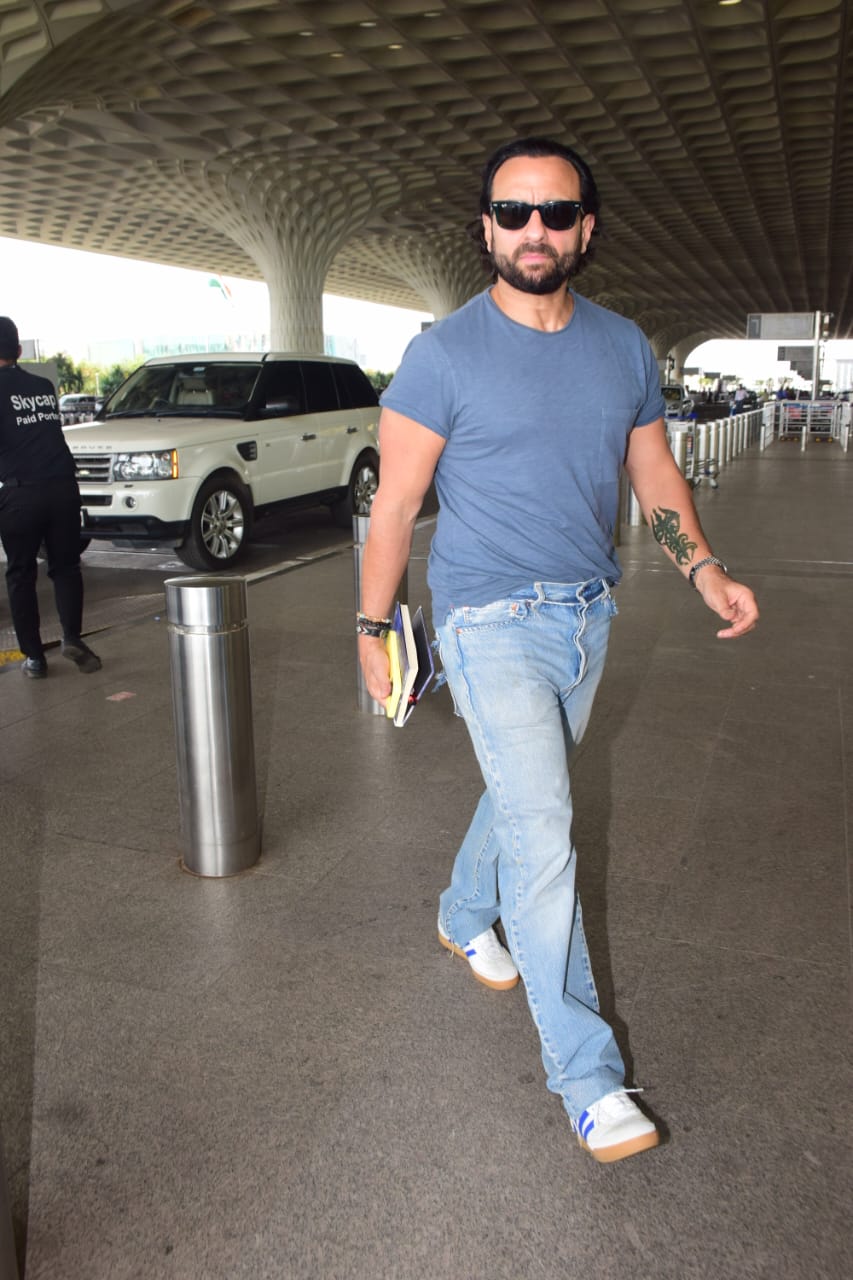
This second view places the design below the elbow. The dark, compact shape has more visual weight than the narrow script that was there before. If it is a cover-up, that heavier ink could help obscure the old letters; the photos don’t confirm the process.
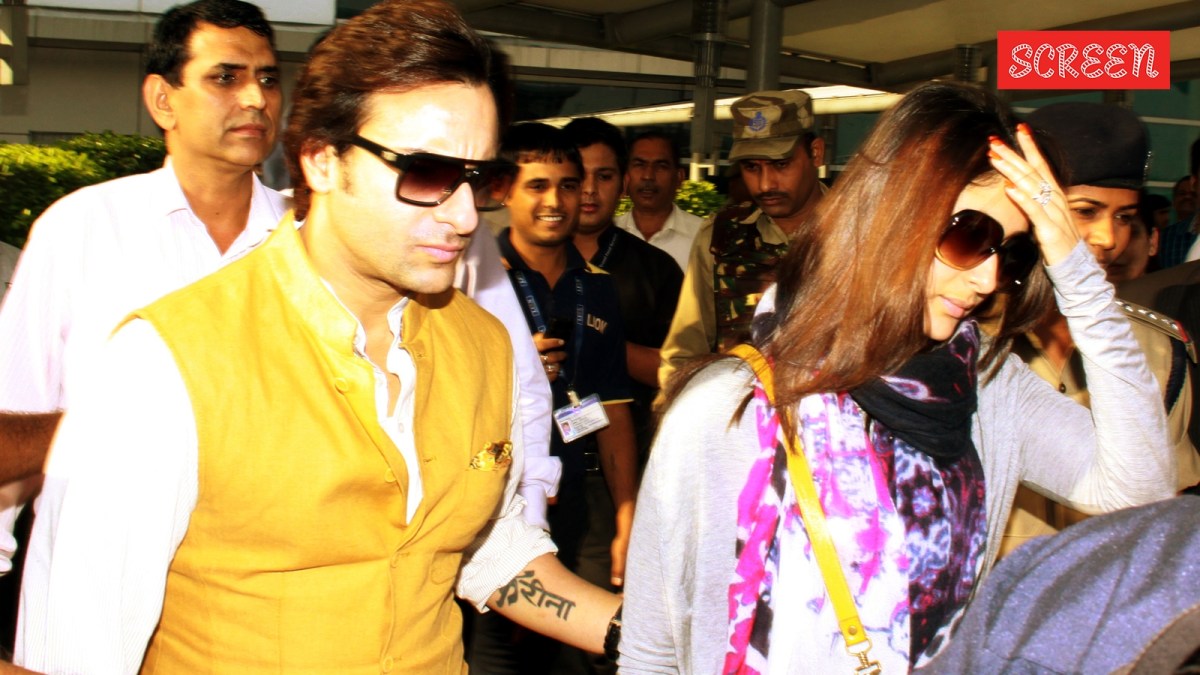
Older pictures show Kareena’s name more clearly in Devanagari across the same forearm. One widely circulated photo shows Khan walking beside Kareena with the lettering visible. He later said he’d first considered a small shoulder design, but the idea grew into her name on his arm.
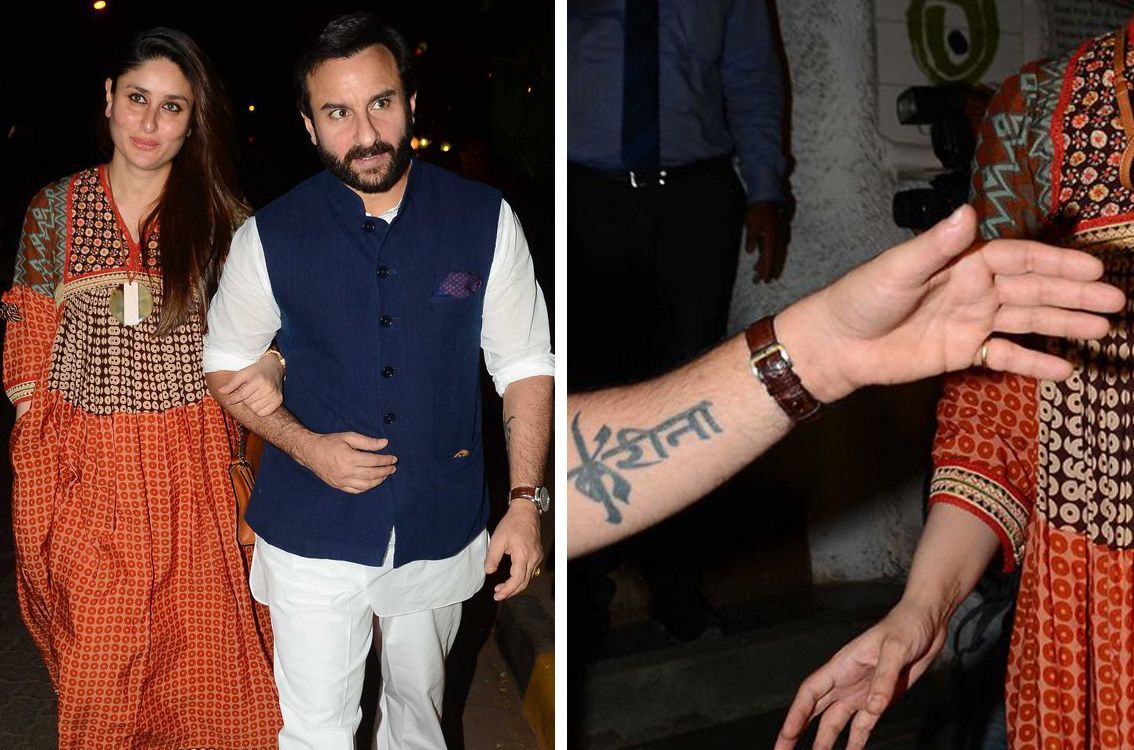
A Vogue India photo offers another view of the original tattoo, though it isn’t close enough to judge the lettering in detail.
Placement lessons from a changing design
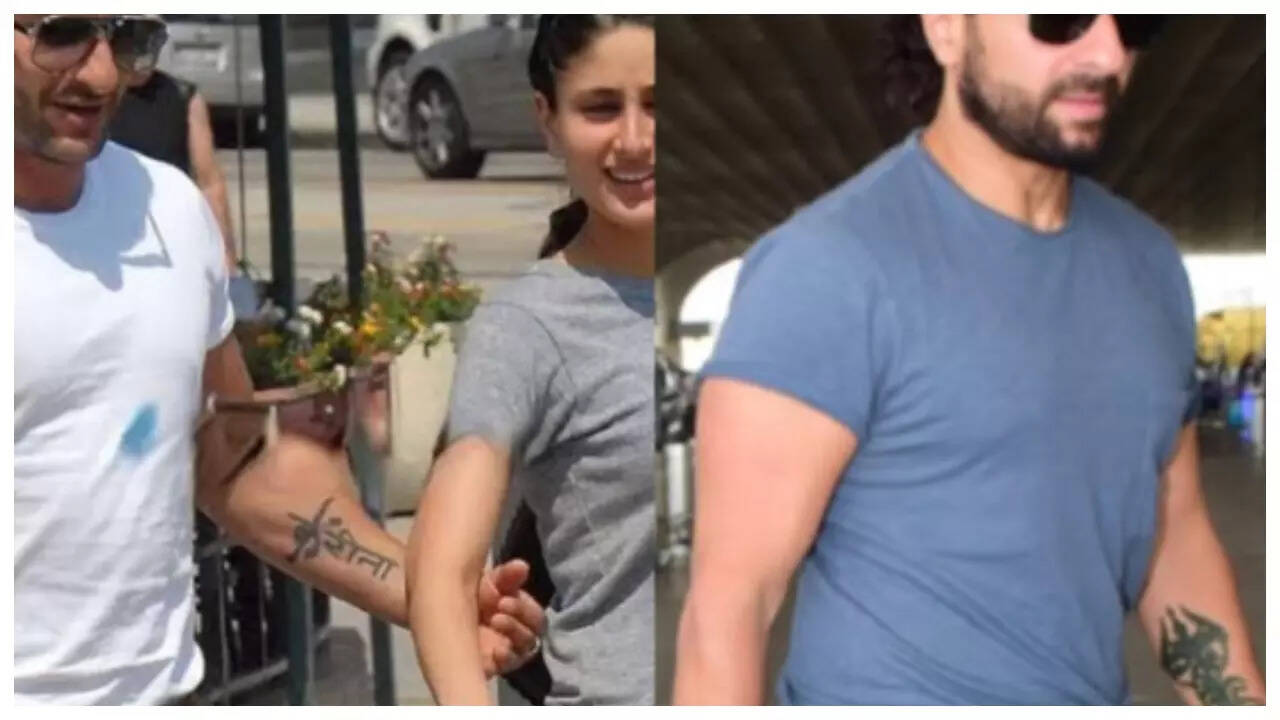
The forearm gives a design a long surface and keeps it visible. It also turns and bends throughout the day, so lettering should be checked from more than one angle. Khan’s name tattoo followed the arm; the newer mark appears denser and more vertical.
If you’re considering Devanagari or another script you don’t read, have a native speaker or trusted language expert check the wording and stencil before the appointment. Connected letters and lines can lose clarity when squeezed into a small space. A translation app isn’t enough for something permanent.
Cover-ups have their own limits. Dark existing ink may call for heavier shading, a larger design or several sessions. The artist has to work with the old lines, not just the shape in a reference photo.
Why the original design was so memorable
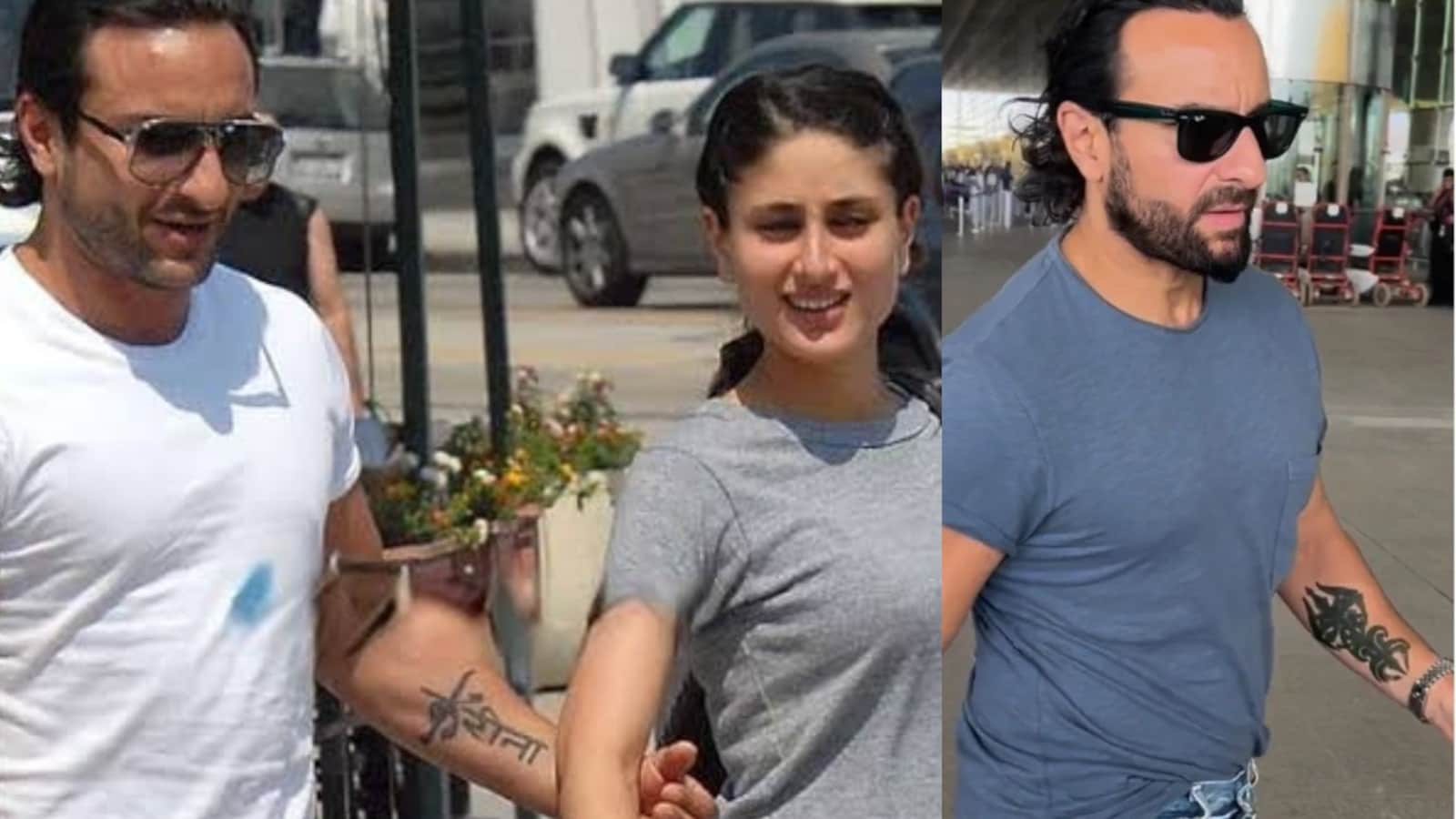
The first tattoo used Kareena’s name, not an initial, date or symbol. That made its meaning clear to anyone who recognised the script, and kept it visible on the forearm.
Khan said the idea grew from something more discreet into a larger gesture. One visible design now sits at two points in their story: the original lettering and the later mark reported over it. If you’re considering a partner’s name, think about whether you’d still want the tattoo if other people stopped reading it as a romantic statement—and where a future cover-up might fit.
A wider look at Saif’s public image
A trishul can have religious or cultural associations, or simply be part of a design, but Khan hasn’t explained what this particular mark means to him. Some reports suggested the tattoo might be for a film role; that possibility also remains unconfirmed.
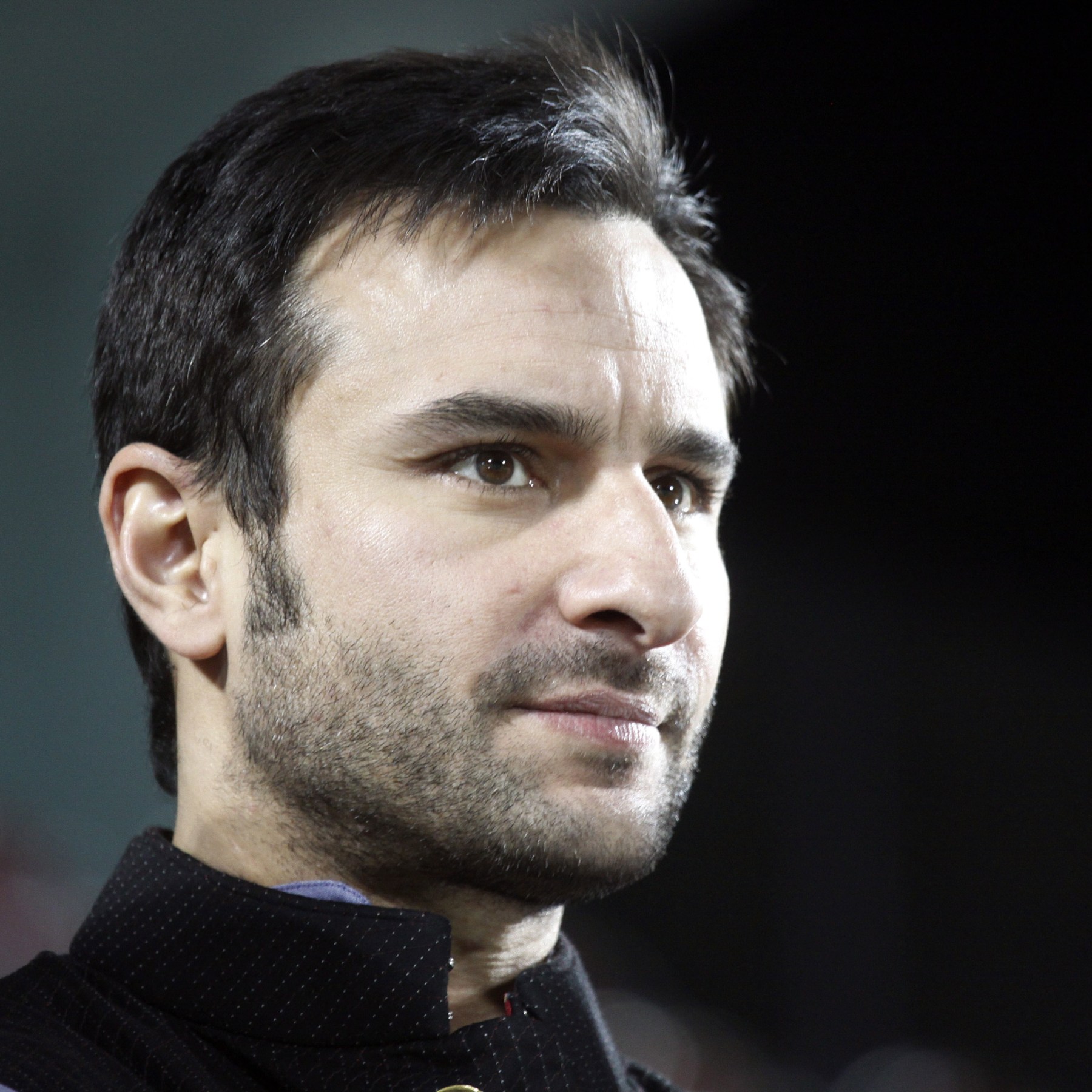
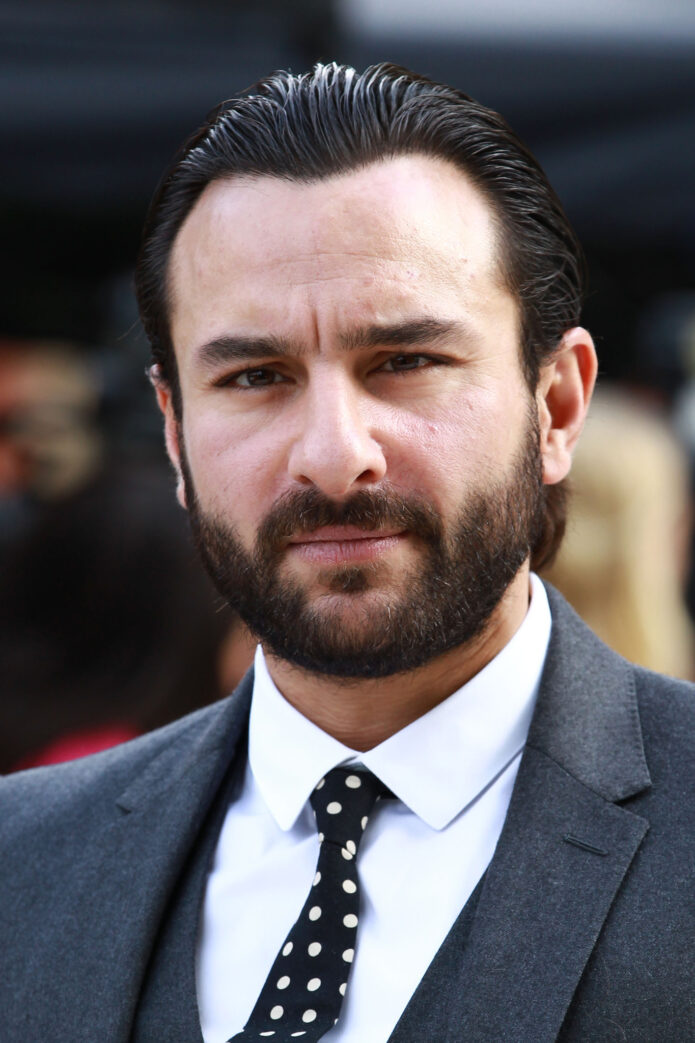
This portrait is contextual and shows no tattoo. Khan’s appearance has changed across different film roles and public settings, but the photo doesn’t explain the forearm design.
A second contextual look at Saif’s style
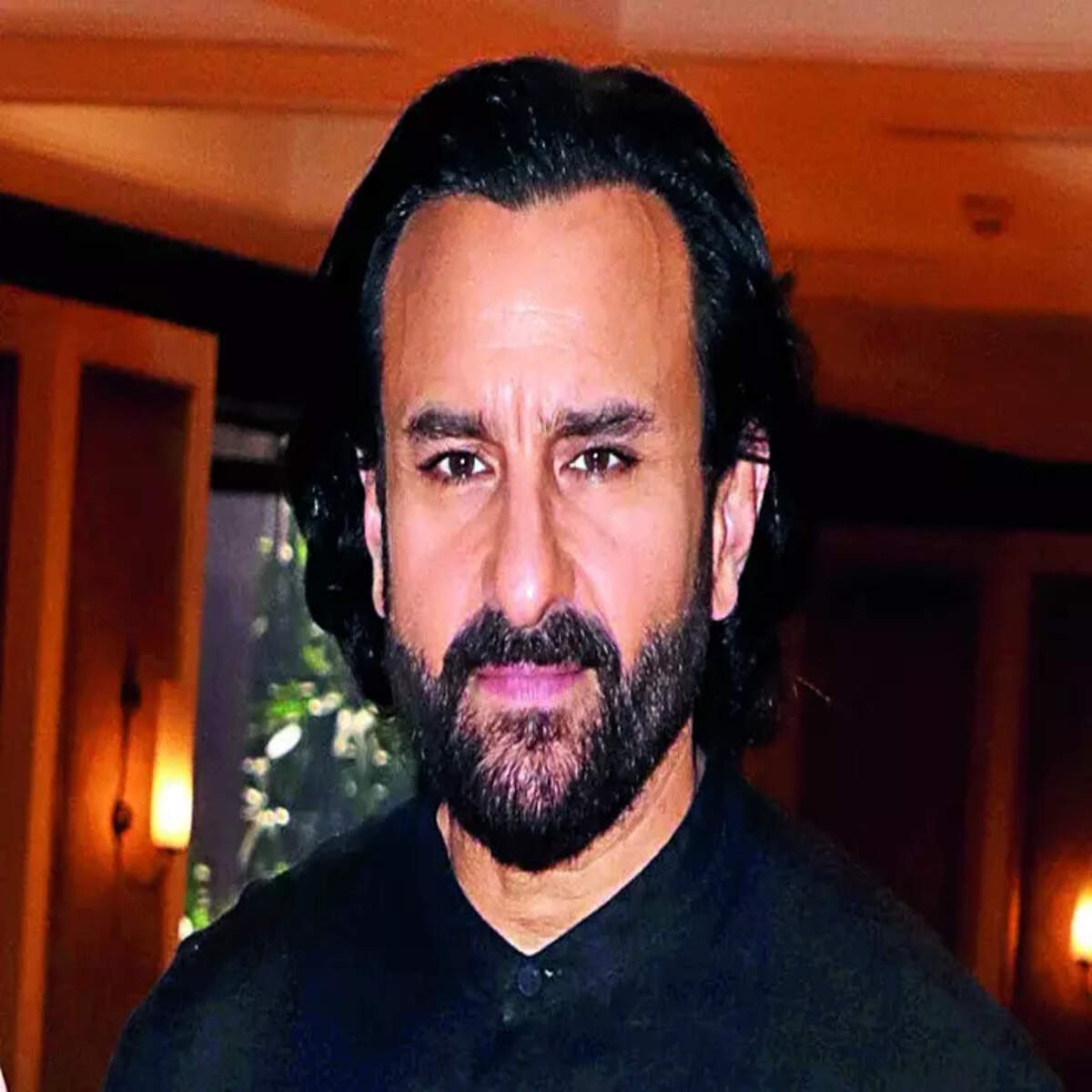
There’s no tattoo visible in this portrait either. Other public photos catch Khan’s forearm briefly under a rolled sleeve or beside a watch; those glimpses helped make the ink recognizable, but they don’t replace a clear tattoo photograph.
What this story leaves you with
The photographs document the old lettering and the darker design that followed. They don’t tell us what the newer mark means; that part is Saif’s to explain.
One thought on “Saif Ali Khan Tattoos: The Kareena Name Ink and the Trishul Cover-Up”