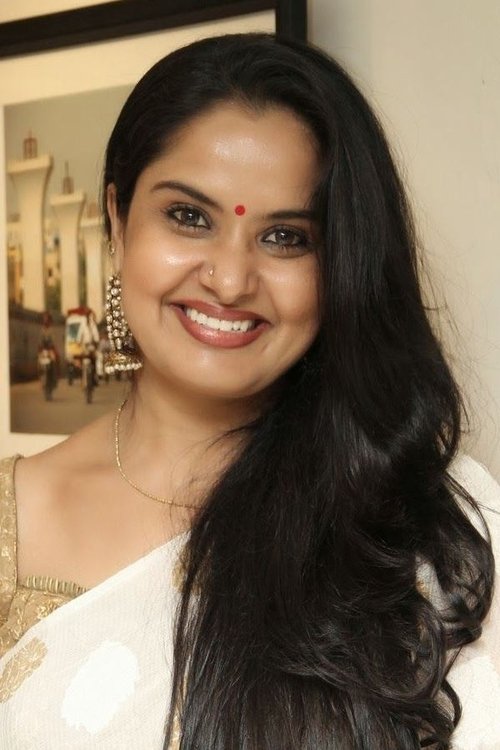
Pragathi Mahavadi has said she got the sunburst tattoo on her upper arm to cover a childhood scar from a vaccination complication. She was tired of people asking about the mark. After the tattoo, the questions shifted to the artwork instead. The change gave her more say in how people saw the area.
Pragathi Mahavadi’s scar-cover tattoo
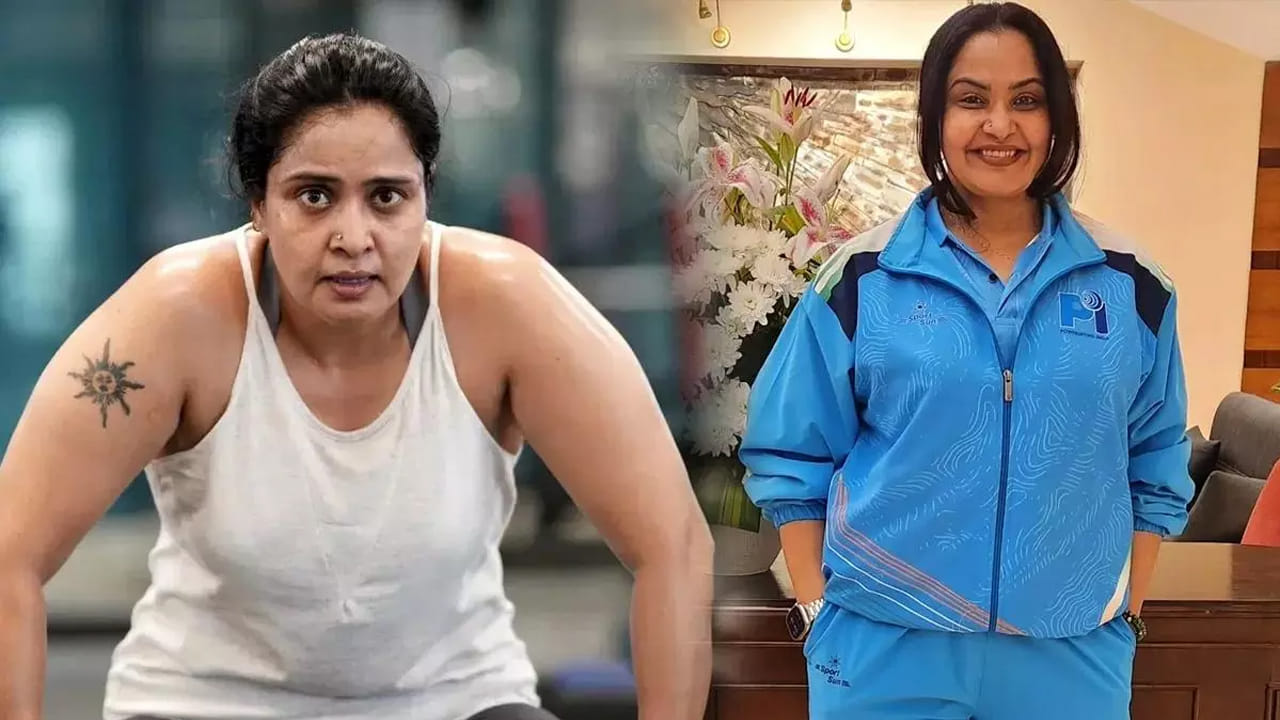
The clearest photo shows a dark, sunburst-like design on Pragathi’s upper arm: a round center with pointed rays spreading outward. Its lines have a slightly weathered, hand-drawn look. Her account explains the cover-up, but doesn’t identify the artist or assign a meaning to the sunburst itself, so the shape is best described by what the image shows.
The radial design has a strong outline and gives the eye a clear focal point. It’s a bold piece, but it doesn’t extend into a full sleeve. The design can be appreciated on its own as well as understood in the context of the scar underneath.
Why the reason behind the cover-up matters
Pragathi has described the original scar as the result of a septic complication after a childhood vaccination. The repeated questions about it made her uncomfortable. She said that after covering it, people asked about the tattoo and complimented the artwork instead.
The tattoo didn’t erase what happened. It changed the conversation and became part of her identity. A cover-up can be art and a way to set a boundary around a personal history; the wearer doesn’t owe strangers an explanation of the scar.
The image is bold without being oversized
The central circle and outward rays make the tattoo easy to recognize without taking over the whole arm. The dark linework creates a strong silhouette, and the upper-arm placement leaves room around it. There’s no reported artist or confirmed symbolic meaning beyond the cover-up, so the sunburst should not be given a deeper story on her behalf.
Pragathi’s powerlifting chapter
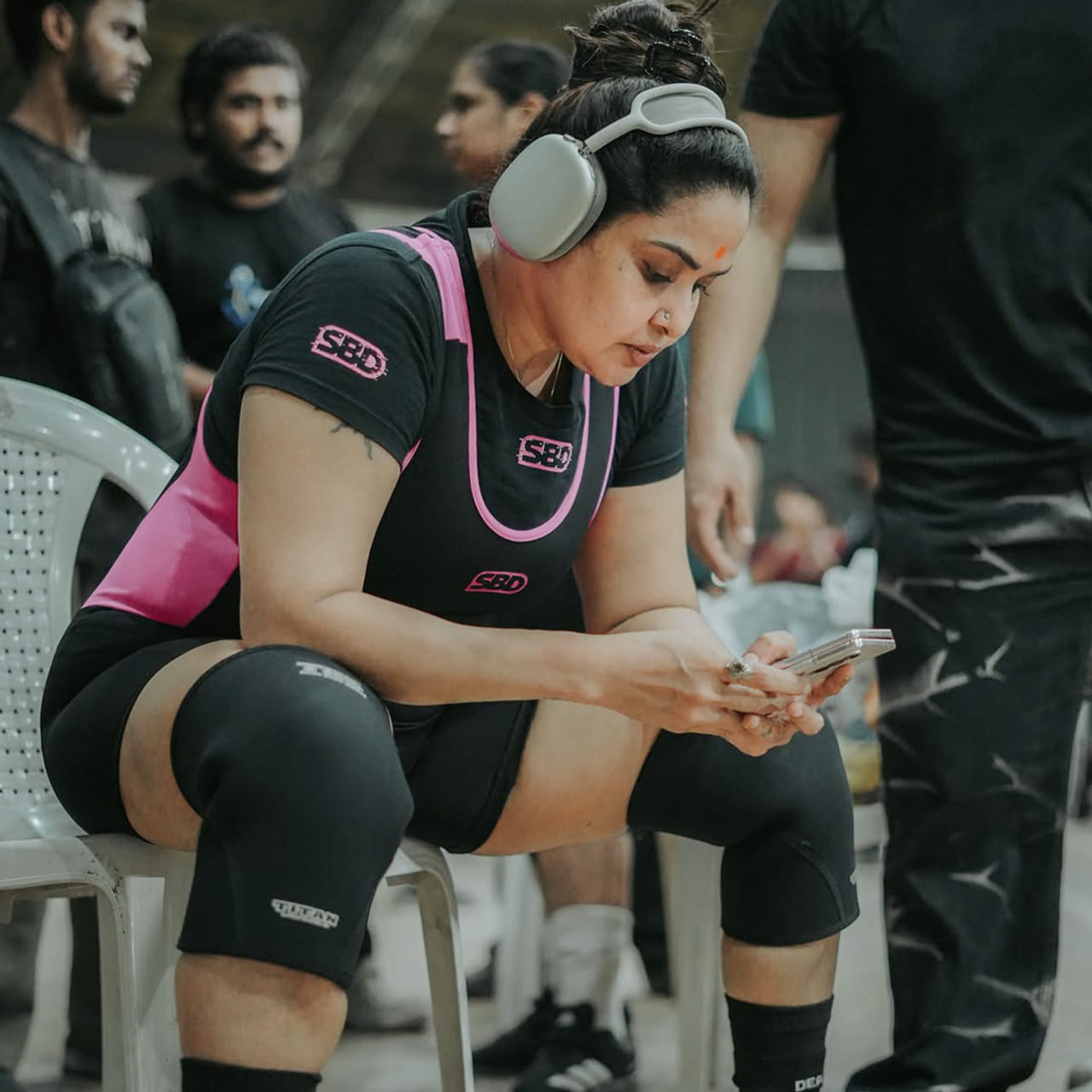
In this venue portrait, Pragathi sits in a black-and-pink lifting kit with headphones on and her phone in hand before the competition. She has earned medals in national and international events, including the 2025 Asian Open and Masters Powerlifting Championship in Turkey. The photo gives context for her sporting life; it isn’t a close view of the tattoo.
Training gives the story a different setting
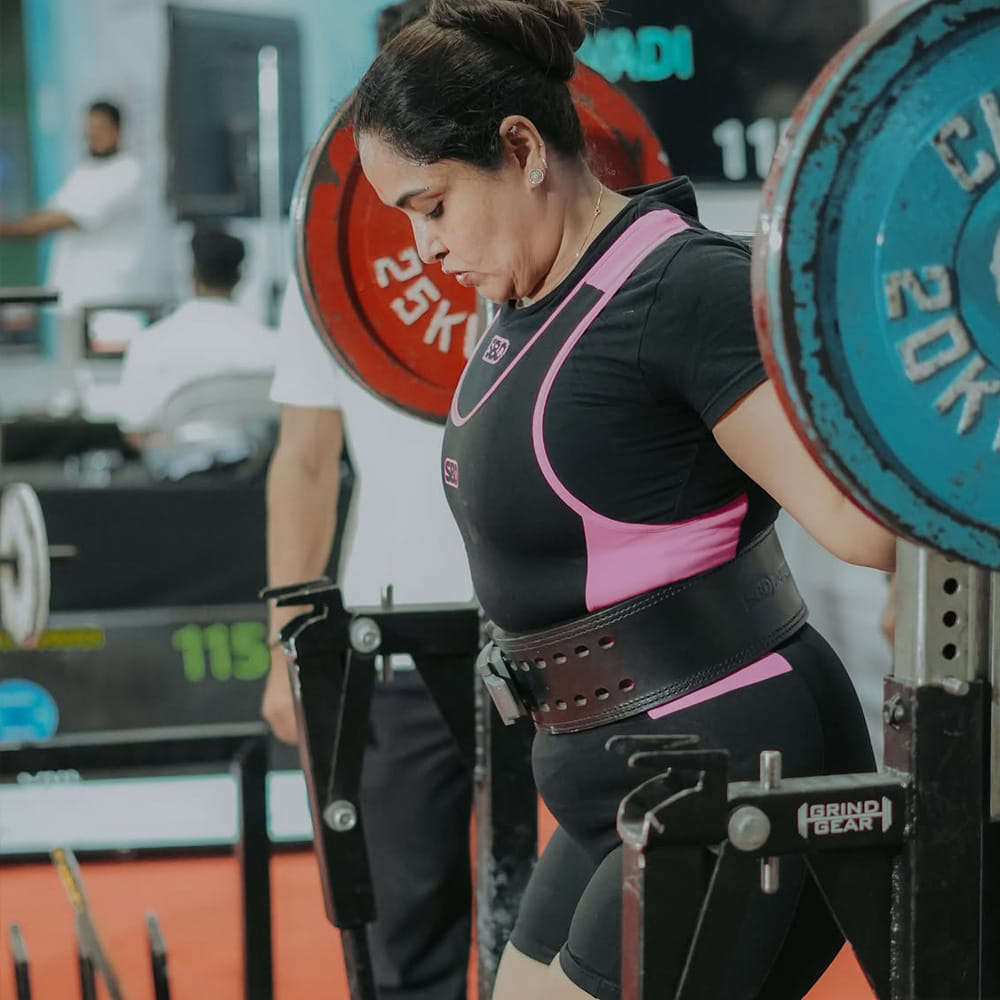
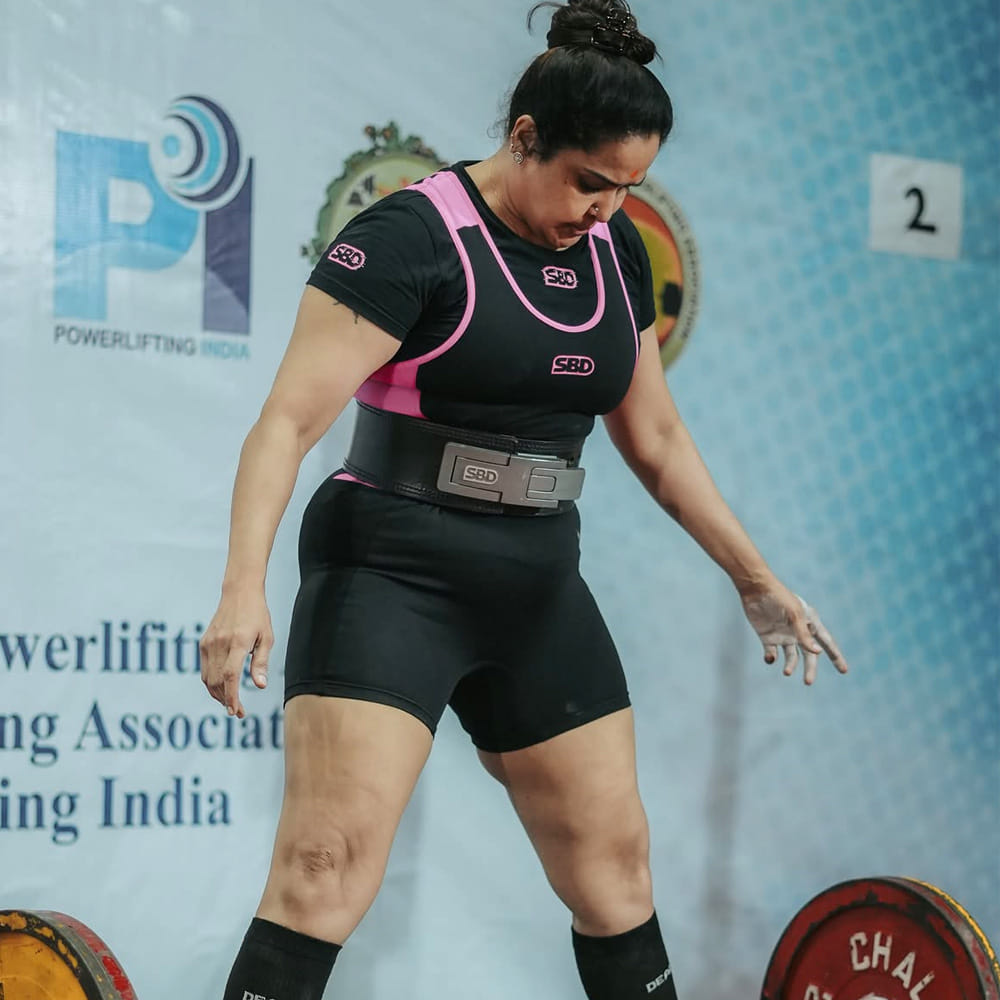
Here, Pragathi is under a loaded bar with a lifting belt secured around her waist. The frame is about the equipment and her concentration, not the tattoo. It shows a different setting for the same arm: sportswear, plates and the demands of training rather than an interview or posed close-up.
A competition moment beside the bigger story
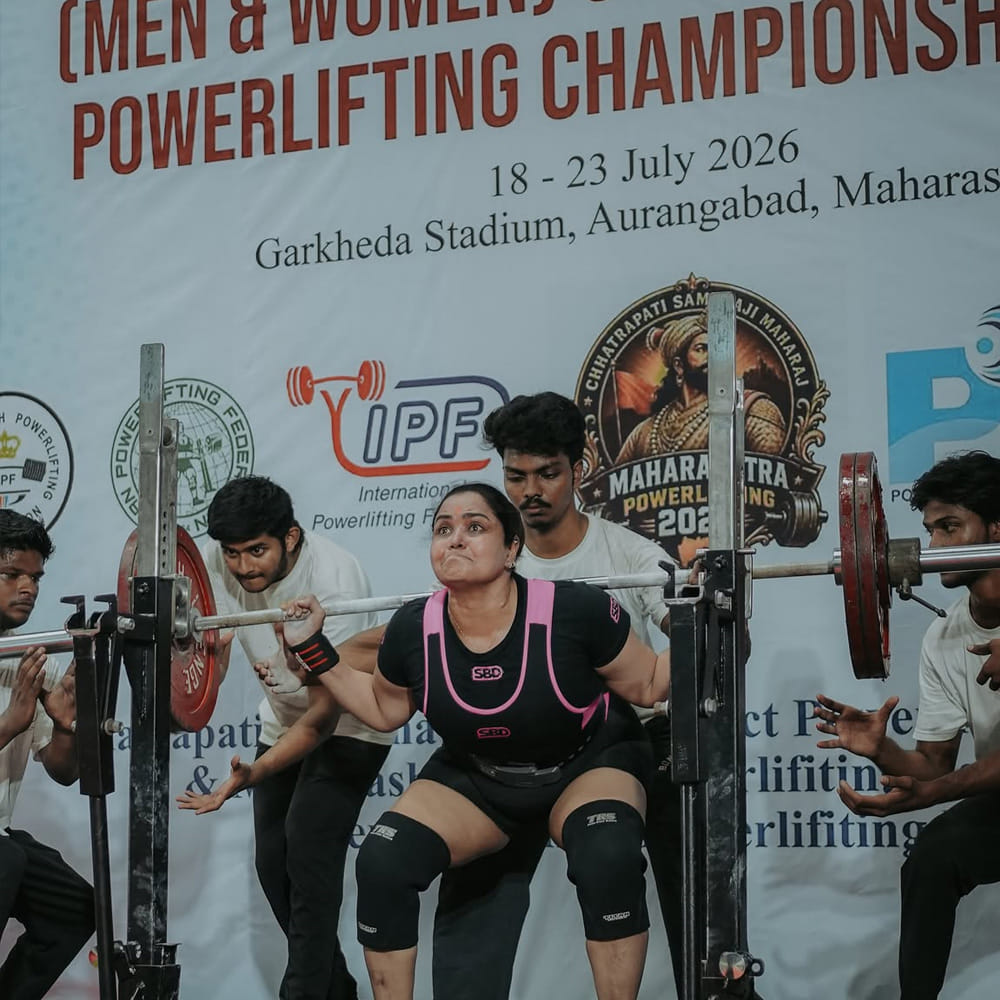
Spotters surround Pragathi as she reaches the bar in this competition shot. The image doesn’t confirm tattoo details, but it places the arm piece in a scene from her athletic life. A tattoo first chosen to cover a scar can take on other context as the wearer’s life changes.
The balance between strength and softness
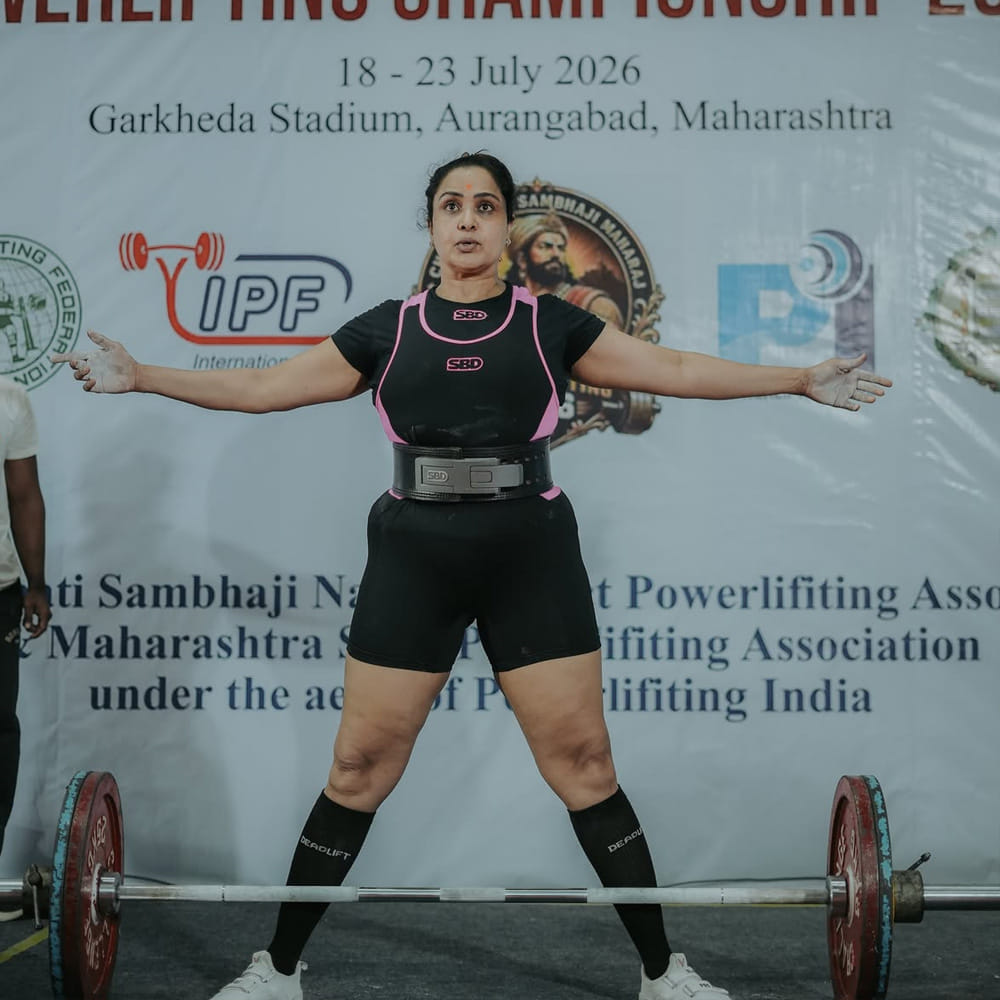
Pragathi stands at the venue with her arms out and a barbell at her feet. The image is contextual rather than a close-up of the tattoo, but the pose shows her at ease in the competition setting. A radial design like hers gives an artist a strong center and lines that can be adapted to the shape of an existing scar.
This final venue photo adds more context to Pragathi’s powerlifting chapter; it doesn’t provide another view of the tattoo.
What to ask before covering a scar
A scar can be raised, sunken, shiny, tight or uneven, and the skin may feel different from the area around it. Before booking, ask an experienced tattoo artist whether the tissue is suitable for the design and whether they have worked with similar scars. If you have questions about the scar’s condition, talk with a qualified medical professional rather than treating tattooing as medical care.
Explain whether the area is painful, numb or sensitive, and give the artist time to adapt the design to the skin. A reference photo can start the discussion, but the final shape may need to be widened, simplified or turned to fit the scar.
It’s also worth asking whether you’d still want the design if the scar weren’t part of the decision. A cover-up can solve a practical problem, but the new artwork should be something you’re happy to keep.
Why Pragathi’s choice feels personal
Pragathi’s story doesn’t need an invented legend: a childhood injury, unwanted questions and a decision to change what people noticed first. The sunburst covers the old mark, but it also works as a design in its own right.
Her acting and powerlifting put her in public view in different ways. The tattoo appears alongside both, no longer only as a response to the scar. Its meaning includes the choice she made about how to present that part of herself.