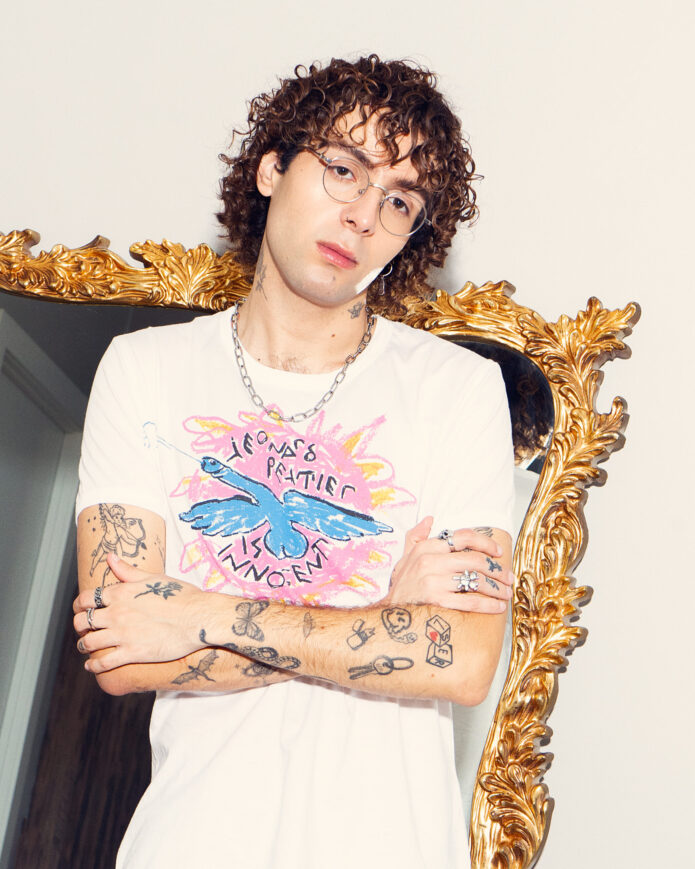
Nicolas McCoppin talks about his tattoos as a project still in progress, more like an album being made than a finished collection on a wall. The New York pop artist has 37 tattoos, and he sees the patchwork as another creative outlet: personal pieces, visual ideas and small details that make sense when you look at them together.
That approach makes his ink fun to follow. There’s no single sleeve or theme running from shoulder to wrist. Instead, he has small hearts, hand tattoos, music references, cartoon characters, fine-line drawings and darker blackwork. Some mark an era in his music; others were simply designs he wanted to keep. The overall effect is more scrapbook than matching set.
In a detailed tattoo interview with V13, McCoppin discussed where he began, how his style changed and why his body art stays connected to his music. Here’s what’s documented about the designs that can be clearly identified.
His first tattoos started with a rose, a heart and a moon
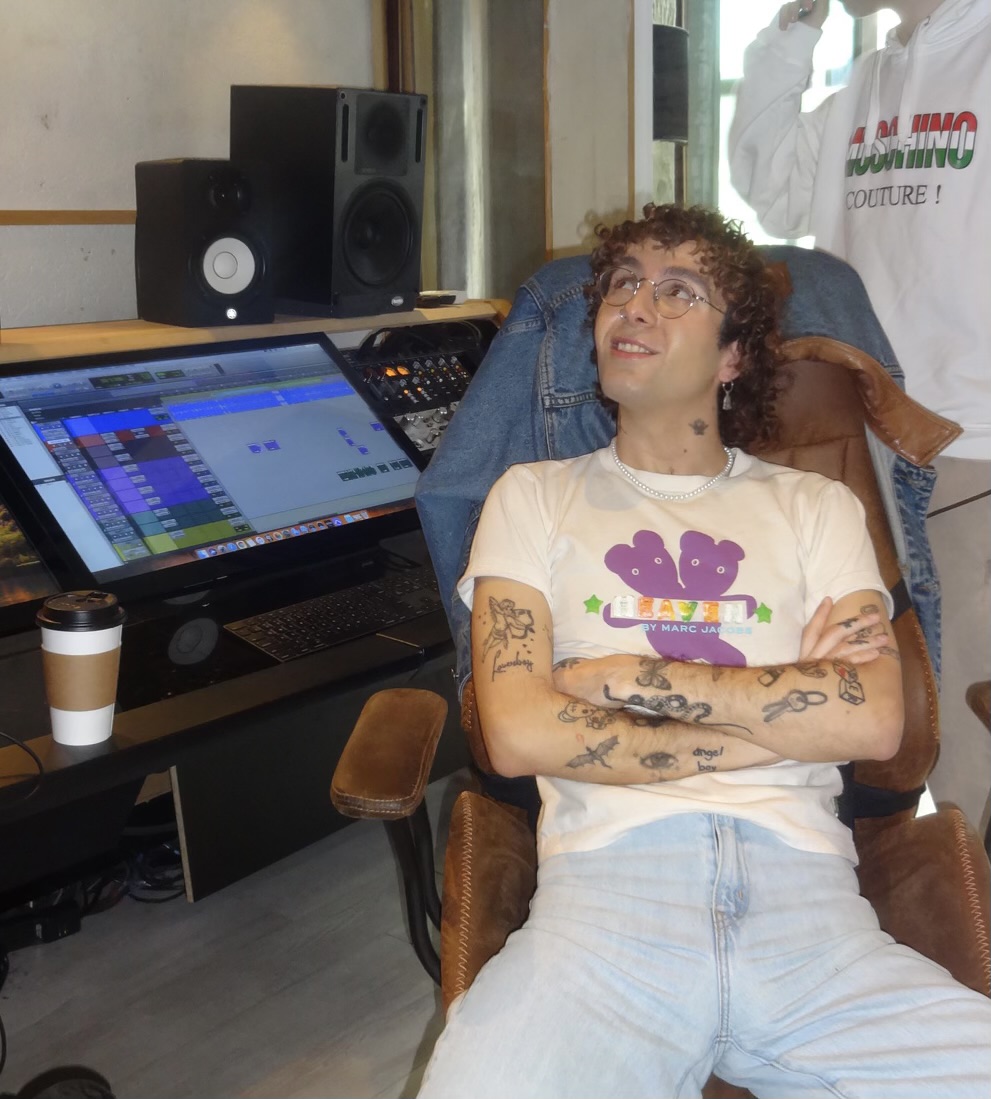
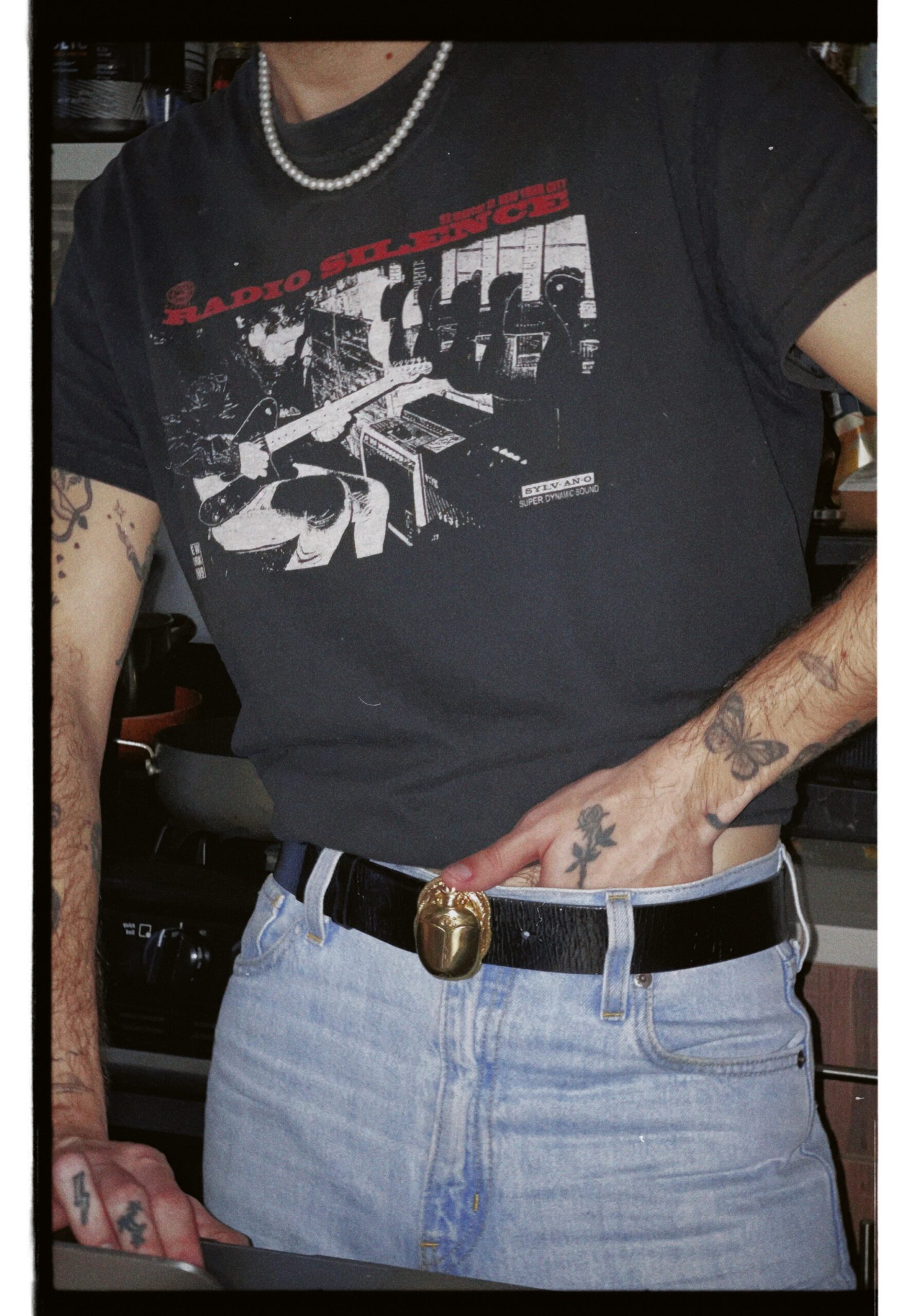
McCoppin got his first three tattoos at 18, all on his hands: a rose, a heart, and a moon with stars. He says they were outlines, which fits the open, light look of much of his early work. The heart meant the most to him. Before making it permanent, he tried the same design in henna on the same finger while he was still in high school.
That little test says something about how he thinks about tattoos. He wasn’t picking random flash just to have ink; he wanted to see if the image would still feel right after the novelty wore off. It did. He still talks about those first hand pieces with affection, and the heart became a quiet thread running through the rest of the collection.
The placement helps explain why his tattoos show up so clearly in photographs. Even in a T-shirt or sitting in a studio, his fingers, hands and wrists are on display. These aren’t hidden away; they’re part of how he gestures, performs and moves through a room.
The tiny hearts became an ongoing game
The heart from his first session didn’t stay on its own. McCoppin told V13 he now has more than 70 tiny hearts tucked into different tattoos. They aren’t necessarily 70 separate appointments or matching little stamps; they recur within larger designs wherever they work visually.
He describes the hearts as a kind of game between him and his artist. That takes the collection out of the solemn territory of the usual celebrity tattoo story. Some hearts are personal; others may be there because the shape has become part of his own visual language. Once you know to look for them, they turn into a small scavenger hunt across his arms and hands.
The repeated shape also gives a rhythm to a collection full of one-off images and music references. The hearts are the closest thing the patchwork has to a chorus. Since they grew out of his first hand tattoo, they make the collection feel as if it developed naturally instead of being planned from the start.
Music is drawn directly onto his skin
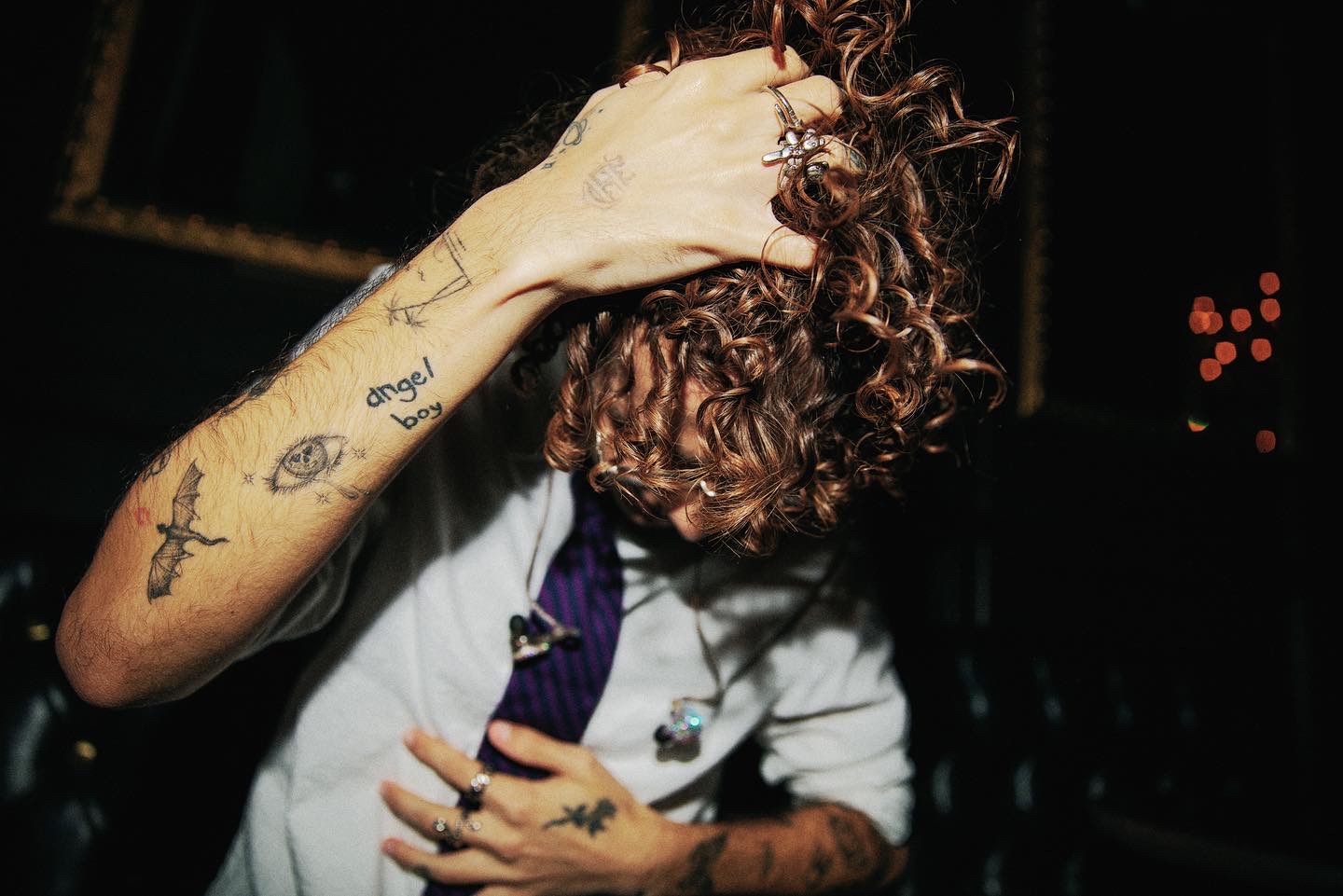
McCoppin likes dedicating tattoos to music. One clear example is the cover art for Loverboy, his first project, which he had reproduced on his right arm. The release became something he could carry on his skin, and he used the tattoo reveal to tease the project’s name before the music came out.
That’s a more personal connection to an album than putting the title on merchandise. The design becomes part of his own timeline; in a photo, it’s both an image and a piece of career history. The right arm is a fitting place for something he wants people to see when he’s performing or posing.
He kept the tradition going. In the interview, McCoppin says he would tattoo a new record onto himself before its release. At the time, he had another album on the way and was still deciding what the next piece would look like. Since he didn’t describe the finished design, it’s best to leave that chapter open rather than guess.
The Dangerous Woman character sits on his chest
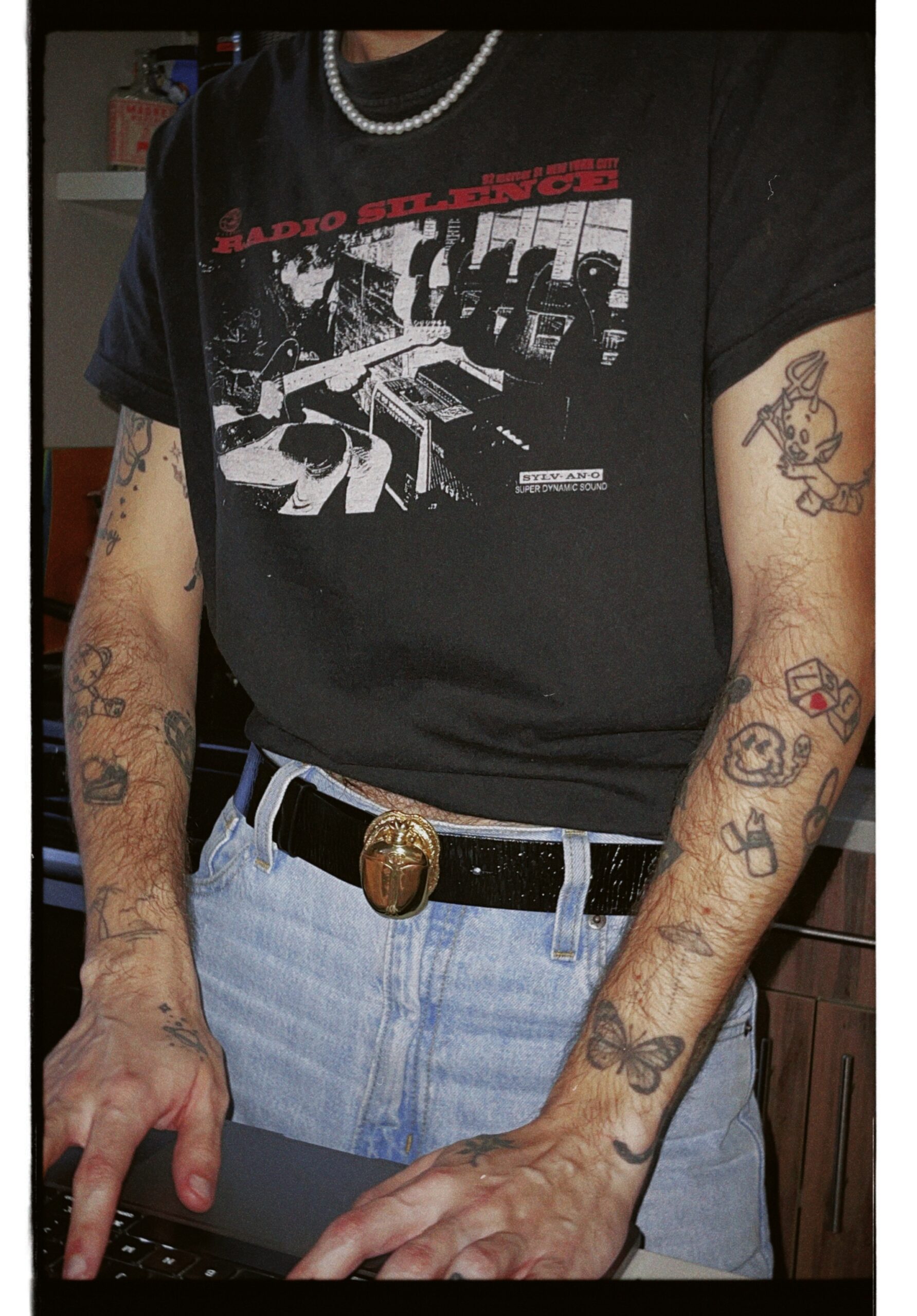
One of McCoppin’s more specific pop-culture pieces is a cartoon version of Ariana Grande’s Dangerous Woman character on his chest. Grande is one of his favourite people, so it’s a personal reference, not just a random celebrity portrait. The character connects to Grande’s appearance in a Final Fantasy game in 2017, though McCoppin says he has never played it.
It’s a good example of why a full tattoo guide needs more than a quick image search. A photo can show a cartoon figure, but it can’t tell you why it’s there. Here, the meaning comes from McCoppin’s admiration for Grande and his liking for the character’s look. It’s playful, a little niche and typical of how he turns pop imagery into something personal.
The chest gives the character a more deliberate spot than a small hand or wrist mark. It has a central place in the patchwork even as the rest of the collection stays mixed. It may look like a fan tattoo, but McCoppin talks about it with the same care as his music-related pieces.
McCoppin describes his style as a mix of blackwork and fine line. For years he mostly chose fine-line designs; a first blackwork piece with Nico Delgrosso shifted the balance. The lighter outlines let the patchwork breathe, while blackwork adds weight. Since 2020, he has worked exclusively with Nico Delgrosso in Brooklyn, and says the artist takes his ideas and elevates them. It feels less like ordering a design and more like building a visual record together.
The arms and hands carry most of the visible map
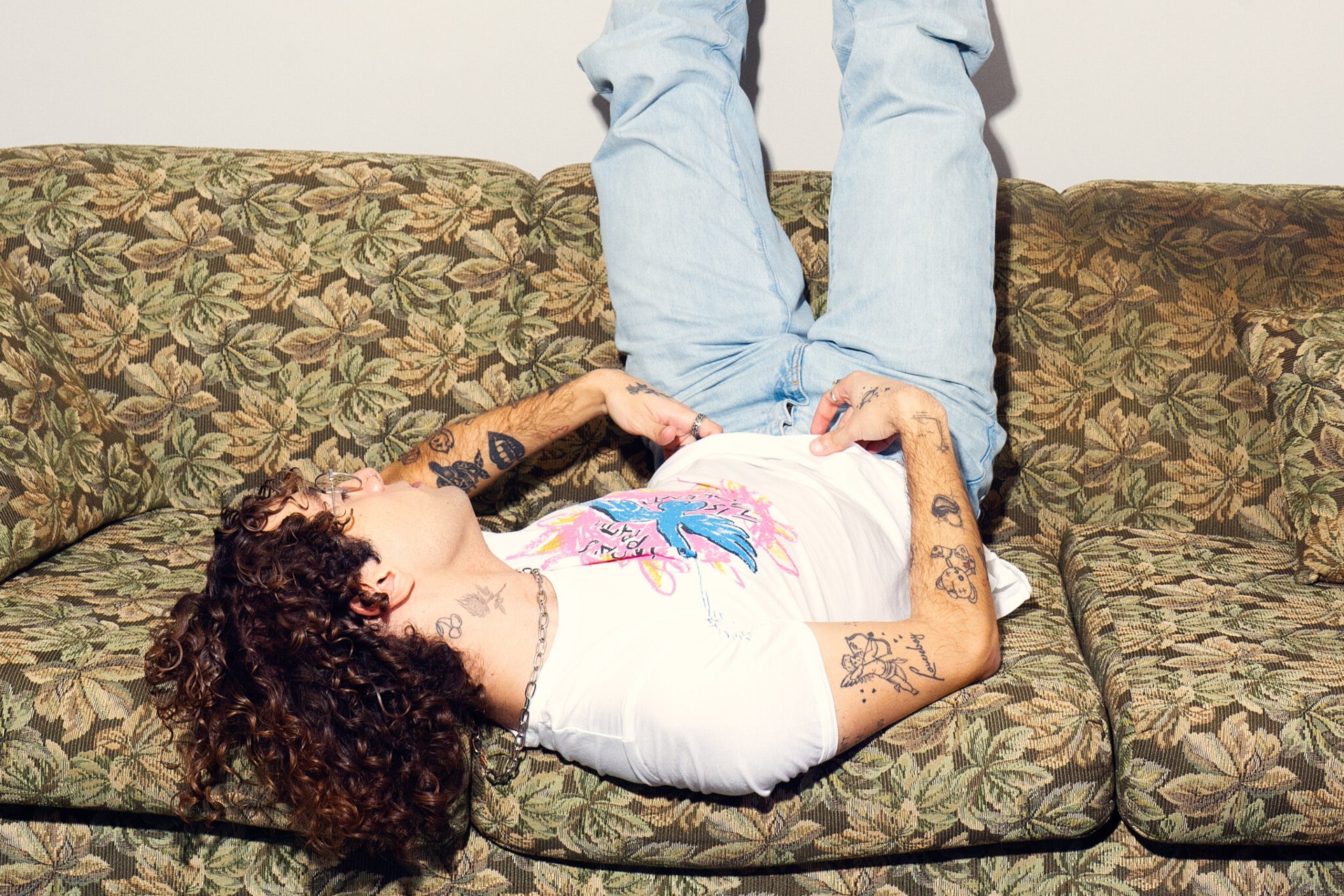
In the available portraits, the arms and hands are the easiest places to follow the collection. Outlines, small symbols, lettering, hearts, figures and heavier patches appear on both sides. Close-ups show how the pieces sit beside one another instead of merging into a single sleeve. Some areas are busy; others leave enough bare skin for each design to stand out.
The hands remain important because they hold the earliest tattoos: the rose, heart and moon with stars. The forearms add later layers, including music-related work and the darker style he adopted over time. His neck is tattooed too, and he has said it and his chest were the most painful places to work on. That gives the placement choices a physical side: the patchwork is shaped by how each session felt, not just the finished look.
McCoppin hasn’t covered anything up so far. He likes the tattoos he has, with one possible exception: a design from a $50 flash spot in Brooklyn that healed blown out. Even then, he talks about it with humour instead of regret. The collection can include polished ideas, spur-of-the-moment choices and imperfect results without losing its personality.
What the collection says about Nicolas McCoppin
It would be easy to turn 37 tattoos into a list of objects, but the more interesting story is how McCoppin uses them. His body art holds career milestones, favourite characters, recurring hearts and experiments he wants to keep close. It also records the shift from fine-line work toward blackwork and his long-running partnership with Nico Delgrosso.
Some details are clear: the first three hand tattoos, the Loverboy cover art on his right arm, the Dangerous Woman character on his chest, the 37-tattoo count and all those tiny hearts. Other parts remain less specific. Not every mark has a published explanation, and a photo alone doesn’t justify inventing one.
That restraint fits McCoppin’s own description of the collection as an art project. Some pieces are deeply personal; others are there because they look good or connect to a song or album. Together, they form a visual diary that can keep changing as the music does.
His tattoos don’t look like a finished identity. It feels as if the next track is always waiting.