
Photos from early concerts through the 2026 Pop Rock Tour show tattoos across Melendi’s arms, hands and neck. The angles vary: one image lays out the forearm coverage, others bring the hand or neck closer. The pictures leave some designs too small to identify.
The six tattoo photos come from La Nueva España in Oviedo, a Vanitatis retrospective, Los 40, Hola and two Cadena Dial features. They show different stages and angles, from the spread along his arm to smaller hand and neck marks. WOW La Revista’s face-visible portrait stays separate as an identity image. Melendi has said he got his first tattoo young; he has discussed family names and considered changing older designs, while other motifs remain unexplained.
The concert close-up makes the scale of the arm collection clear
La Nueva España photographed Melendi at his first Oviedo concert. He is in profile with a microphone and one arm raised; dark and gray tattoos run from his wrist toward his upper arm. This is the clearest image for seeing how much of the arm is covered.
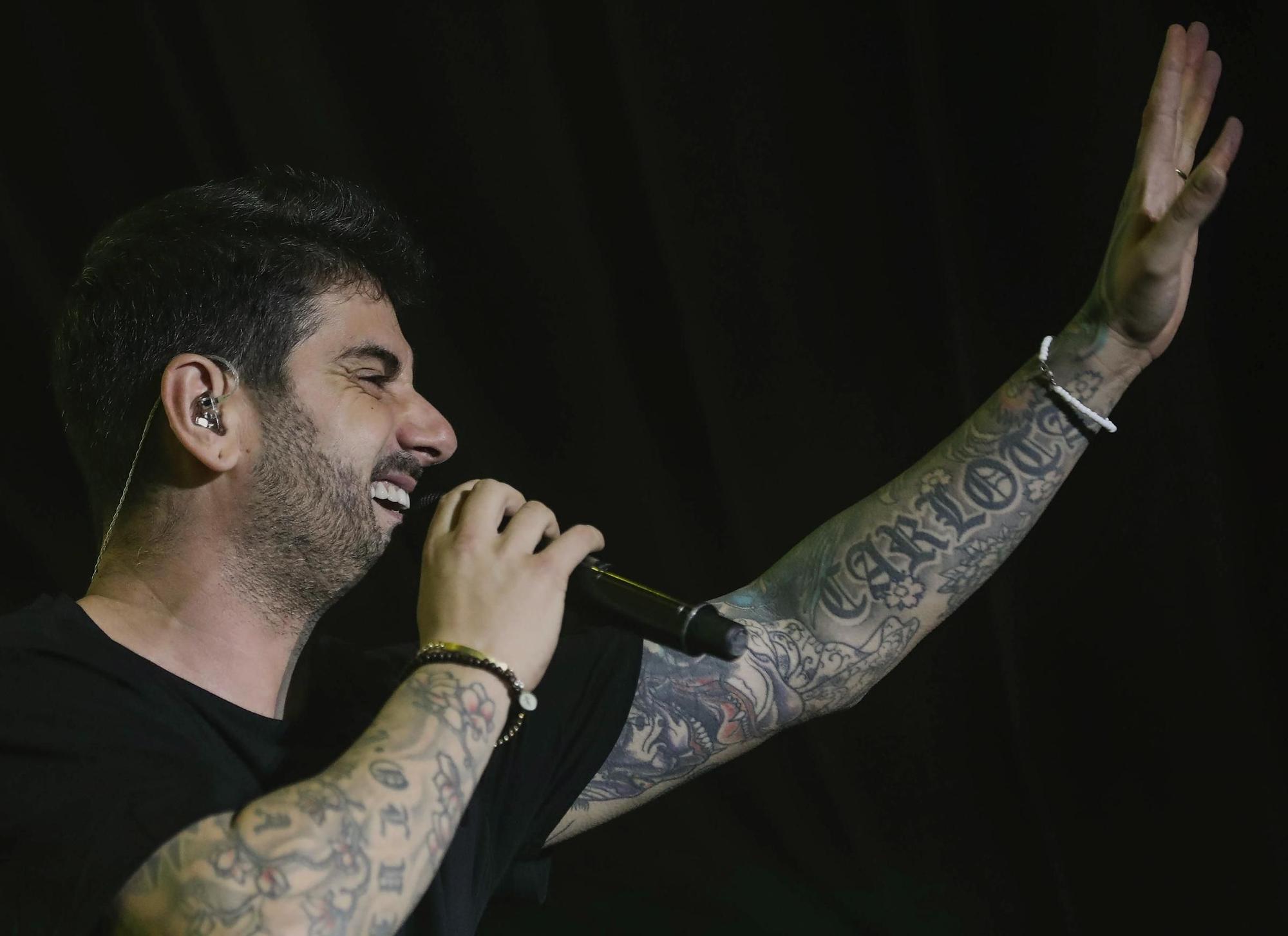
With the arm raised, lettering, shaded areas and smaller motifs can be seen together from wrist to upper arm. The image shows their scale and how closely the pieces sit, but not their private meanings.
The elbow bends around the microphone, so the arm is not displayed for a posed portrait. Even so, most of the tattooed area stays visible. That makes this frame useful for judging overall coverage; the closer portraits later in the article show finer detail.
An older stage photograph shows the tattooed arms in motion
A Vanitatis retrospective shows him in a sleeveless white shirt under stage lights, reaching out with his microphone. Both arms are bare, and the pose differs from the Oviedo shot. It gives another period and a wider view of the arm work.
The moving pose stretches the skin and changes how some lines look; thin marks are harder to read at this distance. Antena 3 and later interviews say he got his first tattoo when he was young, and some designs relate to women in his family.
The photo itself does not identify those names or establish their meaning. Its sleeveless shirt also leaves his torso and back out of frame, so it shows the arms rather than his entire collection.
A red-lit performance reveals the neck and hand details
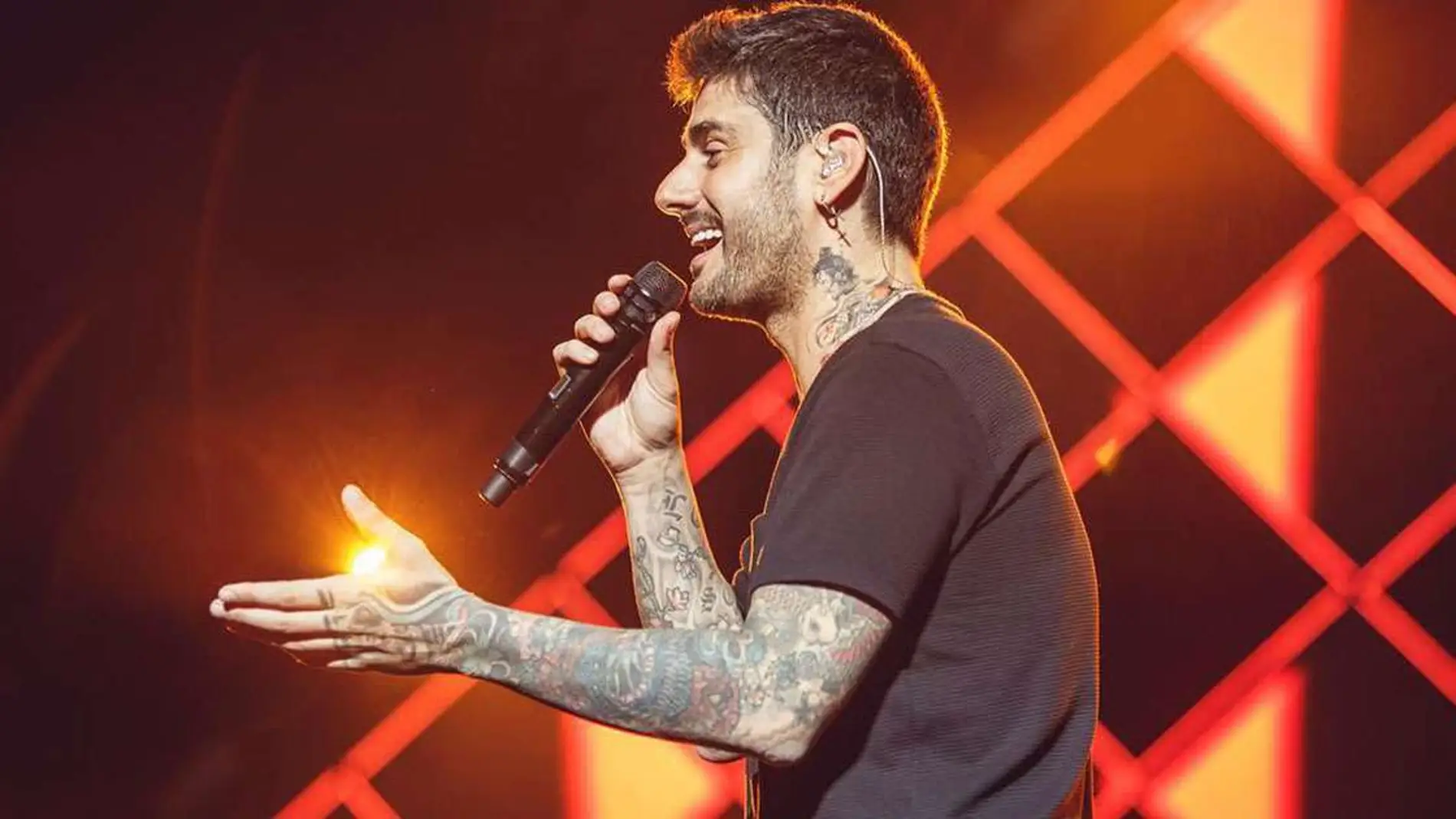
Los 40’s Pop Rock Tour photo catches him pointing toward the audience under red stage lighting. His nearer hand fills more of the frame, while tattoos at his neck show between the collar and jaw. The gesture brings both areas into view.

In interviews, Melendi has said he regrets some older tattoos and has tried to remove or modify pieces. This photo shows what was visible at that performance, but it does not identify which designs he has changed.
The blue-lit frame shows how the tattoos read from a wider angle
Hola’s image from around his tenth album shows him singing under blue and purple light, turned partly to the side. His neck and both forearms are exposed. The angle is wider than the hand portrait, so it shows how the tattoos sit along both arms.

The lights cast color across the stage and skin, but the tattoos themselves read as dark shapes at this distance. This frame is useful for coverage and proportion; the small designs visible in the close-up are harder to distinguish here.
The close-up hand photograph preserves smaller motifs
Cadena Dial’s close portrait was published with a report about a newer tattoo Melendi shared with two friends. His face and the hand nearest the camera are visible, bringing the smaller marks on his hand and wrist into view more clearly than in the performance photos.
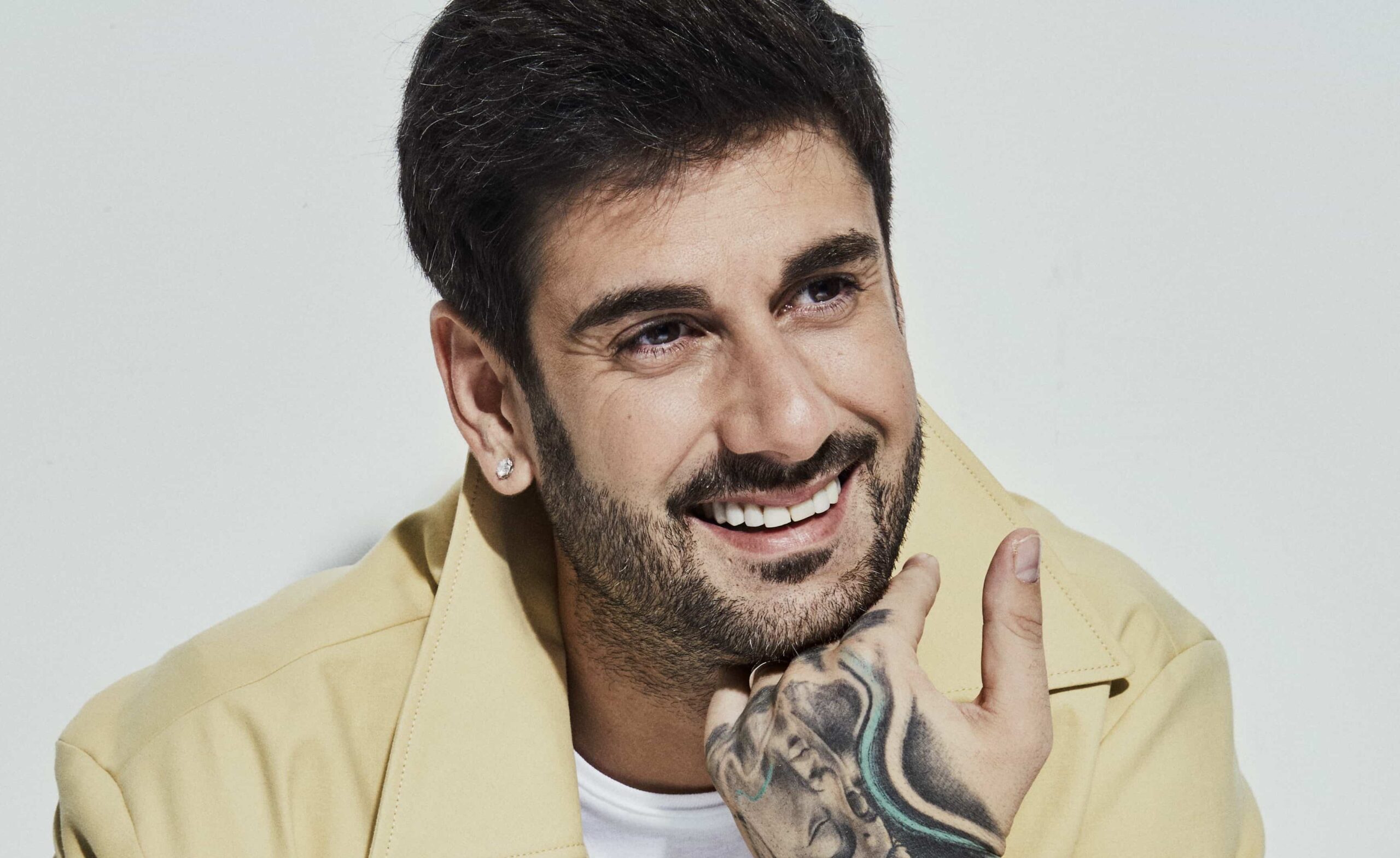
The shared context applies to that particular design; it does not establish how the rest of his tattoos began. A hand moves through a performance and may disappear behind a microphone or gesture, so this portrait records details that a stage image can miss.
The current touring image shows the arm tattoos clearly
A 2026 Cadena Dial feature shows Melendi onstage in a black shirt. One tattooed hand rests across his chest, and his other hand holds the microphone. His face and both arms are visible in this recent performance frame.

He has said that he approaches new tattoos differently now than when he was younger, and that he has considered removing or modifying some older pieces. The photo shows what was visible at this show; it does not imply the collection has stayed unchanged.
The separate featured portrait comes from WOW La Revista’s interview coverage. Melendi faces the camera in a bright studio-style image with one tattooed hand near his face. It identifies him but is not one of the six inline tattoo photographs.
How the chronology fits together
The photos move from earlier stage appearances to the 2026 touring image. They return to the same areas in different poses and lighting, but no source dates every tattoo. Interviews supply the personal context photos cannot: Melendi got his first tattoo young, values family names and has reconsidered some older designs.
The images show changing angles and visible coverage, not a dated list of every addition. Several designs and their dates remain unknown.
A personal archive in public view
Concert photos show the tattoos while Melendi moves; closer portraits bring his hands and neck into view. Together, they track where the ink appears across performances and interviews, without giving a complete list of designs.
Melendi’s interviews give context for family names and older tattoos he has considered changing. The photos establish placement and coverage; when neither the images nor his comments explain a design, its meaning stays open.
The visible work combines long coverage across the arms with smaller hand and wrist marks. Dark outlines and gray shading sit beside lettering and fine motifs; in the Oviedo stage view, tattoos run from wrist toward upper arm, while the Cadena Dial portrait brings the hand details forward. The photos show broad coverage and varied linework, but some symbols are too small to name. A single style label would overstate what these images reveal.
The Los 40 photo is lit red; Hola’s is washed in blue and purple. In both, the tattoo lines stay dark, while the stage lights tint Melendi’s skin and the background. The close Cadena Dial portrait brings his hand nearer to the camera; concert shots are better for judging coverage and movement. The photos point to black-and-gray work, but do not confirm a brighter ink palette.
The tattoos run from wrist toward upper arm; smaller marks sit on the hands and around the neck. In a performance shot, a microphone, bent elbow or sleeve can interrupt the view, and a hand close to the lens can look larger than it is. The Oviedo and Hola frames show overall spread; the close portrait helps with smaller details. None shows every side of the collection.
More musician tattoo guides
61 container
One thought on “Melendi Tattoos: A Visual Timeline of His Arm, Hand and Neck Ink”