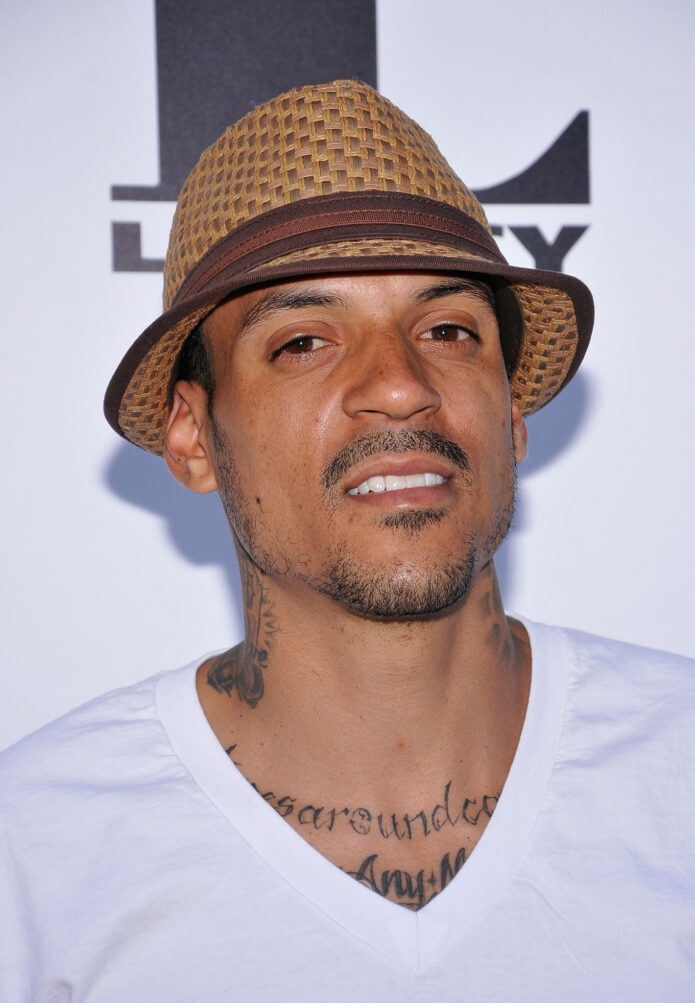
Matt Barnes has tattoos across his stomach, arms, chest and back. The former NBA forward’s collection circles around family, grief, basketball and the people he remembers. Some designs are easy to see in photos; others need Barnes’s own explanation.
His ink has grown over time, with family tributes alongside sports memories and later memorials. Below are the pieces he has shown or discussed publicly. Small marks that aren’t clear in photos are left unidentified.
The angel on his stomach carries his mother’s memory
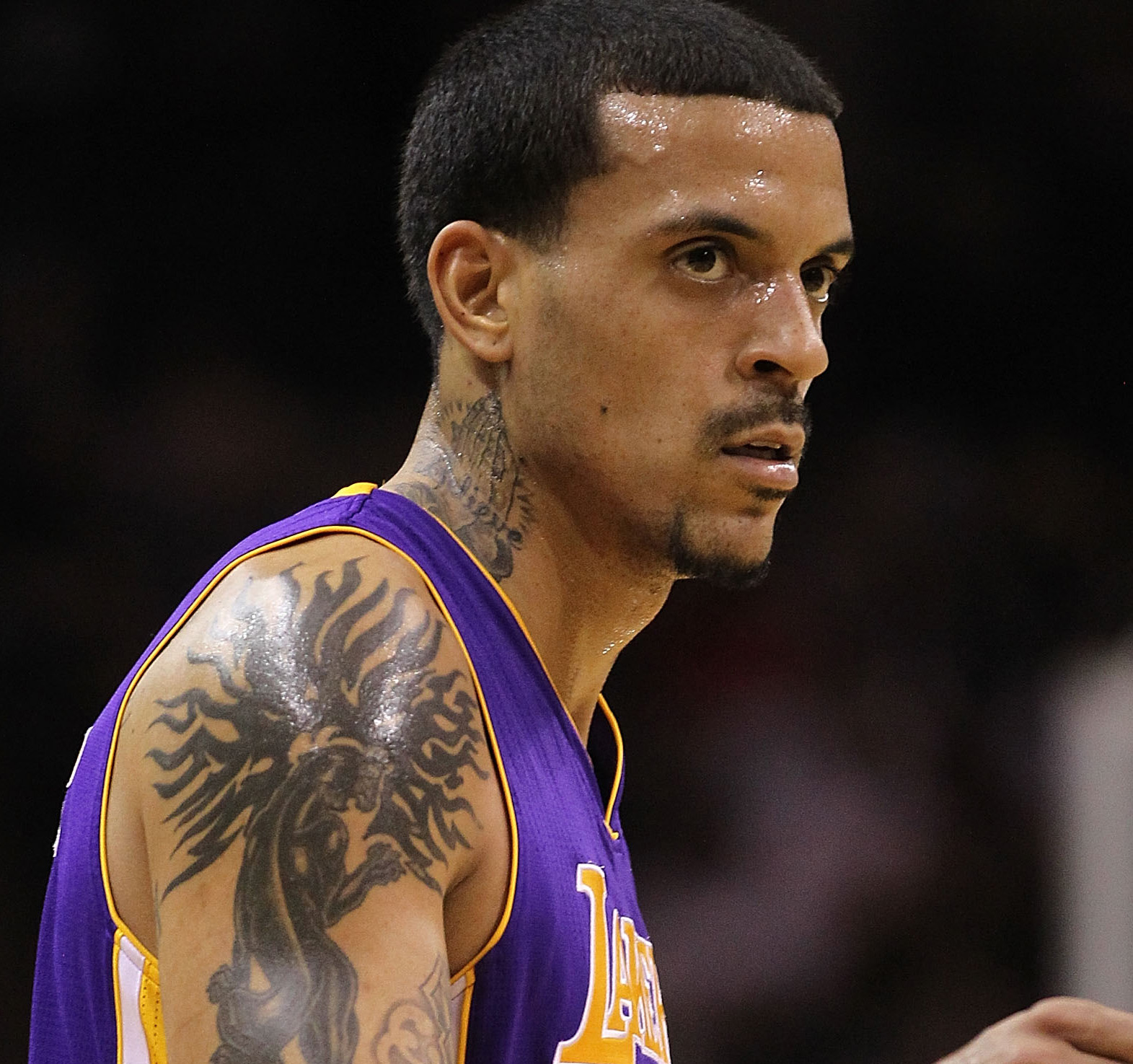
The large angel across Barnes’s stomach is tied to his mother, who died of lung cancer in 2007. He has explained the connection himself. The tattoo is a memorial to her, from before he became a familiar name in the NBA.
The angel covers much of his stomach. Its size and placement make it one of the most visible pieces in photos of Barnes, whether he’s courtside or talking about life after basketball. The image has a protective feel, though the reason he gives for the tattoo is the memorial.
Barnes has spoken about it plainly: his mother’s death is the meaning at the heart of the stomach piece. Lighting and angles can change how the surrounding details look, but the memorial has been described consistently. The angel and its stomach placement are the clearest ways to identify it.
That story gives the tattoo a different weight from sports or style pieces. It keeps his mother close in a way a photograph can’t.
Kobe and Gianna became part of the collection
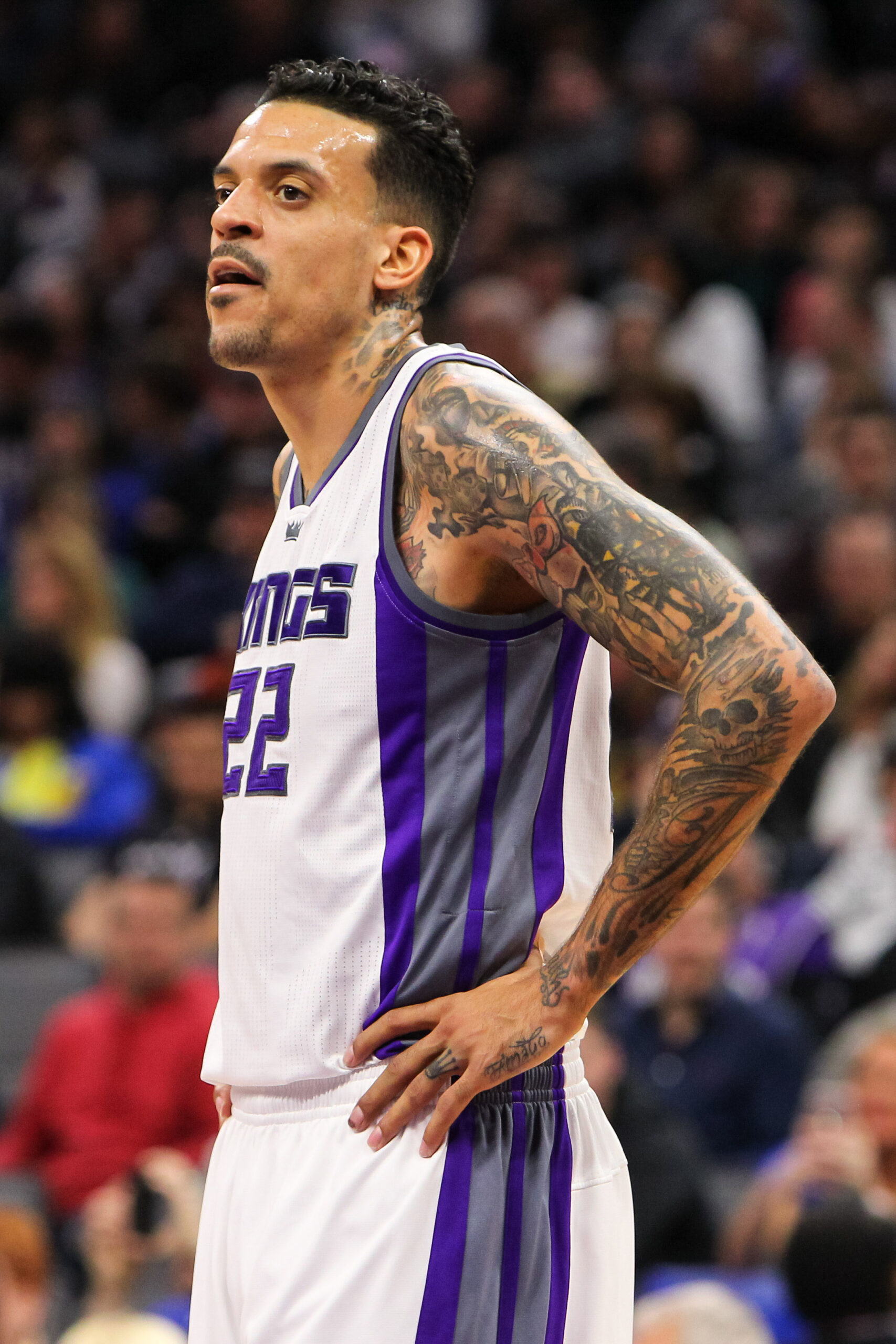
Barnes also has a large tribute to Kobe and Gianna Bryant. Photos show the piece, which he got after their deaths, and he has spoken about it emotionally. It connects his friendship with Kobe to the loss felt across the basketball community. The design also draws on Kobe’s Black Mamba identity.
This is a substantial tattoo, not a small symbol on the wrist. The snake associated with Kobe’s Black Mamba persona is part of it, along with imagery bringing Kobe and Gianna together. Different photos show different sections, so it’s better to describe the tribute as a whole than to guess at details hidden by clothing or shadow.
Barnes knew and respected Kobe, and continued to speak about him after his death. The tattoo is a personal memorial and a record of basketball history. The public discussion of it includes the emotion Barnes has shown when talking about the loss.
The piece belongs to a different time in Barnes’s life from the angel tattoo. The angel recalls his mother and an earlier family loss; the Bryant tribute reflects friendship and the shock of losing Kobe and Gianna while Barnes was part of the NBA community.
Barnes chose to keep the tribute visible. The tattoo is public, even if the feelings behind it are his own. It holds the memory of people he knew, not just a name or logo.
Nipsey, the Last Supper and tattoos that keep evolving
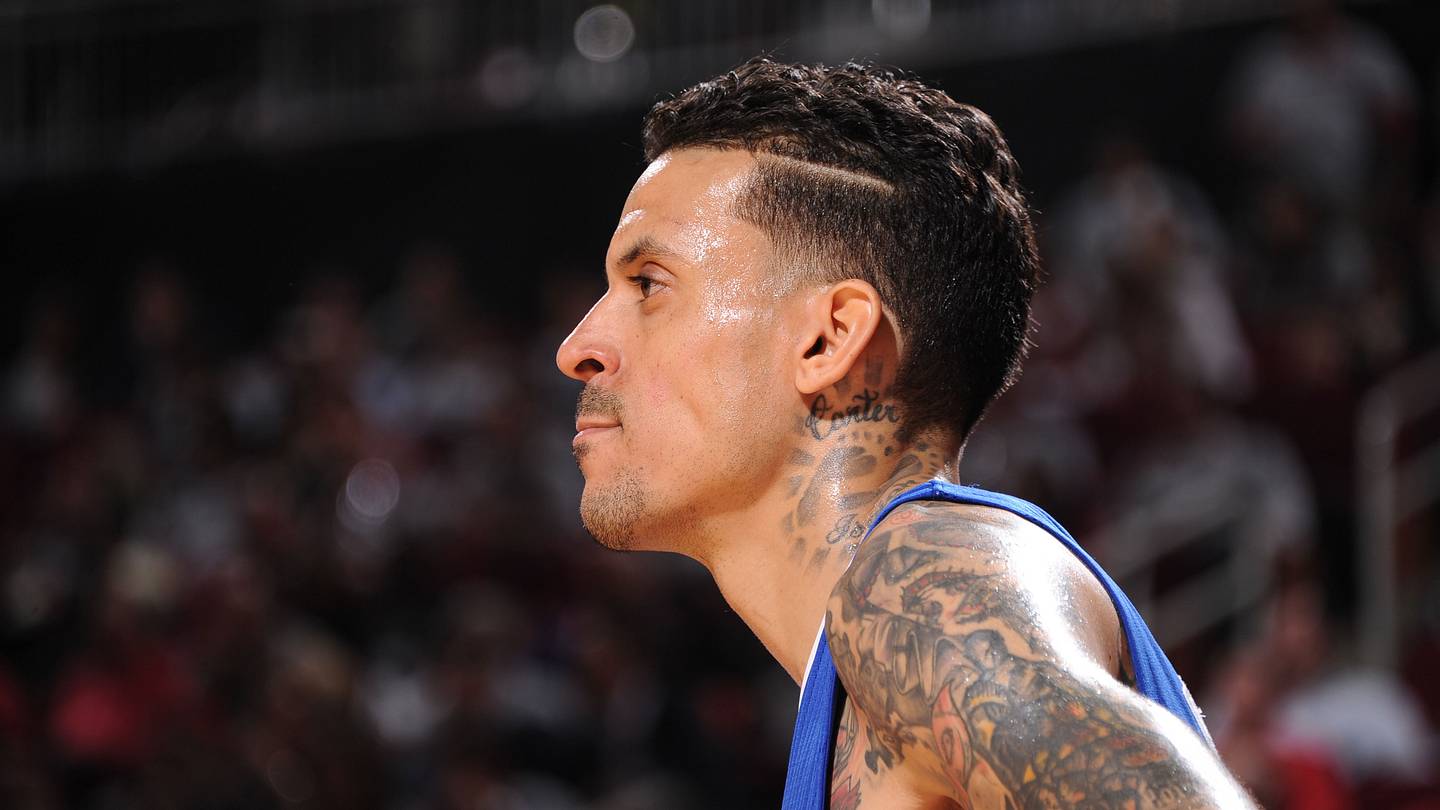
Barnes has also shown a tattoo connected to Nipsey Hussle. It fits the memorial thread in his collection: the design honours someone whose influence reached beyond music. When Barnes showed it, the tattoo was a way to mark what Nipsey meant to him and to the culture around him.
Photos and public comments support the Nipsey tribute, though small lettering and exact placement aren’t always clear. The main point is the memorial and Barnes’s decision to add it to a collection that keeps growing.
Barnes has also discussed a Last Supper design featuring people who shaped him. The names mentioned for the idea include Tupac, Biggie, Bob Marley, Michael Jackson and his mother. It’s been described as a tattoo plan; the available photos don’t establish whether every part of that scene has been completed.
That idea brings music, family and sport together instead of separating them. Tupac, Biggie, Bob Marley and Michael Jackson each represent a different influence; Barnes’s mother has a different, more personal place in the group. He has imagined a tattoo as a gathering of people who matter to him.
Barnes’s collection has changed along with his life. Earlier pieces sit beside later tributes, as his roles shifted from young player to teammate, father and friend. New memorials add to the older work rather than replacing it.
There isn’t one obvious “best” tattoo to pick. The angel marks his mother’s place in his life; the Bryant piece is a basketball memorial; Nipsey and the Last Supper idea show other people and influences he wants to remember. Remembrance is the thread connecting them.
Why Matt Barnes talks about regret as well as meaning
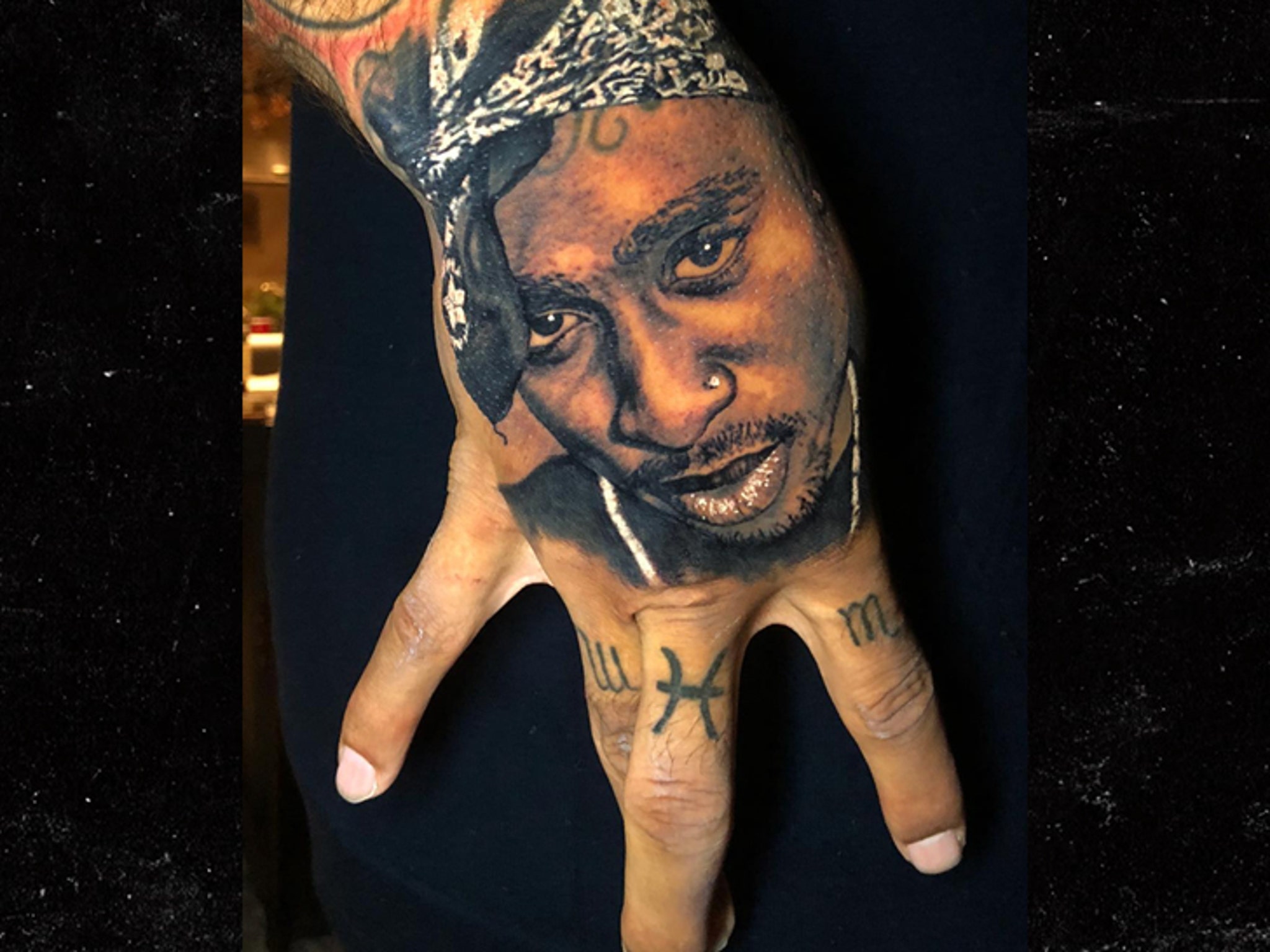
Barnes has said that he regrets at least one of his tattoos. That belongs in the story too. Not every choice stays perfect forever; people get tattoos, live with them and sometimes wish they’d chosen differently.
A tattoo can still have meant something at the time even if its owner later regrets it. Barnes has talked about that tension instead of presenting every piece as a perfect decision. With a large collection, there’s more room for both meaningful work and choices he might change.
The biggest pieces get most of the attention, but smaller or less successful tattoos show how a collection builds over years: one design, then another, then a tribute after a loss or a plan for a cover-up. A body isn’t a showroom. It carries choices made at different ages.
Barnes has discussed both the pieces he values and the ones he would rethink. His honesty about regret makes the stories behind the memorials easier to trust. The angel and the Kobe and Gianna tribute stand out because each has a clear reason behind it.
After leaving the court, tattoos kept Barnes visibly connected to basketball, but they also marked relationships beyond the game. His collection records people who mattered, losses he has lived through and influences he chose to carry with him.
A tattoo timeline built from people, places and turning points
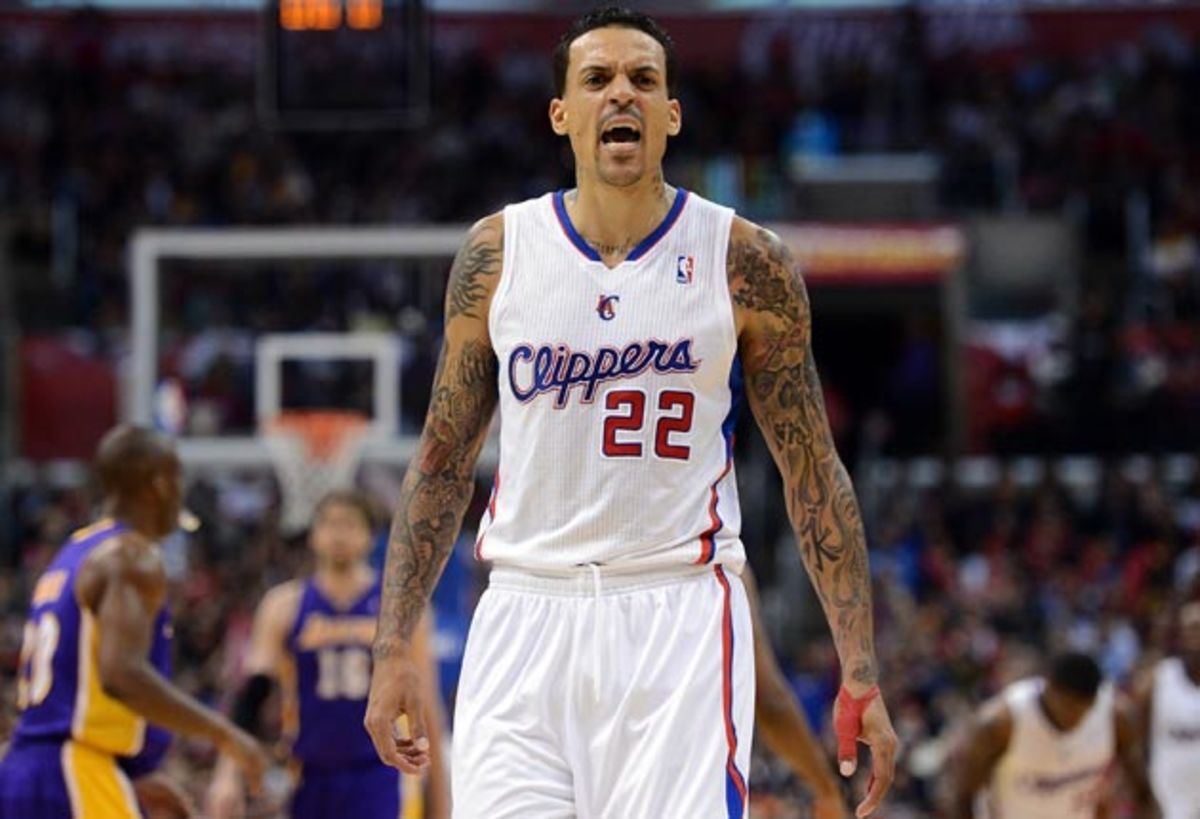
Seen as a timeline, Barnes’s tattoos are easier to follow. The angel on his stomach points to his mother and her death in 2007. The Kobe and Gianna tribute reflects his ties to the NBA community. The Nipsey tattoo and the proposed Last Supper bring in other cultural influences and family.
Barnes isn’t known for one icon repeated across his body. His collection has accumulated people and references over time. The larger pieces often point to someone or a chapter in his life, with the image opening the door to the story.
Some photos are too blurry to confirm a shape, name or date. The documented accounts are enough; there’s no need to fill in what they don’t show. Barnes has a heavily tattooed collection with identified family and celebrity memorials, basketball tributes, cultural influences and at least one tattoo he has said he regrets.
His tattoos can be tributes, reminders, choices he’d change or ideas he still wants to add. The collection is still growing, and much of it comes back to the people he wants to keep close.
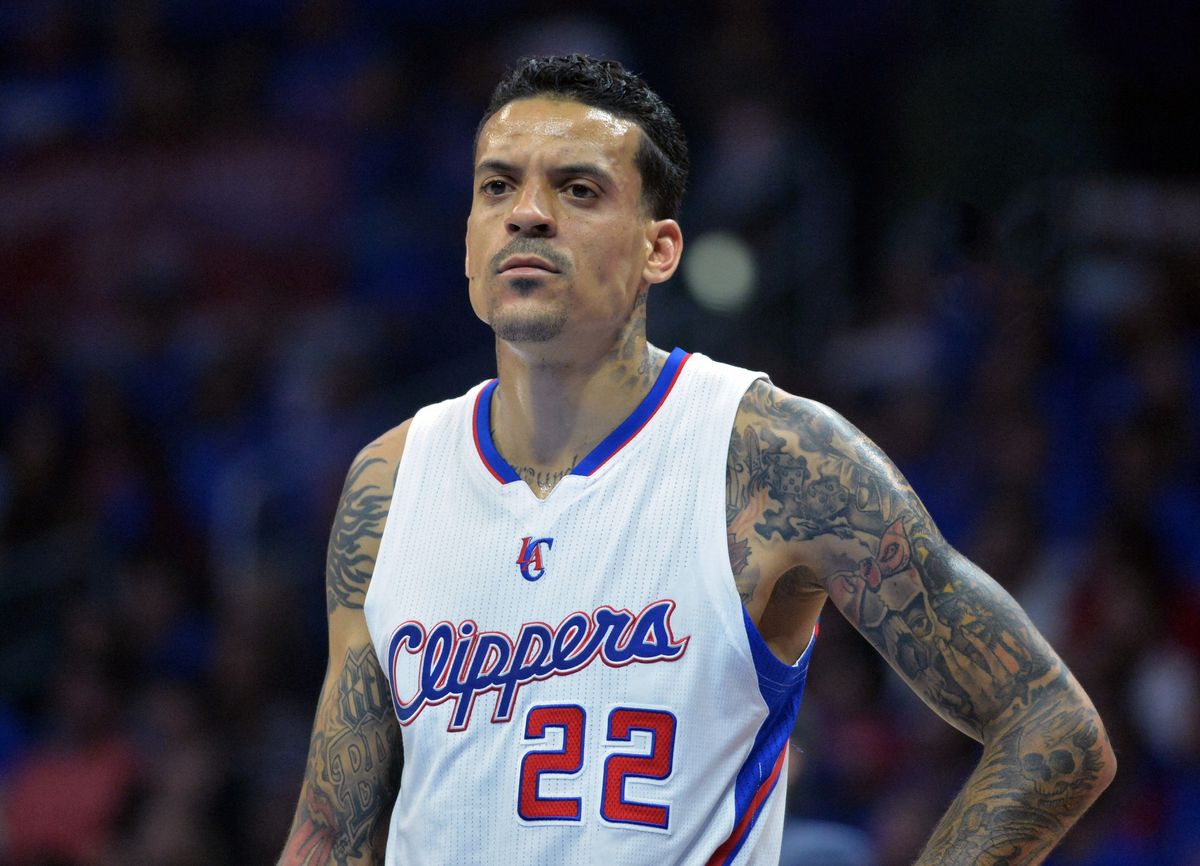
Watch Matt Barnes explain the tattoo stories
In the video below, Barnes discusses the tattoo he regrets most. His own explanation adds context that a photo can’t provide.