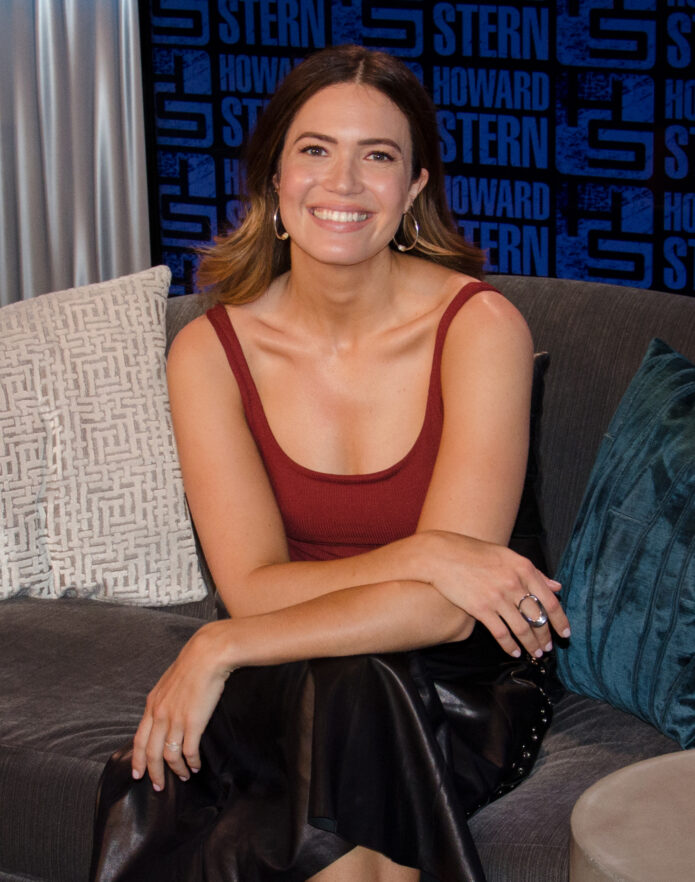
Mandy Moore’s tattoos are small, funny and easy to miss. That’s part of the charm. Nothing about her collection feels like it was built to fill every inch of visible skin. The designs sit close to the feet and hands, they have room around them, and most of the stories are more personal than flashy. One began as a ridiculous tour joke. Another came after climbing Mount Kilimanjaro. A third marks the connection between Moore and her husband with one tiny letter.
There’s a useful lesson in that mix. A tattoo doesn’t need to look dramatic in a red-carpet photograph to matter. Sometimes the best piece is the one you only see when someone kicks off their shoes or turns their hand a certain way. Moore’s ink is a good example of how placement, scale and a little bit of humor can make a small design feel properly lived-in.
The tattoo story that started with a tour joke
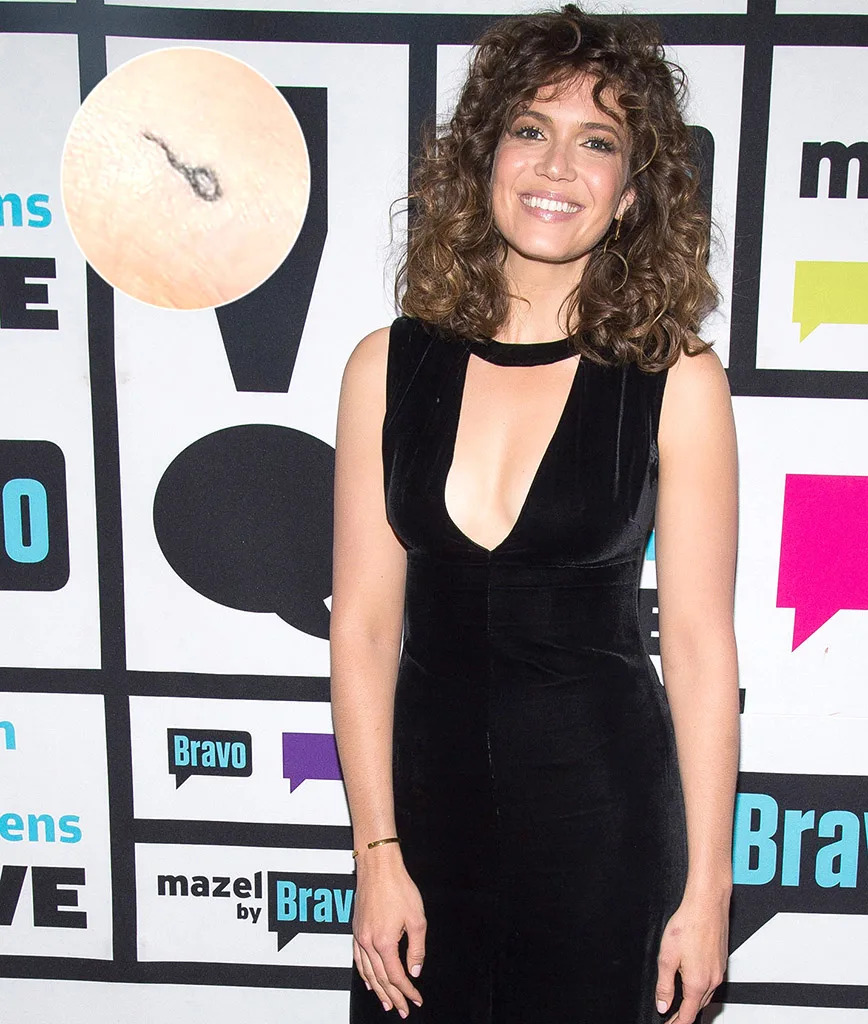
The most talked-about piece is a tiny sperm tattoo on the inside of Moore’s left foot, close to the heel. The design is black, simple and small enough to be mistaken for a smudge in a quick photograph. Moore explained the backstory during an appearance with Seth Meyers, and the explanation is much more entertaining than a dramatic “this symbol represents my inner strength” speech.
Years earlier, Moore was touring with her band. She was the only woman in the group, so she had her own day room and shower while the male musicians shared theirs. The band joked about not wanting “Babies on My Feet”, then turned that phrase into a song they performed onstage. Eventually the joke became a matching tattoo idea, and Moore went along with it.
That is why the little swimmer works so well as a tattoo. It isn’t trying to be elegant or mysterious. It’s a souvenir from a very specific period of her life, tied to a private joke that made sense to the people who were there. The piece also has the kind of oddness that makes strangers ask about it, which gives Moore a chance to tell the story instead of having a standard conversation about a rose, a date or someone’s initials.
The design itself is deliberately uncomplicated. There’s a small rounded head, a thin curved tail and enough open skin around the line for it to stay readable. That matters with a tiny tattoo. When a design is reduced too far, the line work can blur together as it heals. The simple silhouette gives it a better chance of still looking like what it was meant to be.
Why a foot placement can feel more private
Moore’s foot is a smart spot for a piece with a story like this. It’s easy to cover with shoes, socks or a long hem, but it can also appear during a beach day, a pedicure or a photo where the feet are in view. That gives the tattoo a switch. It can be part of the outfit when Moore wants it to be, or it can disappear without any effort.
Foot tattoos do come with a few practical issues. The skin gets plenty of friction from footwear, and the area moves constantly. Ink can soften faster than it would on a more protected part of the body, especially if the design is very fine. A tattoo artist will usually think about the exact placement, how the shoe rubs and whether the tattoo sits on the side, top or underside of the foot. The reference picture is only the starting point.
There’s also a social advantage to choosing a hidden spot. A small design can have a personal meaning without becoming the first thing people notice. Moore’s tattoo isn’t a declaration she has to explain every time she walks into a room. It’s closer to carrying an inside joke with her. That makes the story feel warmer, not less important.
The mountain memory behind the climb
Moore added another small foot tattoo after climbing Mount Kilimanjaro in Tanzania. The design is a fine-line mountain profile, made to commemorate the climb and the people who shared it with her. She described the mountain as something she wanted to remember permanently, which makes the piece feel very different from the sperm tattoo even though both sit on the feet.
The mountain design is restrained: a few clean peaks, no heavy frame and no big block of text underneath. That choice suits the idea. A mountain silhouette can become cluttered quickly if the artist tries to add every ridge, cloud and bit of shading. A simple outline gives the tattoo room to age and keeps the reference tied to the shape of the mountain rather than to an overworked illustration.
Moore’s placement also creates a neat connection between the tattoo and the climb. The foot is what carried her up the mountain, so the location feels less random than it might at first. It turns the tattoo into a small marker of movement: the body part that did the work carries the reminder of the trip.
The surrounding story matters too. Moore climbed with her fiancé Taylor Goldsmith and friends, and the trip had been a long-held goal rather than a spontaneous weekend away. A small tattoo can hold that kind of milestone without trying to illustrate the entire journey. The peaks are enough to bring the memory back.
The smaller stories around it
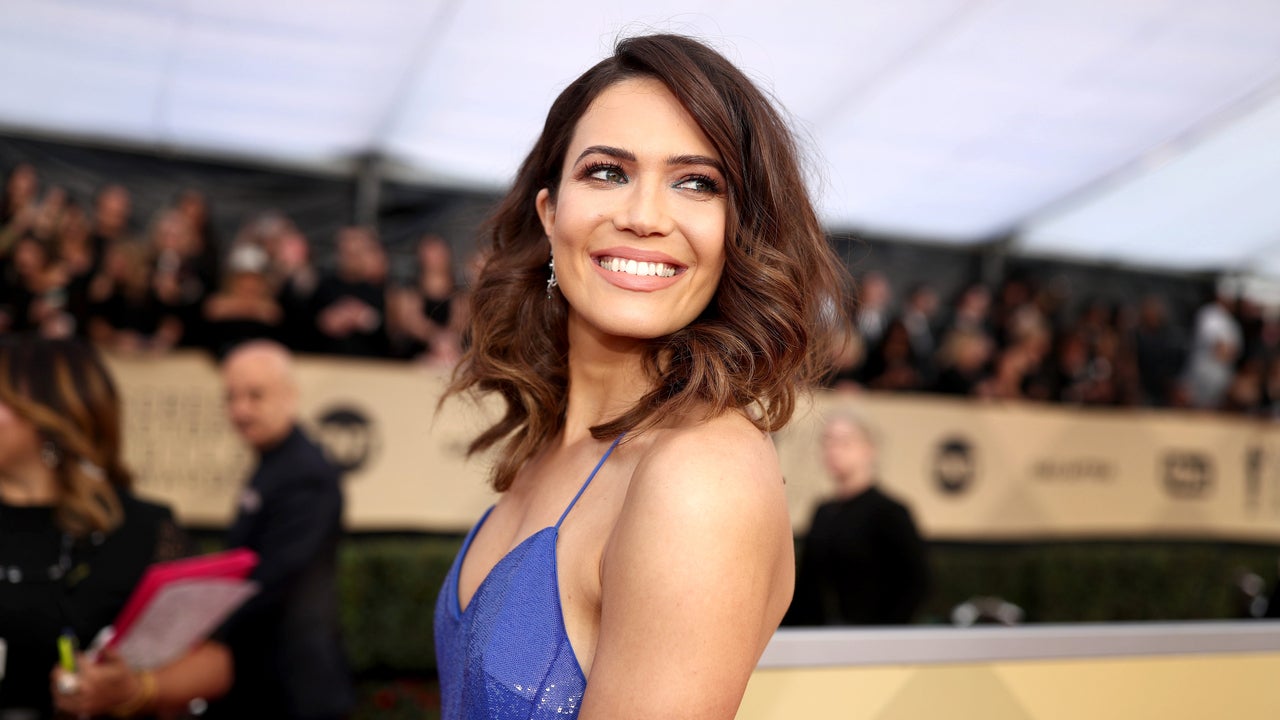
Moore also has a tiny “T” tattoo connected to Goldsmith, while he has an “M” for Mandy. The letters are understated and easy to overlook. That makes the pair feel more like a private exchange than a public relationship announcement. There’s no oversized name, no date running across a rib and no design that needs a caption to explain who it belongs to.
That kind of initial tattoo can be tempting because it looks so simple. The hard part is usually the decision behind it. A single letter has very little room to hide mistakes, so the typeface, line weight and placement all matter. On a finger, even a tiny shift can make the tattoo feel crowded. A clean stencil and a realistic plan for how the skin will move are more important than adding decoration.
The three pieces make an interesting little group. The sperm is playful and tied to a band memory. The mountain is about a physical challenge and an achievement. The letter is about a relationship. They don’t share one obvious visual style, but they share a scale. Each one is small enough to sit inside a larger life instead of taking over the whole look.
Moore’s Kilimanjaro chapter, in pictures

Photos from Moore’s Kilimanjaro climb add useful context to the mountain piece. She appears in cold-weather gear, carrying a pack and moving through a landscape that looks very different from the polished rooms where she is usually photographed. Those pictures aren’t tattoo evidence, and they shouldn’t be presented as a close view of the ink. They show the experience the tattoo was made to remember.
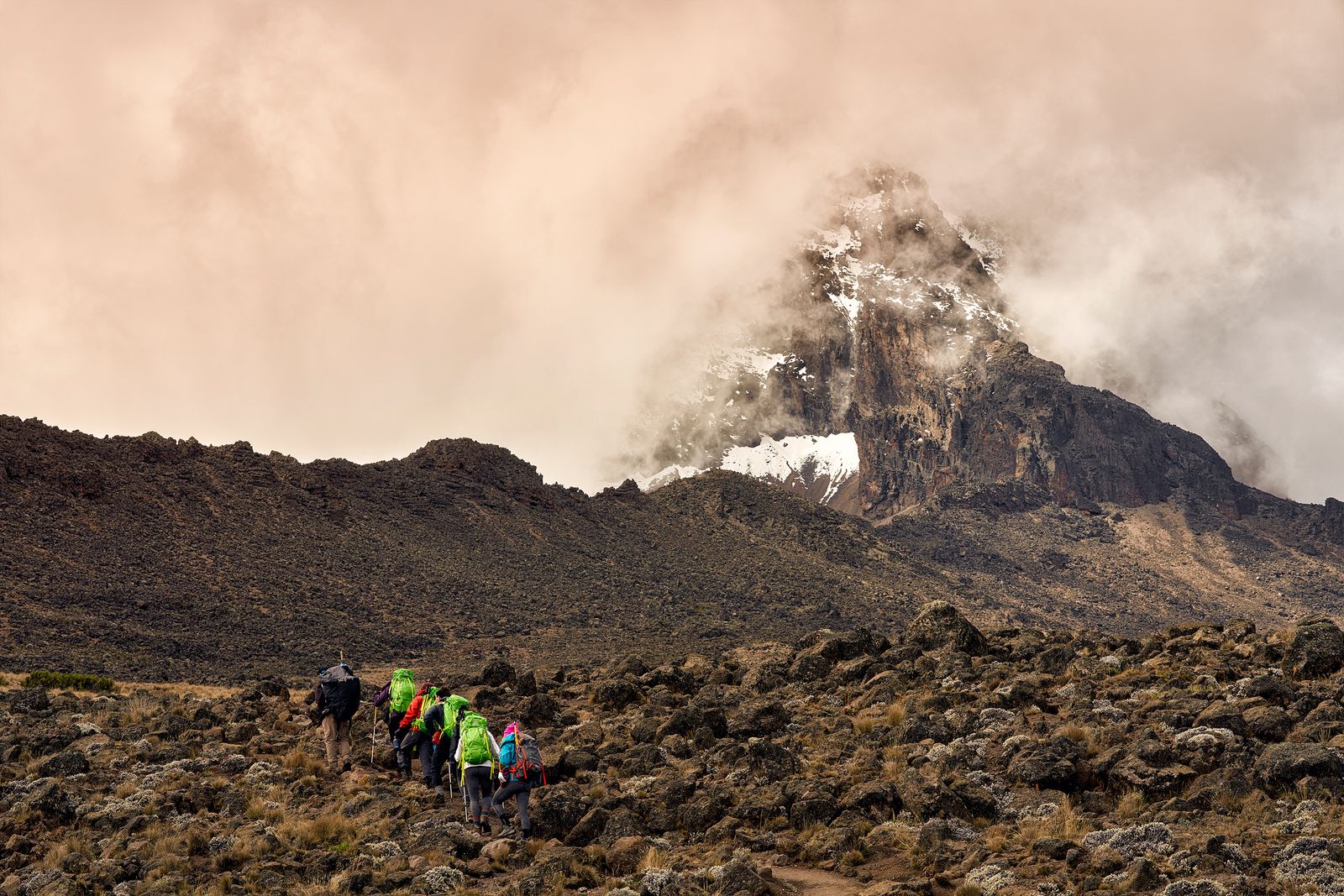
The landscape shots help explain why the design could stay so minimal. Kilimanjaro doesn’t need to be represented with a huge scene on the skin. A couple of peaks can carry the visual memory because the real place is already so distinctive. When a tattoo is tied to travel, a simplified outline often works better than trying to reproduce every detail from a photograph.

There’s a practical idea here for anyone thinking about an adventure tattoo. Save the wide photograph, the close detail and the moment that made the trip matter. Then decide which part belongs on the body. It might be a horizon, a trail marker, a tiny coordinate set or one recognizable shape. The strongest souvenir tattoos usually edit the memory instead of copying it whole.
What Mandy Moore’s choices reveal about personal meaning
Moore’s collection is a nice reminder that “small” doesn’t mean “random.” The sperm tattoo looks silly at first, but the story behind it is specific. The mountain is delicate, but it marks a serious achievement. The initial is barely there, but it connects two people. The size of each piece leaves space for the meaning to do the heavy lifting. Small placement can still hold a big memory.
That approach can also make a collection easier to live with. Small tattoos are usually simpler to cover, easier to place around existing marks and less likely to dictate every future outfit. They can be added over time without creating the feeling that the entire body has to follow one theme. Moore’s tattoos don’t look like they came from one flash sheet, and that’s exactly why they feel personal.
If you like the idea of a meaningful foot tattoo, start with the memory rather than the symbol. Ask what you actually want to remember, then reduce it until the core idea is still there. For a trip, that might be one mountain line. For a friendship, it might be a phrase reduced to a tiny shape. For an inside joke, it might be something only the people involved would recognize.
Placement should come next. Think about shoes, work, healing time and how often you want the piece to be visible. Fine-line tattoos can look beautiful in a close photo, but the artist still has to make the design work on moving skin. A good consultation will cover scale, line weight and how the tattoo is likely to age.
Mandy Moore’s ink isn’t a collection built around spectacle. It’s a few small marks with very different moods: one funny, one reflective and one quietly romantic. That range is what makes the tattoos worth looking at. They show that a personal collection doesn’t need to be huge to have character. Sometimes a tiny swimmer, a mountain outline or a single letter is enough.