Lukas Gage’s tattoos are easiest to see outside a costume. A shirtless outdoor photo shows dark ink across his left arm and shoulder. In a Guardian interview, he also said he has tattoos on his ribs, back and calf, though the available pictures don’t clearly show those designs. This is what the photos and his own account can support.
The tattoos we can actually see
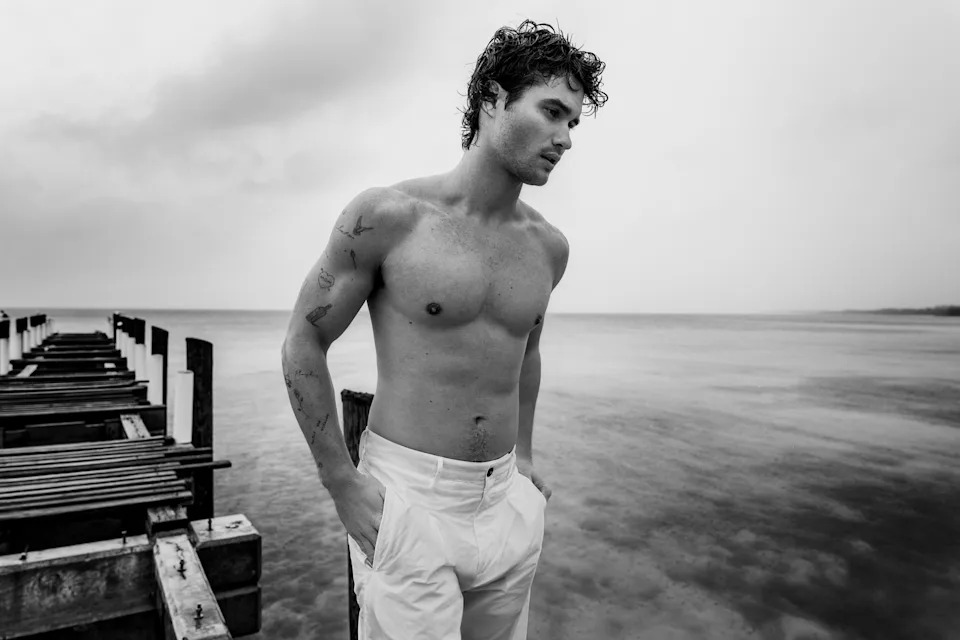
The black-and-white photo shows tattoos across Gage’s left arm and shoulder. The angle makes some lines hard to distinguish, and there’s no color information, but the placement is clear. It reads as a connected area of ink rather than one isolated mark.
The image doesn’t let us identify every symbol. It’s enough to describe the visible coverage without turning shadows into a list of designs.
The placements Gage has discussed
In a Guardian interview, Gage said he has tattoos on his ribs, back and calf. He also recalled a Mad Men costume fitting where agents told him his tattoos had hurt his chances of getting work. The interview names those placements, but doesn’t give a design-by-design account of the ink.
Why the placement matters for an actor
For an actor, tattoos can affect how a costume works for a role. If a character’s skin is meant to be bare, production may need to cover visible ink and keep the makeup consistent across scenes. Gage’s story about the Mad Men fitting shows that agents were thinking about his tattoos in relation to a period production, not judging the artwork itself.
That doesn’t make the tattoos a mistake. It shows how personal ink can complicate a particular job, while other roles or costumes may not expose it at all.
Lukas Gage on screen
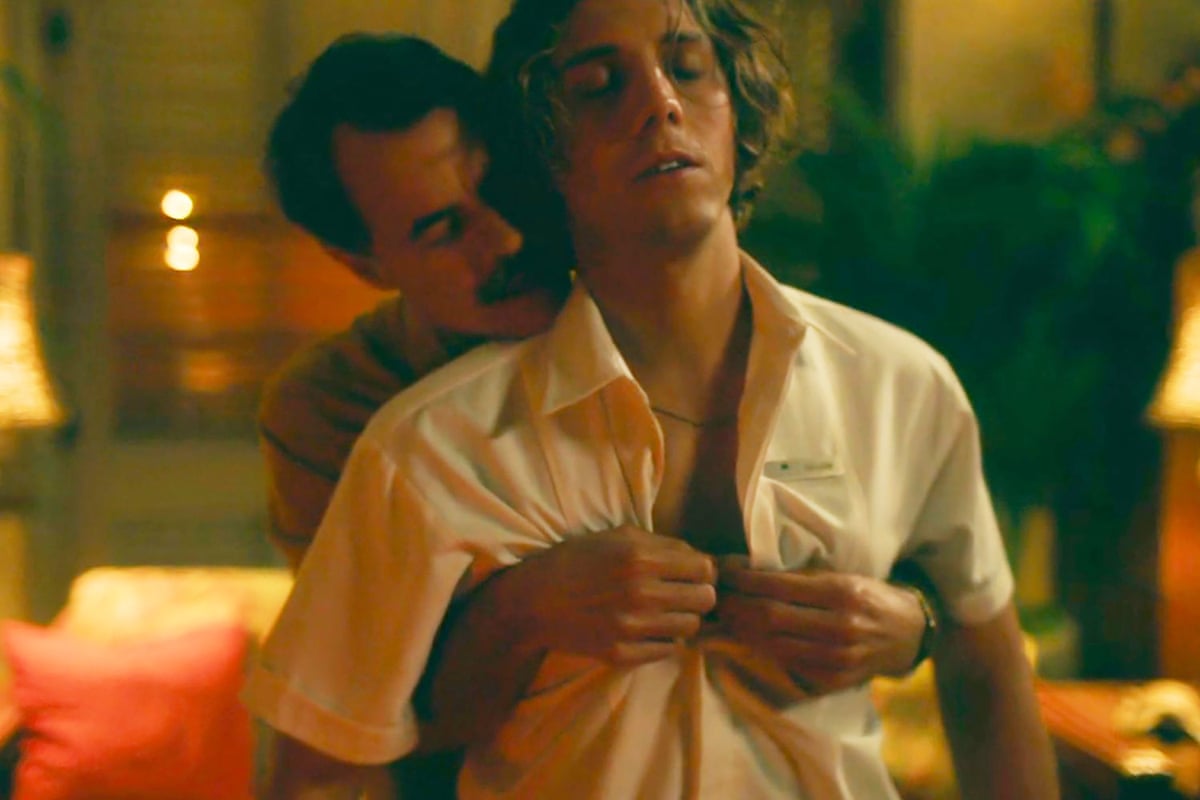
This still from The White Lotus shows Gage in a white shirt, with Murray Bartlett behind him. It’s a contextual image, not tattoo evidence. The clothing and framing help explain why his ink may be invisible in a scene, but they can’t tell us what’s under the fabric.
How the visible shapes read
The outdoor photo gives a limited style impression: against black-and-white lighting, the marks look dark and established across the shoulder and upper arm. It doesn’t confirm the original colors or prove that every piece uses blackwork. A different image could show details this one loses.
The shoulder and upper arm make a broad area for connected work, but the photograph doesn’t reveal every edge clearly enough to describe the full design.
Gage’s screen work and costumes
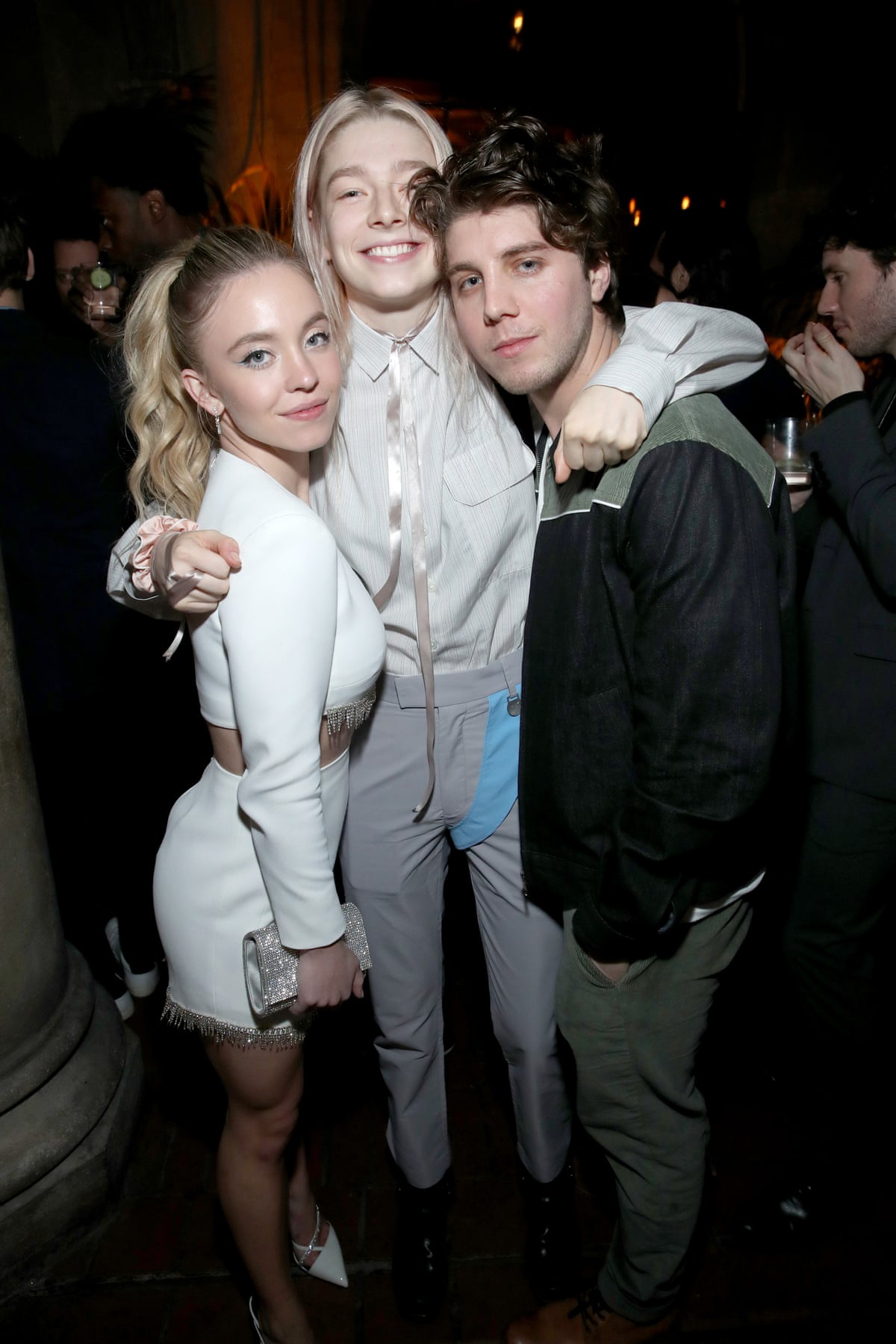
This event photo places Gage with his Euphoria co-stars. It isn’t a tattoo reference, and the group framing leaves little room to inspect one person’s arm. His public photos range from jackets and layered outfits to short sleeves, so how much ink appears changes with the clothing and camera angle.
Why the photos need different jobs
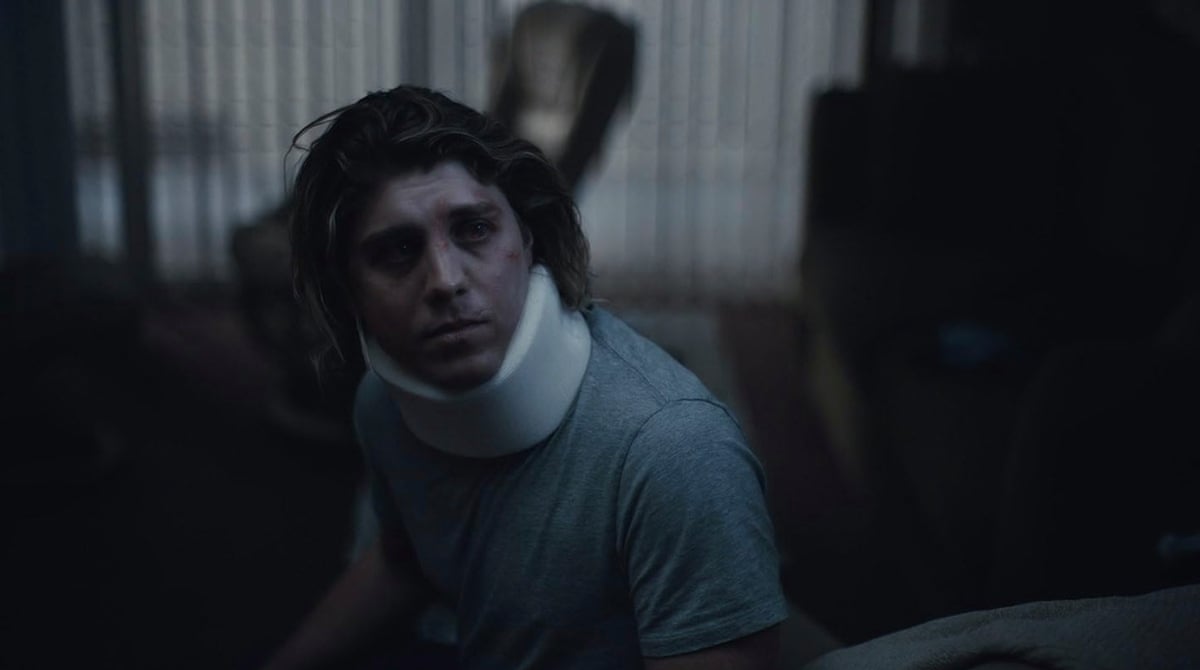
This Euphoria still shows Gage in a neck brace and grey shirt, with no tattoos visible. It helps place him in a role, but it can’t confirm or rule out ink beneath the costume. A portrait tells us who’s on screen; a tattoo photo needs to show the relevant skin clearly.
How to use the placements as inspiration
If you’re considering a similar layout, start with how visible you want the tattoo to be. Ribs and back are usually covered by clothes, while an arm or calf can show in short sleeves or shorts. Shoulders, ribs and calves also move as you walk or lift your arms, so ask an artist to consider how the design will sit in more than one position.
A different visual frame
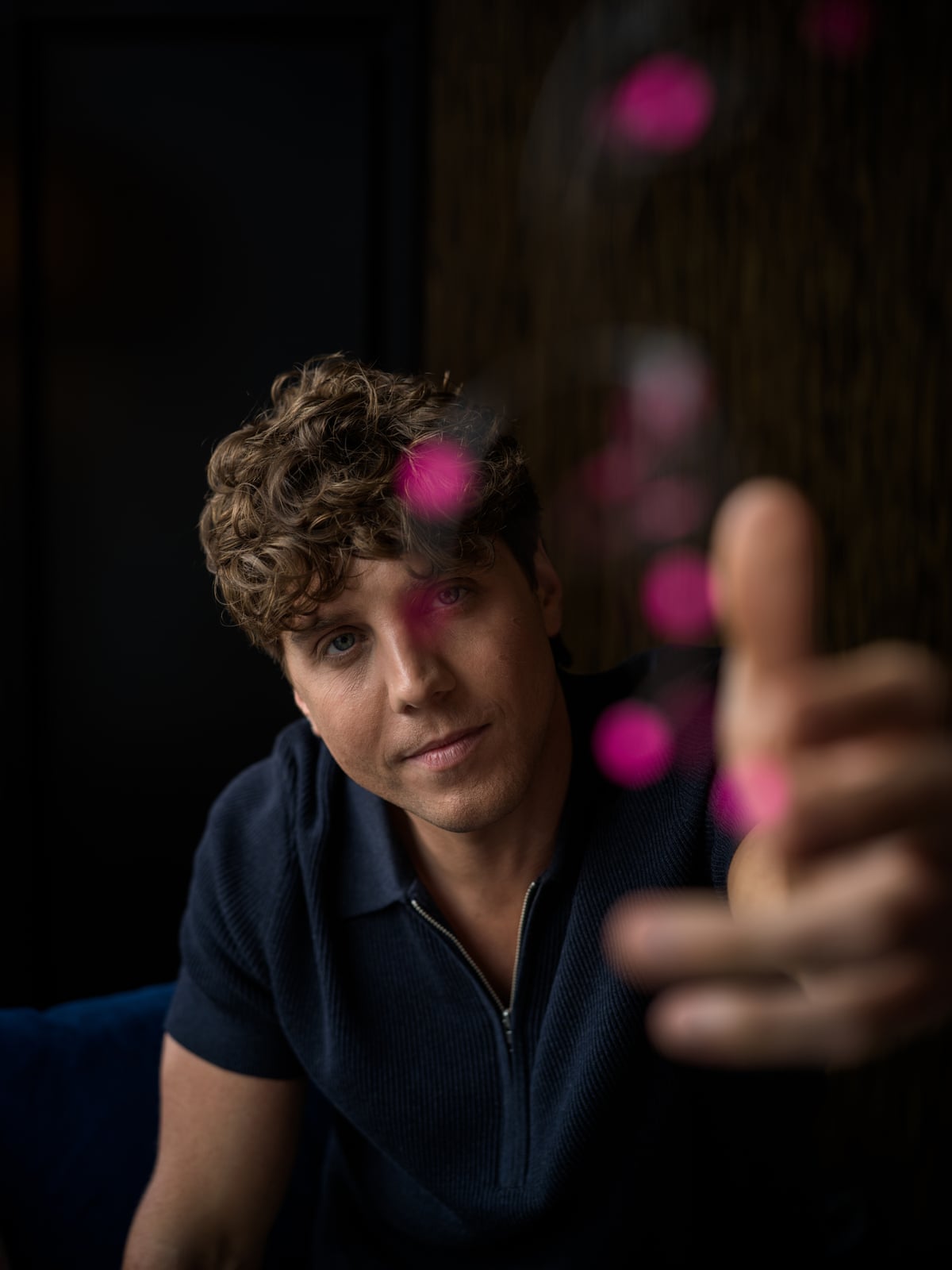
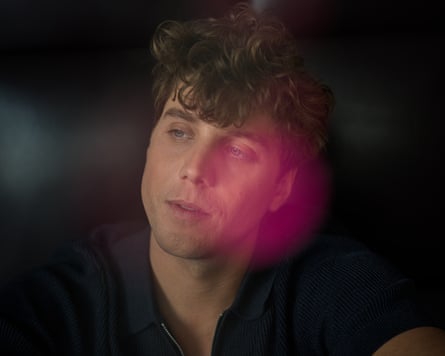
This close portrait shows Gage’s face and the pink reflections also seen in the Guardian feature, but it doesn’t show his tattooed areas. It belongs as context for the person, separate from the shirtless photo that provides the clearest evidence of his ink.
What we can say with confidence
Gage has visible tattoos across his left arm and shoulder, and he has discussed tattoos on his ribs, back and calf. He has also described a Mad Men fitting where agents said the ink had hurt his work chances. The available sources don’t identify every symbol or give a full catalogue, so those details should stay open. Clear evidence beats a confident guess.
The interview below is about Gage’s memoir and career, not a tattoo reveal. It offers a chance to hear him speak in his own voice.