
Kaitlyn Dever’s tattoo style is pretty easy to miss, which is part of what makes it interesting. She isn’t covered in loud, full-sleeve artwork, and there isn’t a big collection of designs that she’s explained in interviews. What we can actually see is one small, discreet tattoo on her side: a dark Roman-numeral-style mark tucked beneath her arm.
That placement says a lot about the way the tattoo works. It shows when she wears an open side or a backless look, then disappears again under a shirt or fitted dress. It feels personal without turning every outfit into a tattoo reveal. If you like ink that stays clean, compact, and easy to live with, Dever’s approach is a useful one to study.
Kaitlyn Dever’s Roman Numeral Side Tattoo

The clearest public view comes from a 2022 Michael Kors fashion show photograph. Dever is wearing a white halter-style look, and the cutout at her side gives the camera a direct look at the tattoo. It sits high on the rib or side area, just below the arm. The lines are dark and slim, with the simple vertical shape you’d expect from a small Roman numeral.
I’m keeping the description deliberately careful here. Fan discussions have tried to identify the exact numeral and connect it to a family meaning, but Dever hasn’t publicly confirmed that explanation in a reliable interview. The photo supports the placement and the general shape. It doesn’t support a definite meaning, date, or exact numeral. That distinction matters, especially with small tattoos where one blurry angle can make a mark look like something it isn’t.
Visually, the tattoo is a good example of restraint. There’s no shading, decorative frame, or extra flourish around it. The design is small enough to stay readable without taking over the side of her body. That also makes it a practical reference for anyone considering a first tattoo or a discreet family-inspired piece.
A Low-Key Style Fits Her Offbeat Career

Dever’s public style has never stayed in one lane for long. She’s talked about moving through different fashion phases, and that same willingness to change shows up in her acting work. One project can be warm and funny, the next can be tense and emotionally heavy. A small side tattoo works with all of those shifts because it doesn’t lock her into one obvious image.
That’s useful tattoo inspiration if you’re drawn to a design but don’t want it to become your whole personality. A tiny numeral can sit quietly beside a glam outfit, a casual outfit, or a costume without competing with any of them. It can also stay covered when work, family, or personal preference calls for a more private look.
The location gives the tattoo a little more edge than the wrist or ankle would. Side placement feels intimate, and it changes depending on posture. In one photo, you might only catch the top of the mark. In another, an open neckline or a raised arm can show the whole design. That slight unpredictability makes a small tattoo feel less like an accessory and more like something that belongs to the person wearing it.
Why the Placement Works
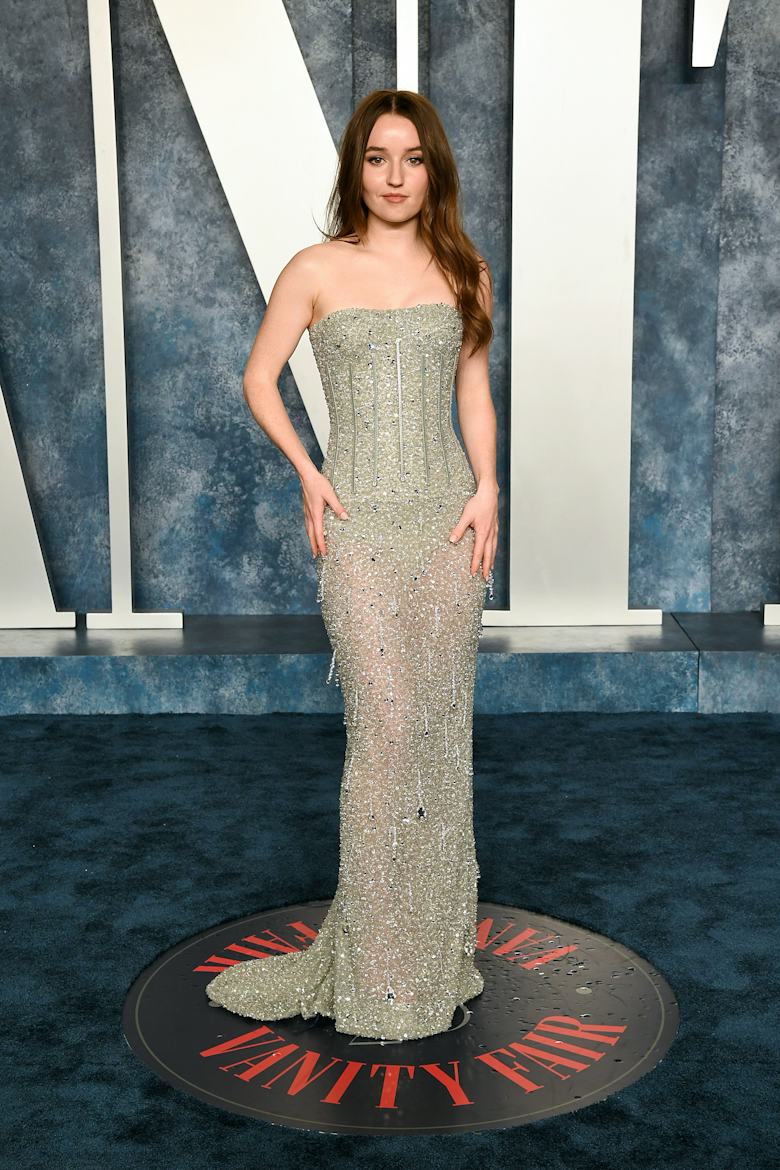
Side tattoos have a few practical advantages, although the rib area can be a challenging place to get tattooed. The skin moves with breathing and stretching, and there isn’t much flat space to work with. A compact design avoids some of the problems that come with trying to fit a detailed illustration into a narrow, shifting area.
Dever’s tattoo also has enough breathing room around it. It isn’t crowded against another visible piece, so the small lines can stand on their own. If you’re planning a similar tattoo, that empty space is worth thinking about. A minimal design usually looks stronger when it has room around it instead of being pushed against a seam, bra strap, waistband, or another tattoo.
Placement changes the mood of a design. The same Roman numeral on the forearm would feel more public and graphic. On the ribs, it reads as quieter and more personal. The tattoo’s size helps, too. It can be shown on purpose, but kept private the rest of the time. It doesn’t have to be part of every photo or outfit.
Small, Clean, and Easy to Hide

There’s a reason Roman numerals keep turning up in tattoo studios. They can represent a date, a number, a group of people, or a private reference without spelling everything out. They also translate well into a simple black-ink design. The lettering can be thin and understated, or it can be made heavier for a more graphic look.
Dever’s version leans toward the understated end. The mark is dark enough to show up against the skin, but it doesn’t look bulky. The narrow vertical arrangement follows the line of the side rather than fighting it. That’s a small design choice, but it’s the kind of thing that makes a tattoo look settled in its placement instead of pasted on.
If you’re borrowing the idea, don’t copy the exact mark without knowing what you want it to mean. Start with the number or date that matters to you, then decide whether you want traditional Roman lettering, a thinner modern interpretation, or a more unusual arrangement. A good artist can help you check spacing and make sure the smallest lines won’t blur together as the tattoo ages.
A Quiet Detail in a Big Career

One of the nicer things about Dever’s visible ink is that it doesn’t feel like a brand. It isn’t being used as a shortcut for rebellion or toughness. It’s just there, a small detail that appears when the styling allows it. That makes the tattoo feel more believable than a design added only for a dramatic reveal.
In a 2019 interview, Dever joked that she likes tattoos while talking about an earlier style phase. “No, I like tattoos.” The comment was playful, not a catalog of her own ink, so it shouldn’t be treated as proof of a larger collection. Still, it gives the side tattoo a little context. She clearly isn’t uncomfortable with tattoo culture, but she also hasn’t made her personal ink a major part of her public image.
That balance can be hard to get right. Plenty of people want a tattoo that feels meaningful but don’t want to explain it every time someone notices. A small side design gives you that choice. You can talk about it when you want to, cover it when you don’t, and let it sit quietly the rest of the time.
What This Small Mark Gets Right
The main lesson isn’t that everyone should get a Roman numeral. It’s that a simple design can have plenty of personality when the placement is thoughtful. Dever’s tattoo is small, mostly black, and easy to cover. None of that makes it boring. The side location gives it privacy, and the clean lines keep it legible.
For a similar feel, look for a design with a strong silhouette and no unnecessary extras. A date in Roman numerals, a tiny initial, a short word, or a compact symbol could all work. The best choice will be the one you can still imagine wearing when the current fashion phase has passed.
Think about visibility before you book the appointment. Ask yourself whether you want the tattoo to be seen at work, in family photos, at formal events, or only in certain clothes. The ribs and side offer more control than the hands or neck, but they can also be more sensitive during the session. Go in with a size that gives the artist enough room to make the lines clean, then follow the aftercare instructions closely.
It’s also smart to treat online tattoo claims with a little caution. A fan theory can be a fun possibility, but it isn’t the same as a confirmed explanation. With Dever’s tattoo, the safest description is the one the photograph supports: a small Roman-numeral-style mark on her side, shown clearly in a red-carpet image. The personal meaning remains private unless she chooses to share it.
That privacy is part of the appeal. Celebrity tattoos are often presented as a complete list of symbols and explanations, but not every tattoo needs a public backstory. Sometimes the design is simply a small reminder that belongs to the wearer. Dever’s side tattoo has that feeling. It’s neat, discreet, and visible on its own terms.
For anyone planning a subtle tattoo, that’s a solid blueprint: choose a design that will stay readable, put it somewhere you can control, and leave enough open skin around it. Keep the meaning yours. If people notice it, great. If they don’t, it still works.
There’s no pressure to turn a private symbol into a public explanation. The strongest small pieces often work that way. They reward a closer look, but they don’t depend on an audience understanding every detail. That quiet confidence is the real idea worth borrowing here.