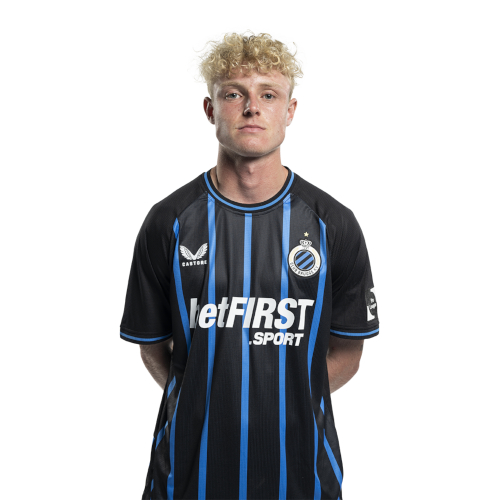
Joaquin Seys is a Belgian footballer associated with Club Brugge. The clearest photographs of his tattoos show two forearm designs: a line of script reading “Sempre con voi” and a larger praying figure that Cirusso Art identifies as an angel. Studio images provide the detail; match photographs show the ink in a wider setting.
HLN links the family phrase to Seys’s father. Nieuwsblad reports Portuguese protective wording beside the angel tattoo. Those are details from the published coverage. The photographs show the tattoos, but they can’t explain every personal choice behind them.
His arm appears in several other photographs, though the smaller marks are hard to identify at a distance. The family script and shaded figure are the designs that can be described most clearly.
The Sempre con voi forearm script
The close portrait shows Seys holding the inside of his forearm toward the camera. Sempre con voi sits across the skin in a compact cursive line. The letters are dark and fine, with no large frame or colored fill visible around them. They follow the shape of the arm, so the phrase reads across it rather than down it.
HLN links the words to his father. That context gives the short phrase a personal reference, while the photograph confirms its wording and placement. The image doesn’t establish the date or circumstances of the appointment.
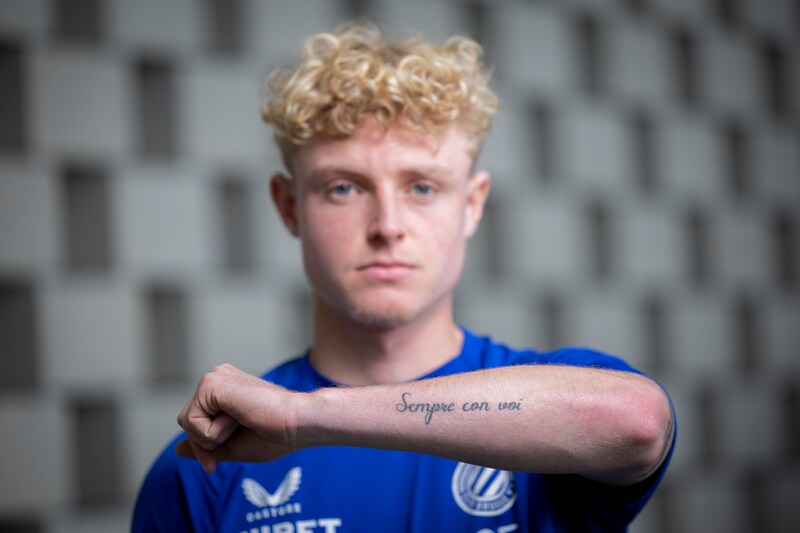
The close-up gives the lettering room to be read at ordinary size. Its style is understated: one dark line of writing, with no illustration competing for attention. The effect comes from the words and their placement rather than a large design.
Compared with the shaded figure shown below, the script takes up less space and keeps a lighter visual presence on the forearm. The photographs don’t show a border, date, or extra symbol around the phrase, so there’s no reason to add those details to a description of it.
The praying child and angel design
The second clearly documented tattoo is larger and more pictorial. In the Cirusso Art image, a praying figure fills a broad, upright section of the forearm. The face and clasped hands draw the eye first; darker shading around the hair and clothing gives the portrait depth. The visible work is black and gray, with no bright color standing out in the close-up.
The photograph suggests a praying child or angel, and Cirusso Art describes it as a praying angel. Nieuwsblad also reports Portuguese text associated with the design: “Livrai-me de todo mal. Amem.”, translated as “Deliver me from all evil, amen.” Its report says Seys kept the deeper meaning private, so the visual subject and the published wording are as far as the explanation should go.
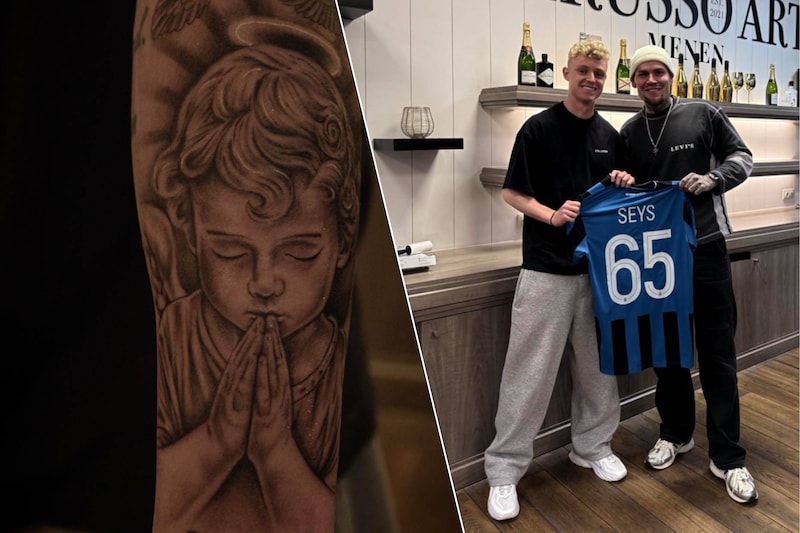
The close image makes the difference between the two tattoos easy to see. The phrase is built from fine lettering; the angel is a shaded portrait, with the hands and face carrying most of the detail. That change in scale gives the forearm two distinct visual treatments rather than one continuous pattern.
Soft transitions in the black-and-gray shading keep the figure readable in the photograph. The image doesn’t show the full outline of every mark on Seys’s arm, though, so it can’t establish where a sleeve begins or ends or identify every nearby tattoo.
The wider match-day forearm view
The VRT sports photograph shows Seys in Club Brugge kit during match action. His face and shirt make the setting clear, and his arm appears in a wider view than in the studio photographs. The smaller tattoo marks aren’t as easy to read here, but the image places the forearm ink in an ordinary football setting.
Distance, movement and shadow soften the details. This frame is useful for seeing how the arm sits beside the wrist and short sleeve; it isn’t clear enough to name every shape. The lettering and portrait close-ups are better sources for describing the designs themselves.
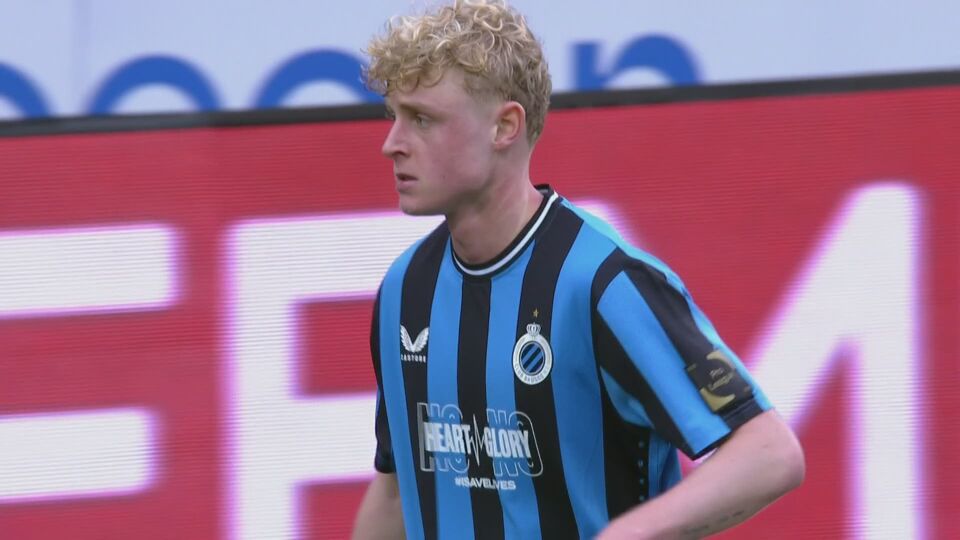
The blue and black stripes in this photograph belong to Seys’s Club Brugge shirt, not to the tattoo. In the close-ups, the ink reads as dark lettering and black-and-gray portrait work. Keeping the kit and the tattoo separate makes the color description more precise.
A Club Brugge identity frame
The RTBF photograph is a chest-up portrait of Seys in a Club Brugge shirt. His face and hair are in focus, but the crop doesn’t show a tattoo clearly. It identifies the player after the closer views of his arm.
That makes this image useful for context, not as another example of his ink. The tattoo details come from the script photograph, the Cirusso Art image and the wider sports frame.
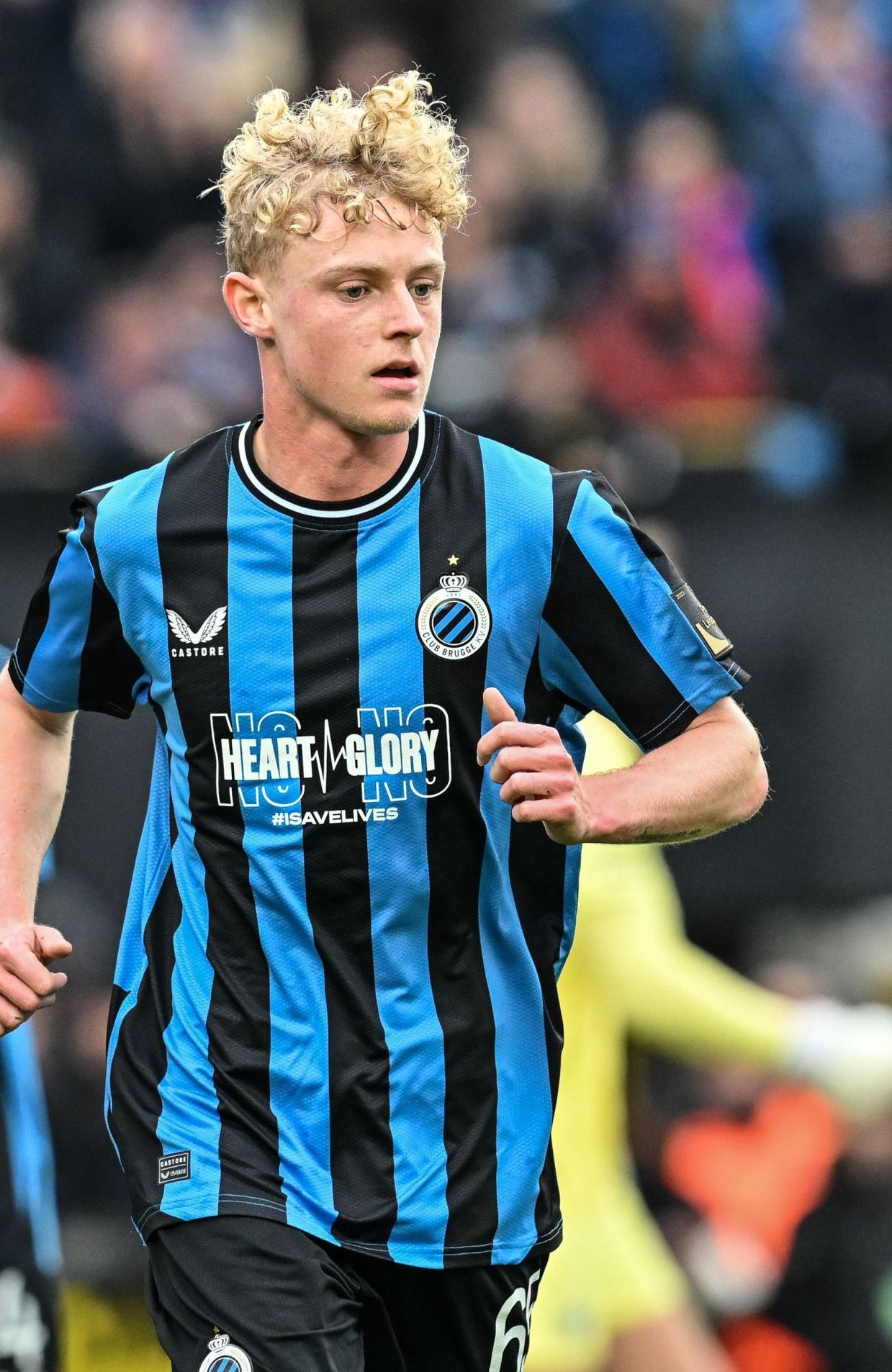
A portrait can confirm who is pictured without revealing skin outside the frame. The shirt places Seys at Club Brugge, but it doesn’t add a new tattoo or change what the close-ups show.
A supporter-side identity frame
The De Morgen photograph places Seys in front of a crowd, with supporters blurred behind him and a Club Brugge shirt in view. His face is sharp; his arms aren’t shown clearly enough to identify any ink.
The setting differs from the RTBF portrait, but the role of the image is similar: it adds a recognizable view of Seys without serving as tattoo evidence.
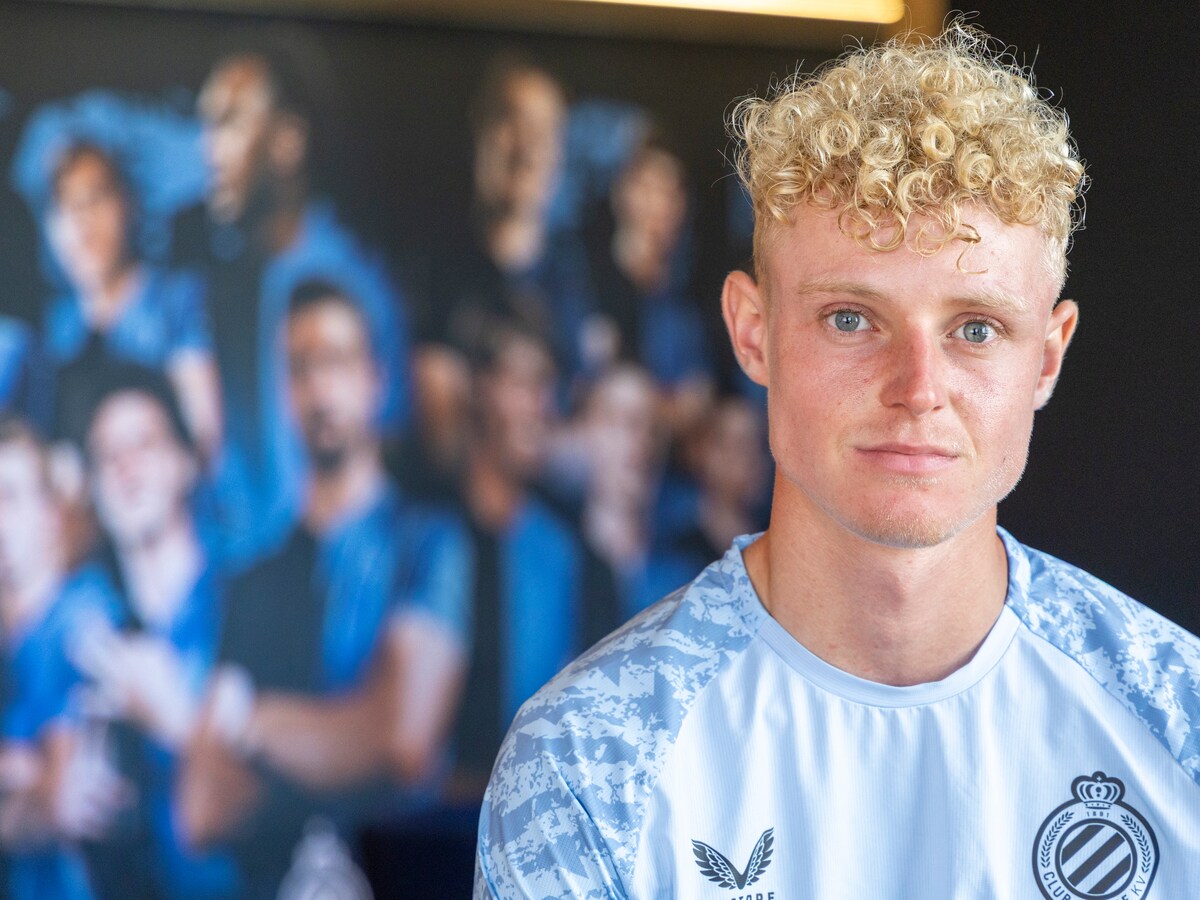
The two portraits show him in different Club Brugge settings: one is a straightforward kit portrait, while the other includes supporters in the background. Neither gives a clear view of the forearm designs.
What the published record supports
The photographs and reporting support two clear descriptions. Seys has a forearm phrase reading Sempre con voi, which HLN connects with his father. Cirusso Art identifies the larger shaded figure as a praying angel, and Nieuwsblad reports the Portuguese protective phrase associated with it.
The images don’t provide a complete map of the arm. Match photographs show additional marks, but not clearly enough to identify each one or trace the full boundary of the tattoos. There is no published catalogue here of every design or appointment.
The reported wording gives the angel tattoo a protective context, while the close-up shows its figure and shaded treatment. Seys’s deeper personal meaning was left private in the coverage. Those distinctions let the article describe what is visible without guessing at what isn’t.
How to read the visual evidence
Each photograph answers a different question. The first close-up makes the script legible; the Cirusso Art image shows the praying figure; the VRT frame gives a wider view of the arm during football. The RTBF and De Morgen portraits identify Seys but don’t show the tattoos clearly.
Read together, the images support a fine cursive phrase, a larger black-and-gray portrait, and other forearm marks that remain indistinct. The close-ups are the best guides to style and detail; the match photograph helps with placement and scale.
How the evidence fits together
The two tattoos have different visual weight. Sempre con voi is a compact line of script; the praying figure uses a larger area and gradual shading. Both sit on the forearm, but one relies on lettering and the other on a portrait. The photographs don’t establish that all of the surrounding ink forms a single sleeve.
For a design reference, the published images show two approaches in dark ink: fine cursive lettering and a black-and-gray religious figure. The family connection and protective phrase come from the reporting, while the photographs show the visible style and placement. Anything beyond that would need clearer images or further reporting.