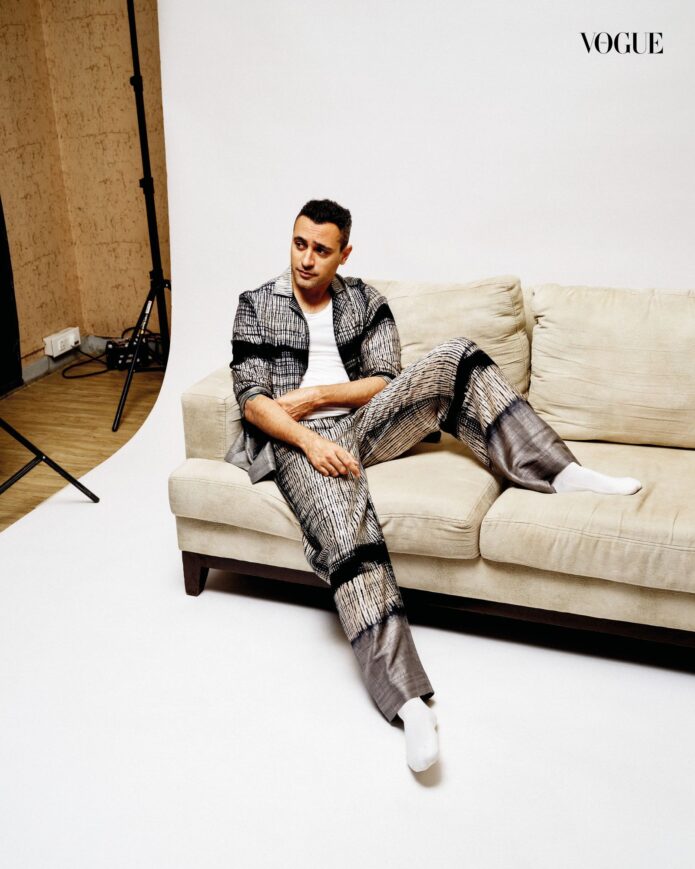
Imran Khan tattoos are easiest to understand as a visual record of change. The actor first became known for clean-cut romantic-comedy roles, but later photographs show a substantial Japanese-inspired sleeve, a chest design and smaller marks that become visible when he wears a vest or goes shirtless. The collection is not one single reveal. It appears across interviews, fitness photographs, a family story and a Vogue India comeback shoot.
The most reliable sources give us different kinds of evidence. Vogue India provides high-resolution portraits in which the arm sleeve is unmistakable. Mid-day documented a full-arm session in Los Angeles, India Today reported the footprint tribute to his daughter Imara, and the Times of India gallery preserves separate public photographs from different periods. Together, those sources make it possible to discuss placement and visual character without pretending that every symbol has a published explanation.
This guide keeps tattoo evidence and general portrait context separate. The four tattoo-bearing originals lead the inline sequence. A fifth, face-visible Vogue cover is used only as supplemental context after the tattoo search is exhausted, while the featured image is a separate portrait route and is not reused in the article. That ordering matters because one striking image should not be made to represent an entire collection.
The arm sleeve is the clearest visual anchor
The strongest view of Imran Khan’s ink comes from the Vogue India photographs. In the color frame, a detailed sleeve covers the upper arm and continues down toward the forearm, with layered figures, outlines and shaded sections packed into one coherent field. The work has enough scale to read as a full composition rather than a handful of unrelated marks.
The sleeve also shows why body-art coverage needs more than one crop. The shoulder carries the largest visual mass, while the forearm narrows into smaller details and darker bands. A viewer can see the overall architecture in one portrait and then notice how the design changes direction around the elbow. The clearest visual takeaway is about flow: the artwork follows the arm instead of sitting on it like a flat rectangle.
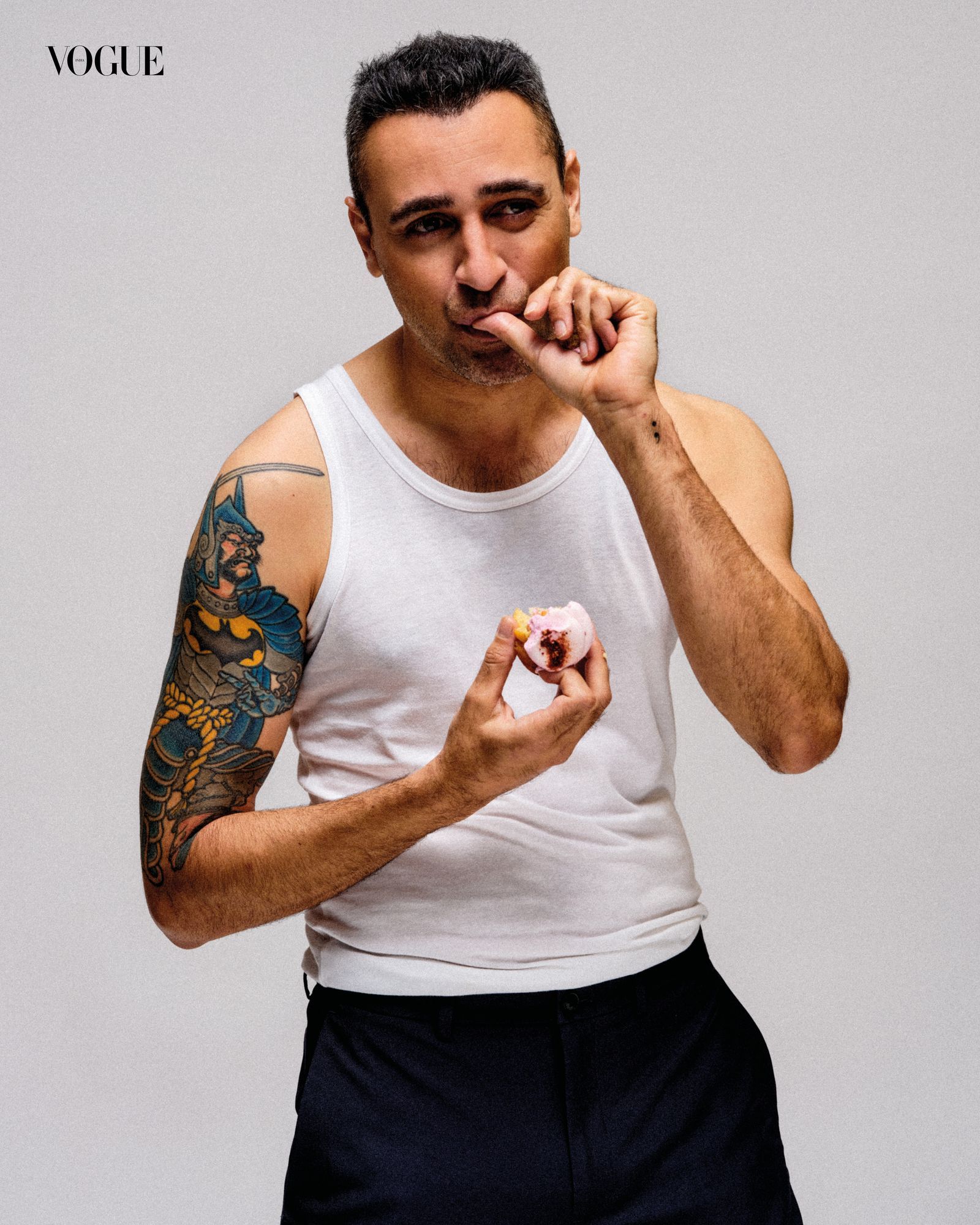
Vogue’s images do not identify every figure or give a meaning for every element. They do establish a genuine, visible sleeve and a clear subject match. It is more accurate to describe the color, density and placement than to assign a private story to a shape that Khan has not publicly explained.
A black-and-white frame reveals the sleeve’s structure
The second Vogue portrait turns the body slightly and brings the arm across the foreground. In monochrome, the design reads through line weight and contrast rather than color. Curving bands, shaded panels and smaller details sit beside one another, giving the viewer a better sense of how the artwork behaves when the arm bends.
This is a different original from the brighter donut photograph, not a crop of the same frame. The pose changes the angle, the shoulder faces away from the camera and the sleeve is interrupted by the white vest. Those differences matter. A close view should add information about placement, not simply repeat the same publicity image.
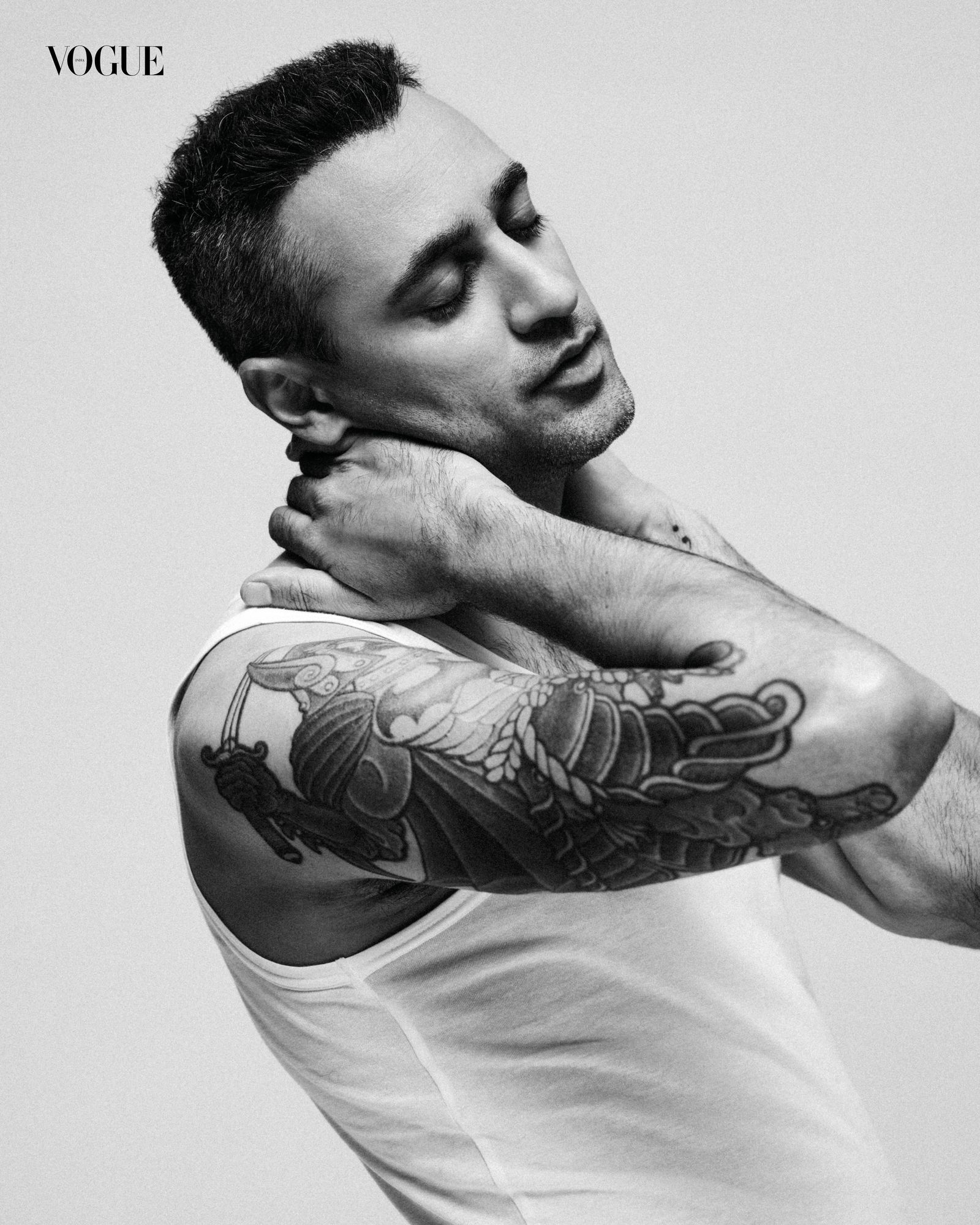
For a reader studying a full sleeve, the frame offers a practical reference. Large shapes can follow the upper arm, while smaller marks occupy the forearm and the spaces near the elbow. The result feels connected because the palette and line language repeat, even though the individual images are varied.
The chest tattoo carries a family story
India Today reported that Khan had his daughter Imara’s footprints inked on his chest when she was ten months old. The story gives the design a documented meaning that the fashion portraits alone cannot provide. It is a personal record of fatherhood, and it sits in a different emotional category from the large sleeve on the arm.
A footprint tattoo is powerful partly because it preserves a moment without requiring a literal portrait. The scale can stay intimate, the placement can remain private and the design can age alongside the child. In Khan’s case, the source connects the idea to his own mother preserving his footprint, which gives the gesture a family echo rather than a generic parenting slogan.
The available family photograph is not used as a substitute for a close chest tattoo image. Instead, the article relies on the report for the meaning and on the inspected arm photographs for the visible sleeve. Keeping those forms of evidence distinct avoids turning a warm family story into an unsupported visual claim.
Older tattoo photographs show how visibility changes
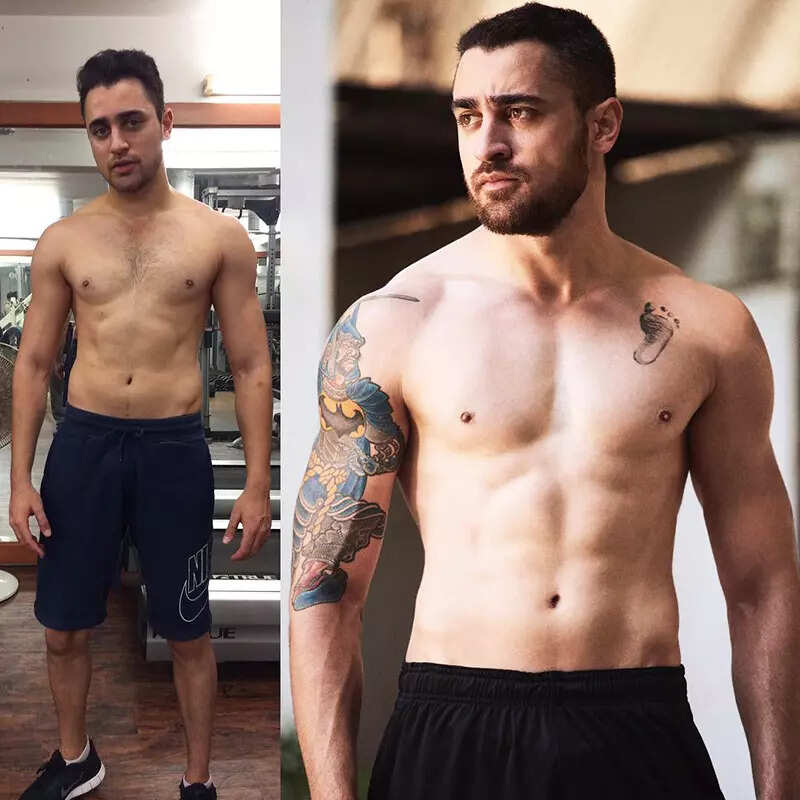
The ETimes gallery adds a different kind of record. One composite frame places an earlier fitness image beside a later shirtless portrait, making the change in Khan’s body and visible ink easy to follow. Another photograph shows him with his daughter and a small section of arm artwork visible near the shoulder. These are not studio tattoo photographs, but they document how the collection appears in ordinary public images.
The gallery material is useful because it resists a single polished narrative. In some frames the sleeve is obvious; in others, clothing hides most of it and only a section appears. That variation is normal for a person who is photographed in shirts, jackets, gym clothes and family settings. Visibility is part of the design story: placement determines when the work becomes public.
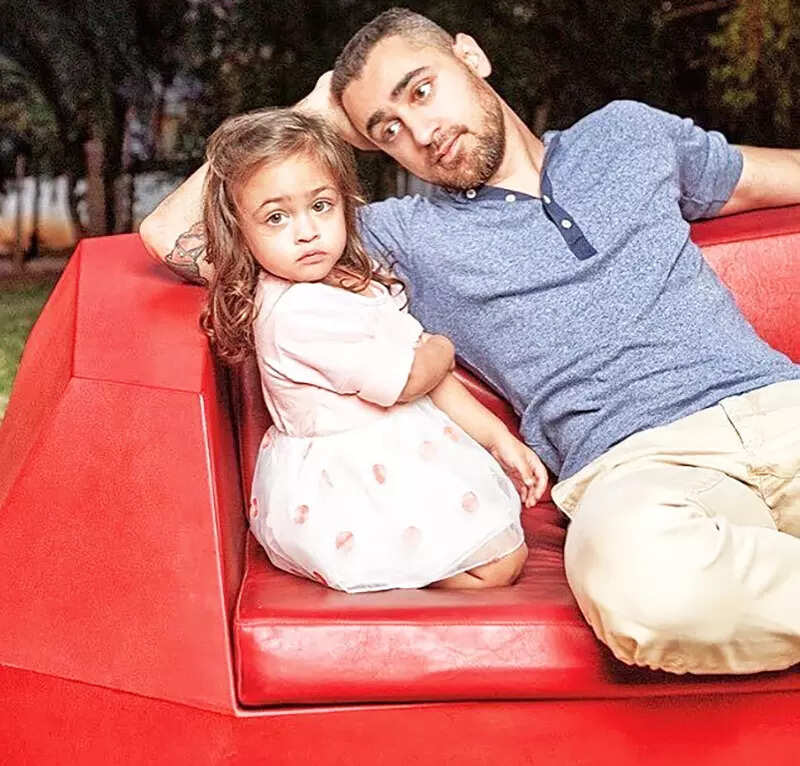
The tattoo-bearing originals retained for this feature are separated by source, pose and period. The family frame is not counted as a full sleeve close-up, and the formal gallery portraits are not described as revealing designs they do not actually show. That restraint makes the visual record more useful to readers who want an honest reference.
The record shows a longer creative project
Mid-day’s report from Los Angeles describes Khan getting another full-arm tattoo. The studio setting places the act of tattooing inside the timeline rather than showing only the finished celebrity image. It confirms that the sleeve was an active project and that the scale of the work was intentional, not an accidental effect of one unusually revealing photograph.
That context changes how the finished Vogue portraits can be read. The sleeve is not merely a fashion prop for a comeback shoot. It is the result of repeated decisions about coverage, style and the way an arm can carry a long visual sequence. The sources do not name every artist or every motif, but they do support the broader point that Khan continued adding to the area over time.
The practical takeaway is to protect the strongest focal points and leave enough space for future work. Khan’s collection demonstrates how a personal design can grow while retaining a recognizable overall language.
The references work because the moods are not identical
The photographs move from bright editorial color to quiet black and white, from a family setting to a tattoo studio and from a public gallery to a close portrait. That variety keeps the collection from feeling like a single promotional pose. It also reminds the reader that a tattoo can look dramatically different as lighting, clothing and body position change.
Color emphasizes the blue and warm tones in the sleeve, while monochrome makes the shading and outline work more obvious. A family photograph does something else: it places the person inside a relationship and shows why not every useful tattoo source needs to be a close-up. The best dossier lets each original keep its own job.
The visual vocabulary is strongest when the images are read together. The large arm work provides the immediate identity, the chest footprint supplies a documented personal story and the smaller glimpses show that the collection exists beyond a single editorial session.
How to study the record without overclaiming
A responsible tattoo feature distinguishes what a source names from what an image merely displays. India Today names the footprint tribute. Mid-day documents another full-arm session. Vogue supplies the most detailed inspected views of the sleeve. The remaining photographs help with continuity, but they should not be treated as proof of designs hidden beneath clothing.
That method is especially important with celebrity tattoos because fans often attach meanings to shapes before the wearer has spoken about them. A design may resemble a familiar figure or symbol, but resemblance is not documentation. The article therefore uses visual language such as sleeve, shaded panel, line work and chest footprint unless a source supports a more specific claim.
The result is not less interesting. It gives readers a clearer sense of what can actually be copied as a placement reference: the density of a sleeve, the use of a large upper-arm focal area, the intimacy of a family footprint and the value of leaving a design legible when the arm bends.
A broader frame closes the visual record
The Vogue cover is included as supplemental context only. It is a separate face-visible original, not a replacement for the tattoo-bearing photographs. Its tighter crop and fashion styling help readers identify Khan clearly, but the article does not use it to invent a new design or to claim that every hidden area is visible.
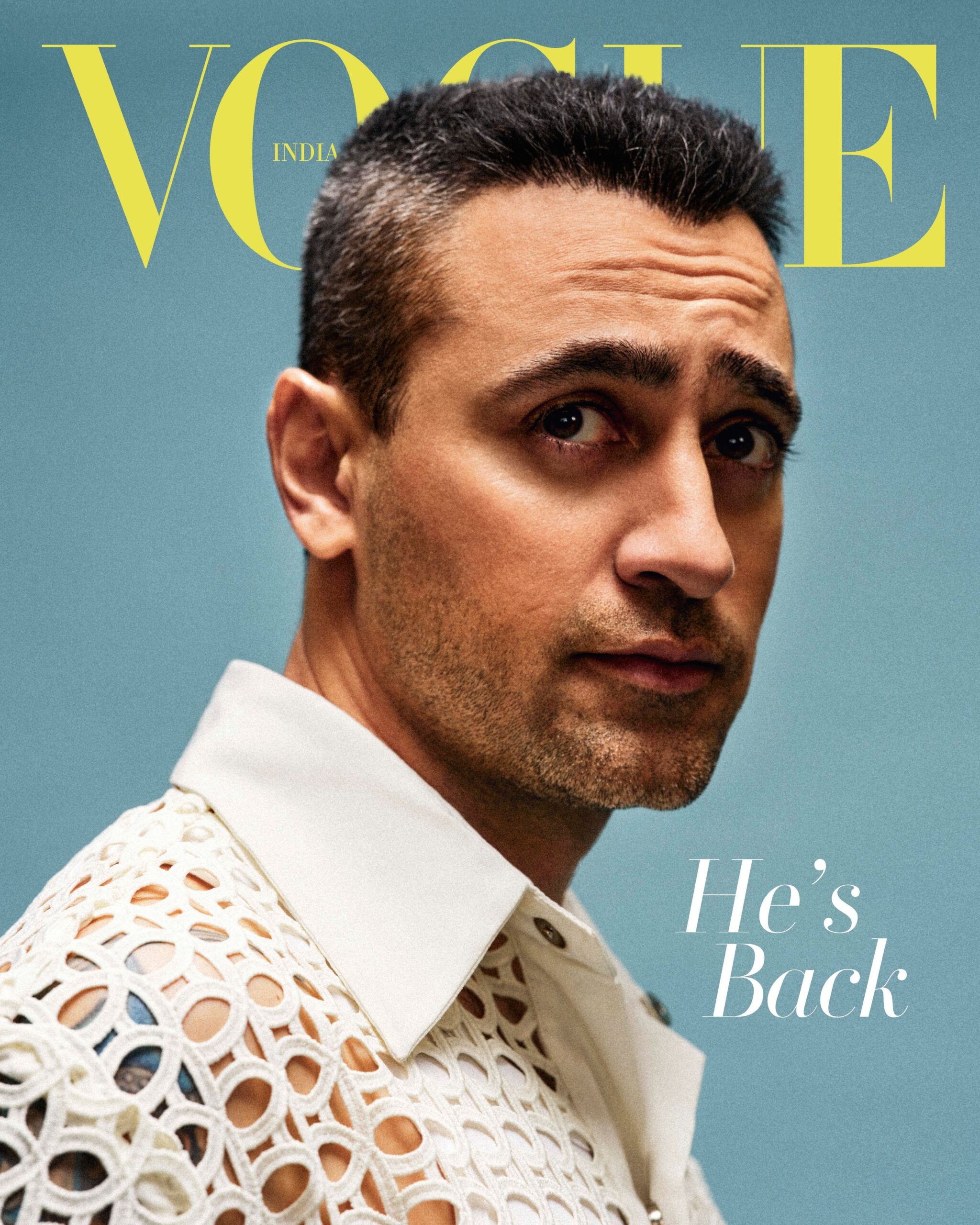
Placed after the four tattoo-bearing images, that distinction remains easy to follow. The sequence begins with the documented sleeve, moves through changes in angle and period, returns to the family story, and ends with a neutral portrait route. This is a better record than placing five generic celebrity images at the top and calling them tattoo coverage.
What the collection leaves with the reader
Imran Khan’s tattoos combine a bold arm project with quieter personal references. The sleeve has the immediate visual impact, but the footprint story explains why the collection cannot be reduced to style alone. The visible record moves between self-expression, family memory and the practical question of when an actor’s body becomes part of the public image.
The most defensible reading is also the most useful. Study the sleeve’s flow, notice how contrast protects the largest forms, and keep the chest tribute separate from the broader color story. Use the photographs to understand placement and scale, but let the published sources determine what a design means. Good tattoo research leaves room for mystery while making every visible claim precise.