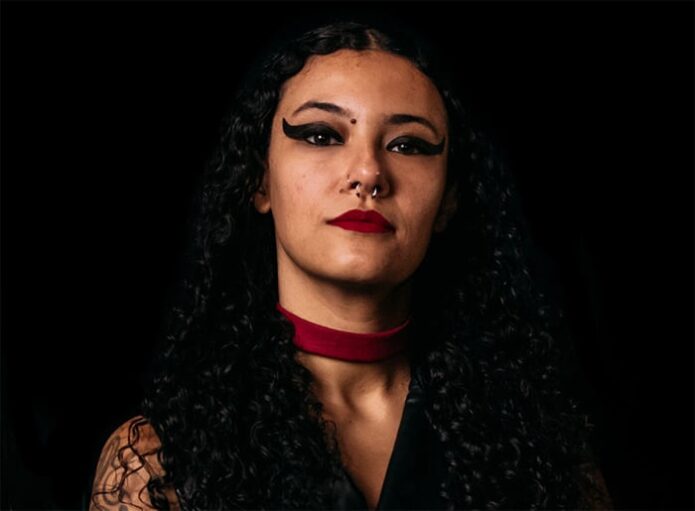
Fernanda Lira has talked about several tattoos that are easy to identify in interviews: portraits of King Diamond and Amy Winehouse, a Beyoncé silhouette, and the words “vida real.” She has also explained why she chose some of them and what people tend to get wrong. The photographs show a wider collection across her arms and legs, though many of the smaller marks haven’t been named publicly.
The portraits connect to different parts of Lira’s musical life, and the arm work has its own look. These images come from studio sessions, a seated portrait, a concert and a stage setting, so they show her ink in more than one context. The featured face-visible photo introduces Lira; the seven inline images show tattooed areas.
Fernanda Lira’s arm tattoos
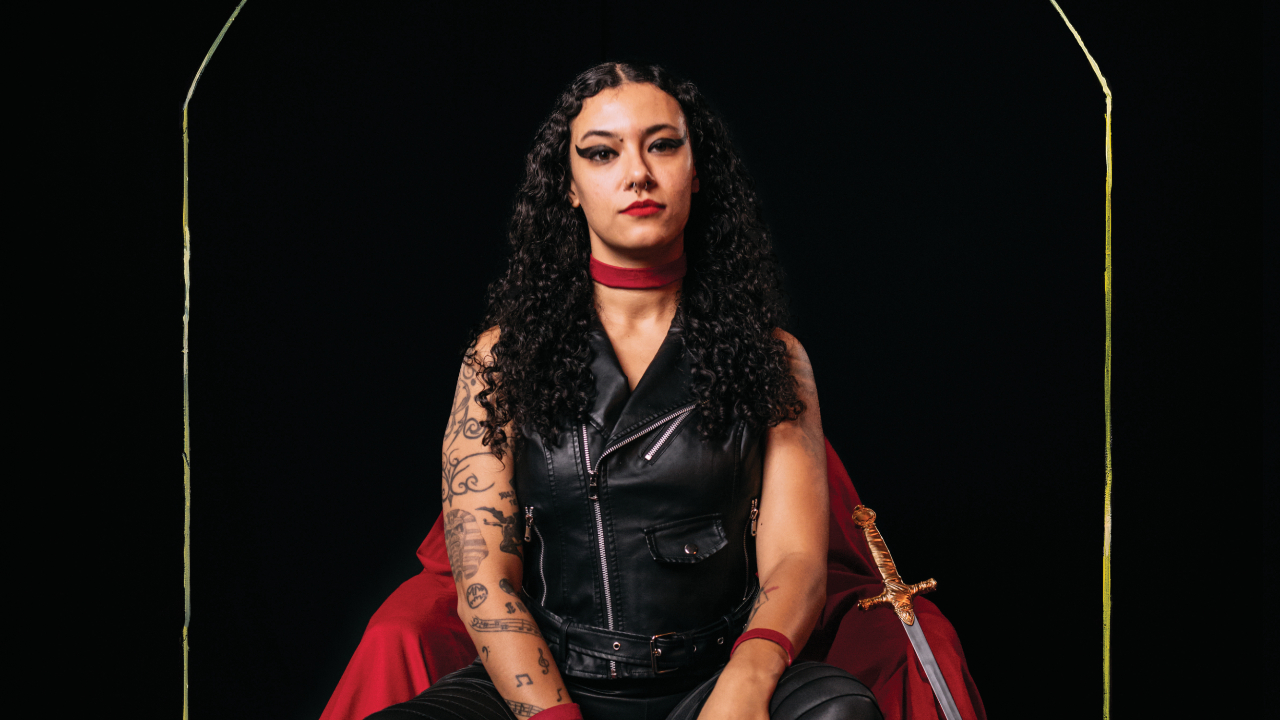
The seated Louder portrait gives a good view of both arms. Tattoos run over the upper arms and forearms, with curved lines, small symbols, lettering and portrait-like shapes sharing the same space. The designs wrap around the limbs, so a front-facing view can show only part of a larger piece.
Most of the arm work in these photos reads as black ink or black-and-grey shading. There are fine lines alongside darker areas and small marks that sit between the larger images. The photos don’t provide a complete inventory, and Lira hasn’t explained every detail. The designs she has discussed can be identified; the rest are best described by their visible form and placement.
Lira has performed with Nervosa and Crypta and toured internationally. The photographs span studio and live settings, but the tattoos aren’t all band symbols. Some point to musicians she admires, while others remain personal choices she hasn’t assigned a public meaning to.
The King Diamond leg tattoo
Lira has a portrait of King Diamond on one leg. In the Louder interview, she says people ask about it when she wears shorts because they don’t recognize the singer. His face is associated with stage makeup that includes inverted crosses, which is part of the image people react to.
She tells the story with a sense of humor. The tattoo is a reference to a musician she listens to, and the repeated question has become part of how she talks about it. The portrait doesn’t need a guessed meaning: Lira has already explained who it shows and why people sometimes mistake it for something else.
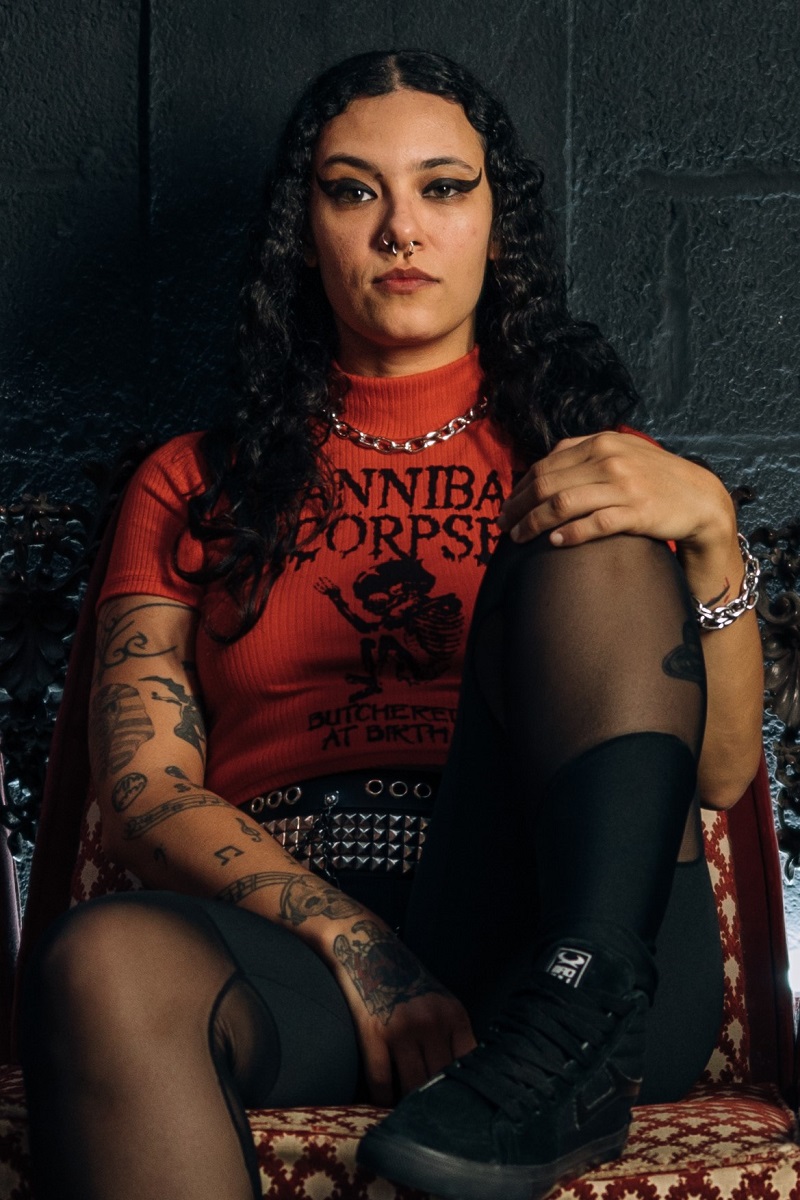
The seated studio photograph shows Lira in a throne-like setting, with her arms and metal styling visible. It gives a clear look at the broader tattooed collection, while the interview identifies the leg portrait more precisely than this frame can.
The Amy Winehouse leg tattoo
Lira has also described a large portrait of Amy Winehouse on her other leg. In a 2025 interview about her “Canta e Conta Amy Winehouse” project, she talks about Winehouse as a songwriter and a person whose public story was often narrowed to a few familiar headlines.
The project gives the tattoo context beyond admiration for a singer. Lira spoke about Winehouse’s work, mental health and humanity, and about the compositions behind the tribute. The portrait is part of a longer interest in the person and artist, not just a reference to a well-known image.
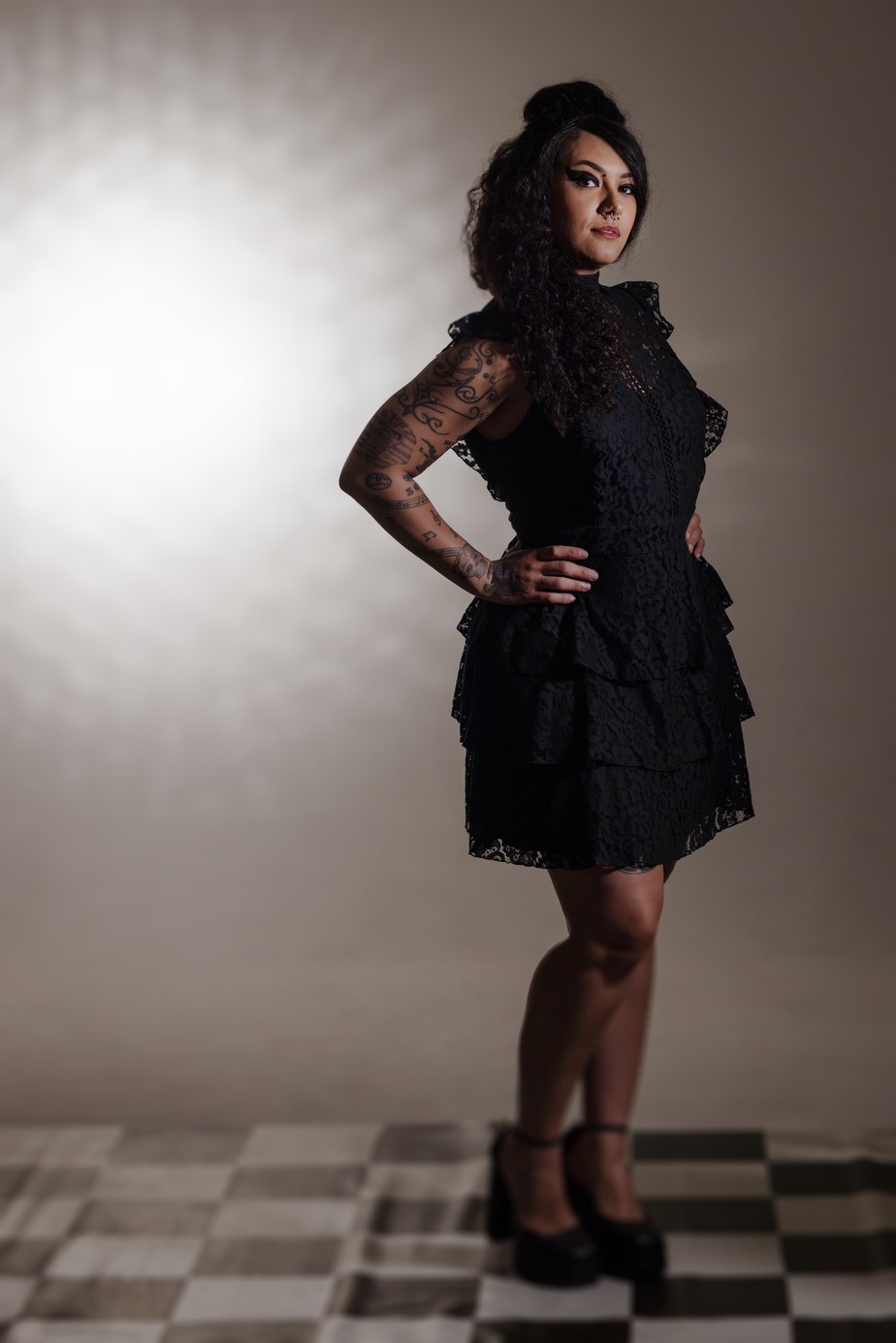
The full-length studio photo shows Lira’s arm tattoos and the styling used for the Amy Winehouse project. The leg portrait isn’t clear enough in this frame to inspect closely, so its identification comes from Lira’s interview. The image shows the wider collection around it.
The Beyoncé silhouette tattoo
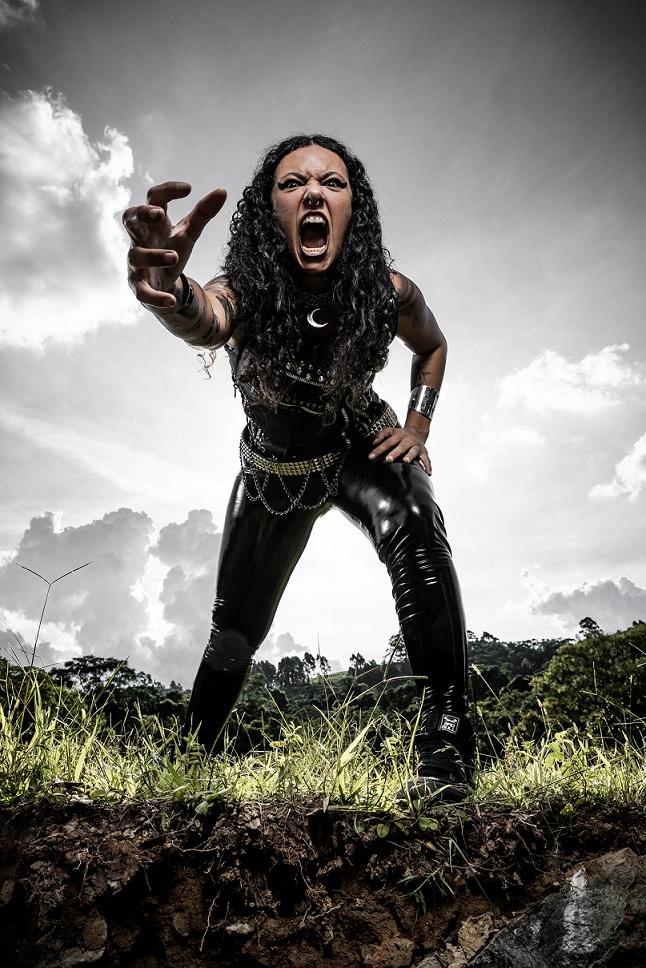
Lira says the Beyoncé silhouette comes from the start of the Lemonade tour, when Beyoncé wore a large hat. She places the tattoo around 2016 or 2017. Its outline is stylised enough that people have mistaken it for Zorro or Kung Lao from Mortal Kombat. Lira has called the tattoo bad herself, with the same humor she brings to the King Diamond story.
A concert photo from Terra shows Lira with both arms raised at a Beyoncé show. The image connects her to the artist she has described, although the silhouette itself isn’t legible in the frame. Her interview supplies the identification and the story behind the tattoo.
The piece also reflects how Lira’s tastes cross genre lines. She has described a childhood shaped by metal and has spoken about family and pop music as influences too. Beyoncé’s place in the collection fits that wider listening life without requiring every tattoo to represent one musical scene.
The vida real tattoo
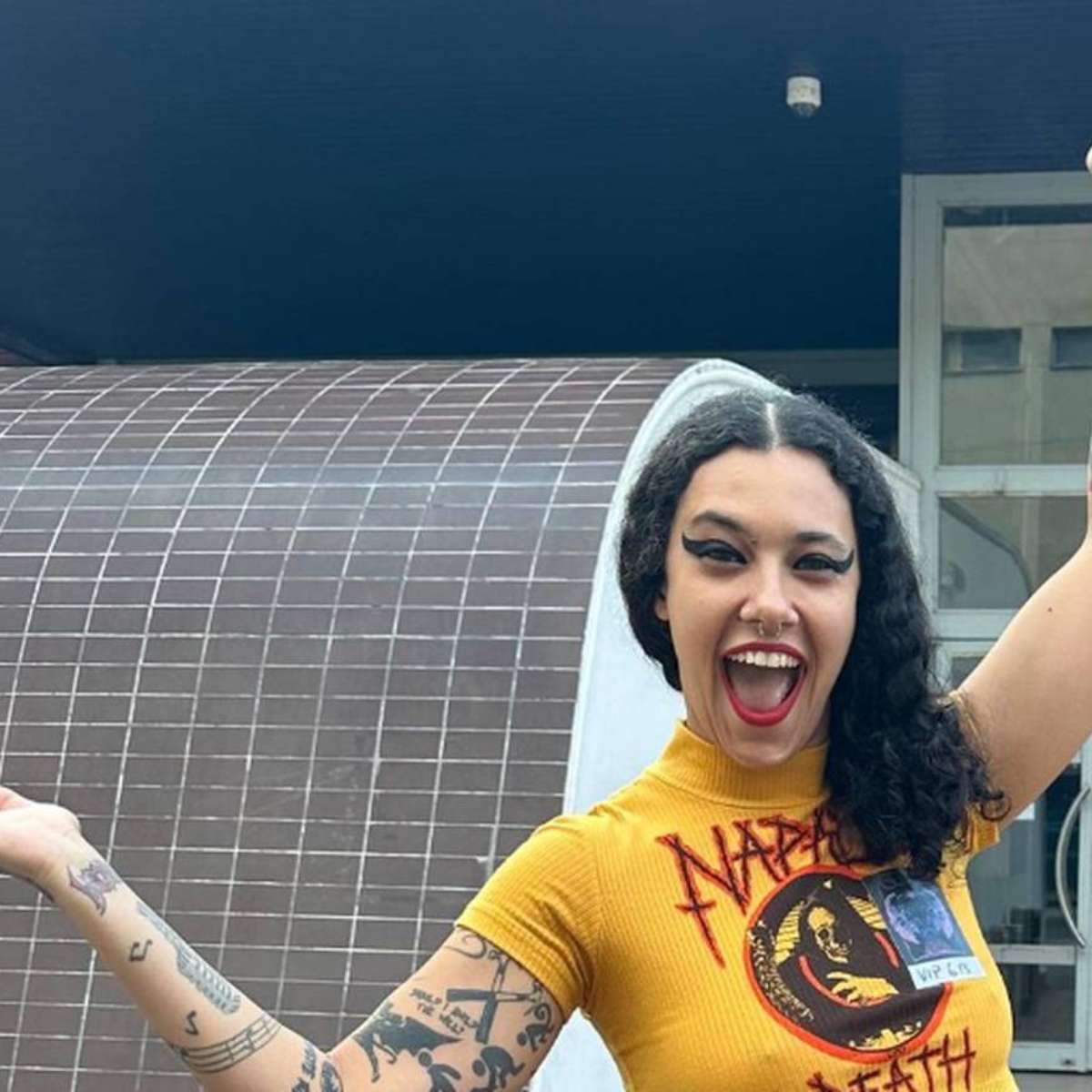
Brazilian coverage reported a newer tattoo reading “vida real,” or “real life,” in 2025. Lira described it as a reminder of the person behind online projections and other people’s expectations. The phrase points to the life that continues outside a public image or the versions of someone that circulate on screens.
That explanation is more direct than the meanings attached to many celebrity tattoos. Lira has spoken about how people build stories around public figures, while the person’s character and intentions remain outside those guesses. “Vida real” is a short phrase, but the interview gives it a clear context.
This concert portrait shows Lira with her arms raised and ink visible across them. It is a different image from the studio and seated photos. The frame catches her in a public, music-filled moment, while the phrase she discussed is about the difference between being visible and being fully known.
Fernanda Lira’s wider arm work
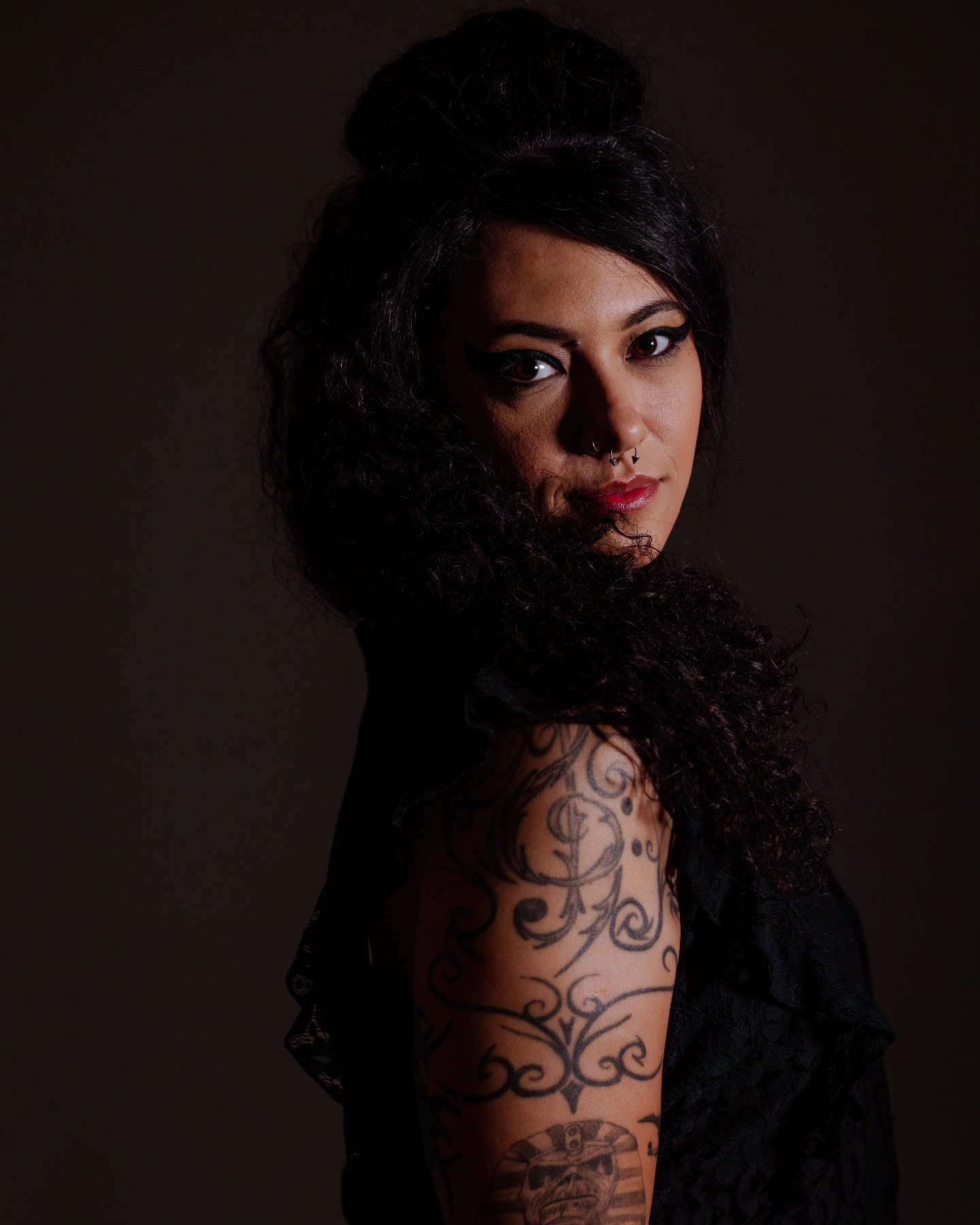
A closer portrait shows more of the upper-arm designs: curving black lines, ornamental scrollwork, portrait-like forms and smaller marks. The linework bends around the arm rather than sitting inside one simple border. There are dark, shaded areas below the scrollwork, and the closer view makes the mix of larger and smaller pieces easier to see.
The arm photographs are mostly black-and-grey, with contrast coming from the dark outlines, shaded sections and areas of bare skin between designs. The images don’t establish a full color palette for every tattoo, but black linework is the clearest visual thread. The close view also helps explain why the wider seated portraits cannot show every detail.
Some symbols remain difficult to identify, and the interviews don’t provide a numbered list of Lira’s tattoos. That leaves room for a careful description without pretending to know more than she has shared. The portraits and “vida real” have interview context; the smaller arm marks can be described by what the photos actually show.
A tattooed stage portrait
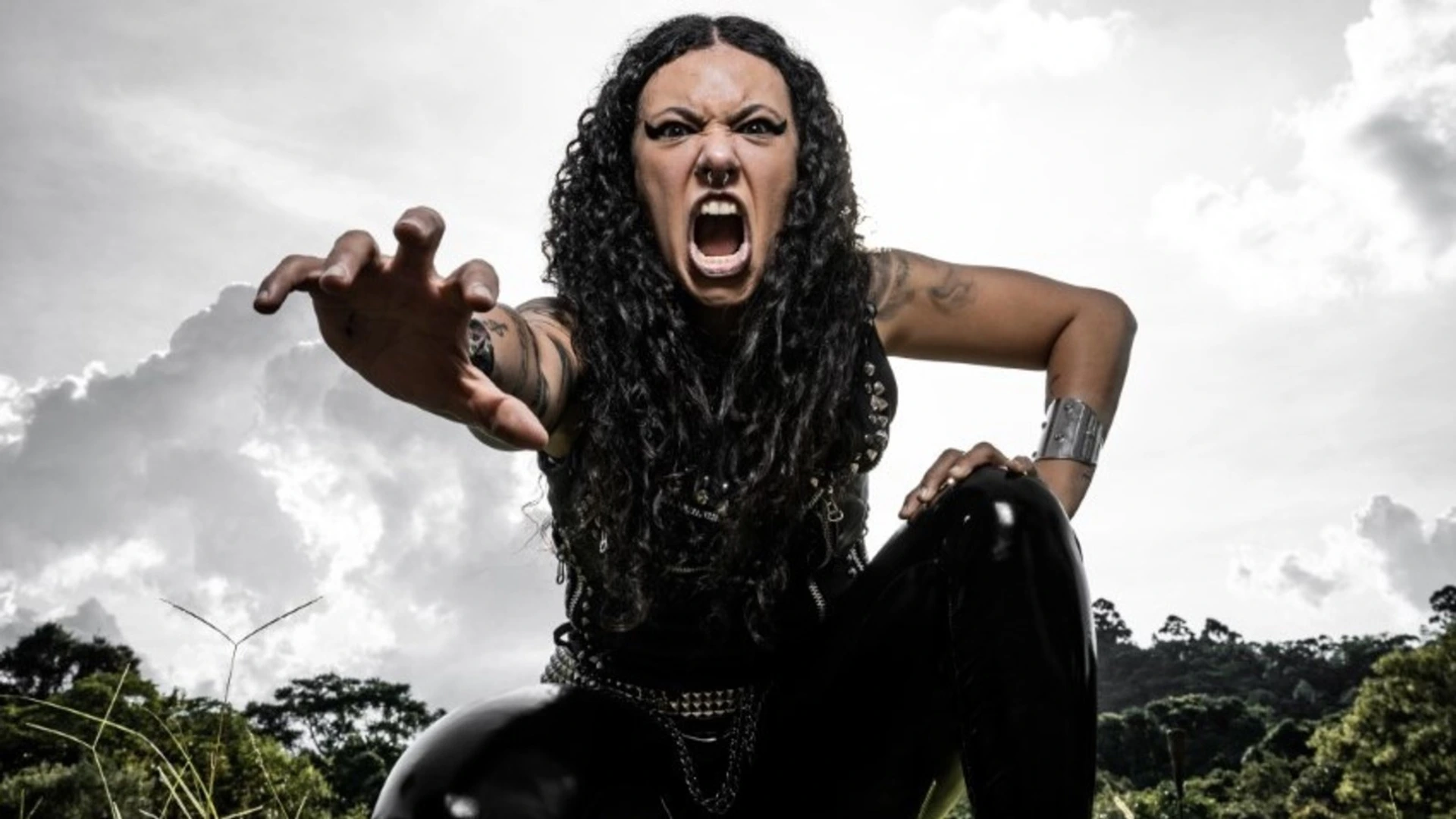
The final tattoo photograph shows Lira outdoors in a forceful stage pose, with ink visible on both arms. Her expression and posture are part of the performance image, while the tattoos remain easy to see. It offers a different view from the quiet studio portraits and shows the designs in the setting where she works as a bassist and vocalist.
The photos record the collection across different moments and settings. An arm design that looks still in a portrait appears alongside Lira’s live presence here. The image shows the tattoos traveling with her through shows and festivals; it doesn’t change what the named designs mean.
The music behind the imagery
Lira’s work with Nervosa and Crypta gives part of the background to these tattoos, but her influences aren’t limited to metal. She has spoken about pop music and family influences alongside the music that shaped her as a child. That range comes through in the subjects she has named: King Diamond, Amy Winehouse and Beyoncé sit in the same collection.
The portraits have different stories. King Diamond is a musical reference that people sometimes misread; the Amy Winehouse piece connects to a tribute project and Lira’s view of the singer’s work and life; Beyoncé’s silhouette carries its own imperfect likeness and concert-era detail. “Vida real” shifts the focus from another artist to Lira’s experience of public attention.
What the interviews add
Louder provides Lira’s accounts of the King Diamond and Beyoncé tattoos. The 2025 Amy Winehouse project gives her explanation of that portrait, and Brazilian reporting documents “vida real.” These interviews identify designs that the photographs do not always show clearly. For the other arm pieces, the sources support descriptions of linework and placement, not a complete list of names or meanings.
Performance and identity
Lira has said that not every tattoo needs a profound explanation; some are simply choices she wanted to make. That candor matters when the collection includes portraits, small symbols and large areas of arm work. The sources give specific stories for some designs and leave others open.
Across seated, studio, concert and stage photos, the tattoos appear as part of Lira’s everyday and working life. The King Diamond, Amy Winehouse and Beyoncé portraits connect to musicians she admires; “vida real” speaks to the space between a person and public projection. The collection can hold all of those things without one story standing in for every tattoo.
The interview trail
The written interviews are the strongest source for the portrait tattoos and the phrase. The embedded IUF conversation adds Lira’s voice on Crypta and her career in music. The separate featured portrait identifies her, while the inline photos show different parts of the collection. Details that neither Lira nor the images establish are left unnamed.