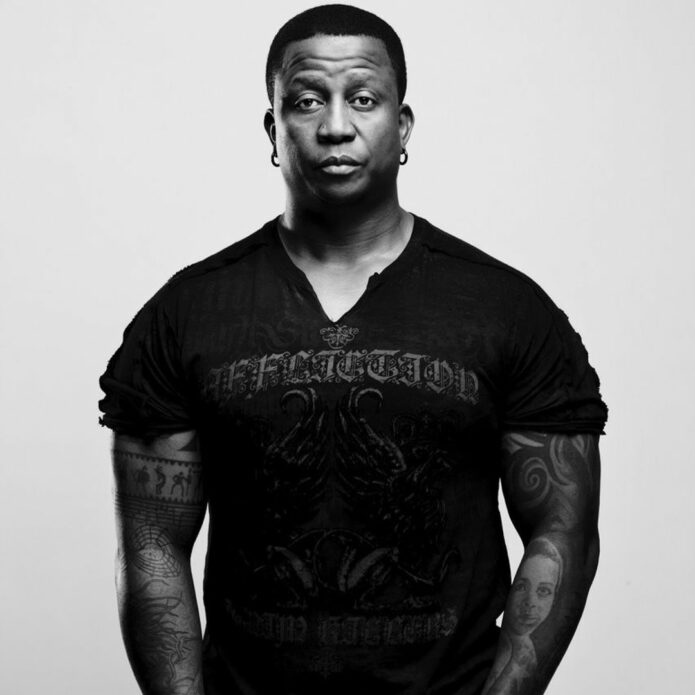
DJ Fresh’s tattoo history begins with a black panther on his upper arm and includes an outline of Africa filled with portraits on his back. Reports also describe full sleeves and tattooed legs. Fresh has said he won’t get a face tattoo because he lives in a conservative society and wants to keep his ink coverable.
DJ Fresh’s panther tattoo began the collection
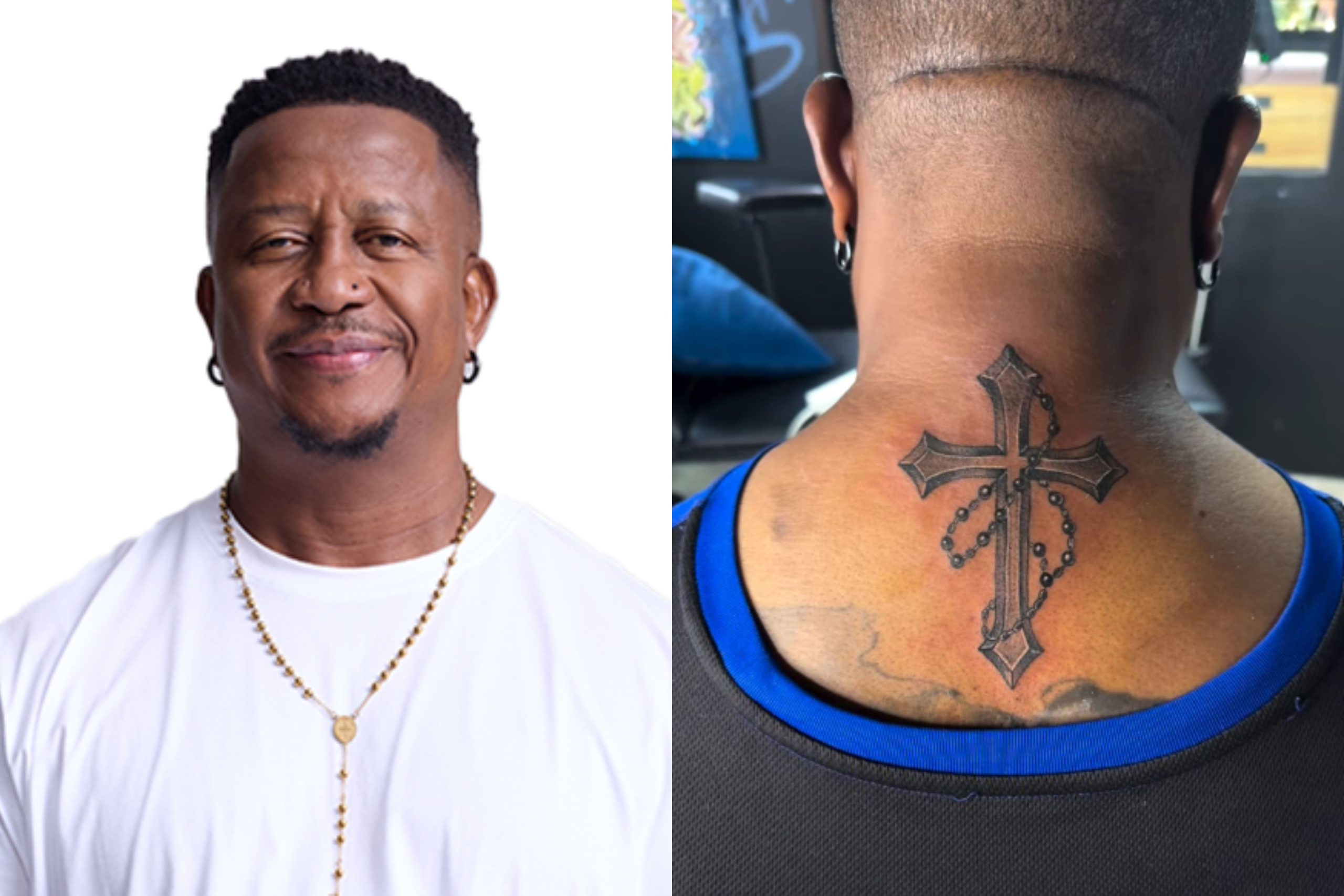
Kaya 959 reports that Fresh got his first tattoo, a black panther on his upper arm, in early 1998. Fellow broadcaster Thomas Msengana had a matching panther tattooed the year before. Fresh has said the design was connected to the Black Panther movement and its resistance to racial segregation in the United States.
He later joked that his panther looked healthier than Msengana’s. The remark is part of the story Fresh tells about the first tattoo and the friendship behind the matching designs.
The African map across DJ Fresh’s back
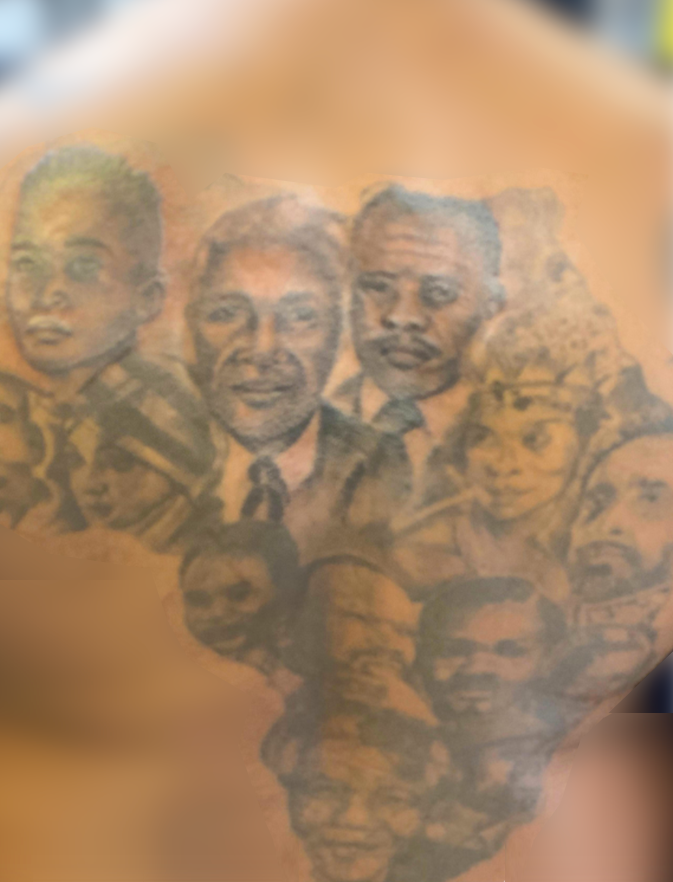
The back piece is an outline of Africa filled with portraits. Daily Sun reported that the early design included Fresh’s son Lefika, his late grandfather Kgosi Mmipi, former Botswana president Quett Ketumile Joni Masire and Nelson Mandela.
Fresh later added Winnie Madikizela-Mandela. Daily Sun reported that he visited Juan-Pierre Le Roux at RisingDragon Tattoo and Piercing for the portrait. The added face extends the gallery inside the same map.
In photographs, the continent’s outline reads from a distance; the portraits become clearer up close. The map and the faces are part of one design.
Portraits, faces and family history in the body art
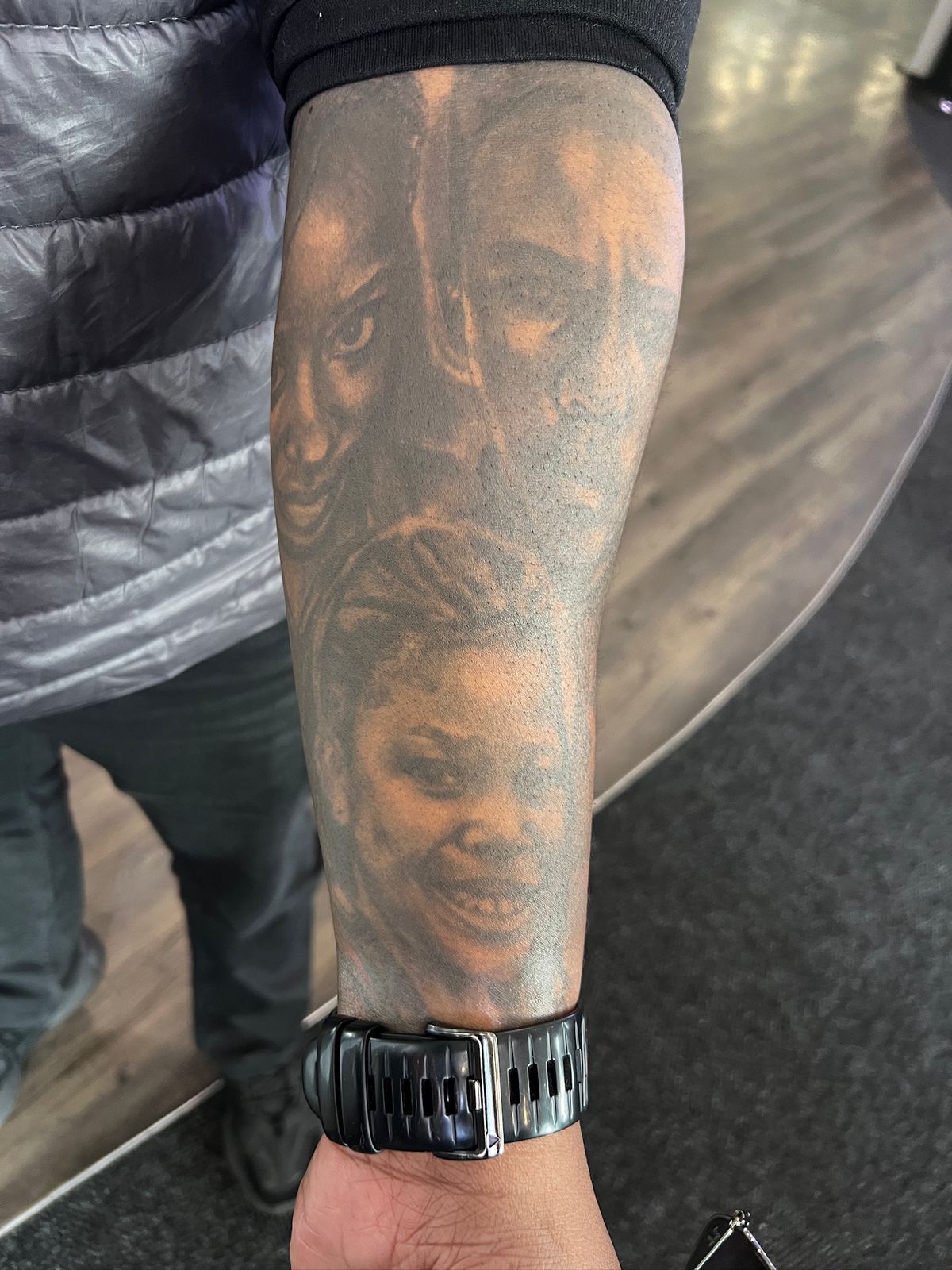
The portraits bring family members and public figures into the same piece. Lefika and Kgosi Mmipi sit alongside leaders Fresh regards as important to African history. Fresh has said that his tattoos represent chapters of his life, his values, people he loves and causes he believes in.
The accounts identify several people in the map, but don’t name every face or explain every detail in the wider collection.
The full sleeves and the visible arm language
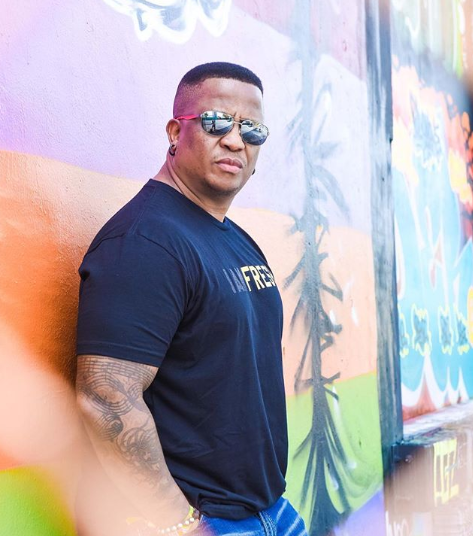
Fresh’s arms are covered in sleeves. Photographs show bands, portraits, curved forms and black-and-grey shading, though they don’t identify every smaller design. The Daily Sun image shows one arm against a colourful wall, with the tattoos visible beside his jewellery and clothing.
The arm tattoos in older broadcast portraits
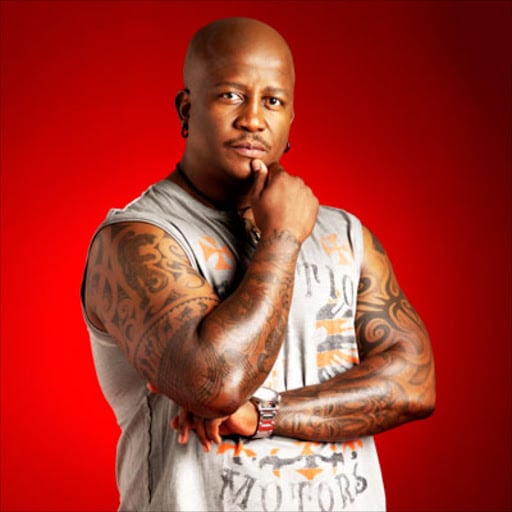
A Sowetan portrait from the period when Fresh moved from 5FM to Metro FM shows both tattooed arms in a sleeveless top. The photo places the sleeves in his broadcast career well before his more recent portraits. Bands and shaded areas are visible, but the image doesn’t provide a full inventory of the designs.
The collection reaches beyond the back and arms
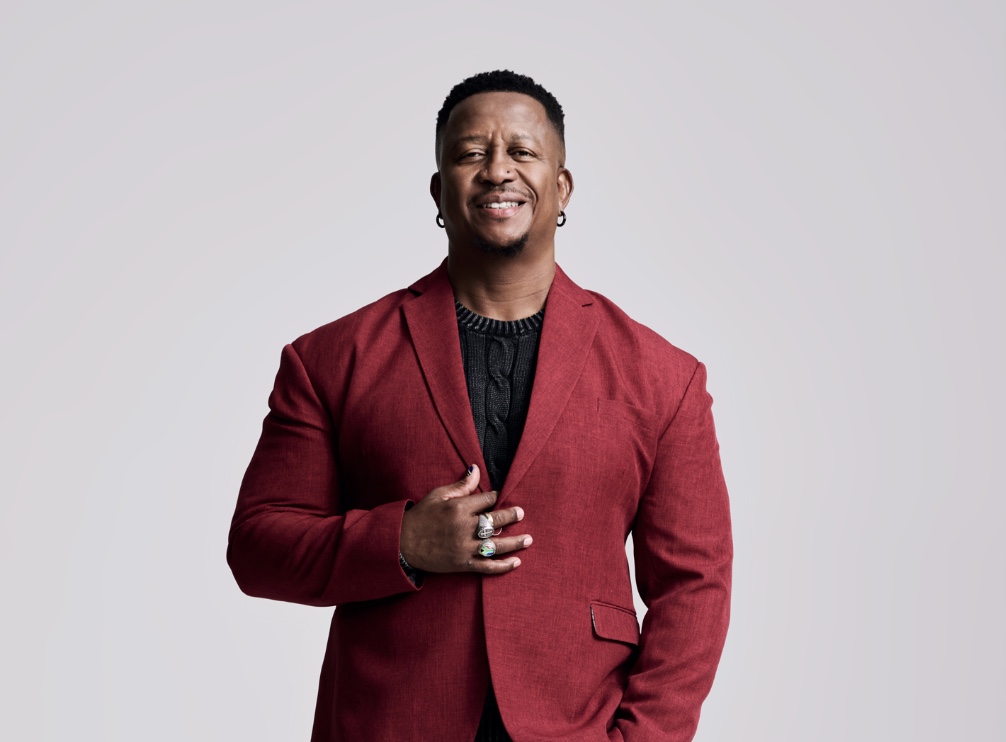
Kaya 959 reports that Fresh’s legs are tattooed and that he has lost count of the number of pieces. He has said he doesn’t want a face tattoo: he prefers ink he can cover, given the conservative society he lives in.
How the collection changed
The first panther dates to 1998; over time, the sleeves and the rest of the collection grew around it. The back map has also changed as Fresh added portraits, including Winnie Madikizela-Mandela. In the accounts that describe it, the map is the most detailed record of people and history in his tattoos.
Fresh’s work as a broadcaster, producer and DJ has taken place across South Africa and Botswana. The portraits named in the reporting connect the back piece to people and places in both countries, as well as to African history more broadly.
What remains uncertain
The reports explain the panther’s history and name several people in the African map. They don’t identify every mark in the sleeves or legs. The photographs show how much of Fresh’s body is tattooed, but not the story behind every design.