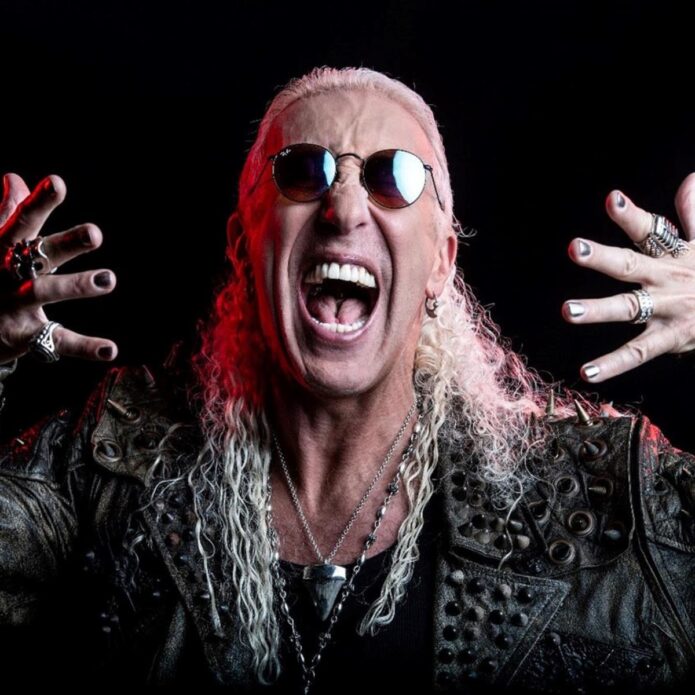
Dee Snider’s tattoos are easiest to understand through two documented designs: a shoulder tribute to his wife and children, and piston imagery on his arms. Ultimate Classic Rock reports the family tattoo’s wording and names; Snider’s official site explains where the piston idea came from. Concert photographs show how the ink sits on his shoulders and forearms.
The shoulder tattoo that carries Dee’s family story
Ultimate Classic Rock says the tattoo on Snider’s right shoulder reads “Suzette Forever” and includes his four children’s names: Jesse, Shane, Cody and Cheyenne. The report also says the piece was refreshed on an episode of Growing Up Twisted. That gives the design a clear, documented meaning as a family tribute.

The KFMX photograph shows Snider’s face and shoulder in the same frame, making the subject and placement clear. Another performance image shows the shoulder work continuing toward a darker forearm area. The outlines aren’t all sharp enough to describe in detail, but the colour and coverage are visible.

Mechanical imagery and the piston tattoo
On his official site, Snider explains that the pistons on his arms were based on a physical Boss piston he took to a tattoo parlour. He discussed the design in an interview connected to Stars in Cars. The account ties the image to a real object and his interest in engines, rather than to an interpretation inferred from a photograph.

The Power 96 performance photo catches Snider holding a microphone with both arms extended. It shows the upper arms and forearms together, though stage movement makes it less useful for reading fine detail.
How the tattoos read on stage
Concert lighting changes how ink appears. A bright flash can bring out outlines, while red or warm lights can darken the colours. The photographs here show the same arm work in different settings, so no single frame has to carry the whole description.

In this later stage photograph, the sleeveless shirt and raised microphone leave much of the arm visible. The image gives a sense of placement while the shoulder and piston accounts supply the documented details.
Dee Snider’s tattoos in the Twisted Sister timeline
Snider’s tattoos appear in performance photos and public appearances from different points in his career. They sit alongside a stage image shaped by Twisted Sister, then later solo work and broadcasting. The family tribute and piston design add personal details to that familiar look.
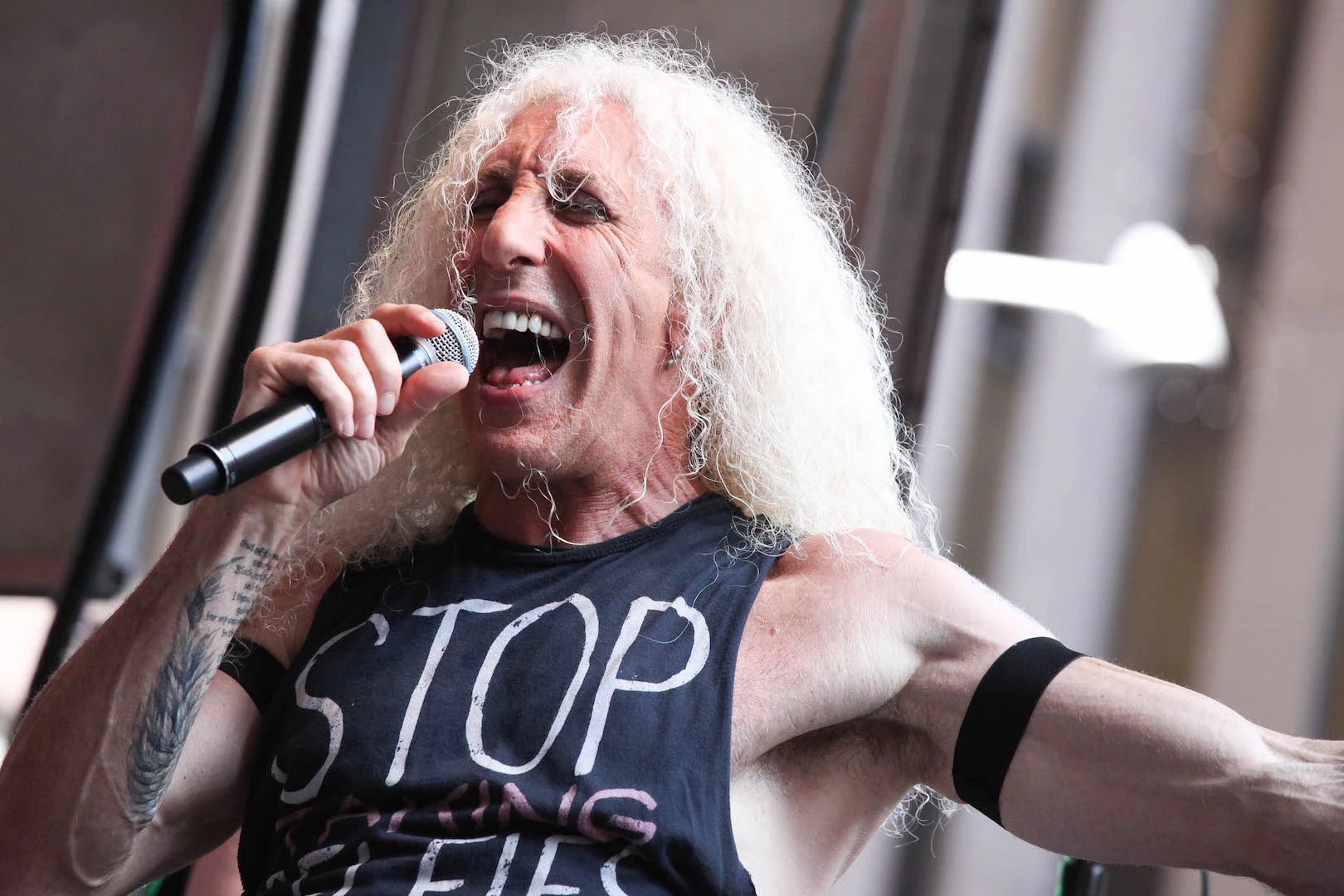
This close performance portrait makes the forearm lettering and upper-arm coverage easier to see. It complements the wider images, which show how the tattoos sit when Snider is moving onstage.
What the sources prove and what they do not
The reports support the “Suzette Forever” wording, the names of Snider’s children and his account of the piston design. The photographs show tattoos across his shoulders and forearms. Together they do not provide a complete inventory, an artist list for every piece or a reliable reading of every shaded area under concert lights.
A close crop can show texture and coverage but may leave the wearer or body placement unclear. Wider performance photos help with that context, though they can lose detail to movement and lighting. The article sticks to what the named sources report and what the images show.
Why family and machinery sit together in the collection
The shoulder tattoo carries the names of Snider’s wife and children; the piston design comes from an object he chose himself. One is a family dedication, the other a piece of engine imagery. That contrast gives the collection a personal detail and a mechanical one without requiring a meaning for every visible mark.
Reading the gallery responsibly
The family tribute and piston story are the clearest starting points. The colour photographs show the tattoos’ placement and coverage, but stage shadows or cropped details shouldn’t be treated as proof of additional designs. They also shouldn’t be used to identify another band member’s arm as Snider’s.
Read together, the sources connect one shoulder tattoo to family and the arm imagery to Snider’s interest in engines. The live photos show the work in performance, where posture and lighting affect what can be seen.