
Recent photos show substantial ink on one arm, including a dense forearm pattern with geometric or ornamental shapes. Coverage around Collin Gosselin’s memoir and television work has made it easier to see. The artist, dates and personal meanings haven’t been reported.
These photos show scale and placement, not a full catalogue. A cropped pattern doesn’t tell us why he chose each design.
The sleeve photo that started the conversation
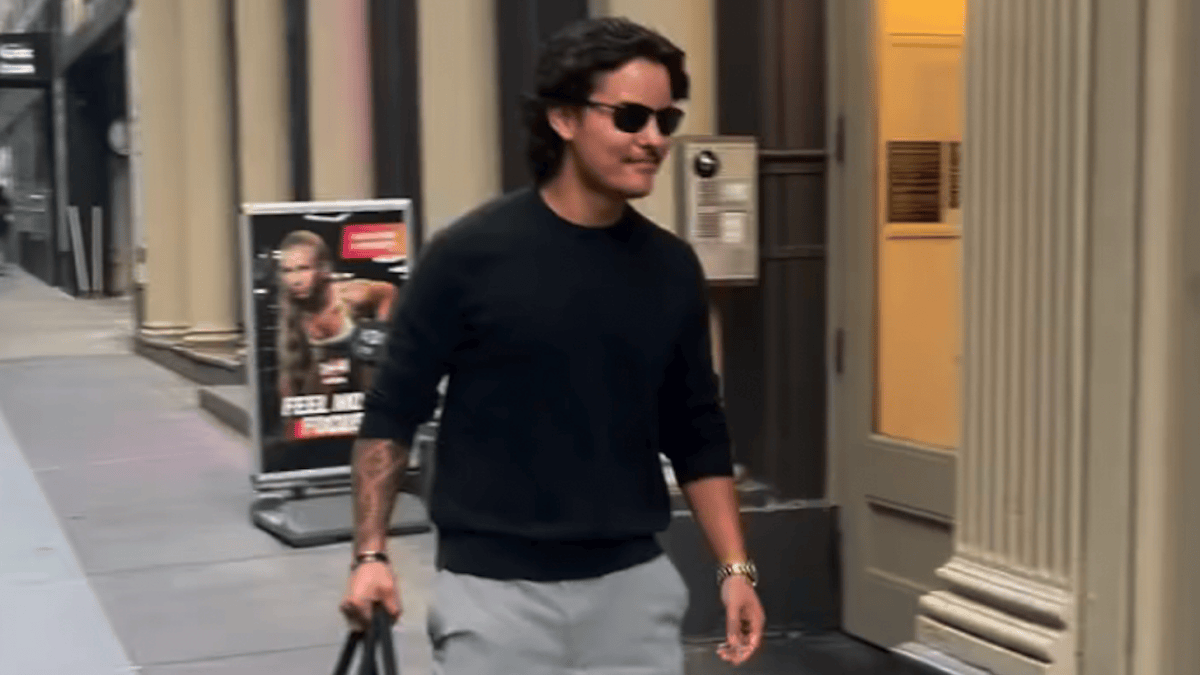
Us Weekly’s June 2026 coverage showed Gosselin walking in New York ahead of his memoir’s release. He wore a dark long-sleeved top and sunglasses, with only part of one arm exposed. The outlet described the work as a full tattoo sleeve. The photo clearly shows a large section of ink extending past the cuff, but it doesn’t show the whole arm.
“Sleeve” can mean an arm covered in ink or a large connected group that looks like one in a particular frame. This crop supports the second description; it can’t map where the designs begin and end. The lines look dark and compact, but there isn’t enough detail here to assign a specific style. The cuff hides most of the work; the tattoo becomes more noticeable when he rolls the sleeve up.
The forearm tattoo in the interview frame
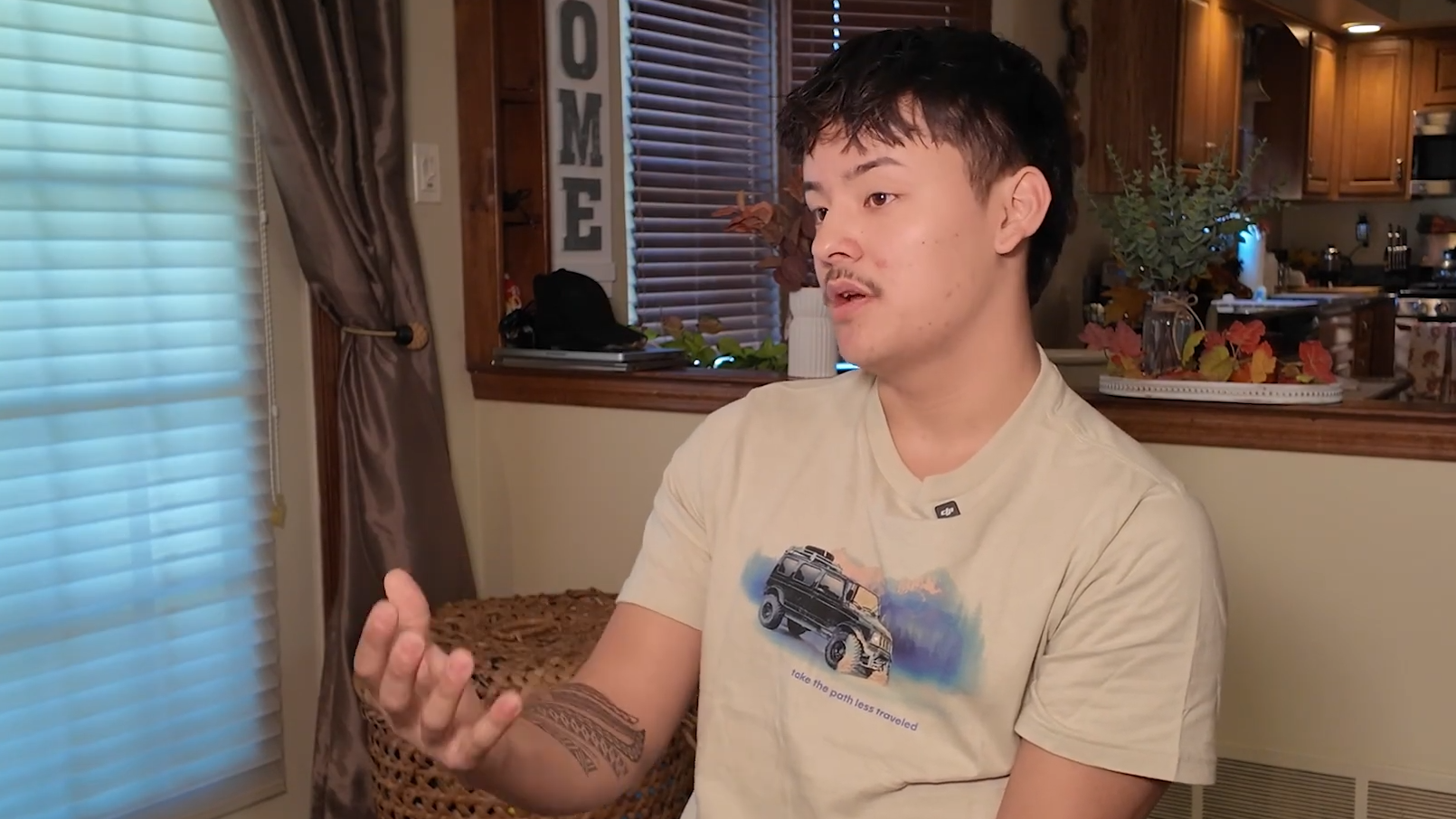
This interview image gives a closer view of the forearm. It shows dark bands, repeated shapes and tight linework. Seen as a whole, the pattern has a geometric or ornamental feel, though the source doesn’t identify individual symbols. Some areas are heavier than others, leaving narrow lines between solid patches of black.
The design changes as the arm turns. In the interview, the pattern faces the camera; in a walking shot, movement, shadow and fabric break it up. Neither image gives a meaning, date or link to the memoir. The forearm piece is dense and high-contrast.
How interview photos frame the subject
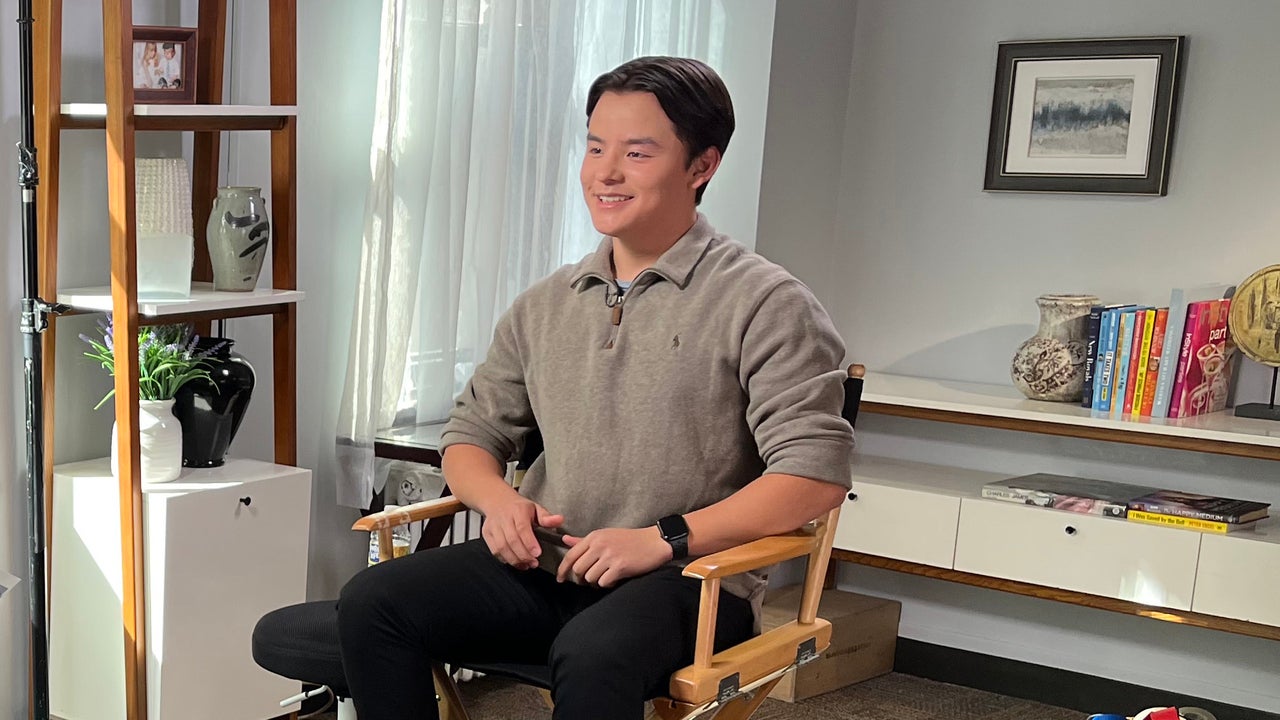
Here, the arm is visible but isn’t the focus. The face, clothes and room take up more of the frame, so the ink reads as part of his outline rather than a design to study. That’s how most people will see it in interviews or candid photos: they can tell there’s a lot of work on the arm, but not name each shape.
This image gives context, not tattoo detail; the close-up is better for linework.
A different public image
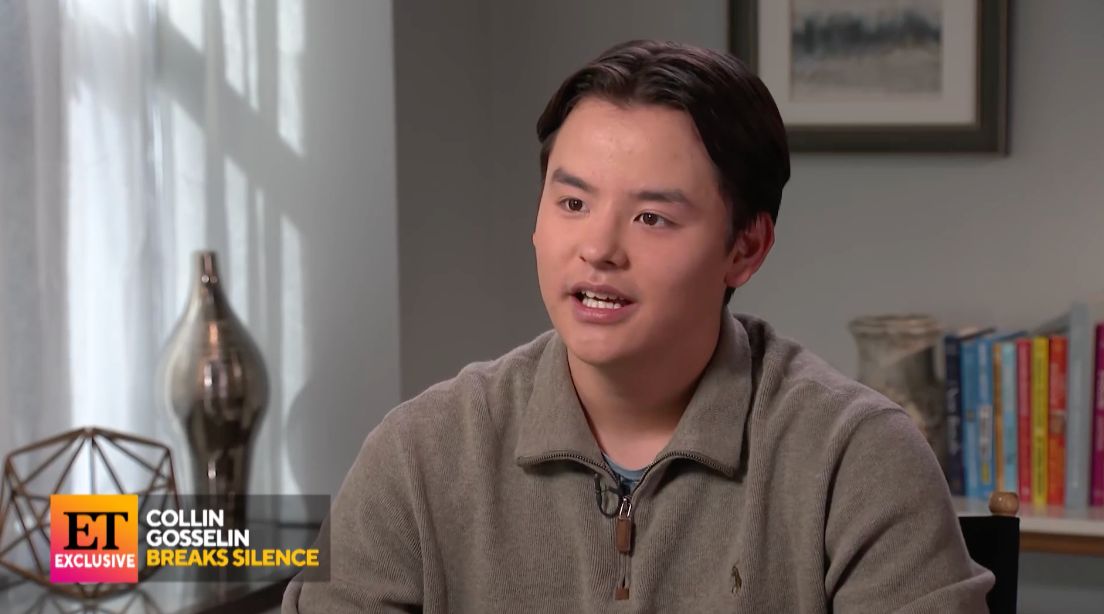
An earlier interview image places the attention on Gosselin’s face and posture in a bright, lived-in room. It gives a quieter impression than the New York street photo, but it doesn’t establish when the tattoos were added. The available coverage shows the ink in 2026, not a date-by-date record.
Clothing can hide a large design or bring it into view. The New York shot shows only what extends beyond the cuff; this interview image doesn’t offer a fuller view.
Memoir-era context
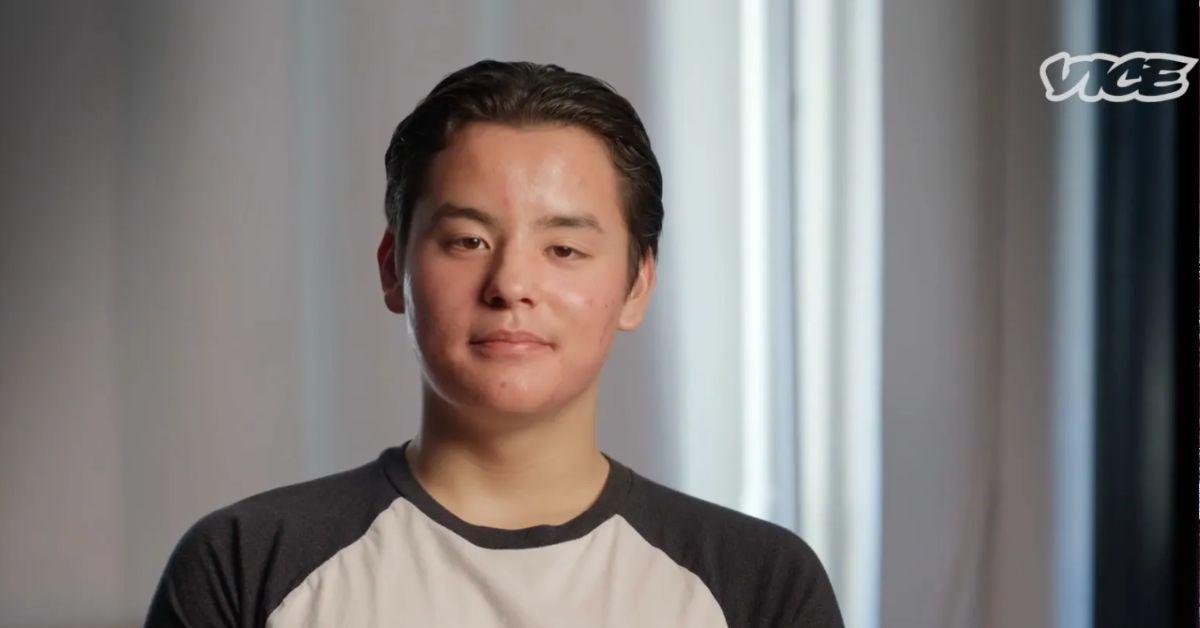
This Radar portrait is a cleaner view of Gosselin’s face, not a tattoo close-up. It introduces the person behind the coverage; the forearm image is the one to use when discussing the ink. Keeping those roles separate avoids treating a contextual portrait as proof of a new design.
What the photos actually confirm
The coverage shows a large tattooed section on one arm and a forearm with dense, dark patterning. It doesn’t establish a full list of motifs, the artist, exact dates or a total number of tattoos. None of the cited images connects a particular symbol to his memoir, so that meaning should remain open unless he explains it.
A practical visual takeaway
The close-up shows how repeated bands and dark shapes can give separate parts of an arm a shared look. If you’re planning a sleeve over several appointments, a consistent line weight or limited palette can connect different subjects without making every tattoo identical.
Plan for the arm in motion, not just as a flat stencil. The forearm bends and rotates, and a cuff can cover part of the design. Leaving breaks between darker areas helps the pattern stay legible from more than one angle.
A collection that’s still being documented
These are editorial and interview photos, not a full record of the tattoos. They show different parts of the arm in different settings, but leave gaps in the timeline and in the designs themselves. That’s the limit of what the current images can tell us.
One thought on “Collin Gosselin Tattoos: The Sleeve, Forearm Ink and What Photos Show”