Actresses

Tattoo guides for actresses, covering their personal designs, photographs, shared meanings and tattoos created for film or television roles.

Sandra Bullock’s New Shoulder Ink Keeps Her Kids Close

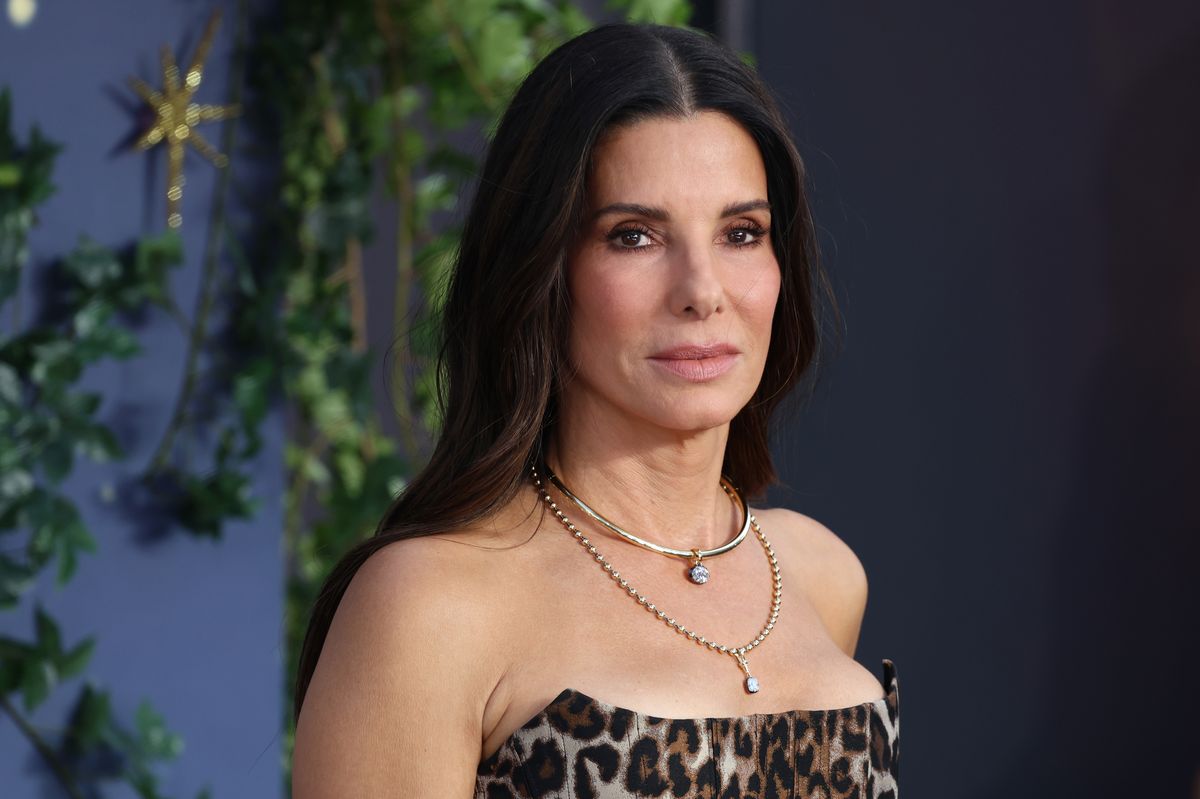
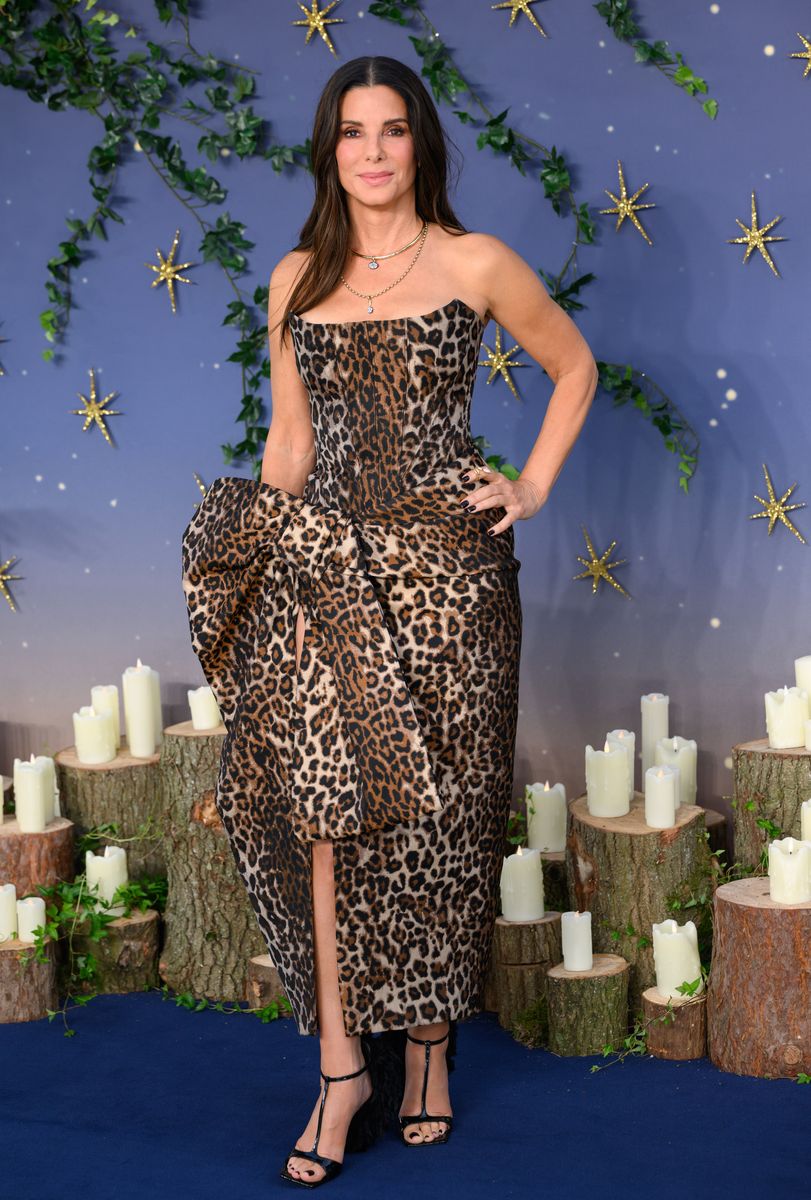
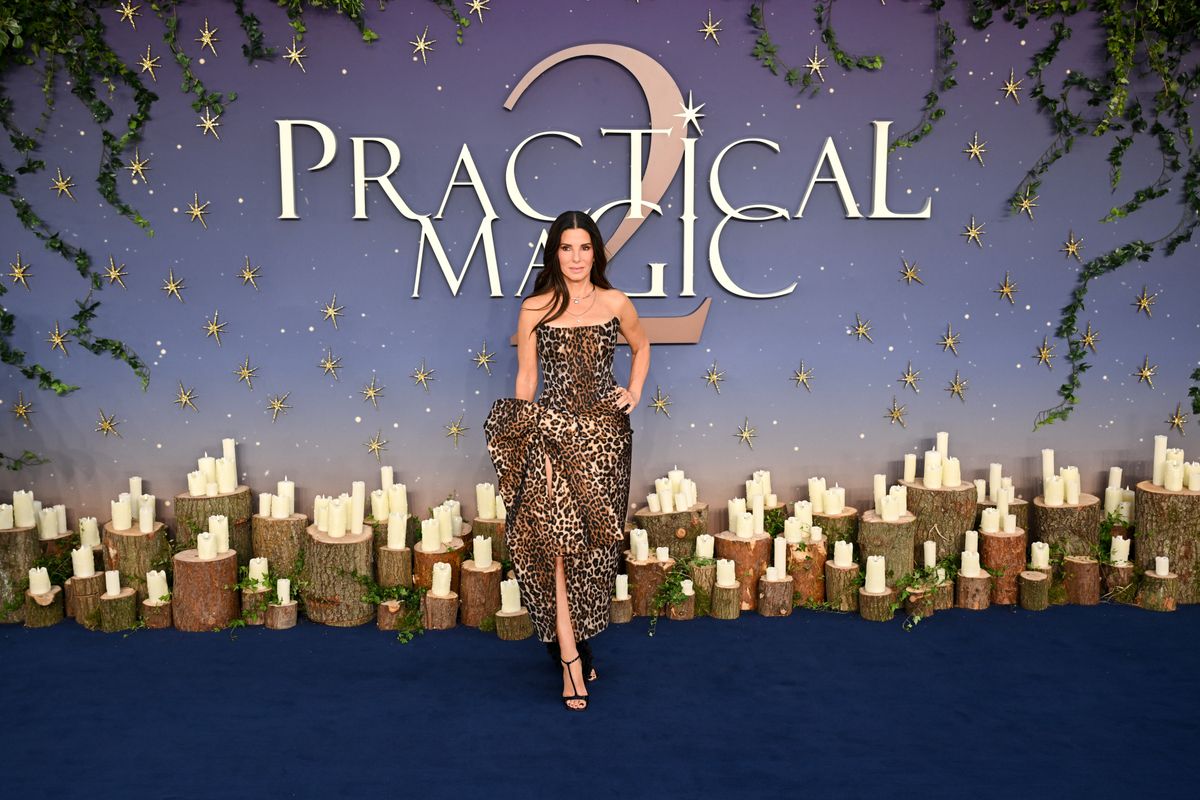
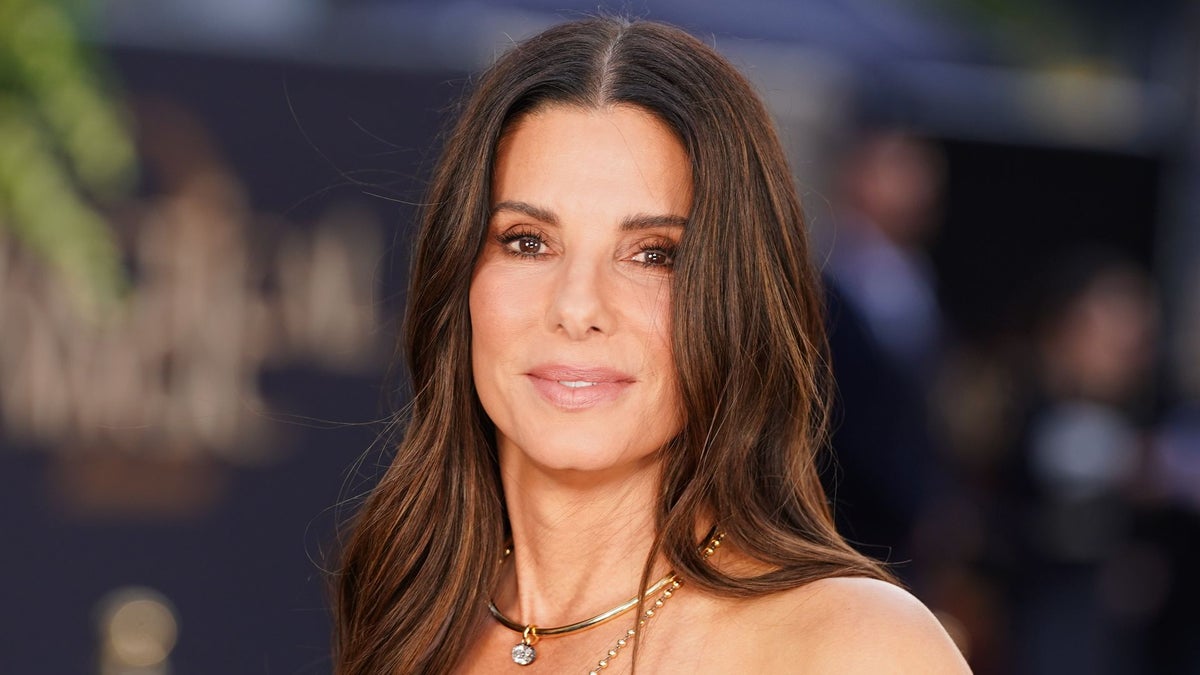
Sandra Bullock’s newest tattoo is small, but the thought behind it is unmistakably personal. She revealed the shoulder ink at the London premiere of Practical Magic 2, where her strapless dress left it in view.

The design reads LB2: “LB” points to her children, Louis and Laila, and the number marks that there are two of them. Bullock’s representative confirmed the meaning to PEOPLE, turning what first looked like a mysterious bit of lettering into a direct tribute to her kids.

The tattoo was briefly tied to another story. Some early reports suggested it also referred to Bullock’s late partner, Bryan Randall. PEOPLE later corrected that detail, and her representative confirmed the tattoo is for her children. That correction belongs in the story too; celebrity ink can collect extra meanings before the facts are clear.

Sandra Bullock’s LB2 tattoo sits on her shoulder
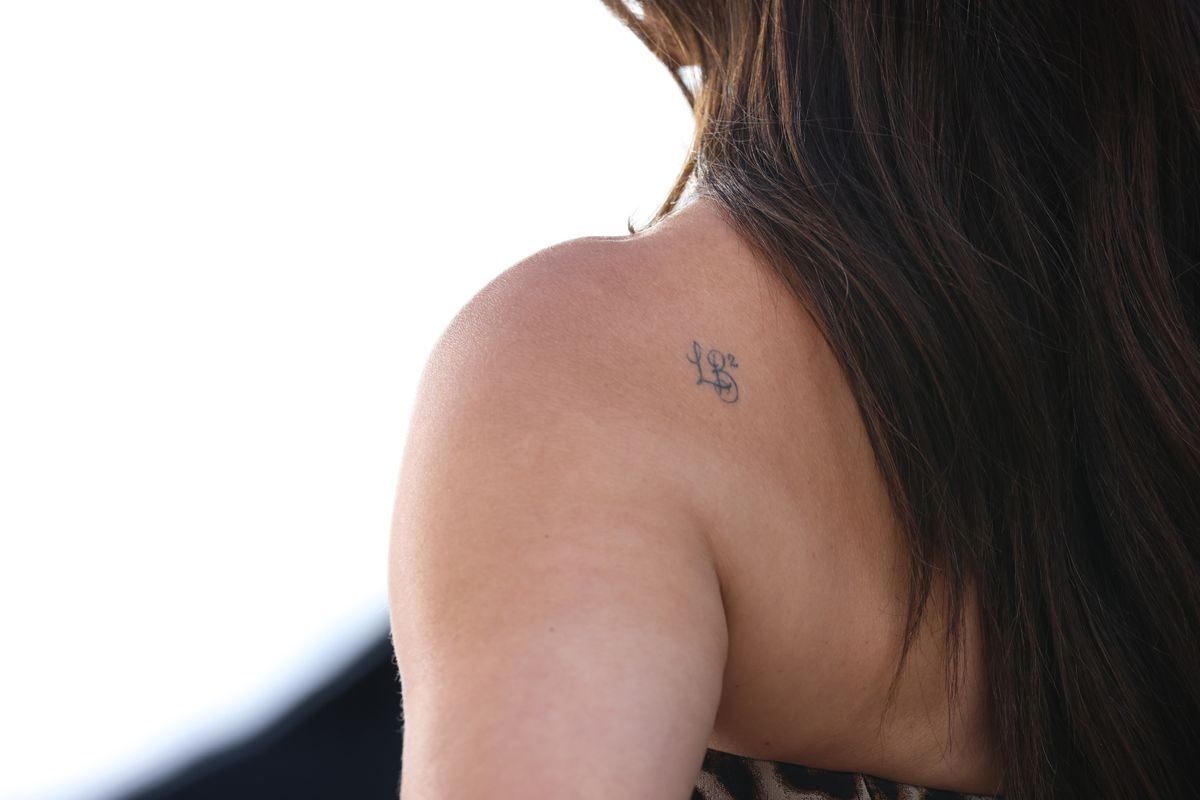
Sandra Bullock LB2 shoulder tattoo for her children

Sandra Bullock Practical Magic 2 premiere tattoo

Sandra Bullock LB2 shoulder tattoo premiere view

Sandra Bullock LB2 tattoo premiere wide view

Sandra Bullock LB2 tattoo premiere arrival

The tattoo sits on the back of Bullock’s shoulder, just below her hair and above the dress line. It is fine lettering rather than a large block of text. In the close-up, the L and B are clear, with a small 2 tucked into the design.

The spot gives her a choice about when the tattoo is visible. It shows with a sleeveless or strapless look, then slips beneath a shirt, coat or dress. The placement feels personal without making the ink the first thing people notice.

The lettering is compact by design. Bullock did not spell out Louis and Laila’s names or add a long message about motherhood. The initials and number carry the reference, like a private shorthand that happens to show in close-up photos.

That understated scale suits Bullock, who has not been known for a large collection of visible tattoos. One small shoulder piece adds something personal without changing the overall feel of her look.

LB2 is a tribute to Louis and Laila

Bullock’s representative described the tattoo as a tribute to her children. “LB” takes the first letters of their names, and “2” brings the two references together. Once you know that, the short code is easy to read.

Family tattoos can be very literal: names, dates or portraits. Bullock chose something quieter. LB2 keeps the message brief, allowing the design to sit on her shoulder without looking like a formal memorial or a display of lettering.

The number helps make the initials specific. Without it, “LB” could be a monogram or refer to one person. The 2 clarifies the family connection and gives the tattoo its own shape.

There is a balance here between letting people see the ink and keeping its meaning personal. A passerby might notice the letters without knowing what they stand for. The tattoo points to her children without turning their names into a public label.

Its small size fits that idea. The design does not spell out every part of Bullock’s family story. It works more like a reminder she carries with her, with enough detail for the people close to her to understand.

She showed it at the Practical Magic 2 premiere

The first widely reported sighting came at the London premiere of Practical Magic 2. Bullock wore a strapless leopard-print Givenchy gown, leaving her shoulder uncovered and making the fresh tattoo easy for photographers to catch.

Premiere nights can turn a small tattoo into a much bigger conversation: there are plenty of close-ups, and every angle gets discussed. Bullock’s new ink appeared alongside interviews about parenting and the emotional themes of the film. The family meaning felt timely, even though the tattoo itself is not connected to the movie.

During the film’s promotion, Bullock also spoke about the worries that come with raising children and the limits of trying to protect them from every hard experience. In that setting, a tattoo for Louis and Laila carried more feeling than the three characters alone might suggest.

The premiere was the reveal, not necessarily the moment the tattoo was done. Bullock has not shared a specific date for the appointment, so there is no reason to guess. What is documented is the public sighting and the confirmed meaning.

That distinction keeps the account grounded. Celebrity tattoos invite speculation about when they were done, who designed them and what event inspired them. Here the solid details are straightforward: the ink was seen in London, it reads LB2, and her representative says it honours her two children.

The early confusion about Bryan Randall was corrected

Some early coverage linked the letters to Bryan Randall as well as Bullock’s children. The suggestion was understandable: Randall was an important part of her family life, and the tattoo appeared after his death. But that detail was later corrected.

PEOPLE updated its report to say an earlier version had incorrectly connected the tattoo to Bullock’s late partner. Her representative gave the clearest account of the meaning: LB2 is for Louis and Laila. That is the explanation this guide follows.

It is best to keep the confirmed meaning separate from any private associations Bullock may hold. The public explanation is about her children. Adding another tribute without confirmation would make the story more dramatic, but less accurate.

A small tattoo does not need an invented backstory. Its confirmed meaning is already personal. It reflects the importance of her children and the complicated balance of wanting to protect them while letting them grow.

Why this design fits Bullock’s style

LB2 does not look like a trend piece or a design chosen to match a particular celebrity image. It is compact lettering with a clear personal reference: easy to cover, easy to recognise once explained, and unlikely to overwhelm the rest of her appearance.

That feels natural for someone who has generally kept body art out of the spotlight. A shoulder placement gives Bullock control over when the tattoo becomes part of the conversation.

The meaning matters, but the design does not have to be large to prove it. LB2 is a quiet mark with a very specific audience: Bullock, her children and anyone who knows what those initials stand for.

Even if she never adds another tattoo, this one feels complete: it has a reason and a place that suits it. If she chooses to get more ink later, the small shoulder design can sit alongside it without taking over an entire sleeve.

Sandra Bullock’s tattoo collection remains very small in public view

Plenty of online lists claim to catalogue celebrity tattoos, but Bullock’s confirmed public record is much shorter. LB2 is the clear focus of the 2026 coverage. Older rumours about hidden ink should not be treated as fact without stronger evidence.

That limited record keeps the story focused on the tattoo that was photographed and explained. There is no need to pad the page with uncertain claims about designs Bullock has not discussed publicly.

The available images show the letters and number clearly, while a separate portrait gives a broader view of Bullock without repeating the same close-up. Together, they show the tattoo itself and how it sits as part of her look.

For now, the confirmed picture is simple: Bullock has a small shoulder tattoo reading LB2, dedicated to Louis and Laila. The initials keep the reference personal, the number makes it clear, and the placement lets her decide when it shows.

Three characters hold a lot of feeling. The tattoo needs no extra symbols or long caption; the people it refers to are already the heart of the story.

Watch Sandra Bullock explain the meaning behind the tattoo

This verified Entertainment Tonight report covers Bullock’s shoulder tattoo and the explanation that it is dedicated to her children.
More actor tattoo guides

Dakota Johnson Tattoos: Birds, Amor, Foot Ink and More

Dakota Johnson’s tattoos tend to appear in glimpses: an open-back dress, a raised arm or bare feet in a close-up photo. There is fine script, three birds on her upper back, a few tiny symbols, a flower and several small pieces on her feet. Together, they have become part of her red-carpet look.

Johnson has said she has around 11 or 12 tattoos, though older guides have counted more depending on how they group the smallest designs. The collection stays low-key, but it touches on family, love, books and art. Here is what the clearest photos and interviews reveal.

Acta Non Verba was her first big piece

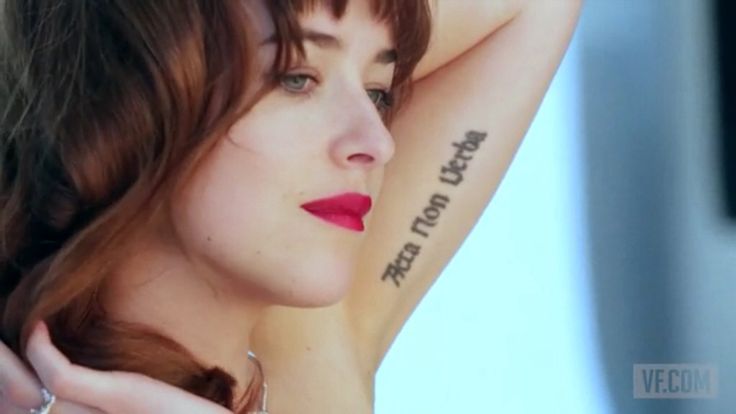
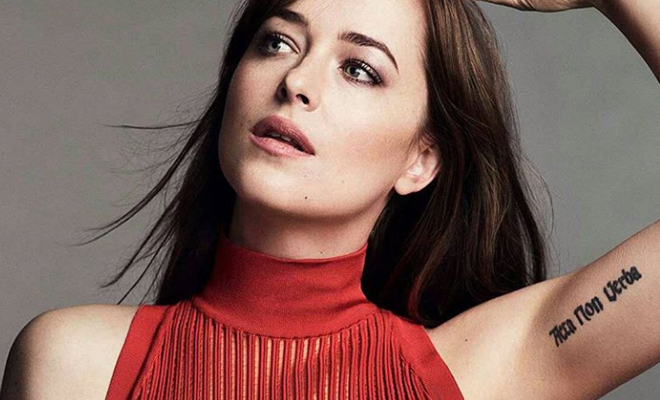
One of Johnson’s most recognisable tattoos is the “Acta Non Verba” lettering on her left inner bicep. The Latin phrase means “deeds, not words.” She has said it was her first tattoo and that the words mattered to her father, Don Johnson. It is a bold choice for a first piece, and much easier to spot than most of her smaller ink.

There is a little regret in the story too. Johnson has since admitted she is not entirely happy with the tattoo, partly because it is so visible and partly because the lettering has not aged exactly as she hoped. That does not erase its meaning. It just gives the piece a recognisably Dakota mix of polish and imperfection.

The placement suits the way she wears her tattoos. A sleeve can hide it, then a raised arm brings it into view. That quiet reveal runs through much of her collection; the designs can stay private until she chooses to show them.

Dakota Johnson Acta Non Verba tattoo on her inner arm

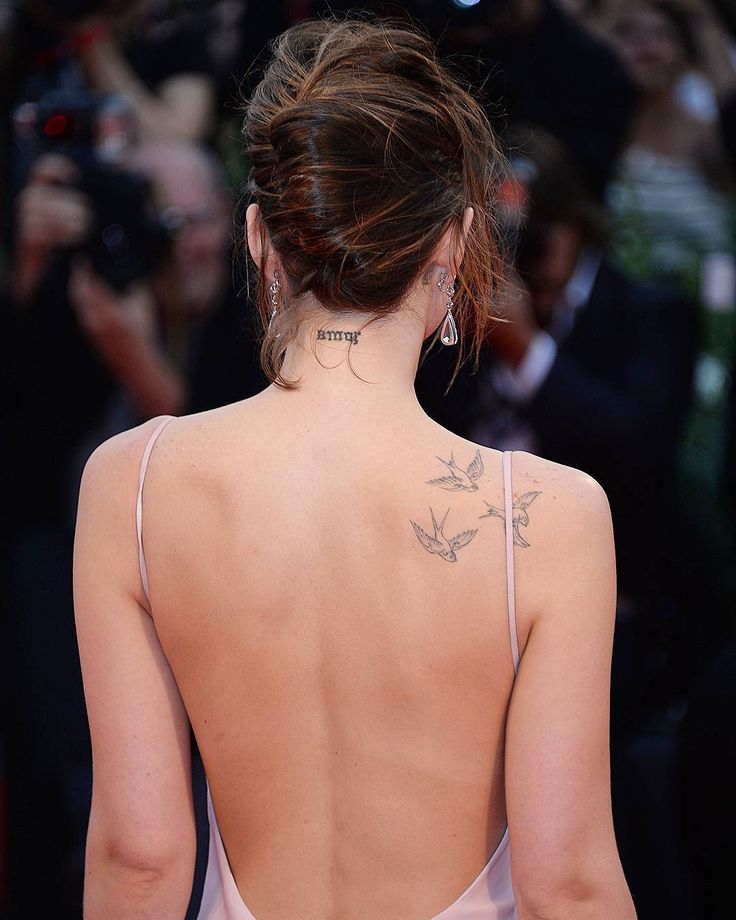
The three birds on her back are her most recognizable design

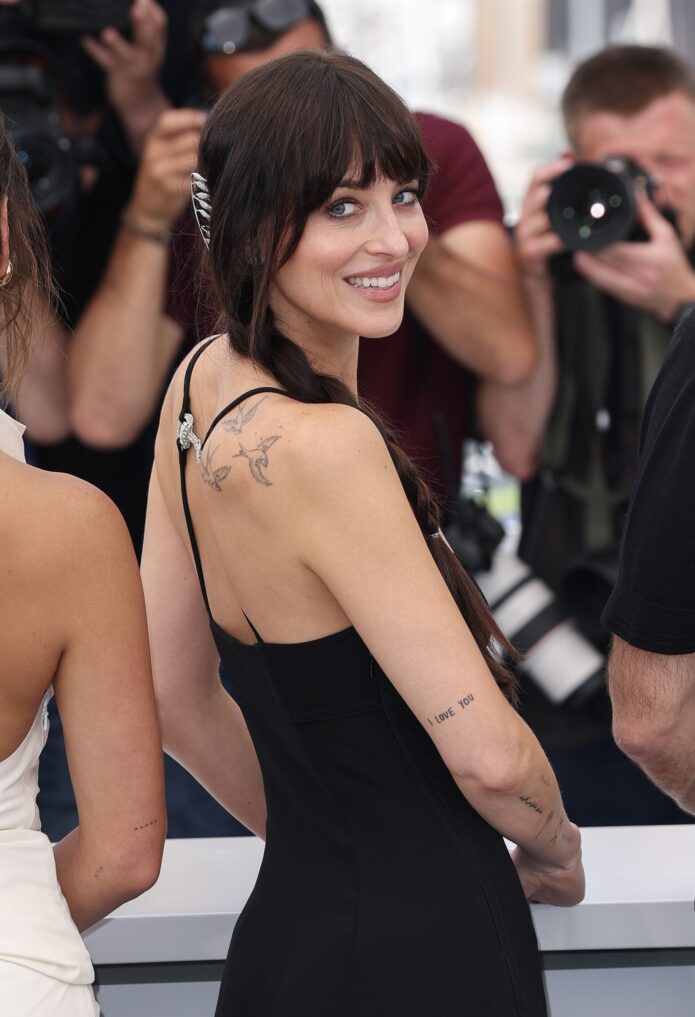
The three small birds near Johnson’s shoulder blade are probably the tattoos fans spot first. They look like swallows in flight, drawn in fine lines rather than heavy shading. The simple shapes work especially well with open-back dresses and thin straps. From across a room, they read as a light decorative detail; up close, each bird has its own outline.

The design is often linked to Johnson’s grandmother Tippi Hedren, who starred in Alfred Hitchcock’s The Birds. That connection is widely reported, though Johnson has not offered a long explanation every time the tattoo appears. The family link makes sense, and the placement lets photographers catch the birds without making them take over the look.

The birds capture a favourite mood in Johnson’s collection: personal without being loud. Hair or clothing can cover them, while a backless gown makes the fine-line work the detail people notice.

Dakota Johnson three bird tattoos on her upper back

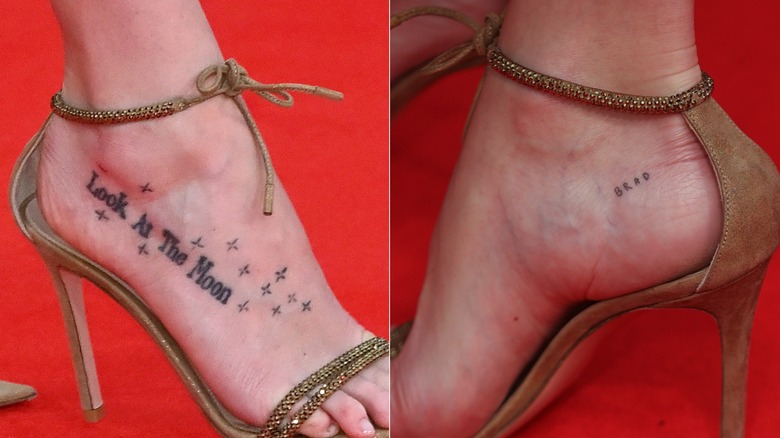
Her foot carries two tiny pieces, including Look at the Moon

Johnson’s feet hold two of her most playful tattoos. The best known is “Look at the Moon”, written across the top of her right foot with little stars around it. It appears only when shoes and camera angle allow, which is why red-carpet photos seem to rediscover it every so often.
Near her heel is a tiny Brad tattoo. The letters show clearly in close-ups, but Johnson has not confirmed the reason behind the name. There is no need to fill in that gap; not every tattoo comes with a public explanation, and she seems content to leave some details private.

“Look at the Moon” feels dreamy, while “Brad” is spare and direct. Putting them on her feet gives the collection a playful note, and both can stay hidden when she wants a clean look for a role or event.

Dakota Johnson Look at the Moon and Brad foot tattoos

Amor matches the tattoo her mother has

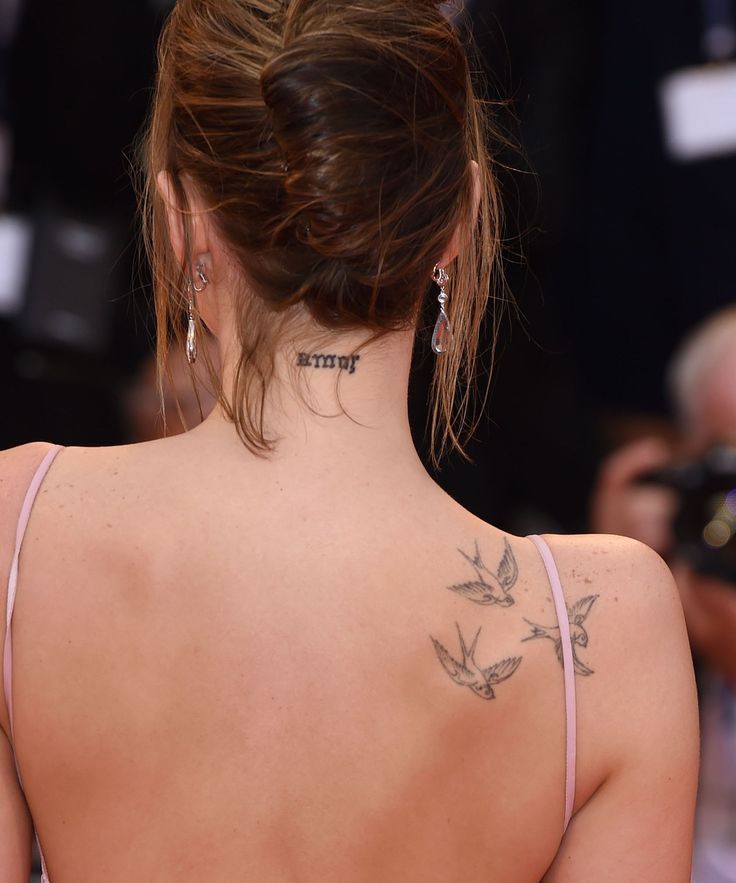
Johnson has “amor”, the Spanish word for “love,” inked at the back of her neck. It matches a tattoo worn by her mother, Melanie Griffith, making this one of the clearest family connections in her collection. The short word is easy to read and sits at the nape.
The tattoo changes with her hairstyle. With her hair down, it can disappear; an updo puts it in clear view. The three birds sit nearby, so the two designs often appear together in photos, creating a small family-themed group without crowding her back.

While some of Johnson’s other script feels like a private note, “amor” is warm and direct. The lowercase lettering fits the fine-line style that runs through her arms, feet and shoulders.

The placement helps the small design stand out. The nape gives it a natural frame: hair can conceal it for a role or daytime appearance, while an updo gives photographers a glimpse.

Dakota Johnson amor neck tattoo and bird tattoos

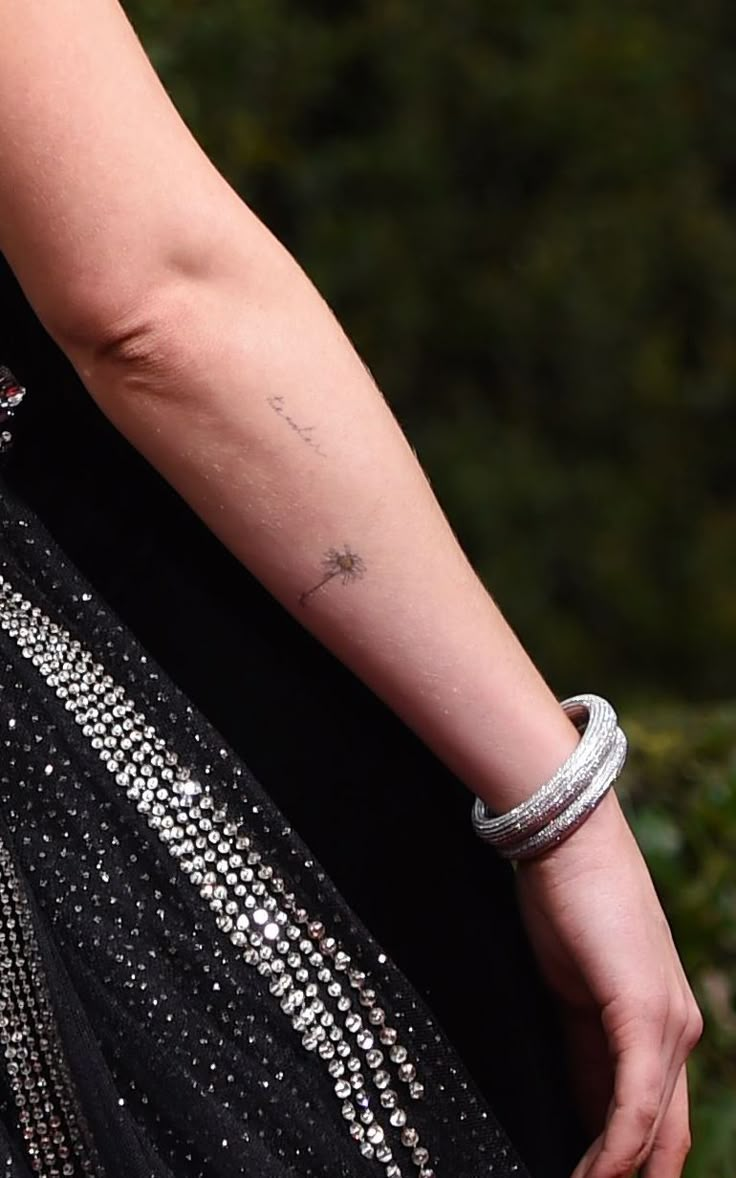
Her imperfect flower tattoo was inspired by Egon Schiele

Johnson also has a delicate flower on her forearm. Tattoo artist Dr. Woo has said the design took inspiration from Austrian artist Egon Schiele. It is not a rounded, picture-perfect bloom; the slightly bent shape is why it is often called a withering flower.

That rough edge is part of the appeal. The lines feel fragile and almost sketchbook-like, rather than like a generic pretty flower. Johnson’s tattoos often sit between elegant and a little unusual, and this one looks simple at first, then more thoughtful once you notice its deliberate imperfection.

The forearm gives the flower enough room to breathe. It can stand alone instead of disappearing into a busy sleeve, and in close-up it looks more like a small art reference than standard flash.

Dakota Johnson delicate flower and forearm tattoo

Non mi uccida and other small script tattoos keep things personal

Another phrase associated with Johnson’s ink is “Non mi uccida,” Italian for roughly “do not kill me.” The small script on her arm has appeared in older photos and a Vanity Fair shoot. Like “Acta Non Verba,” it adds a hint of literary drama, but its size keeps it from feeling like a slogan.

Photos have also shown an infinity symbol and an “I love you” tattoo on her arm. The infinity design has been associated with Chris Martin, though the story behind every small mark is not confirmed. It is safest to record what has been seen without inventing the missing details.

That privacy is part of the collection’s appeal. Johnson does not explain every tattoo, and a new close-up can still reveal a small design. The pieces feel like notes from different chapters rather than one large project with a formal beginning and end.

Dakota Johnson Non mi uccida script tattoo on her arm

Watch Dakota talk about her tattoo regrets

Johnson has talked about her tattoos in interviews, including a late-night conversation where she joked about regretting some of them. It is a useful reminder that celebrity ink does not always need a perfectly meaningful story. Sometimes the choice was quick, the lettering aged differently than expected or the person simply changed their mind.

Taken together, Johnson’s tattoos are understated without being dull. The birds, “amor,” “Acta Non Verba,” foot phrases and imperfect flower all have different moods. Some point to family, some to love and art, and a few remain private. She does not seem to be trying to prove anything with her ink; she keeps a handful of ideas she likes and lets them show when they show.

More actor tattoo guides

Millie Bobby Brown Tattoos: 011, Ruth, Roses and More

Millie Bobby Brown’s tattoos are small and easy to miss until a close-up or a red-carpet look brings them into view. There is the 011 number from Stranger Things, a tribute to her grandmother Ruth, a tiny heart, a rose and other delicate pieces on her back and ribs.

The collection is not a full sleeve, but each design has its own place. Some connect to family, others to the character who made Brown famous, and a few are simply little drawings she likes. Here is what the clearest photos and interviews show about the tattoos fans tend to notice first.

Brown’s tattoos also show how a public image can change. When she first appeared on Stranger Things, viewers knew her through Eleven’s shaved head, hospital gown and temporary makeup. Brown’s real tattoos belong to her, not the character. As her own style has grown, the ink offers another small distinction, even when one design points straight back to the role.

The rose tattoo is one of Millie’s prettiest pieces

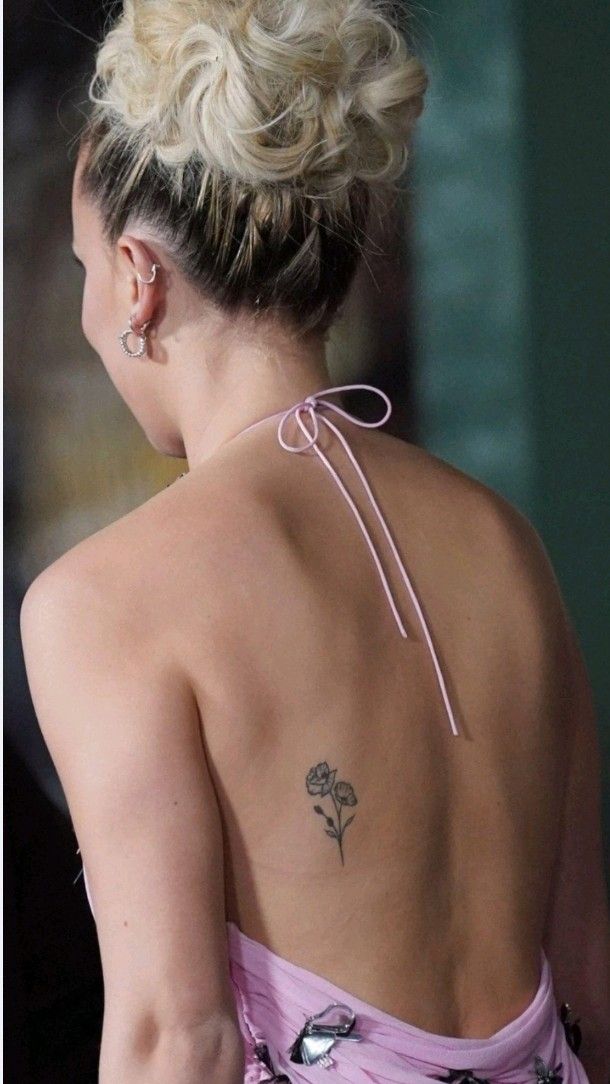
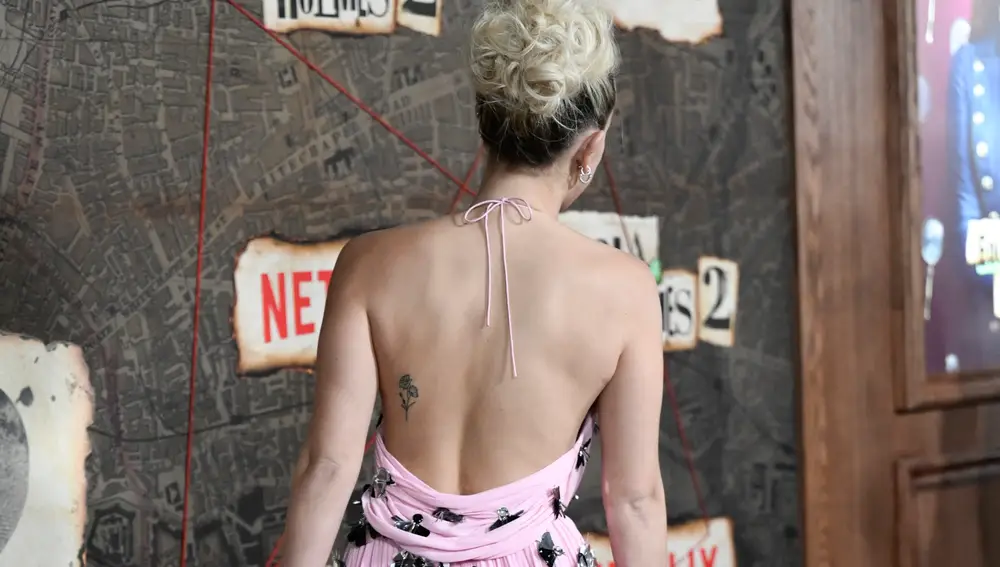
One of Brown’s most visible designs is a small rose tattoo toward the back of her body. It is drawn with light lines rather than heavy traditional shading, almost like a little sketch. The simple style fits the rest of her collection and is easy to cover when a role calls for it.

The rose tends to show up in open-back or low-back dresses. Under a T-shirt it can disappear, then become the detail people remember when an outfit reveals it. That hide-and-show quality runs through Brown’s tattoos: they are modest in size, but close-up photos reward a second look.

Tattoo guides also mention other small floral designs, including a branch and a tiny rose. It is better to treat them as separate pieces than to assume every flower in a photo is part of one design. The collection has grown over several years, and pictures catch different tattoos from different angles.

Millie Bobby Brown rose tattoo on her back

Ruth is a tribute to her grandmother

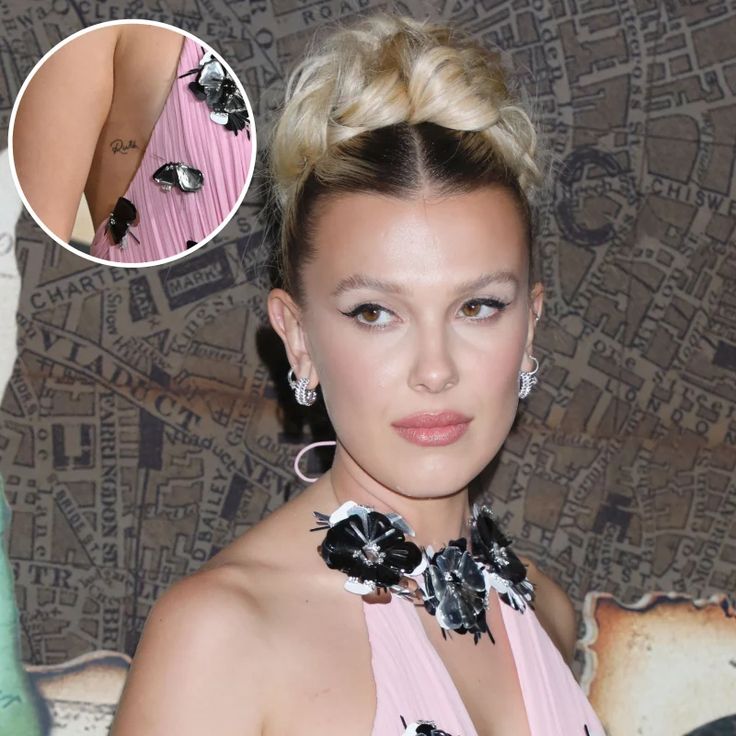
Brown has the name Ruth tattooed near her ribs in memory of her grandmother. Ruth died in 2020 after living with Alzheimer’s, and the name gives Brown a small, lasting way to keep her close. It is a simple tribute rather than a large portrait or an elaborate memorial.

Photographers first caught the lettering when Brown wore a pale pink Louis Vuitton gown to the Enola Holmes 2 premiere. The dress exposed part of her side, and the same look also revealed her 011 tattoo and a small heart near her collarbone.

A rib tattoo stays hidden most of the time, but remains close to the body. Brown has spoken about the importance of family, so the placement feels fitting even without a longer explanation.

Millie Bobby Brown Ruth tribute tattoo near her ribs

011 is her personal link to Eleven

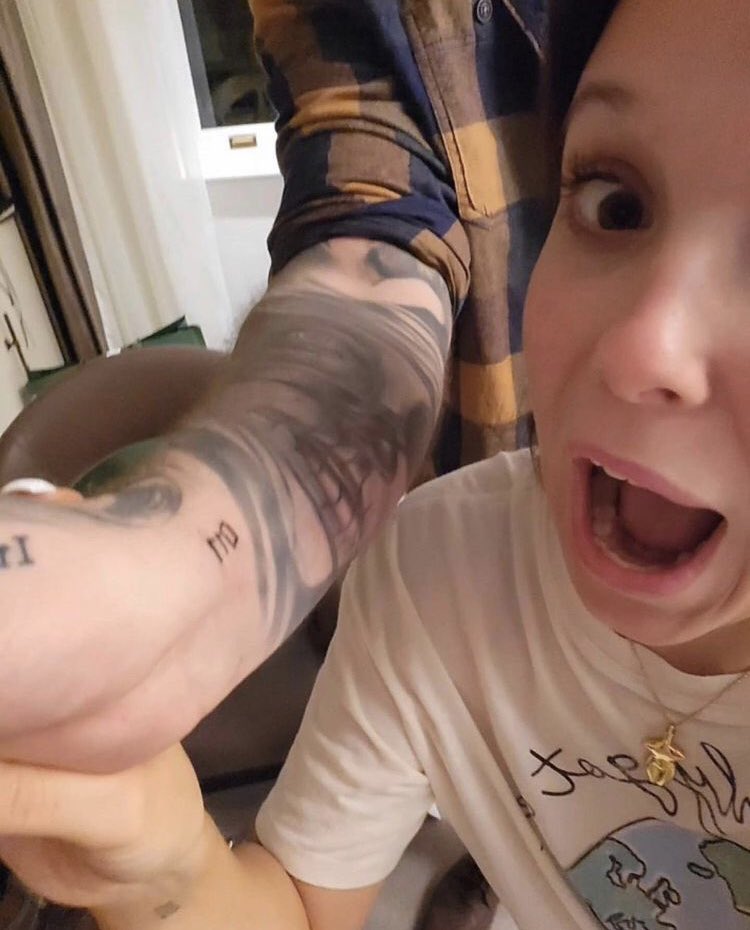
The number 011 is the tattoo most closely tied to Brown’s career. It refers to Eleven, the character she played in Stranger Things. On her wrist, the small number can look like a code until fans recognise the reference.

It is a neat way to remember the role without spelling out “Eleven” or adding a portrait. Brown spent years filming, promoting the series and meeting fans as the character. The number keeps that chapter personal while still giving viewers a clue.

Photos from the tattoo session show Brown smiling as the artist works on her wrist. The black ink is simple and small: visible to her every day, but not large enough to take over her hand or arm.

Millie Bobby Brown getting her 011 wrist tattoo

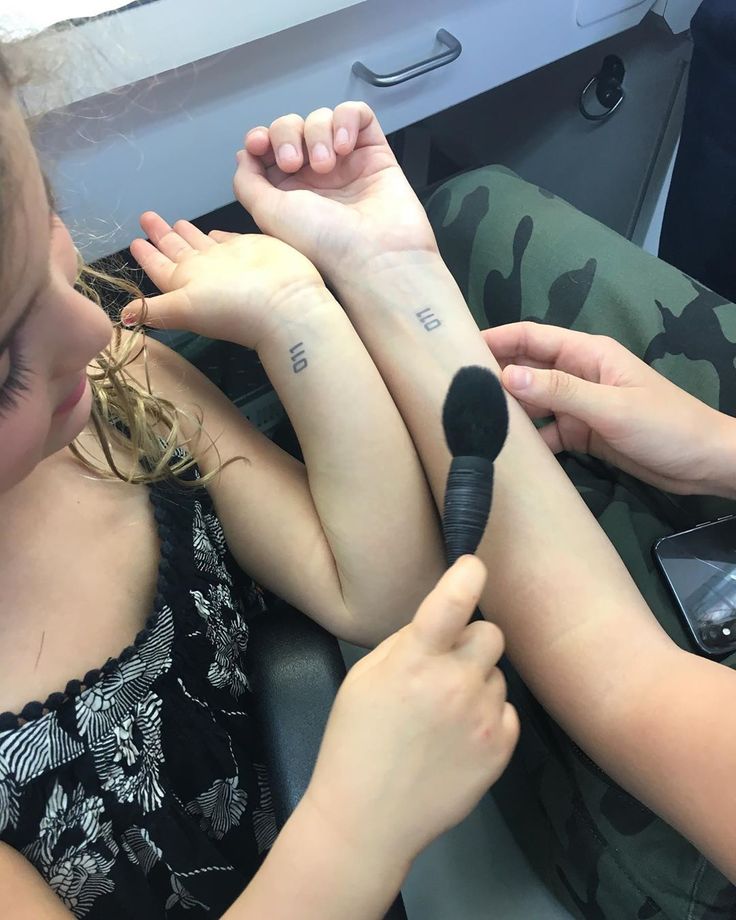
She and her sister Esme have matching 011 tattoos

There is a family story in Brown’s 011 tattoo too. She and her sister Esme got matching versions of the number on their wrists, turning a reference to the show into a sibling tattoo.

The matching designs are tiny and uncomplicated. A quick turn of the wrist is enough to show them, and they do not need extra decoration. The connection matters to the sisters; everyone else can simply see a neat little number.

The same three digits hold two meanings at once: a reminder of Eleven and a memory shared with Esme. That is part of why the tattoo has stayed meaningful beyond the show’s run.

Millie Bobby Brown and Esme matching 011 wrist tattoos

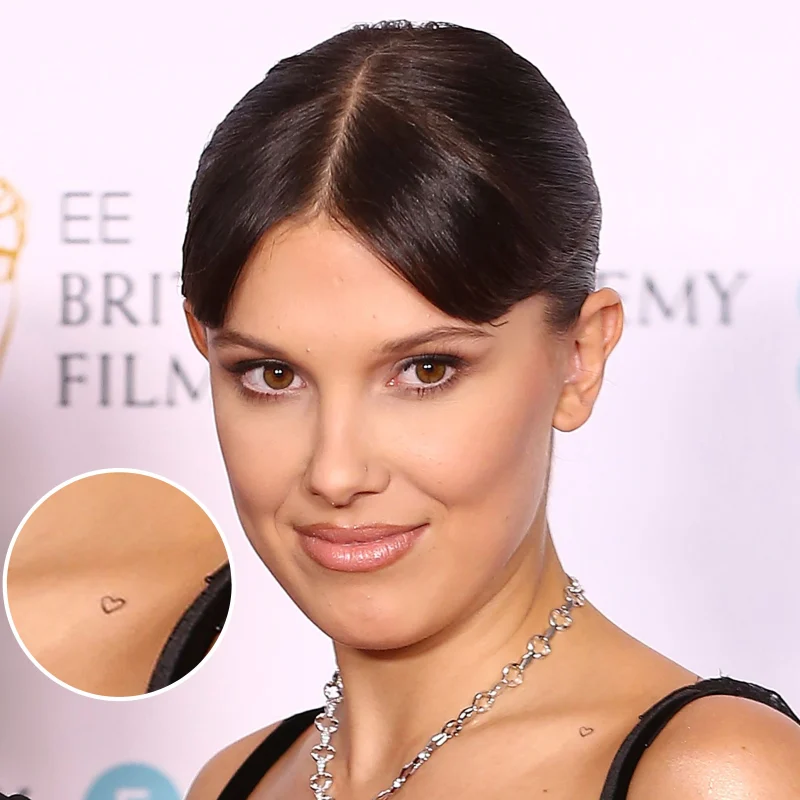
The tiny heart keeps her collection playful

Brown has a small heart tattoo near her collarbone. It can disappear among jewellery or a detailed neckline, but close-up red-carpet photos catch it as a small accent beside the rest of her outfit.

The heart has not been presented as a major tribute, and it does not need to be. Brown’s collection has room for designs that are simply sweet. The heart gives the more serious Ruth and 011 tattoos a lighter neighbour, while matching the fine-line feel of her other ink.

Its placement works with different looks. A high neckline can hide it; a strapless dress can bring it out. Brown can change how visible the heart is without changing the tattoo itself.

That flexibility is useful for an actor. A tattoo can be covered for a period role, shown at a personal appearance or left visible because an outfit allows it. None of Brown’s designs dominate her look, so the focus stays on her rather than the ink.

Millie Bobby Brown small heart tattoo near her collarbone

Brown’s smaller tattoos make the full collection feel personal

Fans have spotted other small tattoos over the years, including a cowboy hat on Brown’s arm. It is more playful than the family tributes and shows that she does not need every design to follow one perfect theme.

The cowboy hat may be a joke, a private reference or simply an idea she liked at the time. Small novelty designs can sit comfortably beside the rose and heart; they do not need to carry a solemn meaning to matter.

Older photos also show floral details and shapes that are hard to identify. The safest guide is to stick with designs that appear clearly and consistently. Celebrity tattoo lists sometimes repeat a guess as fact when a blurry image makes a tiny mark look like something else.

What comes through is Brown’s preference for small tattoos with clean lines. They can be covered for a role, revealed on a red carpet or joined by another small piece without changing her whole look. The collection feels less like a branding exercise and more like a scrapbook, built one choice at a time.

Millie Bobby Brown revealing tattoos at the Enola Holmes 2 premiere

Watch Millie talk about people getting her tattoos

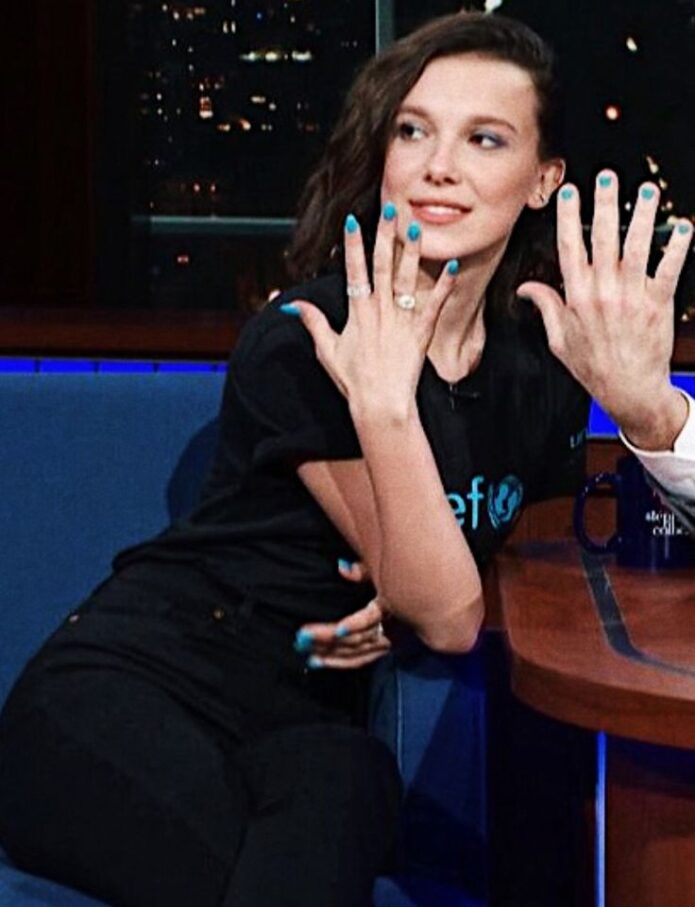
Brown has joked about fans getting tattoos connected to her and her work. The clip below is a fun look at how closely some of her body art is tied to the Stranger Things years, especially the 011 design fans recognise right away.

Brown’s tattoos are small, but each one points somewhere different. The rose and heart keep things light, Ruth honours family, and 011 links her everyday life to the character that changed her career. Add the matching wrist tattoo with Esme and the little cowboy hat, and the collection starts to feel like a timeline. It is personal without being over-explained, which may be why fans keep spotting new details in clear photos.

Olivia Wilde lets family and old rebellion share the same skin

Olivia Wilde’s tattoos have changed with her life. Some of the earlier pieces came from a rebellious streak; the newer work is more deliberate and closely tied to family. Rather than a full sleeve, her collection is a mix of fine-line forearm designs, short phrases and older pieces that can be easy to miss.

The clearest recent story is the names of her children alongside their zodiac constellations. Wilde has also described a small “all love, A” tattoo as a tribute to her late uncle, Alexander Cockburn. Older coverage records a Shakespeare quote, a Nietzsche passage, a yin-yang design and a dragon she got when she was young. Some are usually hidden, so it helps to separate the pieces she has explained from the ones only seen in photos.

Otis and Daisy sit in matching script on her forearms

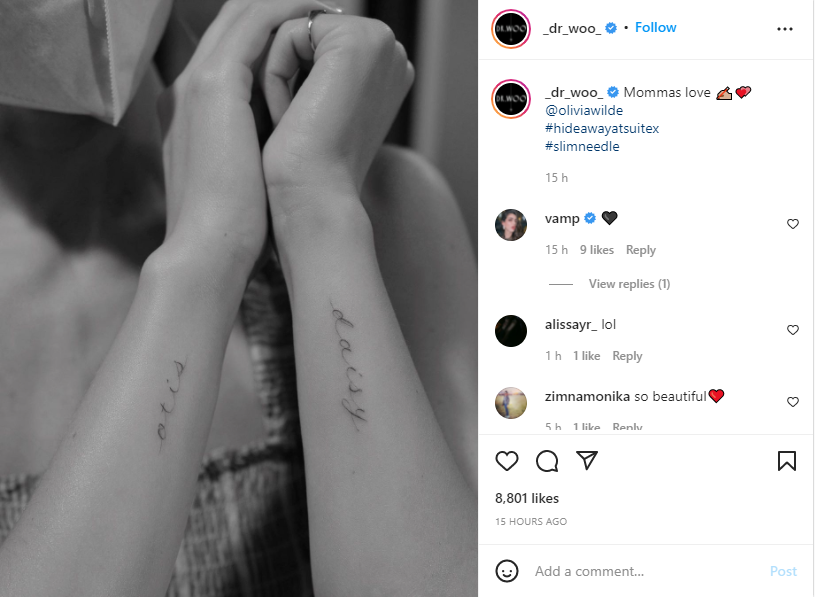
Olivia Wilde Otis and Daisy forearm tattoos

In late 2021, Wilde showed two of her most personal tattoos: Otis on one forearm and Daisy on the other. Dr. Woo wrote the names in fine, graceful script. Her son and daughter are close at hand in a simple pair of designs.

Wilde shared the tattoos with the caption “Mommas love.” It said enough. These are not portraits or elaborate symbols, just the names of the people she wanted to keep close. The matching placement makes the two pieces feel connected without making them identical.

Fine-line lettering keeps the names clear but soft. They sit easily beside her other small tattoos and suit Wilde’s usual style: visible with the right outfit, but easily covered by sleeves.

Forearm placement also means she can see the names herself. They work like a small daily reminder, which gives them a warmth that a generic family design might not have.

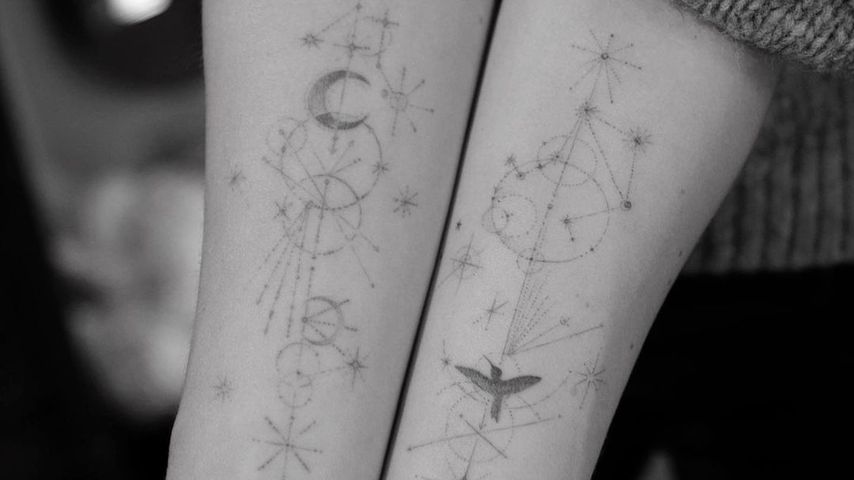
The constellation and moon work brings a little sky to her arm

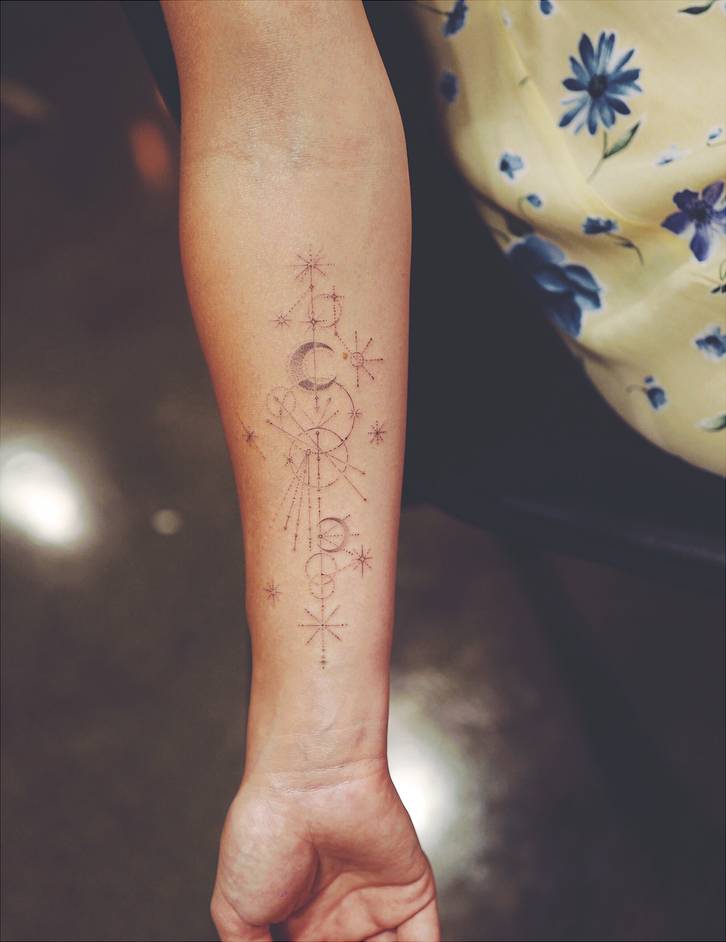
Olivia Wilde constellation and moon forearm tattoo

Wilde’s fine-line celestial work includes stars, a moon shape and small geometric details. Dr. Woo’s delicate single-needle style uses fine lines and tiny dots instead of heavy outlines, so from a distance the design can look almost like jewellery.

The constellations connect with her children’s birthdays and zodiac signs. Daisy is a Libra and Otis is a Taurus, giving the stars a family meaning as well as a decorative one.

The design does not need a large zodiac symbol or a full night-sky sleeve to make the connection. Small points and lines leave plenty of open skin, keeping the tattoo light and easy to wear.

This work shows how Wilde’s taste has shifted. Her older pieces were more text-heavy and openly rebellious; the newer ones are quieter and more controlled. The meaning is still personal, but the style feels calmer, like a grown-up version of the same wish to carry important ideas with her.

“All love, A” is a small tribute to Alexander Cockburn

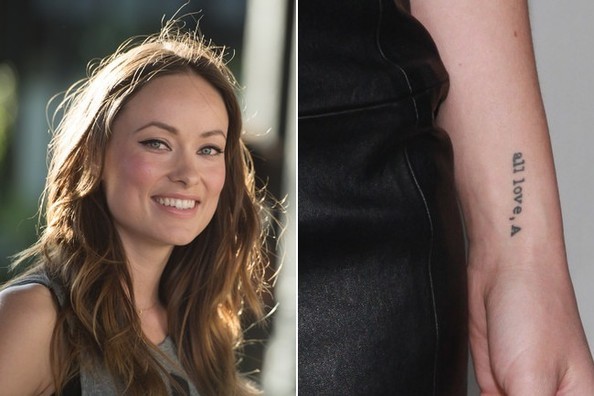
Olivia Wilde all love A wrist tattoo for Alexander Cockburn

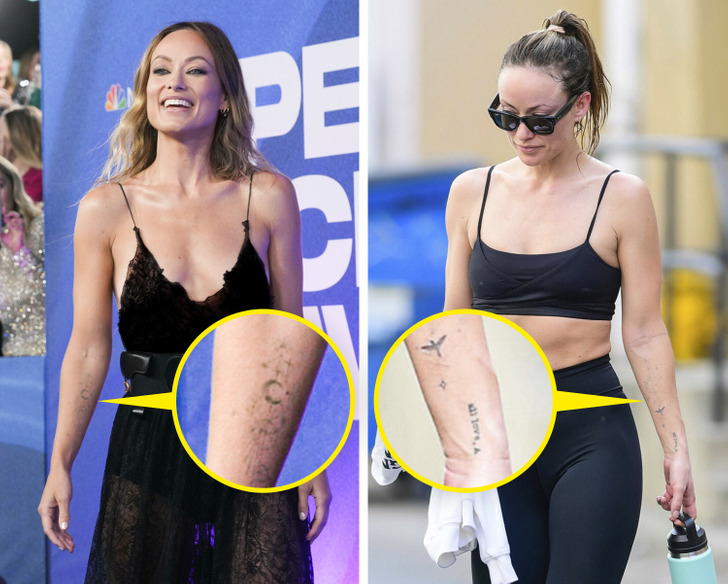
On her left forearm or wrist, Wilde has a small typewriter-style tattoo that reads “all love, A.” The initial refers to her late uncle Alexander Cockburn, a journalist and writer who mattered to her family. Wilde has said it reminds her to love people with the generosity he showed.

The wording feels like the end of a note or a letter, rather than a formal dedication. It does not say “in memory of” or spell out a long tribute. The single initial keeps the reference personal, and the tattoo can pass without explanation when someone sees it.

The typeface has a slightly old-fashioned feel without being ornate. A tiny heart or punctuation mark sometimes visible beside it adds to that handwritten-note impression.

Compared with the children’s names, “all love, A” takes a little longer to understand. Otis and Daisy name their subjects directly; the A leaves a clue, with the story filling in the rest. Some tattoos announce who they honour, while others keep the memory tucked behind a small detail.

The matching celestial pieces were made for her children’s signs

Olivia Wilde celestial forearm constellation tattoos

Event photos show how the constellation tattoos sit across Wilde’s forearms. One is linked to Otis’s Taurus sign and the other to Daisy’s Libra sign. They are not mirror images; each has its own arrangement of stars, lines and small shapes, like two portraits drawn in the same visual language.

Dr. Woo’s work often uses fine geometry, tiny dots and open skin, a natural fit for constellation tattoos. The stars need to be recognisable, but they do not have to become a solid picture.

Wilde could have chosen initials, birth dates or hearts. Using zodiac signs connects each child to a particular time of year and leaves a little mystery until you know the story.

The public photos show the tattoos as part of her everyday collection. You can see how they sit beside the names and older marks, and how their visibility changes with the light. A sharp event photo tells more than a blurry repost or tiny crop.

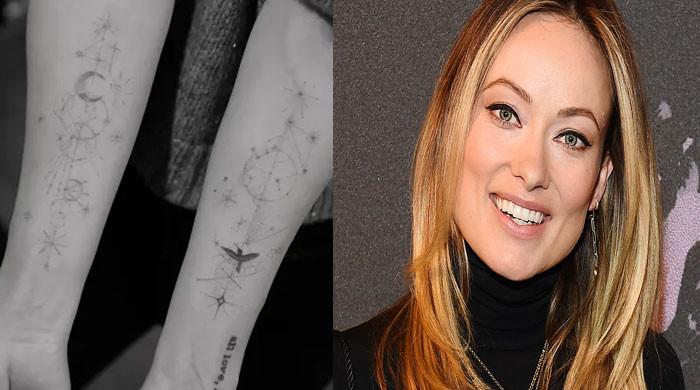
The Libra tattoo is one of Wilde’s most recognisable newer additions

Olivia Wilde Taurus and Libra constellation tattoos

The Libra constellation draws attention because it is connected to Daisy’s birthday and often appears in photos of Wilde’s arm. It is made from small black marks and fine connecting lines rather than a large zodiac emblem. Up close it looks like a little map; from farther away it blends into the rest of the delicate work.

That restraint helps the tattoo sit among her script and older designs without making the forearm feel crowded. The meaning is personal, while the finished piece still reads as clean, modern tattoo art.

Wilde has joked online about “running out of arms” as she adds more ink. The comment gives the process a bit of humour: she likes tattoos, but forearms are a limited canvas. The constellations look planned rather than rushed, with each design considered beside the others.

There is no need to add a hidden message to the Libra tattoo. The family connection already gives it a clear reason to be there: it marks Daisy, her sign and a part of Wilde’s collection that keeps growing.

A newer Libra reveal shows the collection still growing

Olivia Wilde new Libra constellation tattoo

Later photos show Wilde adding to or refining the constellation work. The new Libra reveal makes clear that the collection did not stop when the children’s names first appeared in public. The designs seem to have arrived in stages, with one delicate piece balancing another until both arms feel connected.

Many celebrity tattoo stories centre on one dramatic reveal. Wilde’s collection has grown more quietly: a name, a constellation, a small moon or a short tribute. Each might be photographed separately, but together they make a visual timeline without looking like a planned mural.

Image quality matters with fine-line tattoos. In a blurry event photo, a constellation can look like a scratch or jewellery; in a clear shot, the star points and thin lines come into focus. The work is subtle by design.

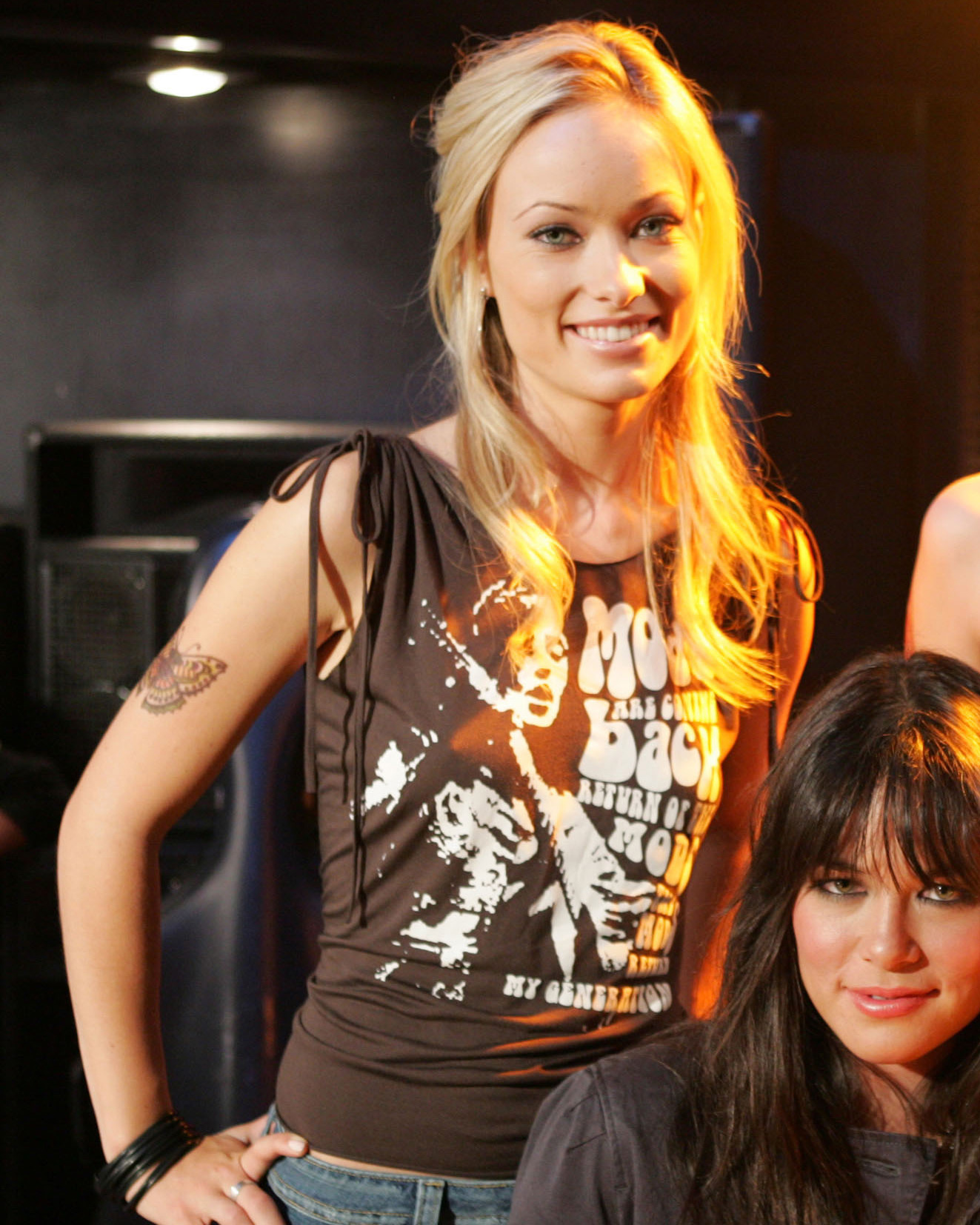
The older tattoos are more rebellious and harder to see

Olivia Wilde older upper arm tattoo

Wilde’s earlier tattoos have a different feel. Older reports describe a line from Shakespeare’s King Lear across her back: “We will all laugh at gilded butterflies.” She has also been associated with a longer Nietzsche passage along her ribs about people who cannot hear the music thinking dancers are insane. Both tattoos use much more text than her recent forearm work.

Wilde has talked about a dragon tattoo on her lower back that she got as a teenager in Dublin. She has joked that it was rebellious and later called it a bad choice. That honesty is part of its story: the tattoo does not have to be presented as perfect art to belong in her history.

Older coverage also mentions a small Chinese character linked with strength, a yin-yang design and symbols that are not always clear in public photos. When a tattoo is hidden or photographed from a distance, it is better to describe it as reported than to assign it a precise meaning Wilde has never given.

The difference between those older pieces and her newer work is the larger story. The earlier tattoos were longer, louder and more defiant; the newer ones are smaller and more specific. Her collection changes shape as her life does.

Wilde’s tattoos bring together early rebellion and present-day affection. The dragon, quotes and symbols point to younger years; “Otis,” “Daisy,” the Taurus and Libra constellations, and “all love, A” keep family and memory close. Some are easy to see, others stay hidden, and a few only make sense once Wilde explains who or what inspired them.

Watch Olivia Wilde talk about tattoos

In this relaxed beauty interview, Wilde talks about her tattoos and the way she approaches personal style.

More actor tattoo guides

Kasia Smutniak’s Back Tattoo Tells a Bigger Story

Kasia Smutniak’s tattoos can be easy to miss in a quick red-carpet photo. She often keeps them under simple, dark clothes, then lets them show in an open-back dress or a low side cut. There’s a lot to see when the ink is visible: an older neck tattoo, a personal line of writing, a butterfly and a large myth-inspired design across her back.

The newest piece draws the most attention, but it seems to have changed the story of the older tattoos too. It covers or reworks an earlier design, making the result feel like a new chapter rather than a random cover-up. Here’s what can be established from Kasia’s public photos and the reporting around them.

The big Garuda and Pixiu tattoo covers the right side of her back

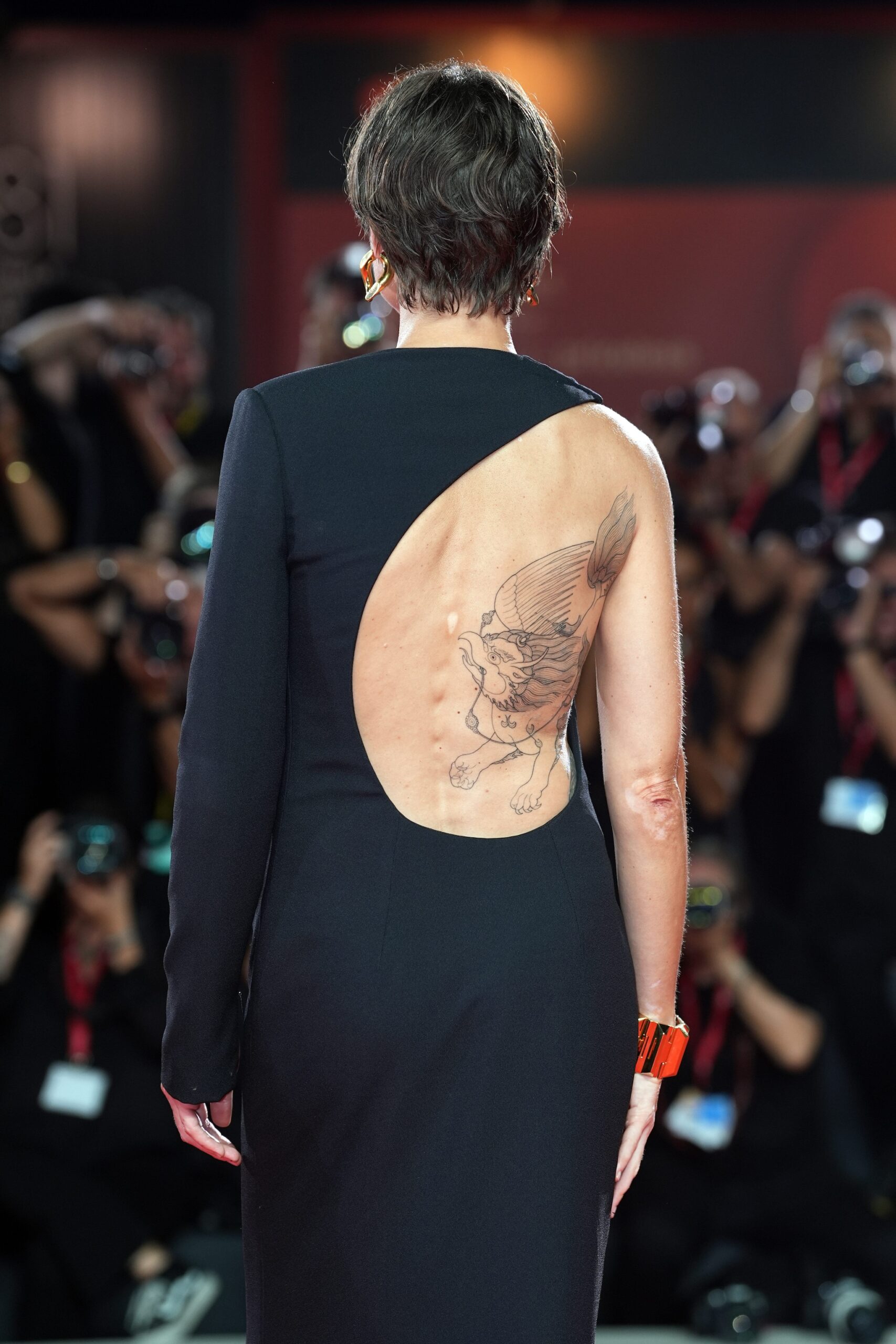
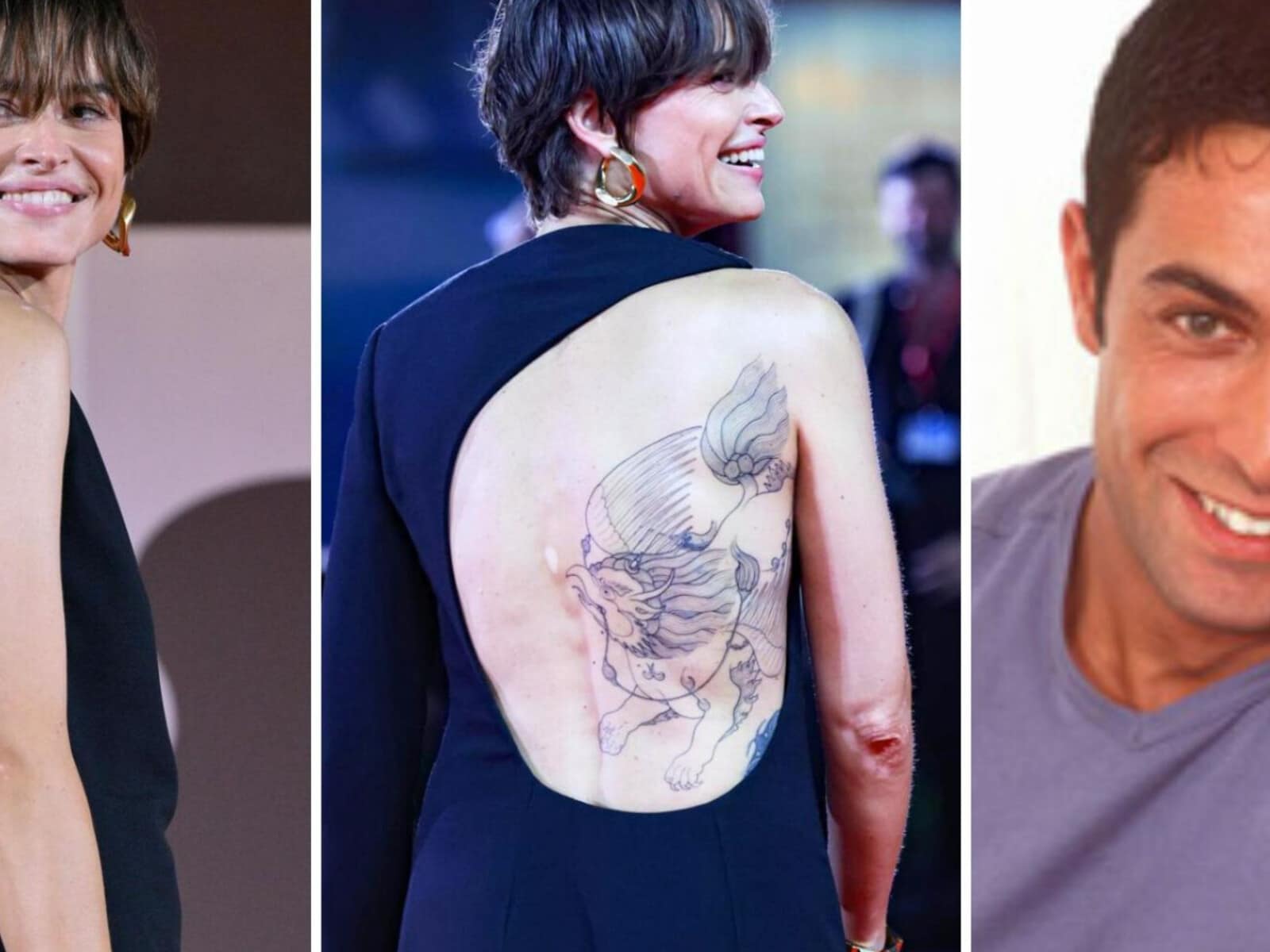
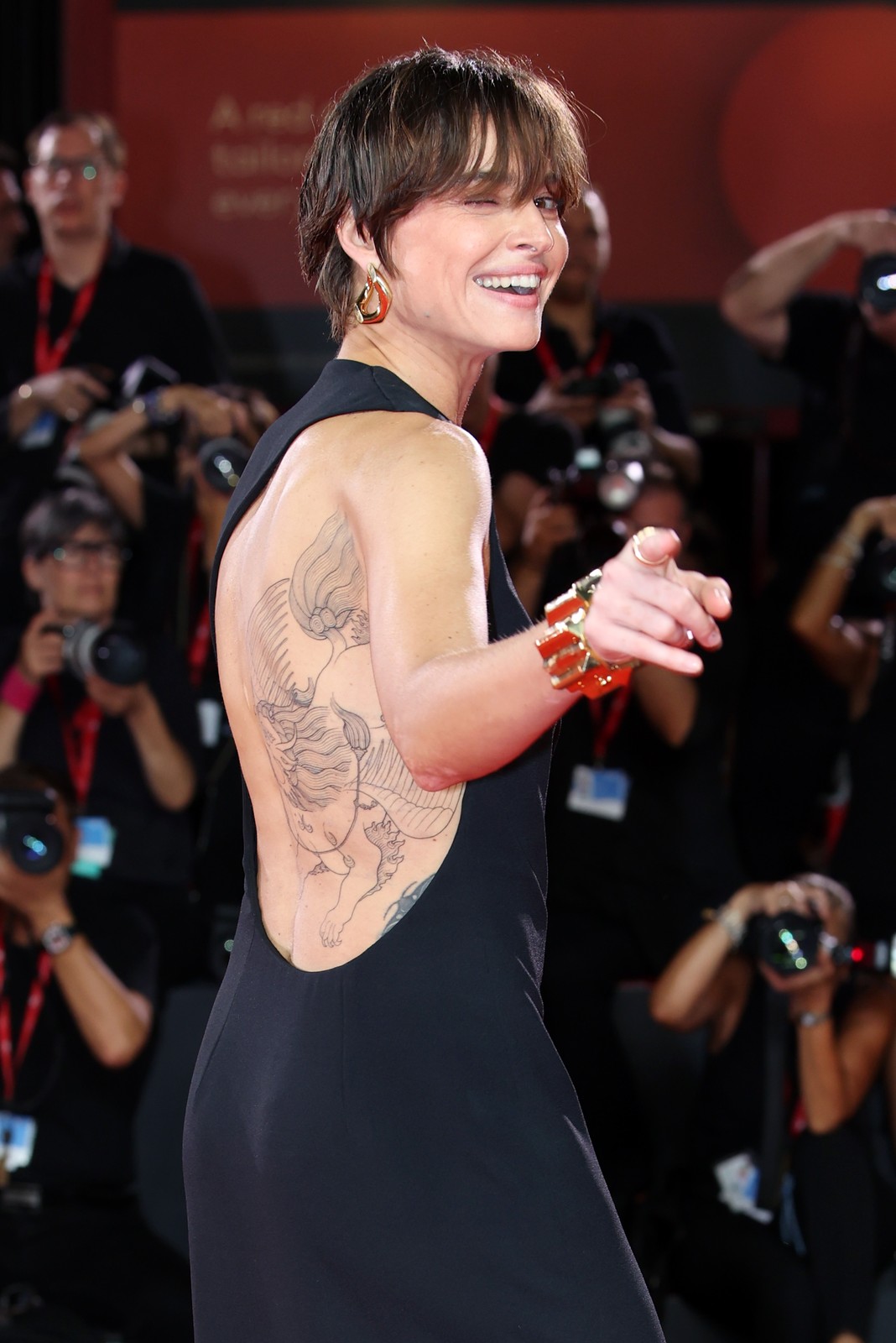
Kasia Smutniak Pixiu back tattoo at Venice Film Festival

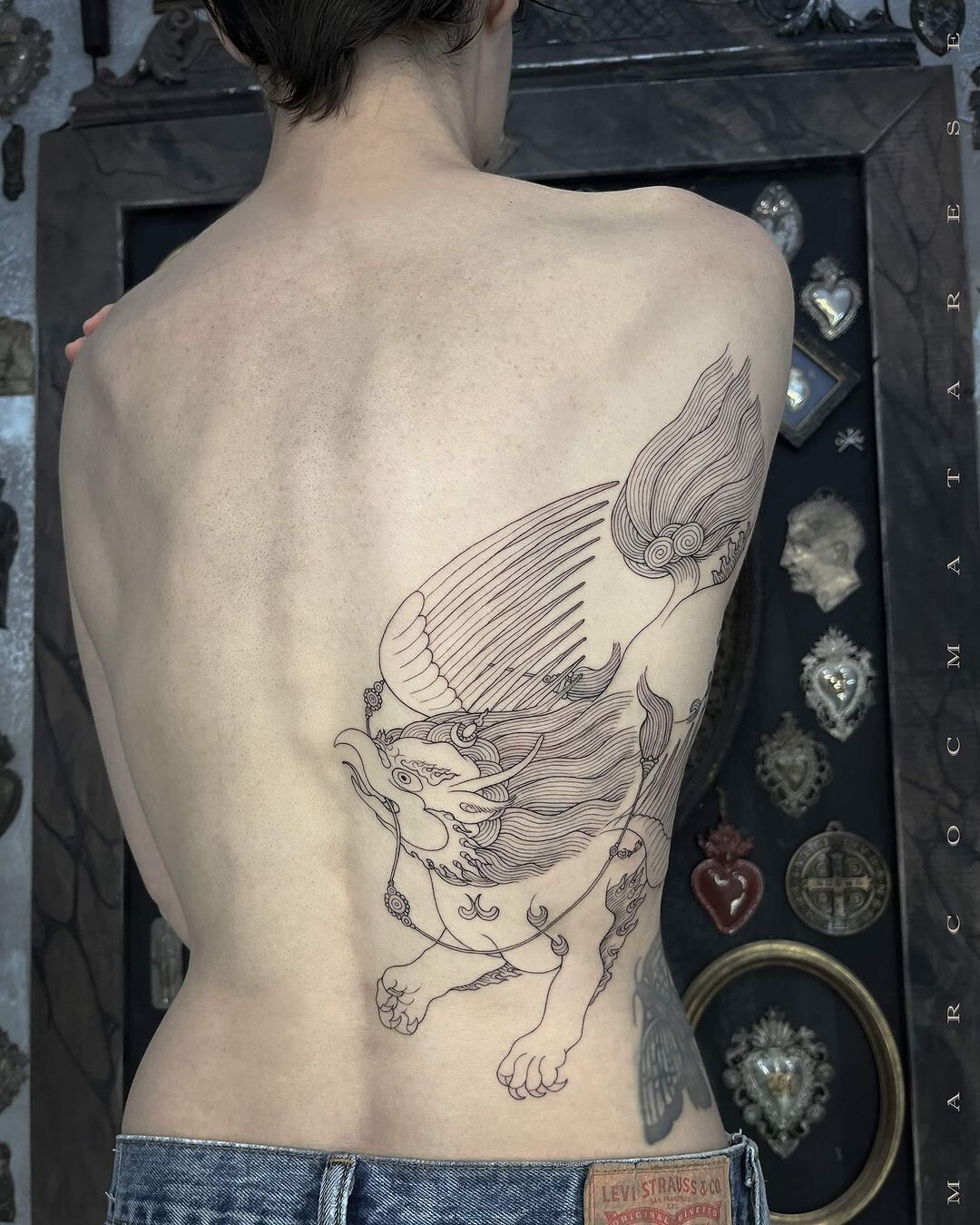
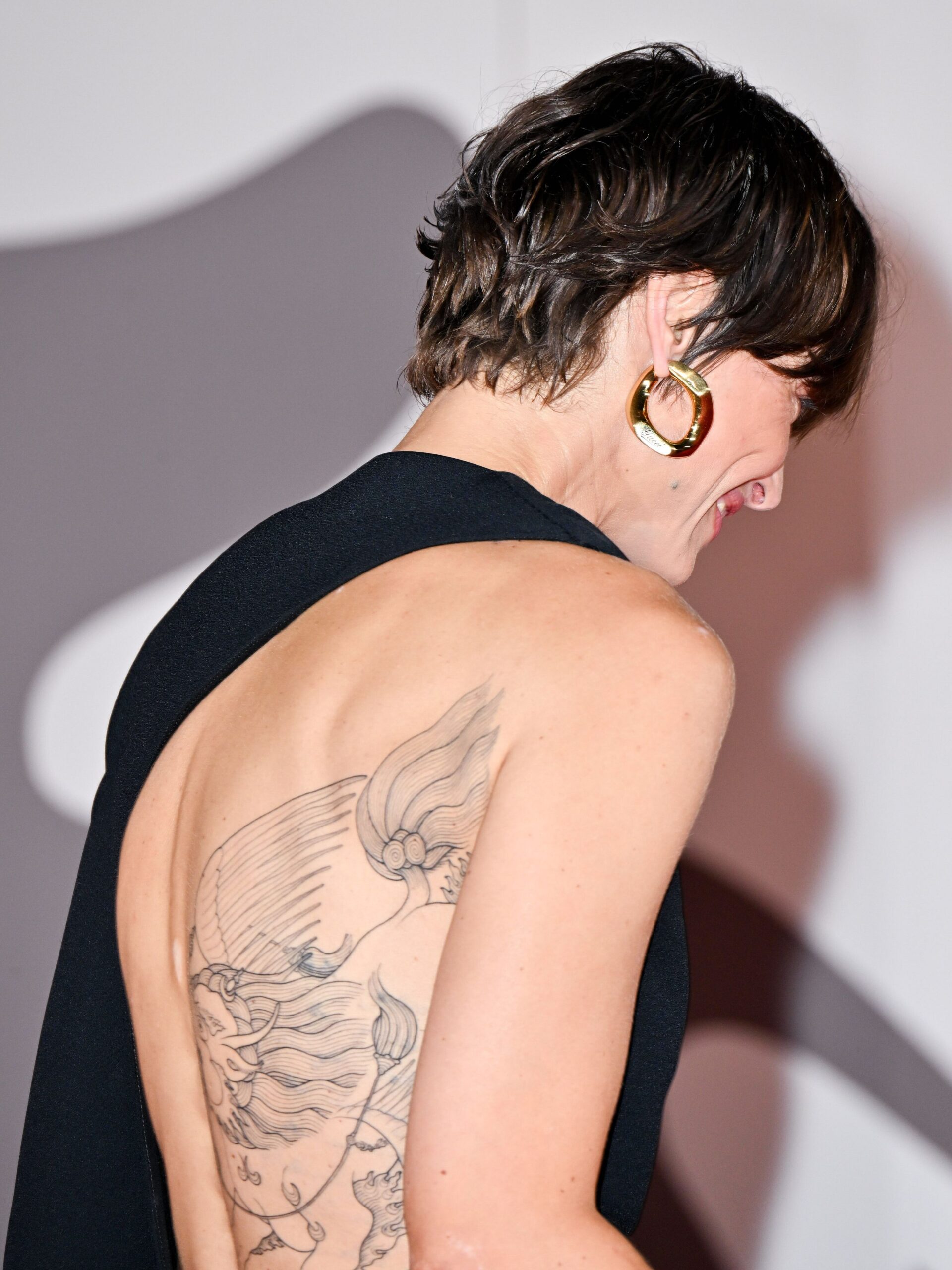
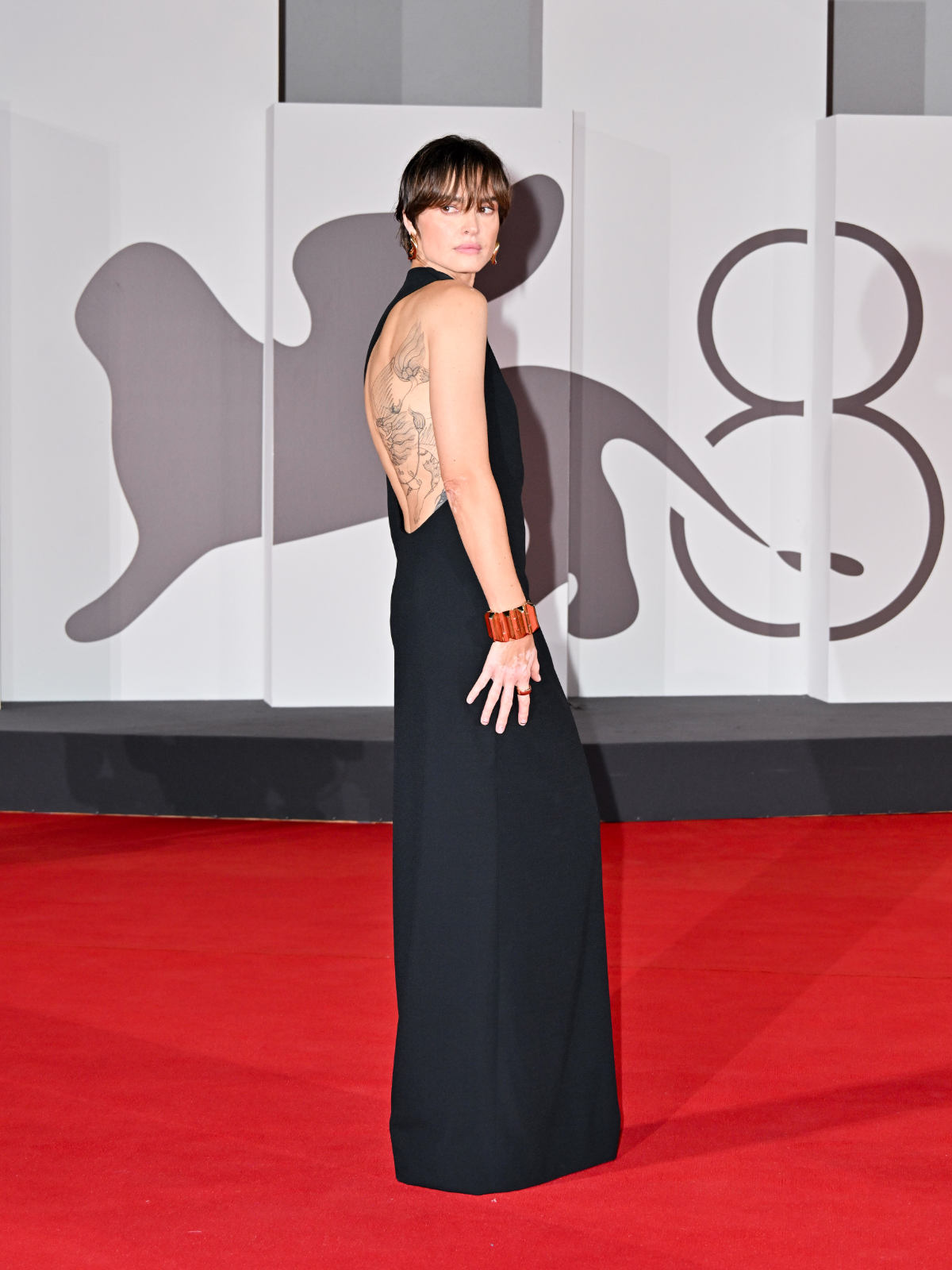
Kasia’s main tattoo is a large black-and-grey design that runs down the right side of her back and around toward her side. It has a winged shape, a strong animal head, sweeping lines and plenty of fine detail. Reports around the 2024 Venice Film Festival described it as a Pixiu, a Chinese mythological creature often shown with a lion-like body and a dragon’s head.

There’s another layer to the imagery. Kasia shared words connected to Garuda, the powerful bird-like figure in Hindu and Buddhist traditions, and wrote “il guerriero”, or “the warrior.” It’s safer to describe the tattoo as drawing on several references than give it one tidy label. Coverage points to the winged-lion and warrior ideas, but the design is personal and she hasn’t explained every symbol publicly.

The placement is part of the effect. A backless dress reveals the tattoo in one sweep, while an ordinary top hides it completely. In the Venice photos, the open gown almost makes the ink look like part of the dress. The lines follow the curve of her body instead of sitting in a small, separate patch.

What Pixiu means in the tattoo’s visual language

Kasia Smutniak winged lion tattoo across the shoulder and back

Pixiu is commonly associated with protection and good fortune, and is often described as a guardian. A tattoo of the creature can suggest strength or keeping bad energy away. That reading fits the way Kasia’s design looks: it isn’t delicate from a distance. The wings and heavy body give it a sense of movement and force.

Still, it’s best not to overstate the meaning. Kasia hasn’t shared a detailed official explanation of every part. The clearest public clues are the wording around the warrior and the descriptions that appeared at the time. Anything beyond that is interpretation, not a confirmed statement from her.

That distinction matters because the tattoo has attracted dramatic guesses. Some reports wondered whether it was connected to Pietro Taricone, Kasia’s former partner and the father of her daughter. The design may hold private memories, but the public record doesn’t establish a direct dedication. What we can say is that it replaced or covered earlier work, and Kasia chose to show it when the warrior imagery was easy to notice.

The tattoo was still being finished when she first showed it

Kasia Smutniak Garuda and Pixiu back tattoo

Photos from the reveal suggest the back piece was still in progress. The linework is already substantial, but some details appear sharper in one photo than another, partly because of lighting and partly because the images were taken at different stages. That’s normal for a large tattoo, which may take several sessions and look different as it heals.

Italian coverage named the artist as Marco C. Matarese, a Milan-based tattoo artist. Knowing who made the new piece helps explain its style, but it doesn’t mean he did every tattoo Kasia has. The older designs seem to belong to a different period and a simpler visual language.

The back and side also give an artist room to build one connected composition. Instead of a row of small designs, Kasia now has a broad image with wings, a creature’s body and long, flowing lines. Even when a photo shows only part of it, the tattoo reads as a single scene.

The old neck tattoo is a small tribal design

Close view of Kasia Smutniak Pixiu tattoo

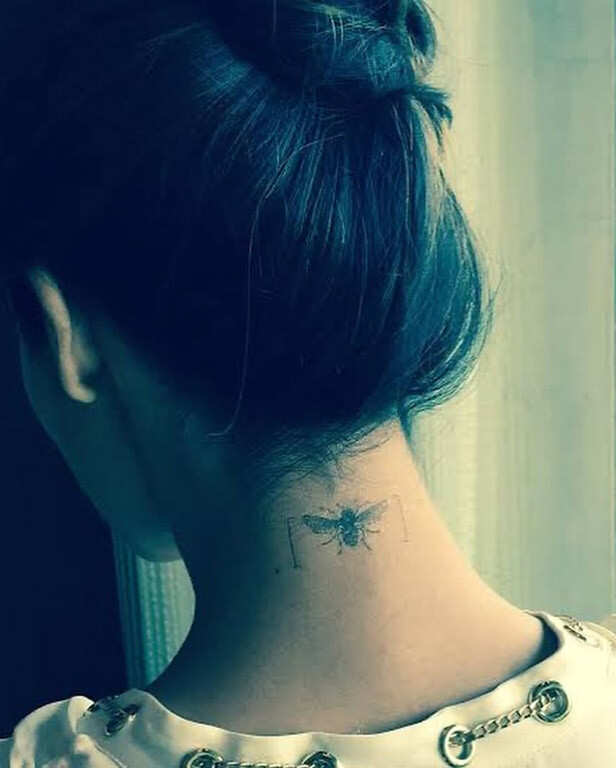
Before the large back piece, one of Kasia’s documented tattoos was a small tribal-style design behind her neck. It’s far more compact than the Pixiu and sits high enough to show when her hair is short or pulled back. A gallery article from 2018 identified it as her first tattoo.

“Tribal” is a broad description of the visual style, not a precise cultural identification. The public source uses the term for the shape and look; there’s no reliable explanation linking it to a particular people or tradition. The safest description is a small black tattoo behind the neck, made of curved, graphic lines.

The placement helps explain why it has stayed relatively private. Hair, a collar or a high neckline can cover it. Compared with the newer back piece, it feels almost like a signature: small, easy to hide and visible when Kasia wants it to be.

She has a line of writing across the upper body

Kasia Smutniak large back tattoo at a red carpet event

Another older tattoo described in the public gallery is a line beginning “Se Dio mi regalasse…”, which translates as “If God were to give me…” The phrase is associated with a piece across her bust or upper torso; the gallery also describes a butterfly flying along her side.

The available descriptions leave the sentence unfinished, so it’s better not to turn it into a made-up quote. We can say the tattoo pairs handwritten text with a butterfly. That gives it a different mood from the heavy mythological creature on her back: the writing feels intimate and open-ended, while the butterfly adds a small sense of movement.

It also shows that Kasia’s tattoos haven’t followed one strict style. The older pieces are personal and relatively light; the new back design is dense, dark and expansive. They can look like they belong to different people, which is why the collection reads as a timeline rather than a matching set.

The butterfly and the writing are easy to miss

Kasia Smutniak back tattoo visible in a Gucci gown

Most photos of Kasia focus on her face, clothes or film work, so the older torso tattoo isn’t as well documented as the newer back piece. It tends to appear only when a dress reveals the side of her body. That limited visibility may be why some online descriptions reduce her collection to one large back tattoo and leave out the earlier work.

The butterfly is worth including because it changes the feel of the design. Butterflies are familiar tattoo images, but here one sits beside a sentence rather than on its own. It almost works like punctuation at the edge of the writing. Without a clear, full view, its exact size and direction are hard to confirm.

The same caution applies to the older design that the new tattoo seems to cover. Some reports connect the change to a past relationship, but that remains speculation. What the photos show is enough: earlier work has been absorbed into a much larger composition, and the new image now carries most of the visual weight.

Every known Kasia Smutniak tattoo, at a glance

Based on the public documentation available, the collection includes:

  • A tribal-style tattoo behind the neck, described as her first tattoo.
  • Writing across the upper body beginning “Se Dio mi regalasse…”
  • A butterfly near the side, visually connected to the writing.
  • A large winged creature on the right back and side, described with Pixiu and Garuda references.
  • The word or idea “guerriero”, meaning “the warrior,” associated with the newer design.

That’s the documented list, not proof that Kasia has no other private or rarely photographed tattoos. The available material shows a handful of clear pieces, but it doesn’t support a huge catalogue of small symbols. It’s better to leave uncertain areas out than to call every dark mark in a red-carpet photo permanent ink.

Why the collection feels personal instead of planned

Kasia’s tattoos look as if they were added at different points in her life. The neck design is compact; the writing and butterfly feel reflective. The new back tattoo is more confident and theatrical, but it still draws on a personal vocabulary of protection, strength, flight and the idea of a warrior.

That variety is what makes the collection interesting. The tattoos don’t all deliver the same message or share one polished studio style. Some are private reminders that disappear under clothes; one is a large statement that takes over a red carpet. The collection feels lived in, not designed for a single photo shoot.

A cover-up doesn’t erase the past entirely. Even when the old design is hard to see, it has shaped the size and placement of the new one. Kasia’s back tattoo is now the piece most people talk about, but the smaller neck and torso tattoos give the story its earlier chapters.

Watch Kasia talk about the tattoo

There’s no need to pretend every detail has been explained in a caption. In this tattoo-focused interview, Kasia discusses the large back piece and its story:

Kasia Smutniak’s ink is a good example of why tattoo coverage needs more than a cropped red-carpet photo. The Pixiu- and Garuda-inspired piece is the headline, but the older neck tattoo, unfinished line of writing and butterfly fill in the picture. Together, they show a collection that has changed over time without losing its personal edge.

More actor tattoo guides

Malaika Arora’s Tattoos Hold on to Love, Change and Gratitude

Malaika Arora’s tattoos are understated, but the stories behind them are personal. She has said she chooses ink at important turning points, not on a whim. Each piece keeps a memory or idea close.

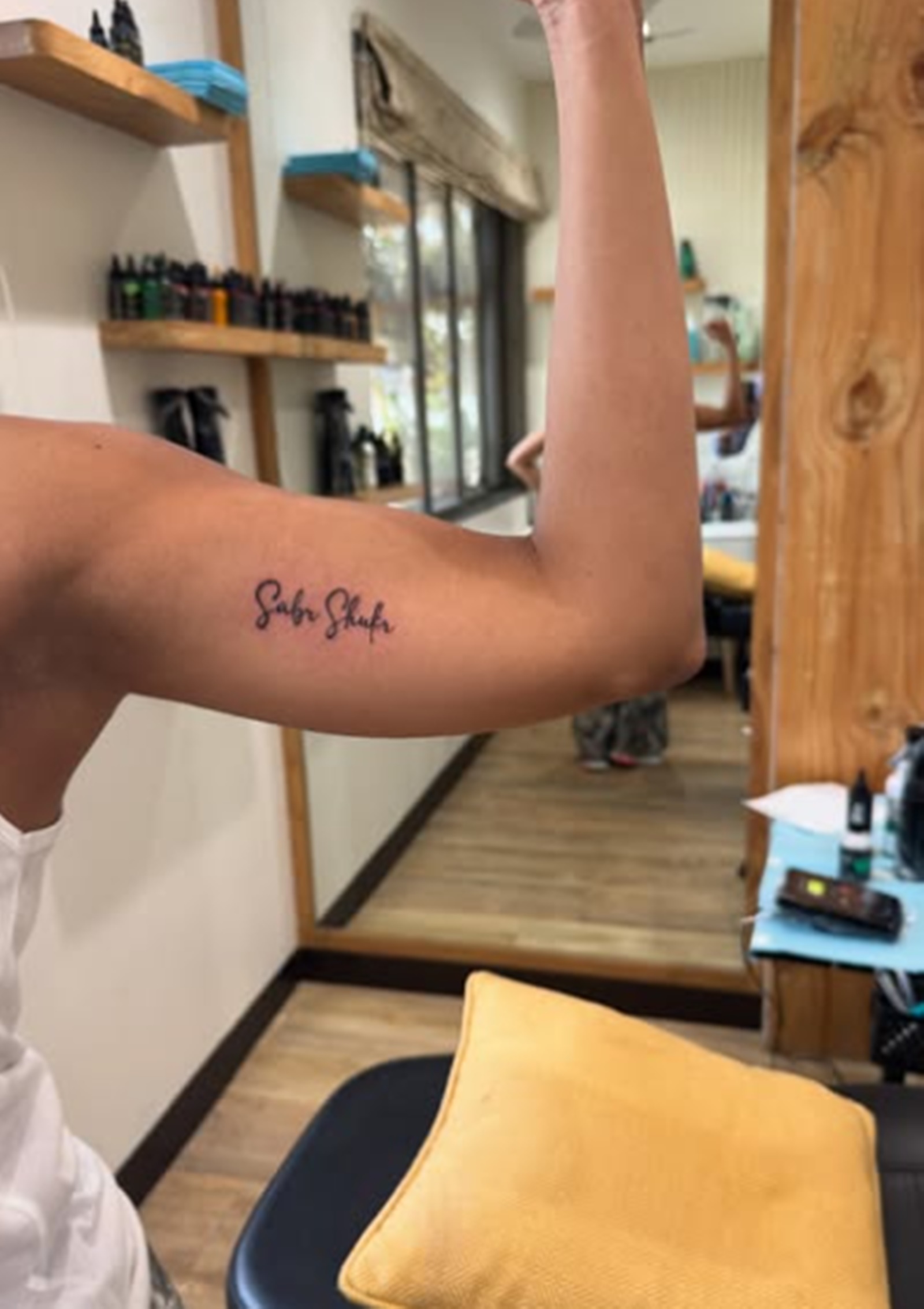
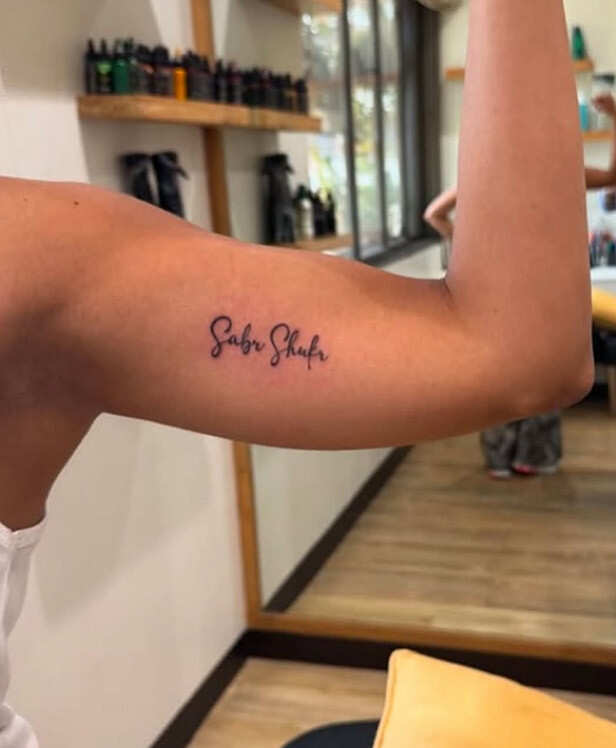
Her latest tattoo, “Sabr, Shukr,” sums up that approach. The Arabic phrase means patience and gratitude. Malaika has linked it to a difficult year and the steadier place she found afterward. It joins older designs: “Love,” three birds in flight, a butterfly, her name and a pair of wings.

There is no confirmed total for Malaika’s tattoos, so a precise count would be guesswork. Photographs and her own comments document several designs and what some of them mean. Taken together, they read as reminders tied to different points in her life.

“Sabr, Shukr” marks a difficult year

Malaika Arora Sabr Shukr arm tattoo

The tattoo that put Malaika’s ink back in the spotlight reads “Sabr, Shukr.” The Arabic words mean patience and gratitude. She revealed the piece after an emotional stretch, explaining that it spoke to the whole year she had been through rather than one isolated event.

She has described the phrase as comforting when she compares where she is now with a year earlier. It doesn’t ask her to act as if everything is fine. For her, it’s a cue to be patient, notice what remains good and give difficult feelings time.

Malaika has said she gets tattooed at major turning points, not just for the sake of it. “Sabr, Shukr” fits that pattern: a small, discreet piece carrying a meaning much larger than its lettering.

The new ink came after a period of change

Malaika Arora Sabr Shukr tattoo close-up

Malaika has tied the tattoo to finding steadier ground after a hard year. Her father, Anil Mehta, died in September 2024, after her relationship with Arjun Kapoor had ended shortly beforehand. She has not described the ink as a response to one headline or rumour; she spoke about a longer process of reaching a better headspace.

She framed it as something personal. Patience can mean letting grief and change take their time; Gratitude can mean holding on to people, work and small moments when life feels uncertain. The two words make room for both.

The tattoo was spotted in a red-carpet photo, but Malaika’s explanation stayed grounded in the year she had lived through. The setting was glamorous; the meaning she gave it was private and rooted in how she feels now.

Three birds represent a new phase

Malaika Arora birds waist tattoo

Malaika has given the three birds in flight tattoo one of the clearest backstories. She said she got it about eight years before talking about “Sabr, Shukr,” following her divorce from Arbaaz Khan. The birds marked the start of a new phase, and their movement says enough without a complicated explanation.

Birds are often read as a sign of freedom, but Malaika’s own account gives this design a more specific meaning: it belongs to a change she had already lived through. The tattoo marks moving ahead, building a new routine and letting life take a different shape.

She has it near her waist, where it can stay private beneath clothing and appear when she wants to show it. That suits a design tied to a personal turning point. Its story comes first; the photo appeal is secondary.

“Love” sits on one of her fingers

Malaika Arora Love finger tattoo

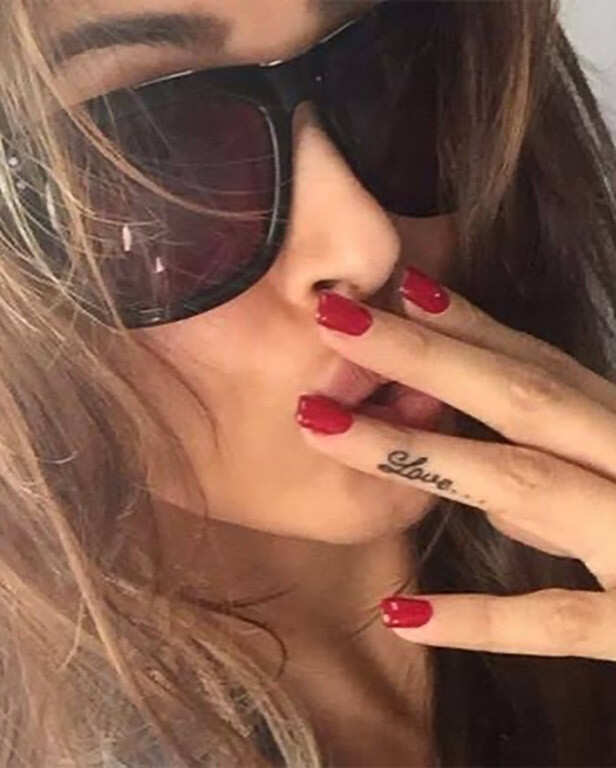
The word “Love” inked on one finger is another clearly documented piece. Malaika has said it reflects her love for herself, her loved ones and life in general. A few letters are enough to carry that idea.

A finger tattoo is hard to keep out of view: she sees it as she gestures, works out or picks up her phone, and it often appears in photos. That everyday visibility makes “Love” feel like a reminder she carries through ordinary moments.

There is no elaborate image to interpret. The single word sits where Malaika can see it, and it has remained part of her public image for years. Among tattoos tied to personal turning points, “Love” is her most direct message.

The butterfly tattoo is placed behind her neck

Malaika Arora butterfly neck tattoo

Malaika also has a butterfly tattoo on the back of her neck. Her hair can cover it, while an updo or open neckline shows it. The placement gives it a different presence from the lettering on her finger and arm.

The photos identify the butterfly, but Malaika has not offered a detailed explanation for it in the sources covering her tattoos. So the grounded description is straightforward: a butterfly at the nape of her neck, one of several pieces she has kept over the years.

The butterfly and the three birds both suggest movement and change, while “Sabr, Shukr” gives those changes a more direct emotional language. The pieces need not have been planned as a set; each can belong to a different chapter.

Her name and wings connect identity with freedom

Malaika Arora name and wings tattoo

Older accounts also mention Malaika’s name and a pair of wings. Her name is associated with angels, which may explain the connection drawn between her name and the wings in her collection.

The record is incomplete. Photographs show the designs, and older interviews discuss the link between her name and wings, but there is no full timeline. Some tattoos may be retouched, partly hidden or photographed from another angle, so the available evidence leaves details open.

The pairing has an intuitive appeal: the name connects to identity, while wings evoke movement, independence and rising above a hard period. Those images sit comfortably alongside her recent focus on patience and gratitude.

Malaika’s collection is about memories, not quantity

Malaika has never published a final count or walked through every mark in a full tattoo tour. Rather than guessing, the clearest account sticks to the pieces she has discussed and the meanings she has shared.

Among them are the birds she got after her divorce, the “Love” finger tattoo, the butterfly at her neck, her name and wings, and the newer “Sabr, Shukr” lettering. The designs recall different things: a fresh start, love, identity, freedom and patience with life.

Older photos may show other small details, but there is no basis for assigning names or meanings Malaika has not confirmed. It is more useful to separate what is documented from what remains a guess, and let the tattoos speak for themselves.

Why the new tattoo feels like a continuation

The new phrase adds context to the older pieces. The birds marked a new phase; “Sabr, Shukr” reflects on the years since and what they taught her. The story runs from beginning again to understanding the journey so far.

The phrase resonated because its meaning is simple and demanding. Patience and gratitude are not always glamorous emotions. Both take practice. Wearing the words gives Malaika a reminder to return to when life gets loud.

Her tattoos have accumulated over time rather than forming a matching set: a word on one finger, birds in flight, a butterfly, designs linked to her name and wings, and a phrase about a difficult year. Together, they hold thoughts she wants close.

Watch the story behind Malaika Arora’s Sabr Shukr tattoo

More actor tattoo guides

Cara Delevingne’s Tattoos: Lions, “Made in England” and the Ink You Actually See

Cara Delevingne’s tattoos are easy to spot, but they are a varied collection: a small lion on her finger, lettering on her feet, fine-line animals, friendship pieces and little marks that only show in the right photo. Some stories behind them are public; others are visible without a confirmed meaning, and that is where the description should stop.

She started getting tattooed early in her modelling career. The designs never look like one sleeve planned in advance; they range from quick ideas to personal references made with artists she trusted. Keith “Bang Bang” McCurdy worked on many of the best-known pieces, while Dr. Woo made the fine-line elephant on her inner forearm and Daniel Tucci is credited with the Roman numerals on her side.

The useful way to read Cara’s tattoos is design by design. A clear photo can show the placement and what a tattoo looks like, but it cannot tell us automatically what every mark means, when it was done or who made it. The sections below stick to pieces that have been shown clearly or discussed.

The hand tattoos that started the collection

Cara Delevingne showing tattoos on her hand

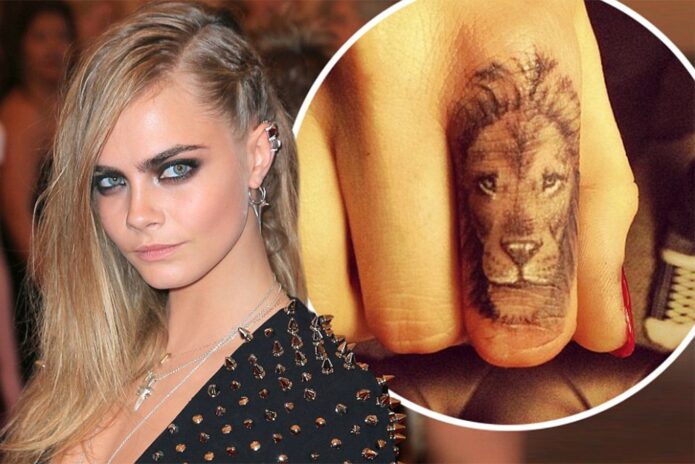
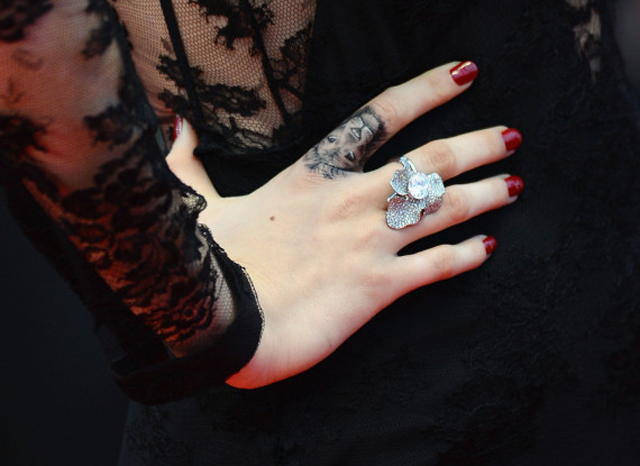
The lion on Cara’s index finger is the tattoo many people think of first. It was her first, and she got it while she was still a teenager. The design sits along the side of her finger, so it is small and exposed but surprisingly tricky to photograph well. A wide red-carpet image may show ink on her hand; a close-up is needed to make out the lion’s face and shading.

Cara has connected the lion to her Leo star sign. It is a clear explanation without giving the tattoo more weight than she has. It also makes sense as a first piece: the image is bold enough to catch the eye, while the finger placement keeps it compact.

Bang Bang is associated with the lion tattoo, and he made many of Cara’s other designs as well. That does not mean he created every tattoo she has. It places the lion in a period when she was returning to the same New York artist for several pieces.

In some photographs the lion looks darker; in others it appears softer. Lighting, age, editing and the angle of her finger can all change how it reads. Those differences do not prove that the tattoo was redone. The clearest description remains a small lion on her index finger, widely reported as her first tattoo and linked by Cara to Leo.

Feet, family and the tattoos that fill in the story

Cara Delevingne Made in England tattoo on her foot

Cara’s hands carry more than the lion. The initials “CJD”, for Cara Jocelyn Delevingne, sit along the side of one hand. It is a personal mark in a visible spot, but the design itself is plain lettering rather than a large image. That simple piece shows how much the style can change from one tattoo to another.

She has also been photographed with white-ink designs, including a dove on a finger and other pale marks that almost disappear in ordinary light. White ink is difficult to document: in one photo it can look like a highlight, and in another it may vanish. It takes a sharp image to identify the design confidently.

Tiny stars and a diamond sit around one ear. Hair, jewellery and the edge of the face can make them easy to miss. They are small additions, not parts of one large composition, and they work better as separate details in Cara’s collection.

On her inner wrist, she has the word “silence”. Cara explained it with the phrase “silence speaks when words can’t,” making it one of the clearer examples of a tattoo with a public meaning. The short explanation is enough; there is no need to build a larger theory around it.

Old photos can be hard to read. A ring, sleeve or shadow may cover part of a letter, and a low-resolution crop can make one mark resemble another. If a source does not show the detail clearly, it is better to say the tattoo is visible but not fully identifiable.

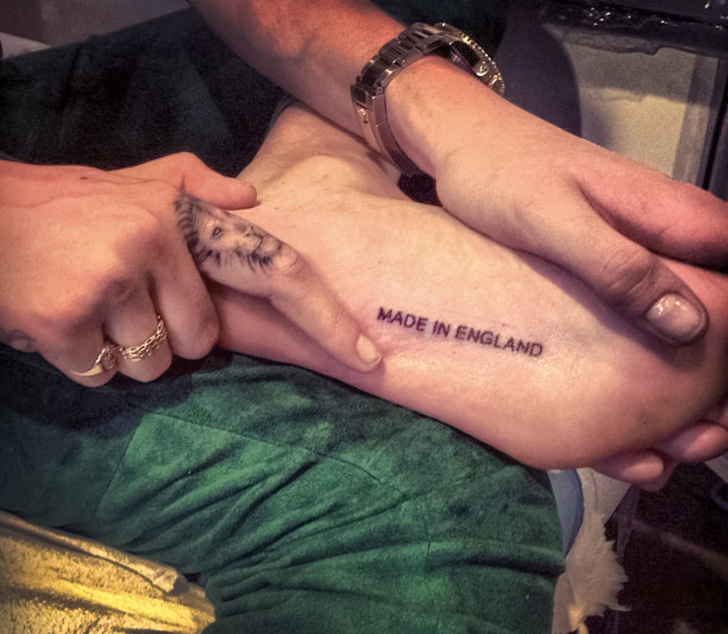
The words “Made in England” are on the sole of Cara’s left foot. She has explained the tattoo herself. During her modelling years, she sometimes felt less like a person than an object being moved around for other people to use.

In interviews, she compared that feeling to being a puppet or mannequin and described the phrase as a way to put the frustration on her body. That context comes directly from Cara, so it is more useful than assigning a new meaning based on appearance.

There is humour in the placement, too. The blunt label sits on the bottom of her foot, hidden until she decides to show it. The block lettering keeps the design simple; the joke is in the words and where she put them.

Photos of the tattoo vary. Close-ups make the phrase easy to read, while angled shots may show only part of it. The best images are the ones that actually show the lettering; a fashion portrait with her foot covered adds little.

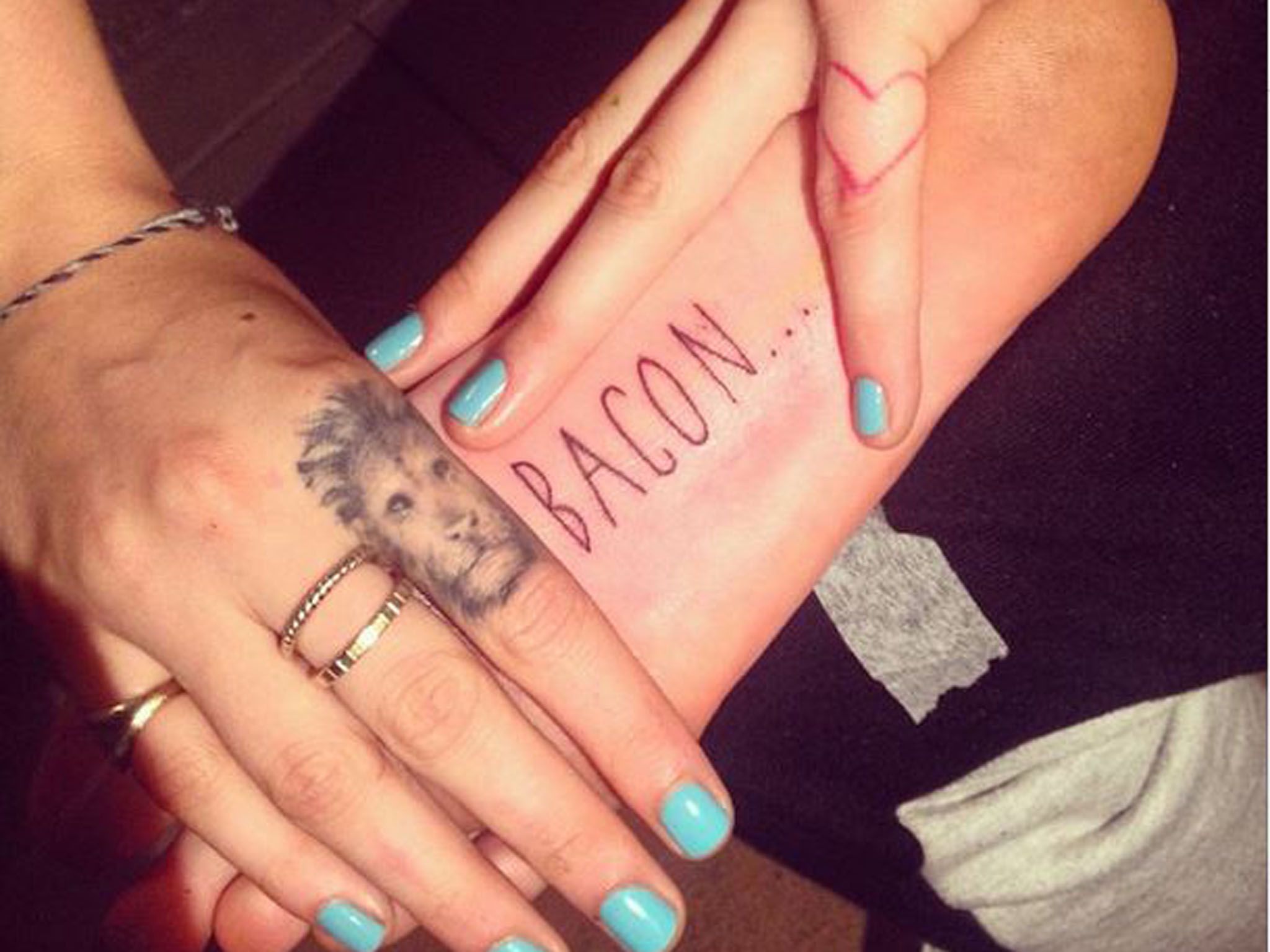
Cara Delevingne Bacon tattoo on the sole of her foot

The “Bacon” foot tattoo is exactly as silly as it sounds.

Cara also has “Bacon…” on the sole of her other foot. It is a much lighter piece than “Made in England,” and the contrast is part of the fun: one records a frustration from work, while the other is a breakfast joke. The two do not need to share some grand meaning.

The punctuation is usually shown as part of the tattoo, though the exact number of dots is hard to make out in every picture. Older or angled photos can blur the detail, and the sole is rarely photographed in ideal conditions.

The design is often linked to Bang Bang and dates from a period when Cara was collecting small, playful tattoos. It belongs in the same broad category as the toe smileys she got with Margot Robbie: casual, a little ridiculous and tied to a person or moment rather than a formal plan.

This is one of the tattoos where the image should do most of the work. Readers need to see the lettering and where it sits. A nice portrait of Cara will not help if the tattoo is the subject; the photo has to show enough of her foot for the words to be read.

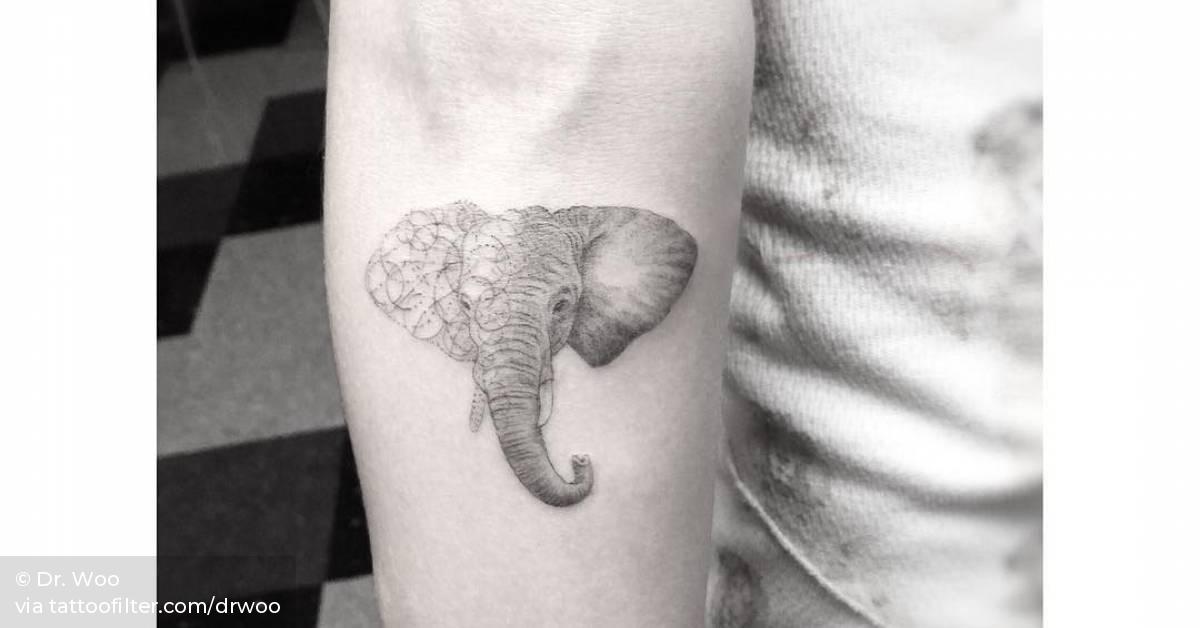
Cara Delevingne fine-line elephant tattoo on her inner forearm

The elephant on her inner forearm.

Cara’s fine-line elephant sits on the inside of her right forearm. Dr. Woo made it in a delicate “half-needle” style, with thin lines and soft shading. It is much more detailed than the small lettering on her feet, and compression can quickly wash out the elephant’s sketch-like features.

Cara has said this is the tattoo with the most personal weight for her because she got it in memory of her late grandmother. That makes it one of the clearest family tributes in the collection; the meaning comes from her own explanation, not a fan-made list.

The forearm gives the elephant more room than the lion on her finger, but keeps it close to the body rather than turning it into a huge statement piece. When Cara turns her arm away, the design can be hard to see. In a close-up, its face, ears and trunk come through.

Dr. Woo’s work also shows that Bang Bang was not the only artist she went to. Many of Cara’s familiar pieces are linked to him, but the elephant has a distinct line quality and a different artist behind it. A large enough image makes that detail easier to appreciate.
Roman numerals, “breathe deep” and the side tattoos.

One small design on Cara’s side is “XII” in Roman numerals. Tattoo guides usually place it there and credit Daniel Tucci. The number is often described as lucky for Cara, although the personal reason for choosing twelve is not explained as clearly as the stories behind the lion or elephant.

She has also been photographed with the white-ink words “breathe deep” on her side. It is easy to read in one image and almost invisible in another. White ink reflects light differently, and both skin tone and distance affect how the letters show up in a photo.

Another phrase reported in the same area is “don’t worry, be happy.” It is a short piece of text among several small images and sayings. The exact lettering should remain labelled as reported unless a clear close-up or direct explanation confirms it.

The side is difficult to photograph because clothes cover it most of the time. A cropped fashion image may show a few lines without establishing the whole design. A useful guide needs a clear view and, where possible, the date of the image instead of stretching one blurry photo into a complete inventory.

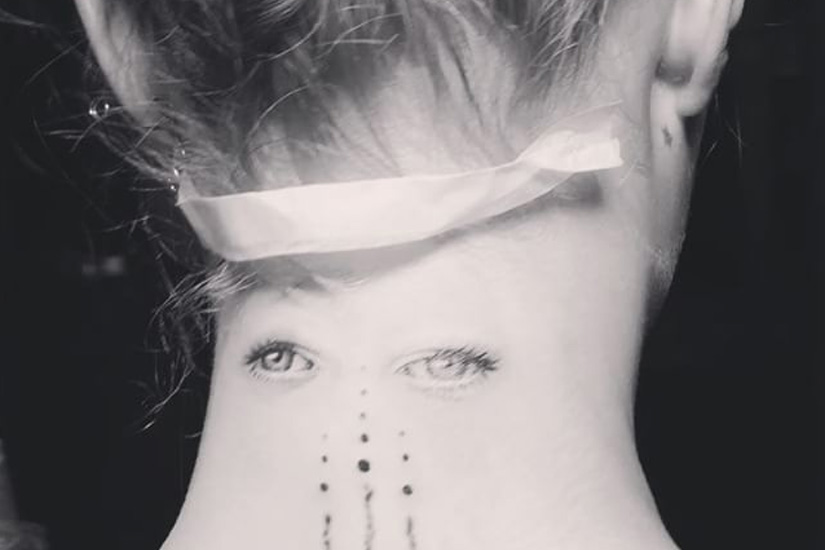
Cara Delevingne eyes tattoo on the back of her neck

Eyes, sak yant and the tattoos around her neck.

Keith “Bang Bang” McCurdy made the pair of eyes on the back of Cara’s neck. They sit above an older tattoo on her nape, giving the area a layered look. The eyes show clearly in close-ups; in wider portraits, hair and shadow often obscure the detail.

Below them is a sak yant-style tattoo. Sak yant refers to a traditional Southeast Asian tattooing practice. It is safer to describe the visible script and its placement than to translate every line without a reliable source for the wording.

The eyes look different from the small stars and wrist lettering elsewhere in Cara’s collection: they are direct and figurative. Public information about why she chose them is limited, though. The artist and design are better supported than any broad claim about what the eyes represent.

Neck tattoos attract interpretation because they are visible in portraits, but visibility does not establish a private meaning. The photo shows the eyes, and Bang Bang is linked to the work. Anything beyond that should be described as uncertain.
Pandora, friendship ink and the smaller stories.

The name “Pandora” appears on Cara’s upper arm and is generally described as a tribute to her mother. It is simple script with personal context. Clear photos show the spelling and location, although the lettering can look different as her arm turns.

Cara has also shared friendship tattoos with people close to her. The best-known example is the set of smiley faces on her toes with Margot Robbie during the Suicide Squad period. Cara called them “toemojis”; the two friends gave each other little smiley faces on their toes.

Reports describe smiley faces on several of Cara’s toes, but the exact number can be confusing because many photos show only one foot. A picture from the original moment confirms the friendship tattoo; it does not automatically provide a full count of every toe design she has now.

That playful side belongs in the story too. Cara’s tattoos are not all animals, memorials or career statements. Some came from a joke shared with a friend. A fine-line elephant can sit alongside a silly food word without either design needing to explain the other.

Taken together, the documented tattoos range from the lion finger tattoo and initials on her hand to the phrases on her feet, the elephant on her forearm, the eyes on her neck and the family name on her arm. The strongest details are the placements, the artists and the meanings Cara has actually shared. The rest is best left as a visual record, not dressed up as certainty.

There is no final public list that can prove a permanent tattoo count. New work can appear, older ink can fade and clothing can hide designs. What the photos and interviews do show is a deliberately mixed collection: fine-line animals, short phrases, family references, jokes and small symbols in different places.

That’s the real appeal of her tattoo history. It is not one carefully planned project, but a running collection of ideas, memories and jokes added over time and captured in separate moments.

More musician tattoo guides

Sophie Turner Tattoos: The Direwolf, W for Willa and More

Sophie Turner has more than a dozen tattoos, from small family initials to bold Game of Thrones references. Her collection includes a W for Willa, a dog, the direwolf and The pack survives, the 07.08.09 date she shares with Maisie Williams, a north star along her spine and several smaller designs.

The tattoos reflect different parts of Turner’s life. Some reference the show that made her famous, some honour friends and family, and others are small drawings she simply liked. The photos below keep those designs distinct.

The W tattoo is a small family tribute

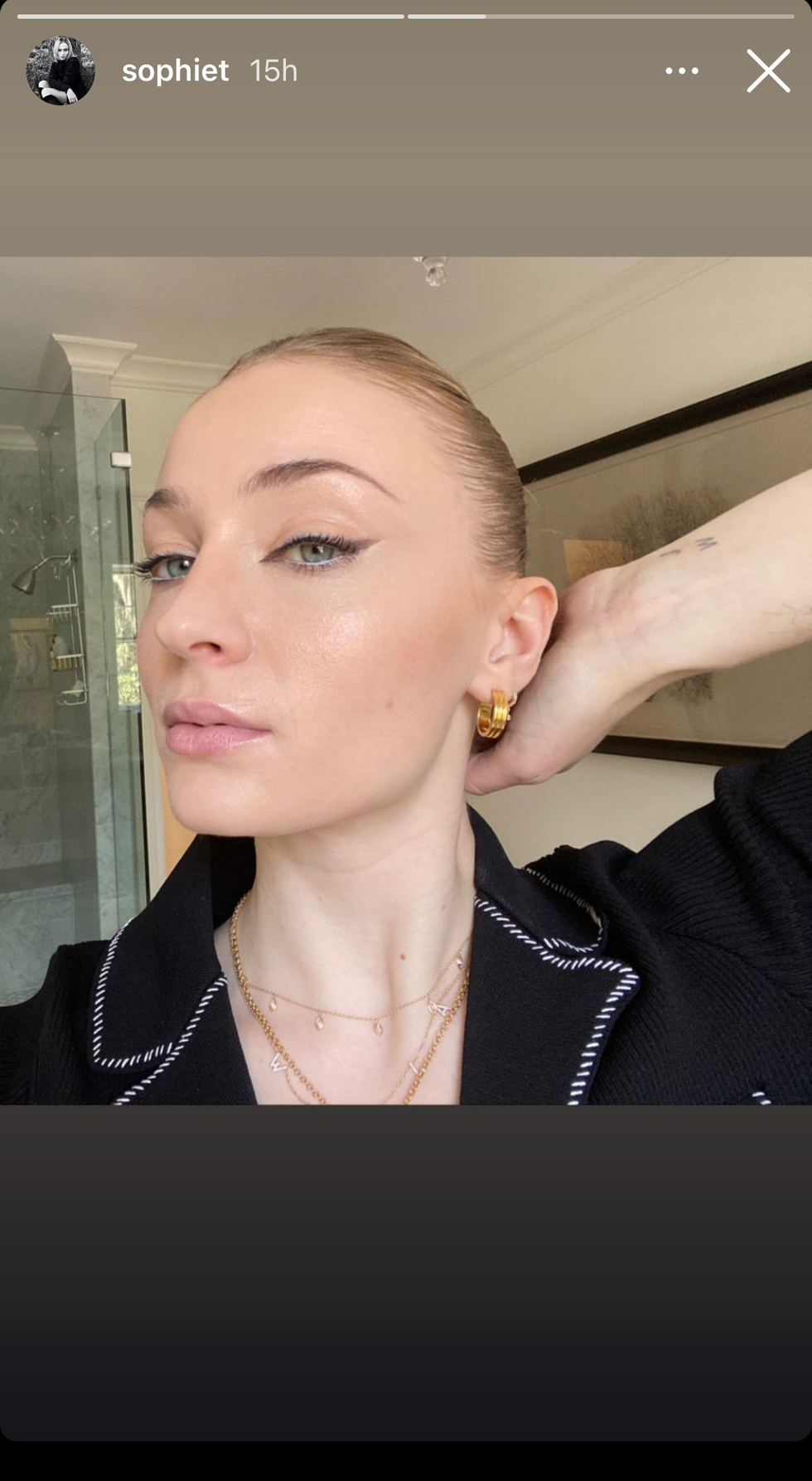
Sophie Turner tattoos: W for Willa

The single W on Turner’s arm is linked to her daughter, Willa. It is a simple family reference, and a close-up makes it easier to spot than a red-carpet photo would. The initial and its timing give it a clear place in her story.

The W tattoo is a small family tribute is easiest to appreciate in this close-up. The photo also shows where it sits as Turner moves or changes her posture.

The dog tattoo keeps the family theme close to home

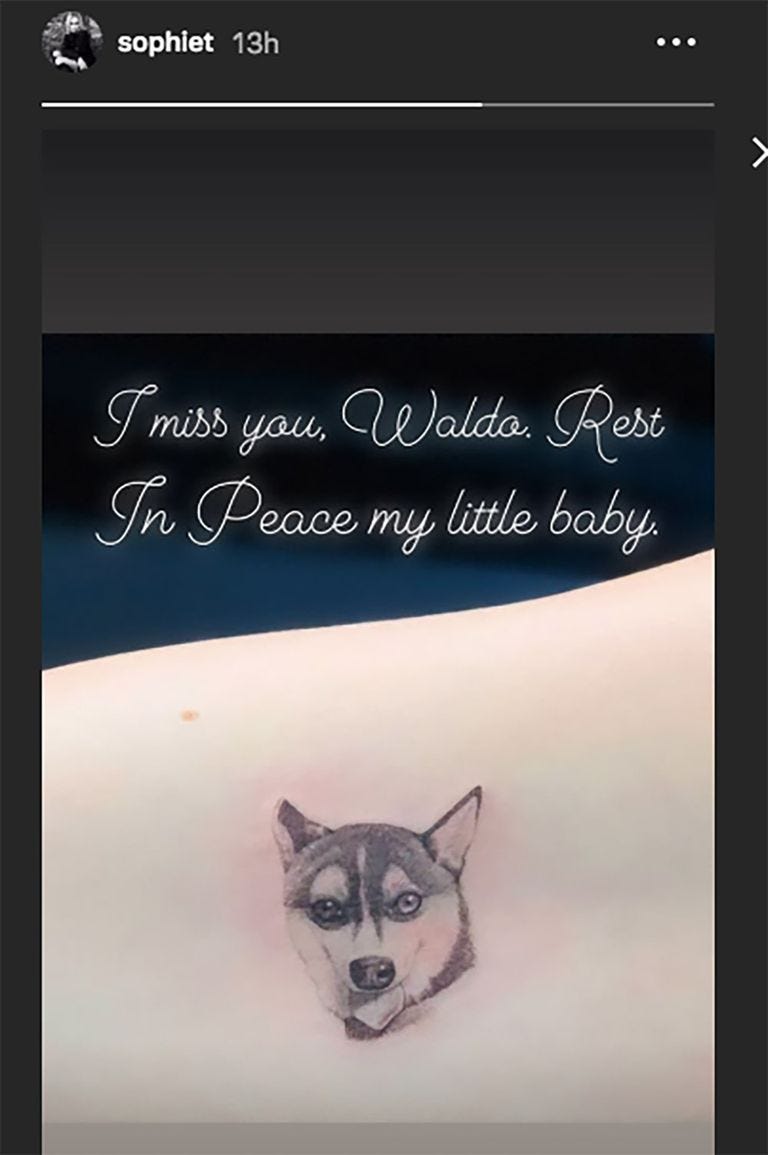
Sophie Turner tattoos: dog tattoo

Turner has a small tattoo of a dog among her better-known designs. It is a quiet pet tribute that can disappear beneath a sleeve. The image shows its shape and placement, without needing to attach a bigger private meaning.

The dog tattoo keeps the family theme close to home comes through best in its own photo. The close view makes it easier to see where the design sits when Turner moves.

Her smaller arm tattoos are easy to miss

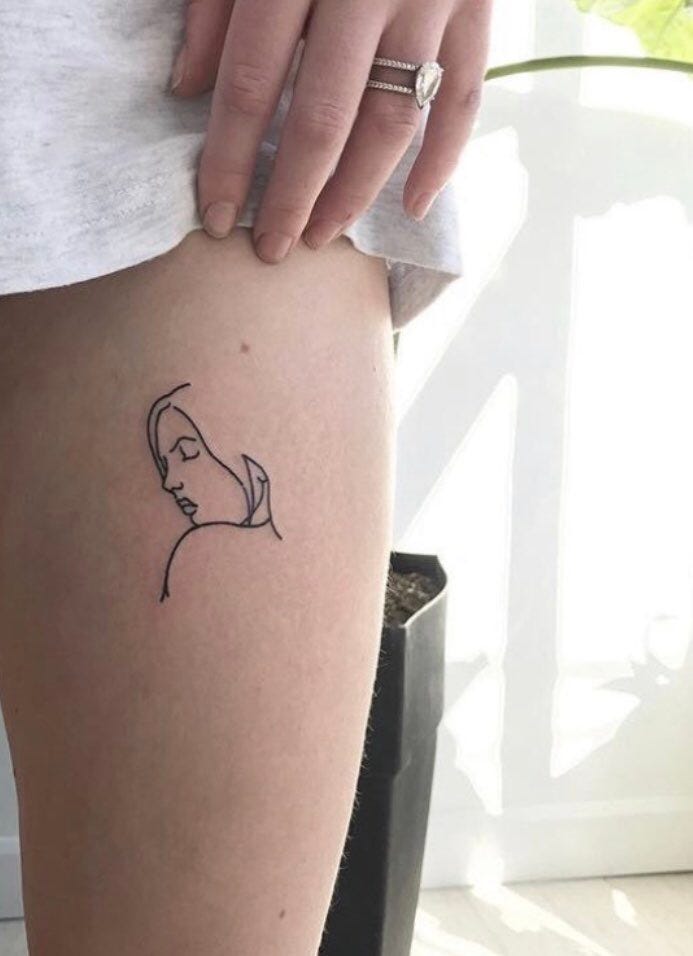
Sophie Turner tattoos: small fine-line tattoos

Many of Turner’s tattoos are tiny: brief lettering, small symbols and fine lines that only show clearly in close-ups. A mark becoming visible in a new picture does not necessarily mean she just got it. The useful details are what can be seen, where it sits and whether Turner has explained it.

Her smaller arm tattoos are easy to miss is a good reason to use a close image. It helps show how the marks sit on her arm as she moves or changes her posture.

The spine and side tattoos give the collection a longer line

Sophie Turner tattoos: spine and side tattoos

Turner has tattoos that run down her back or sit along her side. The north star on her spine has been linked to tattoo artist Winter Stone. These placements need a full-length view because hair and clothing can cover the centre of her back.

The spine and side tattoos give the collection a longer line is clear in a full-length photo. The image shows the placement as Turner moves, rather than leaving the design hidden in a close crop.

The direwolf and the words The pack survives are her best-known piece

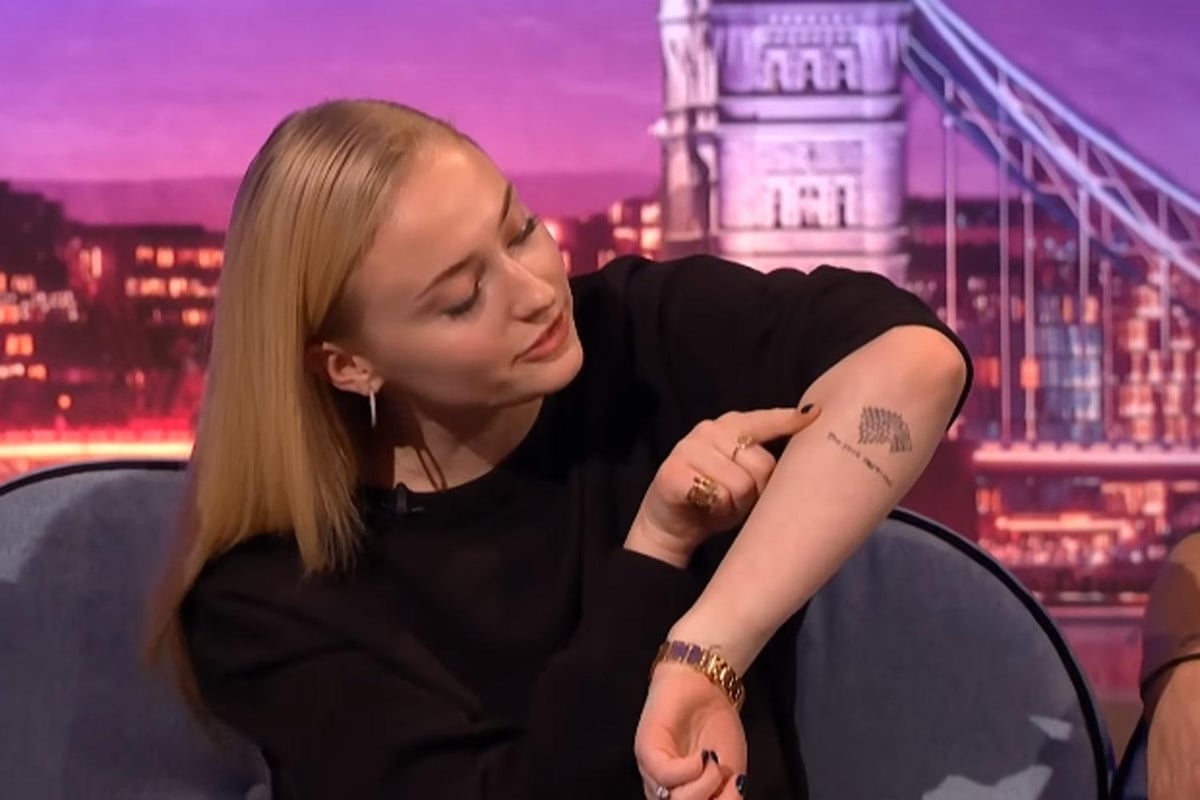
Turner’s best-known tattoo pairs a dotted direwolf with the words The pack survives on her forearm. She has said the phrase is both a personal motto and a nod to House Stark, rather than an intentional spoiler. The photo shows the wolf, lettering and placement together.

The direwolf and the words The pack survives are her best-known piece gets a dedicated image so readers can see the details and where it sits.

Turner and Maisie Williams share a 07.08.09 tattoo, marking the day they learned they had been cast in Game of Thrones. It is a friendship tattoo and a reminder of the show’s beginning, not a comment on its finale. Fans sometimes treat every Stark reference as a plot clue, but Turner has described the ink in more everyday terms.

Her other small tattoos are less fully explained. Some can be seen in social posts or close-up interviews; others appear only briefly in event photos. They belong in a visual guide when a clear image supports them, while a blurry glimpse should remain uncertain.

The fine-line pieces keep the collection feeling light. The W, dog and small symbols do not compete with the direwolf, while the north star adds a longer vertical line down her back. Their different sizes make them read as separate moments rather than one coordinated set.

Sophie Turner tattoos: direwolf and The pack survives

Placement changes when the tattoos can be seen. An arm design may show at a premiere but disappear beneath a long sleeve. The spine tattoo can appear in a backless dress and stay hidden in everyday clothes, which is why several photos help more than repeating one portrait.

The Game of Thrones designs have the clearest public stories, but they are only part of the collection. Turner’s family and friendship tattoos also explain the letters, dates and small images she chose. They keep the story connected to her life beyond the show.

There is a timeline in the tattoos, too. The cast date marks an early career moment, while the W belongs to a later family chapter. Older and newer designs now sit side by side, and a photo may show a different set simply because her outfit and the camera angle have changed.

That variety is what makes the collection worth a closer look. It includes fandom, friendship, family and little designs Turner liked for their own sake. Some are easy to read, some need a close-up, and others are visible without a public explanation.

In brief, the direwolf carries the biggest public story, the W and dog bring family life into the mix, and the spine and side designs add quieter detail. Each tattoo benefits from its own view, and the photos help readers see the differences.

Turner and Williams’ 07.08.09 tattoo marks the day they found out they were cast in Game of Thrones. It is a friendship piece tied to the start of the show, not its ending. That context is useful when fans read every Stark-related design as a plot clue.

The fine-line work softens the overall look. The W, the dog and the small symbols sit apart from the direwolf, while the north star creates a longer line along Turner’s back. The different scales help the pieces feel like separate choices.

The placements also affect how visible the designs are. A tattoo on her arm might appear at a premiere and vanish beneath a sleeve; the spine star can show with an open back and disappear under ordinary clothes. Different photos reveal different parts of the collection.

Her Game of Thrones tattoos may be the most widely discussed, but Turner’s family and friendship designs matter just as much. The letters, dates and small images point to her own relationships and memories, not only to the characters she played.

The initial for Willa is intentionally understated. A single letter can remain personal while still showing clearly in the right photo, and it leaves space for Turner’s other fine-line tattoos.

The dog tattoo is similarly small. A jacket can hide it, but the close-up gives it a clear place in the collection. Pet tattoos often work best when the image remains easy to recognise.

The north star gives the collection a vertical centre along Turner’s back. It is less prominent than the direwolf, but stands out in an open-back photo. Its placement is the clearest detail.

The Stark tattoo is more public because Turner has discussed it on television. The words are legible and the wolf makes the reference easy to recognise, while her personal-motto explanation is more useful than fan theories.

Looking through the images also shows how camera angles differ. Some are bright close-ups; others show more of Turner’s body from farther away. Each photograph offers a different view.

Turner’s tattoos combine stories she has shared with smaller designs that remain unexplained. The guide is clearest when it keeps those categories separate, uses a proper photo for each identifiable piece and does not guess at the rest.

The designs make more sense with their context beside them: W belongs with the family tribute, the date with the casting story and the direwolf with Turner’s explanation of the phrase.

A separate photo for each heading helps readers see what the words alone cannot. The arm images show the lettering, the back view reveals the spine tattoo, and the closer shots bring out marks that would otherwise be hard to notice.

Turner’s collection is not one single statement. It brings together memories, favourite references and small choices made at different times. That is enough to make it interesting without assigning a meaning to every line.

Milly Alcock’s 20 Tattoos and the Personal Map Behind Them

In a 2026 interview around Supergirl, Milly Alcock said she has 20 tattoos and talked about why she keeps getting more, even though acting can require her body to change for a role. That number is a useful snapshot, not a complete public inventory. Some designs are clear in photographs; others show up only briefly or from a distance.

Her explanation says more than a simple list can. Alcock described her body as part of her work, but also as her own once the costume, makeup and character are gone. Tattoos make her skin feel personal and help ground her while travelling and living away from Australia. That gives the collection a shared idea without assigning a hidden story to every flower, key or abstract mark.

The arm tattoos are a visible collage rather than one single style

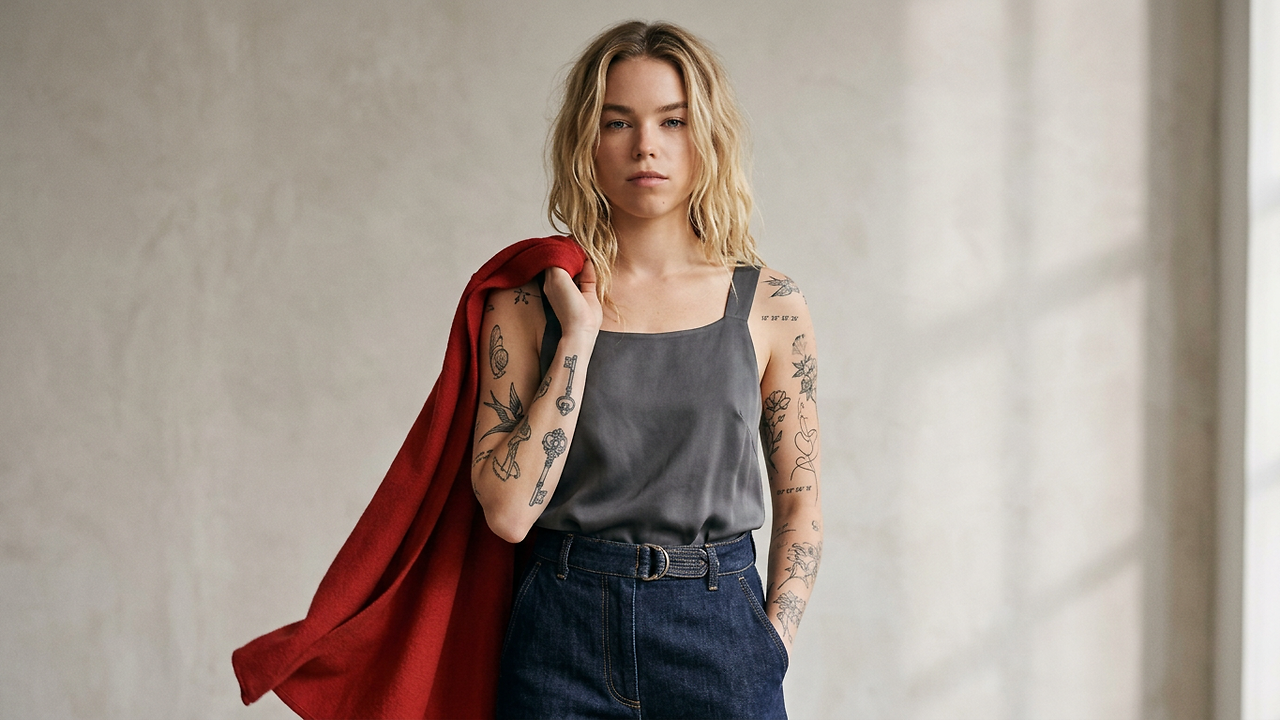
Milly Alcock tattoos: Milly Alcock arm tattoos including flowers and keys

Recent photographs show a group of tattoos across Alcock’s arms: flowers, key-like shapes and small abstract designs beside one another. They do not make a traditional sleeve built around a single central image. The arms read more like a personal collage built up in stages. Some marks are delicate and fine, while others have heavier lines or more unusual shapes.

The flowers are easy to recognise, but Alcock’s broader comments about ownership, identity and feeling grounded should not be mistaken for an explanation of each one. She has not publicly assigned a detailed meaning to every flower. What the photographs establish is that floral designs sit among smaller motifs and give the arm collection a varied look.

The keys deserve the same restraint. They are distinct enough to note, but the image cannot tell us what a key means to its wearer. It could be a personal reference, a design she liked, or part of a story she has not shared. The photograph confirms the motif; it does not tell us what it unlocks.

The interest is also in how the different pieces sit together. A flower, a small key and a darker shape change the visual rhythm without turning the arm into one fixed theme. The collection has room to grow, unlike a tattoo map built around just around famous matching designs. Spacing and contrast are part of what makes the collage feel personal.

Her arms also appear often because they are easy to show in sleeveless portraits. Film and television work can mean covering tattoos for a role, and a red-carpet photo may show only the outline of a design. A closer frame can reveal whether a mark is a flower, a key or an abstract line. Those pictures answer different questions, and a useful guide should treat them accordingly.

The small forearm pieces show why close photographs matter

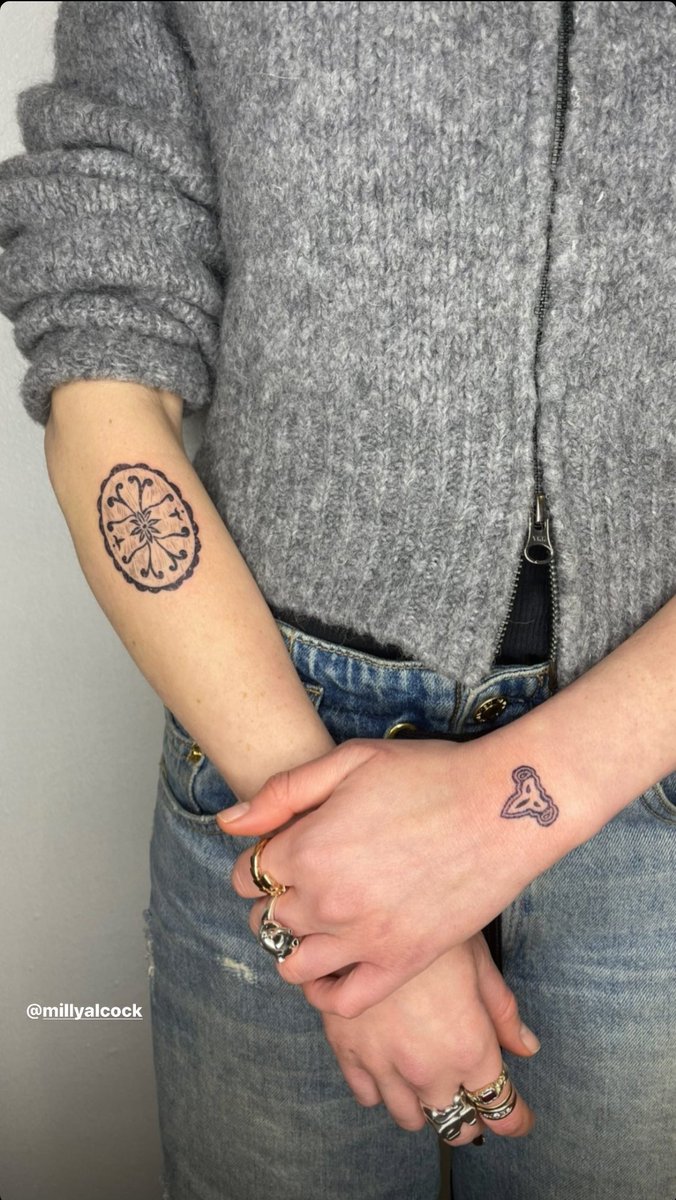
Milly Alcock tattoos: Milly Alcock floral oval forearm tattoo and small knot tattoo

A close photograph shows a small oval floral tattoo on one forearm and a compact knot-like design on the other. Rings, sleeves and changing poses can hide both in a general photo gallery. Up close, the tattoos show how much of Alcock’s collection is made up of small marks rather than large portraits. Their shapes are visible, but their private meanings are not documented.

The oval flower has a contained shape, almost like a little emblem. Its place in an inventory is clear from its design and location, not from a meaning supplied by an anonymous caption. The knot is more sensitive to angle: simple lines can look different when the wrist turns or a bracelet crosses the frame. It is better to name what the image supports and stop there.

These forearm pieces make the collection feel like a record of changing taste. Fine lines keep some designs light, while darker shapes give them weight. The overall effect is less like a finished mural and more like a notebook with new marks added over time. That sits naturally with Alcock’s description of herself as a collage of where she comes from and who she is while living in different places.

It is easy to ask about the meaning of every small tattoo, especially when Alcock says she has twenty. Her own comments point to a broader answer: the collection helps her feel like herself outside the roles she plays. A flower can matter to her without a public explanation, just as a key can be memorable without offering readers a puzzle to solve. The lack of a quote is a boundary, not an empty space to fill.

Close photos also help distinguish today’s tattoos from older pictures. Ink may be covered, extended or shown in different light. A low-resolution shot might make a symbol look solid black, while a clearer one shows open lines inside it. The close-up is the right evidence for small forearm marks; a distant premiere photo cannot support a longer catalogue.

The small upper-back mark is visible but its meaning remains unconfirmed

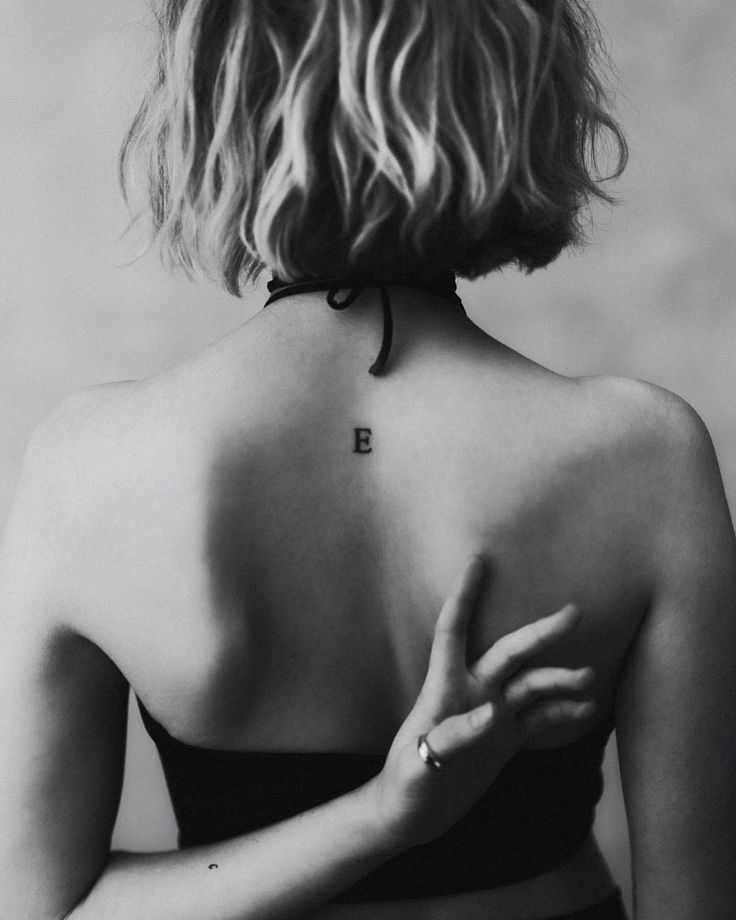
Milly Alcock tattoos: Milly Alcock upper-back E tattoo

One published photo shows a small E mark on the upper back. It sits where an open-backed outfit can reveal it, but the sources used here do not include a reliable explanation from Alcock. It belongs in the visual record because it is clear enough to see, not because we can safely turn the letter into a person’s name or a relationship.

An upper-back tattoo appears differently in public than an arm design. Everyday clothes can hide it for months, then a fashion shoot or candid photo makes it visible. The date and source matter: the picture tells us the E was visible at that time, but not when Alcock got it or whether it has changed since.

The small letter also adds a quiet contrast. Alcock’s arm tattoos form a busy collage, while the mark on her back is spare and easy to miss. Her collection ranges from tiny lettering to denser groups of designs, and their different placements shape how people see them. It cannot be reduced to one style.

There is no solid basis for identifying what the E stands for. It might refer to a person, a place, a phrase or simply a letter she liked. Without a source, all of those are guesses. The useful description is the visible mark, its upper-back placement and the photograph that records it.

Why Alcock says the tattoos keep her grounded

Milly Alcock tattoos: Milly Alcock forearm tattoos in a high-resolution portrait

Alcock’s clearest explanation is about the collection as a whole. She said acting can make her body serve a character, a production and other people’s ideas; tattoos remind her that her skin still belongs to her. That is why the count of twenty should not become a hunt for dramatic symbolism in every design. The point she describes is personal control: the ink stays when the costume comes off.

She also tied the tattoos to movement and identity. Living in another country and travelling for work can leave someone feeling pulled between places. Alcock described herself as a collage of where she is from and who she is at the centre of that movement. Flowers, keys, abstract shapes and a small back letter can all fit that idea without sharing one subject.

That is the most grounded way to read her collection. Some designs are visible but unexplained; others appear in recent photos without a published quote. Alcock has joked that tattoos are addictive and that she wants another, so twenty is a snapshot of a collection that may keep growing, not a final count.

Milly Alcock’s tattoos are best documented in layers. Arm photographs show flowers, keys and other small motifs; a close forearm image makes the oval flower and knot easier to see; and an upper-back photo records the E without guessing at its owner or meaning. Her own comments explain why the collection matters. The result is specific, while leaving her private stories private.

More actor tattoo guides

Megan Fox’s Tattoos and the Stories Behind Them

Megan Fox’s collection mixes long quotations with small symbols, portraits and tattoos she later changed or removed. She has explained some choices in interviews; photographs show other designs without telling us why she chose them. Several pieces look different now than they did when first photographed.

Strength and Shakespeare frame the upper body

Megan Fox’s Shakespeare quote tattoo on her shoulder blade

The small Chinese character at the nape of Fox’s neck is generally translated as strength. It is easy to miss beneath her hair or a collar, then clear when she turns her head or wears her hair up.

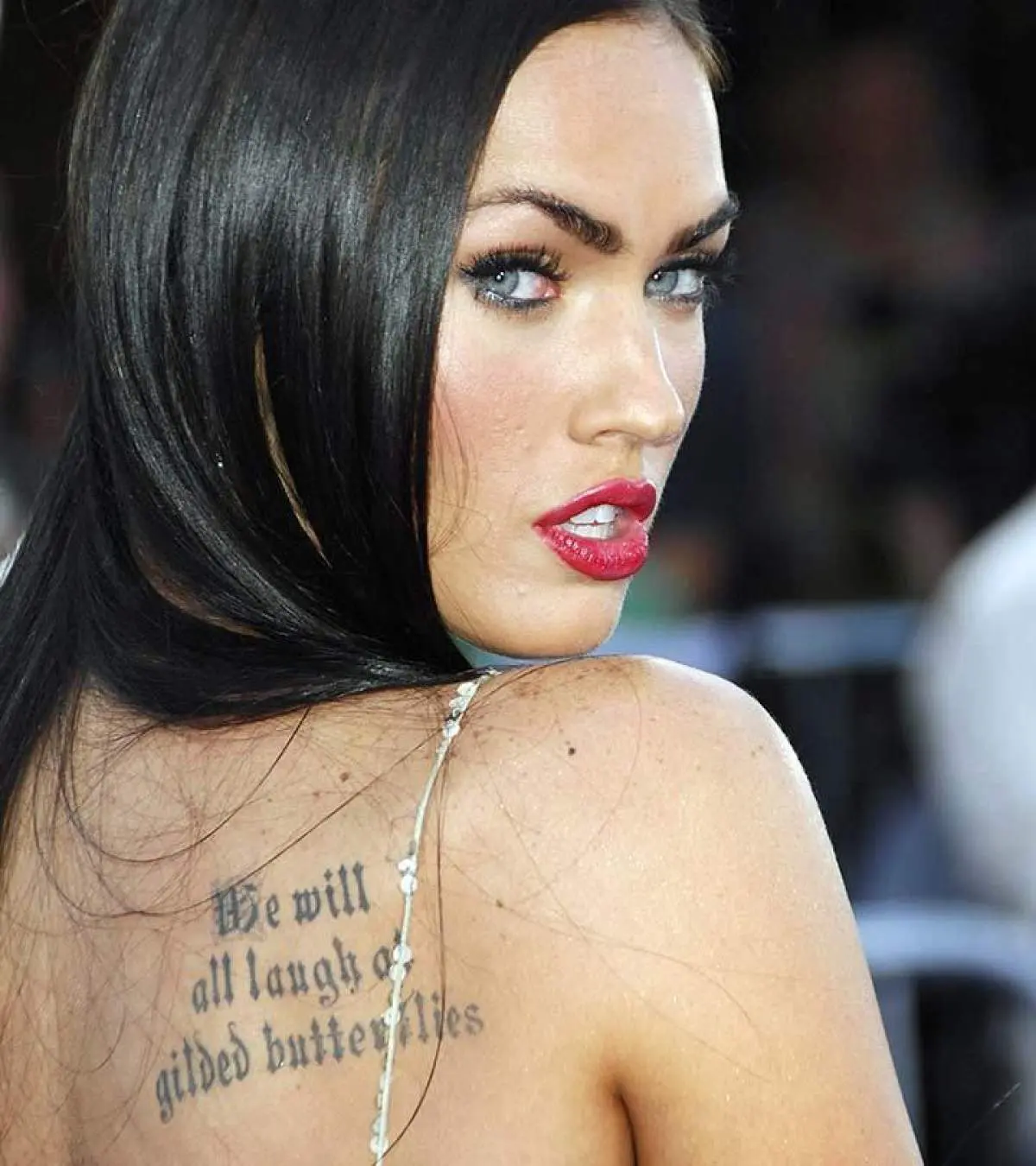
At her shoulder blade, Fox has “We will all laugh at gilded butterflies.” from Shakespeare’s King Lear. The long line and its spacing make it feel more like typography than an emblem. It is often read as a warning about appearances, though Fox has not said that is why she chose it.

The ribcage quotes are personal writing, not filler text

Megan Fox’s ribcage lettering tattoo

One rib carries the long line “And those who were seen dancing were thought to be insane by those who could not hear the music.” It is usually attributed to Nietzsche, though some early reports credited someone else. “Attributed to Nietzsche” is the most accurate description.

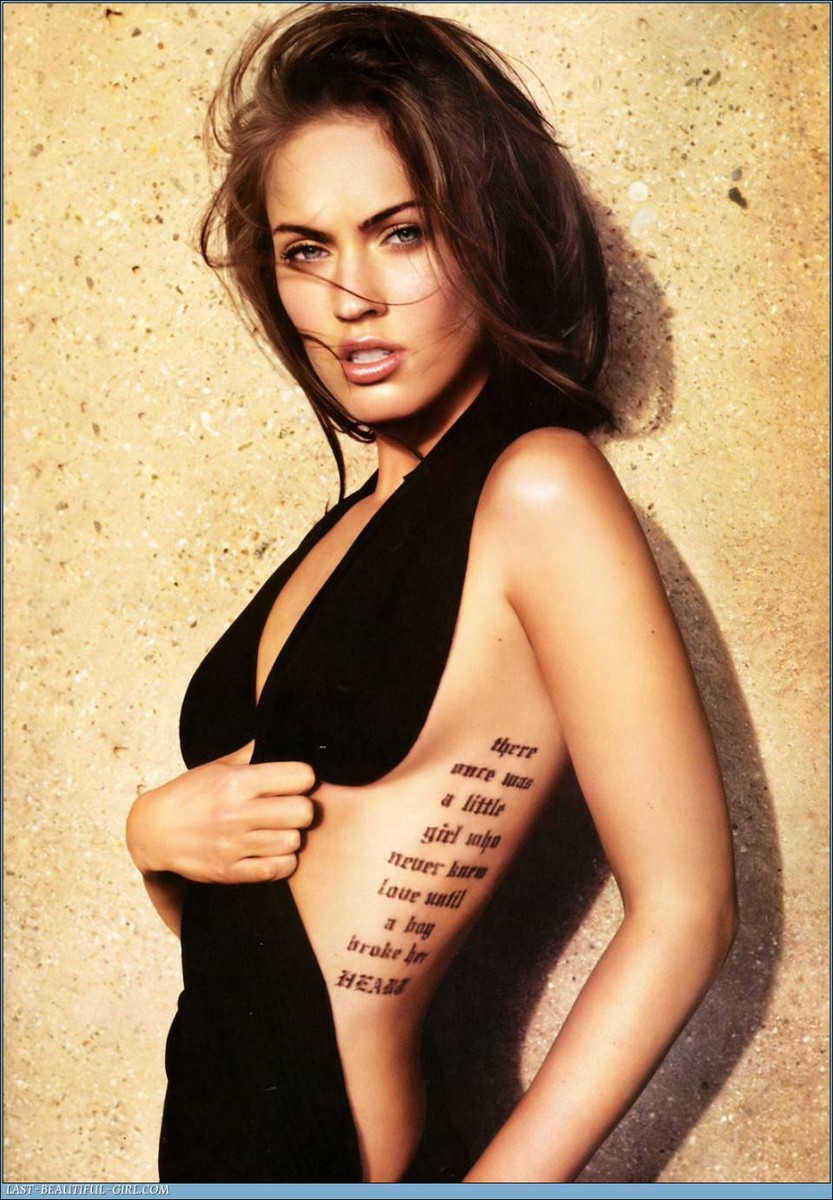
On the other side, Fox has a poem beginning “There once was a little girl who never knew love until a boy broke her heart.” Reports say she wrote it herself. The long text follows the curve of her ribs; the words are public, but the experience behind them is hers to explain.

Small symbols give the collection a different rhythm

Megan Fox’s yin-yang wrist tattoo

Fox has smaller designs too: a yin-yang on her inner wrist and a coloured crescent moon and star near her right ankle. The ankle tattoo was one of the few coloured pieces in her earlier collection, so it stands out beside the black lettering. Photos show its shape clearly, but its personal meaning is less documented.

Lists also mention dots and tiny finger marks, plus a cat playing piano with the words “play him off.” Sources are less consistent about where that tattoo sits or whether it is still visible.

Marilyn Monroe and the Brian tattoo changed over time

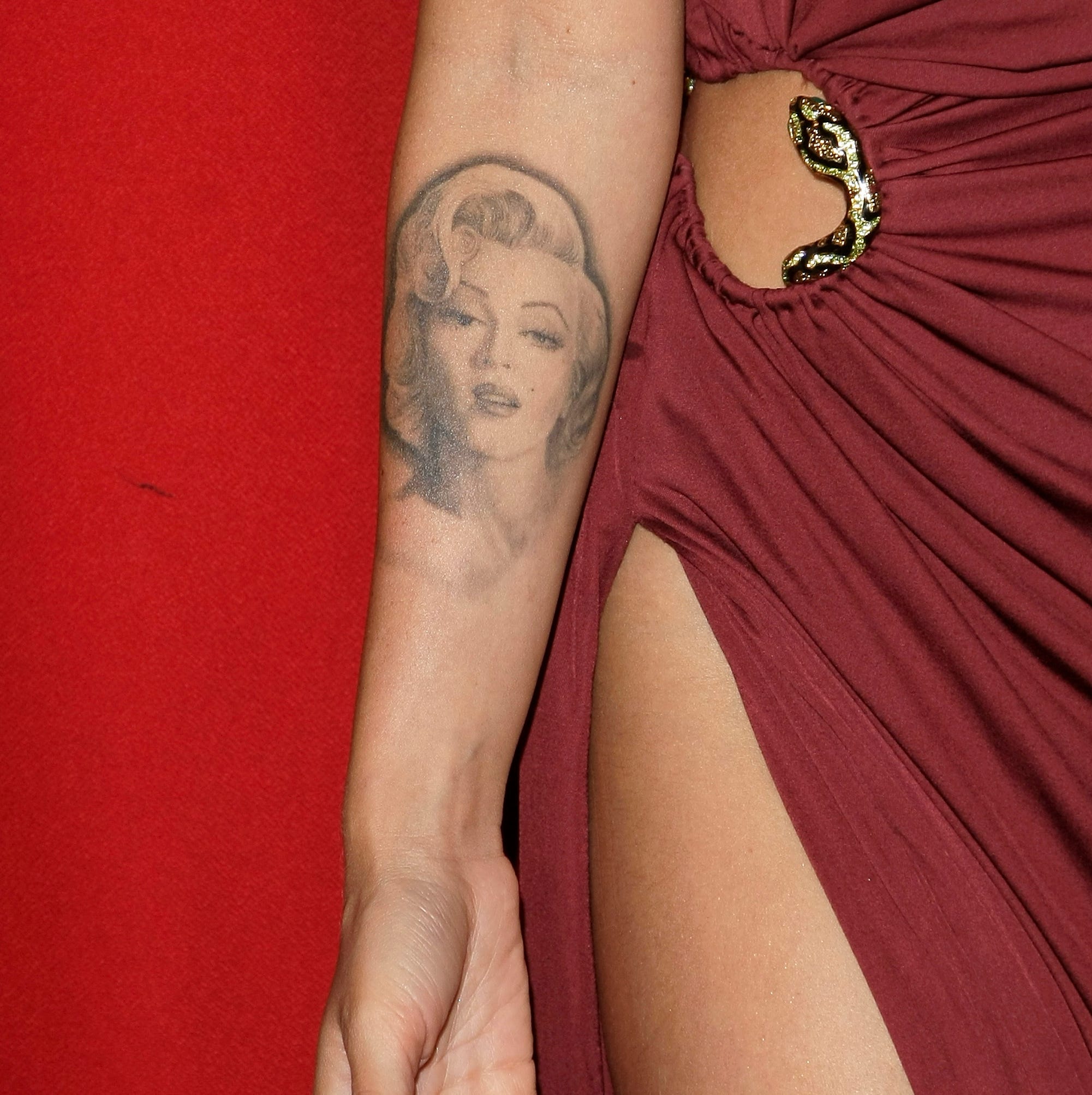
Megan Fox’s Marilyn Monroe forearm tattoo

The Marilyn Monroe portrait on Fox’s right forearm used to be one of her most recognizable tattoos. She later began laser removal, explaining that she no longer wanted to carry what she saw as Monroe’s negative energy. Older photos show the full portrait; later ones show it fading.

Fox also had Brian, the name of Brian Austin Green, tattooed near her hip during their relationship. Later coverage said she covered it. The change is part of the tattoo’s history, even though newer photos no longer show the original lettering.

“El Pistolero” belongs to the later chapter

Later photos show the Spanish phrase “El Pistolero” (“the gunman”) along Fox’s collarbone. Its timing and association with Machine Gun Kelly drew public speculation, especially after the couple discussed nickname-related tattoos in music. The visible wording and reported context are clear; more than that would be guesswork.

The designs do different things. Shakespeare and the rib poems are long passages of text; the small symbols are quieter, while the Monroe portrait and “El Pistolero” belong to different periods of Fox’s life.

What the public record can establish:

Photos and interviews identify the locations, wording and visible motifs, but they do not explain every choice. Fan lists sometimes add meanings that Fox has not shared. Her collection also changed, with some tattoos faded, covered or removed.

Fox’s tattoo collection moves between literary text, small symbols and pieces linked to people or eras in her life. The shoulder and upper-body lettering is easiest to see in close photos; the ribcage quotes are usually hidden by clothing.

The Monroe portrait and Brian’s name changed or disappeared over time. Later photos show the portrait fading and the name covered. “El Pistolero” appeared in a later period, so it belongs with newer images rather than with Fox’s earliest tattoos.

Small hearts, stars and other symbols fill the spaces around the larger words. Their shapes are visible, even when Fox has not explained what they mean.

Fox’s tattoos have not stayed in one form. Some were covered, adjusted or partly removed, and the angle of a photograph can make a mark look different. The date helps explain what a picture does—and does not—show.

The long quotations and tiny symbols have different visual weight. The lettering stretches across her ribs or shoulder, while the smaller marks show up only on closer inspection.

Megan Fox showing later arm and chest tattoos

Small symbols between the larger words:

The compact marks give Fox’s collection a different rhythm. They break up the long lines and portraits, though their personal meanings are not always public.

How the later pieces changed the map:

Fox’s later tattoos sit on top of a history that includes cover-ups and changed designs. Older and newer photos show the difference around her forearm, hip and collarbone.

The quotes and small marks also sit at different scales. A line of text can run across the ribs, while a symbol may fit on a wrist or ankle. One photograph rarely shows every part of the collection.

A tattoo that appears in an older photo may be faint or covered in a later one. That does not make the first image wrong; it records an earlier version of the design.

The ribcage quotes are easiest to read in wide, well-lit photos. Cropped portraits can cut off the words, while a tight close-up helps show the smaller symbols.

Across the collection, Fox moves between literary lines, personal writing, small motifs, a portrait and later lettering. The designs do not all carry the same kind of meaning.

The photos show what each tattoo looks like; Fox’s interviews explain only some of the stories behind them.

Placement changes how the writing reads. A line across the ribs works differently from a short phrase near the shoulder, and a crop that cuts off the first or last word can make a quote look incomplete. Fox has not given a separate personal meaning for every inscription.

A heart, star or other small mark can be clear in a photo even when its personal meaning is unknown. The shape and location are still worth recording on their own.

Cover-ups matter in an older collection. A newer design may hide an earlier one, so a current photo cannot show what was underneath. Fox’s tattoo history includes both the original pieces and the changes that followed.

More actor tattoo guides