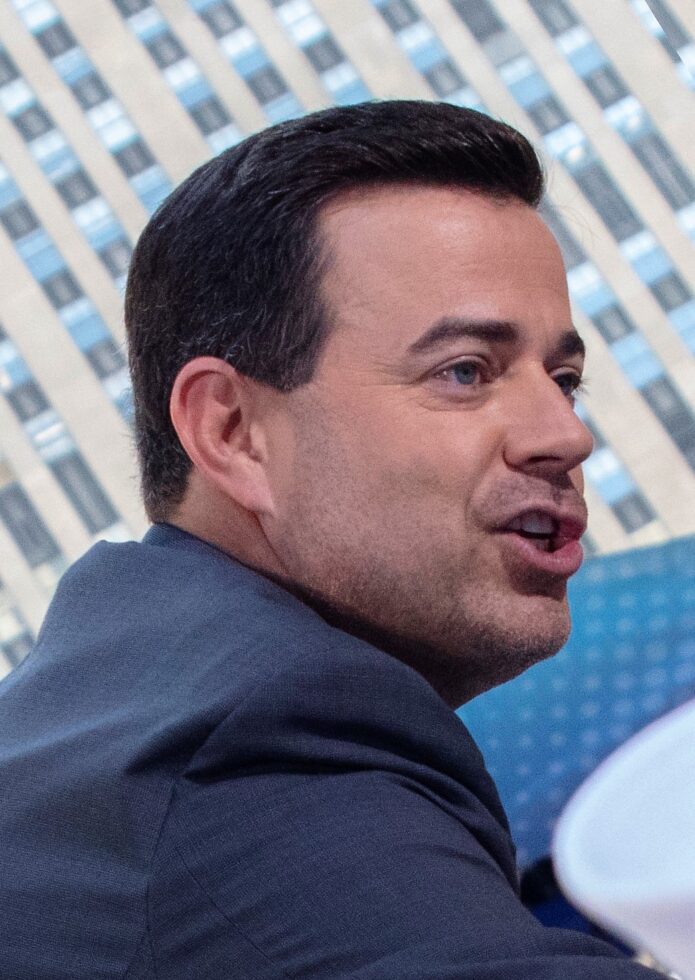
Carson Daly’s tattoos usually mark a person, a place or a moment from his life. Some designs are flashy, but the reason behind them tends to be personal.
The stories behind Carson’s tattoos run through family, his New York years and music. On TODAY in 2014, he explained eight designs, including tributes to his son Jack, father, grandfather and stepdad, family names, and a cover-up.
Why Carson’s tattoos are mostly family stories: He has said sentimental value matters most. He wanted tattoos he’d still care about years later, not designs he might tire of after one season.
Dates, initials, names and family objects can look unrelated without the backstory. Together, they read like a scrapbook spread across his arms and legs.
The tattoos weren’t planned as one sleeve. They were added over time, and their styles vary: some are detailed, others are small marks whose stories mainly belong to Carson and his family.
The one-eyed Jack tattoo for his son
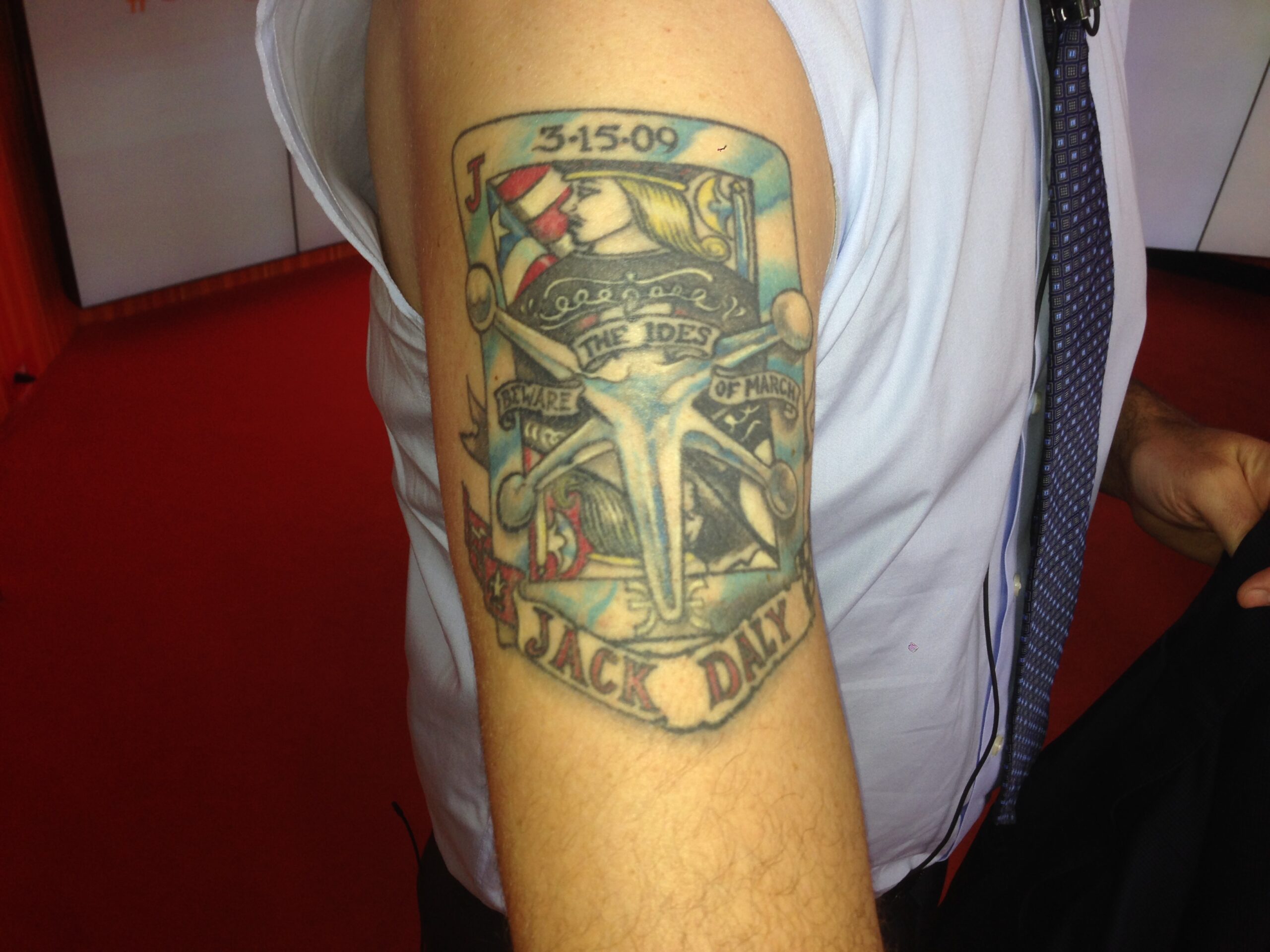
One of Carson’s best-known tattoos is a one-eyed Jack playing card he designed for his son, Jack. It carries several references instead of being just a card.
A jack from the game Jacks pierces the card, playing on his son’s name. Jack was born on March 15, so the tattoo also nods to the Ides of March. A Pisces symbol marks his star sign, and the American flag is a detail Carson wanted.
At a glance, the tattoo reads as a playing card with a few bold shapes. The date, Pisces symbol and flag each point back to Jack, turning the design into a small family timeline.
Carson has often described himself as family-first, and this card is a clear example. It celebrates Jack without a portrait or a plain name. The playing-card design leaves room for humor and small details.
The NYC tattoo he got after 9/11
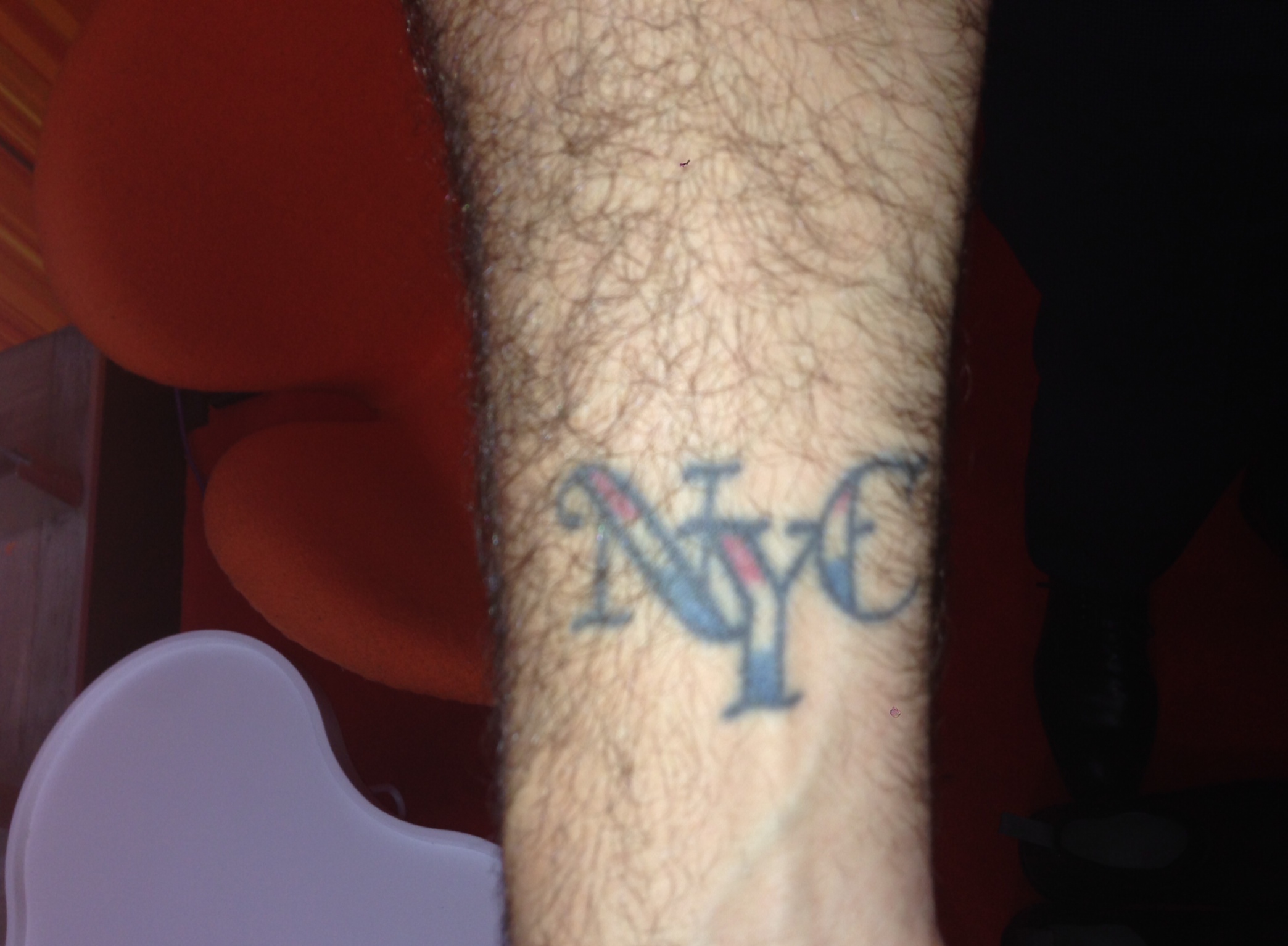
Carson said he got the NYC tattoo the day after September 11, after going to work at MTV in Times Square. The building was evacuated because of a bomb threat, and he walked around New York unsure what would happen next.
He ended up in a tattoo shop, listening to music, and chose a New York design out of pride for the city. It wasn’t planned; the day pushed him there, and the tattoo marked what the city meant to him during a frightening time.
The NYC design is more direct than the one-eyed Jack: its story comes from when Carson got it and his connection to the city. He said it marked New York while he was trying to process what had happened.
It marks both his connection to New York and an unsettling moment he lived through. In that sense, it works as a personal timestamp.
The Corvette hood ornament for his father
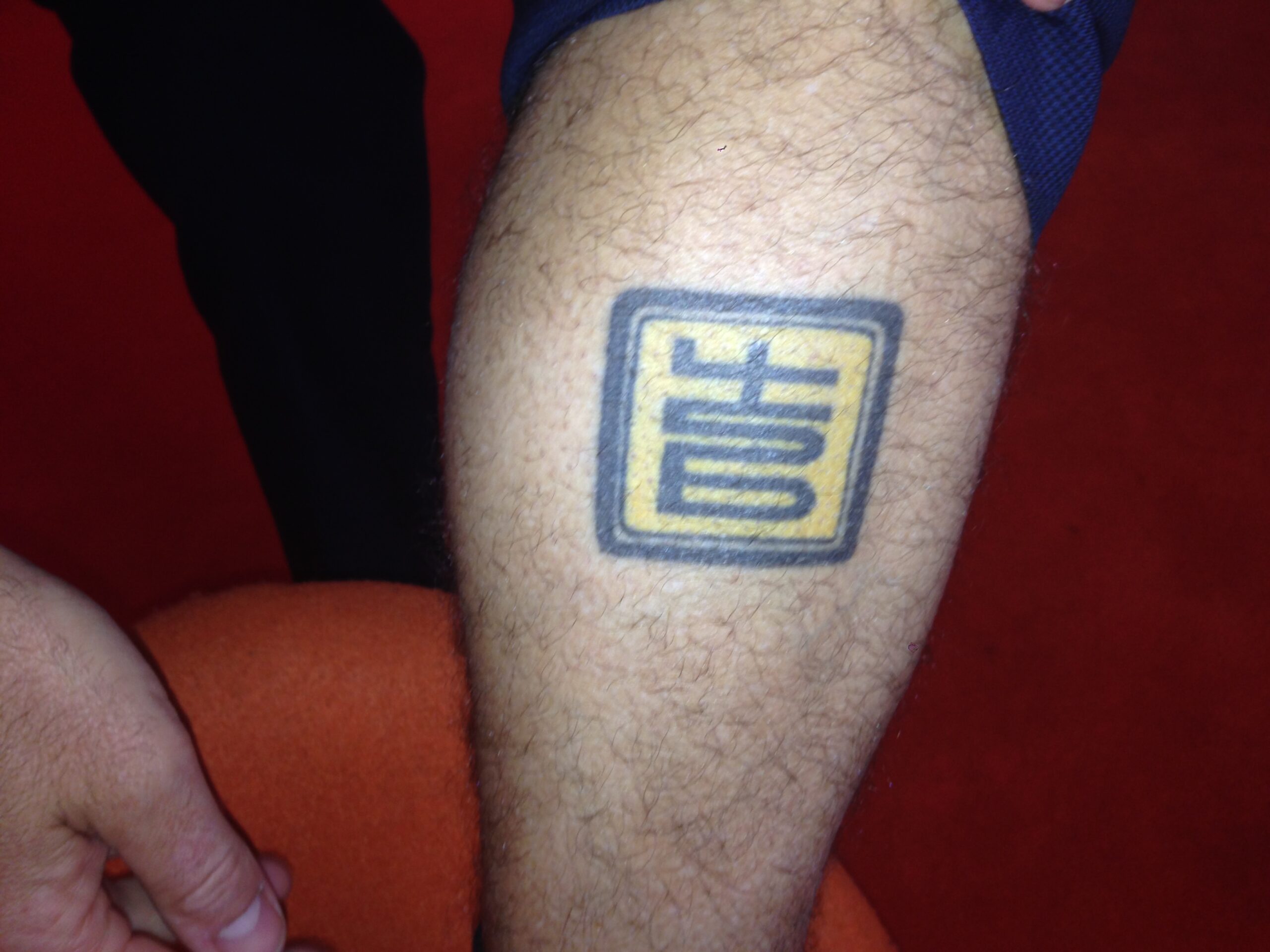
The initials J.D. connect several generations in Carson’s family. They stand for his father, James Daly, who died when Carson was five; his son Jack Daly; and Jones Daly, Carson’s middle name.
The lettering sits within the hood ornament of a 1977 Corvette. Carson’s father was a Corvette dealer, and Carson still owns that car. The ornament gives the tattoo a physical link to his dad, beyond the initials.
Carson said he wanted a memento that wasn’t too sad or heavy. The Corvette brings in something his father loved and makes the tribute feel more personal than initials alone.
At first glance, the Corvette shape may stand out before the initials. Carson’s explanation makes the family connection clear, while the design still reads as a car ornament on its own.
That’s how Carson often works: an object stands in for a person. The Corvette points to his father, just as the playing card points to his son.
The Green Beret tribute to his grandfather
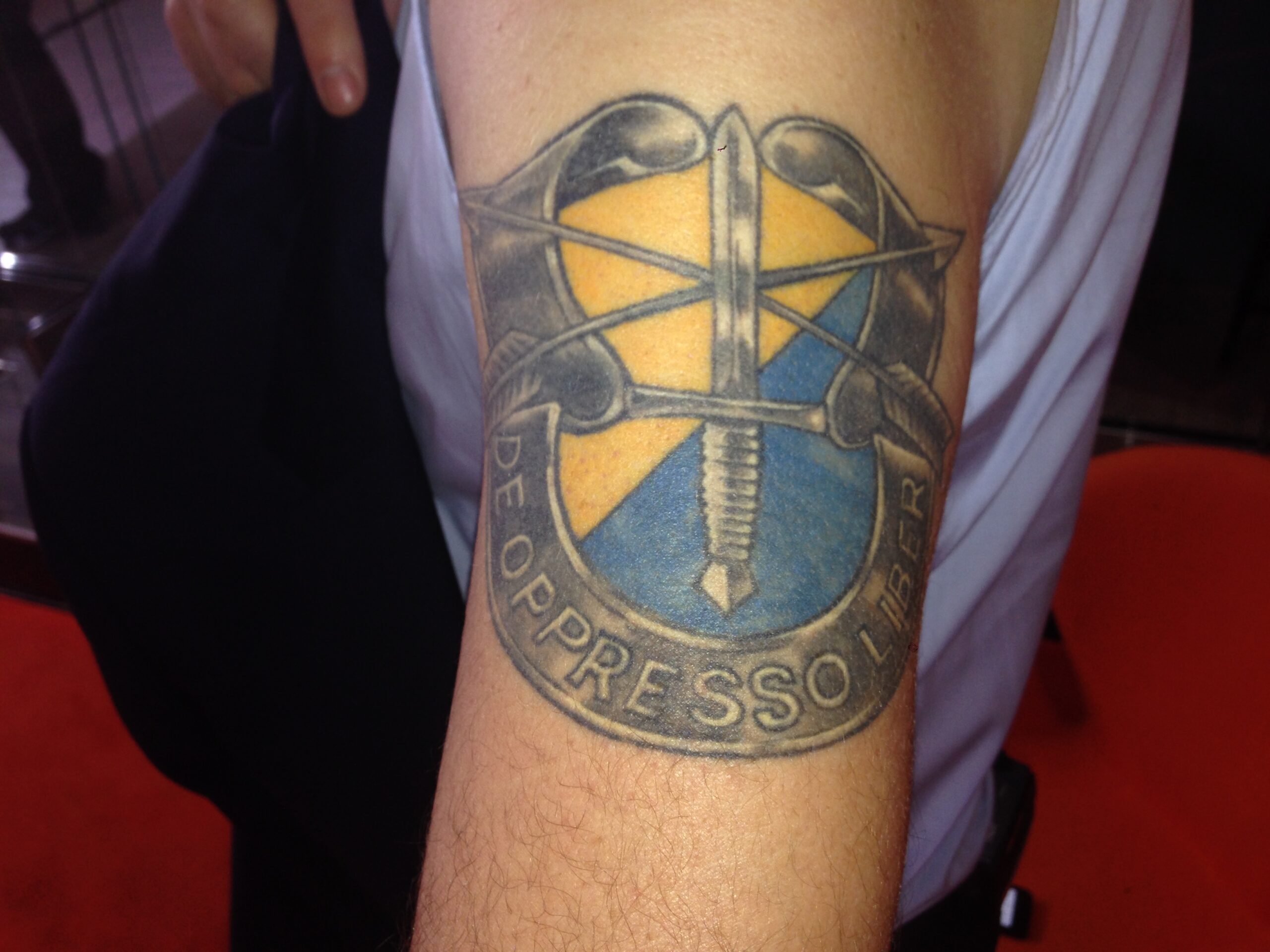
Carson’s grandfather on his mother’s side served in Army Special Forces as a Green Beret. Carson kept his grandfather’s beret and later used it as the basis for a tattoo.
The tattoo includes “to free the oppressed,” which Carson said is the Latin phrase associated with the Green Berets. The inscription sits beside a beret that belonged to his grandfather.
The Green Beret tattoo follows the same pattern as the Corvette: both start with an object tied to a family member.
The beret and inscription fit into a compact tattoo. You don’t need a large portrait to see what it honors.
Carson said the Green Beret was one of his favorites. It links his grandfather’s service to their family history.
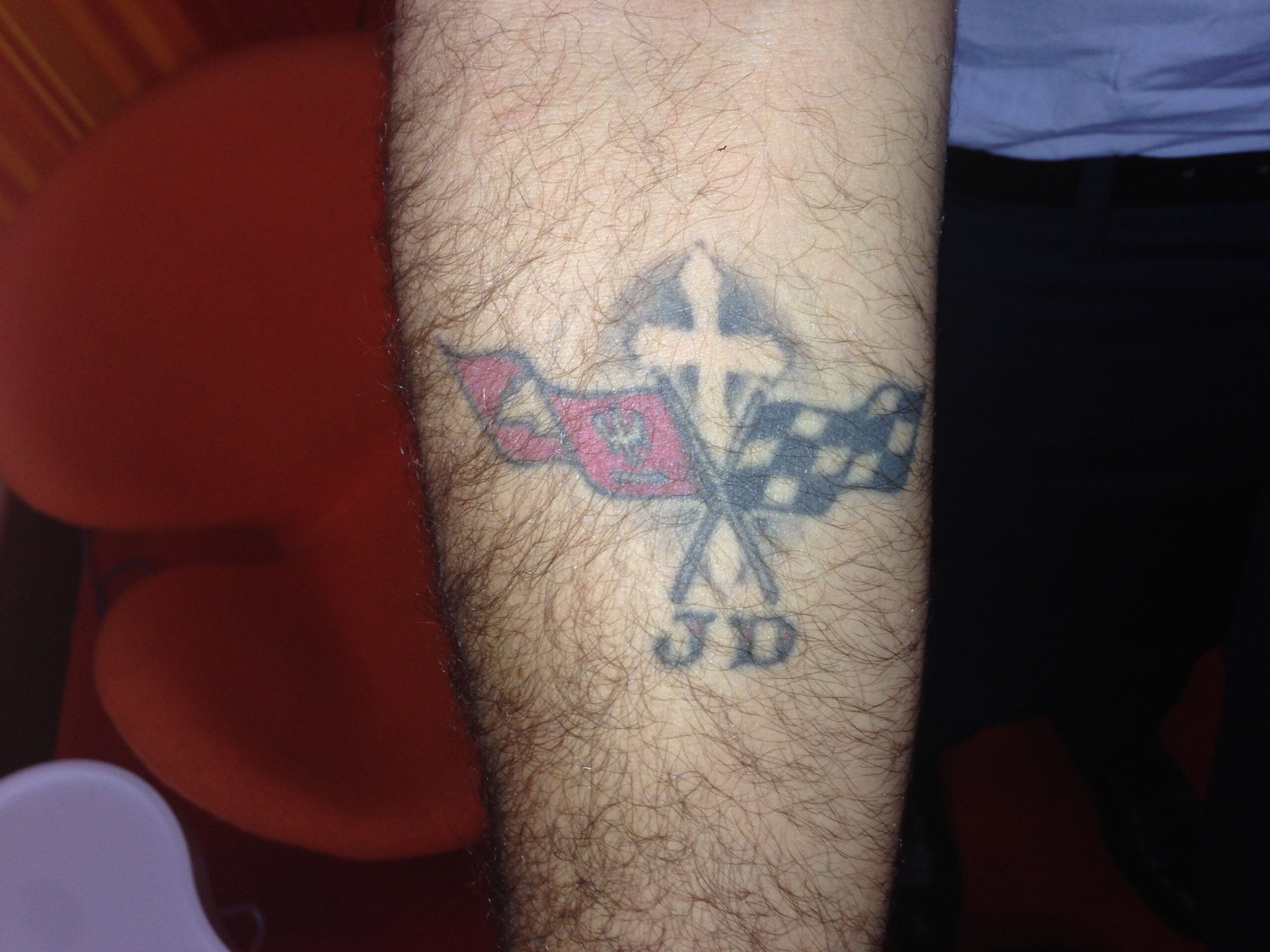
Jaden Patricia and the names that tie the family together
Carson’s tattoo honors his niece, Jaden Patricia, his sister’s first child.
Patricia is also Carson’s mother’s name, so the full lettering links Jaden with her grandmother.
That kind of link runs through Carson’s family tattoos: one name can bring another relative into the story.
The design stays simple. The names are enough; his more elaborate tattoos put their references into images instead.
In the TODAY interview, Carson also said he wanted tattoos for his daughter Etta and other family members. He joked that the children were arriving faster than he could get the tattoos done, so the collection was still growing then.
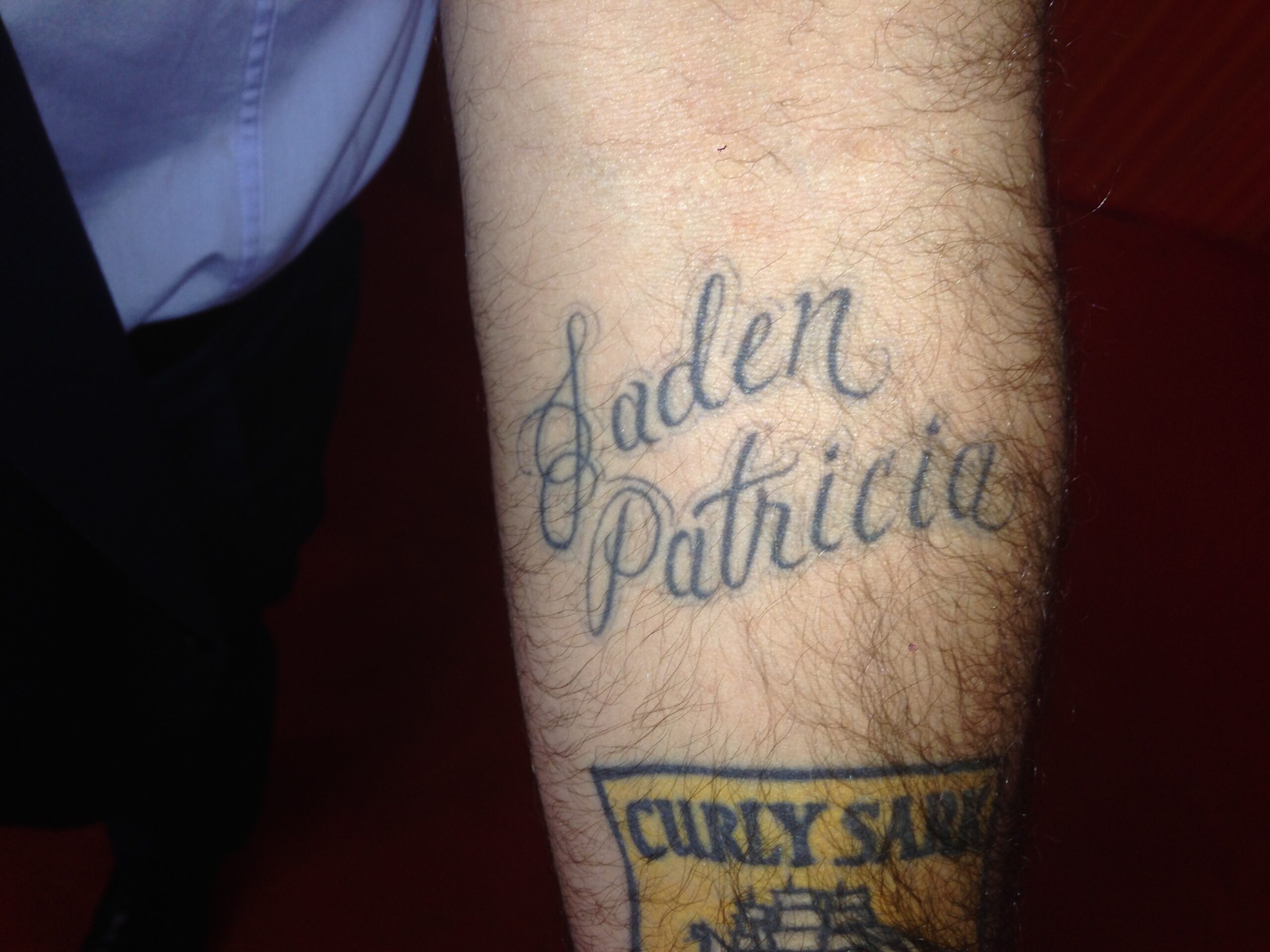
Curly Sark, his stepdad, and the drink behind it
One of the more playful tattoos is for Carson’s stepdad, whose favorite drink was Cutty Sark whiskey. Carson changed the name to “Curly Sark” after his stepdad’s nickname.
He also changed “Original Scots Whisky” to “Original Pops Whisky.” It looks like an old bottle label, but the wording makes it a family tribute. Carson said his stepdad was like a father to him; he felt he had two fathers.
The changed label turns a drink his stepdad liked into an inside joke Carson could carry with him, instead of a portrait or formal dedication.
“Curly Sark” is affectionate and a little silly without losing its meaning. Carson cares about the people behind these tattoos, but not every family piece has to be solemn.
The Corvette remembers his father, the beret his grandfather, and the whiskey label his stepdad.
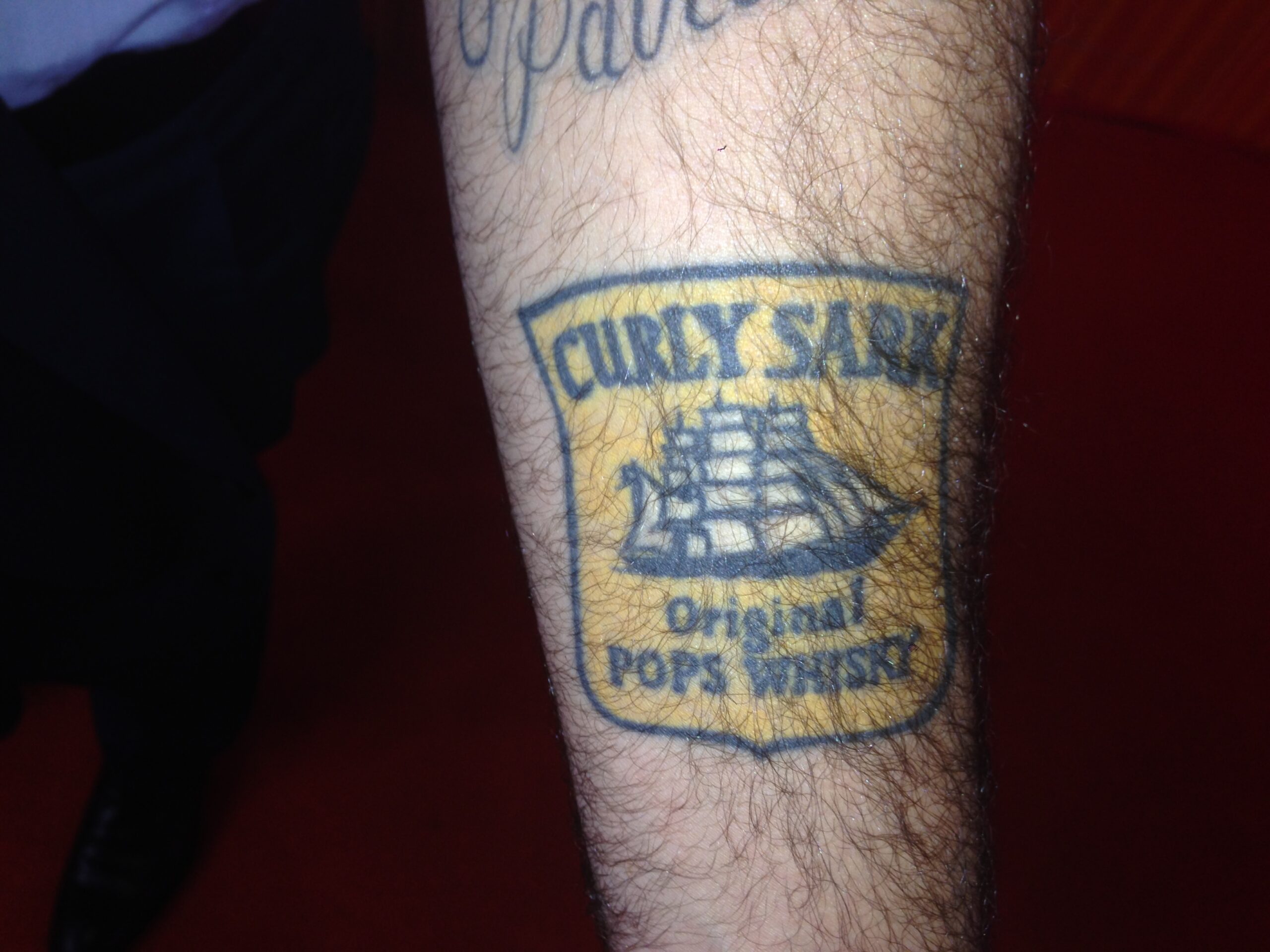
The 456 logo and Carson’s music years
Carson also has the 456 logo from a New York City record label he had during his music years.
Carson said 456 refers to both a street dice game and the hip-hop label. He no longer has the label, but the tattoo recalls that period and the part New York played in his life.
Like the NYC tattoo, the 456 logo points back to New York, but to a different part of Carson’s life. One remembers September 2001; the other his work in music.
The label stands out because it marks something Carson built, not a relative. It still mattered to him after the label itself was gone.
The subjects change, but each piece points to a particular time or relationship in Carson’s life.
The crab cover-up: Carson also told the story of a crab tattoo on his leg. It covers an ex-girlfriend’s name, so the design began as a cover-up rather than something he had planned.
Carson was getting another tattoo and asked the artist to black out the old name. The artist suggested a crab claw coming out of a pocket knife, and Carson let him work while his leg was raised so he couldn’t see. When he finally looked and asked what it was, he heard the answer and said, “Perfect.”
Unlike the family tattoos, the crab didn’t begin with a planned symbol. The artist’s suggestion turned a cover-up into a story Carson could tell.
Carson didn’t see what the artist was doing until he looked down at the finished tattoo. His surprise is part of the story.
The common thread is the memory behind each design: a playing card for Jack, a Corvette ornament for his father, his grandfather’s beret, a whiskey label for his stepdad, and the 456 logo from his music years.
Carson’s rule was simple: choose something you won’t be embarrassed to see years later.
The tattoos weren’t planned as one sleeve; they grew over time. Together, they hold family stories, New York memories, music and a few jokes.
Our Steve Aoki tattoo guide covers a very different collection, but the stories behind the designs matter there too.
Watch Carson explain the tattoo honoring his mom
Carson’s collection kept growing after the original TODAY feature. In a later clip, he showed a tattoo based on his late mother’s handwriting. It’s another tattoo rooted in a family memory.
One thought on “Carson Daly Tattoos: The Stories Behind His Meaningful Ink”