
Carlos Alcaraz does not have tattoos covering every inch of his body. Instead, he has a small but growing group of designs tied to the biggest moments in his tennis career and the people who have shaped him. The best-known is the CCC tattoo on his left wrist, short for cabeza, corazón y cojones—head, heart and guts—a family motto passed down to him.
Grand Slam wins have begun to leave their own marks, too. The tattoos now form a quiet record of milestones, with dates, symbols and new designs appearing after major victories. In 2025 and 2026, attention shifted from the original wrist tattoo to a run of victory pieces, including a kangaroo design connected to his Australian Open win.
That makes Alcaraz’s ink easy to follow. It is not random decoration or a giant sleeve made for show. Each piece has a purpose: remembering a title, honouring a family idea or holding on to a moment that passed quickly on court.
The Three Cs on his wrist

The tattoo most associated with Alcaraz is the Three Cs, usually written as “CCC.” The letters stand for cabeza, corazón, cojones, roughly translated as head, heart and guts. It is a Spanish motto about meeting a hard task with intelligence, feeling and courage. For a tennis player, the idea is direct: think clearly, care about the contest and stay brave when a match gets tight.
Alcaraz has also connected the phrase to his grandfather, which gives the wrist tattoo more weight than a standard motivational slogan. The placement means he sees it often, during warm-ups, changeovers and the pauses between points. It works like a personal reminder that happens to show up in photos.
The design is understated. It does not compete with his kit or racket; the letters are compact, readable and personal. It feels like advice from home that he carries into a very public career.
Dates that turn wins into keepsakes
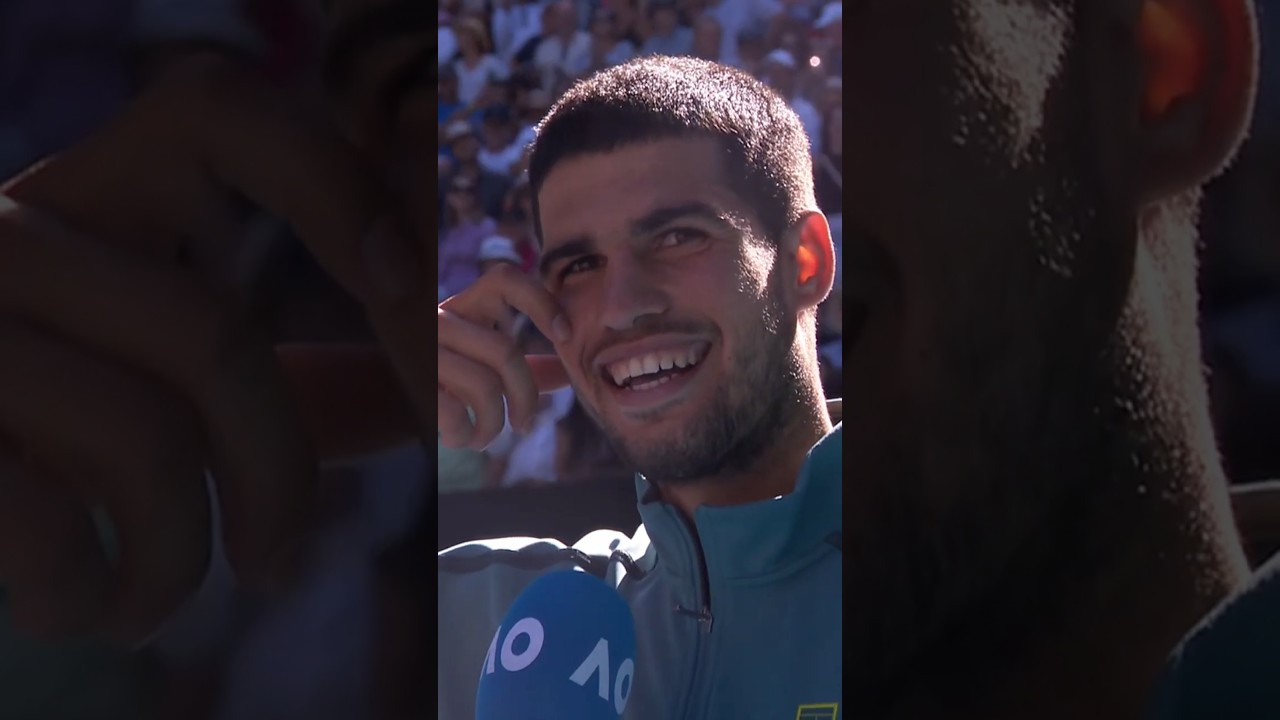
Alcaraz’s later tattoos are often discussed in terms of the dates they preserve. Major wins can blur together when a player is travelling, training and moving straight to the next tournament. A date gives a memory a fixed place. It lets him carry a specific achievement with him instead of just remembering that he won.
Close-up footage and social posts have shown small designs with numbers and dates tied to big moments. Some are easy to read; others are partly hidden by clothing or the camera angle. It is better to describe only the details that can be made out than to turn a blurry number into a definite claim.
The pattern is clear even when every mark is not: Alcaraz uses tattoos as a scoreboard for his career. The point is less to collect designs than to mark the wins that changed how he saw himself. That also explains how his collection can grow after a breakthrough season without seeming careless.
The US Open tattoo and a new chapter
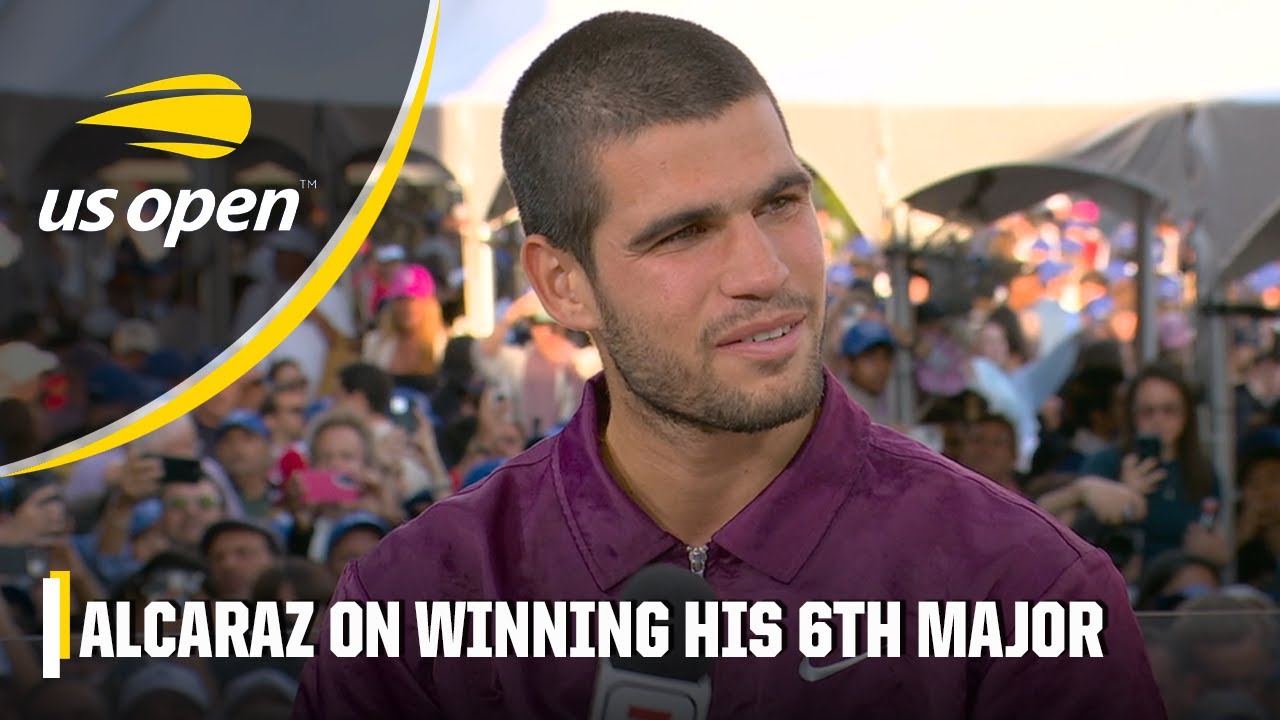
After his US Open win, Alcaraz spoke about new ink connected to the victory. The exact design has appeared in a few glimpses, but the timing is the important part. It was not a tattoo chosen years earlier and given a convenient explanation later. It arrived as a way to remember a specific tournament and the feeling around it.
For a young athlete, that is a natural use of tattoos. A first major title can change your life overnight, but the attention eventually moves on. A date or small symbol gives the moment a permanent place in the story, like a private receipt for the work that came before the trophy photo.
It also fits how Alcaraz talks about his career. He is open about the people around him and the emotional side of competition. His tattoos do not read like a brand campaign; they feel more like a list of things he does not want to forget.
Why the kangaroo matters to him

One of the most discussed new designs is the kangaroo tattoo planned after his Australian Open victory. Alcaraz said he already knew which animal he wanted before deciding where to place it. It feels very much like him: playful at first glance, but tied to a major achievement.
The kangaroo is an obvious nod to Australia, though it is more than a travel souvenir. It marks a tournament he had worked toward and a win he wanted to remember. The animal’s lively, slightly cheeky energy also suits the way Alcaraz celebrates when a match turns his way.
Early 2026 coverage described the proposed tattoo as a way to commemorate the Australian Open. Later photos showed the design taking shape. The timeline is clear: he talked about the idea, the win gave it meaning, and the ink followed once the moment had settled.
Small pieces with big context
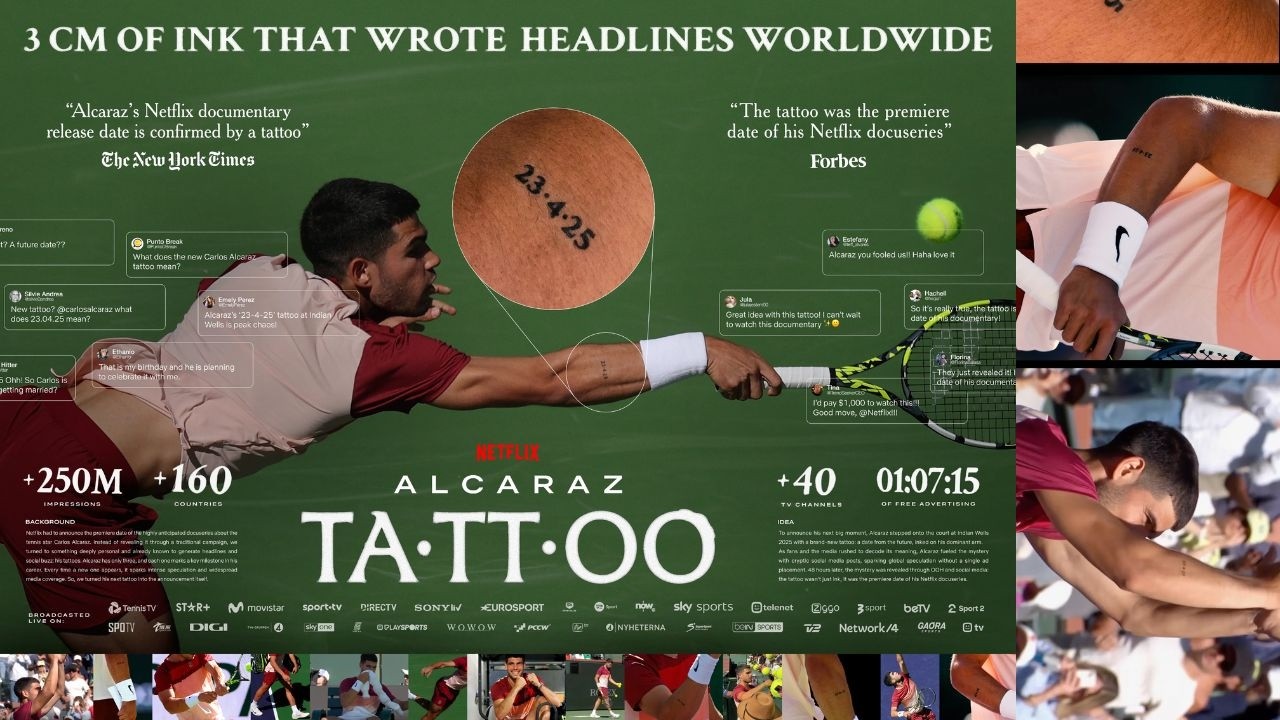
Alcaraz’s collection is a reminder that a tattoo does not have to be large to matter. A small mark can hold an entire season. The wrist motto connects him to his grandfather, the dated designs point to particular titles, and the kangaroo links a player to a country, a tournament and a promise he made after winning.
That context is why even simple tattoos attract attention. Fans are not only looking at the shape; they want to know what the tattoo remembers. For Alcaraz, the answer tends to be a person, a win or a moment when his career moved forward.
There is a contrast between permanent ink and the speed of tennis. A point lasts seconds; a final can be decided in a few hours. The tattoo slows the memory down and gives it a place to stay after the travelling, press and next tournament have taken over.
What the tattoos say about his personality
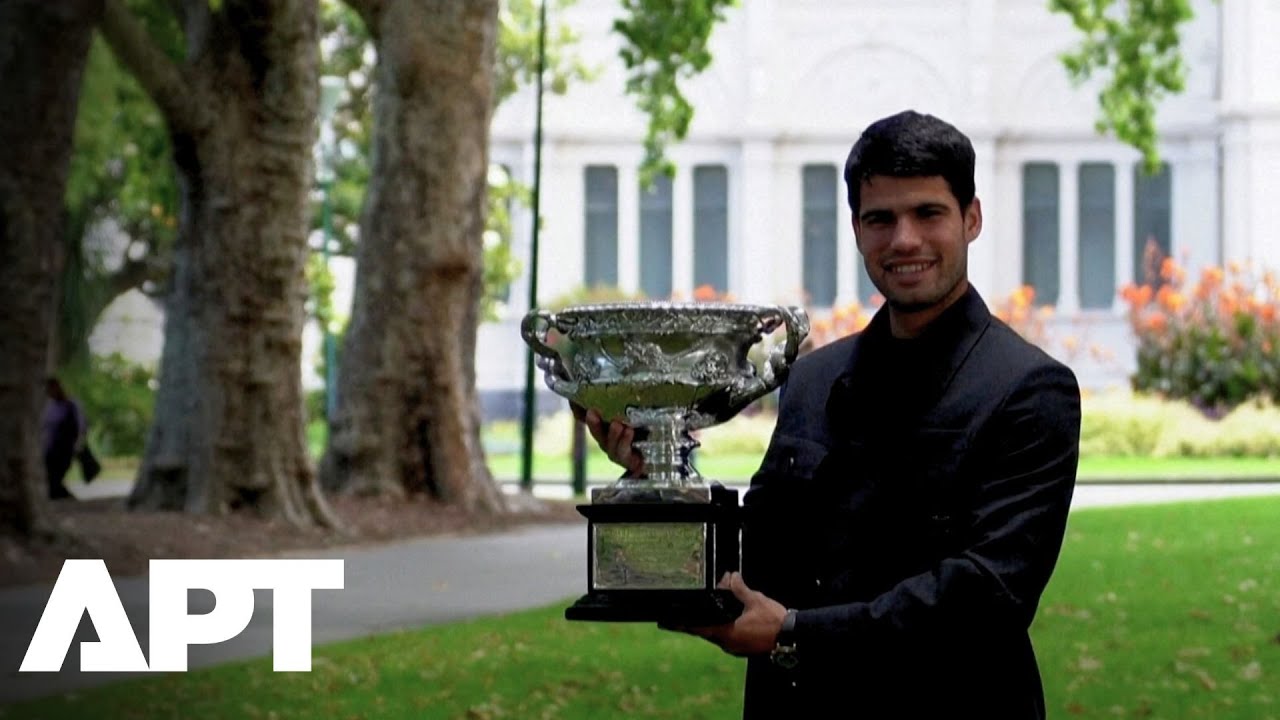
Nothing about Alcaraz’s visible ink suggests he is chasing shock value. The designs connect to things he can explain without reaching for a dramatic story. The Three Cs make that especially clear: a family saying, a piece of advice and a practical reminder all at once.
His newer tattoos show someone who can celebrate success while still looking ahead. A Grand Slam design does not mean the journey is over; it marks one part of that journey as worth remembering. He is building a career scrapbook, with the pages on his skin.
That balance matters. A tattoo can be emotional without becoming overly serious, and personal without being hidden. Alcaraz’s collection sits in that middle ground. The designs are visible enough for fans to notice, but the stories behind them keep bringing the focus back to family, effort and memorable wins.
How the collection could grow

If Alcaraz keeps connecting tattoos to Grand Slam milestones, the collection could become a map of his career. More titles could bring more dates, animals, symbols or small references to the places where his biggest wins happened. That does not mean he will necessarily turn his arms into a full patchwork sleeve. So far, his choices leave space around each piece.
The challenge will be keeping the stories clear as the number of tattoos grows. The Three Cs work because the meaning is widely understood. The kangaroo connects quickly to Australia and the Australian Open. Future designs will be strongest when they keep that same link between image and memory.
For now, the collection is easy to read. It includes a family motto, a series of victory markers and a new animal linked to a major Australian title. That is enough to make the tattoos worth following without pretending every glimpse reveals a hidden masterpiece.
The bottom line on Carlos Alcaraz’s ink
Carlos Alcaraz’s tattoos are not a random pile of designs. Together, they form a loose timeline of the person behind the tennis results. The Three Cs point back to his grandfather and the values he grew up with. Dates and symbols preserve the milestones that moved his career forward. The kangaroo adds a newer chapter, connecting a Grand Slam memory to the place where it happened.
What makes the collection appealing is its honesty. Some pieces celebrate success; some serve as reminders. None needs a long explanation to work. They are small marks holding big memories. As Alcaraz’s career develops, his tattoos will likely grow with it, one meaningful win at a time.
One thought on “Carlos Alcaraz’s Tattoos Keep Score of His Biggest Wins”