
Caitlin Parker’s documented tattoo is a set of Olympic rings on her arm. PerthNow’s feature on tattoo artist Jackson May shows the design and reports Parker’s reason for getting it; the other boxing photos here provide career context, not extra tattoo evidence.
Caitlin Parker’s Olympic rings tattoo
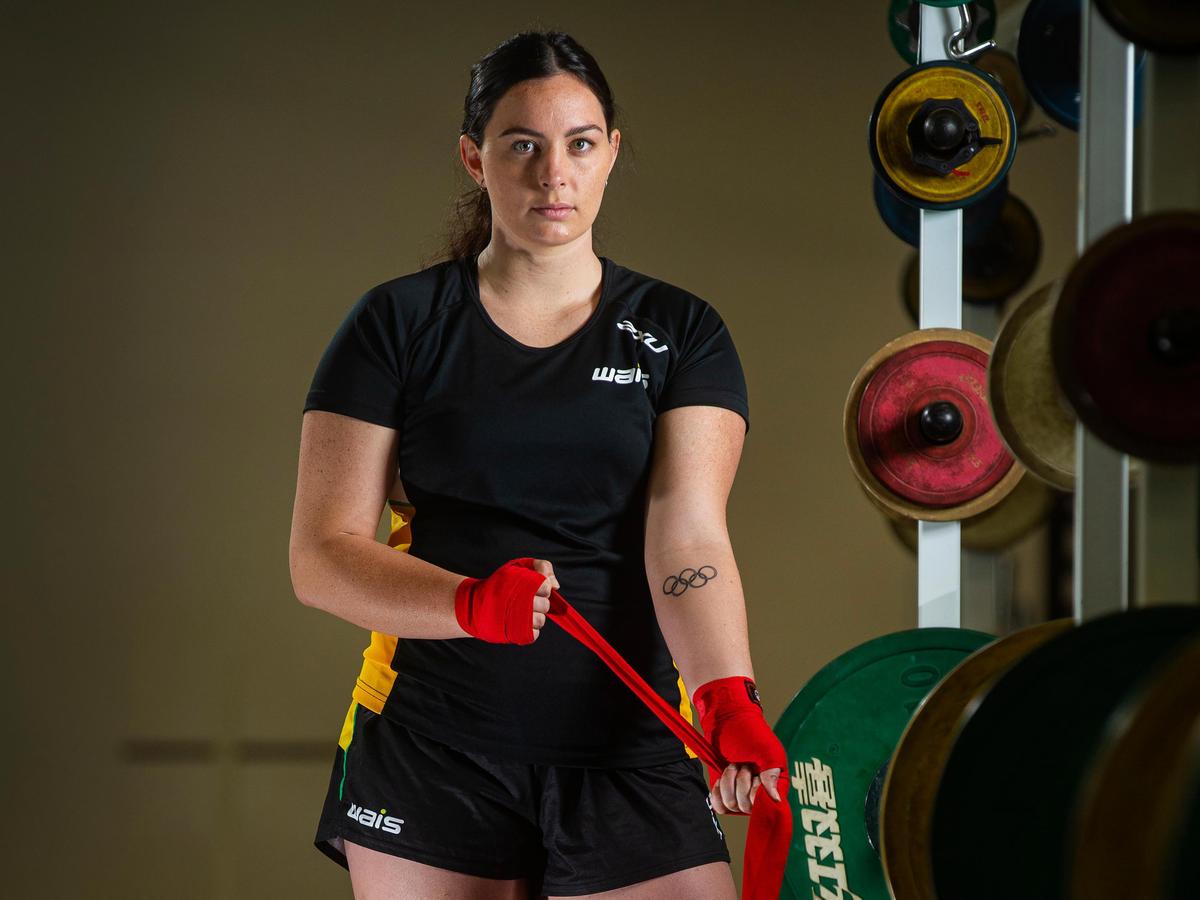
PerthNow identifies the five rings on Parker’s arm and links them to her boxing journey. The report says she got the tattoo after returning from the Tokyo Olympics, as she looked ahead to Paris. It names Jackson May as the artist.
The close crop shows the interlocking circles on Parker’s forearm. A medal and boxing gear appear in the frame too, but they are part of the setting. Three PerthNow URLs in the source material are alternate crops of this same photograph, so the page uses one original image rather than counting each crop as a separate tattoo photo.
What the published photograph shows
The rings are the only tattoo documented in this source record. The close image is clear enough to identify the design and its arm placement; distant boxing photos aren’t used to build a longer inventory from marks that no source identifies.
Why the evidence stays narrow
PerthNow’s reporting is tied to the tattoo artist who made the work and names Parker. That supports the claim about the Olympic rings. The surrounding gloves, equipment and Australian branding aren’t tattoos, and the article doesn’t treat them as such.
Early boxing training context
The Australian Olympic Committee says Parker began combat sport at eleven and later moved from taekwondo into boxing. An ABC group photo shows her in green Australian boxing kit with her coach and the ring in view. It helps place the tattoo story in her sport, but it doesn’t show the rings.
Parker in the training ring

This ABC portrait shows Parker alone in the ring, wearing gloves and facing the camera. It’s an identity and training image; the PerthNow close crop remains the tattoo photograph.
Parker’s route to two Olympic Games
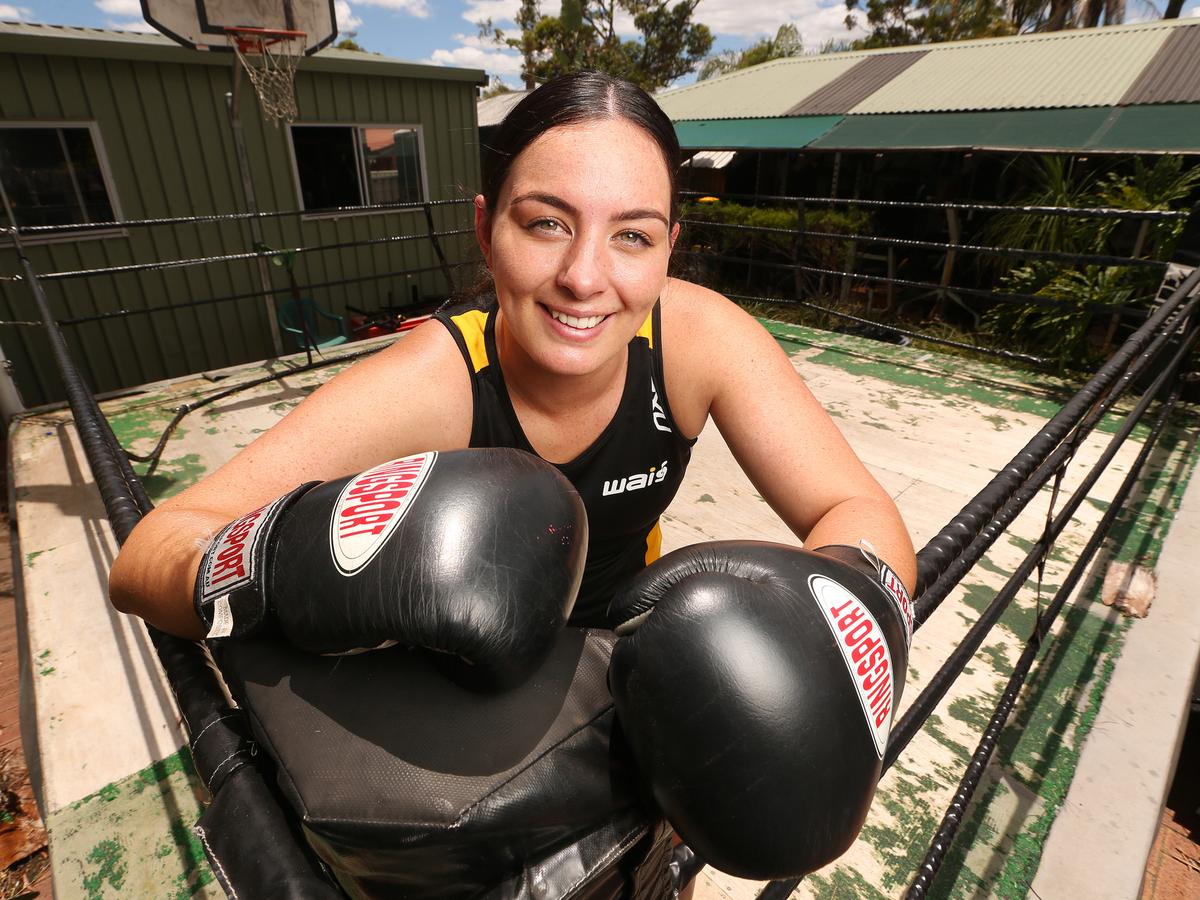
The Australian Olympic Committee records Parker’s appearances at Tokyo 2020 and Paris 2024. PerthNow places the tattoo after Tokyo and connects it with the effort ahead of Paris, not with a separate design for each Games.
In Paris, Parker became the first Australian woman to win an Olympic boxing medal, taking bronze. That result came after the tattoo was reported, so it doesn’t establish that the medal prompted new ink.
Parker’s reported motivation
Parker said the rings reminded her of the hard work, blood, sweat and tears behind her journey, and of the people who helped and pushed her, including coach Foxy. She also connected them to the drive toward Paris. That reported explanation gives the design its meaning; broader ideas such as national pride aren’t presented as her own words.
What the available images can and cannot prove
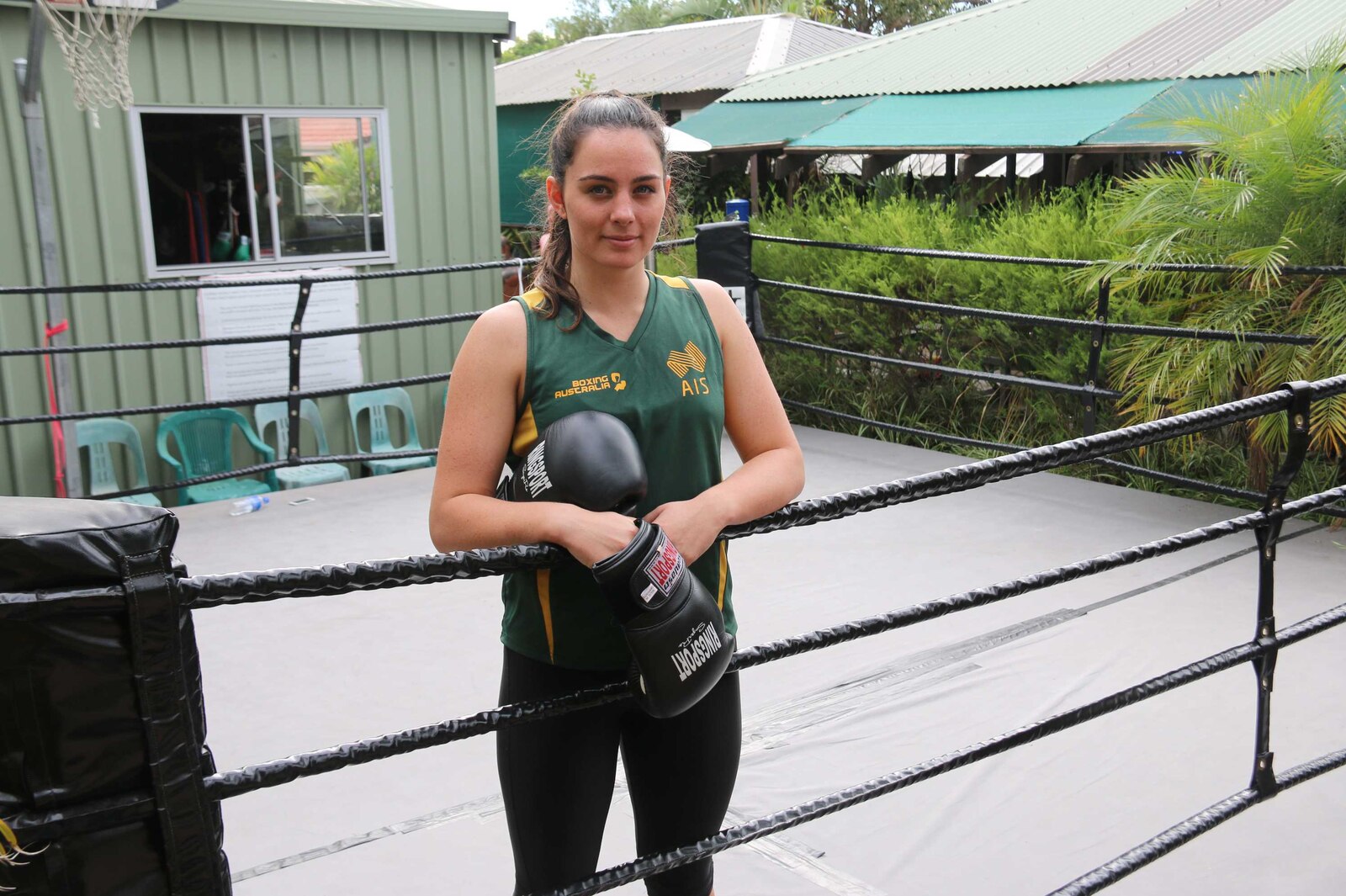
This ABC portrait shows Parker in a backyard boxing setting. It helps identify her and adds training context, but it isn’t another view of the rings. The source material keeps one tattoo photograph and uses distinct boxing portraits for visual context.
The boundaries of the documented record
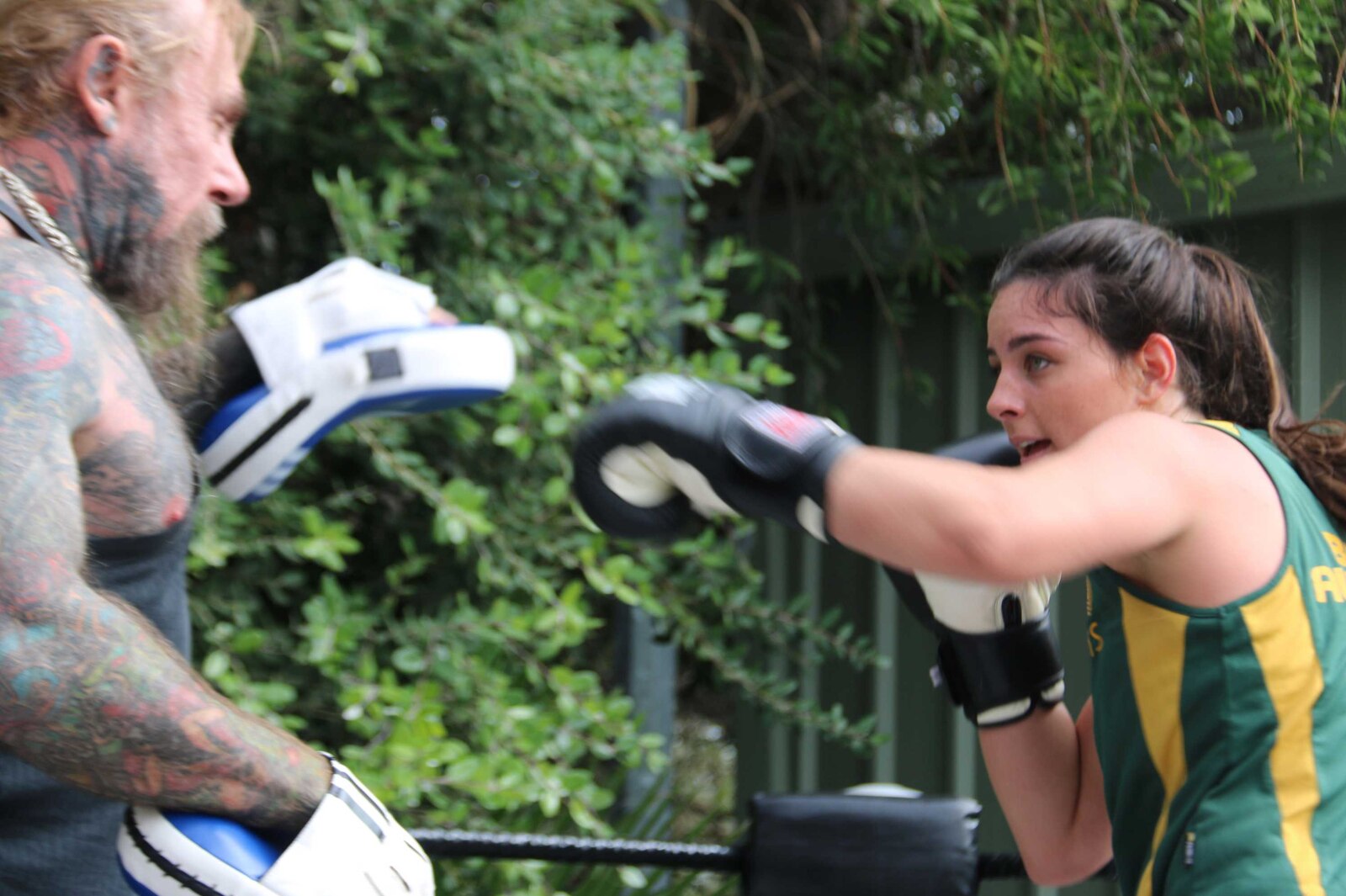
The photograph with Parker and her coach also needs to be read carefully: another person’s visible ink can’t be assigned to Parker. The images support one documented design, the Olympic rings on her arm. The source names May and explains Parker’s reported motivation, but doesn’t give the session date, stencil process, ink brand or healing timeline.
The written account stays with “arm” for placement, while the close crop shows the design on her forearm. That keeps the description tied to what the source says and the photograph shows.
One thought on “Caitlin Parker Tattoos: Olympic Rings Ink Documented in Boxing Photos”