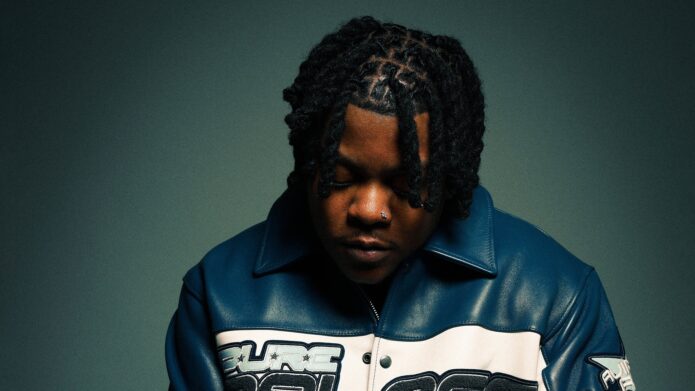
Bino Rideaux has the kind of tattoo collection you notice before you know the full backstory. His arms are packed, his hands carry personal marks, and the ink along the right side of his face is impossible to miss. But the designs aren’t random decoration. They connect family, friendship, grief, ambition, and the people who helped him find his way in music.
Rideaux, whose birth name is Brandon Rainey, has been part of Los Angeles rap’s close-knit circle for years. His work with Nipsey Hussle gave him a wider audience, but the relationship was bigger than a couple of songs. Hussle was a mentor, older-brother figure, and creative guide. That history explains why some of Rideaux’s most visible tattoos carry a direct connection to Hussle’s words and legacy.
The clearest examples are the face tattoos reading “Victory” and “God Will Rise.” One is also his daughter’s name. The other points to Hussle’s given name and the meaning attached to it. Around those two phrases, Rideaux has a broader set of tattoos that keeps family and everyday life close, including a son’s name, a rose with his girlfriend’s name, and the number four, which he has described as his life-path number.
The “Victory” tattoo beside Bino Rideaux’s eye
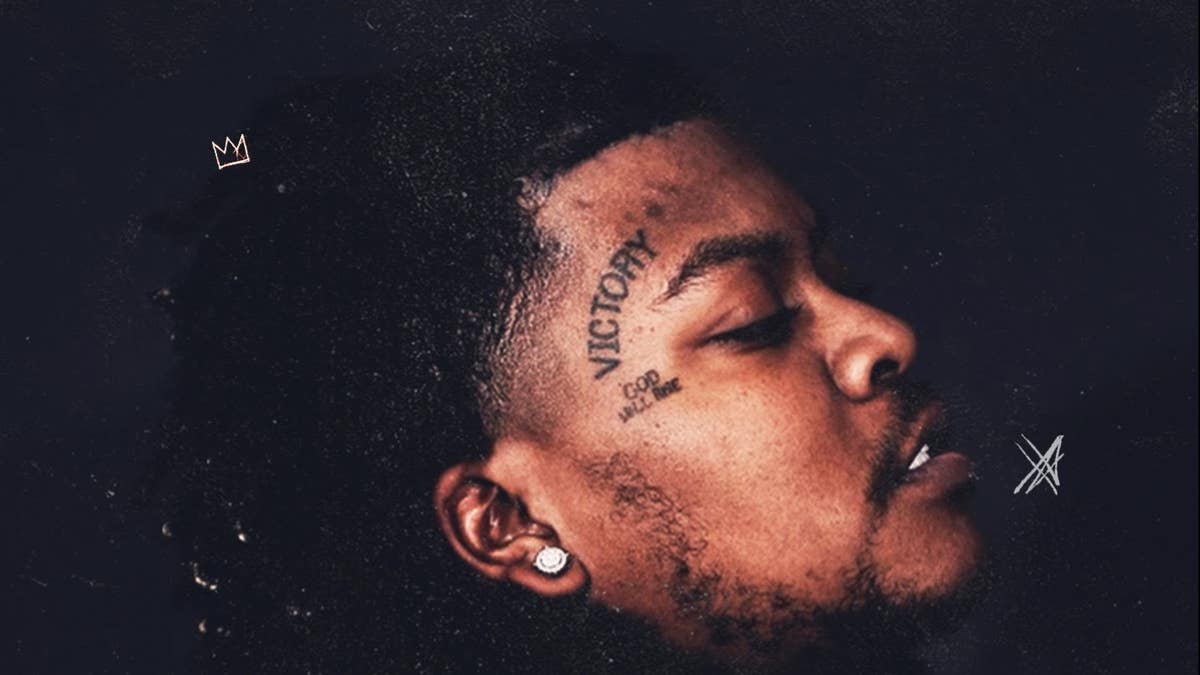
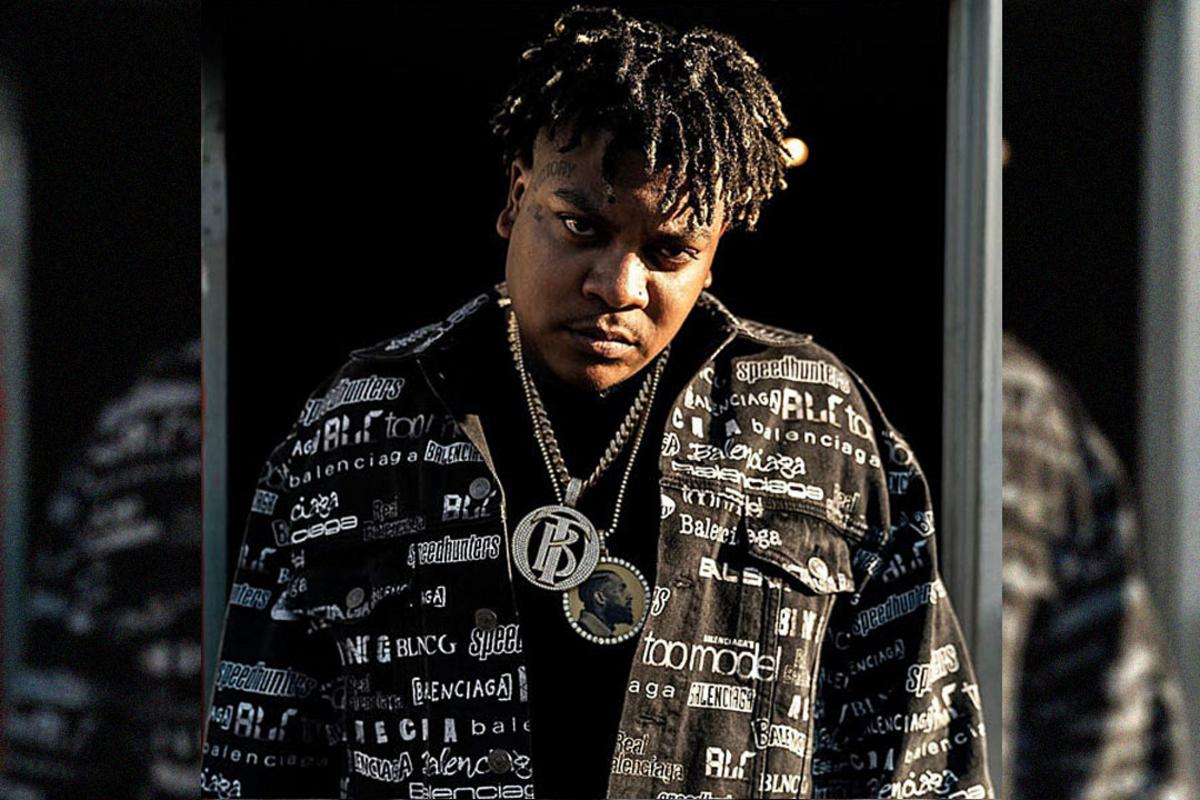
The face tattoo that gets the most immediate attention is the tall, stacked VICTORY lettering above Rideaux’s right eyebrow. In a close-up, the letters run vertically along the side of his forehead, with smaller lettering below. The placement is bold without taking up his whole face, which gives it a sharp, almost badge-like look.
For Rideaux, “Victory” carries two meanings at once. It is his daughter’s name, so the design is tied to fatherhood first. It also connects directly to Nipsey Hussle’s Victory Lap era. That double meaning is what makes the tattoo more interesting than a simple name tattoo. It works as a family piece and as a tribute to the person who helped shape Rideaux’s career.
That kind of overlap is common in memorial ink, but Rideaux’s placement makes the idea much more public. A name on a shoulder or chest can stay private when he wants it to. A word above the eyebrow is part of his face every day, whether he’s recording, performing, or just walking around Los Angeles. He chose a spot that makes the connection visible before he says anything about it.
What these phrases mean
Rideaux also wears GOD WILL RISE along the right side of his face. The phrase isn’t just a general motivational line. The Los Angeles Times reported that it refers to Ermias, Nipsey Hussle’s given name, which carries that meaning in Tigrinya through his father’s Eritrean heritage.
There is a quiet rhythm to the two phrases together. “Victory” points to Rideaux’s daughter and Hussle’s best-known album title. “God Will Rise” points to Hussle himself. Put side by side, they read like a small memorial that can travel with Rideaux wherever he goes. The lettering also mirrors the way Hussle used words as part of his own visual identity, especially around the release of Victory Lap.
It matters that Rideaux didn’t explain the tattoos as a vague tribute after the fact. He connected them to specific names, language, and music. That gives the ink a clear foundation while leaving room for the emotional part to stay personal. You don’t have to guess whether the phrase is about a trend or a random piece of motivational script. The reason is right there in the words.
Arm and hand ink
Another close look at the Victory face tattoo
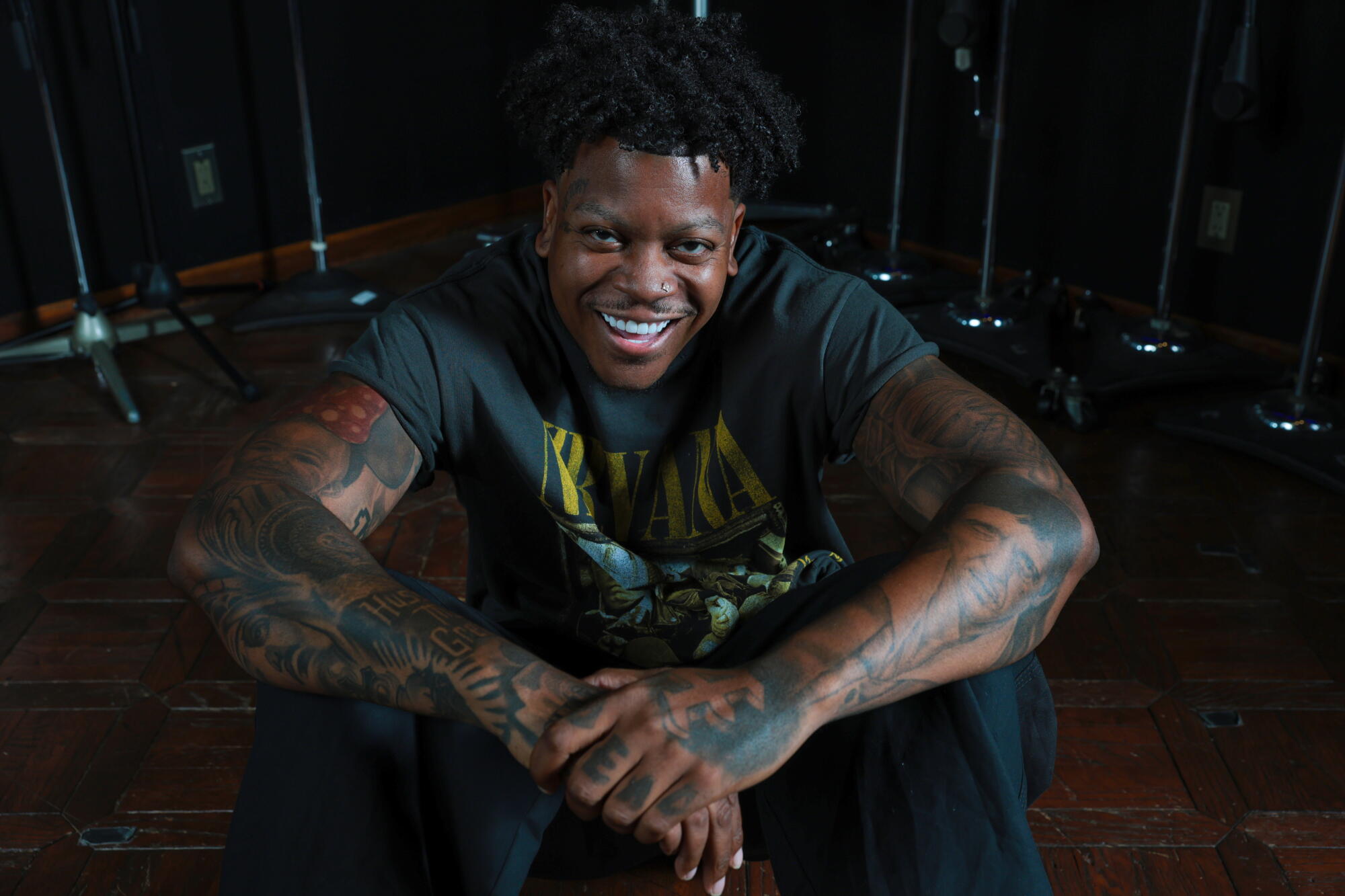
One of Rideaux’s most recognizable body pieces is a portrait of Tony Montana from Scarface on his outer forearm. The image fits the larger visual language of his collection: strong black-and-gray work, a familiar pop-culture reference, and a design that reads clearly even when you only catch a quick look at his arm.
Rideaux has never needed to make every tattoo sound solemn. The Tony Montana piece brings a little movie-world attitude into a collection that also includes family names and memorial lettering. That contrast keeps the sleeve from feeling too neat or over-planned. Some tattoos carry heavy meaning, while others can simply reflect a character, a scene, or a piece of culture that stuck with him.
For anyone using the design as reference, the key is the portrait treatment. A Tony Montana tattoo can go in a lot of directions, but Rideaux’s version sits in the realm of a recognizable character portrait rather than a tiny symbol. The forearm gives the face enough room to hold expression, shadows, and the hard-edged mood people associate with the film.
Names, family, and the people close to him
Rideaux’s family tattoos are more direct. His son’s name runs across his bicep, and he has described that piece as representing the strength his son gives him. It is a simple idea, but the placement makes sense. The upper arm is easy to keep covered when needed, yet it is always close when he is working, performing, or moving through daily life.
On his right hand, Rideaux has a rose with his girlfriend’s name. The design combines a classic tattoo image with a personal inscription. Roses are familiar territory in tattooing, but the name changes the feel. It isn’t just a flower chosen for the shape; it becomes a small relationship portrait on a part of the body that is almost always visible.
The other hand carries the number four, which Rideaux has identified as his life-path number. Numbers can be tricky because people often project meanings onto them, but this one has a clear source: Rideaux himself described it as personal numerology. That keeps the reading grounded. It doesn’t need to be turned into a prediction or a secret code. It is simply a number he connects with and wanted to carry in a very visible spot.
How the collection works as a whole
What stands out about Bino Rideaux’s tattoos is the mix of scale. The face lettering is compact and instantly readable. The Tony Montana portrait needs more space. Names and numbers sit in smaller placements on the bicep and hands. That variety gives the collection a lived-in quality. It feels built over time, with each piece added for its own reason instead of following one strict style guide.
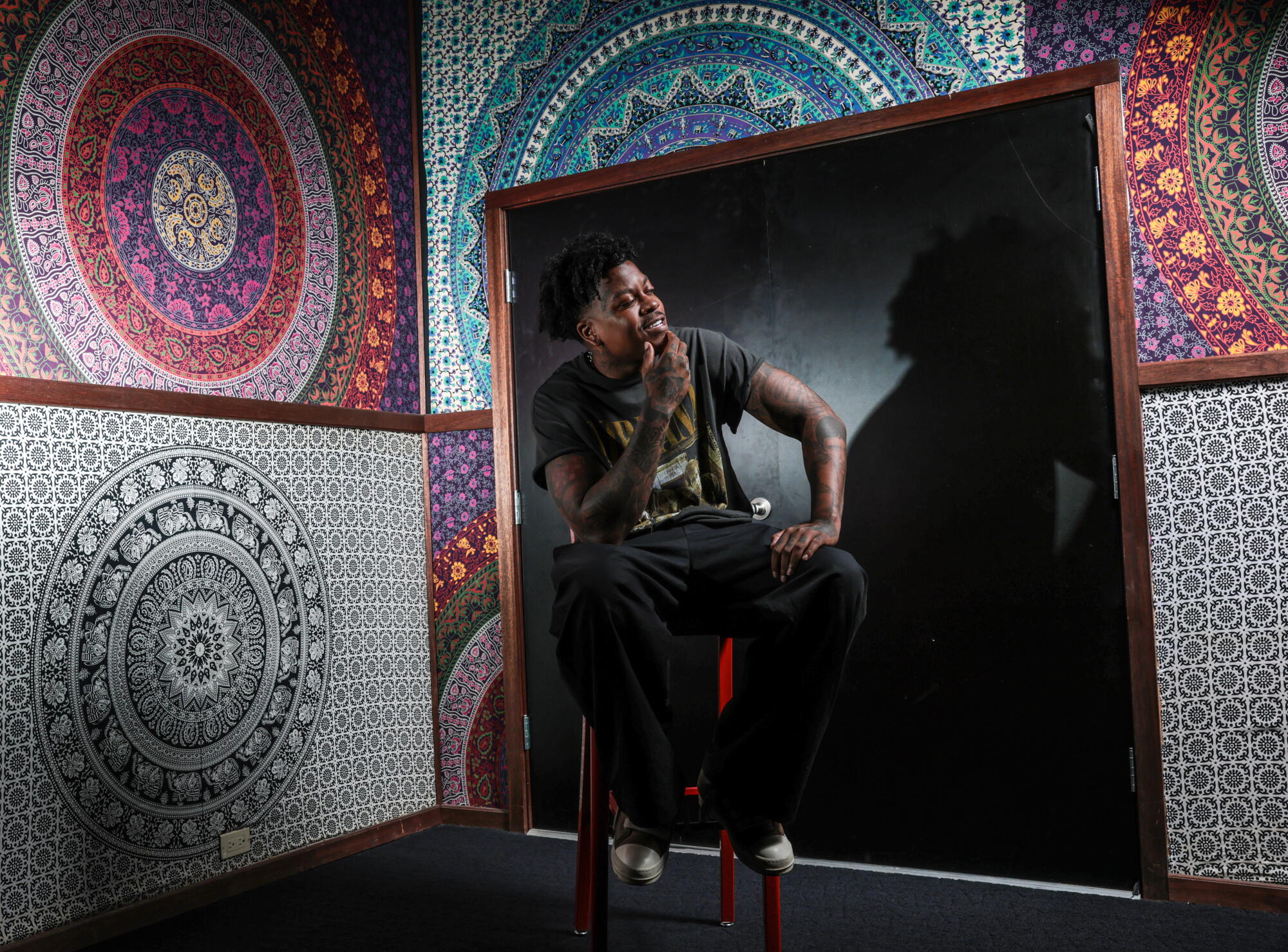
The arm tattoos also give him room to keep adding without losing the older work. Dense sleeves can become visually noisy, but the changes in subject help separate the pieces. Portraits bring shadow and realism. Names bring clean letterforms. Smaller symbols and numbers act as breaks between the heavier areas. A tattoo artist working from this kind of reference would want to map the body first, then decide which designs should stay bold and which should have more breathing room.
There is also a difference between what the photos show and what the reporting confirms. You can see that Rideaux has extensive tattoo coverage across his arms and hands. The written reporting gives the exact meaning behind the Tony Montana portrait, the family names, the number four, and the face lettering. Not every mark in a photograph has a published explanation, and it is better to leave those details alone than turn a guess into a fact.
Why this collection feels so personal
Face tattoos change the way a collection is read. A sleeve can disappear under a jacket. Hand tattoos can be covered with gloves or rings. Words above the eyebrow stay in the conversation. Rideaux’s “Victory” and “God Will Rise” pieces function almost like a permanent introduction: they tell you who he loves, who influenced him, and what kind of legacy he wants to keep close.
That doesn’t mean every part of his identity is reduced to Nipsey Hussle. Rideaux has his own catalog and his own voice. The point is that the tribute sits alongside his personal life rather than replacing it. His daughter’s name, his son’s name, and his relationship tattoo are just as central to the collection. The result feels less like one giant memorial and more like a map of the people and ideas that have mattered at different points in his life.
The studio setting behind the photos
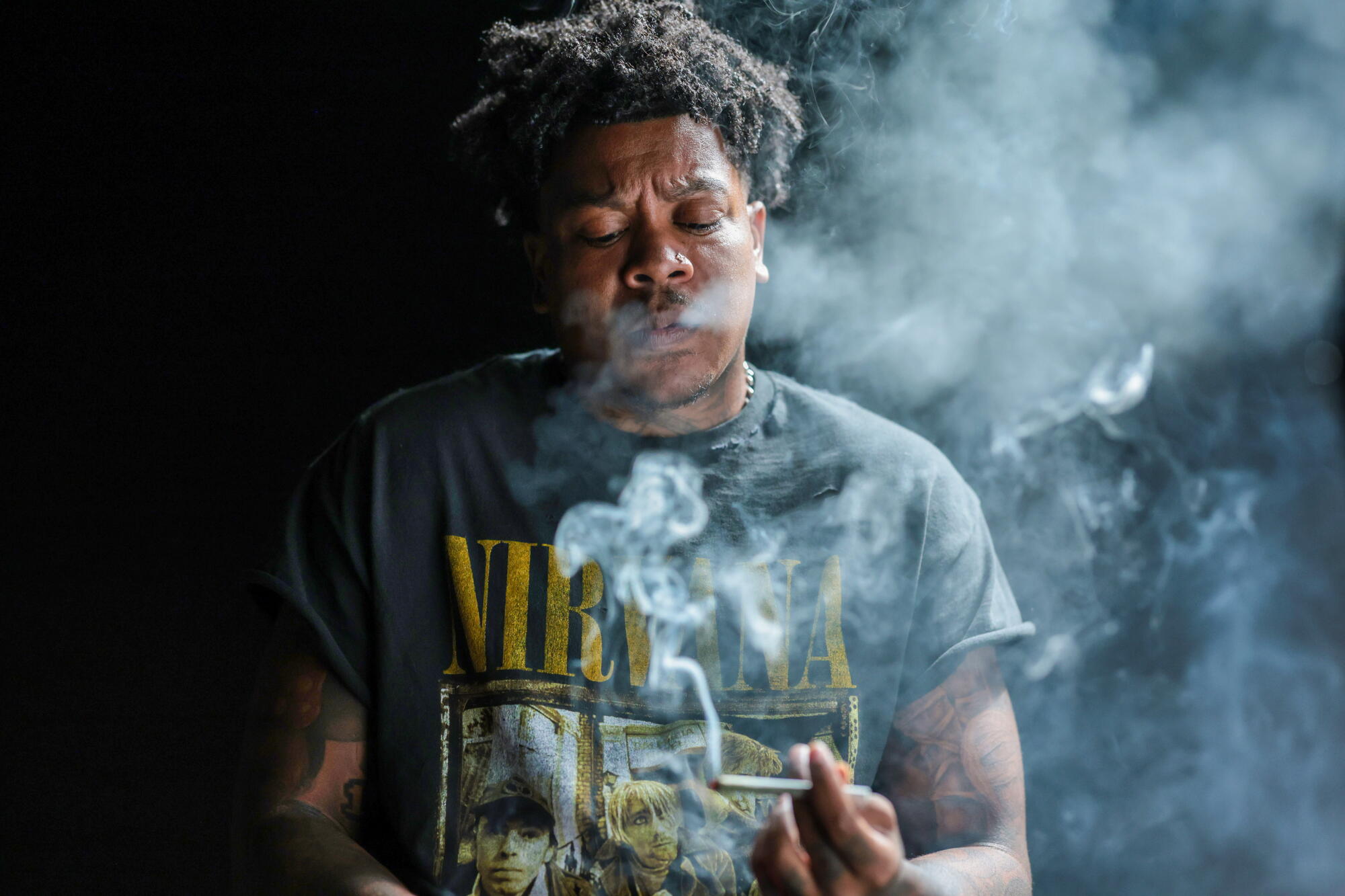
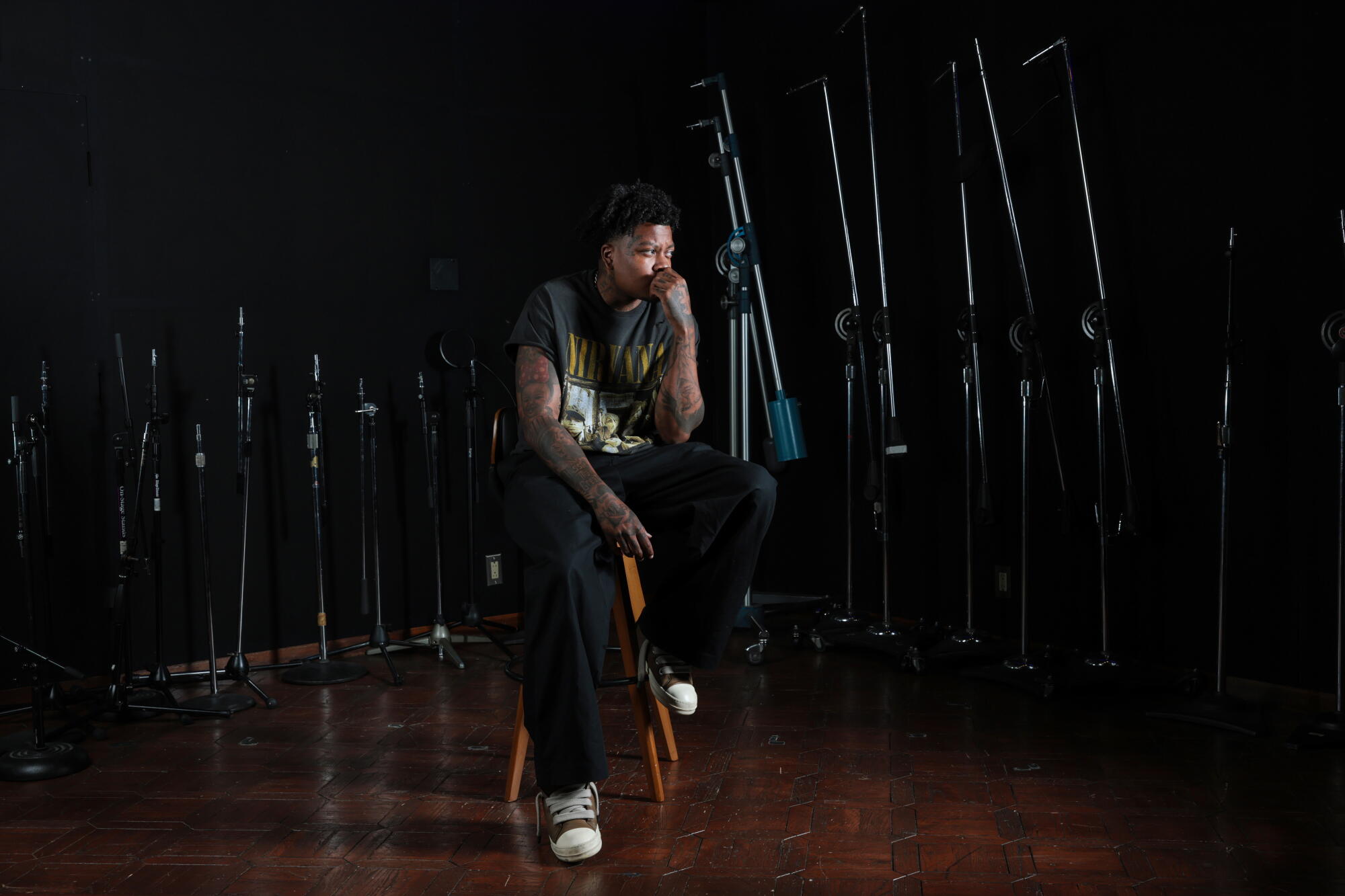
The strongest images of Rideaux’s collection come from a Los Angeles Times feature about Prolific, the joint project he made with Nipsey Hussle. The album was recorded and sequenced in 2017, long before its eventual release, which gives the photographs an extra bit of context. These aren’t staged tattoo flash shots. They are working portraits of an artist sitting in a studio, with the ink appearing naturally as he moves, rests, and talks about the music.
That setting suits the collection. Rideaux’s tattoos aren’t separate from his career or his family life. They show up in the same rooms where he writes, records, and builds a catalog. The images also explain why a single close-up can’t tell the whole story. One frame catches the face. Another catches the hands. A wider portrait lets you see the arms as a connected field of work.
Context matters here, but it shouldn’t be confused with tattoo evidence. A studio photograph can show the mood around the story without proving what every mark means. The useful approach is to pair the visual record with the confirmed descriptions and keep the line clear between what is visible and what Rideaux has actually explained.
Ideas worth carrying forward
If you’re pulling ideas from Rideaux’s tattoos, the biggest lesson isn’t to copy a particular word or portrait. It is to think about how different kinds of meaning can sit together. A family name can share space with a film character. A life-path number can sit beside a rose. A tribute can be visible on the face without swallowing every other part of the collection.
For a similar approach, start with the reason for each design, then choose the placement that matches that reason. Private family ink might belong on the upper arm or chest. A phrase that represents a public principle can go somewhere more visible. A portrait needs enough room for the face to stay readable as the tattoo ages. And if several pieces will live on the same arm, leave enough skin between them that each one can breathe.
Bino Rideaux’s tattoos work because they feel specific. “Victory” has a name behind it. “God Will Rise” has a language and a person behind it. The Tony Montana portrait has a recognizable cultural reference. The number four has a personal framework. His collection doesn’t ask you to invent a meaning; it gives you enough information to understand why the ink matters, then leaves the rest of the story with him.