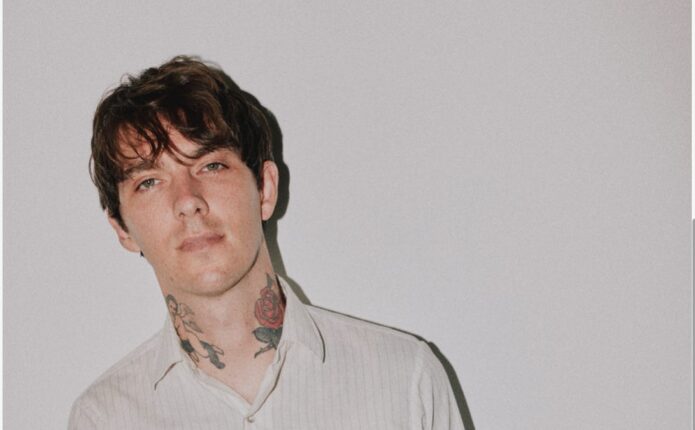
Barry Johnson’s tattoos range from a solid black forearm cover-up to neck and hand designs. He has tied some to music, a breakup and choices he made because he liked the look. He hasn’t given a public meaning for every mark.
The blackwork forearm is the clearest statement
Johnson’s most documented piece is broad blackwork running from below his left elbow toward his wrist. In an Inked interview, he said he wanted to cover older tattoos, including a crow he disliked because it looked more like a “trash monster” than a bird. He also recalled seeing blackwork on a friend who had been tattooed in Brazil and liking the effect.
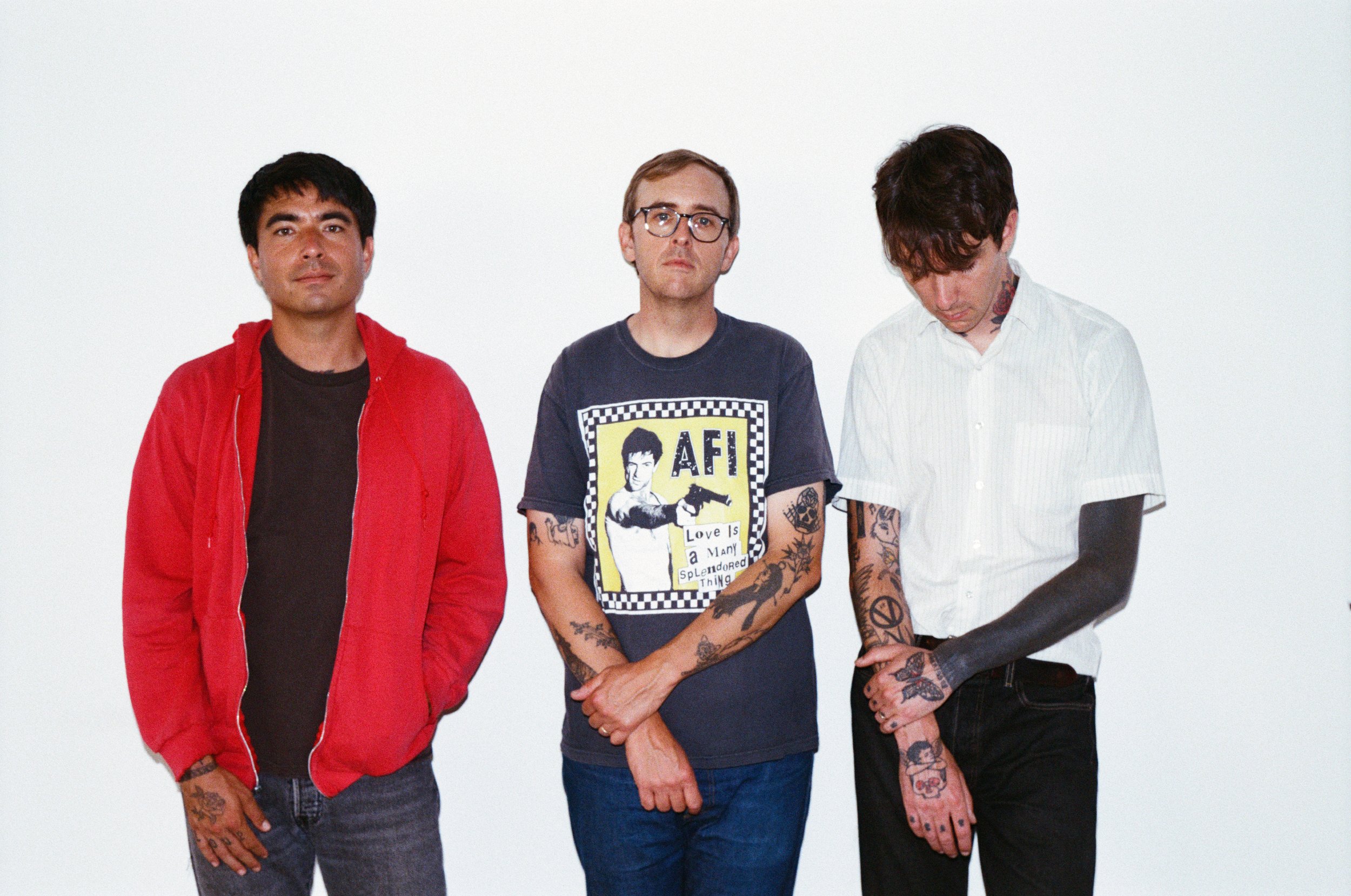
Johnson described the blackout as an aesthetic choice. It covered designs he no longer liked, and the bold shape appealed to him on its own.
The boldest choice here is the lack of apology. Johnson has said some people react as if they can put the tattoo on trial. He got it because it looked good to him, not to win their approval.
The first tattoo came with a breakup story
Before the blackout, Johnson’s first tattoo was a Morton Salt Girl design inspired by Jawbreaker. He said he got it after his first girlfriend broke up with him. He joked that he hoped tattoos might make girls like him more, and also connected the choice to grieving.
Those reasons sit together in his account: a band he liked, a relationship ending and the urge to make a permanent decision while young. Johnson has described tattooing as cathartic, though he doesn’t suggest that every tattoo fixes a difficult feeling or needs to carry a grand message.
Neck tattoos keep the collection visible
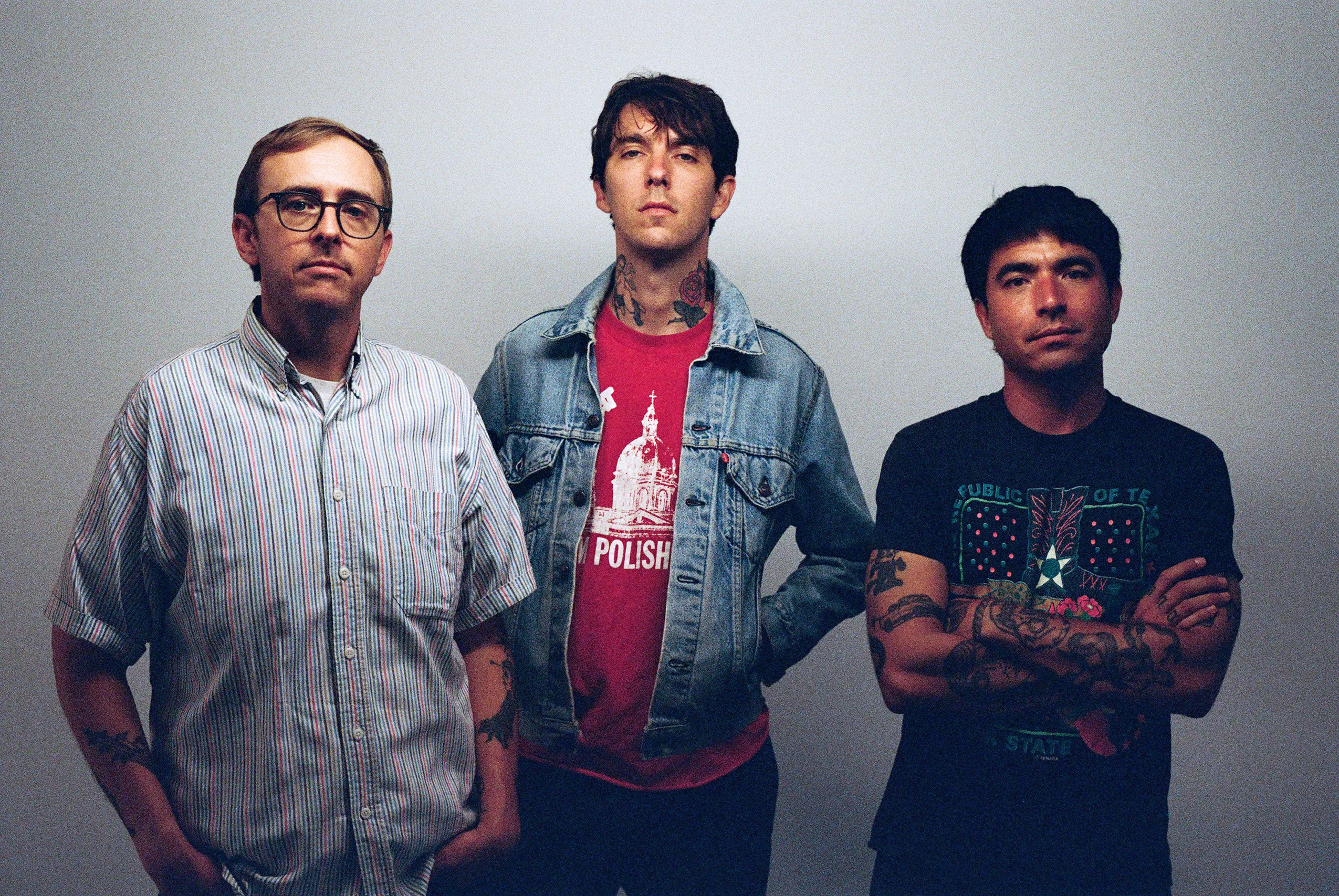
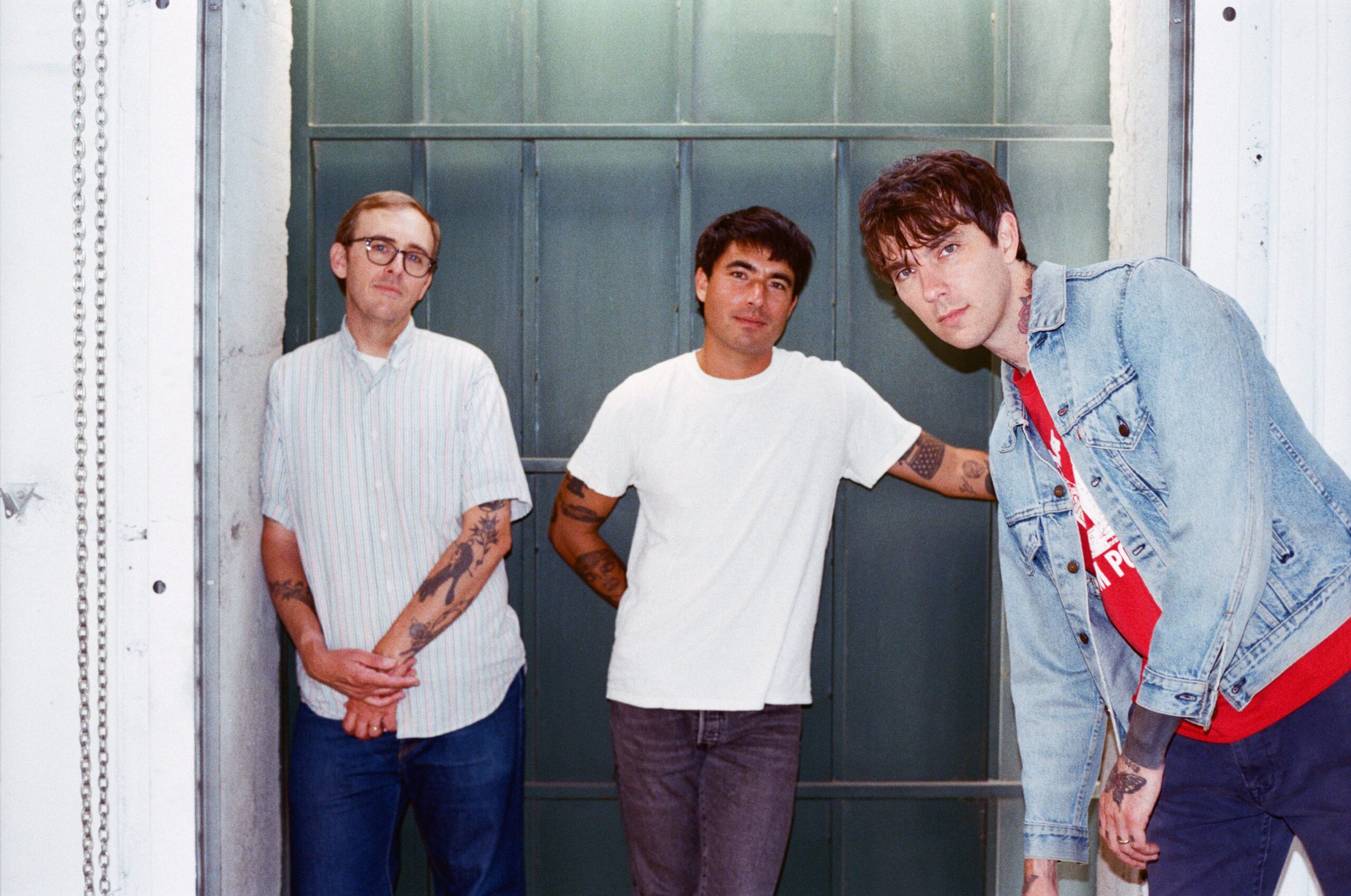
Later portraits and live photos show tattoos rising above Johnson’s collar. Some frames catch floral or illustrative shapes; others show only part of the design, so their meaning is best left open. Neck ink remains visible when sleeves cover the arms and moves with the face and shoulders.
Johnson often appears in simple shirts or denim, leaving the ink as a strong part of the overall look. Softer neck imagery sits alongside the heavier blackwork on his forearm, reflecting separate choices made at different times.
Arm and hand ink looks different onstage
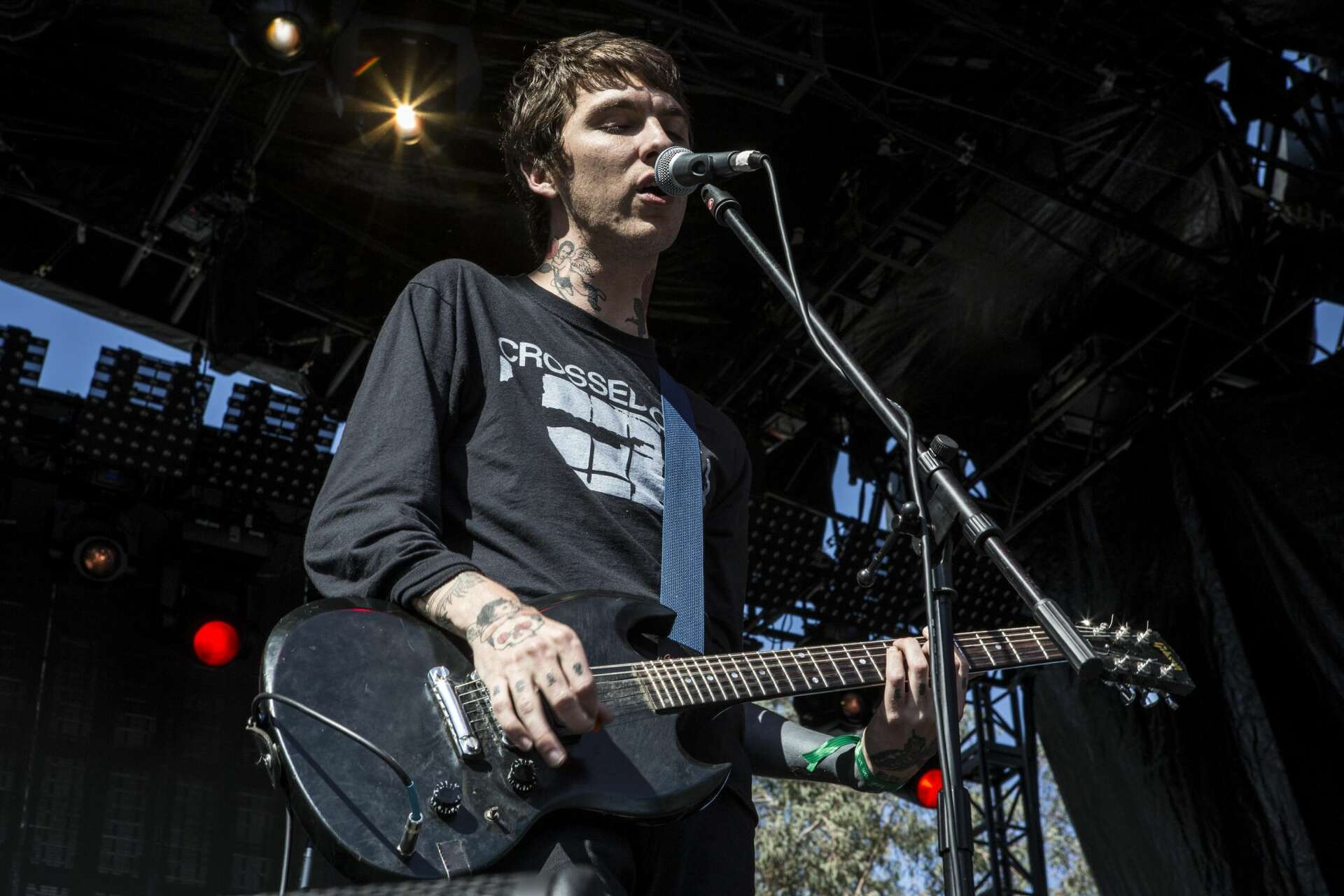
Joyce Manor photos show Johnson playing guitar, reaching for the microphone or lifting an arm toward the crowd. The hand tattoos appear and disappear as he grips the instrument, while arm designs shift with his posture.
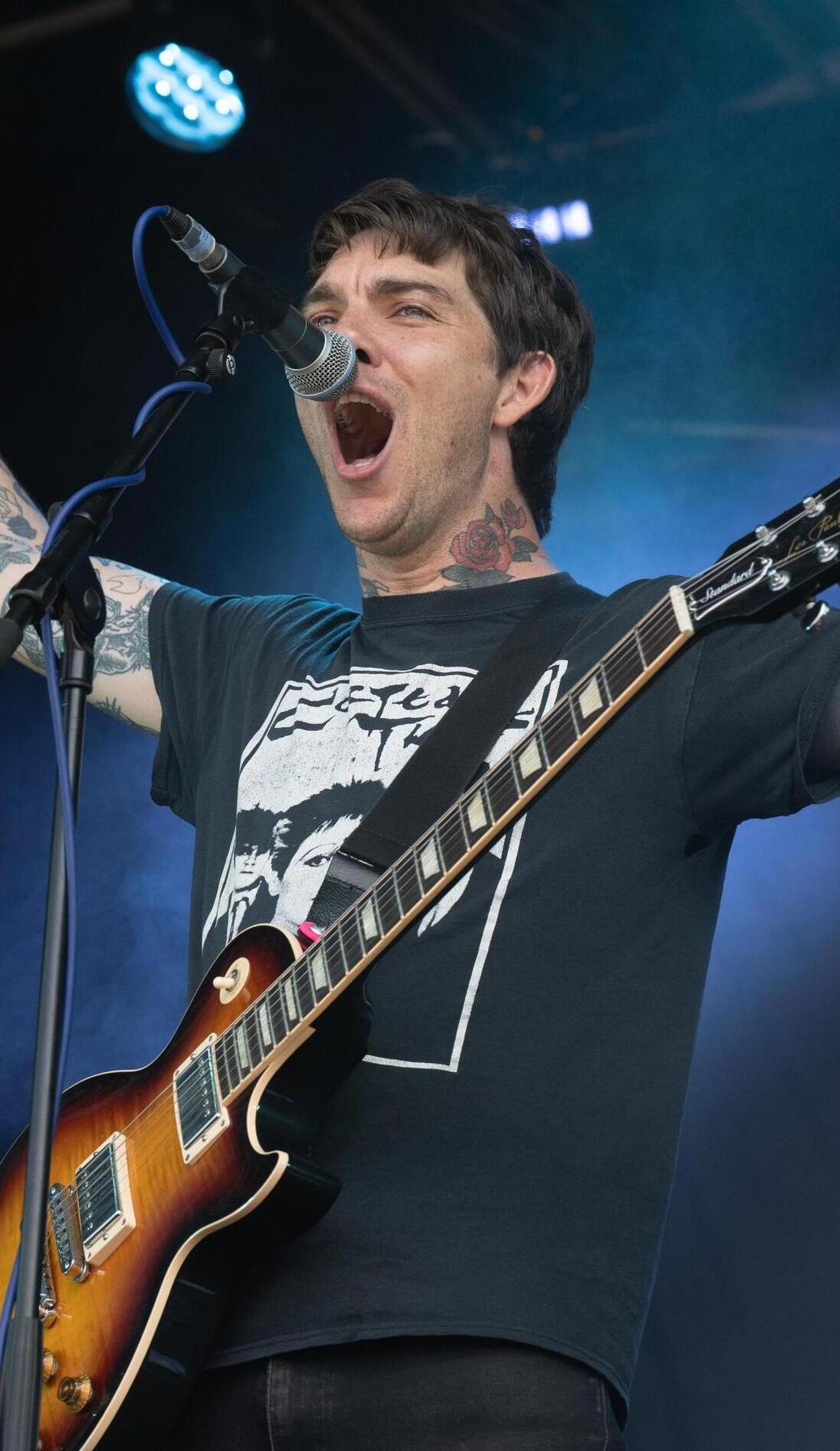
A tattoo that looks like a compact patch in a portrait can stretch across the frame during a performance. Sleeves cover some areas; bent joints change the lines and shapes. The images show how the collection moves with him, not a complete map of every tattoo.
Heart Tattoo is about the impulse to commit
Johnson has described his song “Heart Tattoo” as coming from a young person’s point of view: getting a stupid, meaningless tattoo just to have one. The song acknowledges the risk without claiming that every tattoo is foolish. People can understand the consequences and still want the experience.
That idea fits the stories Johnson has shared: an early tattoo tied to a breakup and a cover-up chosen partly for its look. The choices are personal and permanent, even when the reasons are ordinary.
Why the collection feels punk without looking forced
Joyce Manor’s music is short, direct and emotionally open. Johnson’s tattoos make a similarly immediate impression in photos: solid blackwork, visible neck ink and arm and hand designs. The collection doesn’t look planned as one matching sleeve.
Johnson has also said fans’ Joyce Manor tattoos are flattering and a little insane. A mark inspired by the band can start as a private reference and become a connection shared with other listeners.
The point isn’t to copy Barry Johnson’s arm. The useful part is seeing that a small, awkward, funny or visually severe idea can fit when it belongs to the person wearing it.
How to borrow the mood without copying it
Start with a song, friend, place or moment that has stayed with you. A band reference can be more personal than a logo; it might be an object from an album, a line of handwriting or a symbol connected to an experience you shared.
If you’re considering blackout work, ask an experienced tattooer whether the old design can be covered cleanly, how much solid ink the area needs and how it may age. It is a major commitment that can limit future options, so make sure you like the shape itself as well as the idea of covering what came before.
For a first tattoo, be honest about why you want it. Sadness, anger or wanting to impress someone don’t automatically make it a bad decision, but it can help to give yourself time to see if the design still feels like yours once the rush passes.
Neck and hand tattoos stay visible. An upper arm or thigh offers more privacy and room. The right location depends on your work and routine, your comfort with pain and how often you want to see the design.
Compare the proportions in the photos: broad blackwork, outlined illustrations and smaller hand marks create different visual weight. They don’t need to match, but each piece needs enough space to remain clear.
The short version
First tattoo: a Morton Salt Girl design inspired by Jawbreaker, which Johnson connected to a breakup and grieving.
Best-known cover-up: a blackwork piece from below the left elbow toward the wrist, covering older tattoos including a poorly done crow.
Other visible areas: neck, arm and hand tattoos seen in band portraits and live photos; not every design has a public explanation.
Overall style: bold blackwork and illustrative designs, collected over time rather than planned as a single sleeve.
“I thought that it would look really good.” That is Johnson’s explanation for the blackout, and it sums up the collection’s plain-spoken confidence: he liked the look and chose it for himself.