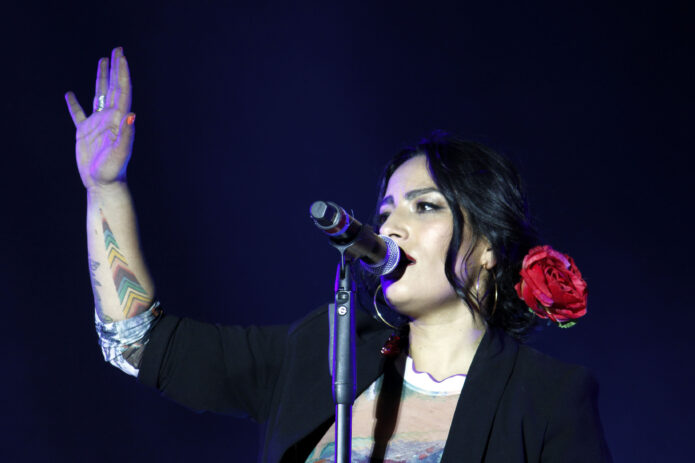
Ana Tijoux’s most recognizable tattoo is 1977 on her wrist or lower forearm. It marks her birth year and is also the title of her 2010 album and one of her best-known songs. A colourful geometric design on her other forearm has been linked in reporting to the Whipala. Photos also show smaller marks on her hands, though not every detail is clear enough to identify.
Who Is Ana Tijoux?
Tijoux is a French-born Chilean rapper and singer. She first became known through the hip-hop group Makiza, then built a solo career with music that moves between rap, Latin American rhythms and electronic production. Her songs also address power and inequality.
That background helps explain why the year tattoo and the reported Whipala reference get attention. Interviews provide context for those pieces; photographs show their placement and appearance. The smaller hand marks remain less certain.
The 1977 Wrist Tattoo

The simple number sits across Tijoux’s wrist or lower forearm. She was born in 1977; it is also the title of her 2010 solo album and a song that helped bring her music to a wider audience. One short inscription connects a personal date with two parts of her career.
The lettering is plain and easy to read in close photographs. Its meaning comes from the references behind the number, not from an elaborate design.
The Colourful Whipala-Style Forearm Tattoo
A geometric pattern of stacked chevrons and coloured blocks runs along Tijoux’s forearm. Reds, greens and yellows sit between dark lines. Some photographs show it partly covered by a sleeve; others give a clearer view of the full design.
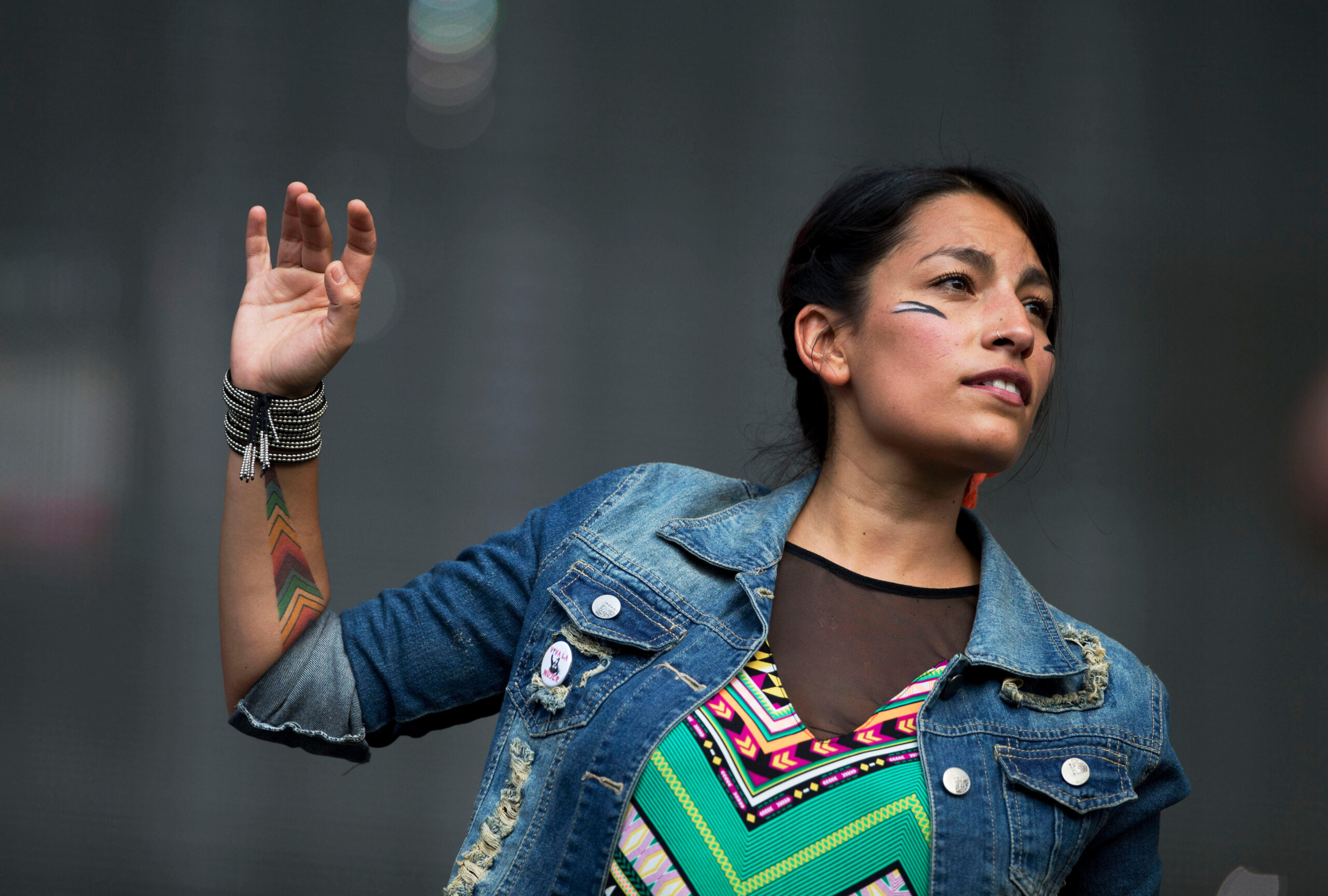
Rolling Stone Canada connected the tattoo with the Whipala, the multicoloured flag associated with Indigenous peoples of the Andes. That reporting places the design in a wider Latin American context; it’s more than a description of its colours and shape.
Hand Tattoos and Smaller Symbols
Profiles mention tattoos on Tijoux’s hands, and photographs show small marks around her hands and arms. Concert shots can be blurred or shadowed, so not every symbol can be identified.

Microphones, jewellery, sleeves and hand movements can hide details in one frame and reveal them in another. Without a direct explanation from Tijoux, the smaller pieces are best left undescribed beyond what the photos show.
A Reported Future Project
An AFP report said Tijoux planned a large tattoo of Latin America on her leg. The report records an intention, not proof that the tattoo was completed. The available photographs here don’t confirm a finished leg piece.
There is no need to fill in what the report leaves open. If a later interview or clear photograph confirms the design, its details can be described then.
Tattoo Details to Notice


The collection mixes plain number lettering, bright geometric colour and smaller hand designs. The 1977 tattoo is easy to read; the forearm pattern makes more of a visual statement, while the tiny marks are harder to see clearly.
Using These Ideas
If a year tattoo appeals to you, start with a date that has a real connection to your life rather than copying Tijoux’s numbers. A birth year, a record or a personal milestone can work in a clean, simple style.
For a geometric forearm design, consider how the pattern will wrap when your wrist turns. Repeated chevrons and stepped blocks need to follow the body’s curves. If you’re drawn to the Whipala, take time to understand the flag and think about your own connection to it before using the reference.
Final Take
The 1977 tattoo links Tijoux’s birth year with her music, and Rolling Stone Canada connects the colourful forearm design to the Whipala. The smaller marks are visible but not fully identified. The reported Latin America leg tattoo was a plan, not a confirmed piece in the reporting used here.