Alan Belcher’s best-known tattoo is a large Johnny Cash portrait on his left upper arm, with a guitar below it. Belcher has tied the design to the country music he grew up hearing, his family and his Arkansas background. Other photos show the tattoo during a fight and in editorial portraits, but the clearest explanation comes from Belcher himself.
Johnny Cash portrait on his left arm
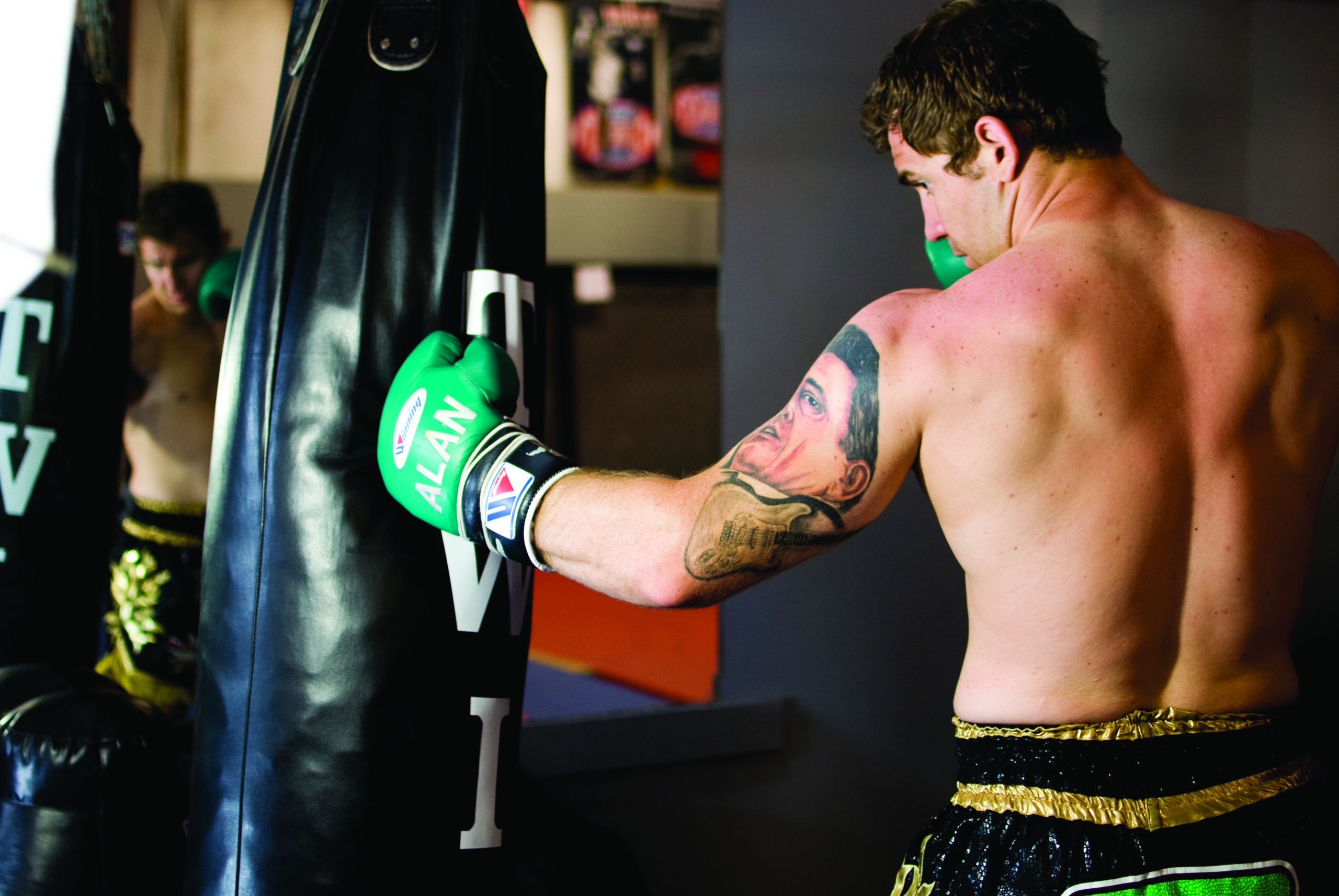
The heavy-bag photo gives a clear view: Cash’s face fills the upper arm, with the guitar below near the elbow. Belcher said in a MyMMANews interview with Tony Reid that his father and grandparents shaped his interest in country music, especially records from the 1950s through the 1970s. He connected Cash with Arkansas and the background he understood. That’s the reason he gave for choosing the singer.
The face is easy to see against open skin, and the guitar gives the portrait a clear lower edge. The interview doesn’t name the tattoo artist or appointment date.
How the Cash tattoo looks during a fight
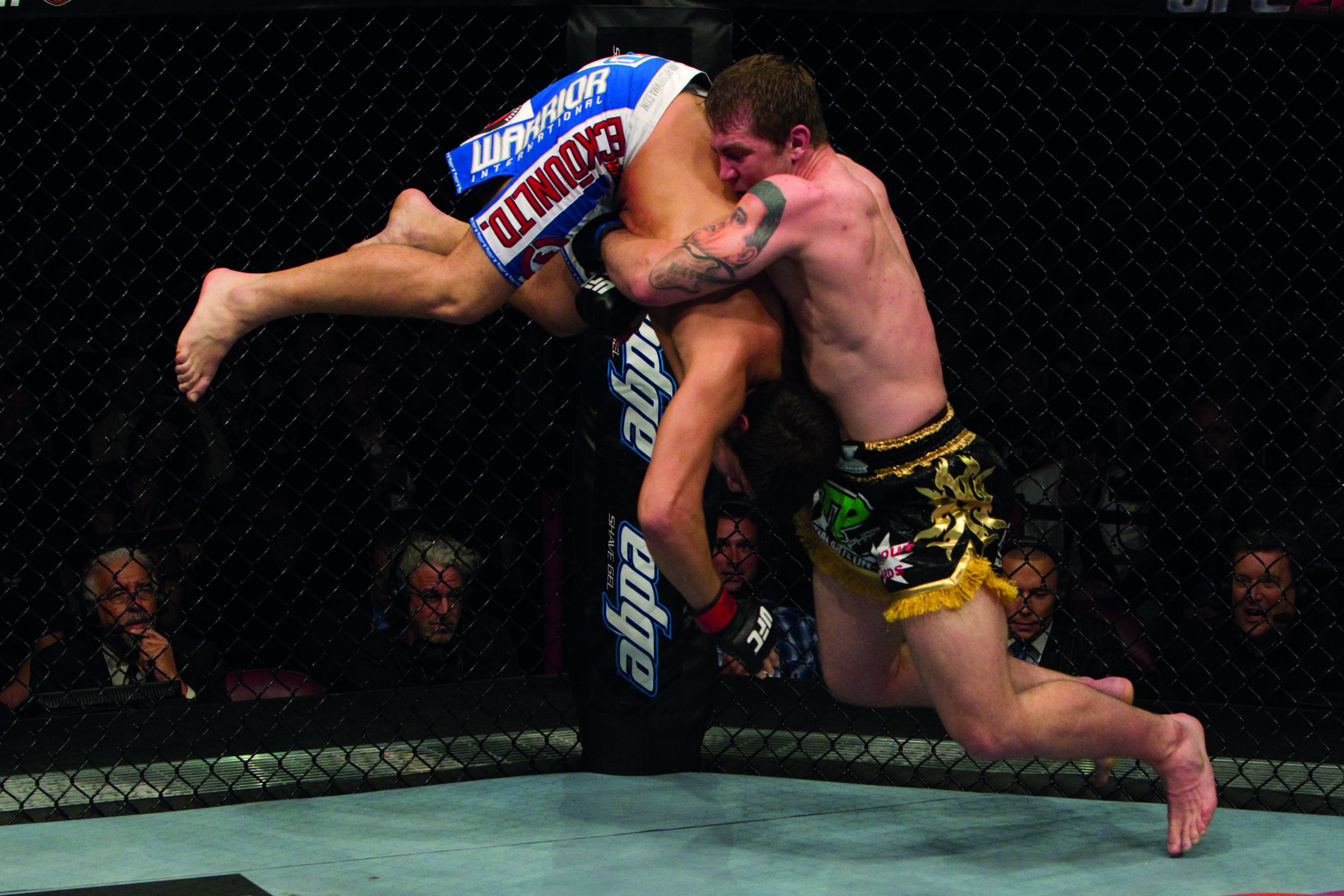
In the photo of Belcher lifting Patrick Cote near the fence, the portrait bends with his arm and is partly turned away. MMA Fighting identified it as Johnny Cash in coverage around UFC 100 in 2009, and discussed theories about muscle growth changing how it looked. That was speculation in the article, not a confirmed account from Belcher or the artist.
A second angle can make the face look wider or narrower without showing that the tattoo changed. The guitar below it remains another recognizable part of the design. For a different approach to fighter tattoos, see Alessio Sakara’s tattoos.
Country music away from the gym
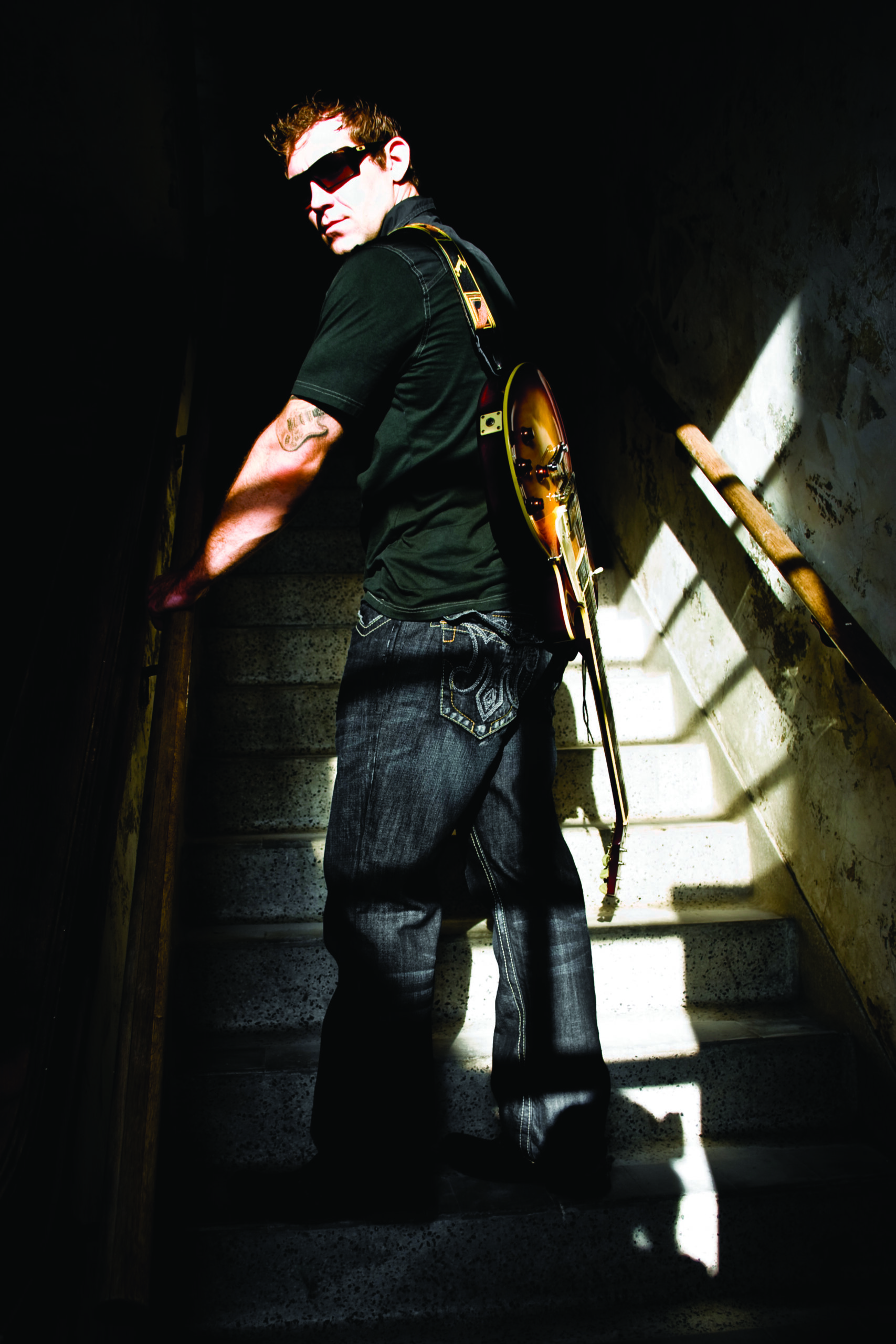
In the staircase portrait, Belcher wears sunglasses, a black shirt and jeans, with a guitar over his shoulder. A small amount of ink peeks out below the sleeve, but the photo is mainly a portrait of him away from the cage. The instrument he’s carrying is separate from the guitar in the tattoo.
The photo gives a visual echo of his music connection, but it doesn’t identify a song or an instrument model. Belcher’s own account—his family’s country records and his Arkansas background—is the firmer context.
The fighter behind the familiar image
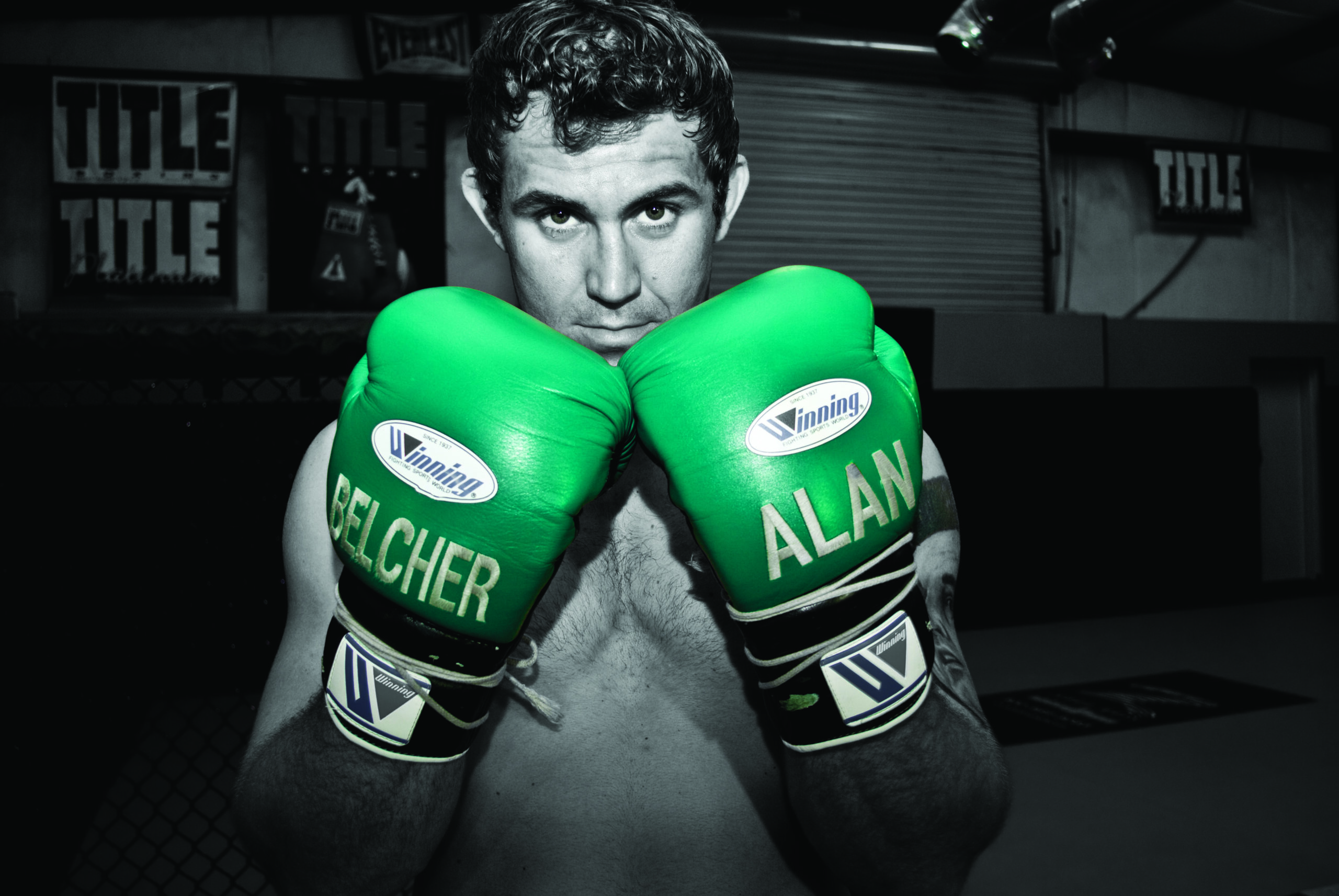
The gym portrait shows Belcher looking toward the camera with bright green gloves, while most of the image is monochrome. The selective color draws attention to the gloves and face; it isn’t a reliable guide to the tattoo’s actual color.
A 2010 magazine profile covered Belcher’s training and career, including his work with Duke Roufus. The portrait shows a fighter at work, while the Cash tattoo is one part of that larger life.
Fight strategy in magazine photography
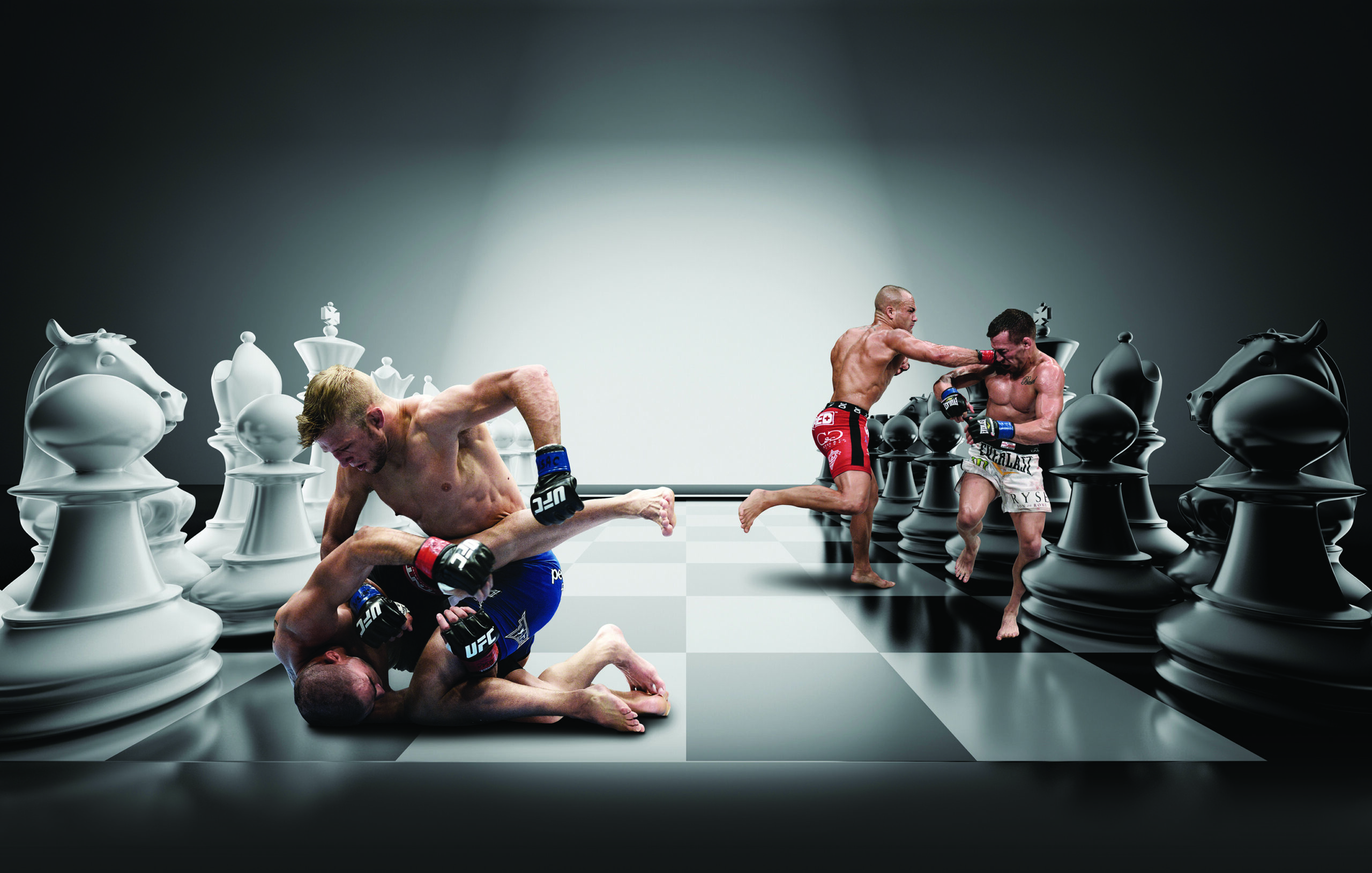
This editorial composite places Belcher on the left in blue shorts, grappling with Rousimar Palhares among oversized chess pieces. The chessboard represents fight strategy; it isn’t the actual cage floor. The image provides career context rather than a close look at the tattoo.
GQ’s tattoo-identification video with Dana White also discussed the Cash portrait. White recognized it and gave his own blunt reaction. That opinion is separate from Belcher’s explanation of the family and music connection. The GQ clip is embedded below.