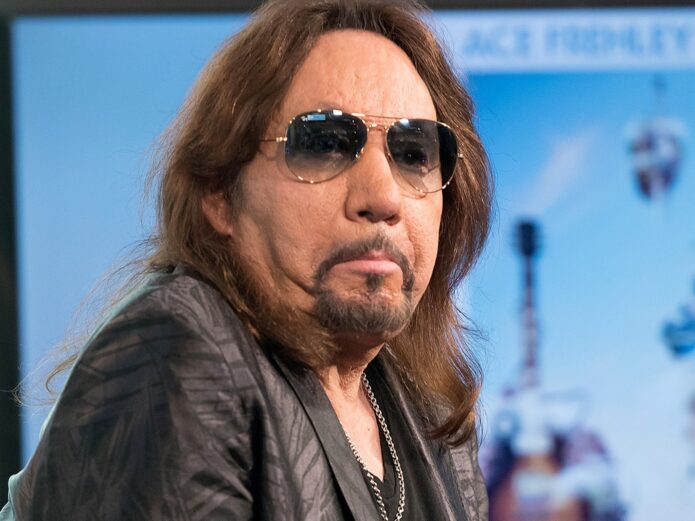
Ace Frehley’s tattoos are documented in a mix of interviews, archive entries and fan work. The KISS tattoo archive names two pieces on his arm, while a Revolver video shows him talking about tattoos as a fan gets an Ace-inspired design. Artist galleries add portraits of the Spaceman image. They belong to the same story, but not to the same person.
Ace Frehley’s personal tattoo record
The KISS tattoo archive describes two tattoos on Frehley: an ACE mark and a guitar-and-snake design with an Ace symbol. Later EOnline coverage shows guitar-and-dragon imagery on his upper arm. The sources don’t give a complete map of every mark or explain exactly how each photograph fits together.
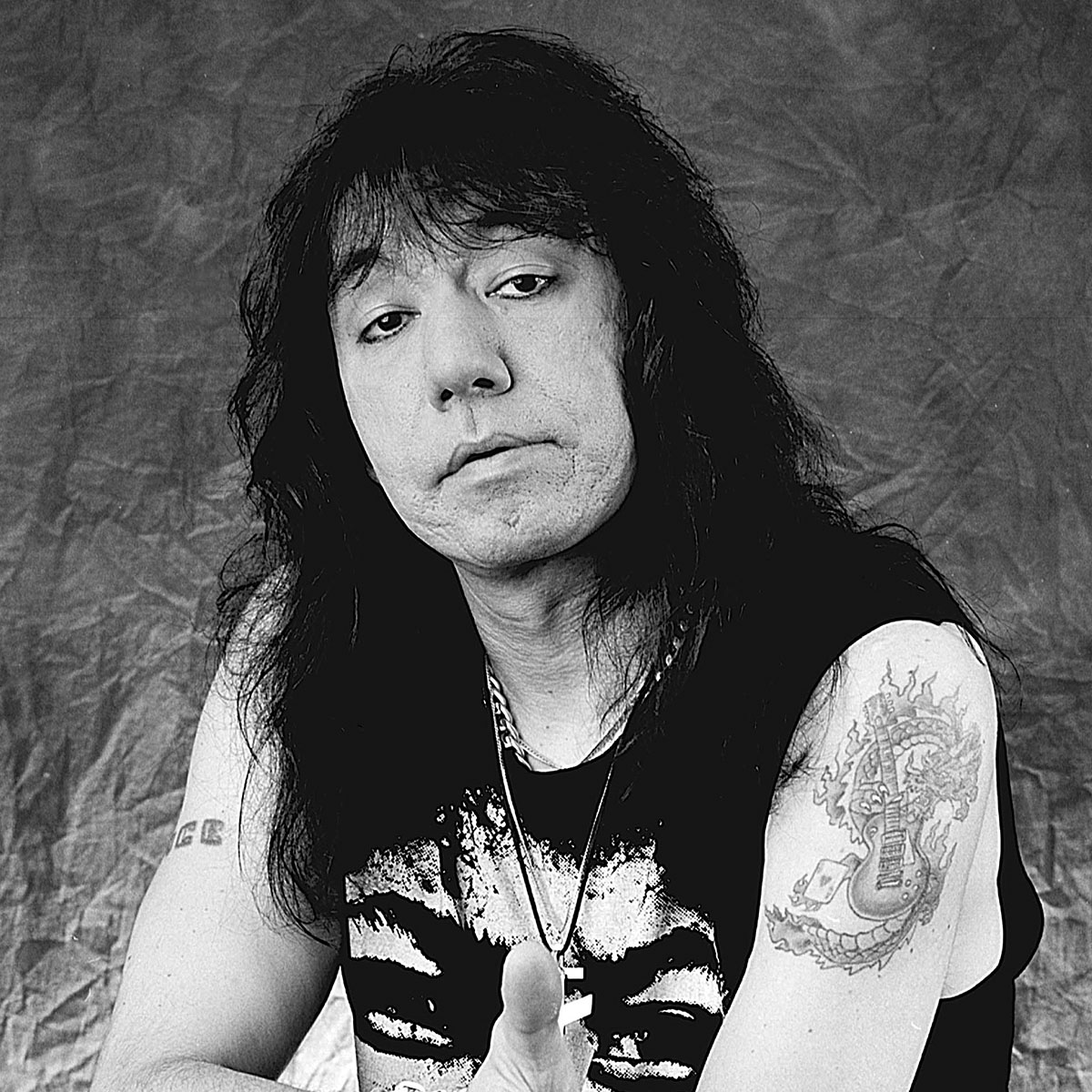
The archive is the clearest written account of Frehley’s own ink. It pairs the designs with photographs, so the description can be checked against the visible placement.
The ACE mark and the Spaceman identity
The ACE lettering sits on Frehley’s upper arm. The KISS archive dates it to the early KISS period, when the Spaceman name, silver costume and star-shaped makeup were becoming part of his stage identity. The name also followed him through solo work and decades of concerts.
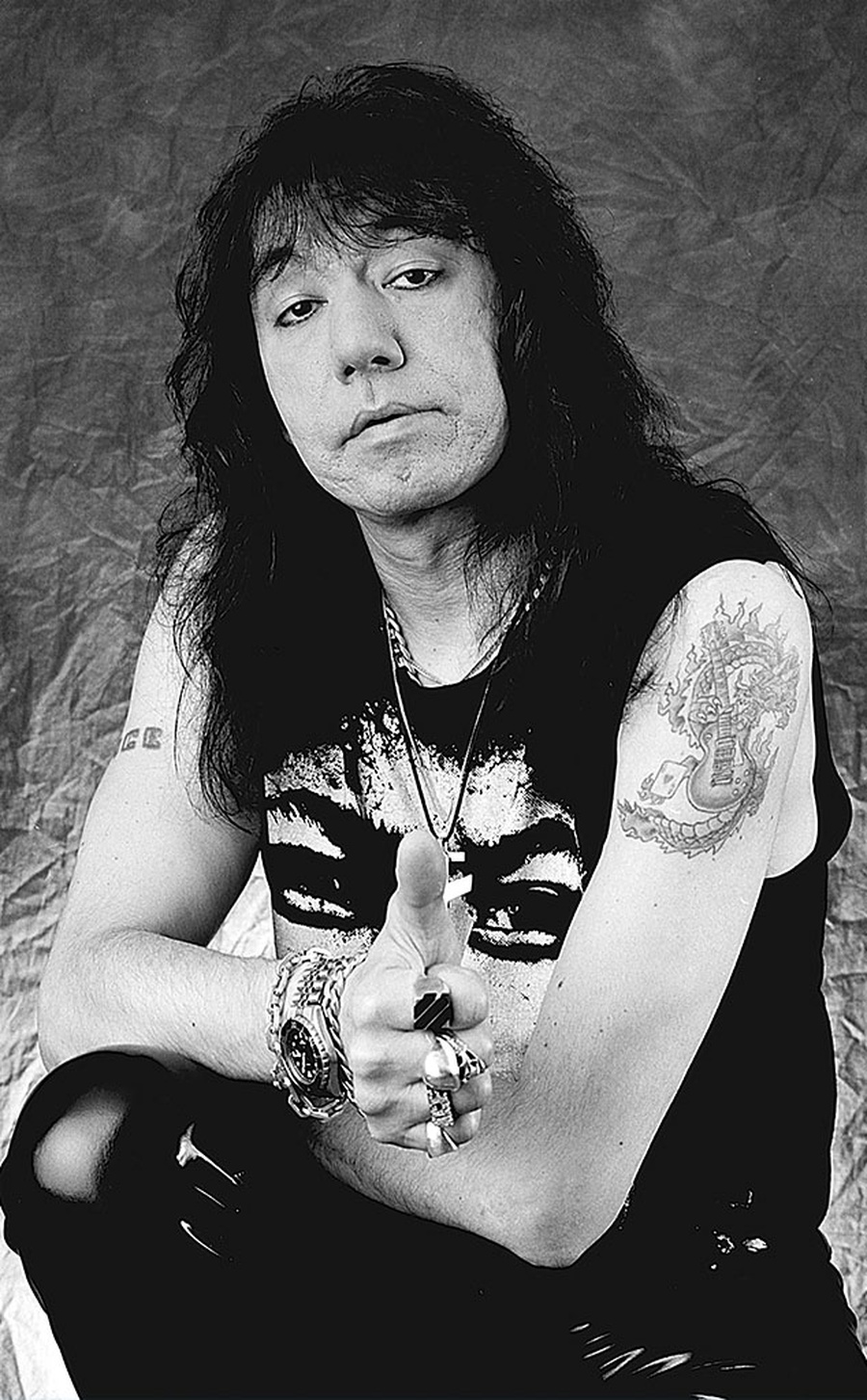
It reads like a short signature: one word, tied directly to the name fans know. A sleeve can cover it; it becomes visible in performance photos or when he wears a sleeveless shirt.
The guitar, snake and Ace upper-arm design
The archive describes the second design as a Gibson guitar with a snake around it and an Ace symbol on his upper arm. The guitar points to Frehley’s work as a player; the snake adds a familiar rock image, and the Ace ties the piece back to his stage name.
EOnline later describes a guitar-and-dragon image on his arm. That coverage adds another view, but the public sources don’t provide enough detail to say whether the dragon and the archive’s snake are the same design.
What the Revolver tattoo video adds
Revolver’s video shows Frehley discussing tattoos and KISS while tattoo artist Josh Lord works on an Ace-inspired piece for a fan. It records his own account beside a separate tribute.
Portrait tattoos inspired by Ace Frehley
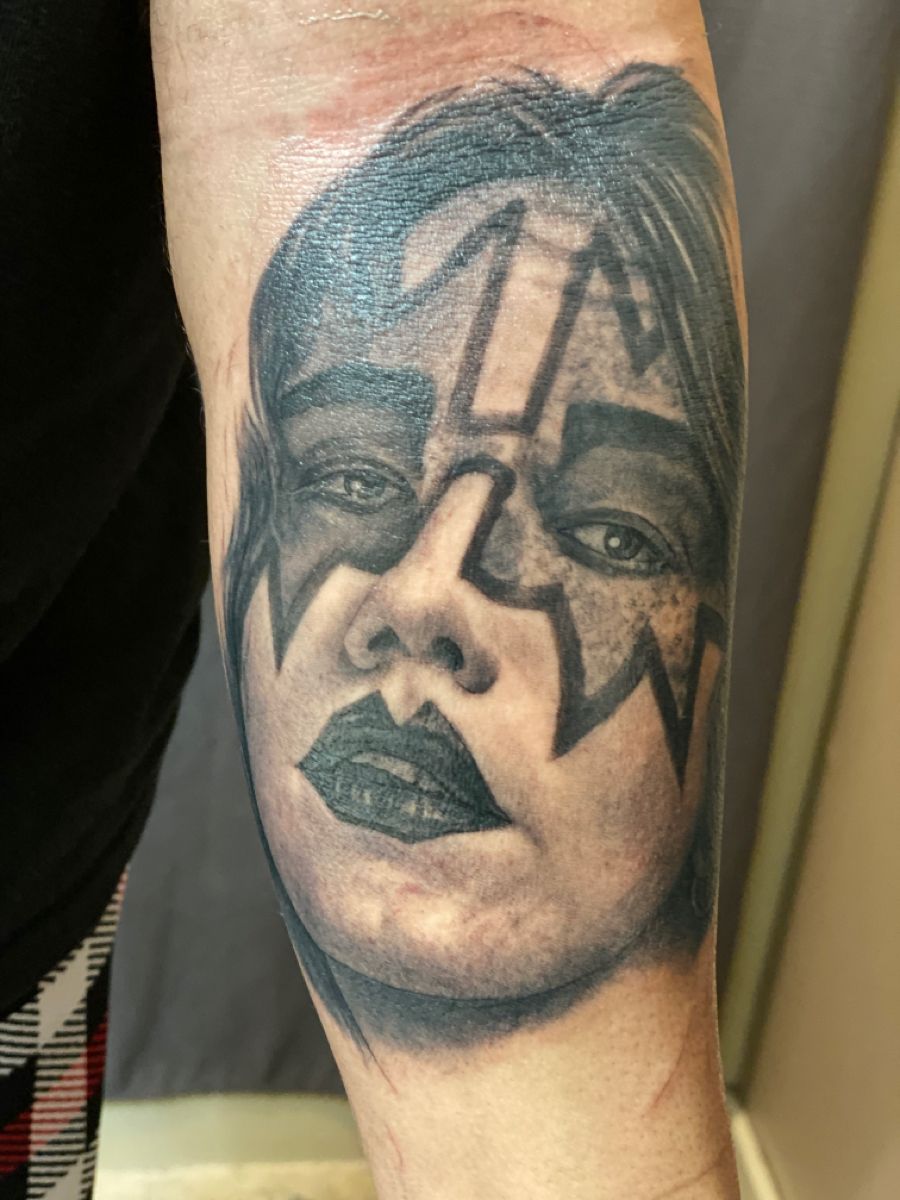
World Tattoo Gallery features Niki Norberg’s black-and-grey portrait of Frehley, with the star makeup, hair and studded stage clothes. Other artist pages show neo-traditional versions in colour, with bold outlines and lightning bolts. These are tribute tattoos, not additional marks on Frehley’s body.
The star makeup and hair make the Spaceman recognizable across styles. Norberg’s portrait relies on shading; the colour pieces use stronger outlines and bright accents to pick out the costume.
The autograph and signature as fan art
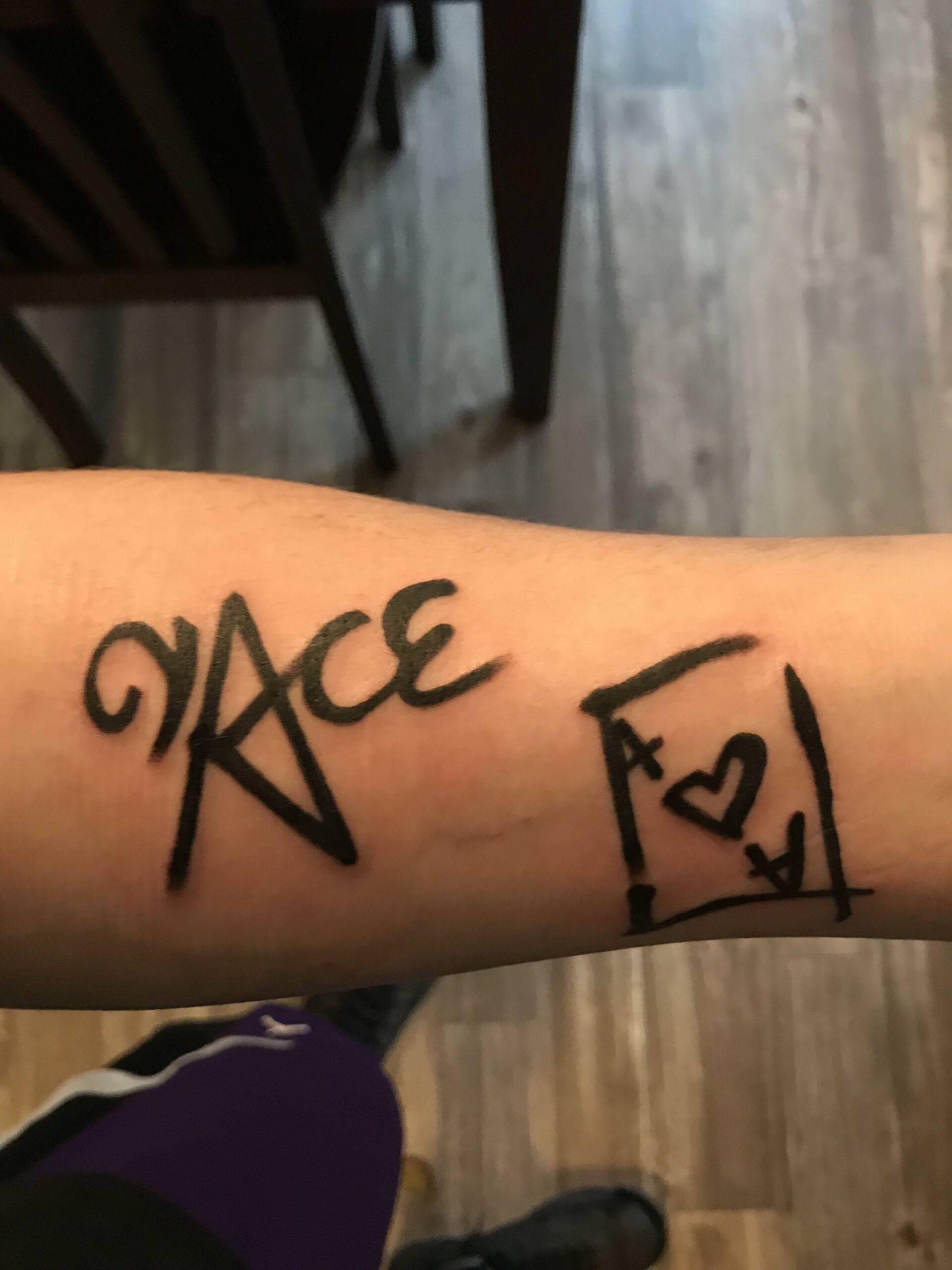
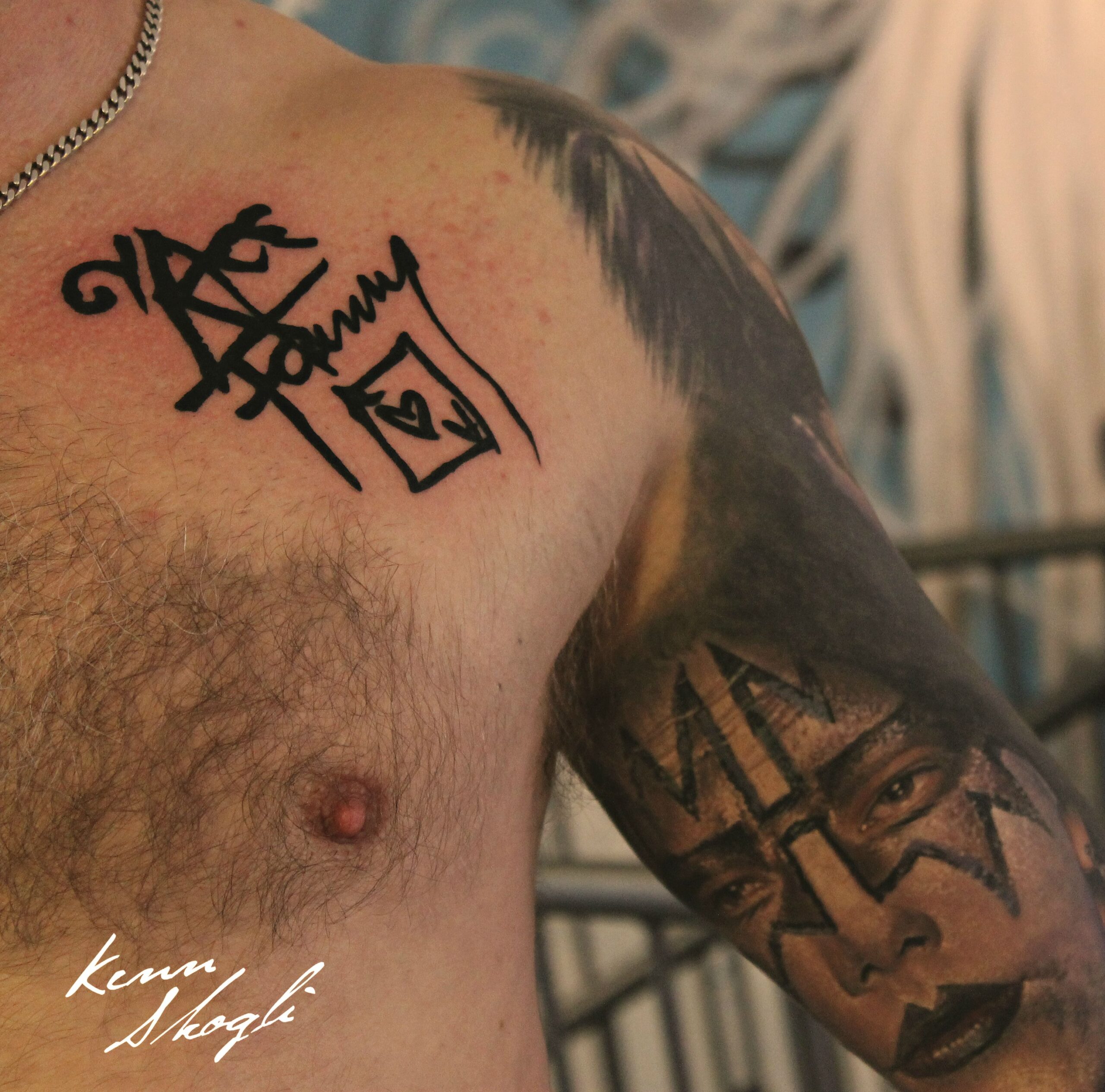
One documented fan tattoo turns Frehley’s ACE autograph into lettering, shaping the A like a star and adding a small playing-card detail. Another image shows a KISS autograph that a fan had tattooed after meeting him. Both designs belong to fans, and show how an autograph or band name can become a permanent piece of fan art.
Why the guitar motif remains central
The guitar connects Frehley’s tattoos to the work he is known for. His Les Pauls and stage effects are part of KISS history, and the instrument in the upper-arm design points to that specific career rather than music in the abstract.
Black-and-grey and colour interpretations
Concert lighting and stage clothes can make Frehley’s own tattoos hard to compare across photos. Fan portraits show the difference between black-and-grey work, like Norberg’s, and neo-traditional designs with colour, heavy lines and lightning bolts.
Black-and-grey shading can hold detail in hair, leather and makeup. Colour brings the bolts and costume accents forward, closer to a poster image. The reference determines what each style needs to emphasize.
How the sources separate personal ink from tribute ink
The KISS tattoo archive describes Frehley’s ACE and guitar-and-snake tattoos. Revolver shows him discussing his ink while a fan receives an Ace-inspired design. World Tattoo Gallery and artist pages document tribute portraits, while EOnline shows a guitar-and-dragon image in an upper-arm portrait. Each source supports a different part of the record.
A fan portrait may be clearer than a photograph of Frehley’s own tattoo, but it shows the fan’s choice, not another mark on his body. Keeping those records separate avoids turning influence into a false inventory.
Frehley’s stage image and rock legacy
Frehley was recognizable onstage for the silver makeup, star over one eye, reflective sunglasses, sequined jackets and Les Paul guitar. The ACE lettering carries the stage name onto his skin, and the guitar design brings the instrument into the same image.
Costumes changed between tours; the tattoos stayed with him. They add a quieter mark to a stage persona built around makeup and performance gear.
What is confirmed and what remains open
The sources support the designs they name and the existence of fan tributes. They don’t give a complete inventory, exact measurements or the full history of each session. A full map of every tattoo would go beyond the public record.
Final perspective on the documented record
Frehley’s tattoos and the art fans have made in his honour are connected through the Spaceman image, but they are separate records. The sources show that influence without filling in the parts of his collection they don’t document.
Sources and viewing notes
The main sources are the KISS tattoo archive, Revolver’s video interview, EOnline’s portrait coverage, World Tattoo Gallery and artist pages for fan tattoos. The featured portrait is kept separate from the tattoo-detail images, and the inline photographs identify whether they show Frehley’s own ink or a tribute.