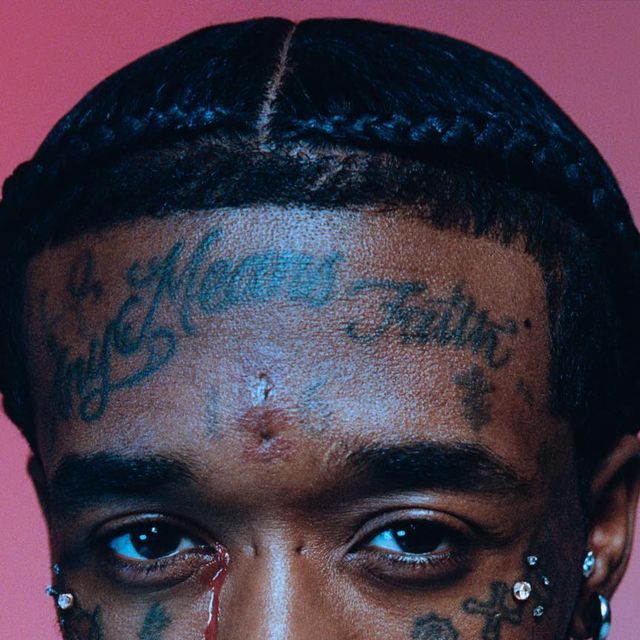
Lil Uzi Vert’s tattoos are tied to a changing look, from the early word “Faith” to later facial symbols and a forehead mandala. The pink diamond attached to his forehead in 2021 was jewelry, not ink. Some designs are easy to identify; others appear in photos without a confirmed meaning.
The chronology helps explain why photos look so different. A close-up may show lettering that is later covered, altered or hidden. Some meanings come directly from Uzi; others are fan interpretations.
Faith was Lil Uzi Vert’s first face tattoo
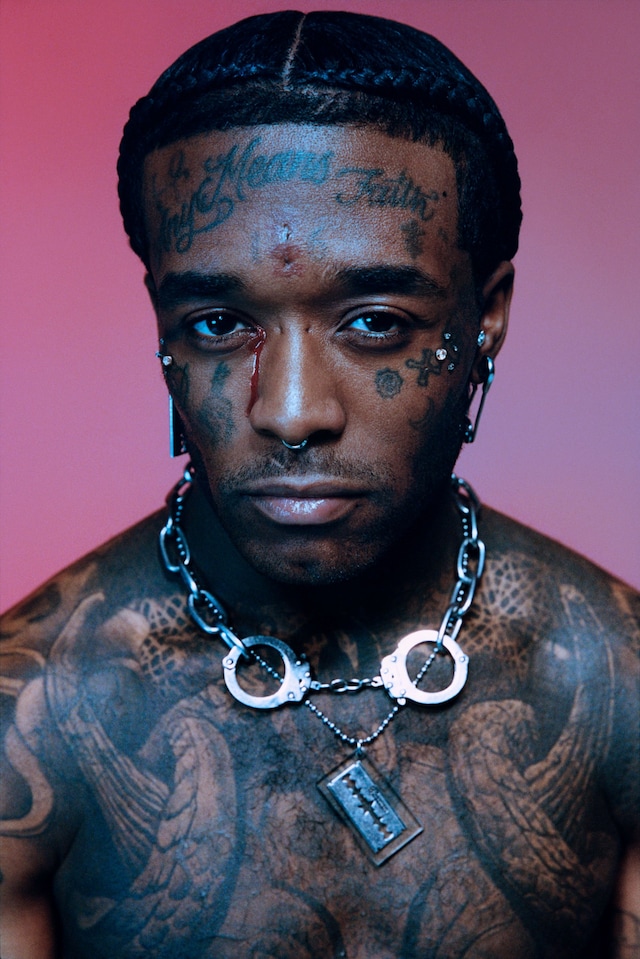
The Faith lettering is often identified as Uzi’s first face tattoo. Biographical accounts tie it to a time when he wanted to take rap more seriously. In early photos, the cursive word sits just below his hairline.
That account gives “Faith” a career context. It does not explain every private reason behind the tattoo or give later symbols the same religious meaning.
The number sixteen belongs to a later visual phase
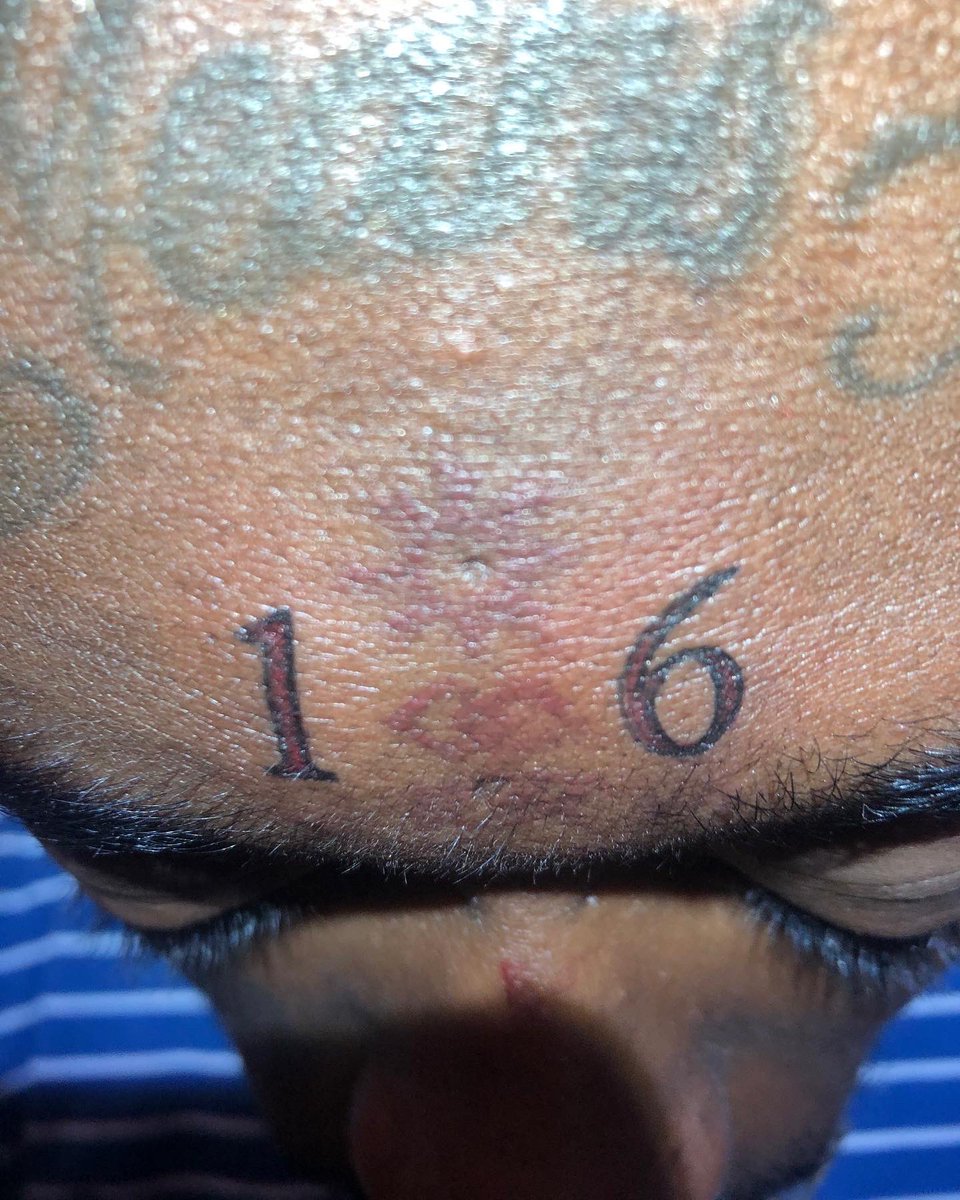
The number sixteen appears above Uzi’s eyebrows in close-up photos from a later period, separate from the earlier cursive word. The photos show its placement; the sources do not give a definite reason he chose it.
A number can invite guesses about dates or private associations. Without a statement from Uzi, the clearest account is simply that 16 appeared on his forehead in photos from that period.
Small facial symbols are easier to verify in close-up photographs
A facial symbol tattoo and several other small marks appear in close-up photos. One is a rose, but the sources do not confirm who tattooed it or what it means. It is clearer to describe the image than attach a standard rose symbolism.
Makeup, shadows, piercings and hair can all change how a mark looks in a photo. A sharp image can show where a tattoo appears, but may not establish when it was done or whether later work changed it.
What the dated photos show
The 2023 forehead mandala changed the outline of the collection
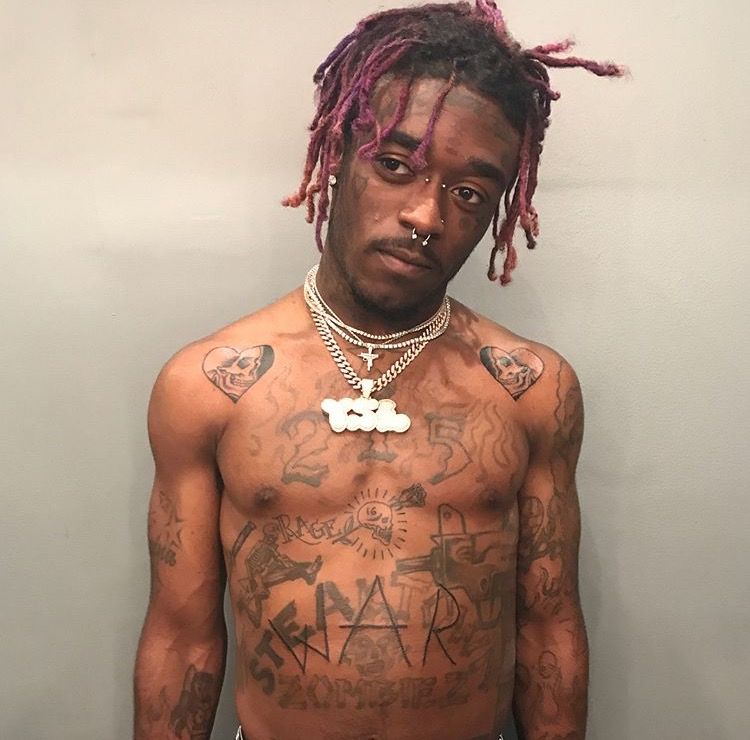
The 2023 forehead mandala marked a new phase in the collection.
In 2023, coverage from Inked and XXL described a new black-and-grey forehead mandala pattern. The reports linked the work to Los Angeles artist Yatzil Elizalde and said it covered much of Uzi’s forehead. It was a later addition, not a new explanation for the earlier Faith tattoo.
The mandala’s size can be hard to judge in photos cropped at the eyes or hairline. A straight-on close-up makes the pattern’s reach and geometry clearer. Reports tie Yatzil Elizalde to this piece; that credit should not be applied to all of Uzi’s facial tattoos.
The pink diamond was not a tattoo.
Uzi had a pink diamond attached to his forehead in 2021. It was later torn during a performance and removed, according to coverage; GQ described how it was attached and the risks, and later reports said he planned to put it back. It changed how his face looked in photos for a time, but it was jewelry or body modification, separate from his tattoos.
That distinction matters when looking at his tattoo history: ink sits beneath the skin, while the diamond was a separate attachment. Counting the jewelry as a tattoo would blur the timeline.
Frequently asked questions
The record follows Uzi from “Faith” to 16, more facial symbols and later large-scale work. There is no full official inventory, and many marks have no confirmed meaning. Dated photos help show exactly which design was visible.
“Faith” has a reported career context; 16 is visible but unexplained; the rose is identifiable in photos; and the mandala has a reported artist and date. Those details deserve different levels of certainty. Other meanings can stay open.
Uzi’s tattoos continue to change along with his look. New photos or a direct explanation could add to the record. For now, it helps to keep ink separate from jewelry, reporting separate from speculation, and each design tied to its period.
Different outlets may focus on different moments: hairline lettering in one story, a later mandala in another, or the diamond that appeared for part of Uzi’s public life. These can all describe separate stages. Keeping the dates attached makes the sequence clear.
A close-up can show a word or symbol, and an artist’s post can identify who made a piece. Neither proves the tattoo’s emotional meaning. If Uzi has not explained it, the design, location and photographed date are the details we can state.
Future photos can add detail without changing what earlier images showed.
Even face ink can change how a portrait reads: a small word may disappear under stage lighting, makeup or a different camera angle. A photo can confirm the mark; an interview can explain its context.
The number 16 belongs to a later stage of Uzi’s look than the word “Faith.” They may appear together in close portraits, but they are separate designs from different points in the timeline.
Some hand and face marks appear clearly in one image and vanish in another. When a photo is blurry, it is better to leave a line unnamed than build a design around it. The record can stick to what the images actually identify.
Dates matter as the tattoos grow or change. New work may cover, extend or draw attention away from older marks; a later photo cannot prove an earlier tattoo is gone just because it is hidden. Side-by-side images show the sequence better than a single final count.
The clearest entries are “Faith,” 16 and the face work shown in dated photos. Their locations are distinct; the rest can stay descriptive until stronger evidence turns up.
Faith, sixteen and the later marks all shape Uzi’s portraits. Lighting, makeup and surrounding work can make the same tattoo look sharper or softer from one photo to another. Dates help distinguish those changes from a new design.
Exact wording matters too. Keep a phrase in quotation marks as it was reported; a generic paraphrase can erase what makes a small tattoo distinct.
The smaller hand and face pieces deserve their own close-up treatment
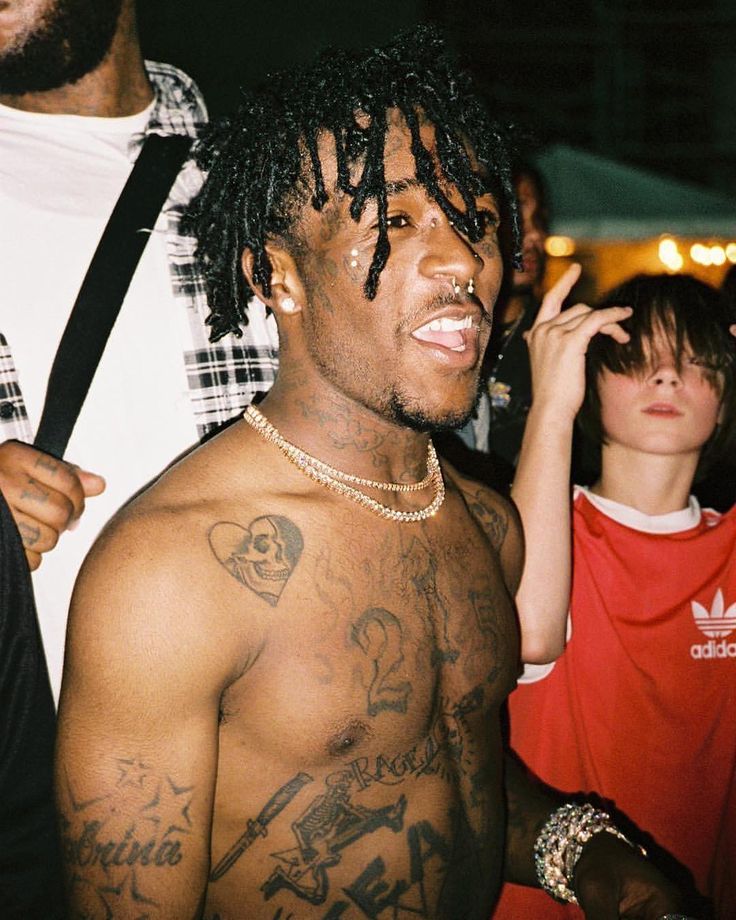
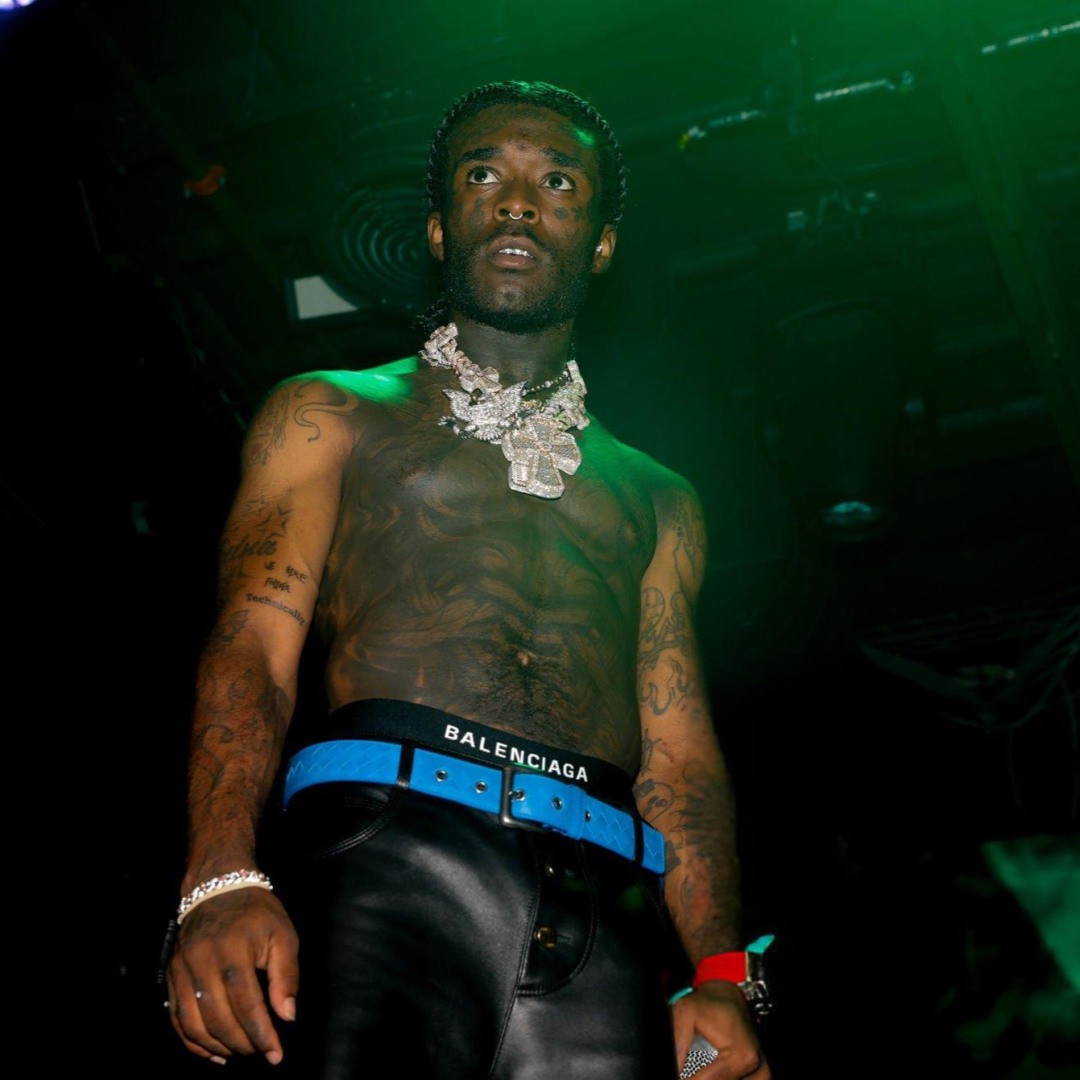
The smaller hand and face tattoos can be hard to spot in concert photos under coloured lights. A sharp crop shows their outline and placement, while a dated post or interview helps establish when a design appeared.
The number 16 is recognizable, but its meaning should not go beyond what Uzi has shared. The same goes for “Faith”: we can identify the word, but its full personal story is his to tell. Clear descriptions and open questions make a more accurate record.
Uzi’s appearance can shift as old tattoos fade or get covered and new ones appear nearby. These designs make more sense when read across time, without forcing them into one explanation.
2 thoughts on “Lil Uzi Vert’s Ink Keeps Changing: Faith, Face Symbols and the Forehead Mandala”