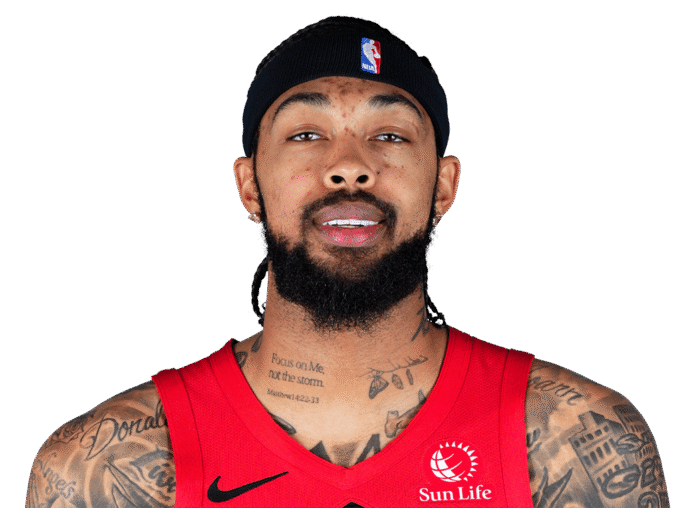
Brandon Ingram’s tattoos have grown into a kind of visual diary. He started getting ink at about 15, and his arms and chest now hold family tributes, scripture and phrases he returns to. The designs stretch from his shoulders to his wrists, though not every piece has a public explanation.
The thread that comes through most clearly is home. Ingram has talked about growing up in Kinston, North Carolina, the work his parents put in and the relatives who helped raise him. The tattoos keep those people and the mindset of his early years close, even as his career took him from a small-town gym to the NBA. Some pieces are easy to read; others only come into focus in a close photo.
Family, honor and loyalty sit at the center of the collection
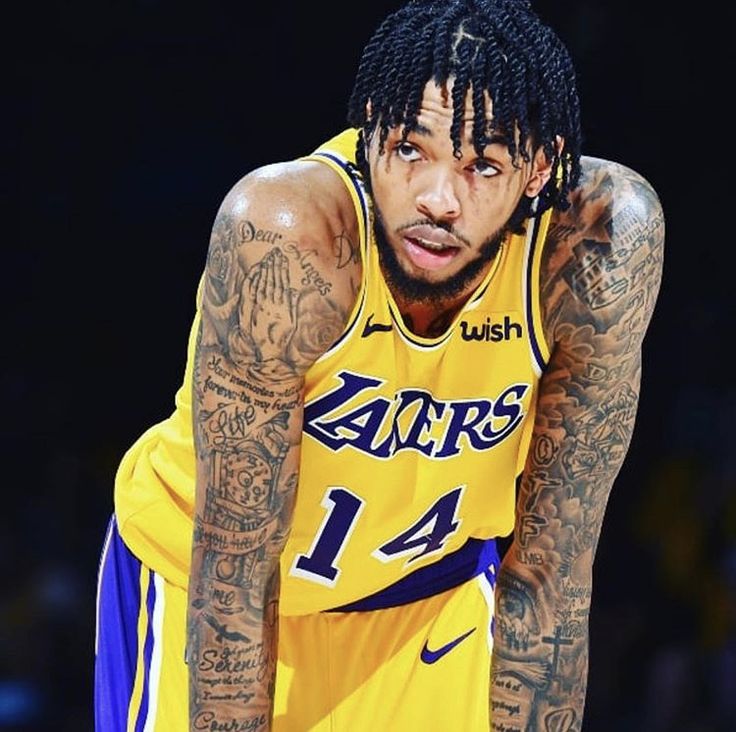
The star-shaped Family, Love, Honor and Loyalty tattoo on Ingram’s upper arm is one of his most recognisable pieces. Its words frame a central design, giving it the look of a badge rather than a plain line of script. The image is decorative, but its message points to the family theme that runs through the rest of his collection.
Ingram has said some of his arm tattoos honour people who were important while he was growing up. He was especially close to his great-aunt Leatha Smith, who helped raise him while his parents worked long hours. That history gives the family lettering a personal context: it recalls the people who were there before basketball carried him to the NBA.
His chest carries a message about time and faith
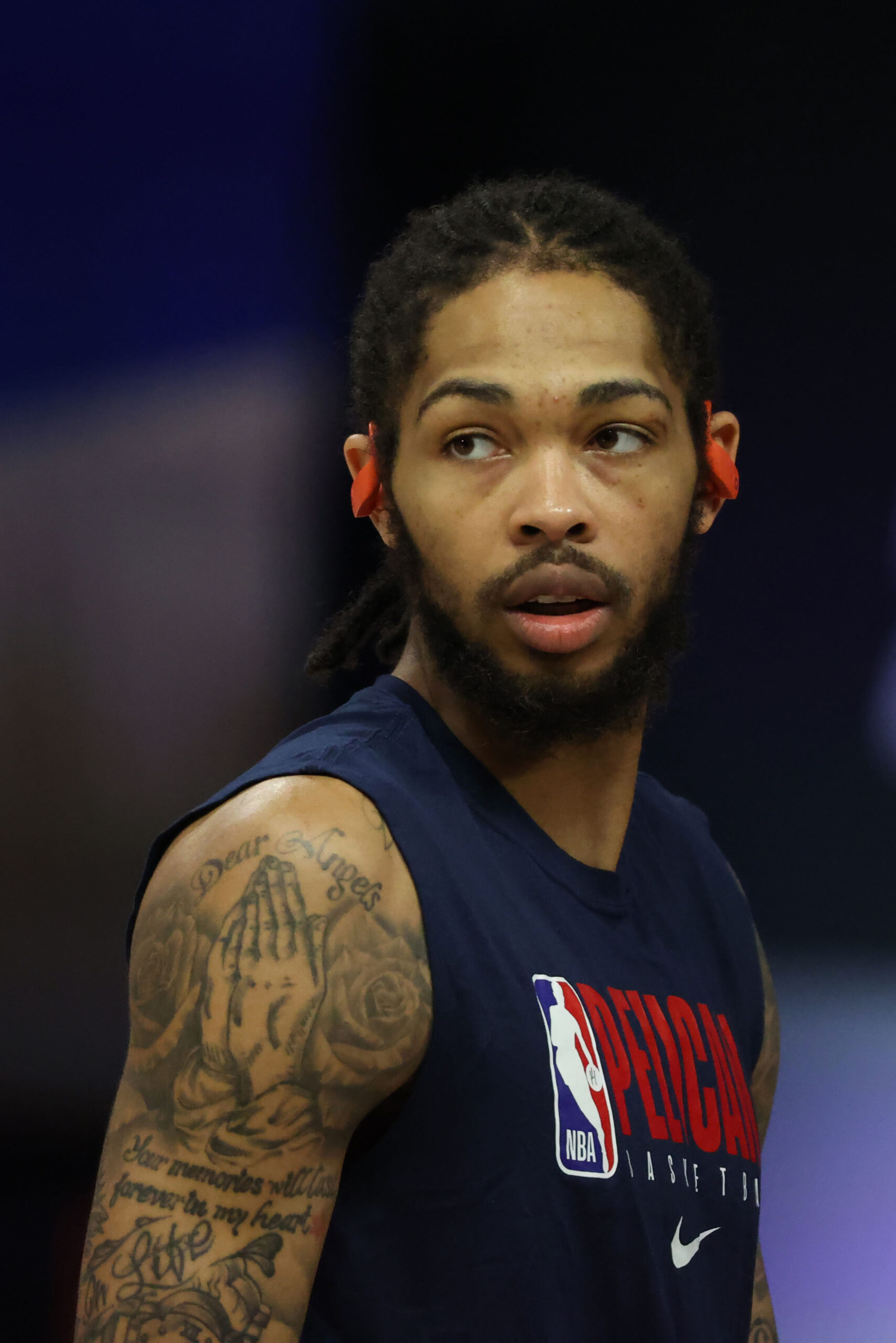
Across Ingram’s chest, “Live for Today, Pray for Tomorrow” sits alongside a winged Celtic cross. The phrase is readable in shirtless photos, and the cross fills out the surrounding space with a more traditional religious image.
The Celtic cross has been described as a tribute to family members who have died. Ingram likes the artwork, but the people and memories attached to certain tattoos matter too. Chest placement keeps the words close, even when his jersey covers them during a game.
A large numeral 4 appears among the chest designs. It shows up in tattoo inventories and close-up photos, though not every smaller mark has a clear public explanation. It helps to keep what can be read separate from what Ingram has actually said about the meaning.
The names Donald and Joann are tattooed on his shoulders for his parents. These are among the most direct pieces in the collection: the names themselves say who they honour, without needing an elaborate interpretation.
Their work ethic is a big part of Ingram’s story. His father worked at a forklift plant, helped run a gym and refereed basketball; his mother worked in pharmacy services. Ingram has recalled seeing his dad put in very long days and still show up for him. The shoulder tattoos keep those two people close and recognise the foundation they gave him before anyone knew where basketball would lead.
The rose and “Promised” ink cover his left wrist and forearm
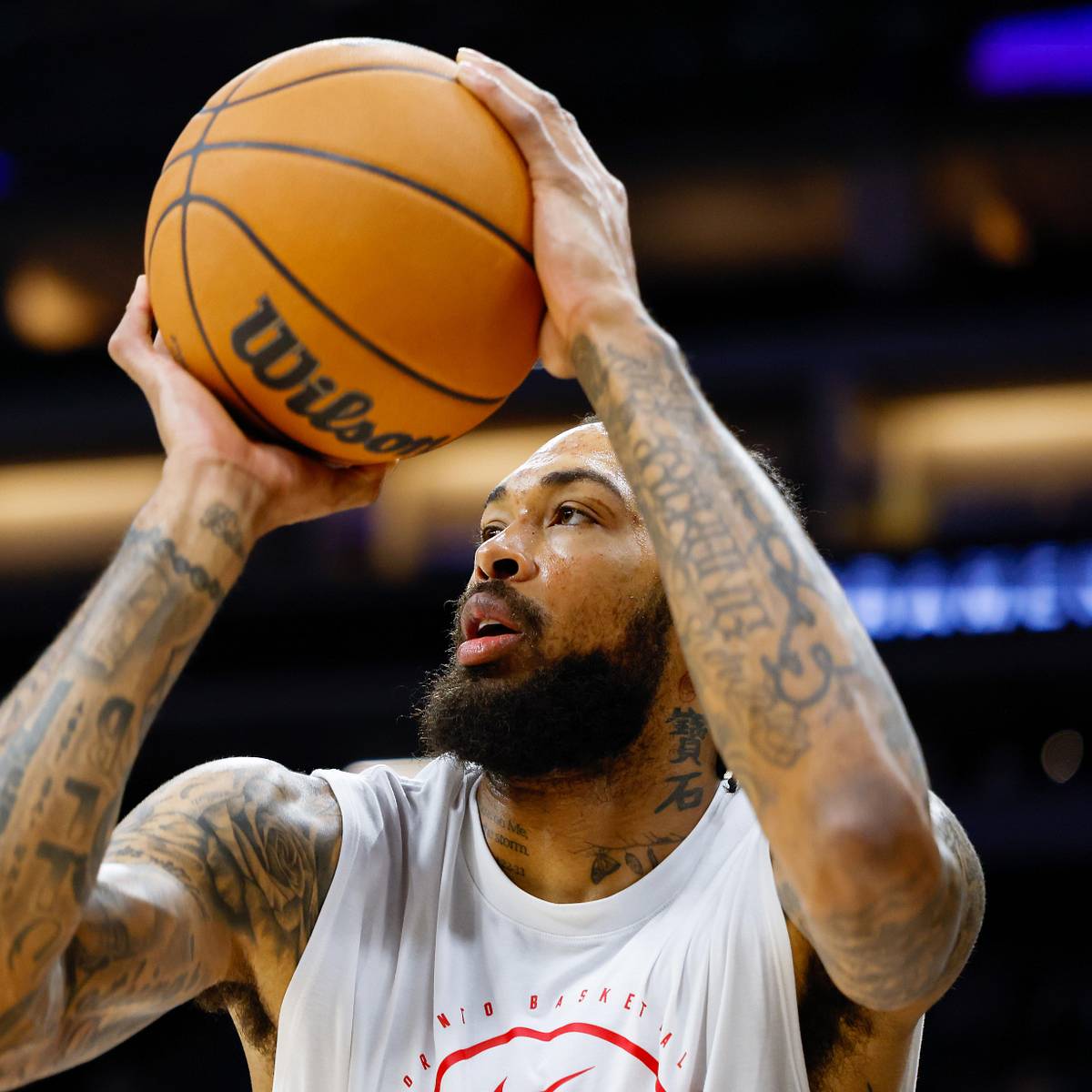
A detailed rose on Ingram’s left wrist is easy to pick out in a close-up. It sits within a broader stretch of arm work, with lettering and shading continuing up the forearm. The word “Promised” is visible in the same area, adding text alongside the floral design.
Roses often appear in family or memorial tattoos, but Ingram has not assigned one meaning to every rose on his body. The design is clear in the photos; the private reason behind each detail is not. What can be said is that it sits among the words and images that give this section of his arm its layered look.
On his right shoulder, a prayer-hands tattoo honours his grandmother Ida Mae and great-aunt Leatha Smith. Ingram drew the design himself as a blueprint, making the piece personal both for the family it remembers and for the image he helped shape. It turns that family history into a picture instead of another line of script.
That creative detail fits with Ingram’s background in art. At Duke, he studied art and spent time drawing basketball scenes, shoes and people around him. He has said sketching comes naturally to him, so creating the outline for his own prayer tattoo feels like a natural extension of that habit. It is not only a finished design; it also reflects how he turns memories into images.
“Nothing’s Promised” is one of his clearest arm phrases
One of Ingram’s best-known phrases is “Nothing’s Promised.” The words on his arm fit the grounded tone of the family tattoos. They sound less like a boast than a reminder that circumstances can change quickly.
Another line carries a similar thought: “The fear of suffering is far worse than suffering itself.” Ingram has explained that it helps him worry less about what might happen and keep going through difficult stretches. The words are more than decoration; they give him something to come back to.
His motivational tattoos feel like reminders for himself, not lines chosen for the cameras.
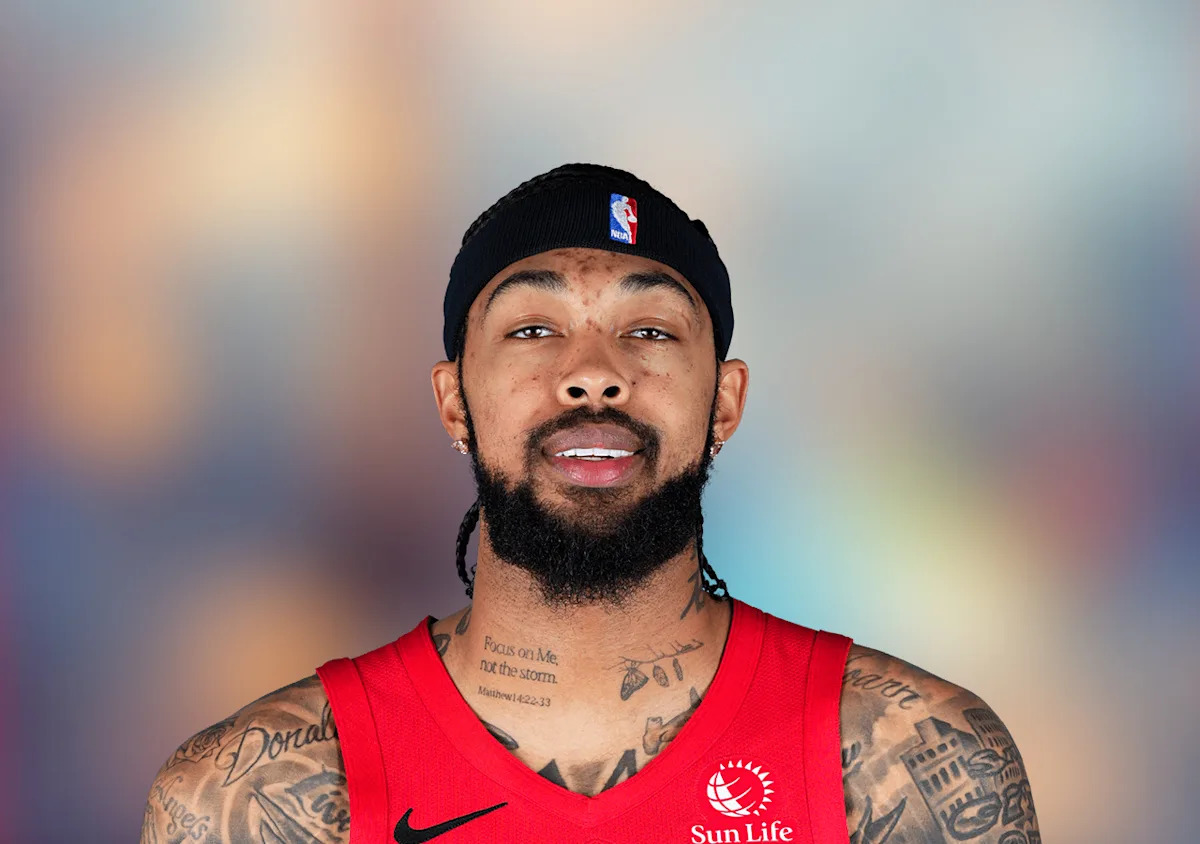
More recent photos show script on Ingram’s neck, including “focus on me, not the storm.” The phrase was reported during a period when he was reassessing his career and concentrating on what he could control. Its placement makes it more visible than the older pieces on his chest and shoulders.
The neck script fits the rest of his collection: practical, direct and personal. A warm-up top can cover it, but the words remain close to his face. It is a reminder to stay steady when the circumstances around him feel unsettled, rather than a reference to a team, season or statistic.
His forearms are packed with smaller designs
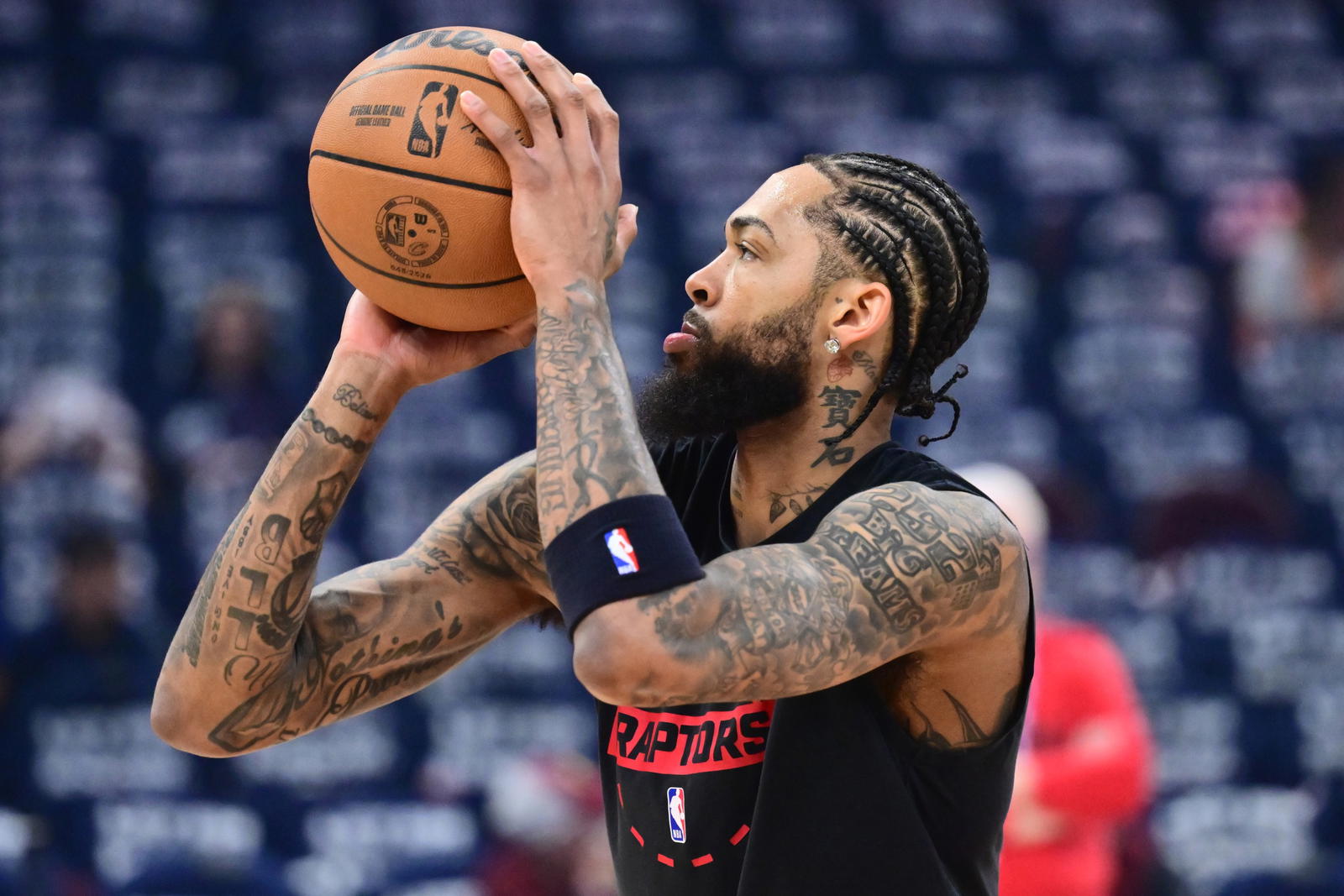
Ingram’s forearms are where the tattoos start to feel like an archive. The area holds script, small symbols, shaded figures and details that are hard to identify unless a photo is sharp. A visible “Believe” sits among the designs, along with pieces catalogued by Body Art Guru and older basketball profiles.
The variety is part of what makes the arms interesting. Bold lettering gives way to a rose, then a portrait or a small emblem. The designs do not look as if they were all planned to match; they read as pieces added over time wherever there was room.
Other documented designs include a portrait tattoo, a heart with a letter, a crown behind the ear, a Jesus figure, barbed wire and words such as “Strong” and “Survive.” Some are easier to make out in dedicated photos than in a game image, where motion, sweat and sleeves obscure the details.
The often-repeated total of 46 tattoos is best understood as an inventory from a particular moment, not a permanent count. Ingram has continued to add ink, and designs can overlap, fade or be covered. The broader pattern is clearer than an exact number: phrases about resilience, images tied to family and enough small pieces to make the arms feel like a collection still growing.
The tattoos are varied, but the themes connect. Family names sit alongside words about faith and endurance. The prayer hands recall the women who helped raise him; the chest carries memorial imagery, while the arm script points back to his parents and hometown. The ink follows his history, not just the lines of a basketball uniform.
Ingram started young, but the size of his collection is not the point by itself. The designs accumulated as he found people, memories and ideas he wanted to keep. “Forty-six tattoos” sounds like a statistic; the names and phrases show the life inside that number.
He has not explained every mark, and the confirmed pieces already tell plenty. They point to family, faith, work and the determination that brought him from Kinston to the league. Once you know what to look for, the tattoos are hard to miss.