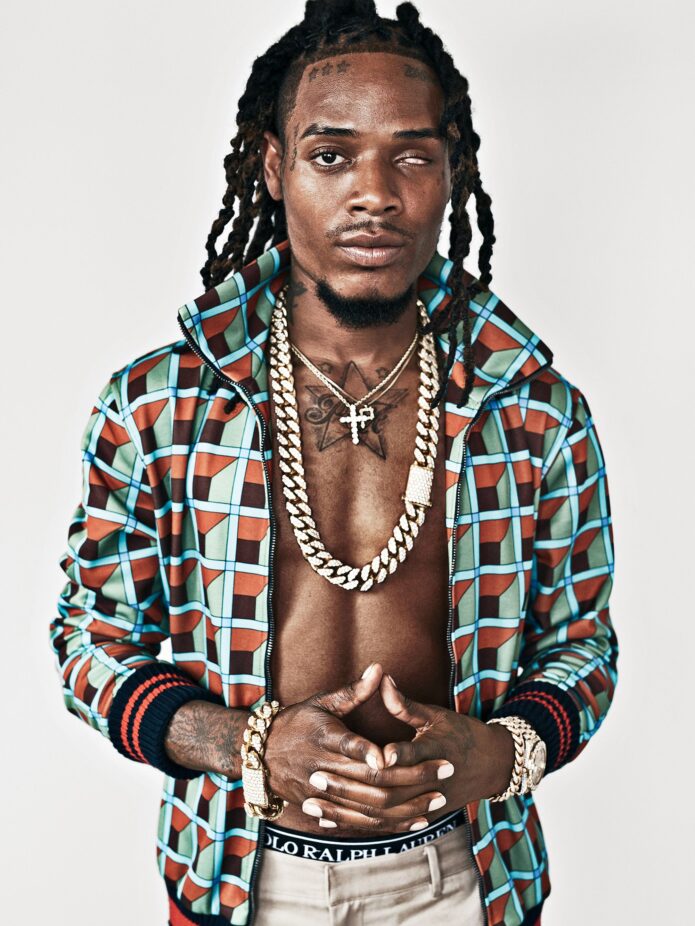
Fetty Wap’s tattoos have always looked like they arrived at the same speed as his music career: fast, bold and not especially interested in playing it safe. The “Trap Queen” rapper has ink on his face, neck, hands, arms and chest, and he has never pretended that every session was comfortable. In fact, he has said pretty plainly that he doesn’t love getting tattooed. He just loves what the finished work looks like.
That contradiction gives the collection its personality. There are tattoos tied to family, crew, faith, basketball and the people he has lost. There are also designs he admits were impulsive or simply looked cool at the time. Fetty Wap’s tattoos don’t read like one carefully planned visual identity. They feel more like a running diary written in different chapters.
His first tattoo was a team family mark
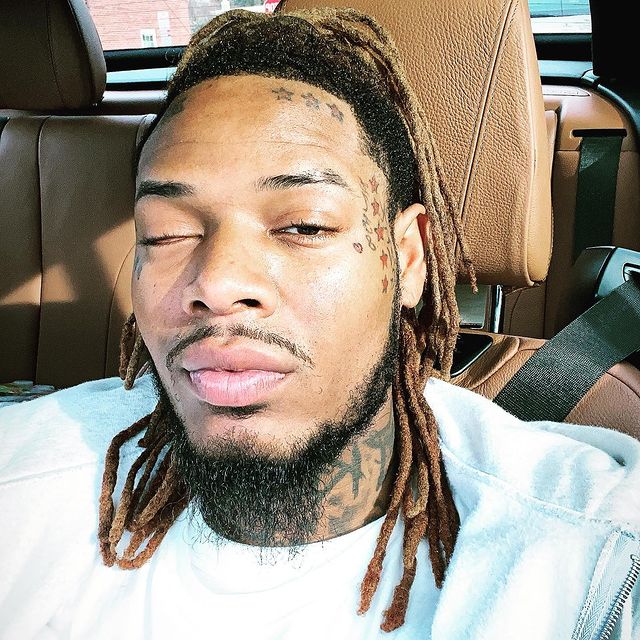
Fetty has explained that his first tattoo was “Team Fam”, short for team family. He got it when he was very young, younger than he now thinks he should have been, and he laughs when he remembers that he promised his mother he would never tell her about it.
Even with the embarrassment, he still calls it one of his favourites. It was never retouched or cleaned up, which means it has kept the roughness of the original piece. That matters because the tattoo is less about perfect linework than it is about where Fetty was at the time. Before the hits, before the face tattoos and before the gold chains became part of the uniform, family was the first thing he put on his skin.
It is a scrappy beginning, but it explains more about him than a polished cover-up would have. The tattoo stayed because the memory stayed.
The black cross came next, after a long break
Fetty says he waited about seven years before getting the next tattoo. That gap is easy to miss when you look at the full collection now, but it shows that he did not always plan on becoming heavily tattooed. His next piece was a black cross, a design he has connected with the religious side of his upbringing.
The cross also became a visual anchor for the ink that followed. Once he started adding work again, the designs spread across his body instead of staying tucked away on one arm. The result is a collection where religious symbols can sit beside crew marks, portraits and more playful ideas without feeling like they belong to separate people.
Fetty has described the pain as the least enjoyable part of the process. He is not the kind of collector who romanticises the needle. He accepts the discomfort because he likes the look and because certain pieces mean enough to be worth it.
Family and crew names show up across the face and neck
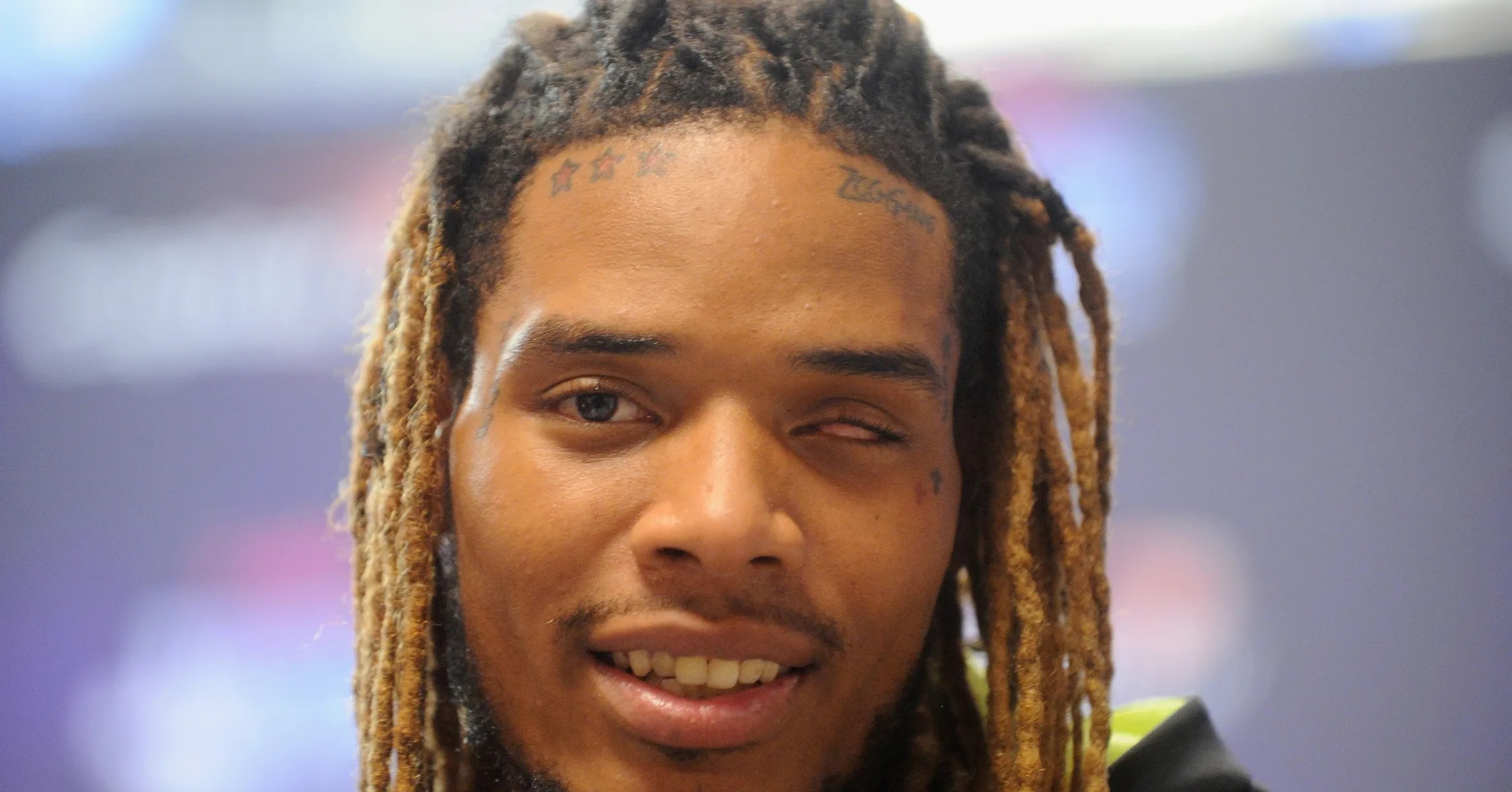
Some of Fetty’s most recognisable tattoos are the ones connected to his circle. On the left side of his face, he has RGF, a reference to Remy Boyz and the world around his music. He also has small crosses tied to his grandfathers, plus his son Aydin’s name.
Those designs help explain why his face ink never feels completely random. From a distance, the tattoos can blend into one loud visual field. Up close, they are made from separate pieces of family history. A crew initial, a memorial symbol and a child’s name all sit in the same area, turning the face into a kind of introduction before he even says anything.
It is also the area he has spoken about with the most regret. Fetty has called some of the neck work the dumbest thing he has done, which sounds harsh but feels honest. Face and neck tattoos are permanent decisions with a very public footprint. He can dislike one piece and still understand why he got it at the time.
The star tattoos are part of the Fetty Wap look
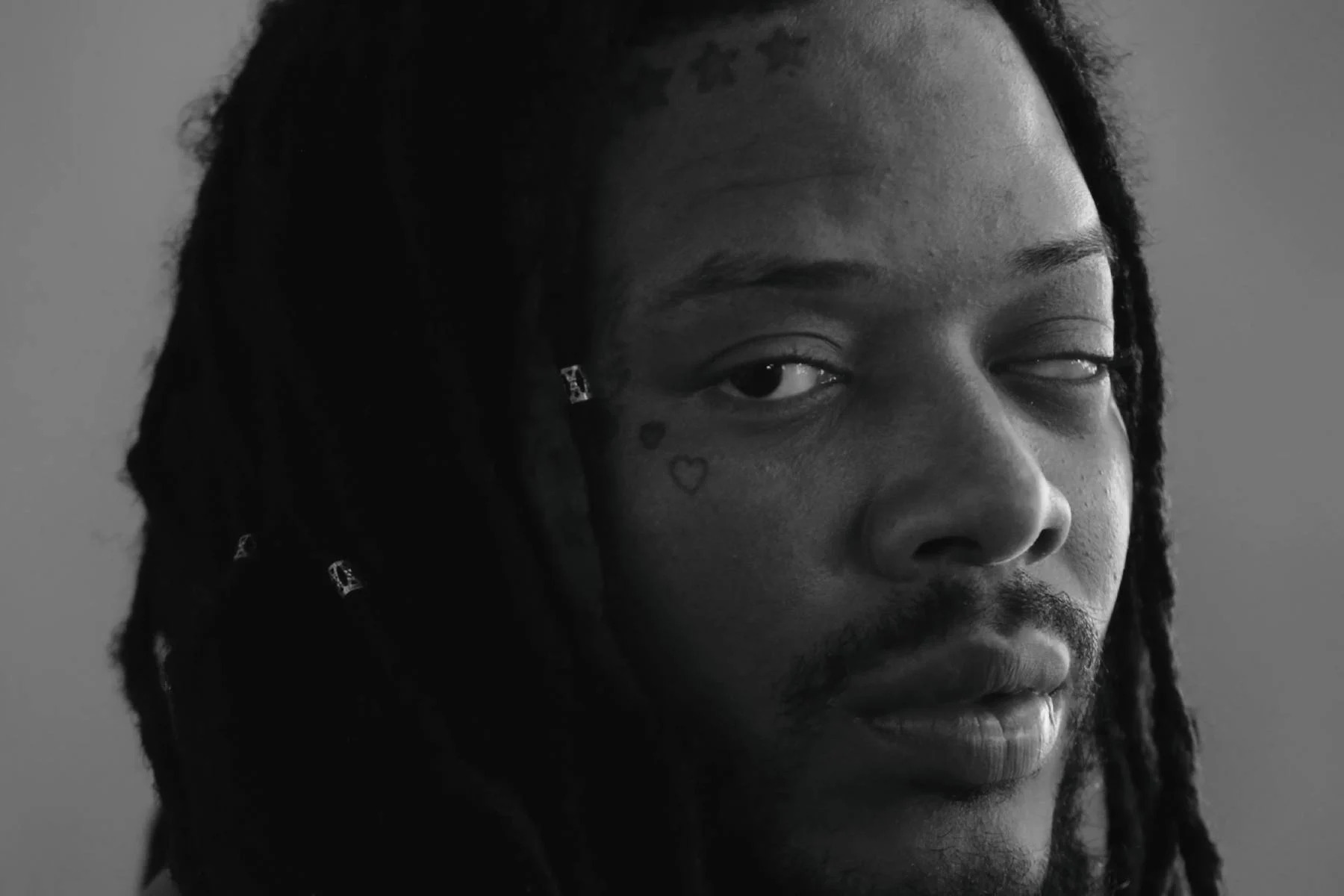
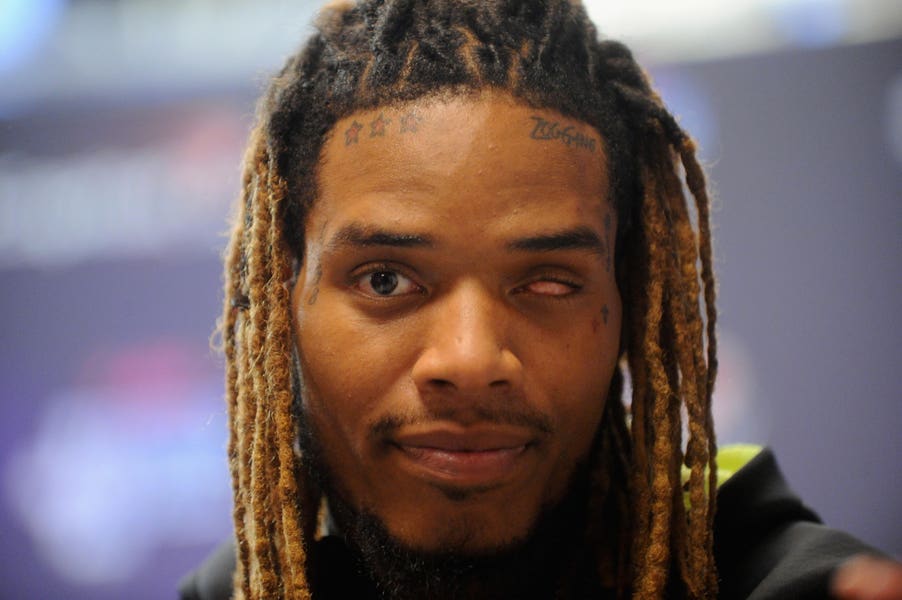
The stars on Fetty’s forehead are among the pieces that made his look instantly recognisable during his first big run of success. They sit alongside small script and symbols, creating a face tattoo layout that is easy to spot in photographs and music videos.
Stars can be generic, but placement changes the feeling. On the forehead, they are not hidden decoration. They become part of his stage presence, as noticeable as the two-tone dreads and the jewellery. That is a big reason people remember the tattoos even when they cannot name every design.
There is a useful contrast between the stars and the more private family pieces. The stars are outward-facing. They help build the image. The names and crosses do something quieter, even though they are in the same highly visible area.
His hand tattoo taught him a lesson about pain
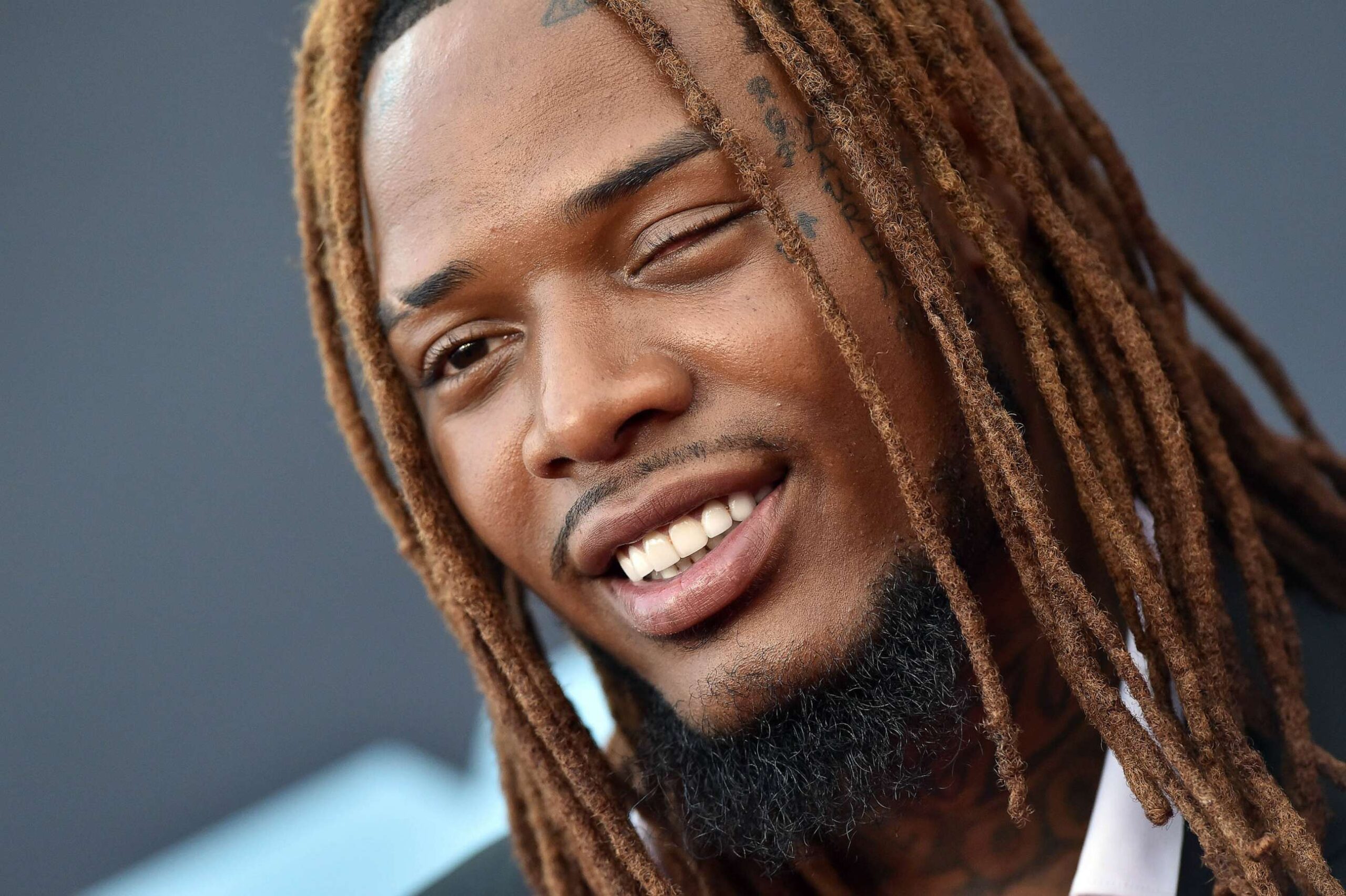
Fetty has joked that he is never getting a hand tattoo again. The hand is a difficult spot because the skin is thin, the area moves constantly and the pain is hard to ignore. He has plenty of tattoos, but that does not mean every placement feels equally manageable.
The hand piece is also important because it sits at the end of the visual chain that made his style so recognisable. His face and neck catch attention first, then the eye drops to the hands, arms and chest. The tattoo doesn’t need to be huge to be part of the overall effect.
His attitude toward the hand ink is pretty relatable. People who collect tattoos often have one location they would never repeat. For Fetty, that appears to be the hand. He likes the result, but he is not volunteering for another round.
Forearm pieces carry the heavier stories
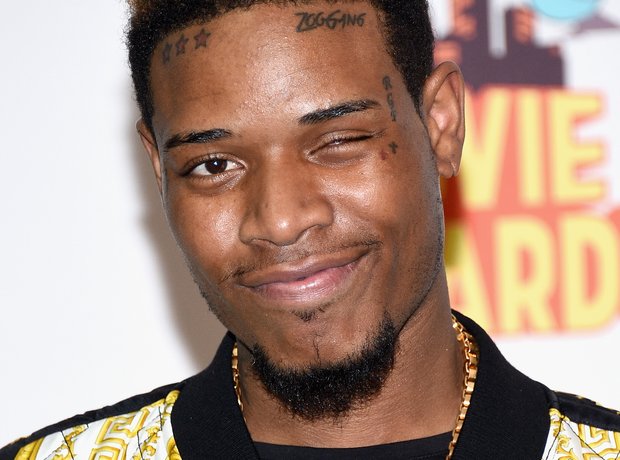
The forearms are where Fetty’s collection starts to feel more layered. He has several pieces across both arms, including names, faces, religious imagery and designs tied to his crew. The forearm is practical for that kind of buildup: it gives an artist room to work while still letting the tattoos show when he wears a short sleeve.
One arm includes a portrait-style piece associated with Michael Jordan. That choice fits the way Fetty talks about tattoos: he tends to use the body as a wall for people and ideas that mattered to him, rather than building a single matching sleeve.
The designs do not all share the same weight. Some are dark and serious. Others are smaller marks that fill a gap. That unevenness keeps the collection from looking like a catalogue page. It looks lived in, with older pieces sitting beside newer ones and different artists leaving their own fingerprints.
The inner forearm has the kind of ink you notice up close
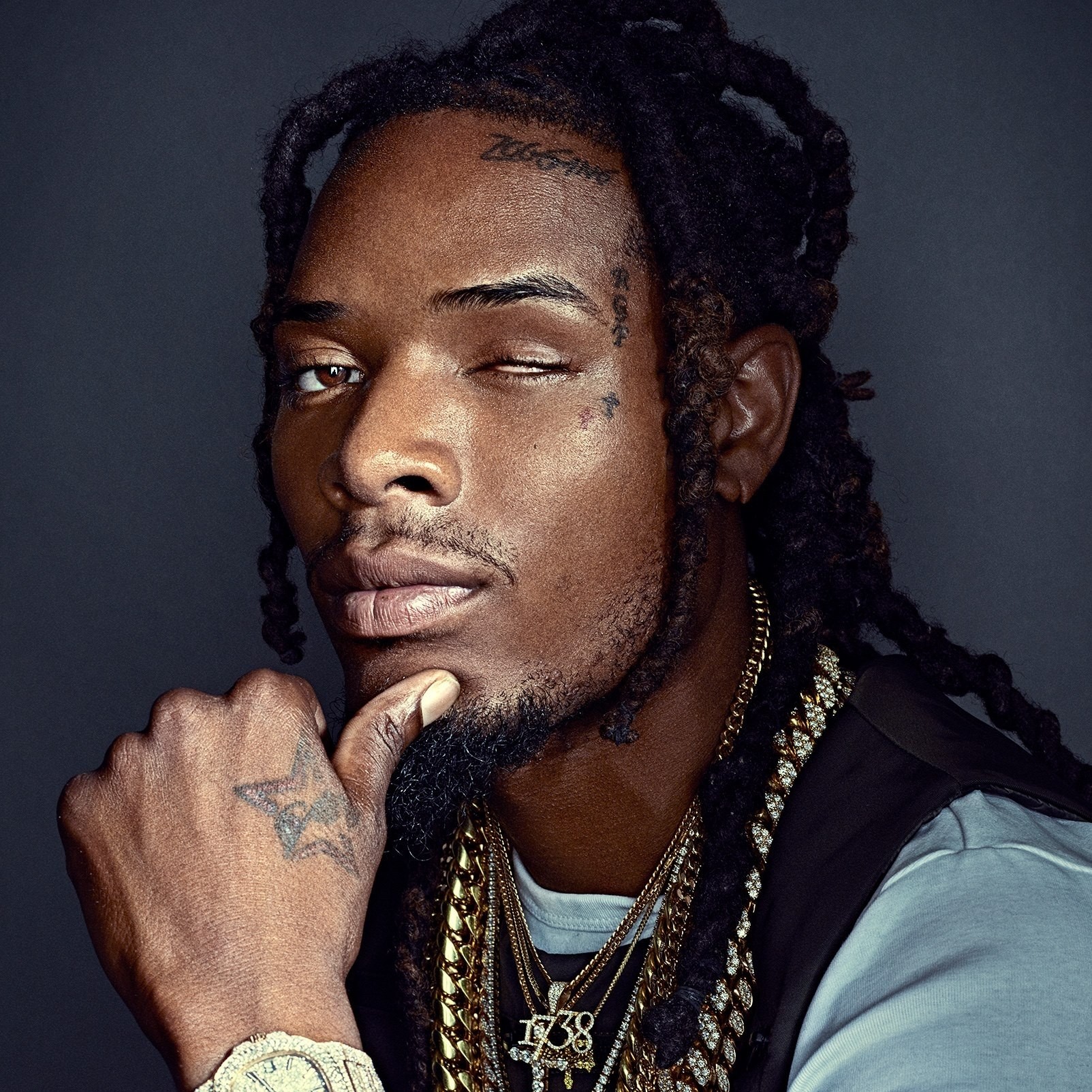
Fetty’s inner forearm tattoos are easy to miss in a quick red-carpet photograph, but they are part of what makes the collection feel full. This is where smaller lettering and compact designs can sit between the larger chest and arm work. The placement is visible to him throughout the day, even when the camera is not looking.
That matters because not every tattoo needs to function as a headline. Some pieces are for the person wearing them. The smaller forearm work balances the louder face ink and keeps the collection from becoming all spectacle.
His tattoos are at their best when the viewer can feel both sides of the collection: the public image and the private reminders underneath it.
Judas and the religious imagery add tension
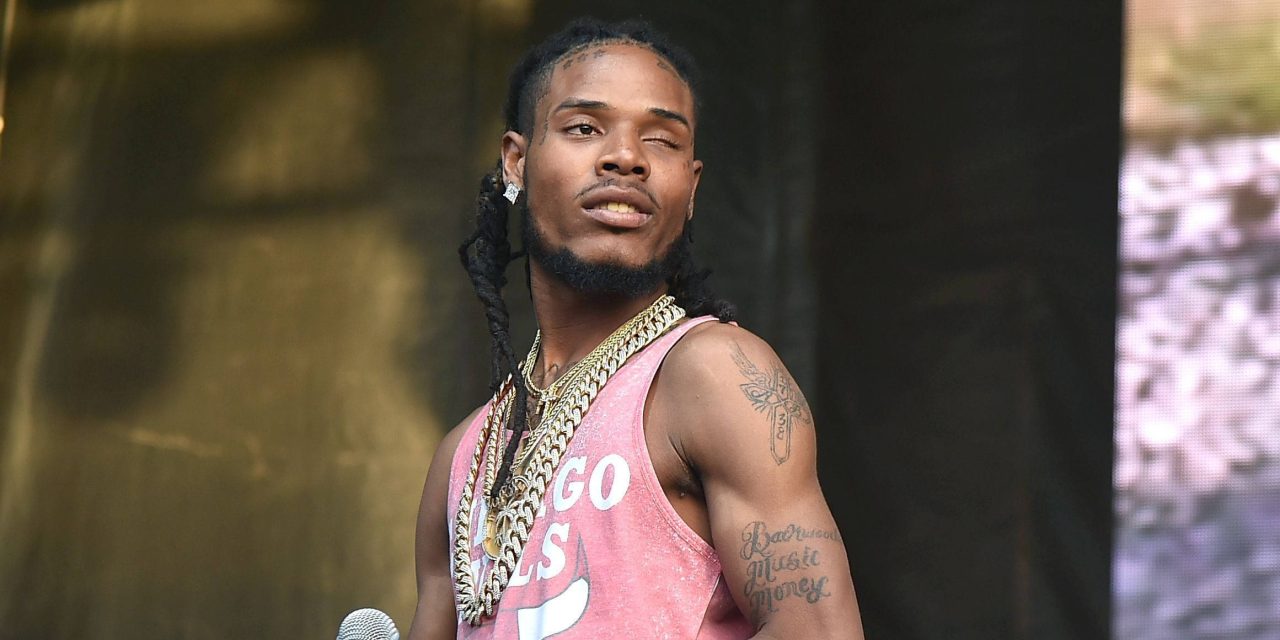
One of the more striking arm pieces is a Judas tattoo. Religious imagery appears more than once in Fetty’s collection, but Judas introduces a different mood from a straightforward cross. It brings in ideas about betrayal, loyalty and the messy space between faith and human behaviour.
That tension is a good match for the rest of the ink. Fetty’s tattoos are rarely just one-note declarations. A memorial cross can sit next to a crew symbol. A son’s name can share space with a design chosen because it looked cool. The collection leaves room for contradictions.
There is no need to force every symbol into one tidy explanation. Some tattoos tell you exactly what they mean. Others are more like atmosphere. Judas is memorable partly because it makes the arm feel darker and more complicated.
The left side of his face keeps the story visible
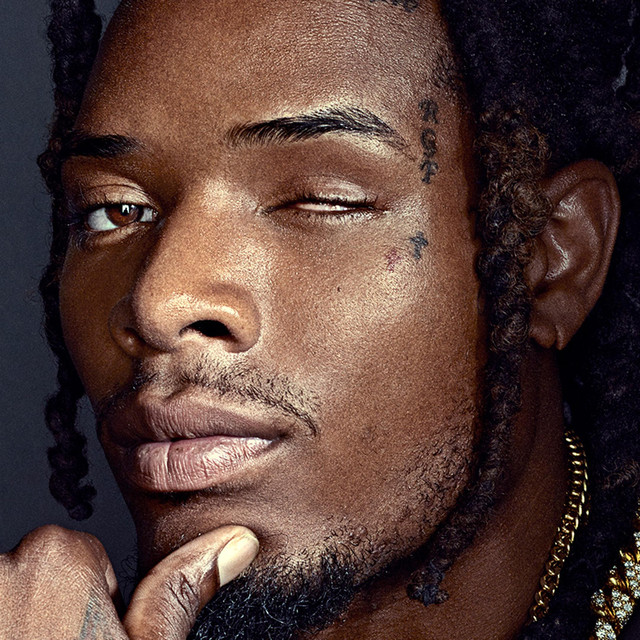
Fetty’s left-face tattoos bring together several threads: RGF, small crosses, family references and the star work around his forehead. The area has changed over time, and some designs have been covered or built around, but the overall effect has stayed unmistakably his.
He has said he does not love every decision he made there. That is part of the story rather than a reason to ignore the tattoos. Face ink often records a particular moment in an artist’s life, and Fetty’s face reflects the period when his music, crew and public identity were all moving at once.
The strongest pieces are the ones with a clear anchor. His son’s name and the memorial crosses give the face work emotional weight. The stars and initials provide the visual rhythm. Together they turn a collection of separate marks into a look that people can identify instantly.
What Fetty Wap’s tattoos say as a collection
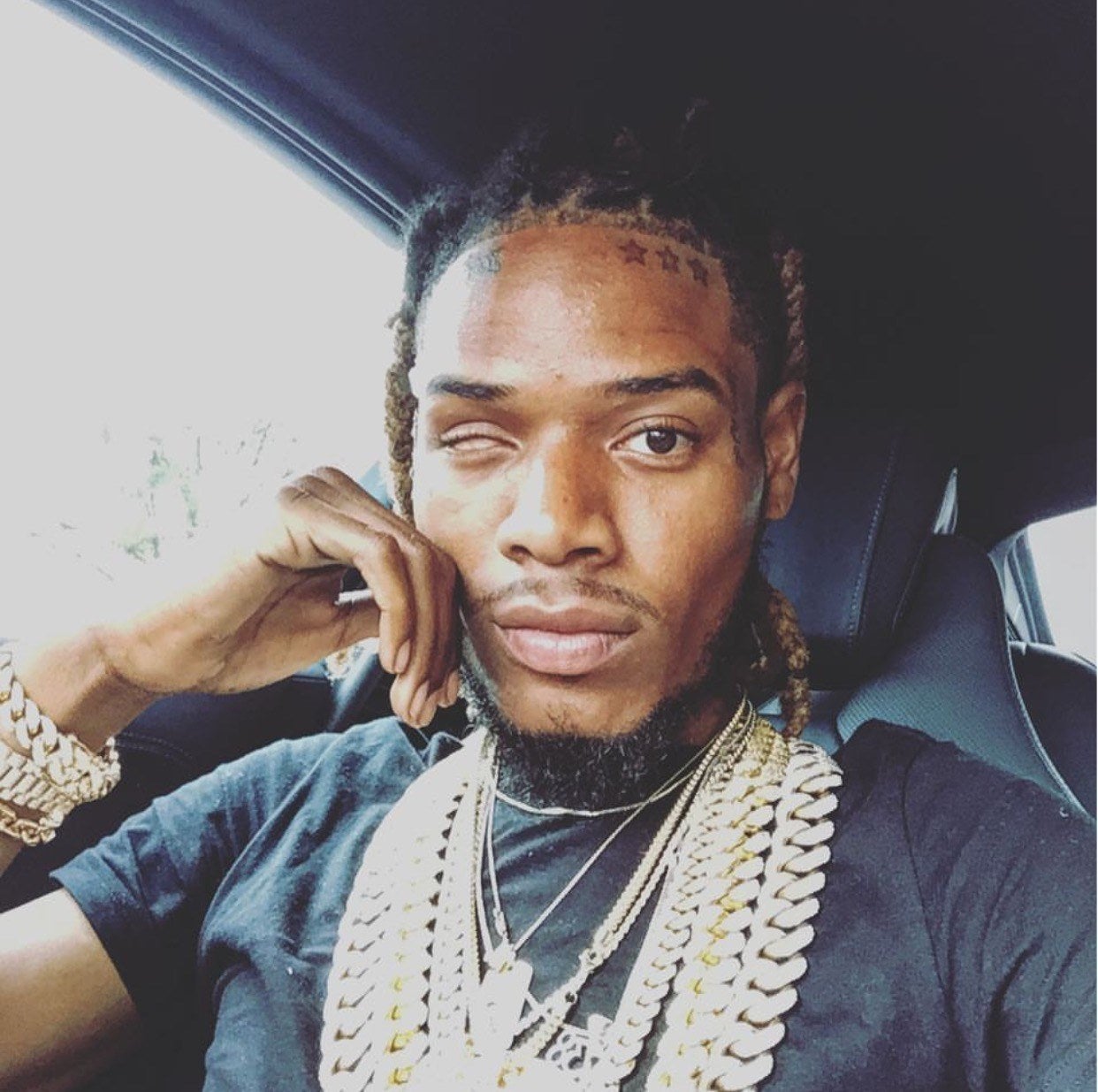
Fetty Wap’s ink is not a matching set, and it was never supposed to be. The first tattoo was about family. The cross added faith. The later face, neck, hand and arm pieces tracked his rise, his crew, his heroes and the people he wanted to remember.
There is also a practical lesson running through the whole thing. He likes tattoos, but he knows they hurt. He likes the finished look, but he can admit when a placement was a bad idea. He can be sentimental about a rough first tattoo and critical of a more visible piece. That honesty makes the collection more interesting than a perfect list of symbols and meanings.
The tattoos look loud because they are loud. Still, the loudness is built from small personal decisions: team family, a child’s name, a grandfather’s cross, a favourite athlete, a crew initial and a design that seemed right at the time. It is messy in the same way a real life is messy, which is exactly why it works.
Watch Fetty Wap explain his tattoos
Fetty’s GQ tattoo tour is the best place to hear the stories in his own voice. He talks about his first ink, the family and crew pieces, the face tattoos, the basketball tribute and the neck work he regrets. He also makes it clear that liking tattoos and liking the tattooing process are two completely different things.