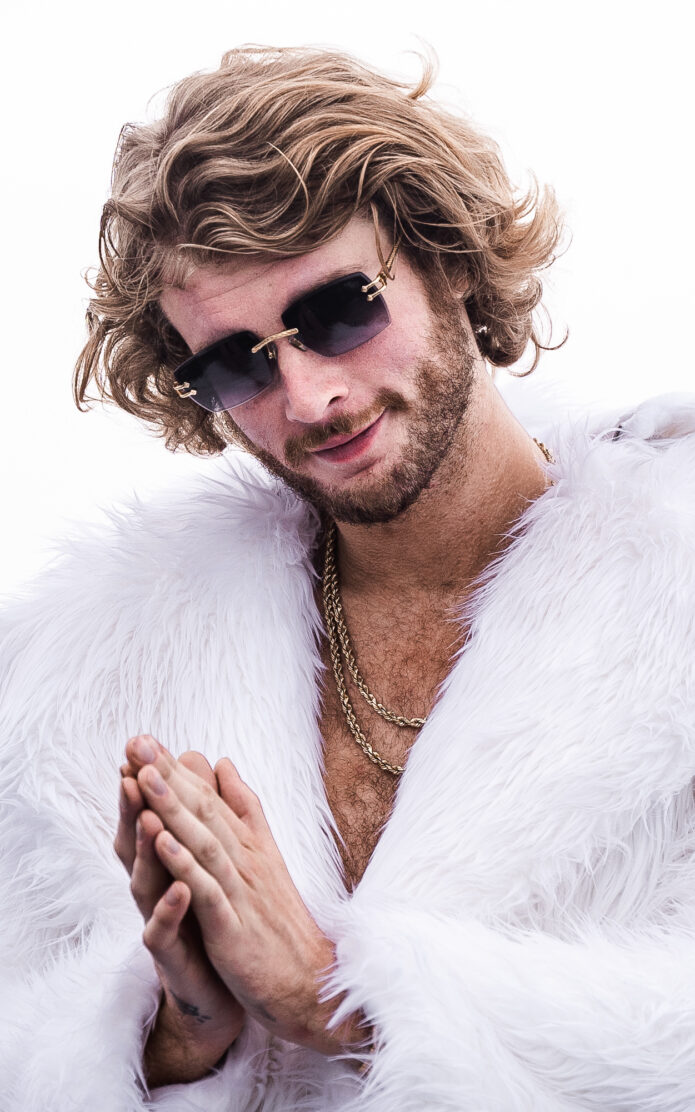
Yung Gravy’s tattoos fit the same loose, comic energy that runs through his music. They do not read like a perfectly planned catalogue, and that is part of the appeal. Some pieces arrive through a joke, some through friendship, and some simply because the right moment appeared while he was on the road. The public record is scattered across interviews, short clips and photographs, so the useful approach is to separate what is visible from what is guessed. His ink is personal, funny and deliberately a little chaotic.
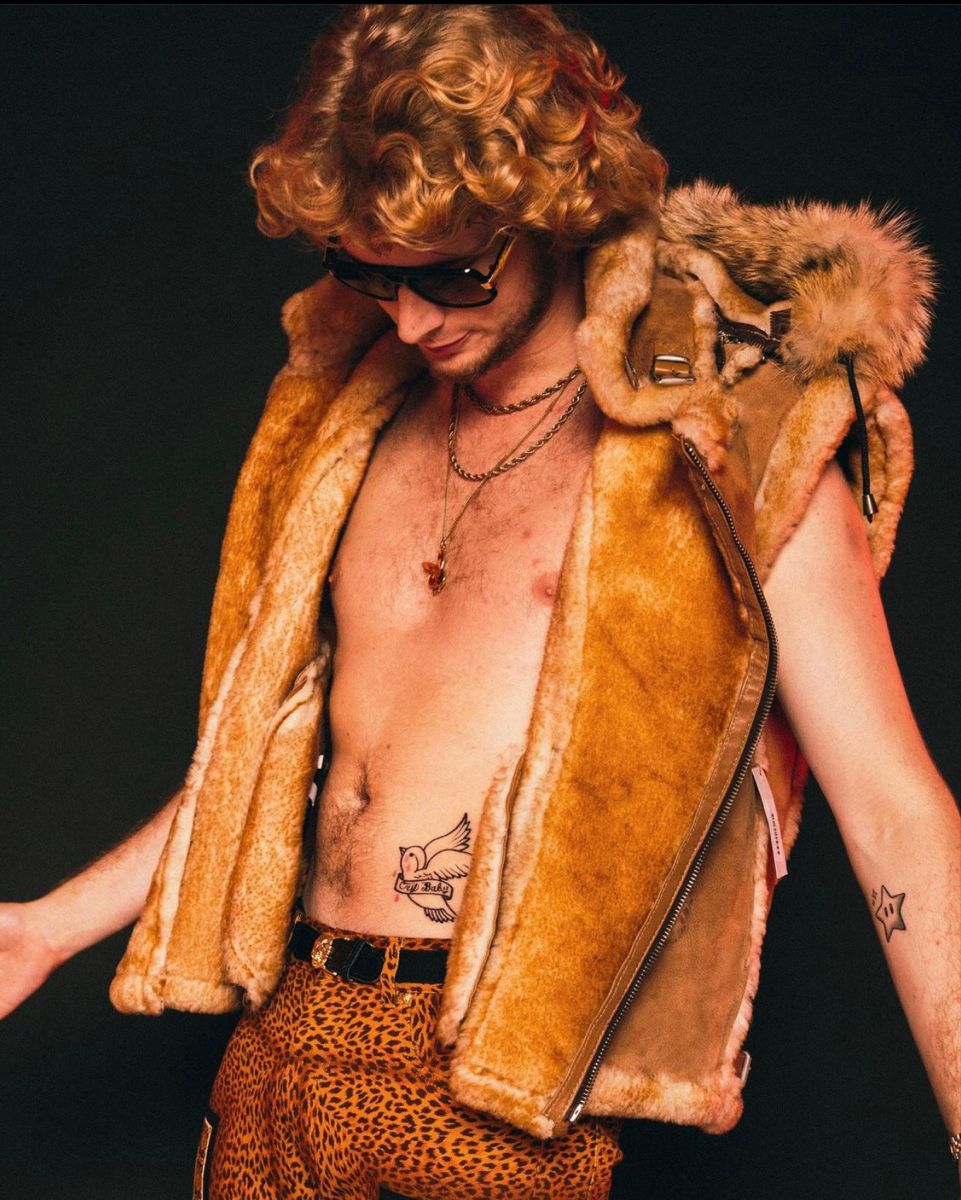
The clearest documented story is the matching tattoo he got with T-Pain. Search results for the pair’s interview clip identify the design as a Keith Haring Jordan tattoo, a playful meeting point between Haring’s energetic line drawings and the instantly recognisable basketball silhouette. It is a good match for both performers: bright in spirit, easy to recognise, and connected to a shared joke that became permanent. That is the kind of tattoo story Gravy seems to enjoy most: a laugh first, an explanation second.
The Keith Haring connection matters because it gives the collection a visual language without turning it into a single-theme sleeve. Haring’s figures are built from movement, repetition and bold outlines. A Jordan-inspired piece brings that motion into sports culture, while the matching element makes the design feel like a friendship marker rather than a random celebrity accessory. The available clip does not establish every placement detail, so it is safer to describe the idea and the documented pairing than to invent an exact map of the skin.
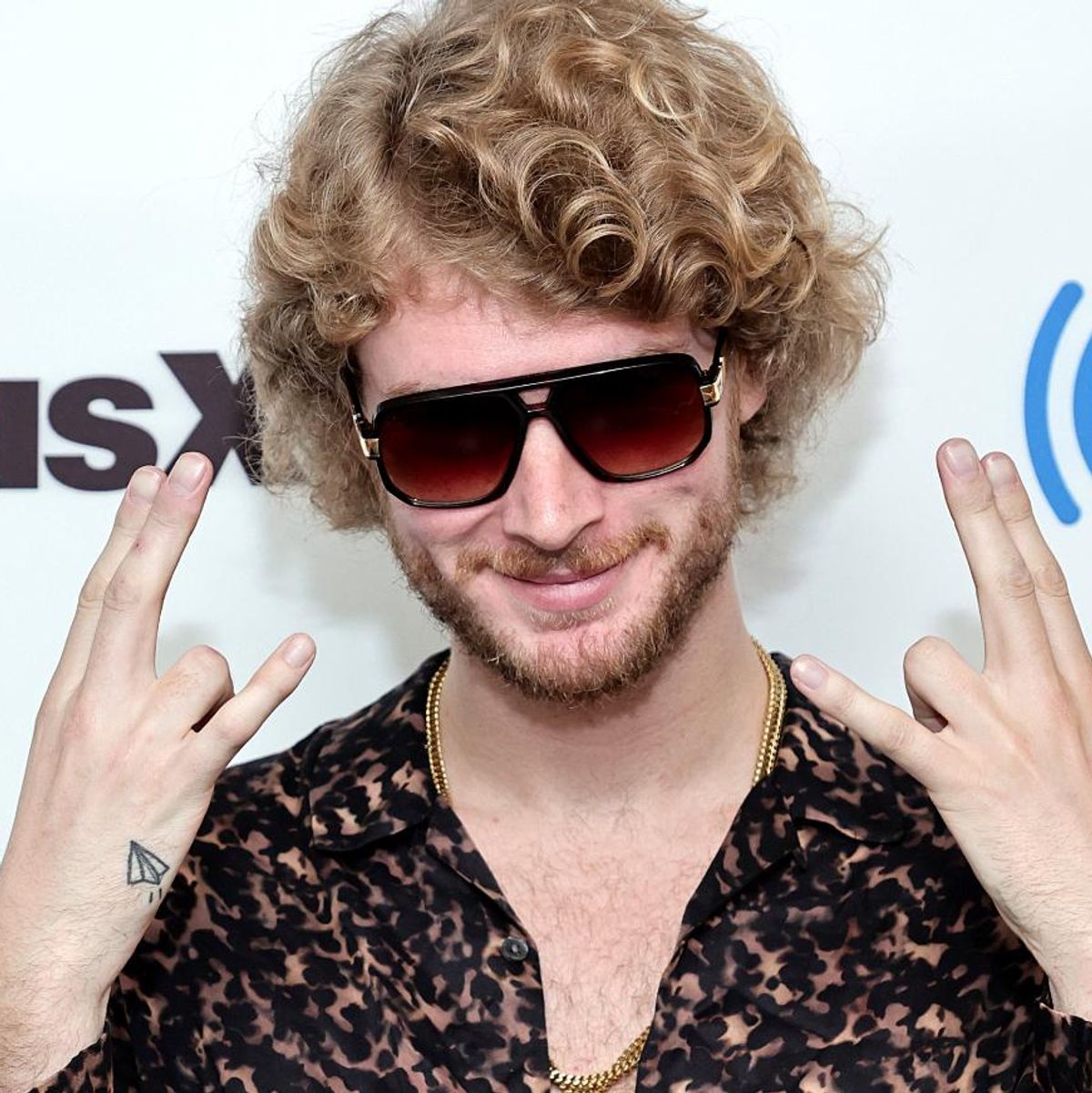
Gravy has also let tattoo artists work on him in very casual settings. Search results describe a pre-show tattoo filmed backstage, and a separate clip shows Steve-O putting a Jackass logo on him. The second piece is unusually well documented because the video itself is on Gravy’s YouTube channel. The Jackass logo is not an anonymous mark; it is tied to a specific artist, a specific meeting and a very public bit of chaos. The humour is part of the tattoo’s meaning.
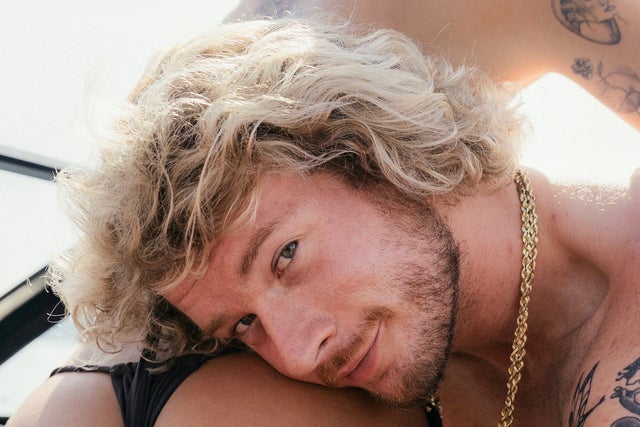
That Steve-O session also explains why a simple inventory can miss the point. A logo tattoo may be small compared with a large portrait or sleeve, but the story around it does the heavy lifting. It records a collaboration and the kind of spontaneous pop-culture moment Gravy likes to turn into content. The joke is not separate from the keepsake; the joke is the keepsake.
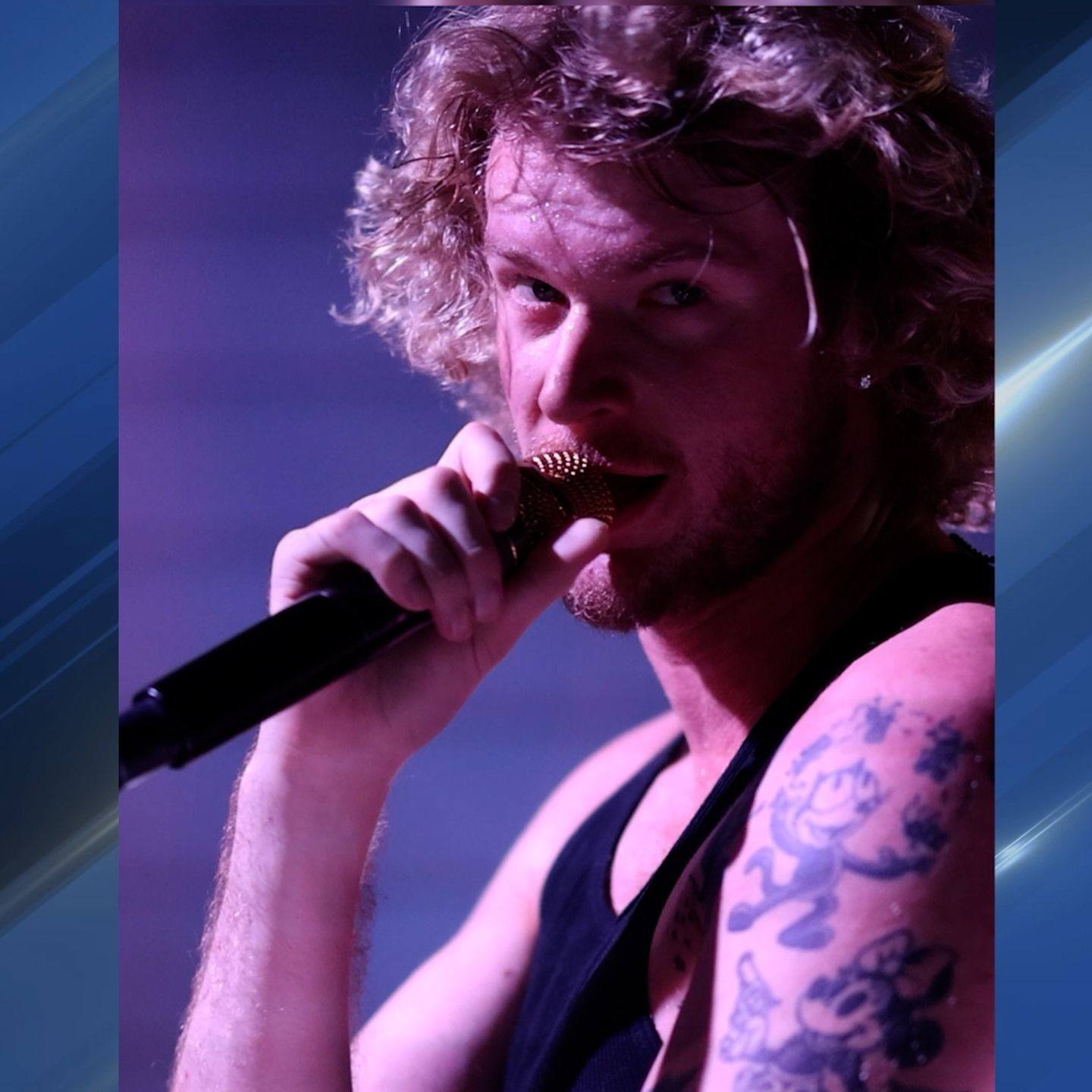
Photographs show Gravy in several different eras and settings, including red-carpet portraits, performance appearances and informal video stills. Those images are useful for confirming that the tattoos belong to a changing collection rather than one single shoot. They also show why placement claims should be made carefully. Lighting, clothing and image crops can hide or reveal small designs, and older photos may predate newer additions.
There is a strong contrast between the polished Icebox-era portrait and the rougher backstage footage. In one setting the tattoos become part of the styled look; in another they are just part of sitting down with an artist before a show. That contrast is worth keeping in mind when reading celebrity ink. Gravy’s tattoos feel less like branding than a running scrapbook. The images preserve a mood, a collaborator or a night that happened to become permanent.
Fans have also circulated claims about hand tattoos and tributes, but not every social caption is enough to establish authorship, date or meaning. A careful guide should not convert a comment into a confirmed fact. The documented core is stronger: the Keith Haring Jordan design with T-Pain, the Jackass logo session with Steve-O, and the broader record of new pieces appearing around shows and interviews. Everything else should be labelled visible, reported or uncertain.
That distinction does not make the collection less interesting. If anything, it makes the confirmed stories stand out. The Keith Haring piece is about a shared reference and a matching decision. The Jackass logo is about performance becoming a souvenir. The backstage tattoo clip is about access, trust and the odd intimacy of letting someone work on your skin before walking onstage. Each story gives a different reason for the ink to exist.
Yung Gravy’s public image has always left room for exaggeration, but the tattoo record works best when it stays grounded. He can be theatrical without every piece needing a grand statement. Sometimes a tattoo is a punchline. Sometimes it is a friend’s design. Sometimes it is just the mark that made sense in the room. That relaxed attitude is why the visible collection feels coherent even when the designs do not match.
Reading the collection chronologically is difficult because the public photos are not a complete archive. A portrait from one tour can show a different set of marks than a clip from another, and a jacket or shirt can cover the exact place readers are asking about. That is why a good tattoo guide has to keep returning to the evidence. The design with T-Pain has a named concept and a named partner. The Steve-O piece has a named artist and a named logo. Other visible marks can be described honestly without turning a blurry frame into a definitive catalogue entry.
The humour around the tattoos is also worth treating as information, not decoration. Gravy often makes his public persona feel like a character, but the people involved in these sessions are real collaborators. A matching tattoo is a commitment between two people. A backstage piece records the strange, compressed time before a show. A logo from Steve-O carries the memory of a meeting that fans can actually watch. The story is part of the ink’s provenance.
There is no need to force a solemn explanation onto a funny design. Pop-culture tattoos can be meaningful because they preserve a friendship, a shared reference or a particular era. The Keith Haring Jordan pairing sits in that space. It is playful, but it is also specific. It points to an artist, a visual language and a matching decision. The Jackass logo works differently, yet it has the same strength: the mark is anchored to a person and an event rather than a vague claim about identity.
For readers trying to identify individual pieces, the safest checklist is simple. Start with a clear image. Compare the design across more than one appearance. Look for a direct interview or a named artist. Then mark anything else as visible but undocumented. That small amount of caution keeps a tattoo article useful instead of making it sound certain for no reason. It also leaves room for Gravy’s collection to change, which it clearly does as new show footage and collaborations appear.
Yung Gravy’s ink therefore lands in a sweet spot between costume and diary. It helps build the larger visual world around him, but it is not just a logo wall designed for instant recognition. The pieces carry jokes, friendships and odd little moments. That is why even a short clip can add more context than a long list of guessed symbols. His tattoos are easiest to understand when they are treated as snapshots of the life around the music.
The visual record also shows a performer comfortable with contrast. A carefully styled appearance can sit beside a deliberately silly tattoo story, and neither cancels the other out. That mix is central to the appeal. It means the tattoos do not have to look uniform to feel connected. They share the same willingness to let life, friendship and timing leave a mark.
That is also why the strongest stories are the ones with names attached. T-Pain, Keith Haring, Steve-O and Jackass all give the reader something concrete to follow. The rest can remain open until Gravy or an artist explains it directly.
In other words, the collection is still a work in progress. New sessions may reveal more placements, while older images can add context to designs already seen. Until then, the confirmed stories are enough to show how Gravy uses ink: as a record of people, places and ridiculous moments that he wants to remember.
The documented tattoo inventory
Based on the strongest available public documentation, the inventory includes the matching Keith Haring Jordan design associated with T-Pain; the Jackass logo tattoo applied by Steve-O; and additional tattoos visible across public appearances whose exact names, dates or meanings are not consistently documented. A responsible list can mention those visible pieces without pretending to know more than the photographs show. The collection is still developing, and new backstage sessions may add more chapters.
Why the stories matter as much as the designs
For Gravy, the social life of a tattoo is part of the design. A matching piece connects him to T-Pain. A Jackass logo connects him to Steve-O. A pre-show session connects the ink to touring and the loose, temporary world around a concert. That makes his tattoos unusually easy to talk about without forcing a fake symbolism onto them. They are souvenirs, collaborations and jokes that happen to stay.
Watch the tattoo conversation
The interview clip below is the best quick companion to the documented stories, especially the matching Keith Haring Jordan tattoo.