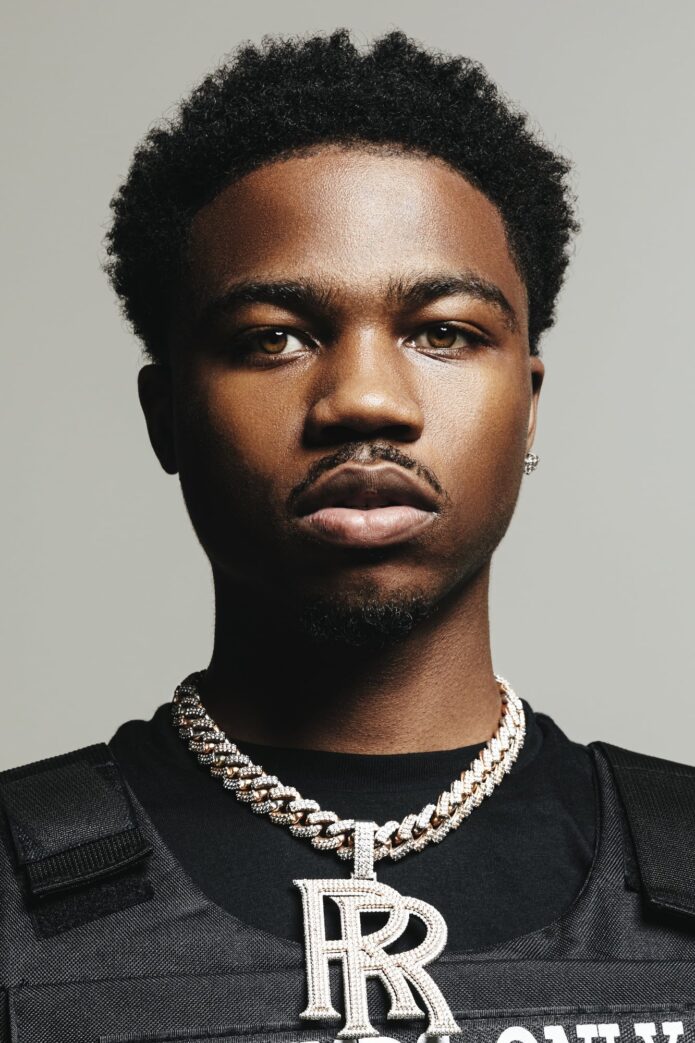
Roddy Ricch doesn’t have a huge collection of face tattoos, but the pieces he’s chosen carry meaning. The clearest example is “Prolific”, written on his face as a tribute to Nipsey Hussle, the West Coast artist who reportedly supported Roddy before his wider breakthrough. Photos also show lettering and arm designs, including ink that connects with his music and personal language.
His documented collection is smaller than the catalogues of more heavily tattooed rappers, which makes care with the details especially important. A few clear designs can tell a stronger story than a long list of guesses. Here’s what published coverage and photos show, where the tattoos are and how they connect to his music without turning into merchandise.
“Prolific” is Roddy’s clearest tribute tattoo
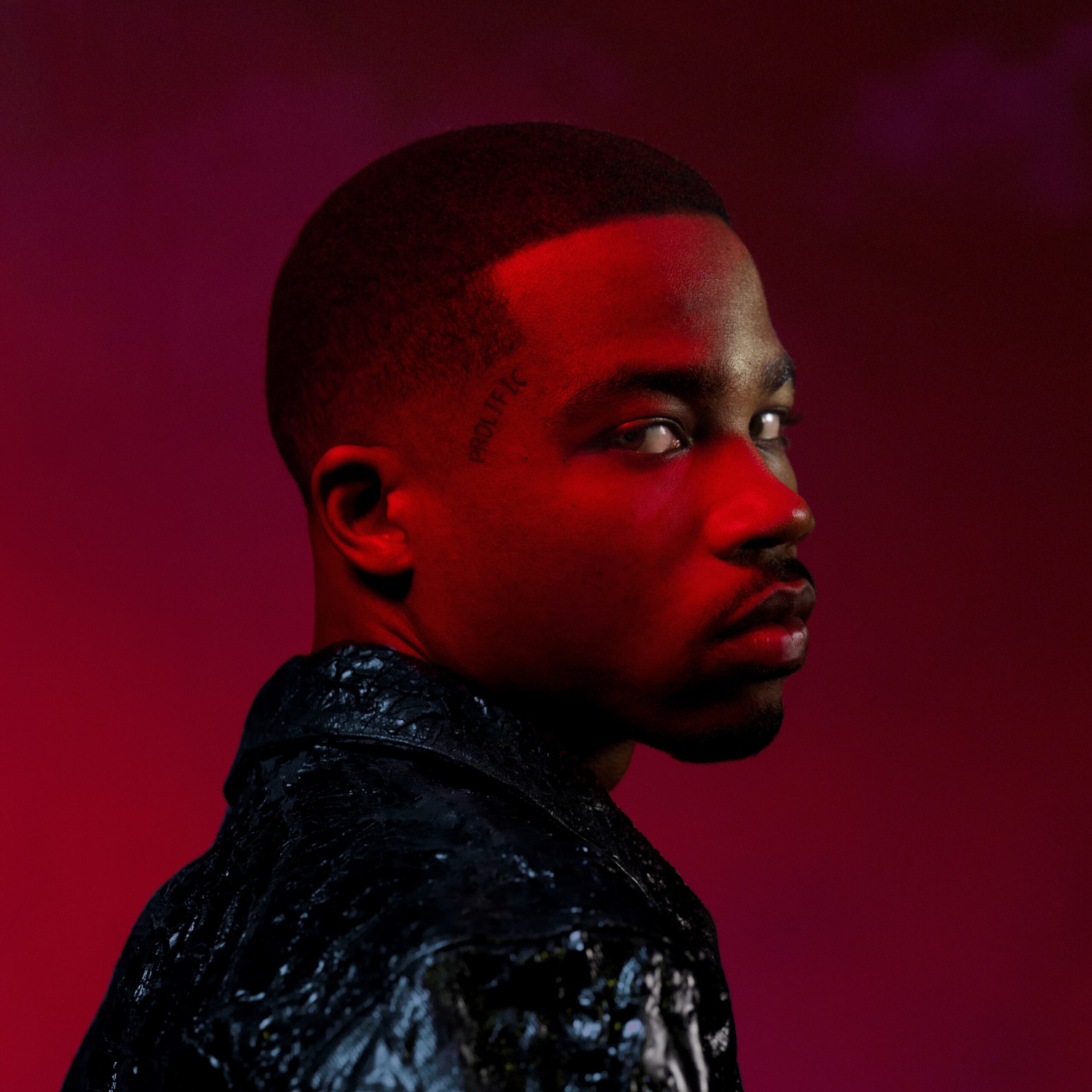
The face tattoo most often associated with Roddy Ricch is the word “Prolific”. Coverage describes it as a tribute to Nipsey Hussle, who was an early supporter and one of the West Coast artists to recognize Roddy before he became widely known.
The word makes the tribute feel particular. It isn’t just a name or portrait; it describes a way of working. It connects Nipsey’s reputation for output and independence with the path Roddy was making for himself. Putting it on his face keeps that respect visible instead of tucked away in a sleeve.
It would be easy to turn that connection into a full account of their relationship, but the tattoo can’t confirm every detail fans repeat online. What’s documented is the word, its placement and its reported tribute. The rest belongs to the personal history behind the ink.
The lettering works like a signature
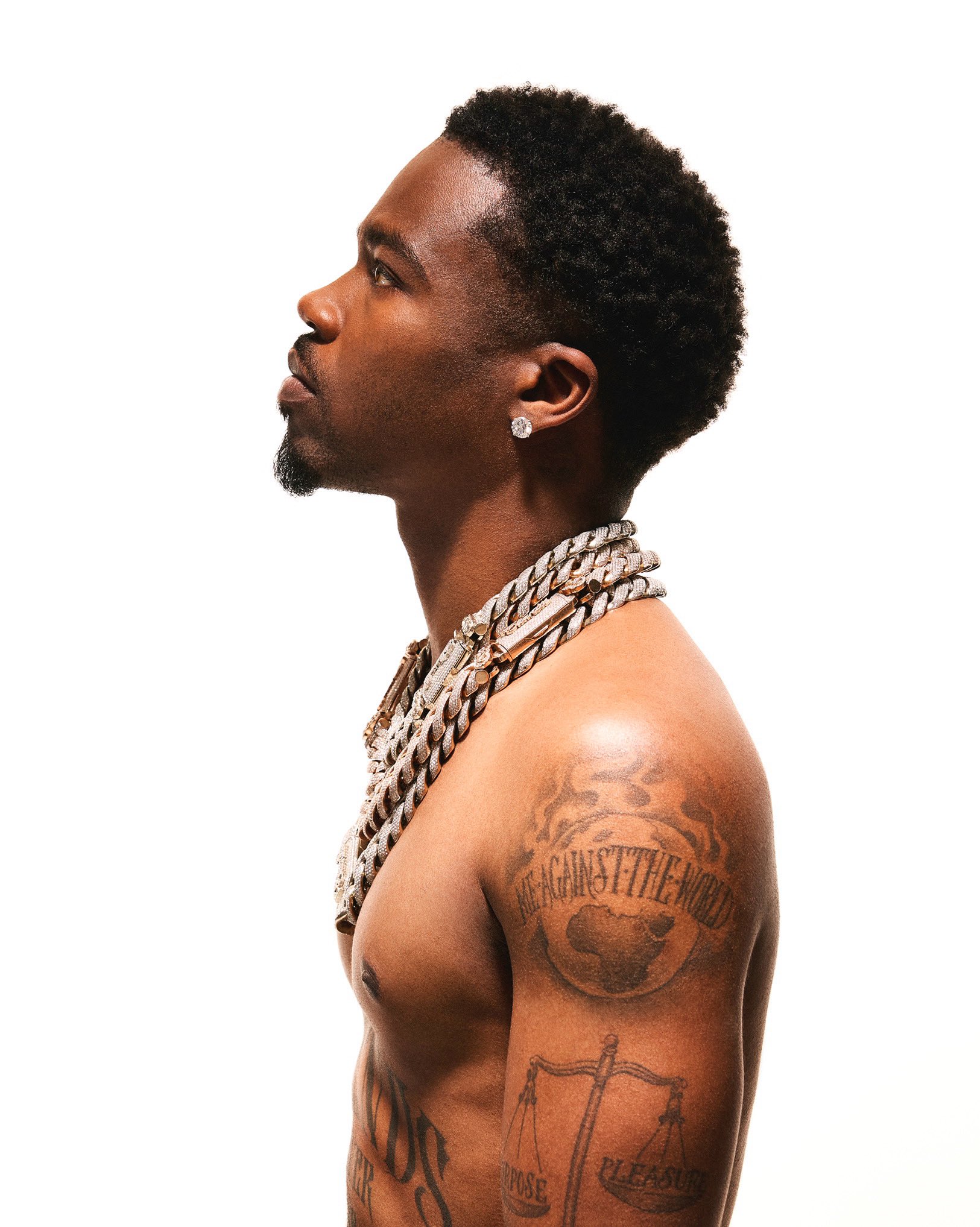
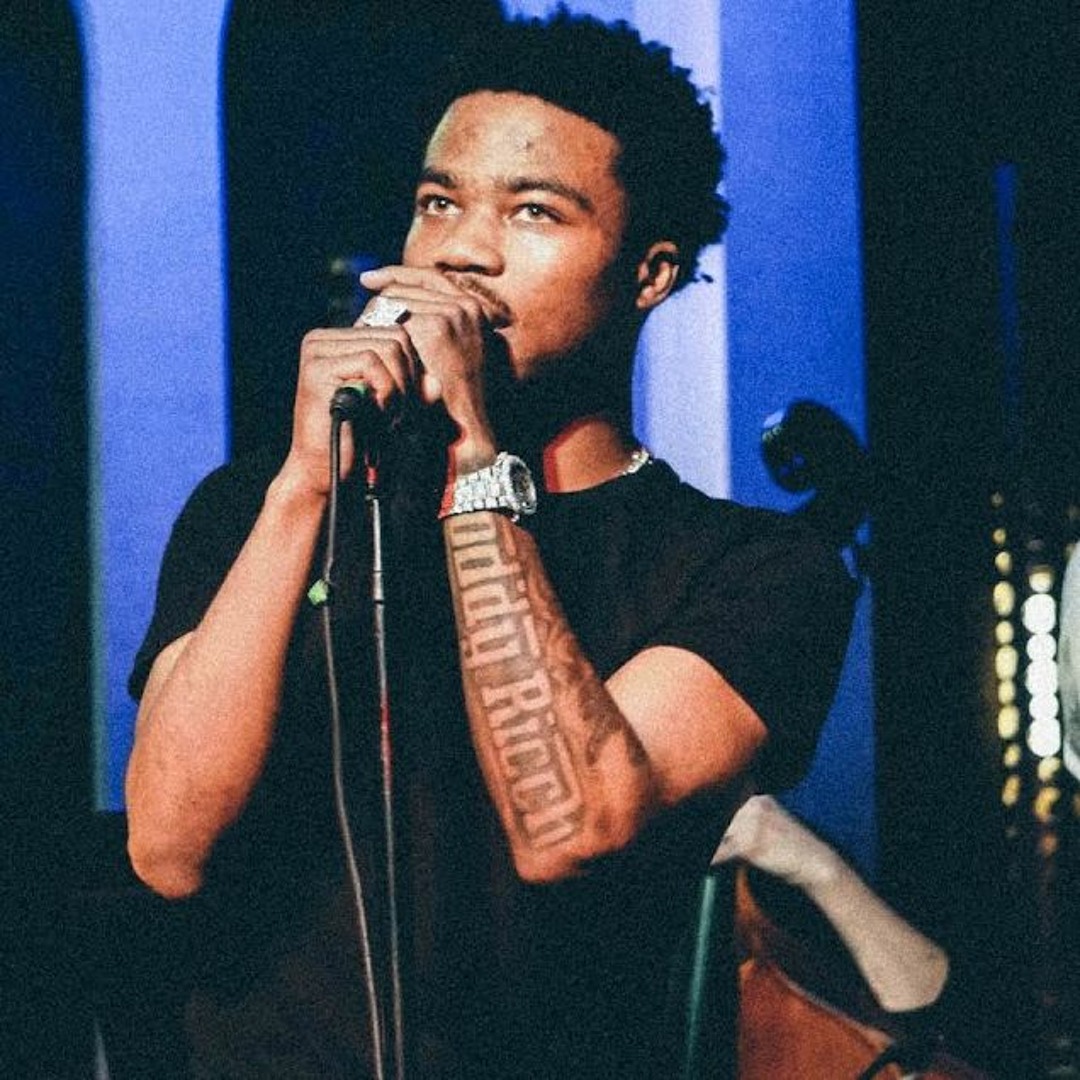
Roddy’s other visible tattoos include lettering and name-like designs that work almost like signatures. In photos, they fit with his stage name, album art and handwritten-looking logos. The marks are direct and easy to read, and they hold their shape in the blur of a music video.
Lettering may look simple, but placement changes its effect. A word on a hand or arm shows when the artist gestures; a word on the face becomes part of every portrait. The same letters can feel intimate in close-up and larger than life onstage. Roddy’s ink makes good use of that shift in scale.
Some photos don’t show enough to make out every word. The image may be cropped, or jewelry and clothing may cover part of the line. A careful inventory names what can be read and leaves uncertain fragments alone instead of treating a low-resolution guess as fact.
His arm tattoos connect the personal and the performative
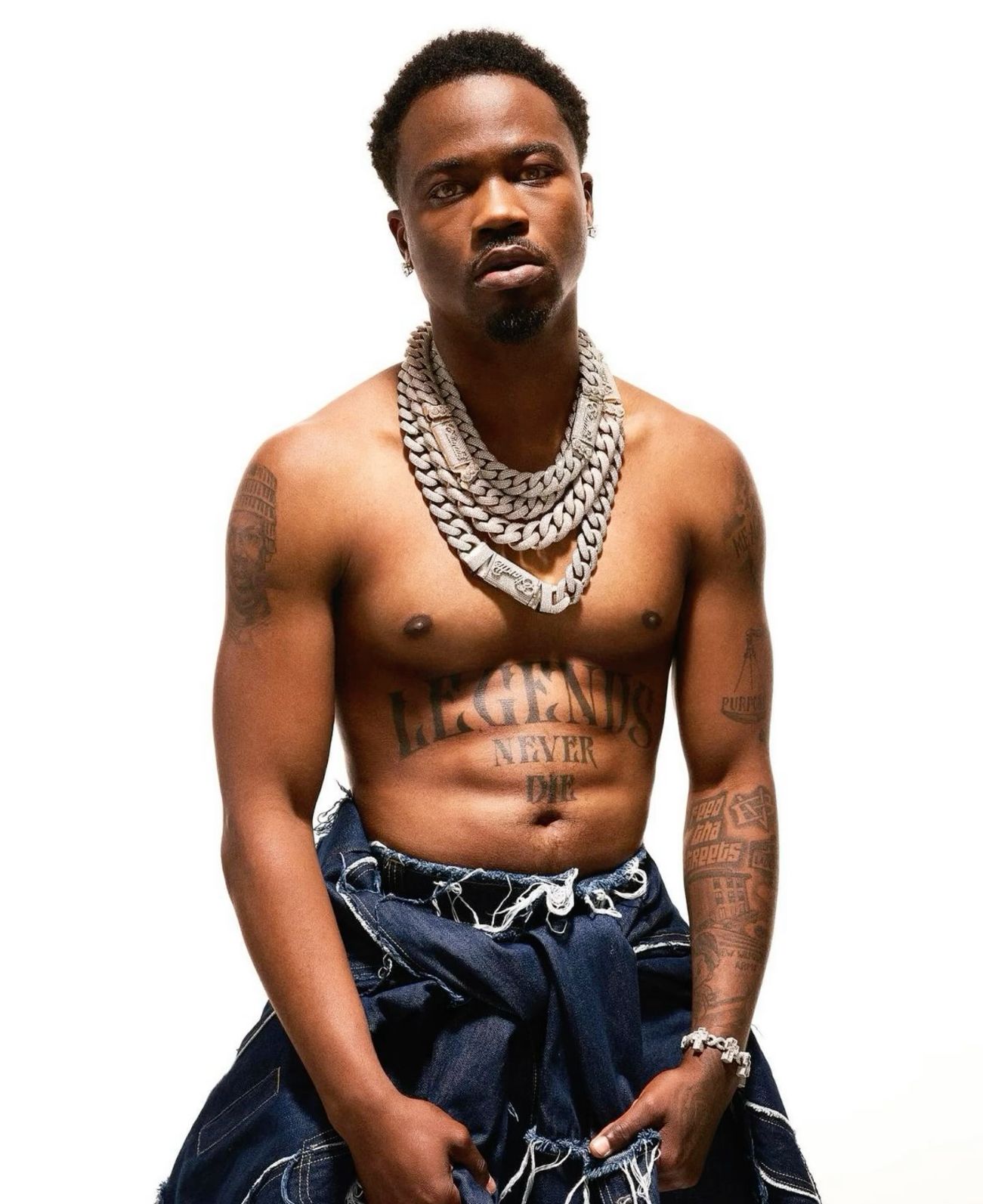
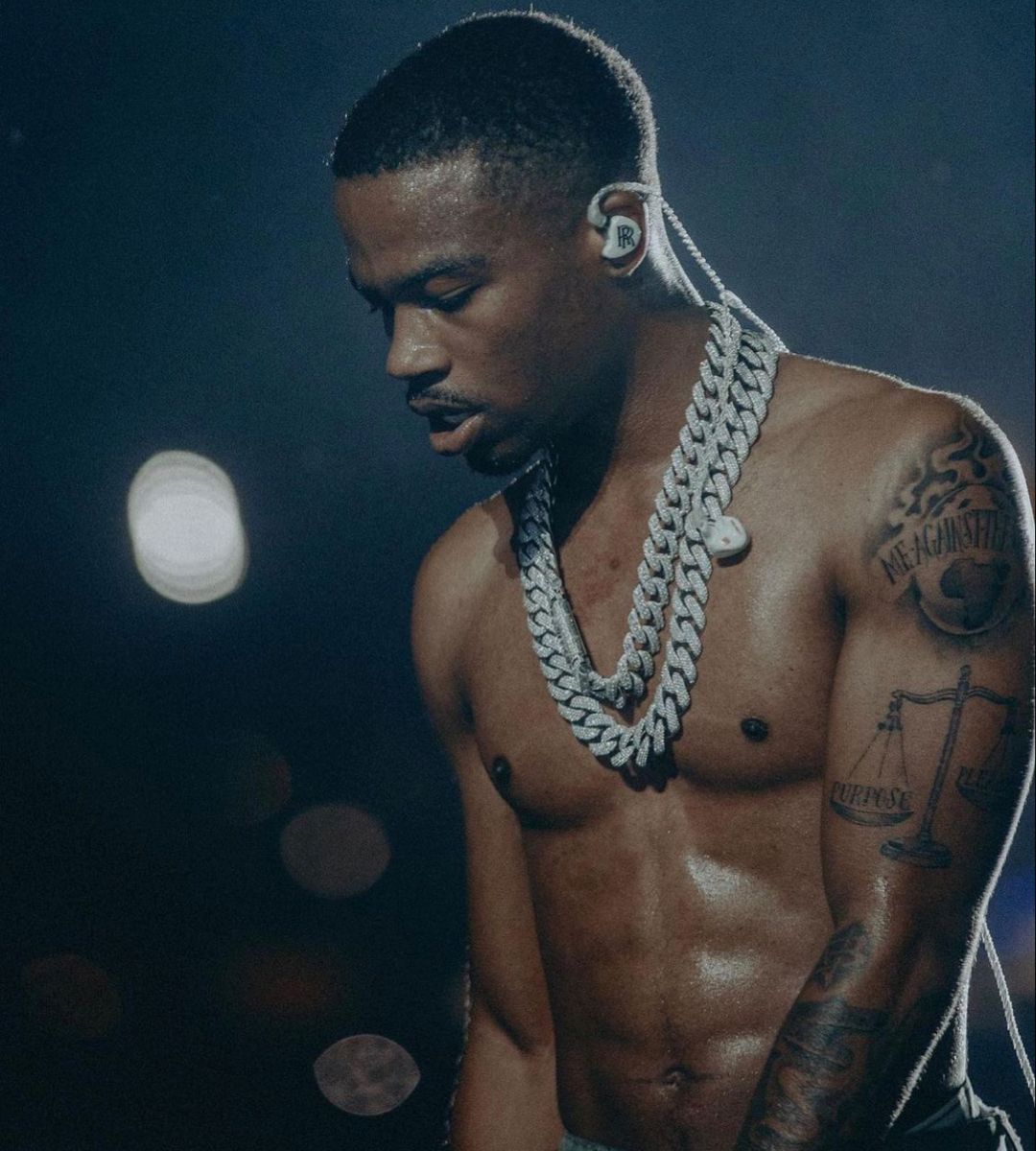
Roddy’s arm tattoos are easier to spot in performance photos and casual portraits than in close-ups of his face. There’s more room for lettering and symbols, and the designs show when he holds a microphone or wears short sleeves. They feel like part of his working image rather than a special reveal.
Arm tattoos tend to build up over time. One piece can sit beside another without requiring a full sleeve plan. A photo from one year may show open skin that a later design fills; a jacket may hide work that was visible before. The timeline matters more than a final number.
The overall look mixes dark outlines with compact lettering. Roddy hasn’t covered every visible inch of skin, so the open space remains part of the design. The tattoos stand out because they’re selective, with room around each mark.
Music references appear without turning every tattoo into a lyric
Roddy’s songs and tattoos are often discussed together because both touch on identity, ambition and survival. That connection makes sense as part of his public image, but it doesn’t mean every tattoo refers to a lyric. Sometimes he simply wants to keep an image or a word.
The phrase “Done Caught My Tempo” has appeared in social posts about new Roddy ink, showing how easily music language moves into tattoo culture around him. But a short clip or caption isn’t the same as a full explanation from the artist. The safest account is that music-related wording appears in coverage, while the full intention may remain private.
Readers can enjoy the collection without decoding every mark. The ink shares themes with the songs, but it doesn’t need to illustrate them one by one. A tattoo can echo an era without being a literal track title.
The face piece changed how fans read his image
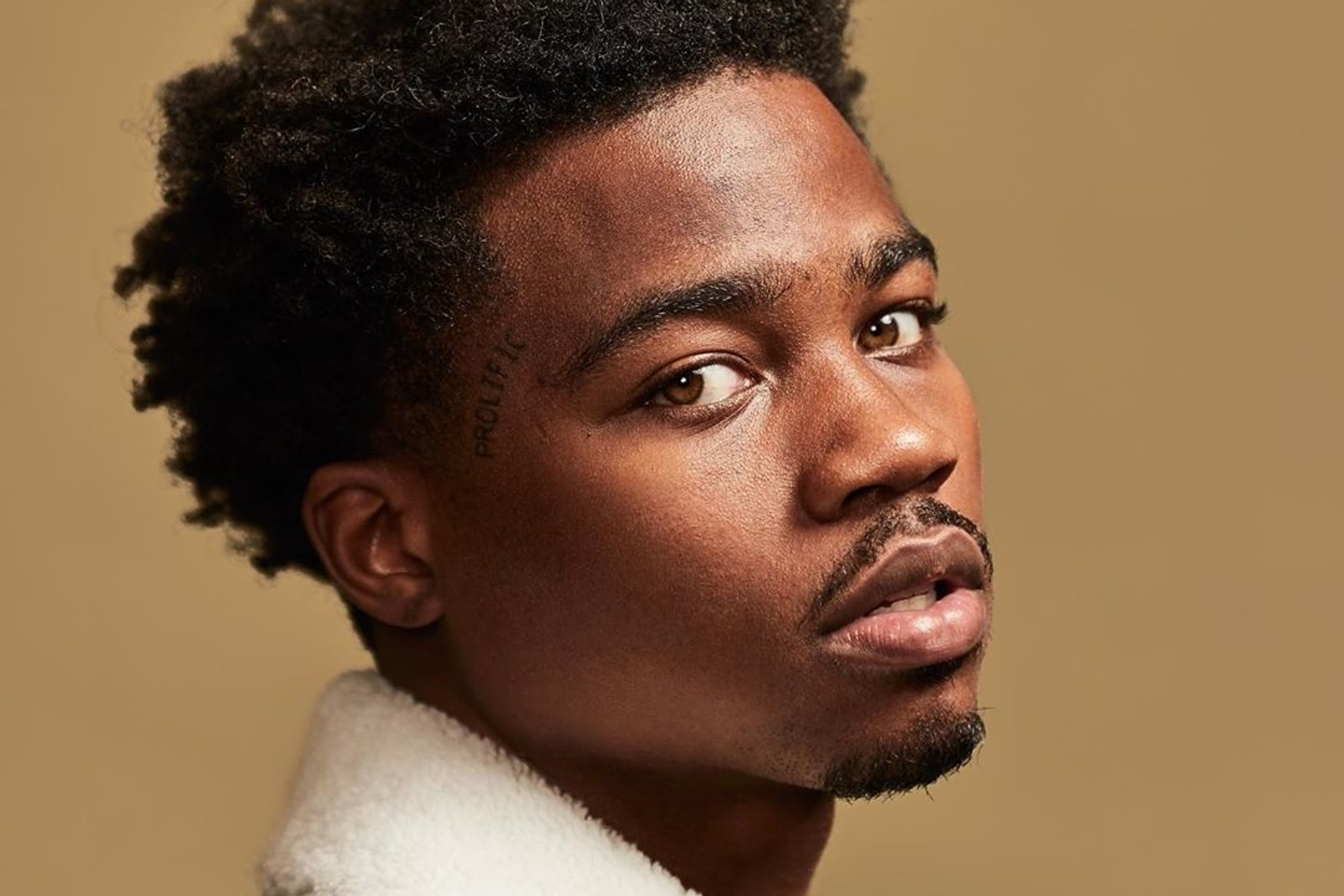
Roddy’s early public image was relatively clean and polished. The face tattoo added a sharper edge without replacing the fashion and restraint that were already part of his style. That contrast makes the word stand out in portraits: the lettering is direct while the rest of the image can stay controlled.
Face tattoos shift the balance of a photograph. Your eye goes to the eyes, then the lettering and the expression around it. A simple word can become the first thing fans recognize. “Prolific” works almost like a visual title card.
The tattoo also makes a lasting link between Roddy and the person he was honoring. It isn’t hidden somewhere only he can see; it appears in interviews, on red carpets and at performances. That public visibility can be powerful, but it doesn’t reveal the private reason he chose the tattoo.
Visibility and explanation are two different things. The lettering appears in nearly every close portrait, but its personal history can’t be reconstructed from pixels alone. The same is true of arm designs that show in one stage photo and disappear under a sleeve in the next. Photos help us follow the ink, but they don’t make every design an open book.
That care also keeps the tribute from getting swallowed by talk of style. “Prolific” is part of Roddy’s look, but it remains a memorial. The word connects his own rise with the artist who supported him, and its placement keeps the connection in view. Other lettering can be part of the collection without carrying the same meaning.
The clearest documented tattoo is “Prolific” on Roddy’s face, reported as a tribute to Nipsey Hussle. Photos also show lettering and name-like marks on his arms and upper body, along with music-related wording that has appeared in coverage of newer ink.
The exact total is harder to establish because photos span different years and body areas. Some designs are clear enough to describe by placement; others are partly hidden or too blurry to read. A responsible count should leave those gaps visible.
There’s also a difference between tattoos Roddy wears and designs fans make in response to his lyrics. Search results include fan art, Pinterest boards and tattoo artist posts inspired by his music. Those are part of his cultural reach, but they aren’t tattoos on his body. Keeping that distinction clear makes the guide more useful.
The strongest photos show context. A close crop can confirm a word; a wider performance image shows how the tattoo sits with clothes, jewelry and movement. Both views help, but neither tells the entire story. Roddy’s ink looks deliberate in part because the marks have space around them, not because every blank patch has been filled.
That restraint leaves room for whatever comes next.
The tribute works because “Prolific” carries two stories: it remembers Nipsey Hussle and describes the kind of artist Roddy wanted to become. One adjective holds grief, respect, ambition and continuity without needing a large illustration.
That’s a good way to understand the collection as a whole. The tattoos are selective rather than overwhelming. Words and compact designs mark the people, ideas and chapters Roddy wants close. The ink stays readable without shouting in every direction.
There may be more tattoos in the future, and new photographs might clarify pieces that are hard to see today. For now, the strongest story is the face lettering, the arm work and the way musical language continues to appear around the collection.
Watch Roddy Ricch in a GQ profile
This GQ video isn’t a dedicated tattoo tour, but it offers a relevant profile of Roddy in his own voice and public style. It adds context after the tattoo inventory.