
Zac Brown’s tattoos feel less like a checklist and more like a scrapbook he happens to carry on his skin. The country singer has talked about collecting art, and that idea comes through in the pieces he has shown publicly: a personal mantra, animal imagery, family ink and darker symbols that sit alongside the easygoing image people know from Zac Brown Band.
There is a useful bit of caution here. Brown’s tattoos are not documented in one neat official catalogue, so a clear inventory has to stay close to what he has actually shown or explained. His recent tattoo tour with CMT is the strongest guide because it puts the designs on camera and gives them context. Older performance photos and family posts fill in some of the gaps, but they do not justify guessing at every line that is hard to see.
The phrase on his skin is a working mantra
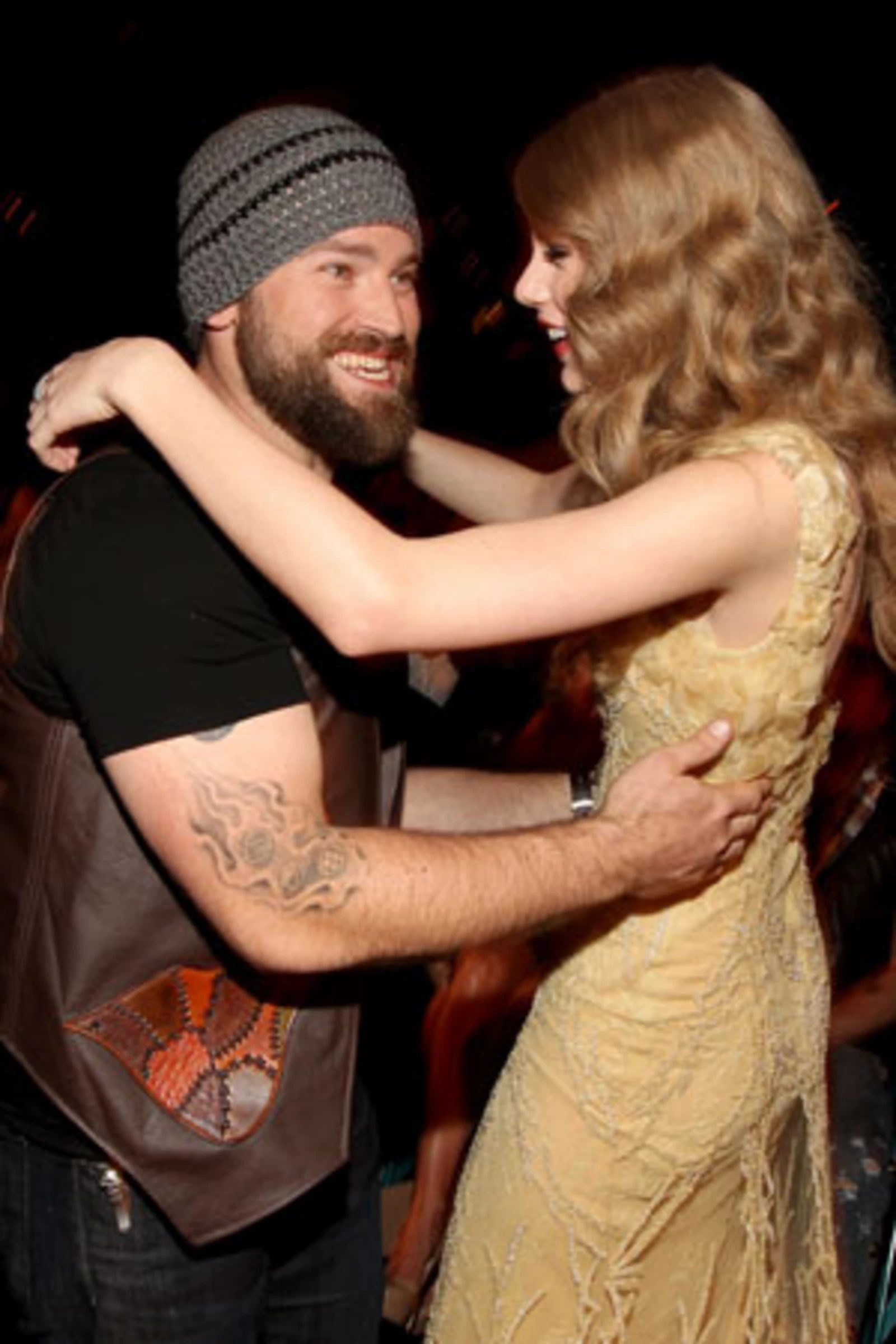
The clearest meaning Brown has attached to one of his tattoos is the phrase “you get what you give.” In the CMT conversation, he describes it as a mantra rather than a decorative quote. That distinction matters. It is not there just to fill a patch of skin; it is a compact reminder about effort, generosity and consequences.
That line also fits Brown’s public story. His career has been built around a band, a touring community and a lot of work happening away from the spotlight. A tattoo with that wording can read as motivational, but Brown’s explanation makes it more specific: what you put into the world comes back through the life you build. It is the kind of sentence that works as a private rule even when the music business gets noisy.
The lettering is one of the most important documented pieces in his collection because the meaning comes from Brown himself. It is safer to describe the words and their role than to invent a date, a tattooer or an exact placement that the available footage does not establish. The important fact is the message: Brown chose a short sentence that keeps responsibility and reciprocity close at hand.
Animal designs give the collection its wild edge
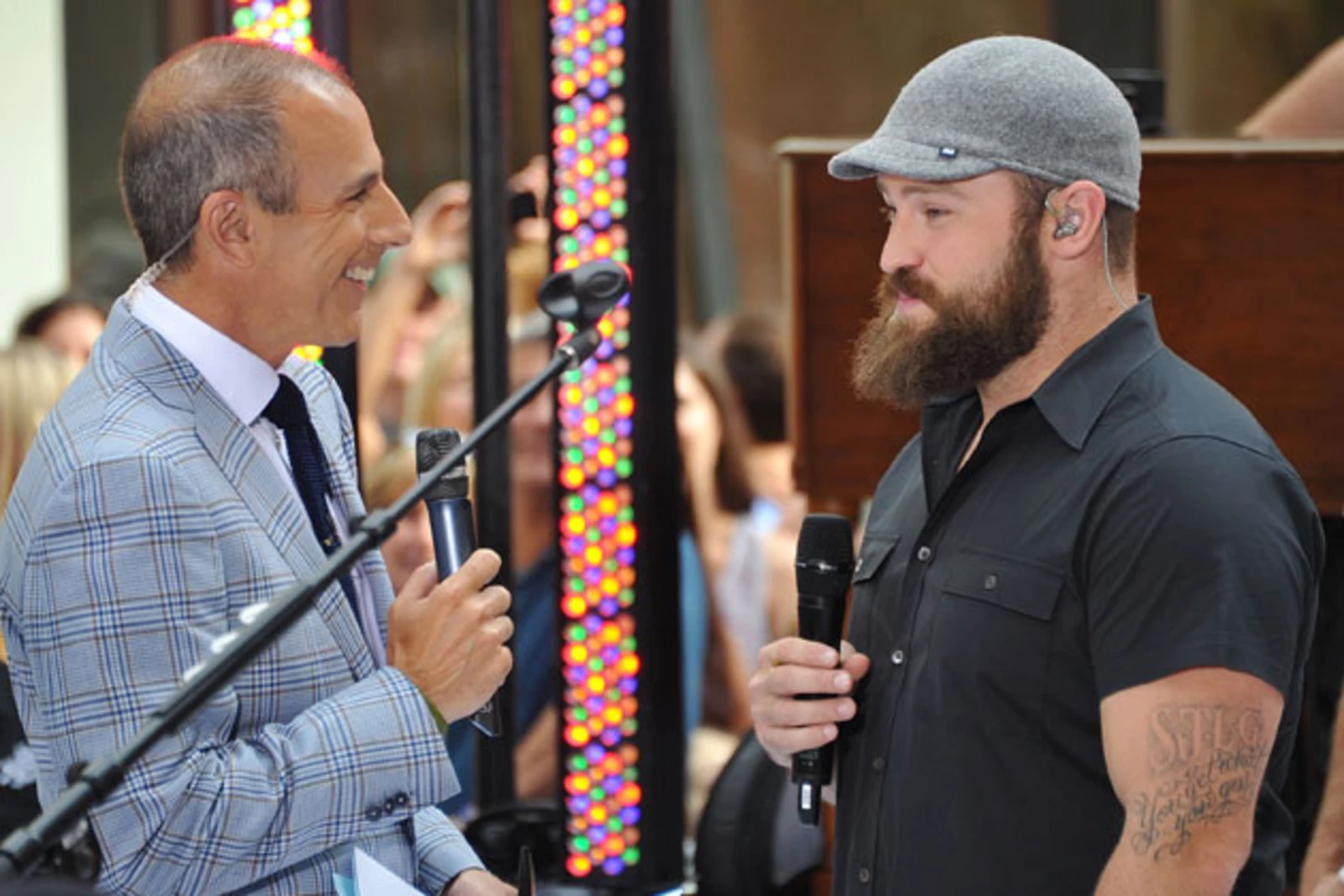

Brown’s tattoo tour also shows a collection that leans hard into animal imagery. The most visible pieces include a lion and an owl, designs that give the overall set a more mythic feel than a straightforward set of music souvenirs. The CMT material frames them as images with memories and meanings behind them, not random flash picked from a wall.
The lion is the louder symbol. Even without forcing one fixed interpretation onto it, the image naturally sits in the territory of courage, leadership and family protection. Brown’s own presentation is the key detail: he treats the designs as part of a personal visual language. The owl brings a different mood, suggesting watchfulness and knowledge, and its presence balances the lion’s more forceful energy.
These designs are a good example of why a tattoo inventory should separate what is visible from what is confirmed. The lion and owl tattoos are documented in CMT’s tattoo-tour coverage. Their exact chronology and the names of the artists are not established by that clip alone, so this article does not attach unsupported dates or credits. What can be said with confidence is that the animal pieces are central to the collection Brown chose to show when asked about the stories in his ink.
They also help explain why Brown talks about tattoos as art. The designs are not simply text or tiny symbols. They are images with enough presence to work as visual anchors, the kind of pieces that can carry a mood across a sleeve or larger section of the body.
Family ink brings the story back home
One of the more personal details in Brown’s public tattoo record is the existence of matching ink with his daughter. CMT’s coverage highlights the father-and-daughter tattoo as a shared memory, which gives it a very different emotional weight from the larger animal designs. Matching tattoos are often talked about as proof of closeness, but here the point is the relationship itself and the fact that the design was chosen together.
The exact symbol can be difficult to read in every public photograph, and that is another place where restraint matters. The reliable claim is that Brown and his daughter have matching tattoos and that the piece is presented as a meaningful family memory. It should not be dressed up with a made-up translation or a dramatic origin story that Brown has not supplied.
That family connection changes the rhythm of the collection. The phrase “you get what you give” looks inward, as a rule Brown gives himself. The animals create a larger symbolic world. The matching tattoo is more intimate: a piece tied to a person and a shared moment. It is a small reminder that the most important tattoo may not be the biggest one in the room.
Brown’s family tattoos also help explain the warmth behind the collection. They show that the artwork is not only about a country-rock image or the rougher side of touring. It is also a record of people he loves and moments he wants to keep visible.
The darker symbols are part of the contrast
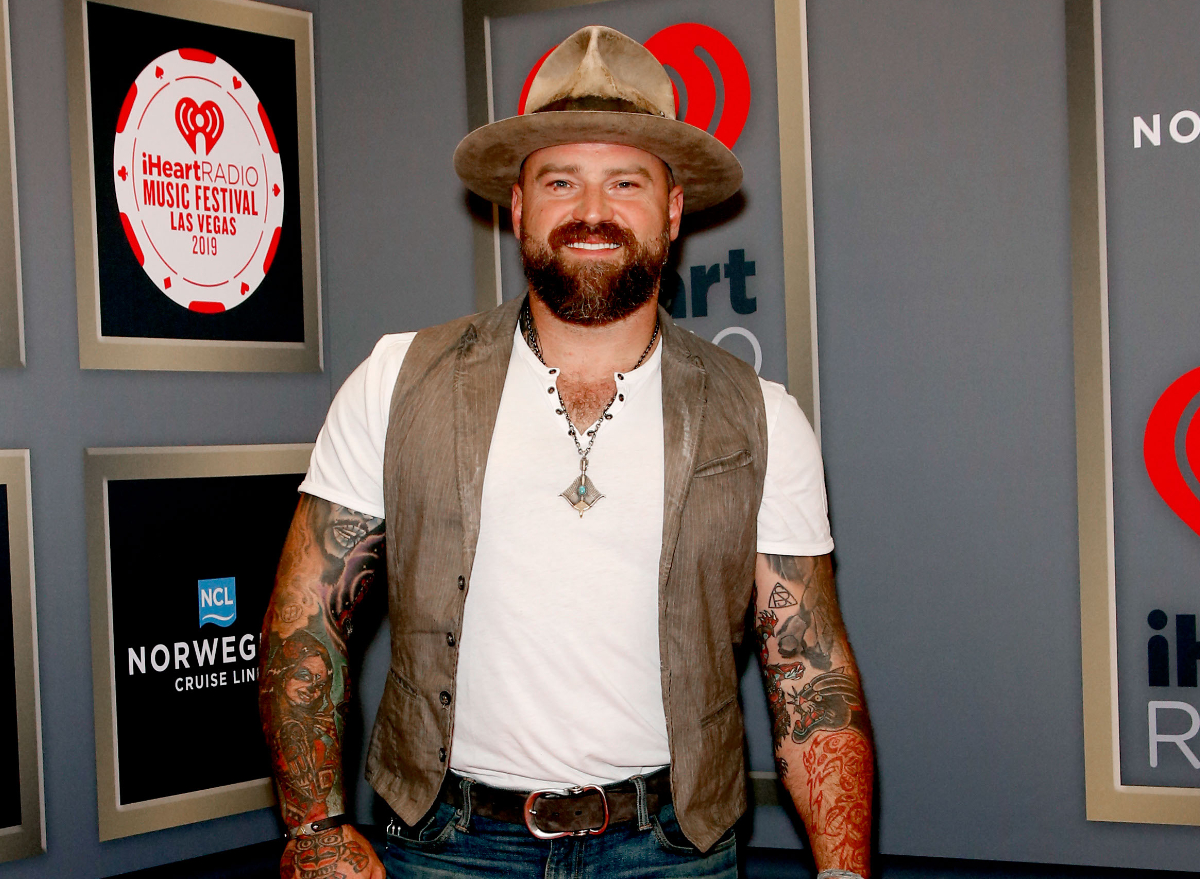
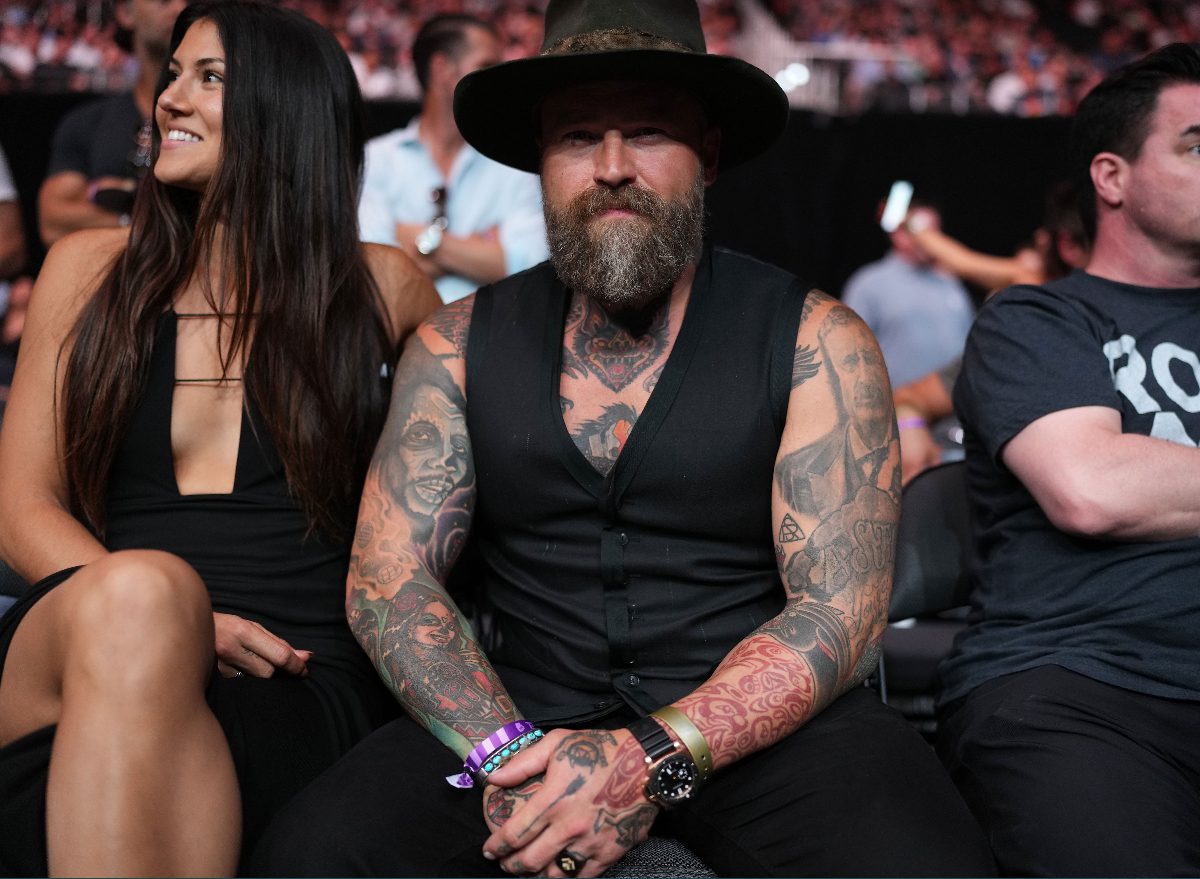
Not every piece in the public footage is gentle or family-focused. Search results around Brown’s tattoo tour also identify a devil tattoo, and the CMT material presents the wider collection as a mix of memories, meanings and striking imagery. The devil design adds a darker note without automatically turning the whole collection into a statement about evil or rebellion.
Tattoos can hold a visual contrast on purpose. A person may choose an unsettling figure because it is funny, theatrical, protective or simply interesting to look at. Brown has spoken about being drawn to art and collecting it, so the most responsible reading is that the devil belongs to that broader gallery of images. Unless he gives a specific explanation, its meaning should remain open.
What is documented is the presence of the design in the tattoo-tour conversation and the way it sits alongside the lion, owl and lettering. That mix is what makes Brown’s ink feel lived-in. It does not stay inside one tidy theme. It moves between encouragement, family, animals and shadowy symbols, much like a real collection built over time.
What the visible pieces say about Brown’s approach

Brown’s most useful comment about his tattoos is that he is drawn to art and sees tattoos as art he gets to carry. That idea ties the documented pieces together better than a single style label. The words have a direct meaning. The lion and owl work as symbolic images. The matching family tattoo holds a shared memory. The devil introduces a more complicated visual note.
There is no need to turn every piece into a biography lesson. Sometimes the design matters because it looks good, because it marks a relationship or because it captures a feeling Brown wanted close by. His collection shows all three possibilities. It is thoughtful without being overly explained, and it has enough contrast to keep the tattoos from blending into one predictable sleeve.
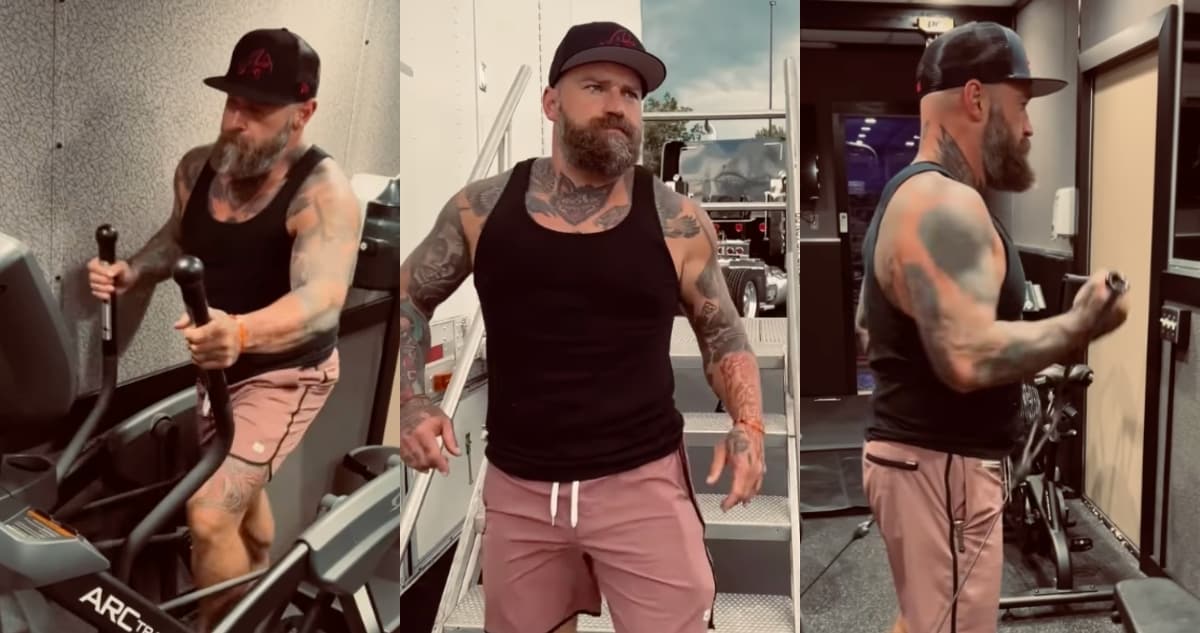
The placement details are also best handled honestly. Brown’s arms and upper body are the areas most often visible in performance and tattoo-tour photography, but coverage changes from one appearance to the next. Clothing, stage lighting and image quality can hide smaller details. The major documented designs are clear enough to discuss; the smaller marks should not be promoted to confirmed tattoos just because they appear in a blurry frame.
That is part of what makes the collection interesting. Brown’s tattoos are personal, but they are not presented as a perfect museum label for every inch of skin. They are pieces that surface through interviews, family moments and live appearances. The record is strongest when it sticks to the artwork he has chosen to explain.
Brown’s tattoos keep growing with the story
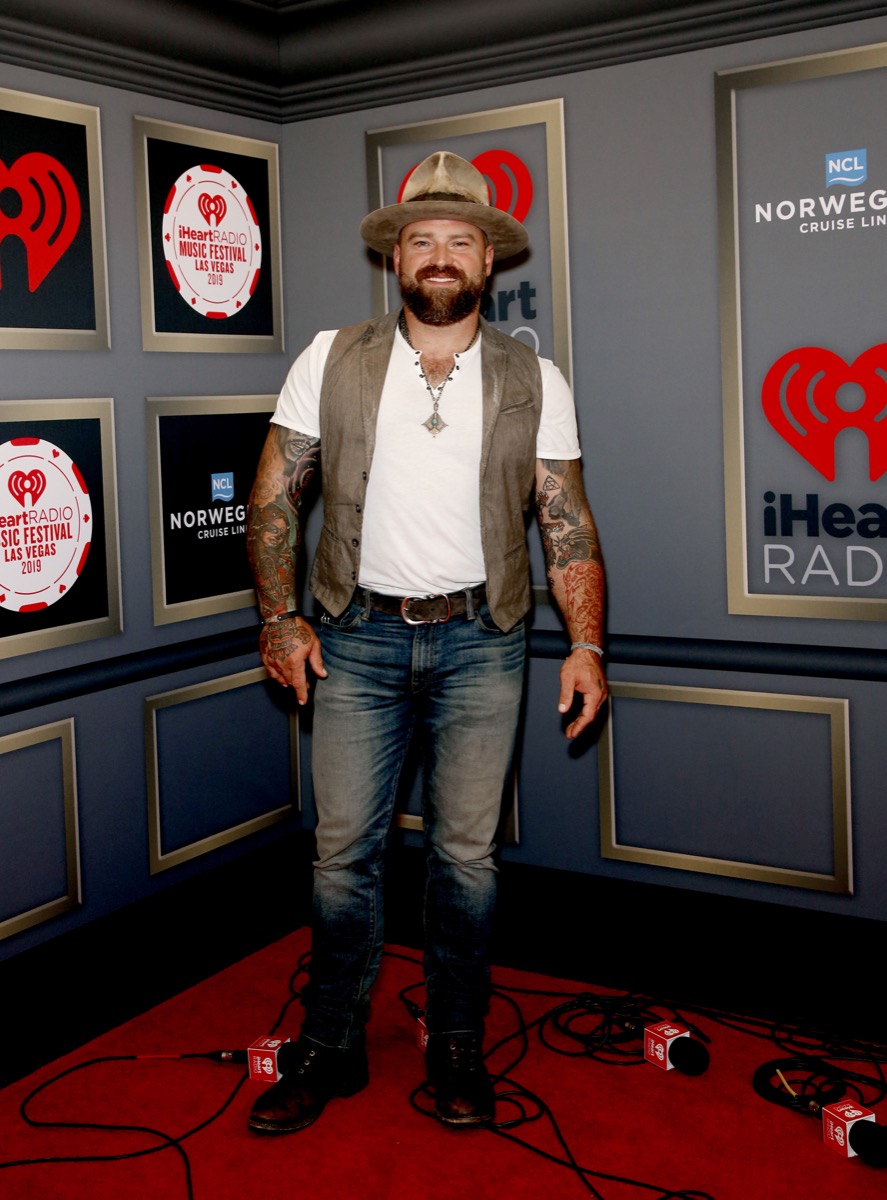
Looking at the documented collection as a whole, the pattern is pretty clear. Brown has used ink for reminders, family connections and big visual symbols. The tattoos do not read like a single campaign or a carefully branded image. They feel accumulated, which is exactly why the scrapbook comparison works.
The newest tattoo-tour material is especially valuable because Brown does not just stand in front of a camera and let people guess. He talks through the collection and gives the viewer a sense of why the pieces stay with him. The phrase about giving and receiving, the animal designs and the shared family tattoo all become more than surface decoration once that context is there.
There are still details fans may want to pin down, including exact dates, artists and the placement of smaller designs. Those questions are fair, but the available record does not answer all of them. A strong inventory is not the one with the most confident-sounding claims; it is the one that knows where the evidence ends. For now, Brown’s best-documented tattoos are the mantra, the lion, the owl, the family matching piece and the devil imagery shown through CMT’s tattoo-tour coverage.
That is already a lot of story. Brown’s ink moves from a line he lives by to animals that carry a little mystery, then back to the people closest to him. Every chapter does not need to be loud to stay with you.
Watch Zac Brown explain the stories behind his tattoos
Brown’s tattoo tour is the best place to hear the meanings in his own voice. The video below focuses on the collection and the memories attached to it.