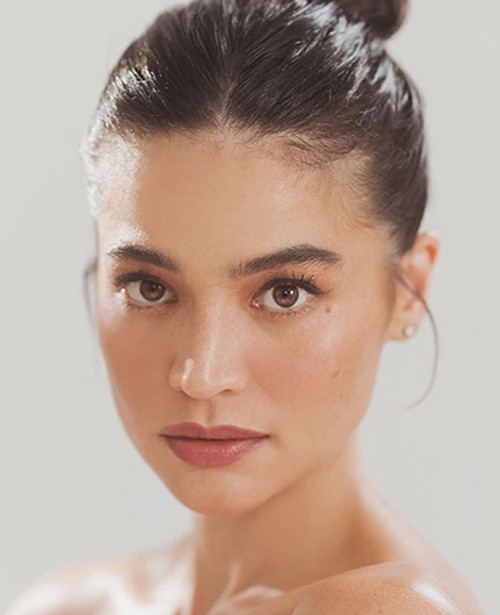
Anne Curtis’s tattoo story is supported by several distinct published tattoo photographs and a small amount of well-sourced history. The documented centerpiece is a floral rib tattoo revealed at the end of 2023 and reported by Philstar at the start of 2024. A second flower-tattoo view and a separate wrist-heart photograph add genuine ink evidence, while two face-visible portraits provide identity and context. The featured portrait remains separate from the tattoo evidence.
Anne Curtis’s flower tattoo is the clearest documented piece

Anne Curtis’s tattoo story is supported by several distinct published tattoo photographs. The flower design she revealed at the end of 2023 is the central record: Philstar reported that the actor and host shared a photograph showing the new ink on the left side of her ribs. The article identifies the image as Anne, places the design on her body and describes several flowers, including a dahlia.
The image is strong because it does more than show bare skin. Anne is recognisable in the wider view, while the companion crop makes the floral linework visible. The composition includes a round, textured flower, a rose-like bloom, smaller leaves and fine stems. The inspected photograph establishes the placement and visible design; it does not justify inventing an artist’s name, a hidden inscription or an exact symbolic meaning that the source does not publish.
Family context and another flower-tattoo view
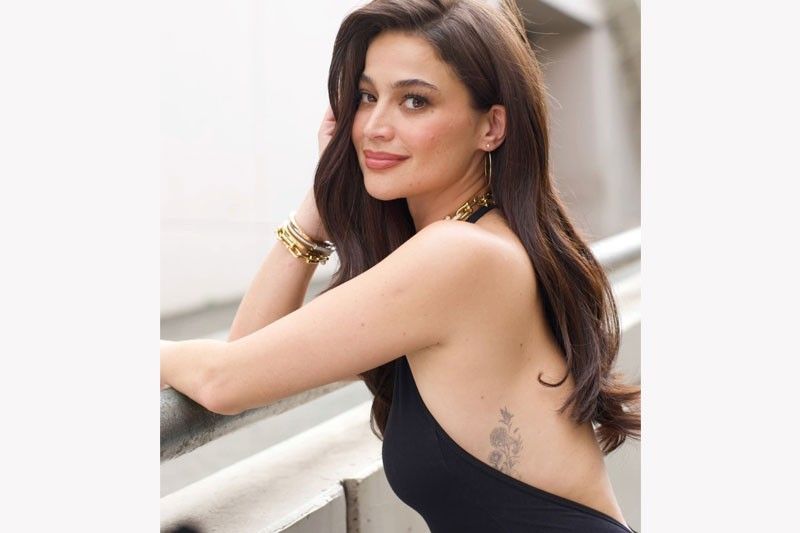
Philstar connects the design to several parts of Anne’s public life. Dahlia is her favourite flower, the name of her daughter and also the name of the first film character she played. Her mother loves flowers and keeps a garden in Melbourne, which gives the floral subject another family association. Those details make the tattoo feel personal without requiring a speculative reading of every petal.
The placement matters too. A rib tattoo can remain private under ordinary clothing and appear only when the wearer chooses a particular pose or silhouette. Anne’s reveal was deliberate: she had shared photographs in the preceding weeks where the work was only partly visible, then showed the whole design at the end of the year. The published report therefore supports a reveal story, not a claim that the design had been visible everywhere before that moment.
Earlier wrist tattoos: the heart and dream designs
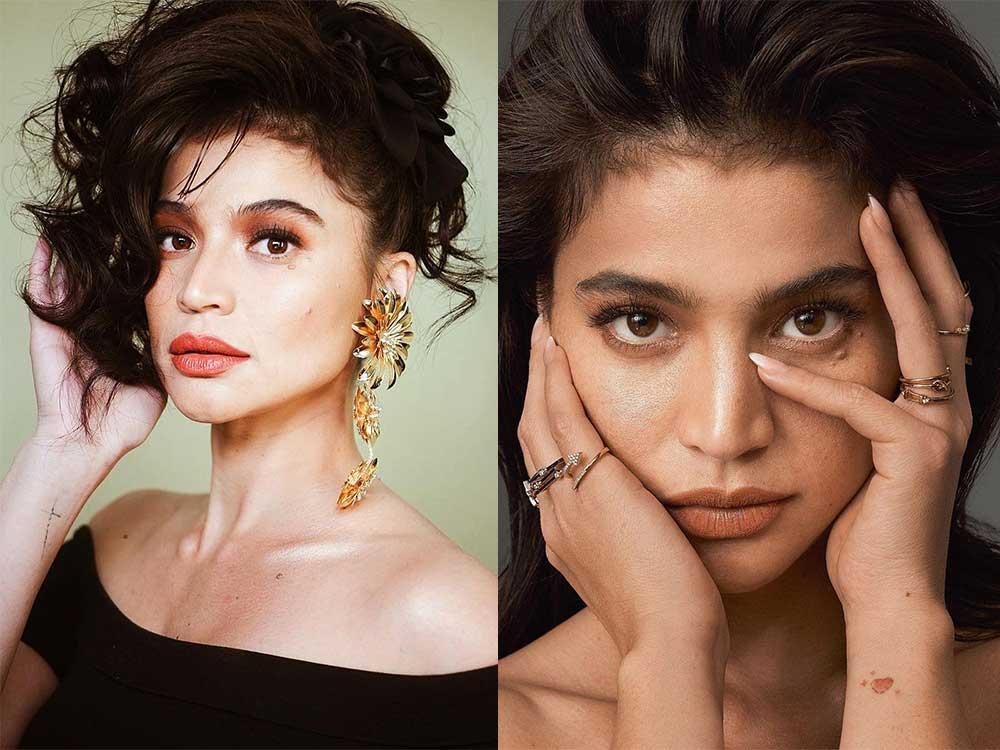
The flower design is not Anne Curtis’s first tattoo. Preview.ph documented two earlier wrist pieces: the word ‘dream’ arranged in a cross-like form, and a small watercolor heart surrounded by three sparkling marks. The same feature says the lettering tattoo was made during a 2017 trip to Korea and identifies Playground Tattoo as the studio. Anne later said that the colored wrist design had faded or been ruined, which is useful context when comparing old and new photographs.
These earlier pieces show a consistent preference for compact designs with personal associations. The first tattoo is a word and shape rather than a large illustration. The second uses a light watercolor effect. The newer rib piece is more botanical and occupies more space, but it still relies on delicate lines rather than a dense blackout style. That progression is an observation from documented photographs and reporting, not a claim about how Anne’s taste must develop in the future.
A public setting
Celebrity lifestyle stories often begin with a distant photograph, a fan caption or a claim that a small detail is visible beneath clothing. Anne’s flower story has a firmer foundation because Philstar names the subject, quotes the context around the reveal and links the image to Anne’s own Instagram post. GMA Entertainment also published a gallery item about the same moment. Together, those sources give the feature a credible visual route without making a generic fashion picture carry the burden of proof.
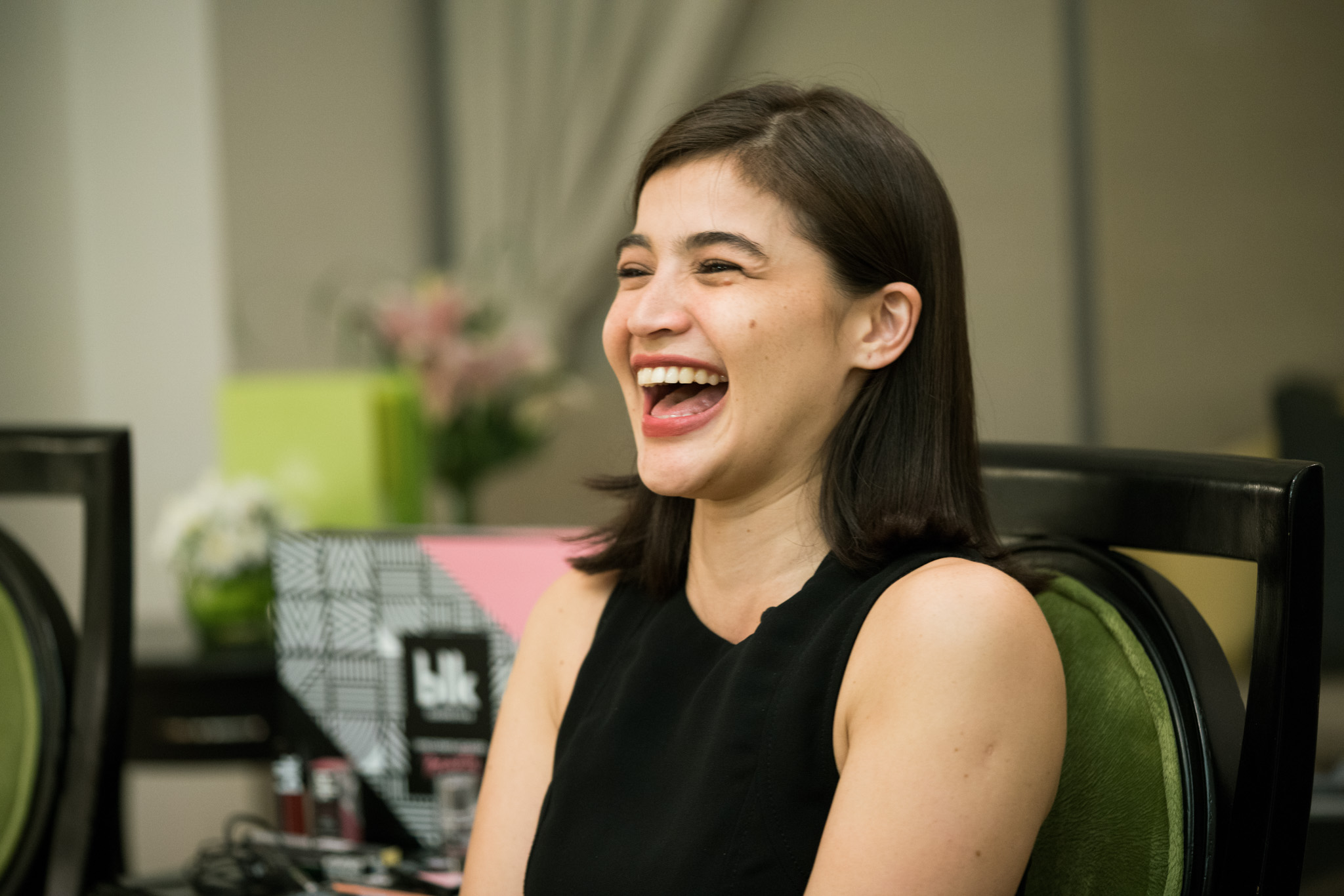
The Tatler Asia portrait appears later in the supporting-images section. It has a different job: establishing Anne’s face and public setting, not proving body art or any other detail outside the published caption.
A family moment
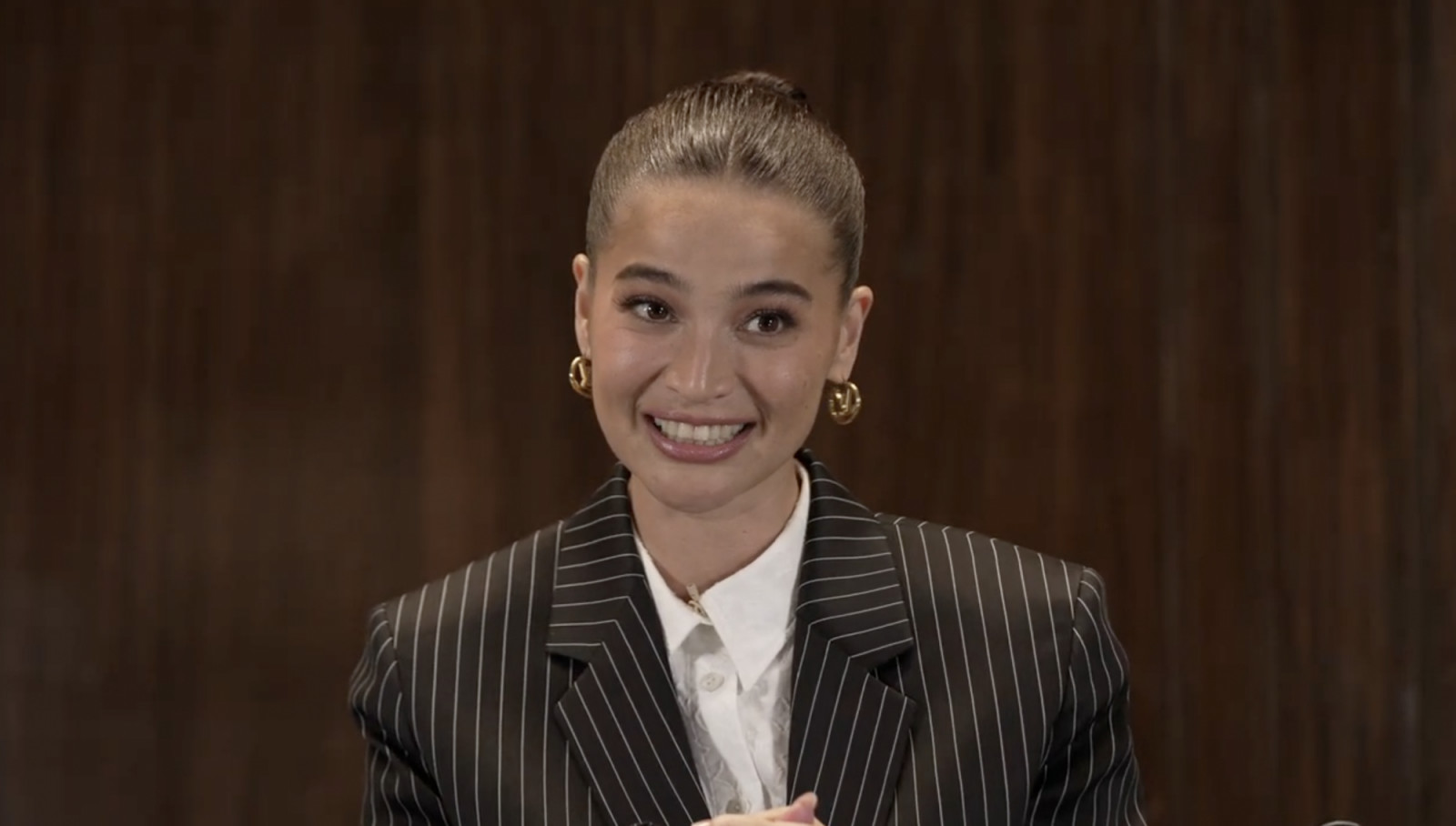
Anne’s public image includes acting, music, television hosting and a highly visible family life in the Philippines. The Rappler interview still appears later as a distinct face-visible context asset, not as proof of any particular body detail.
A separate face-visible featured portrait comes from the Viva Artists Agency, so the page has an identity image that does not depend on the tattoo photograph. The agency headshot is used only for recognition and is not presented as evidence of the flower tattoo. The page keeps the two visual roles separate.
What the published sources can safely say
The most defensible description is a floral tattoo on Anne Curtis’s left rib area, with a dahlia among the visible flowers. The design uses fine black linework, clustered petals and stems that extend vertically along the side of her torso. The wider photograph also shows Anne turning back toward the camera, while the closer panel makes the arrangement easier to inspect. That combination is stronger than a cropped image with no identity context. The floral cluster is visible in the close panel.
The reported meaning has several layers, but they should not be flattened into one invented explanation. The dahlia is her favourite flower. Dahlia is also her daughter’s name, and the name links to Anne’s first film role. Philstar additionally notes her mother’s love of flowers. These are documented associations. The article does not quote Anne saying that each individual flower represents one person, so the page keeps that boundary visible.
The reveal itself is part of the story. Anne had posted images that only slightly showed the tattoo before displaying it in full. That gradual visibility explains why fans reacted when the final photograph appeared. It also shows why a genuine tattoo article needs the right image: the design is not reliably readable in every portrait, and a generic event shot would be a poor substitute for the close view that actually documents the ink.
How the floral story fits together
The left rib is a discreet placement for a meaningful design. It can be covered by everyday clothing and shown in a controlled photograph. The vertical shape suits the body line: the stems and leaves travel with the curve of the side, while the rounded flower heads create a visual anchor. The photograph shows how a botanical design can be composed to fit a narrow, moving area of skin without making claims about Anne’s private intentions.
The inspected image also suggests a light, illustrative approach rather than a heavy saturated piece. The flowers are recognisable because the artist leaves air around the petals and uses fine stems to connect the cluster. That style can look elegant when fresh, but it needs a tattooer who understands how delicate lines age. Skin, sun exposure and the movement of the ribs all affect how much detail will remain legible over time.
Anne’s earlier wrist tattoos provide a useful comparison. Her cross-shaped ‘dream’ lettering is compact and graphic. The small heart uses a softer watercolor effect. The new rib flowers are more expansive, but they still share the older pieces’ preference for personal symbols over anonymous decoration. The comparison is supported by separate coverage of the wrist tattoos and should not be confused with a claim that the flower piece replaces or covers them.
Earlier notes in context
Preview.ph’s account gives the clearest available background for Anne’s first two tattoos. The word ‘dream’ is shaped like a cross and was made during a trip to Korea in 2017. The second design is a tiny heart with sparkles in a watercolor style, also associated with a Korean studio. Anne showed the lettering tattoo during a television segment and discussed how the colored piece had deteriorated. Those details explain why old photographs may show the wrist designs differently from newer ones.
A fading tattoo is not evidence that a celebrity never had the design. Small colored work is exposed to sunlight, washing and friction, especially on the wrist. That is why this page does not use a low-resolution wrist glimpse as the main image. The rib flower photograph is clearer and more recent for its claim, while the older wrist records remain a separate part of Anne’s tattoo history. A careful article can include both without pretending that every design is equally easy to see today.
The earlier tattoos also reinforce the importance of exact placement. Anne’s first piece runs along a wrist and is easy to cover with a bracelet or sleeve. The heart was similarly small. The flower tattoo moves to the rib, where the artist has more room for a vertical arrangement. The contrast shows that placement affects both the scale of a design and how it appears in photographs.
Why the supporting images matter
The three tattoo photographs in this article do different evidentiary jobs: the original Philstar image shows the flower arrangement in a wider-and-closer composition, the later Philstar portrait shows the flower tattoo from another angle, and the GMA image documents the small wrist heart. Two additional editorial portraits from Tatler Asia and Rappler show Anne’s face clearly for identity and context. Every image is labelled honestly and mapped to the section where it belongs.
That separation protects the article from a common visual mistake. Once a page is about tattoos, it is tempting to treat every exposed shoulder or wrist as evidence. A reader deserves to know which image establishes a design and which image simply shows the celebrity. Anne’s page keeps the three tattoo photographs in tattoo sections and the two portraits in context sections. If a later source documents another tattoo, it can be added as a new tattoo asset rather than inferred from a generic portrait.
The separate featured portrait serves the same purpose. The Viva Artists Agency headshot has Anne’s face plainly visible and gives the page a clean identity anchor. It is not used to describe the flower tattoo. A separate portrait is especially useful when the tattoo photograph is a side view or includes a cropped body panel. Readers can identify the subject first, then inspect the narrower evidence with the right expectations.
Visual details
Anne’s flower tattoo offers several design prompts: a favourite flower, a family name, a first acting role, or a memory of a parent can all become a visual starting point. The strongest custom design would translate those ideas into symbols that belong to the wearer. A dahlia might become a different botanical species, a line of leaves might be replaced by a meaningful date, or a small group of flowers might be simplified into one carefully placed bloom.
The photograph makes the placement, line weight and spacing visible. The rib can be sensitive and the shape of the torso changes with movement, which helps explain the long vertical flow of the stems. The artist has left air around the petals so the cluster reads as separate flowers rather than a dark block. The image supports those visual observations without turning the page into a booking guide.
The article’s visual evidence shows why a reference needs to display the tattoo itself at a useful size. A red-carpet photograph or a fashion campaign may show a celebrity, but it may not reveal the ink. A verified close-up makes placement and linework easier to inspect. The extra portraits add recognition, while the tattoo section remains anchored to the image that proves the tattoo is there.
What remains unknown
The published sources do not provide a complete catalogue of every tattoo Anne Curtis may have, and they do not identify the tattoo artist by name in the Philstar report. The available evidence also does not establish an exact session date beyond the end-of-year reveal, nor does it assign a separate meaning to every flower in the composition. Those are open questions, not invitations to fill the gaps with fan speculation.
What is established is enough for a useful, honest profile: Anne revealed a floral tattoo on her left rib; the visible design includes a dahlia and other fine-line flowers; the source ties the motif to family, a favourite bloom and a film memory; and older reporting documents the compact wrist tattoos that came before it. The page shows the genuine tattoo image, preserves a face-visible portrait separately and labels the remaining images as context.
If Anne or the artist publishes a clearer close-up or explains the design in more detail, the record can be updated. Until then, the responsible description is the one that stays close to the photograph and the published reporting. The design is floral, the placement is on the left rib, and the personal associations are documented without being exaggerated. That is more useful than a longer list built from guesses.