
Pattarapol Kantapoj, also known as Dew Pattarapol, plays Gelun in season two of VIVANT. Photos from the series and his public posts show Japanese-style tattoos, including a large tiger across his back. Four additional portraits place him with colleagues and in everyday settings.
The tiger tattoo on Pattarapol Kantapoj’s back
Magmix reported that Pattarapol posted the back photo on August 17 with a Japanese caption that translates as “cute tiger.” The report describes a realistic tiger looking straight toward the camera.
In the monochrome image, the tiger’s eyes and muzzle fill much of his back, with lines extending toward the shoulders and lower back.
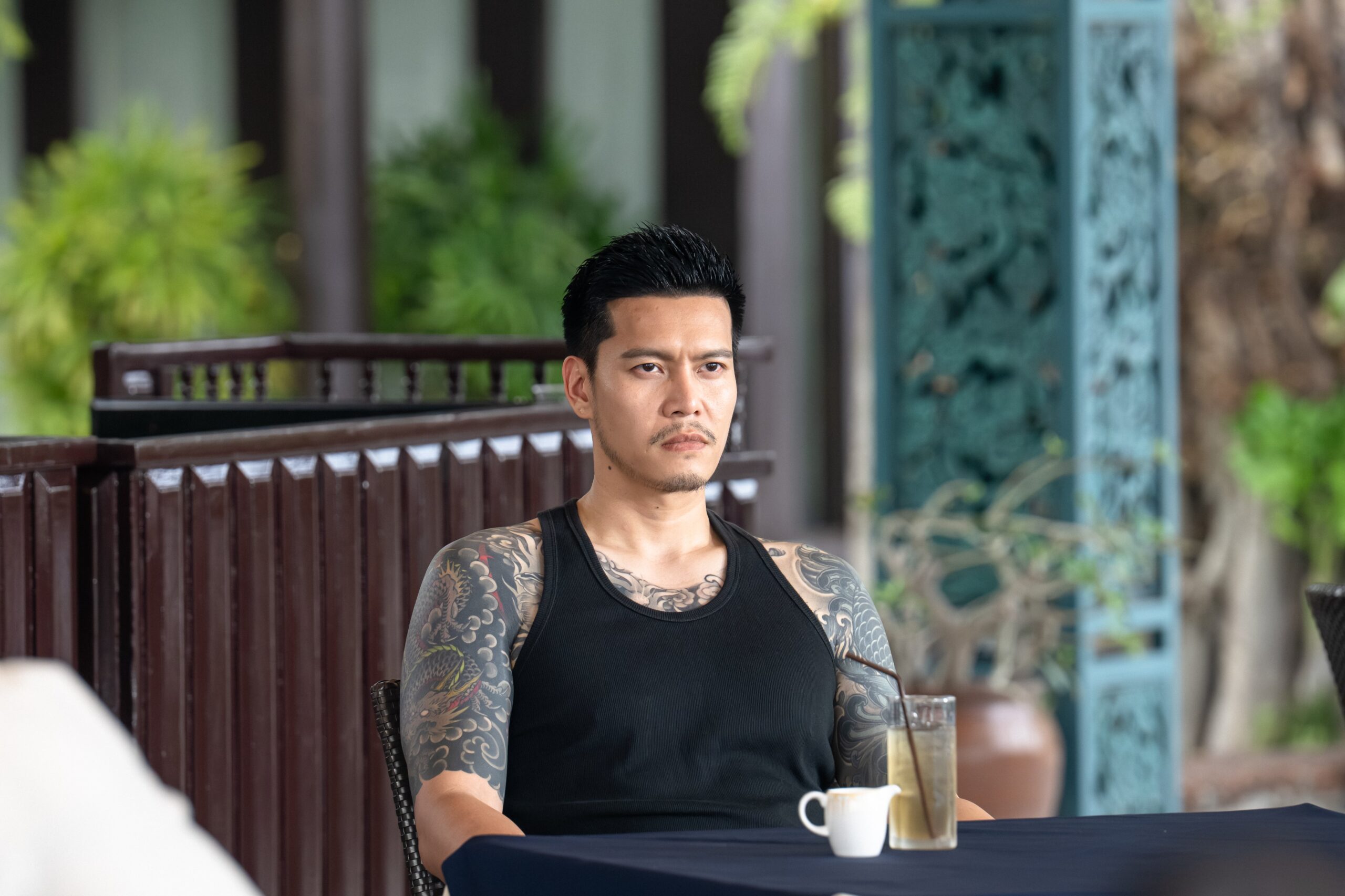
The tiger is part of Japanese-style work visible across Pattarapol’s arms, shoulders and upper chest.
The drama connection
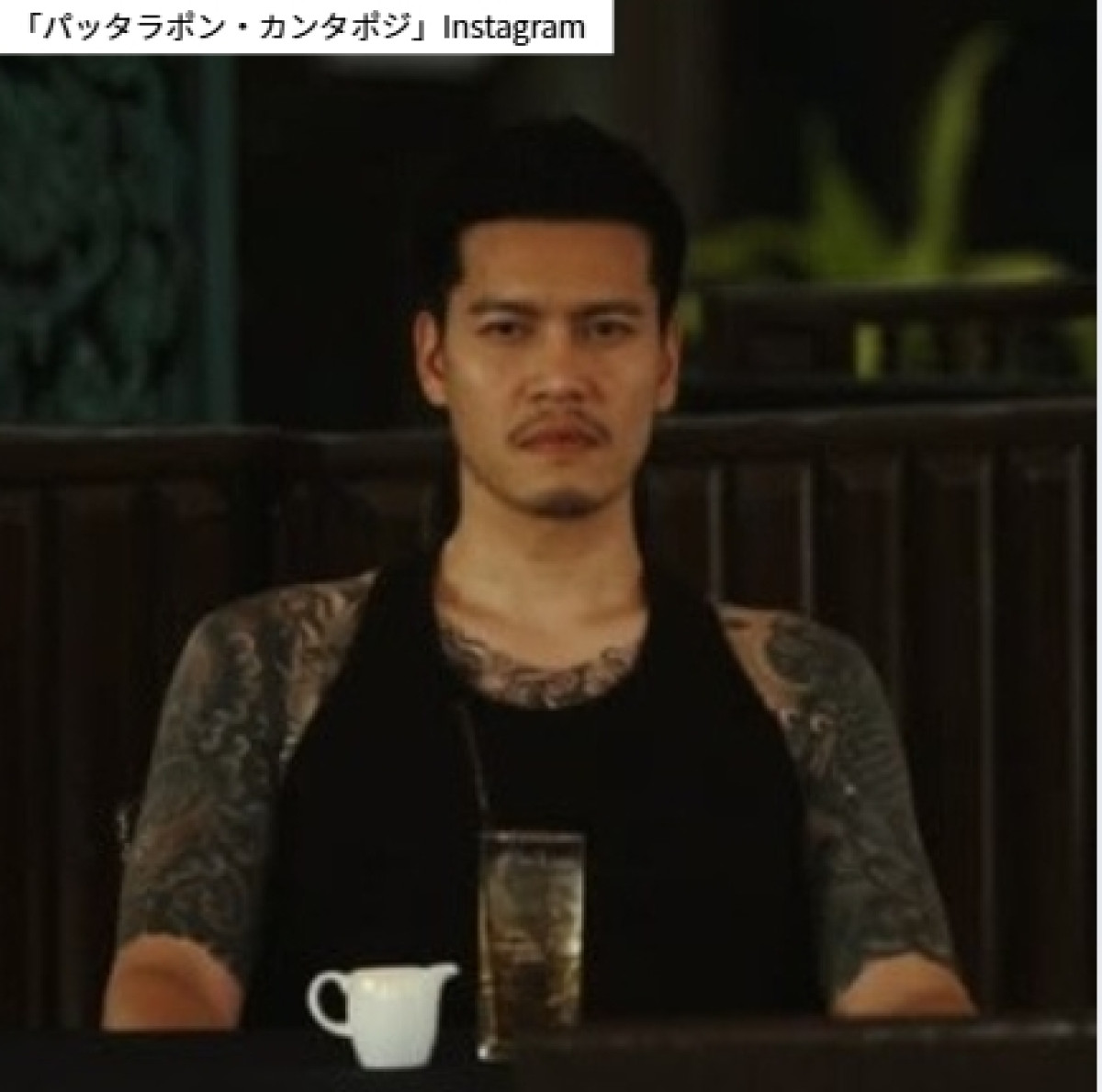
In VIVANT, Pattarapol plays Gelun, a Thai agent. Magmix says the Japanese-style tattoos seen on the character are Pattarapol’s own, not temporary designs added for the production.
The actor behind Gelun

Japanese and Thai entertainment pages describe Pattarapol as a Thai actor and singer.
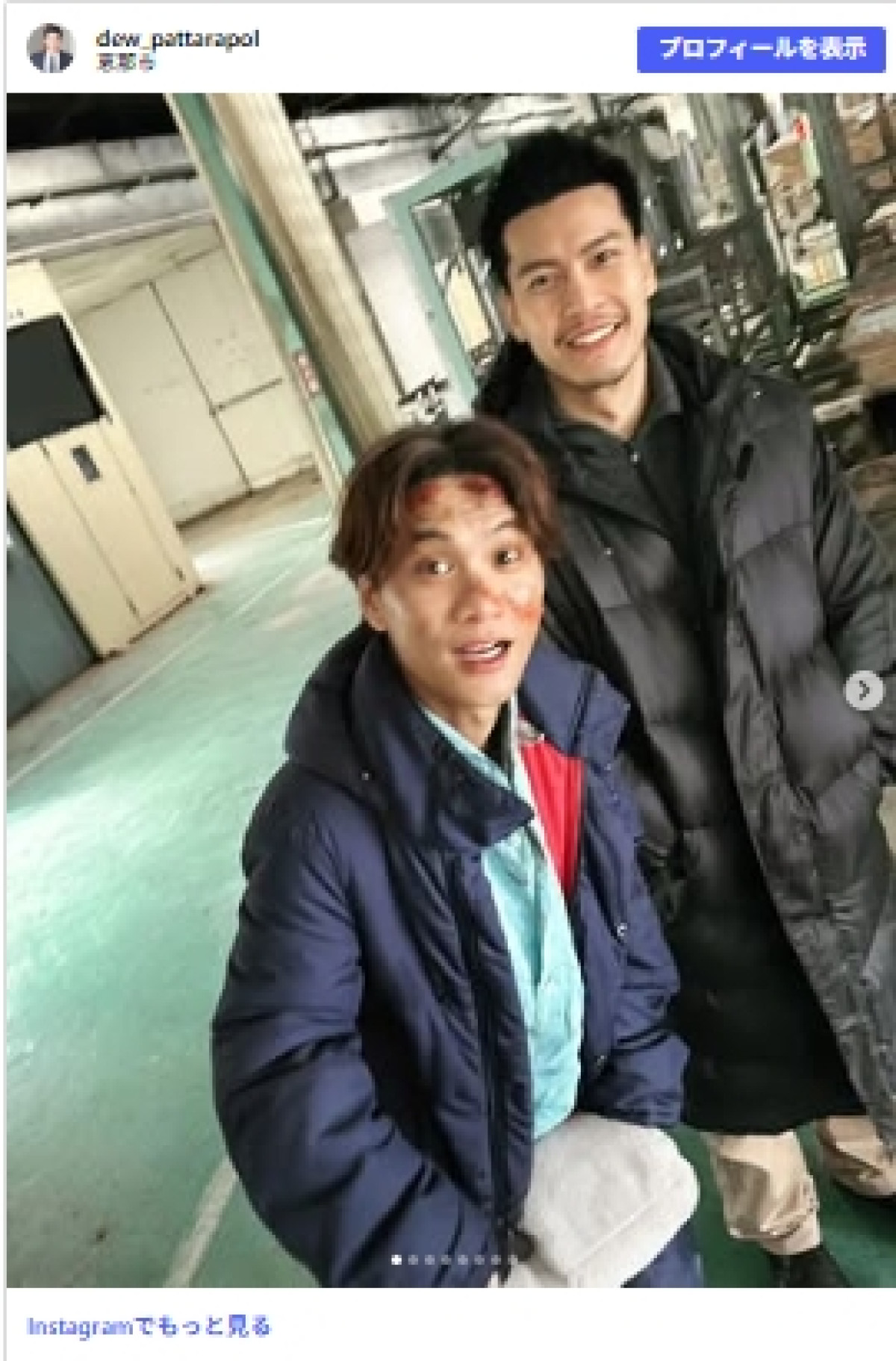
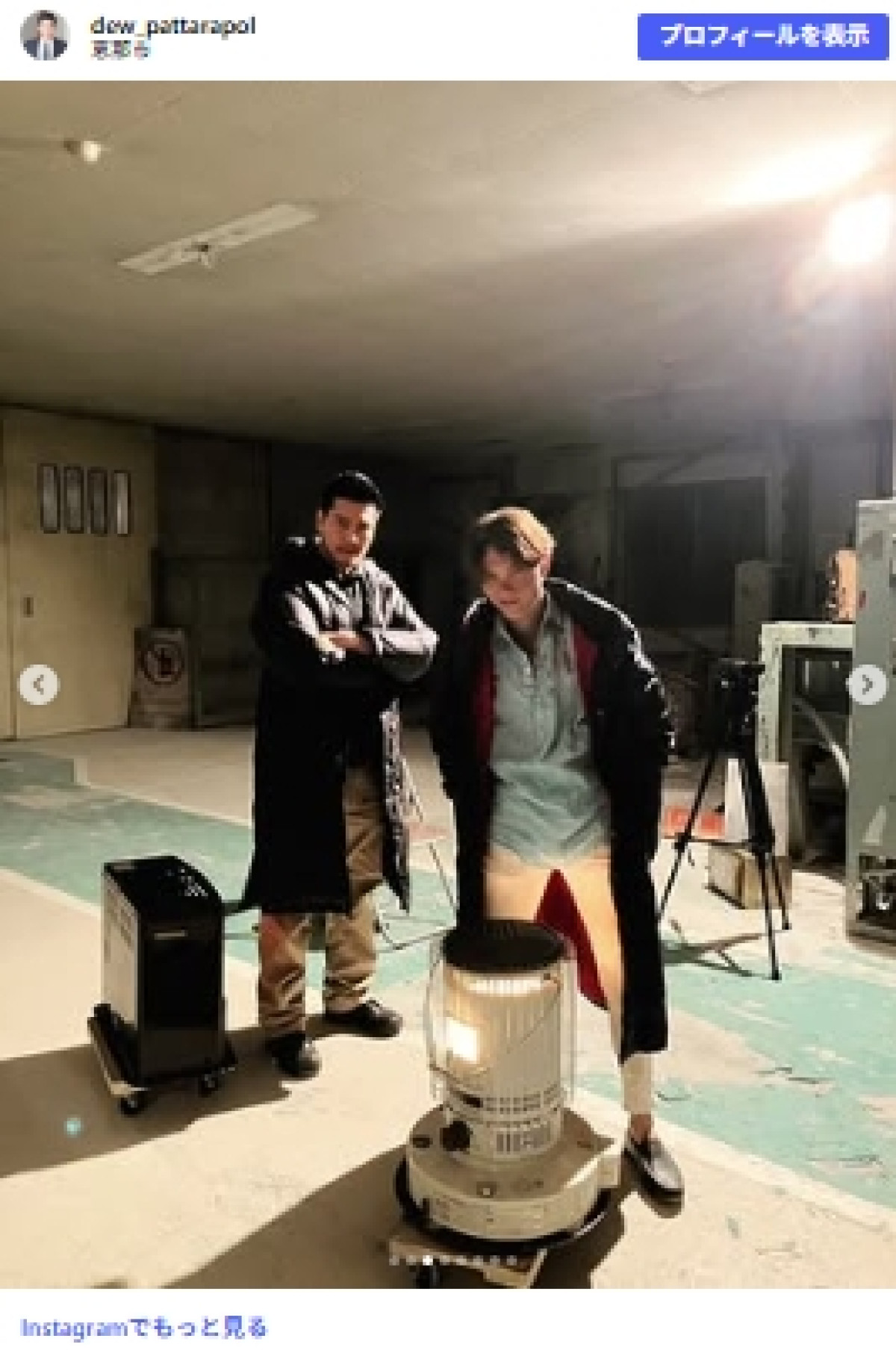
The four supplemental portraits show him seated at the Mandarin Oriental, eating at a restaurant, with colleagues and in another production setting. They keep his face visible and show him away from the back close-up.
Published reporting
Magmix’s August 18 report followed viewers’ comments about Gelun’s tattoos. It also noted greenish tones in some Japanese-style work on Pattarapol’s arms and shoulders in a VIVANT production documentary.
Pattarapol has said he likes Japanese-style tattoos, and the coverage mentions his interest in Japanese culture and food.
A public image shaped by body art
The restaurant and travel portraits show Pattarapol in everyday settings, while VIVANT frames his exposed arms and chest as part of Gelun’s look. In the back photo, the tiger fills the frame.
The front-facing photograph suggests dense work across the shoulders, chest and arms, with flowing lines and large shaded forms. The back image isolates the tiger’s face and makes its expression easier to see.
The photograph and its limits
The back close-up confirms the tiger and its placement, but not who tattooed it or when. The front-facing image gives a wider look at the upper-body work.
The social-media photo is monochrome, while the production photos are in color, so the ink reads differently in each.
What the sources establish
The available coverage doesn’t explain what the tiger or other motifs mean to Pattarapol. The photos show the designs, but not why he chose them.